Kafana Studenac
Our verdict
Kafana Studenac sits on Milenka Topalovića in Bajina Bašta, a town defined by its proximity to the Drina River and Tara National Park — two factors that shape the sourcing logic behind any serious kitchen in this corner of western Serbia. The kafana format here is not a heritage affectation but a working institution, where the line between local producer and kitchen remains short by necessity and tradition.

Pearl is the En Primeur Club membership app — saves, bookings, and concierge access live there. Same editors, same standards.
- Address
- 145 MILENKA TOPALOVIĆA 31250, Bajina Bašta, Serbia
- Phone
- +381 31 864659
- Hours
- Daily 7 AM–11 PM
- Directions
- Get directions
The menu
What to order
- Pljeskavica
Where the Drina Valley Meets the Table
Bajina Bašta sits at the edge of Tara National Park, close enough to the Drina River that the surrounding hills define what ends up in local kitchens. This is not a city where farm-to-table is a marketing stance — it is simply the way food has always moved in a region where access to large distribution networks is limited and local production fills the gap. The kafana, as a format, has survived precisely because it reflects this geography: short supply chains, seasonal availability, and a menu shaped more by what the surrounding land yields than by what a chef might wish to import.
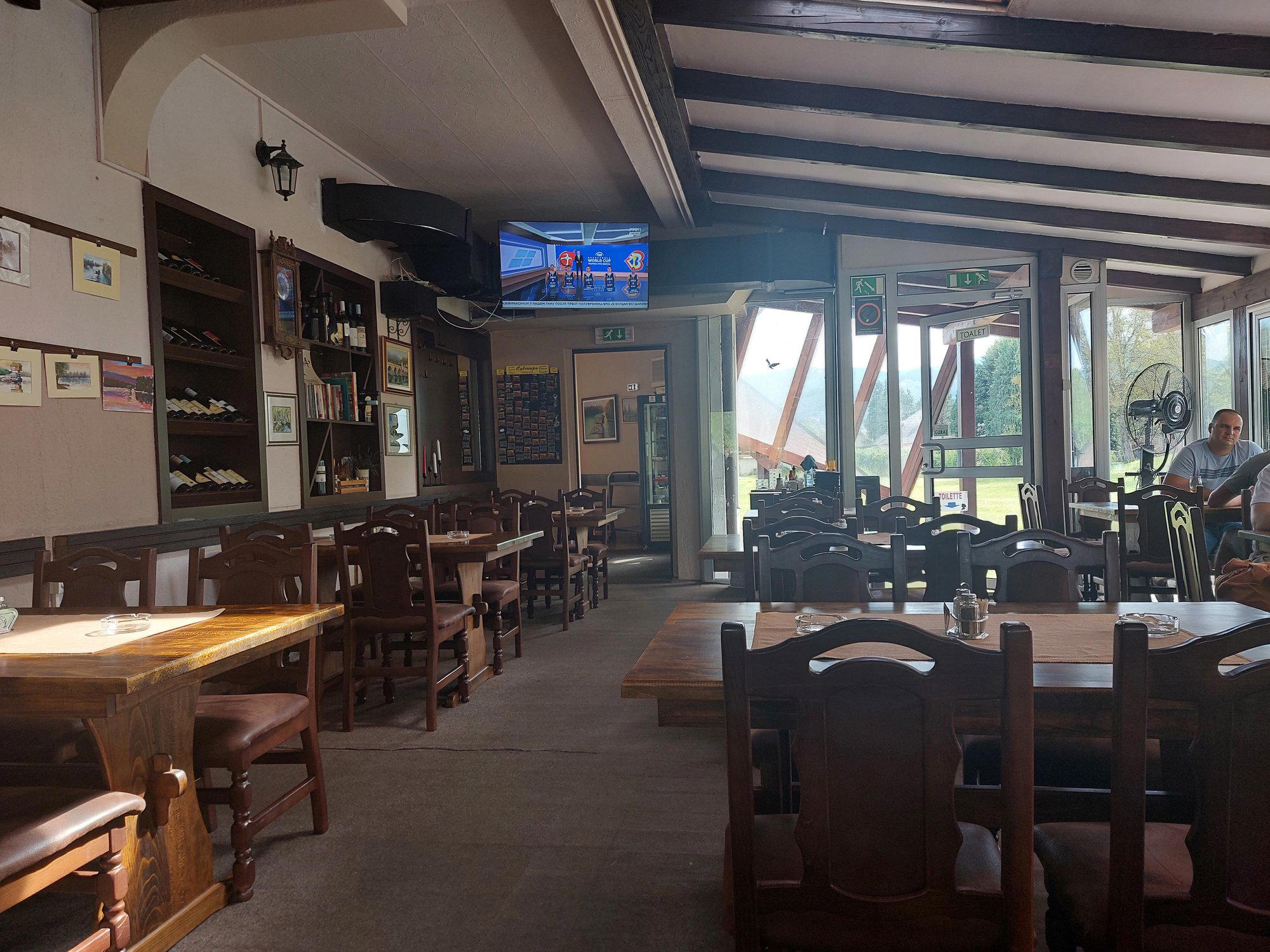
Kafana Studenac, at 145 Milenka Topalovića, sits inside this tradition. The building is the kind of place that does not announce itself with signage designed to attract passing tourists — in a town this size, the local population already knows where it is. The approach on arrival is characteristically unpretentious: a room where the furniture, the lighting, and the noise level all signal that the priorities here are hospitality and food, not atmosphere engineered for social media.
The Sourcing Logic of Western Serbia
To understand any kafana in the Bajina Bašta area, you need to understand the agricultural character of this part of Serbia. The Drina valley and the Tara highlands produce lamb, freshwater fish from the Drina itself, game from the surrounding forests, and dairy from small-scale mountain producers. These are not specialty ingredients in the artisan sense, they are simply what is available and what has always been cooked here. A kitchen in this region that does not draw on them would be making a deliberate and unusual choice.
The kafana model amplifies this sourcing pattern. Unlike the urban restaurant formats found in Belgrade, where a place like Langouste in Belgrade operates with the complexity of a cosmopolitan supply chain, a provincial kafana in western Serbia typically works with a smaller, more fixed set of ingredients. The seasonality is real rather than curated. What grows or grazes in the immediate region in a given month is what appears on the table.
This is not a constraint that produces lesser food. In regions with strong culinary traditions, tight ingredient circles tend to produce depth rather than range. The grilled meats, slow-cooked stews, and freshwater fish preparations that define this part of Serbian cooking are the result of generations of repetition and refinement, not experimentation. Venues like Kafana Pećinar Ljubiš in Cajetina, not far from Bajina Bašta in the Zlatibor-Tara corridor, operate within the same sourcing logic and have built reputations on the same premise: that consistency with local ingredients outweighs novelty.
The Kafana as a Cultural Format
The kafana is one of Serbia's most durable hospitality institutions, occupying a space somewhere between a neighborhood tavern, a family restaurant, and a social hall. Its persistence in smaller towns is not nostalgia, it reflects a set of practical functions that more specialized restaurant formats have not displaced. A kafana in a town like Bajina Bašta serves lunch crowds, evening gatherings, and occasional celebrations within the same room and often with the same menu.
This contrasts with the more segmented formats that have emerged in larger Serbian cities. In Novi Sad, a place like Kafe Restoran Maša operates in a more urban, café-restaurant hybrid mode. In Nis, ETNO PODRUM BRKA applies a styled ethnographic aesthetic to similar regional food. The provincial kafana, by contrast, tends to resist stylization. It does not reconstruct tradition, it continues it, with the frictions and familiarity that continuity implies.
Bajina Bašta has more than one venue working in this tradition. Кафана Курта operates in the same town and within the same format category, which means that the local dining scene, small as it is, sustains more than one institution of this type. That is a reasonable indicator of genuine local demand rather than tourist-driven supply.
Placing Studenac in the Regional Picture
Across western and central Serbia, the kafana tradition shows up in different registers. In Valjevo, Lovački dom adds a hunting lodge dimension to the same regional food culture. In Cajetina, the Zlatibor plateau supplies the agricultural base for several established venues. In Čačak, Kod Brana represents the town's version of this format. Further afield, Etno Kuća Dinar in Vrsac and Koliba Etno Restoran in Leskovac show how the etno-kafana format scales across different regions, each shaped by local agricultural conditions.
What connects them is not aesthetics but sourcing. The Drina watershed, the Tara highlands, and the Zlatibor plateau each produce distinct ingredient profiles, and the kitchens that work within them tend to develop a specificity of flavor that imported or standardized ingredients cannot replicate. For a reader accustomed to high-end venues, the technical precision of Atomix in New York City or the seafood mastery of Le Bernardin, the value proposition here is different but not lesser: it is food made from what this specific place produces, prepared in the way this place has always prepared it.
Planning Your Visit
Kafana Studenac is at 145 Milenka Topalovića, Bajina Bašta. The town is accessible from Belgrade via the E763 and connecting roads through Užice, a drive of roughly two and a half to three hours depending on conditions. For visitors arriving from Užice, where Aleksandar Gold offers another point of reference on the region's dining range, Bajina Bašta is a further 45 minutes west. Contact details and hours are not currently listed, so visiting in person or asking locally about current service times is the most reliable approach. In smaller Serbian towns, kafana hours often flex around local demand rather than fixed schedules, and lunch service tends to be the more consistent meal period. For a broader orientation to dining in this part of Serbia, our full Bajina Bašta restaurants guide covers the local options in more detail.
Frequently asked questions
Is Kafana Studenac a family-friendly restaurant?
The kafana format is historically a multi-generational institution across Serbia, and venues in Bajina Bašta broadly reflect that tradition. Families, working locals, and travellers passing through Tara National Park tend to share the same dining room. Nothing in Studenac's positioning at 145 Milenka Topalovića suggests otherwise.
Is Kafana Studenac formal or casual?
The kafana is a casual format by definition — it sits closer to a neighbourhood tavern than a white-tablecloth restaurant. In Bajina Bašta, where the town serves as a gateway to Tara National Park, that informality is the point. Come as you are from the trail or the river.
Is Kafana Studenac a good stop when visiting Tara National Park?
Bajina Bašta is one of the primary access points for Tara National Park, and Kafana Studenac's address on Milenka Topalovića places it in the town itself rather than deep in the park. For visitors arriving from Belgrade via the E763 through Užice, the town is a natural waypoint. A kafana stop here fits logically between the drive and the park trails.
What should I order at Kafana Studenac?
The western Serbia region around Bajina Bašta is strongly associated with grilled meats, river fish from the Drina, and dairy products from the Tara plateau. Kafanas in this area typically anchor their menus around these local staples. Specific dishes and current menu details are best confirmed directly with the venue.
How do I find Kafana Studenac?
Kafana Studenac is located at 145 MILENKA TOPALOVIĆA 31250, Bajina Bašta, Serbia, Bajina Basta.
What's the best way to book Kafana Studenac?
In-person inquiry on arrival is the practical approach for many kafanas of this type in smaller Serbian towns, though availability is generally less constrained than at city venues.
Comparable Venues
Comparable venues nearby, for context on price, style, and recognition.
| Venue | Cuisine | Price | Notes |
|---|---|---|---|
| Kafana StudenacThis venue — the venue you are viewing | Serbian Grill & European | $10–20 | Not listed |
| Кафана Курта | Serbian Grill | Not listed | Kaluđerske bare |
| Avala | Traditional Serbian | $20–30 | Savski Venac |
| Old Hercegovina | Traditional Serbian Barbecue | $10–20 | Stari Grad |
| etno restoran Gaziya | Traditional Serbian Ethnic Cuisine | Not listed | Novi Pazar |
| Kordun | Traditional Serbian Cuisine | Not listed | Pancevo |
Continue exploring
More in Bajina Basta
Restaurants in Bajina Basta
Browse all →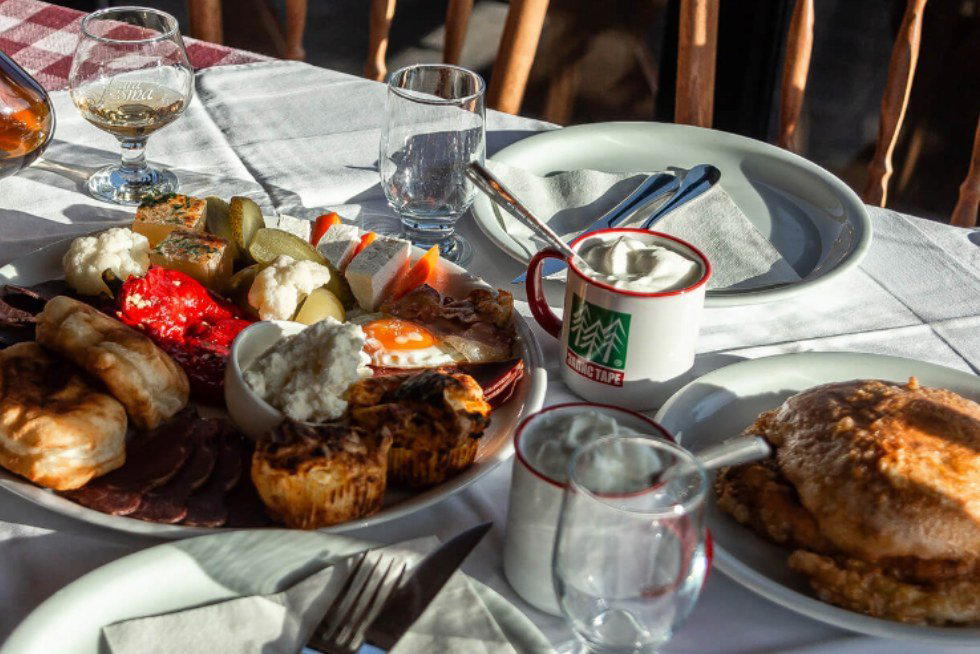
Hotels in Bajina Basta
Browse all →
Wineries in Bajina Basta
Browse all →
Details
- Scenic
- Rustic
- Casual Hangout
- Family
- Terrace
- Waterfront
- Waterfront
- A La Carte
- Vegetarian Friendly
Current opening hours
- Monday
- 7 AM–11 PM
- Tuesday
- 7 AM–11 PM
- Wednesday
- 7 AM–11 PM
- Thursday
- 7 AM–11 PM
- Friday
- 7 AM–11 PM
- Saturday
- 7 AM–11 PM
- Sunday
- 7 AM–11 PM
Hours can change for holidays and private events. Last verified .
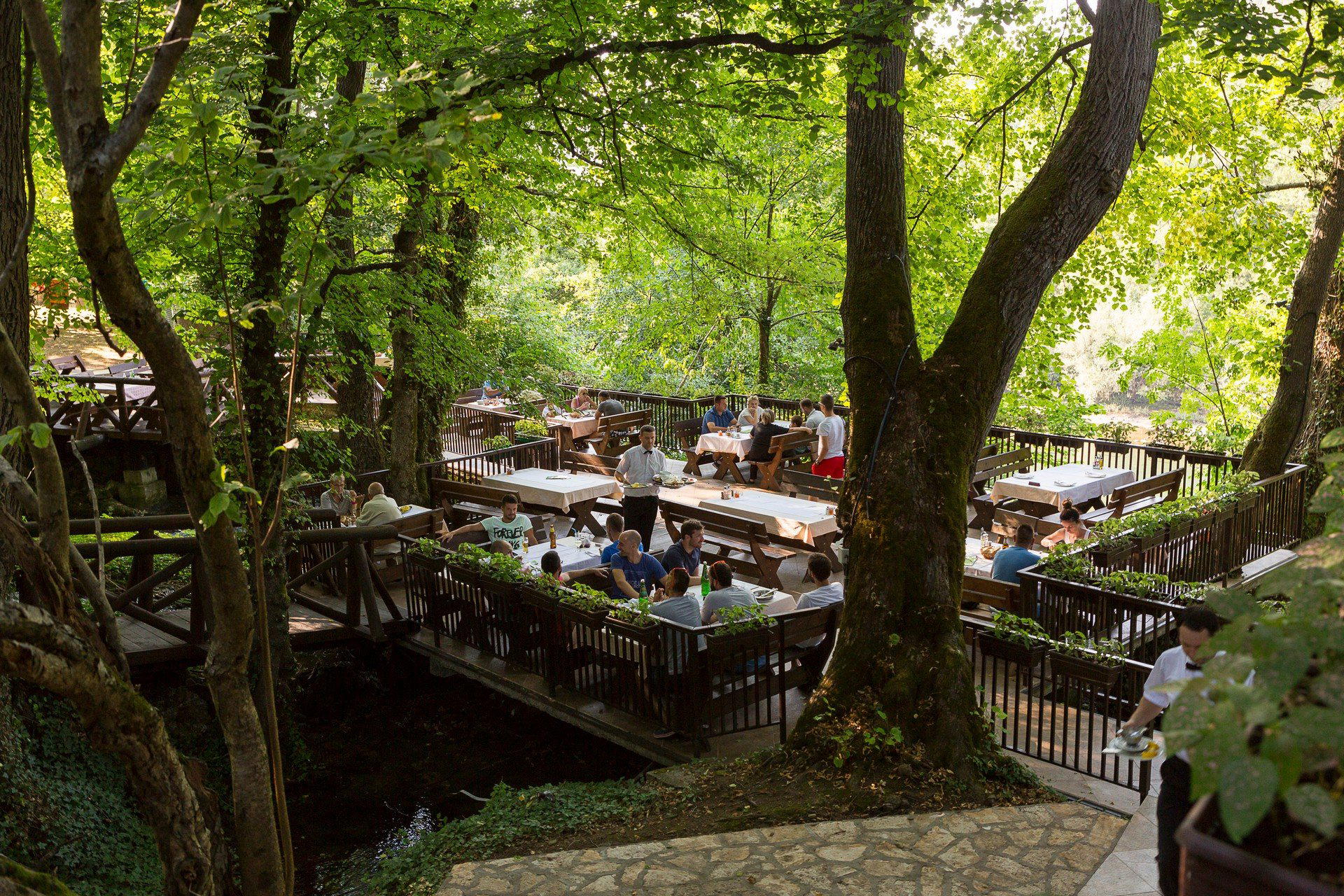
Relaxed tourist spot with scenic river views, pleasant terrace seating in summer, and a welcoming atmosphere for enjoying local cuisine.