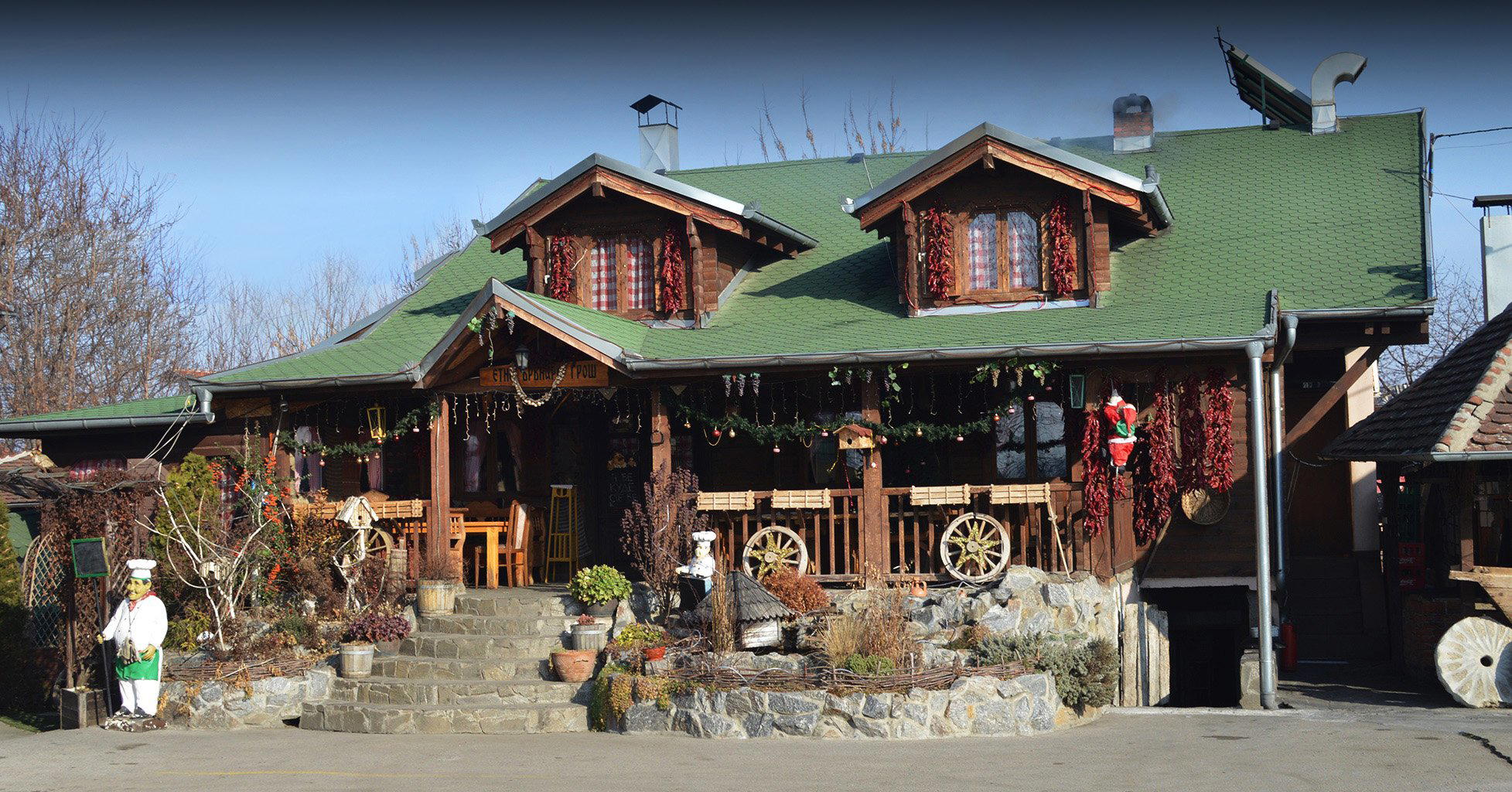
Set in Jelašnica, a village in the hills southeast of Niš, Etno Podrum Brka represents the tradition of Serbian etno dining rooted in local produce and rural hospitality. The format places it alongside a recognizable category of countryside restaurants that draw urban visitors seeking food anchored to a specific agricultural territory. For those tracing Serbian rural cooking in the Niš region, this is a credible starting point.
Pearl is the En Primeur Club membership app — saves, bookings, and concierge access live there. Same editors, same standards.
- Address
- Jelašnica, Serbia
- Phone
- +381184640113
- Directions
- Get directions
 Saves & bookings on Pearl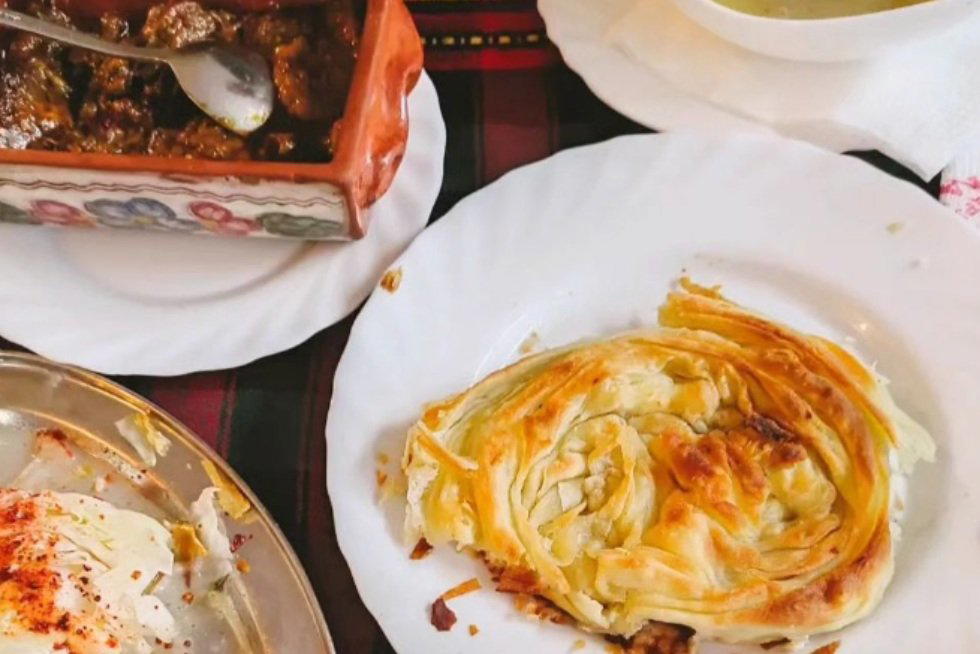
Where the Village Table Becomes the Point
Etno Podrum Brka is a traditional Serbian restaurant in Jelašnica, Serbia, southeast of Niš. The Jelašnica river cuts through limestone gorge country before opening into quieter agricultural land. Restaurants in this category, found across Serbia from the Zlatibor highlands to the Fruška Gora slopes, are built around a premise that matters: the food belongs to the land immediately surrounding it, and the setting should make that legible to the guest.
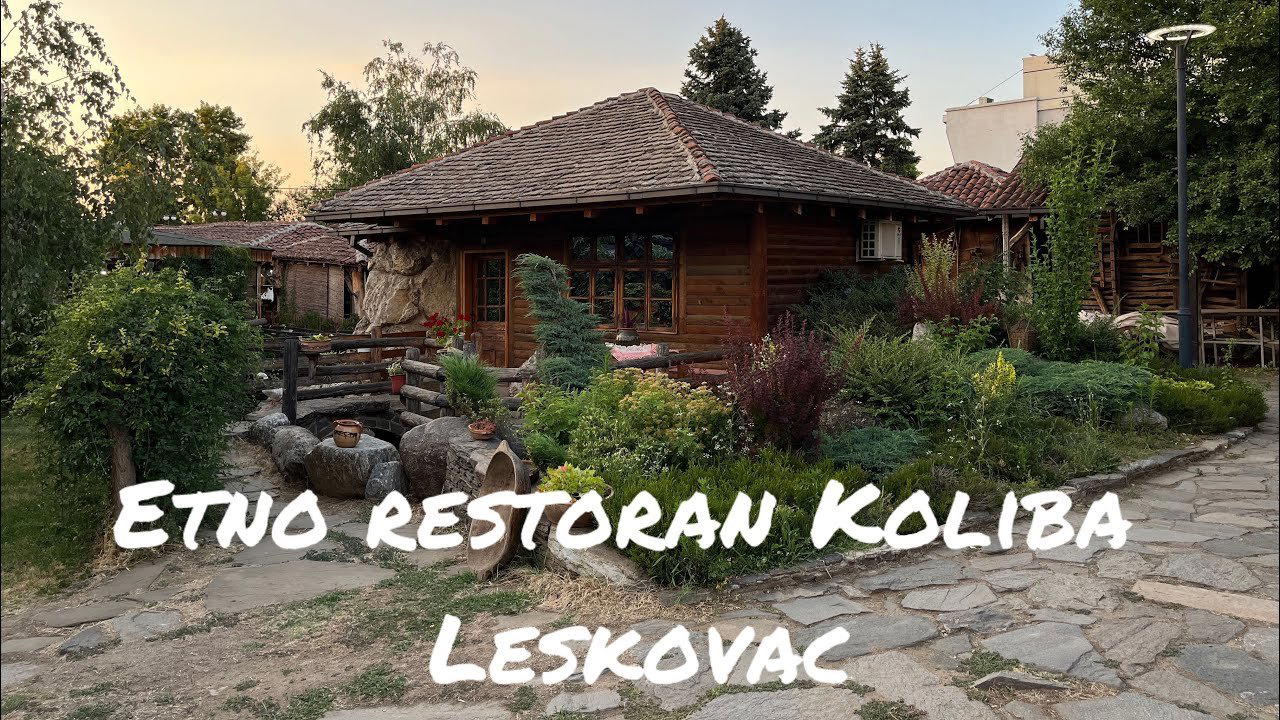
Etno Podrum Brka occupies that tradition in the Niš catchment. The word podrum signals a cellar or vault aesthetic, the kind of interior built from stone and aged timber that signals slowness and permanence rather than trend. This architectural vocabulary is common to Serbian etno restaurants as a category, from Etno Kuća Dinar in Vrsac to Etno Restoran Fijaker in Sombor and etno restoran Gaziya in Novi Pazar. Each of these places uses built environment as a claim: we cook the way this region has always cooked, and the room should tell you so before the food arrives.
The Sourcing Logic Behind Serbian Etno Cooking
The ingredient sourcing argument for etno restaurants in rural Serbia is not a marketing position grafted onto the menu. It reflects how food actually moved in villages like Jelašnica before refrigerated logistics made geography irrelevant. Smoked and cured meats came from the household or a neighbor's smokehouse. Dairy arrived from animals kept within walking distance. Seasonal vegetables were preserved by the family rather than sourced from a distribution chain. When a contemporary etno establishment in this tradition works well, it is because those supply chains have not been fully replaced by industrial alternatives.
The hills around Jelašnica sit at an elevation where sheep and goat grazing produces dairy with a mineral quality distinct from lowland production. The broader Niš region has a documented history of air-dried meat preparation, particularly kajsija-smoked lamb and pork products that require specific microclimate conditions to cure properly. Alongside these traditions, the Nišava river system and its tributaries have supported freshwater fishing that feeds into local menus. This is the sourcing geography that a place like Etno Podrum Brka draws from, whether explicitly stated or absorbed through the habits of the local suppliers it depends on.
Across Serbia, the etno dining category has bifurcated. One branch has become largely decorative, using folk artifacts and wooden beams as atmosphere while sourcing ingredients through the same wholesale networks as any city restaurant. The other branch maintains genuine ties to local producers and seasonal availability, where the menu shifts with what is actually available rather than what a printed card promises year-round. The distinction matters to a visiting diner and is usually readable within the first dish: cured meats with the specific funk of real smoke and time, or the cleaner, blander profile of commercially processed product.
The Niš Region as Context
Niš is the third-largest city in Serbia and carries a culinary character that differs from Belgrade's more cosmopolitan restaurant scene. The city has its own specialties, most notably the Niška mućkalica, a slow-cooked pepper and meat stew that appears across local restaurants, and a broader affinity for grilled meats, ajvar, and roasted vegetables in the Balkan tradition. The dining culture here skews toward communal tables and extended meals rather than the tasting-menu formalism beginning to appear in Belgrade at places like Langouste in Belgrade.
Jelašnica sits close enough to Niš to function as a day-trip destination but far enough removed to justify the journey. The gorge and the surrounding protected natural area draw hikers and cyclists, and etno-format restaurants in the valley have historically served that outdoor visitor alongside locals who use the countryside meal as a form of weekend ritual. Understanding that visitor pattern helps explain why the format sustains itself here when similar establishments in less scenic rural settings struggle to maintain consistent footfall outside summer months.
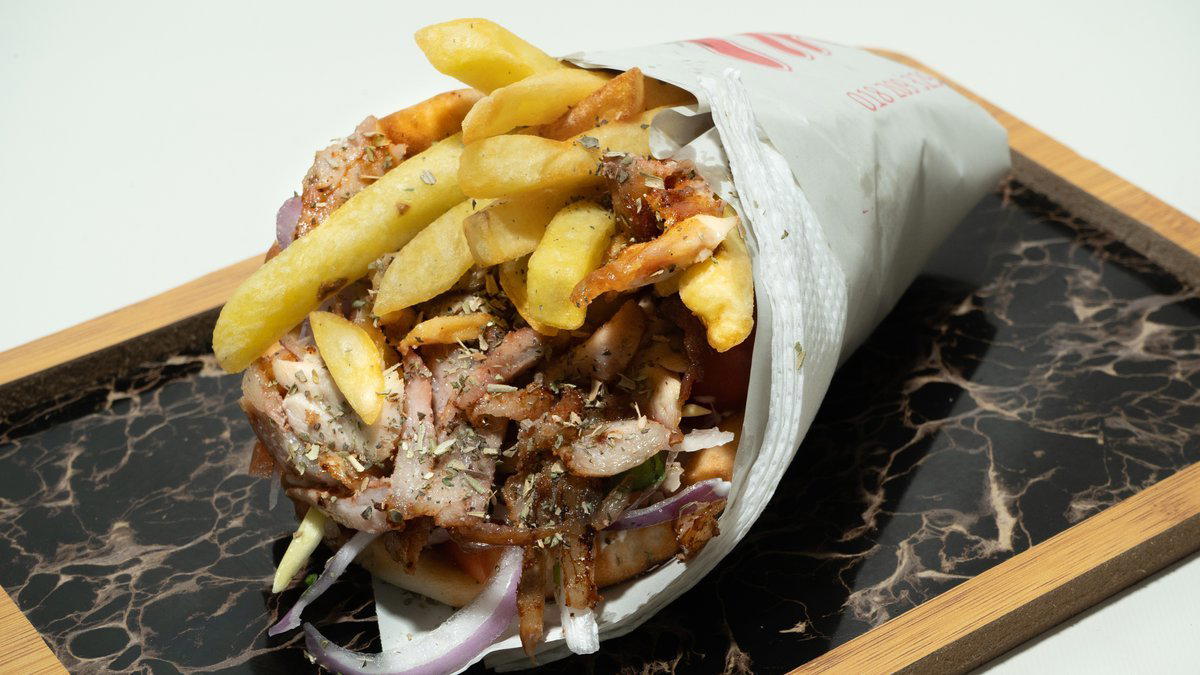
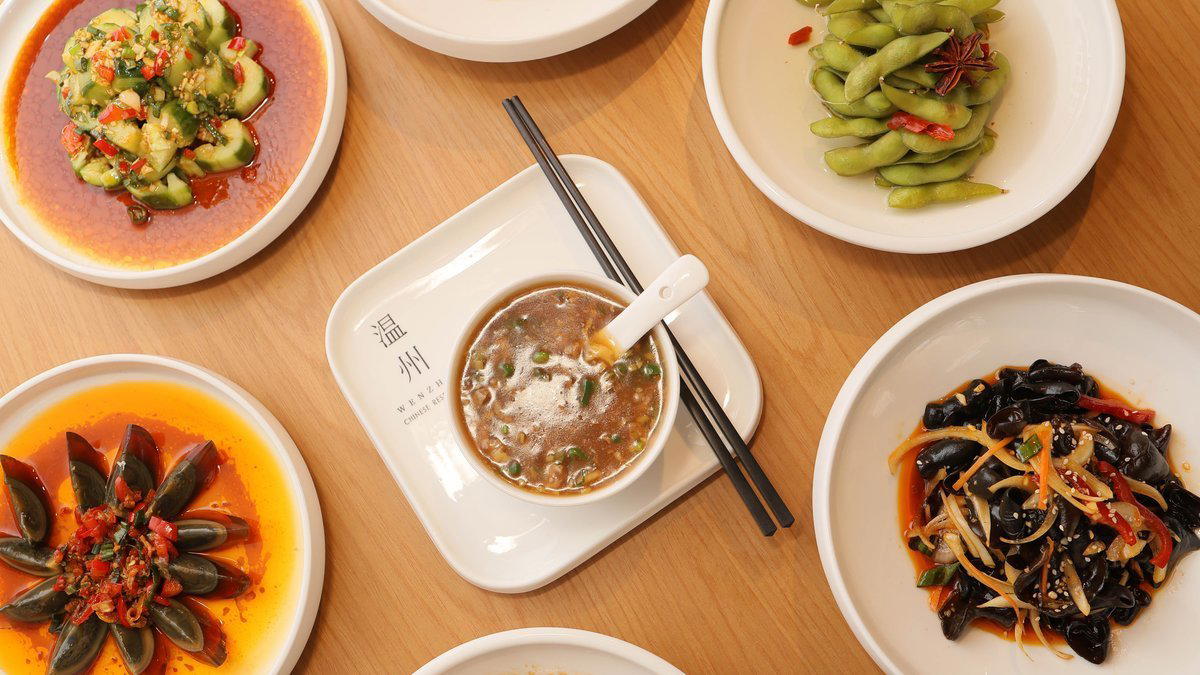
For visitors comparing options in the wider Niš dining picture, the choice between a city-centre restaurant and a drive to Jelašnica is not simply a quality decision but a format decision. In-city options like gyros 4 you or Wenzhou Food serve a different purpose entirely.
How the Etno Format Fits the Wider Serbian Scene
Etno restaurants have a recognizable place in Serbian dining culture as a whole, filling a gap between the urban fine-dining tier and the fast-casual everyday meal. They appeal to anniversary dinners, extended family gatherings, and the kind of group meal where duration matters as much as the food itself. Compared to riverbank čarda formats like ČARDA ZLATNA KRUNA in Apatin, which orient toward fish and Danube basin traditions, the highland etno establishments tend to emphasize heavier meat preparations, dairy-led starters, and grain-based dishes that reflect altitude agriculture.
Against the international reference point of a deeply localized sourcing ethos, the comparison is closer to what a place like Lazy Bear in San Francisco does with Northern California produce, though arrived at through agricultural necessity rather than philosophical choice. The Serbian etno format's localism is structural rather than ideological, a consequence of geography and supply history rather than a contemporary positioning decision. That distinction gives it a different kind of credibility.
For readers interested in the regional etno tradition more broadly, related establishments across Serbia include Borkovac in Ruma, Cafe Boem in Pirot, and Gallery caffe & restaurant in Cacak. Further afield, Ananda in Novi Sad, Aleksandar Gold in Uzice, and Fleur de Sel in Novi Slankamen each represent different regional angles on Serbian hospitality. For contrast at the higher end of the international spectrum, Le Bernardin in New York City demonstrates how sourcing precision at the summit tier operates with different infrastructure behind it.
Additional comparisons for those exploring Serbian dining across formats: Burrito Madre Big Pančevo in Pancevo and Fish & Zeleniš in Novi Sad represent the urban casual end of the spectrum, while Aleksandar Gold in Uzice operates in a different highland register altogether.
Planning a Visit
Jelašnica is accessible by car from Niš in roughly twenty to thirty minutes depending on traffic through the city's eastern exits. The Jelašnica gorge area is a functioning recreational zone, so weekends in warmer months bring higher visitor density to the entire valley. Arriving mid-week or in shoulder seasons such as late spring and early autumn gives a quieter experience and, in the etno format specifically, often means a more focused kitchen.
Fast Comparison
Comparable venues nearby, for context on price, style, and recognition.
| Venue | Cuisine | Price | Notes |
|---|---|---|---|
| ETNO PODRUM BRKAThis venue — the venue you are viewing | Traditional Serbian | $$ | Not listed |
| gyros 4 you | Greek Gyros | $ | Nis |
| Wenzhou Food | Authentic Chinese | $$ | City Center |
| Cafe Boem | Serbian Traditional Tavern | $$ | Lava Tolstoja |
| ETNO KOMPLEKS NIŠAVSKA DOLINA | Traditional Serbian Pirot Cuisine | $$ | Pirot |
| Restoran Kod Jukića | Balkan Barbecue | $$ | Sjenica |
At a Glance
- Rustic
- Cozy
- Classic
- Family
- Casual Hangout
- Historic Building
- Local Sourcing
Current opening hours
- Monday
- Closed
- Tuesday
- 11 AM–11 PM
- Wednesday
- 11 AM–11 PM
- Thursday
- 11 AM–11 PM
- Friday
- 11 AM–11 PM
- Saturday
- 11 AM–11 PM
- Sunday
- 11 AM–10 PM
Hours can change for holidays and private events. Last verified .
Respectable interior with nice atmosphere, quieter on weekdays.