Located on Kneza Lazara in central Užice, Restoran Cveta occupies a position in the city's established dining scene that draws on the deep traditions of western Serbian cooking. The restaurant addresses the kind of table where slow-cooked meats, seasonal produce, and the rhythms of a regional kafana culture meet a more formal sit-down setting. For visitors exploring the Zlatibor corridor, it represents a grounded local option.
Pearl is the En Primeur Club membership app — saves, bookings, and concierge access live there. Same editors, same standards.
- Address
- Kneza Lazara 39, Užice 31000, Serbia
- Phone
- +381606420043
- Website
- restorancveta.rs
- Directions
- Get directions
 Saves & bookings on Pearl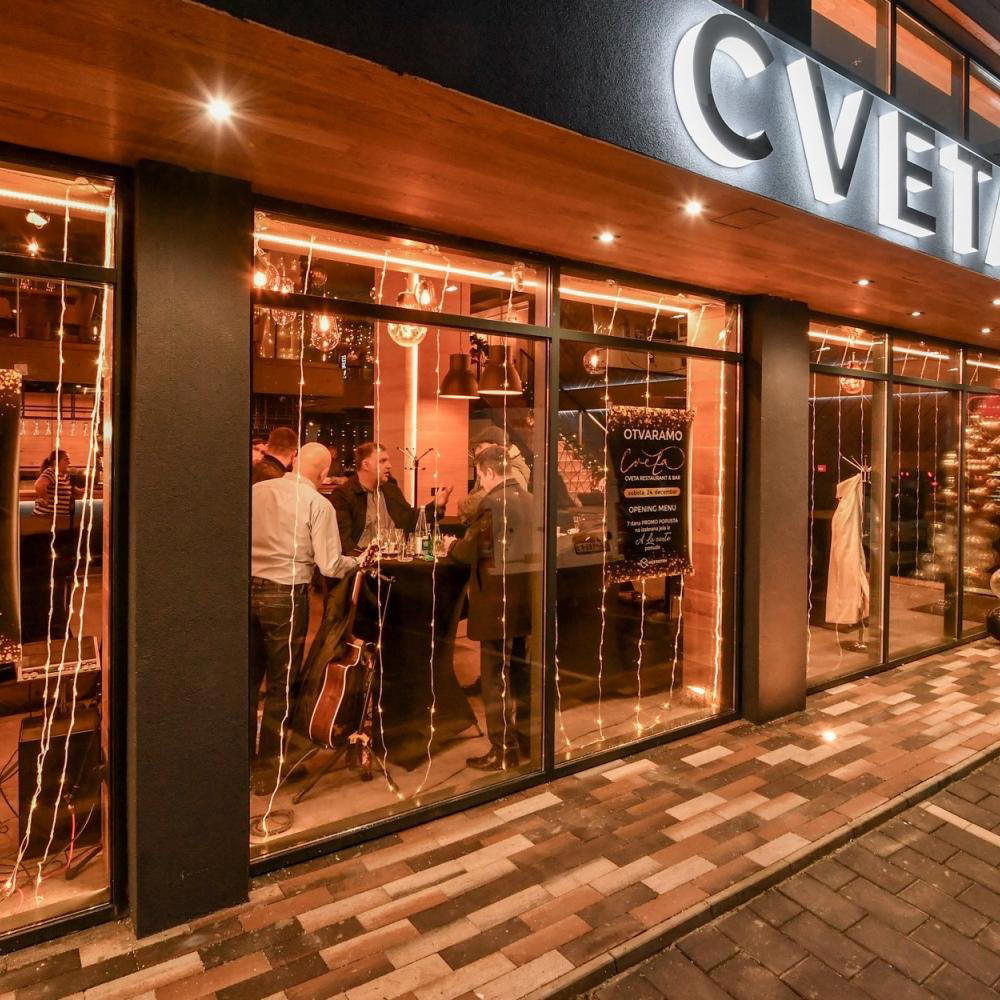
Western Serbia at the Table: What Restoran Cveta Represents in Užice
Užice sits at a crossroads of Serbian culinary geography. The city anchors the western highlands region, where the cooking tradition draws from mountain livestock farming, forest foraging, and a centuries-old kafana culture that prizes communal eating over fine-dining ceremony. Along Kneza Lazara, one of the city's main arteries, Restoran Cveta occupies this civic dining tradition, offering the kind of address where the local population eats rather than one positioned primarily for passing tourist trade.
That distinction matters in a city like Užice, which lacks the density of Belgrade's restaurant scene or the resort-driven variety of nearby Zlatibor. The restaurants that endure here do so on the back of regulars, occasion dining, and the trust that comes from consistency in a market with a strong opinion about what a proper Serbian meal should look and taste like. Cveta's position on a named central street rather than a peripheral location signals that it operates within this civic dining fabric rather than apart from it.
The Cultural Architecture of a Serbian Regional Table
To understand what a restaurant like Restoran Cveta offers, it helps to understand the culinary tradition it sits within. Western Serbian cuisine is not a loose approximation of Balkan cooking writ large. It has specific markers: roasted and slow-braised meats, particularly lamb and veal prepared under the sač (a cast-iron or clay bell covered in embers), kajmak as a foundational dairy element, and seasonal vegetables that shift from spring greens to autumn root preparations. The region's proximity to Zlatibor and the Tara mountain plateau means that the local ingredient base has historically been shaped by altitude farming rather than Pannonian flatland agriculture.
The kafana format, which shapes Serbian dining culture more broadly, is particularly entrenched in smaller cities. It is less a restaurant category than a social institution, where time moves slowly, portions are generous, and the expectation is that a table will be held for the duration of a meal rather than turned. Newer restaurant formats across Serbia have built on or reacted against this model, but in Užice, the kafana template remains the dominant reference point for what a satisfying meal out looks like.
For comparison, restaurants in other Serbian cities that operate in analogous positions in their local dining order include Kod Brana in Cacak and Kafana Studenac in Bajina Basta, both of which anchor their respective cities' mid-market dining expectations around similar regional traditions. Further afield, Kafana Pećinar Ljubiš in Cajetina represents the mountain variant of this format, where the setting itself becomes part of the cultural proposition.
Užice's Dining Scene and Where Cveta Sits Within It
Užice is not a city with a large or stratified restaurant market. The upper tier is thin, and the distinction between a casual kafana and a sit-down restaurant often comes down to decor investment and menu breadth rather than a fundamental difference in cooking approach. Within this context, the restaurants along and near the city centre compete for the same pool of local occasion diners and visitors passing through the Zlatibor corridor.
Among the options visible in the Užice dining order, Aleksandar Gold, RESTORAN SIESTA, and Viskonti represent the city's comparable comparable set for sit-down dining. Each occupies a slightly different position in terms of setting and format, and the choice between them tends to reflect occasion type, group size, and whether the diner prioritises atmosphere or menu range. Restoran Cveta's address on Kneza Lazara 39 places it in accessible proximity to the city centre, which gives it practical advantages for walk-in diners and post-work occasion tables.
For a broader view of what Užice's restaurant scene offers across formats and price points, our full Užice restaurants guide maps the options in more detail.
How Restoran Cveta Compares to the Wider Serbian Regional Scene
Serbia's regional dining circuit has attracted more attention in recent years as travellers moving between Belgrade and the mountain resorts increasingly stop in mid-sized cities rather than treating them purely as transit points. The contrast with Belgrade's more developed restaurant market is instructive: venues like Langouste in Belgrade operate in an environment shaped by international comparison sets and food media attention, while Užice restaurants respond primarily to local expectations and regional culinary habits.
That gap between capital-city dynamism and regional consistency defines the appeal of eating in cities like Užice. The cooking is less experimental and the formats are more conservative, but the connection to a specific regional tradition is often more direct. You are less likely to encounter a fusion gesture or a trend-driven menu format, and more likely to find a plate that reflects how people in this part of Serbia have been eating for generations.
Elsewhere in Serbia's regional circuit, addresses like Lovački dom in Valjevo, Etno Kuća Dinar in Vrsac, and KAFANA DUKAT in Pirot each anchor their cities' dining identity in comparable ways. The pattern repeats across Serbia's smaller urban centres: one or two sit-down addresses that carry the weight of the local dining occasion, surrounded by more casual kafana and grill options. The restaurant fits that structural role in Užice.
Planning Your Visit
The restaurant is located at Kneza Lazara 39 in central Užice, accessible on foot from most parts of the compact city centre. As is common with Serbian regional restaurants of this type, the format leans toward drop-in dining rather than advance reservation, though for larger groups or weekend evenings, calling ahead is a reasonable precaution. Contact details were not available at time of writing, so confirming current hours before visiting is advisable, particularly given that Serbian regional restaurants sometimes observe mid-afternoon service breaks between lunch and dinner periods.
For visitors planning a broader Serbia road trip, the Užice stop makes logical sense when paired with Zlatibor to the south or when travelling the western corridor between Belgrade and the Tara National Park. For context on how other dining rooms operate in comparable regional centres, the coverage of Kafe Restoran Maša in Novi Sad, Kod poštara in Aran Elovac, Grand **** in Kopaonik, ČARDA ZLATNA KRUNA in Apatin, and Windmill in Pancevo illustrates how the regional dining model varies by geography and local culture across Serbia.
For international reference points that sit at the opposite end of the formality scale from Užice's regional tradition, Le Bernardin in New York City and Atomix in New York City represent the kind of tasting-menu precision that has almost no parallel in the western Serbian dining circuit, which makes the comparison useful for calibrating expectations before a regional Serbia trip.
Budget and Context
Comparable venues nearby, for context on price, style, and recognition.
| Venue | Cuisine | Price |
|---|---|---|
| Restoran CvetaThis venue — the venue you are viewing | center, Mediterranean & Serbian | $$ |
| Aleksandar Gold | Uzice, Barbecue and European | $$ |
| RESTORAN SIESTA | Užice, European & Serbian | $$ |
| Viskonti | Mokra Gora, Authentic Serbian | $$ |
| Fish & Zeleniš | City Center, Mediterranean Seafood | $$ |
| Krivina | Sremska, Mediterranean Wine Bar | $$ |
Continue exploring
More in Uzice
Restaurants in Uzice
Browse all →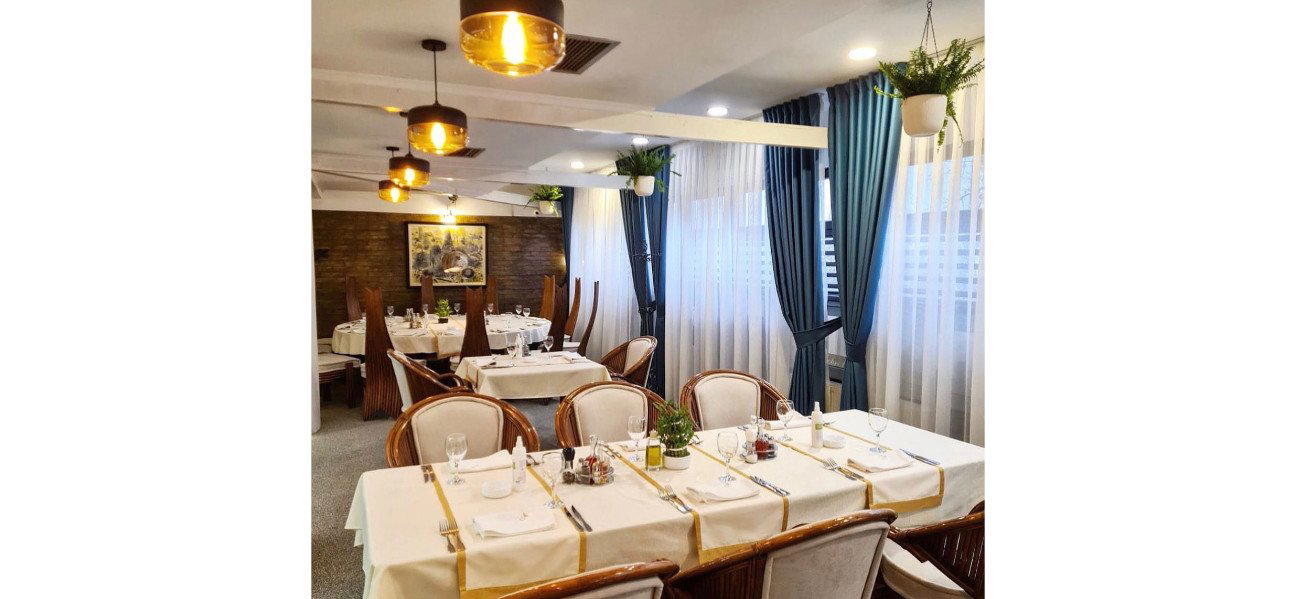
Hotels in Uzice
Browse all →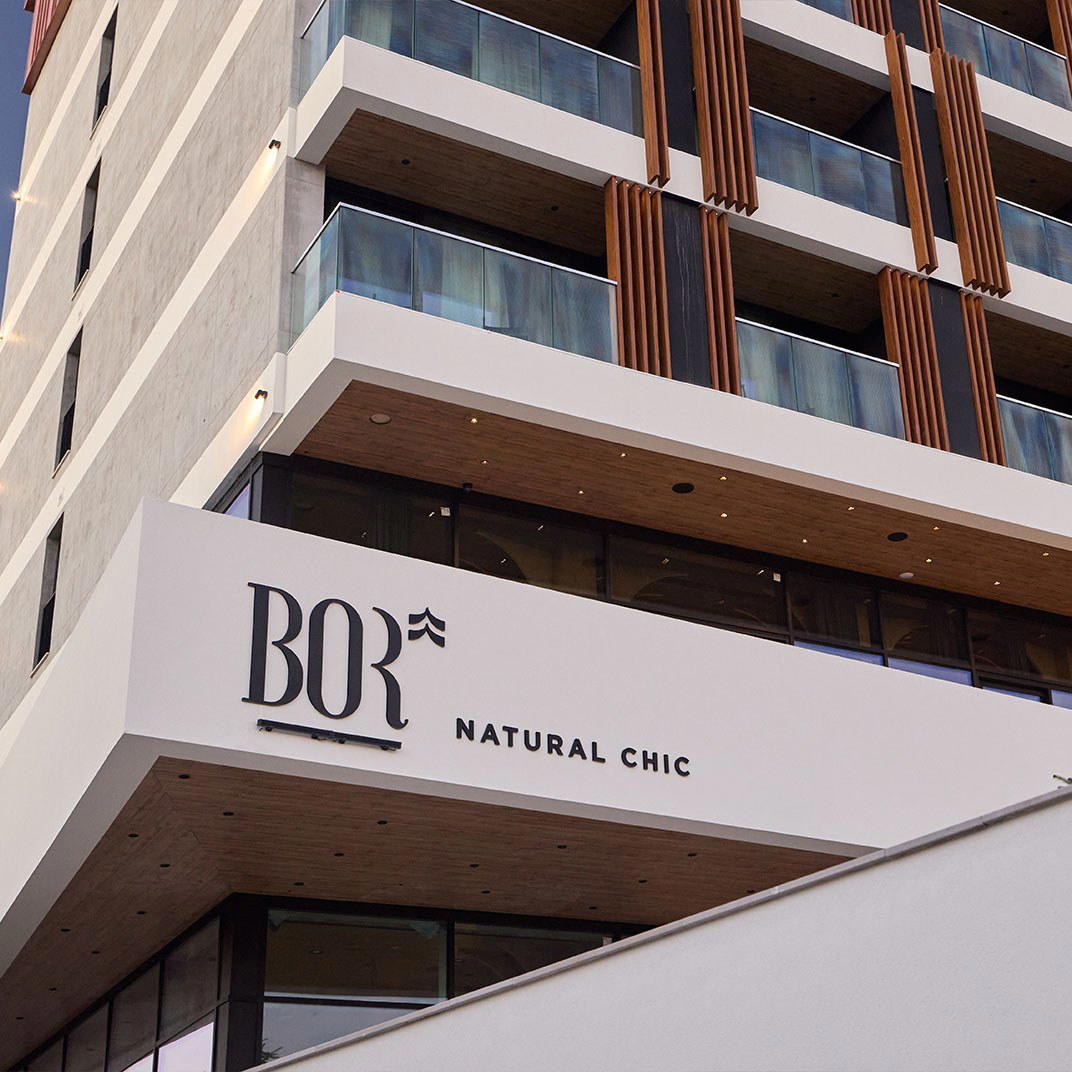
Wineries in Uzice
Browse all →
At a Glance
- Modern
- Cozy
- Rustic
- Casual Hangout
- Family
- Terrace
Current opening hours
- Monday
- 8 AM–12 AM
- Tuesday
- 8 AM–12 AM
- Wednesday
- 8 AM–12 AM
- Thursday
- 8 AM–12 AM
- Friday
- 8 AM–12 AM
- Saturday
- 8 AM–12 AM
- Sunday
- 10 AM–10 PM
Hours can change for holidays and private events. Last verified .
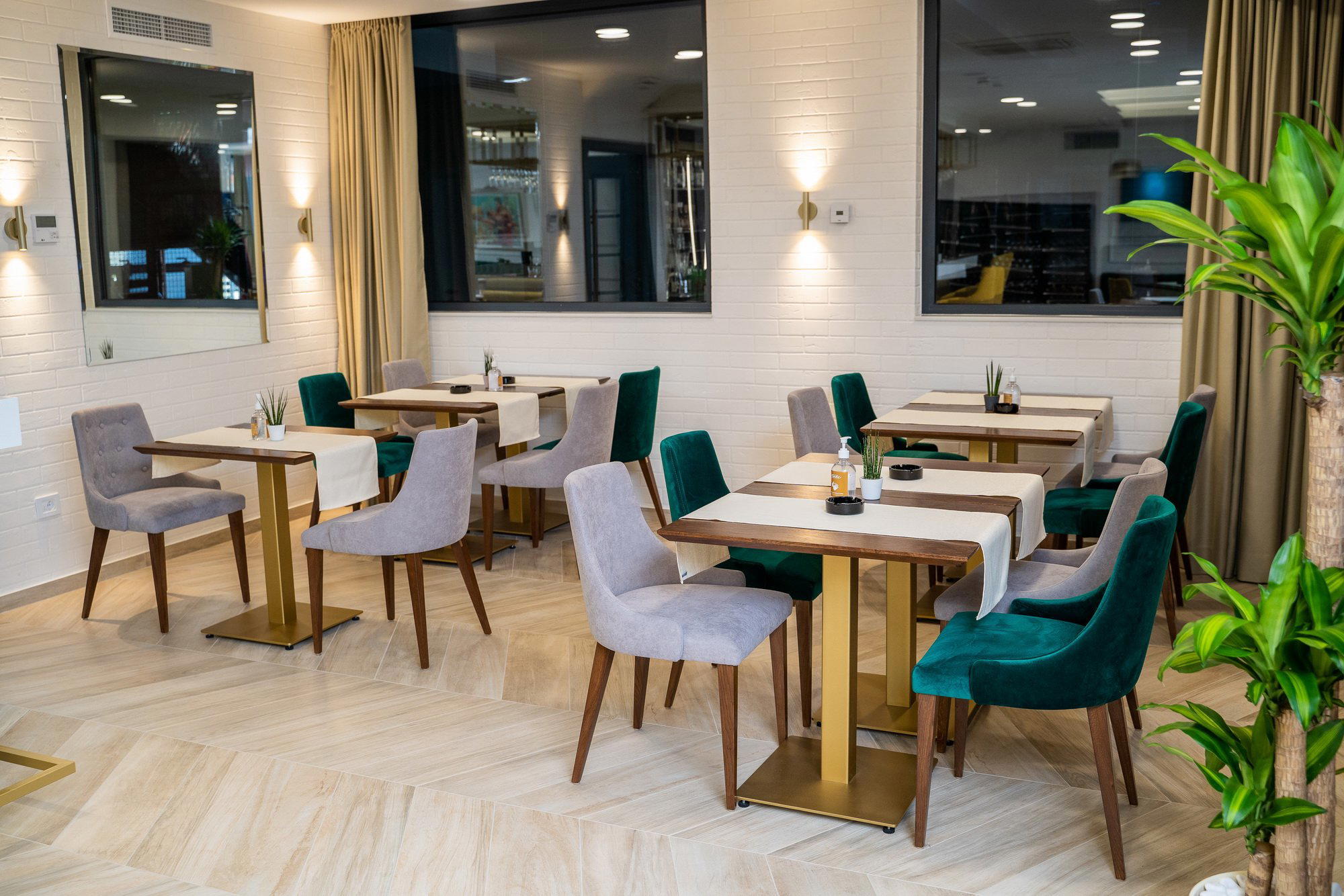
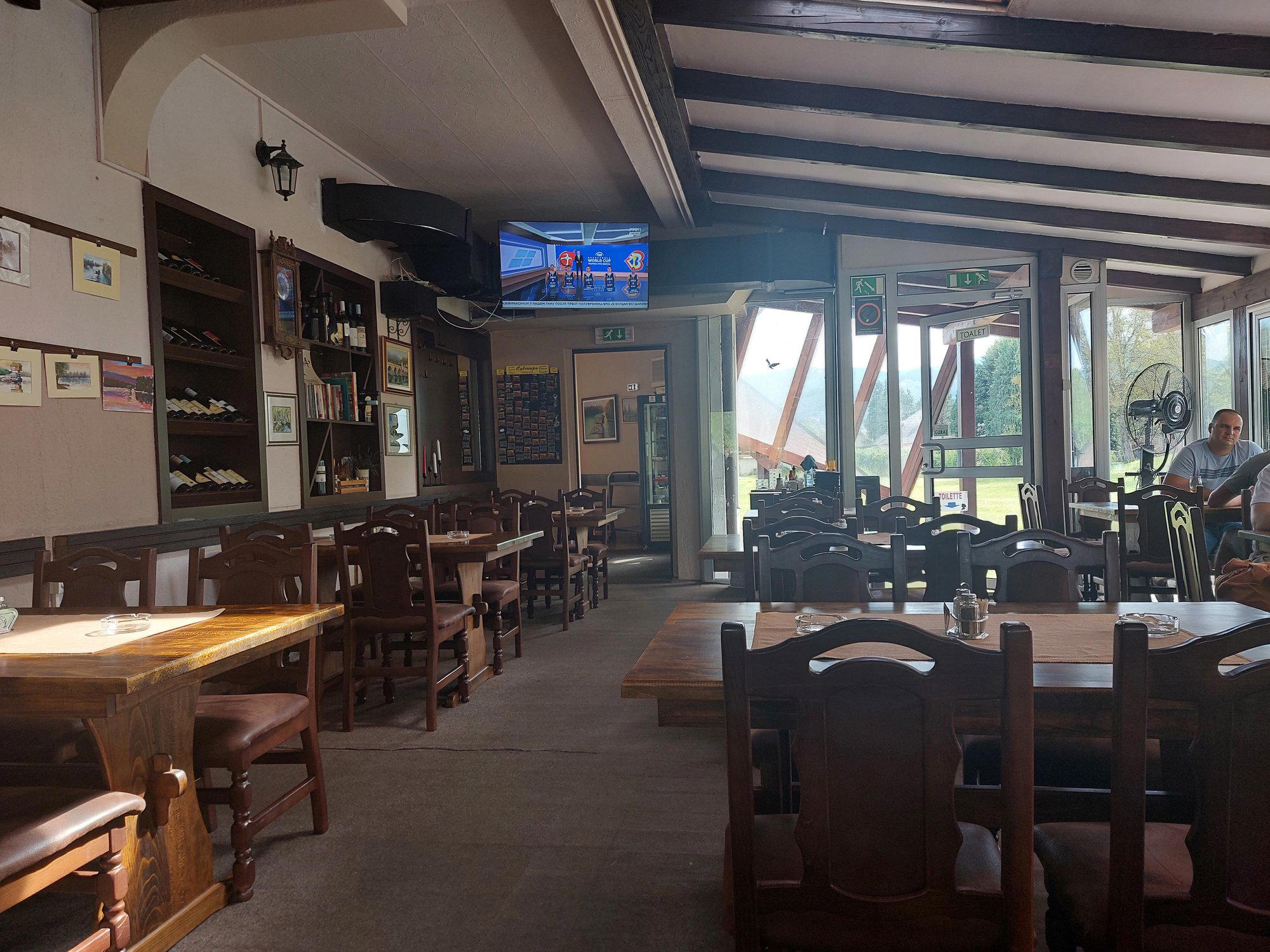
Warm and inviting atmosphere where history meets contemporary design, with scenic riverside location enhancing the dining experience.