Viskonti sits on the E761 road at Mokra Gora, one of western Serbia's most food-serious stretches, where the surrounding hills and forests have long defined what ends up on the plate. The address alone signals a kitchen that draws from the region rather than from a supply chain. For travellers moving through Uzice and the Zlatibor corridor, it represents the kind of stop where the sourcing does the talking.
Pearl is the En Primeur Club membership app — saves, bookings, and concierge access live there. Same editors, same standards.
- Address
- QGW5+G4, E761, Mokra Gora, Serbia
- Phone
- +38131800686
- Directions
- Get directions
 Saves & bookings on Pearl
Where the Road Meets the Region
The E761 through Mokra Gora is not a scenic detour. It is the main artery connecting Uzice to one of western Serbia's most agriculturally dense zones, a corridor where smallholders raise pigs and cattle on open pasture, where foragers work the beech forests for mushrooms and wild herbs, and where the altitude keeps summers cool enough to produce the kind of dairy that the lowlands cannot replicate. Viskonti is an Authentic Serbian restaurant in Mokra Gora, Serbia, with a casual dress code and walk-in-friendly service, and that positioning is the first thing a visitor should understand about the place. In Serbia's rural dining culture, address is often ingredient policy.
This part of the country has developed a recognisable restaurant character over the past two decades. Establishments along the Zlatibor and Mokra Gora belt tend to anchor their menus to what the surrounding land produces seasonally: lamb and veal from nearby farms, freshwater fish from the Drina and its tributaries, fermented and smoked products that follow a tradition running back through Ottoman and Austro-Hungarian influence alike. The better kitchens in the zone do not need to advertise their sourcing because the sourcing announces itself in the flavour and texture of the food. Viskonti operates within this context.
The Ingredient Logic of Western Serbia
To understand what a kitchen like Viskonti is likely doing, it helps to understand what the Mokra Gora microregion produces. The area is high enough, most of it sits above 800 metres, that livestock grazes on pasture with a botanical diversity absent in lower terrain. That matters for flavour in dairy and in the quality of fat in slower-reared animals. Kajmak, the clotted cream product that anchors much of Serbian table culture, tastes measurably different at altitude. So does the lamb.
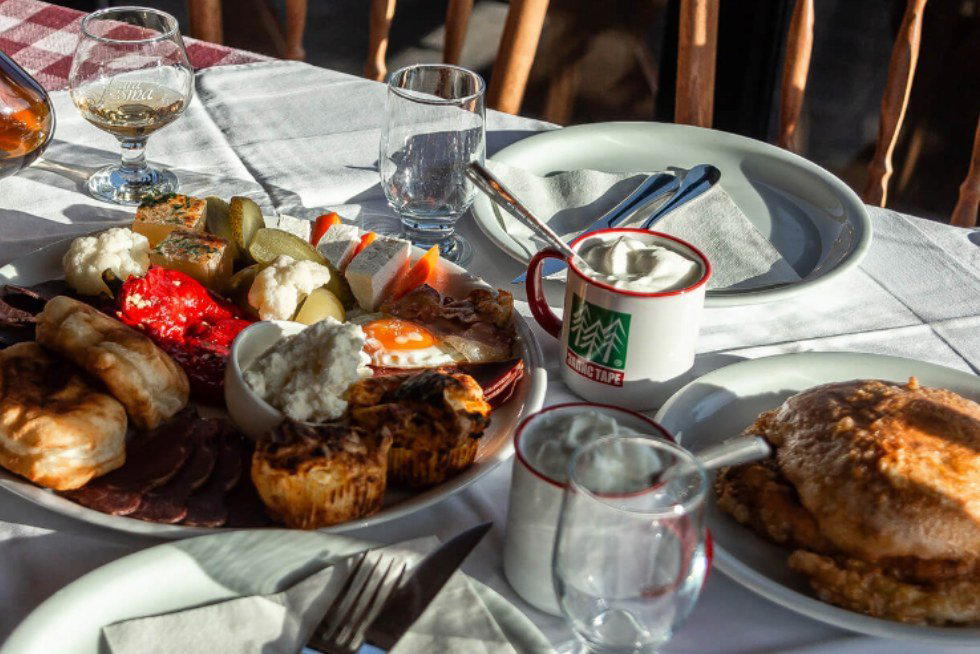
The forests around Mokra Gora supply chanterelles, porcini, and wild garlic at different points in the calendar. These are not garnish ingredients in this culinary tradition; they are structural components of dishes, combined with smoked meats or grilled proteins in ways that reflect deep local habit rather than menu engineering. Restaurants along this corridor that take sourcing seriously, and the better ones do, shift what they offer with the season rather than maintaining a fixed year-round menu. This is the norm here, not a differentiator.
Serbia's interior restaurant culture also draws heavily on the concept of the restoran with kafana sensibility: a kitchen that takes food seriously but operates within a social register that is expansive rather than formal. Dishes arrive at the table generously portioned, sharing is assumed, and the rhythm of the meal is controlled by the guests rather than the kitchen. This format sits in deliberate contrast to the tasting-menu structures that have come to define prestige dining in Belgrade, represented at its most ambitious by venues like Langouste in Belgrade. Along the E761, the measure of quality is different: it is about the provenance and preparation of a smaller number of ingredients rather than the complexity of a multi-course sequence.
Viskonti in the Uzice Dining Context
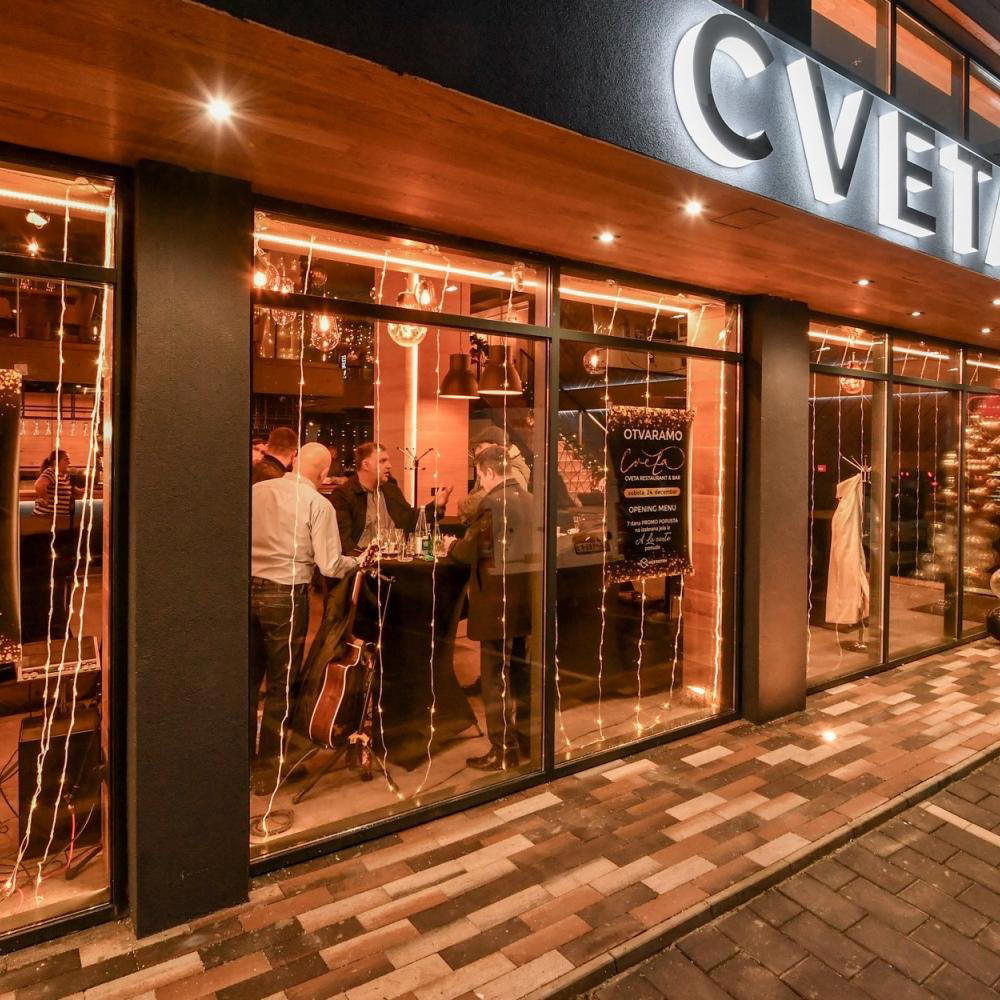
Uzice itself supports a restaurant scene that is more varied than its size might suggest. The city has historically served as a commercial and administrative hub for the western Serbia interior, and that function has created a dining culture with genuine range. Aleksandar Gold and Restoran Cveta represent the more urban, city-centre end of the offer, while RESTORAN SIESTA occupies a different register within the local mix. Viskonti's position outside the city proper, at Mokra Gora on the E761, places it in a distinct sub-category: the road-adjacent destination that draws both through-traffic and deliberate visitors making the drive specifically to eat.
This pattern repeats across Serbia's rural interior. Kafana Studenac in Bajina Basta and Kafana Pećinar Ljubiš in Cajetina occupy analogous positions in their own sub-regions: destinations that justify the drive rather than simply capturing passing trade. The same logic applies to Kod Brana in Cacak and Lovački dom in Valjevo, both of which function as anchors in their respective areas. The regional character of a place like Viskonti is best understood in this company rather than against the benchmarks of urban fine dining.
The contrast makes the Mokra Gora zone's specific character easier to read.
Planning Your Visit
Mokra Gora is accessible from Uzice via the E761, and the drive itself passes through particularly photographed rail infrastructure in the Balkans, including the Sargan Eight narrow-gauge railway, which draws visitors to the area year-round. Weekend traffic along this road peaks in summer and during the autumn leaf season. Visiting on a weekday or outside the July-to-September peak is likely to produce a calmer meal.
For venues in this tier and location, walk-in is a common format, but for weekend visits or larger groups, contacting via the venue's Google Maps listing, accessible through its QGW5+G4 Plus Code, is advisable.
Visitors arriving from further afield who are building a wider Serbia itinerary can find comparable rural dining anchors in Etno Kuća Dinar in Vrsac, Windmill in Pancevo, Kafe Restoran Maša in Novi Sad, Kod poštara in Aran Elovac, and Grand **** in Kopaonik. For a point of comparison at the far end of the formality spectrum, Le Bernardin in New York City and Atomix in New York City illustrate how differently ingredient sourcing can be framed when the structural context shifts from rural Serbia to metropolitan fine dining.
In Context: Similar Options
Comparable venues nearby, for context on price, style, and recognition.
| Venue | Cuisine | Price | Notes |
|---|---|---|---|
| ViskontiThis venue — the venue you are viewing | Authentic Serbian | $$ | Not listed |
| Restoran Cveta | Mediterranean & Serbian | $$ | center |
| Aleksandar Gold | Barbecue and European | $$ | Uzice |
| RESTORAN SIESTA | European & Serbian | $$ | Užice |
| Kod Nemca | Traditional Serbian Kafana | $$ | Parmenac |
| RESTORAN TORO | Modern International with Serbian Influences | $$ | Sušica |
At a Glance
- Rustic
- Cozy
- Family
- Casual Hangout
- Historic Building
- Local Sourcing
Current opening hours
- Monday
- 7 AM–11 PM
- Tuesday
- 7 AM–11 PM
- Wednesday
- 7 AM–11 PM
- Thursday
- 7 AM–11 PM
- Friday
- 7 AM–11 PM
- Saturday
- 7 AM–11 PM
- Sunday
- 7 AM–11 PM
Hours can change for holidays and private events. Last verified .
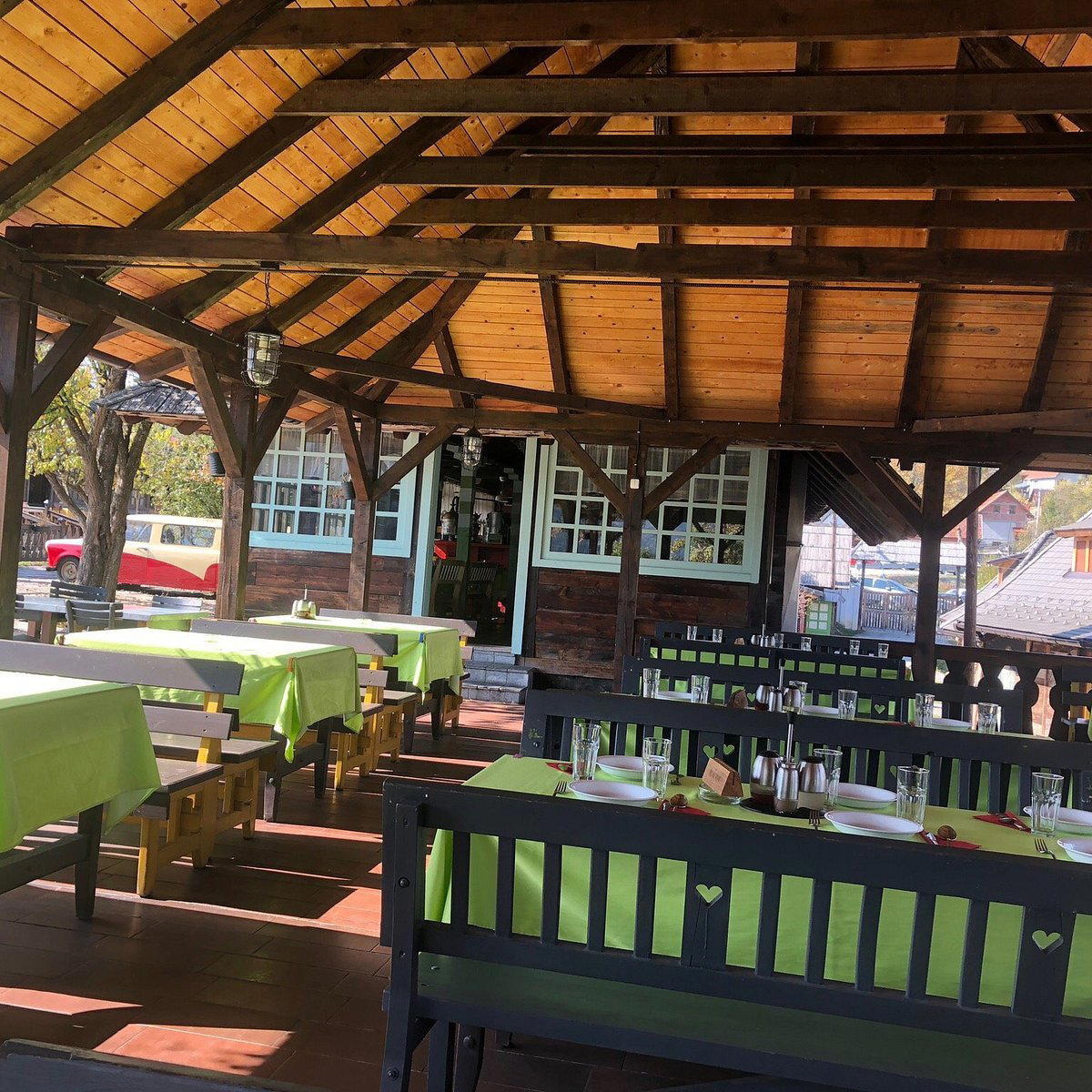
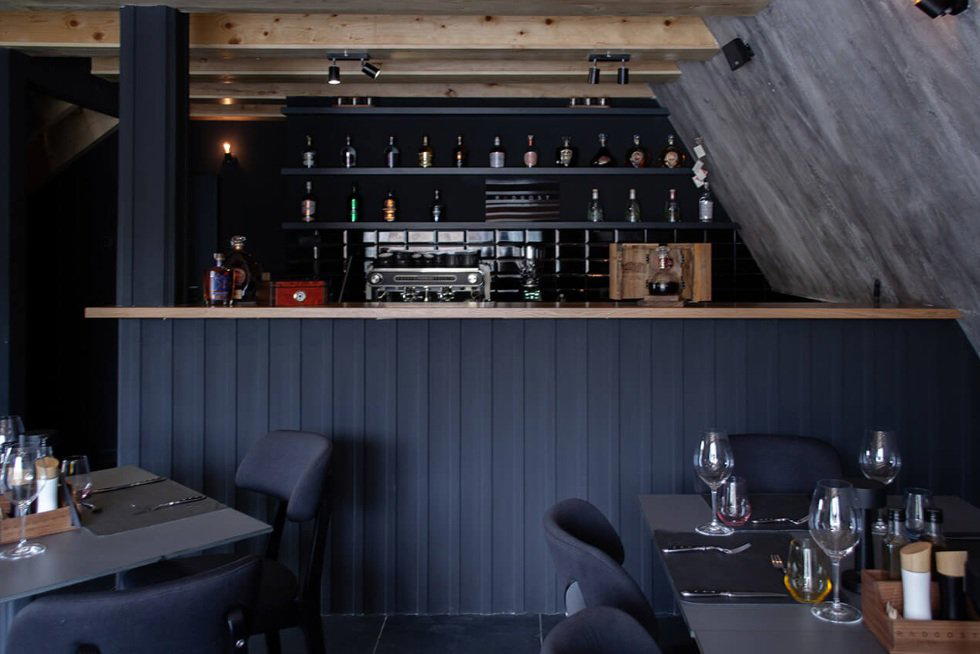
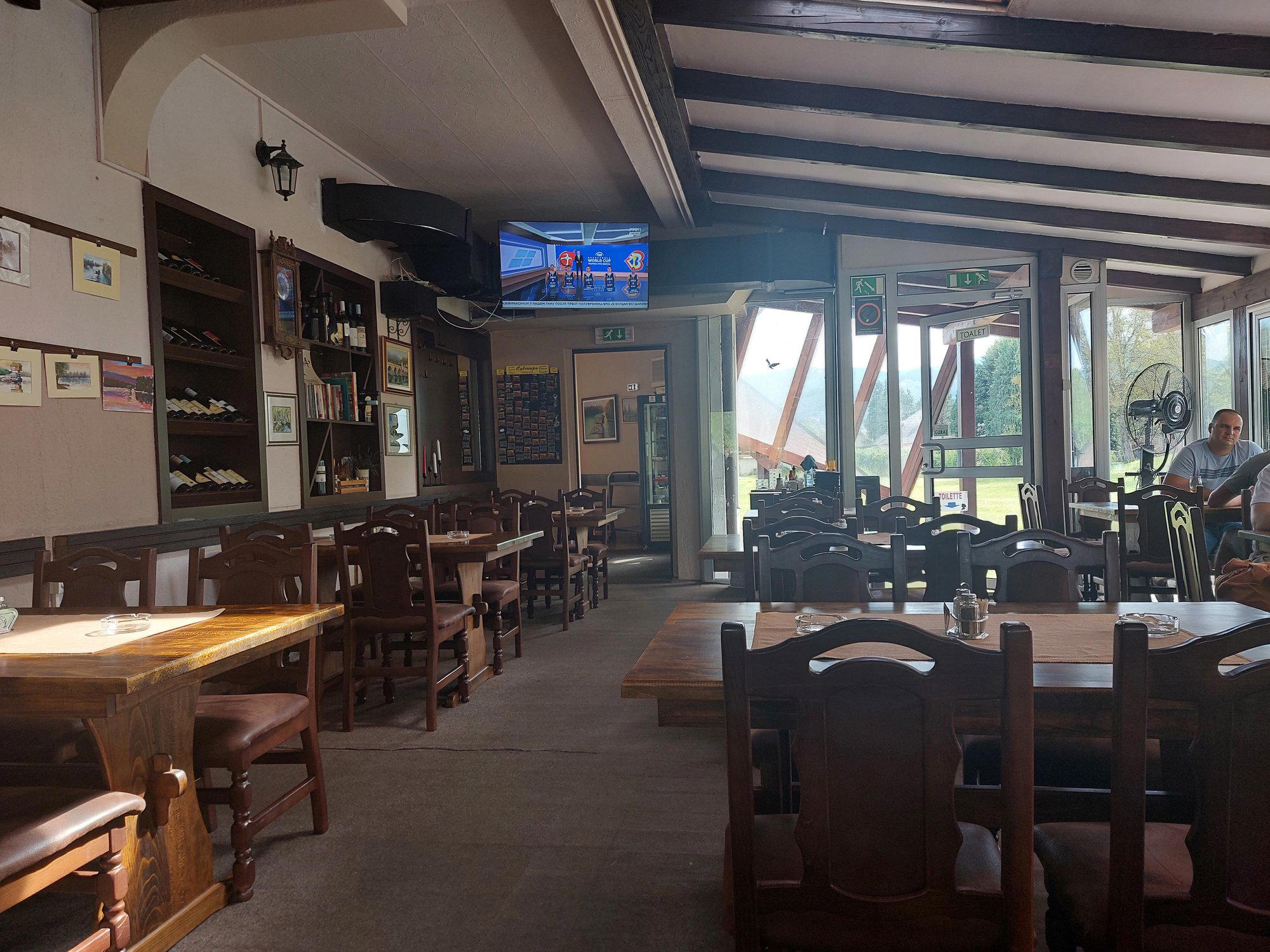
Rustic and warm atmosphere praised by families.