A cave-adjacent dining address in Sokobanja, PEĆINA MARKO POLO draws on the Balkan interior tradition of sourcing close to the land. The setting, tied to the celebrated Marko Polo cave system near the spa town, frames a meal shaped by regional produce and the rhythms of a destination that prioritises thermal springs over tourist throughput. Visiting requires planning; the reward is a table grounded in place.
Pearl is the En Primeur Club membership app — saves, bookings, and concierge access live there. Same editors, same standards.
- Address
- JVQM+WQ, Sokobanja, Serbia
- Phone
- +38118830678
- Directions
- Get directions
 Saves & bookings on Pearl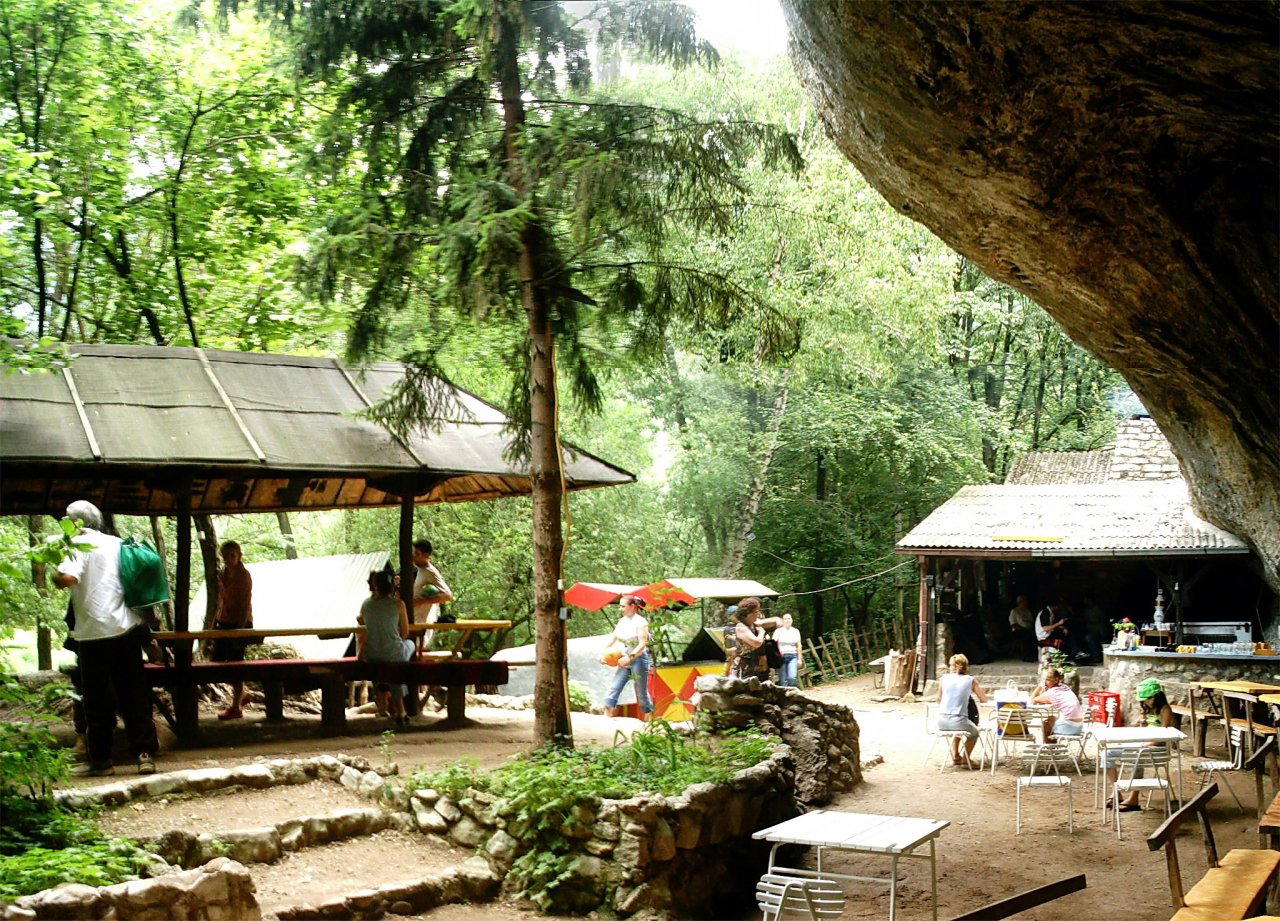
Where the Land Sets the Terms
Sokobanja sits in a bowl of forested hills in eastern Serbia, about 230 kilometres from Belgrade, known since the nineteenth century for its thermal waters rather than its tables. The town draws a particular kind of traveller: one who arrives by road through beech and oak forest, whose pace slows on arrival, and whose appetite follows suit. Dining here is shaped less by culinary ambition than by what the surrounding countryside makes available, and in that constraint lies considerable character. PEĆINA MARKO POLO is a restaurant in Sokobanja, Serbia, serving Serbian Barbecue & Grill at a casual price point of about $20 per person.
The Cave as Context
The name references Pećina Marko Polo, the cave system near Sokobanja linked in regional folklore to the explorer's passage through the Balkans. Whether or not that etymology holds, the association frames something real about the setting: dining here is bound up with geology and the particular way eastern Serbian landscape makes itself felt. Karst terrain, mineral-rich springs, dense woodland, these aren't decorative backdrops. They are the conditions that determine what grows, what grazes, and what ends up on a table in a restaurant that shares the cave's name.
In Serbia's interior, the strongest dining traditions track the land's own logic. The Morava Valley and the hills around Sokobanja produce lamb and pork raised at altitude, foraged mushrooms from oak and pine floors, and fruit that goes into rakija and preserves. Restaurants that take those traditions seriously don't need imported credentials, they need proximity to source and the knowledge to apply it. That is the frame in which PEĆINA MARKO POLO should be read, alongside local peers like LAV PICERIJA and ŽUPAN.
Ingredient Logic in a Balkan Interior Town
Eastern Serbia's interior dining culture operates on a sourcing logic that is, in some respects, closer to what European fine dining now aspires to than what most urban restaurants manage to execute. The supply chains here are short by necessity. Proximity to source is not a marketing choice, it is simply how a restaurant in a town this size operates. The pork and lamb that define this part of Serbia tend to come from smallholders within a day's drive. Seasonal mushrooms appear when they appear. Dried and preserved ingredients bridge the gap when the hills offer less.
This pattern shows up across Serbian interior dining. At Kafana Pećinar Ljubiš in Cajetina and Kafana Studenac in Bajina Basta, the same underlying logic applies: the menu reflects what the surrounding land produces rather than what a distribution network can deliver. Lovački dom in Valjevo and Etno Kuća Dinar in Vrsac demonstrate how deeply that ethos runs through western and eastern Serbian dining alike. The restaurant sits within that current, a table where the geography of the Sokobanja basin does the primary work of defining the menu.
Placing This Within Serbian Dining at Large
Serbian restaurant culture spans a wide range, from the refined urban positioning of Langouste in Belgrade and the new-Balkan direction of contemporary Belgrade kitchens, down through the kafana tradition that has anchored Serbian social life for two centuries. The kafana, part tavern, part community hall, part dining room, is where the Serbian interior has always eaten seriously. It operates on trust: trust that the cook knows the season, knows the supplier, knows the dish.
That trust-based relationship between kitchen and ingredient is what distinguishes particularly honest Serbian interior tables from the kind of broad-menu, all-occasion dining that flattens regional character. You see it at Kod Brana in Cacak and at KAFANA DUKAT in Pirot. The format varies; the underlying sourcing integrity tends to be consistent. The restaurant, positioned at a site tied to Sokobanja's primary natural landmark, occupies the end of that spectrum where place shapes plate most directly.
For contrast, consider how differently sourcing functions in urban Serbian dining: Aleksandar Gold in Uzice and Kafe Restoran Maša in Novi Sad serve markets where the sourcing conversation happens in a different register. The Sokobanja address reframes it entirely.
Planning a Visit
Sokobanja is accessible by road from Niš (approximately 60 kilometres southeast) and from Belgrade via the E-75 corridor, making it a viable day trip from either city, though the town rewards an overnight stay. The thermal spa infrastructure means accommodation is reasonably available across price points, and a visit structured around the springs and an evening meal at a site like PEĆINA MARKO POLO follows a well-established local logic. Visitors should confirm hours and reservation policy directly before arrival. Comparable forward-planning applies at Kod poštara in Aran Elovac and Windmill in Pancevo, where practical details can shift with season and local demand.
For travellers accustomed to urban dining anchors, the operating logic here is different in every respect: informal confirmation and menus that reflect what arrived that week. That is not a compromise. It is the actual format in which this part of Serbia eats well. At Grand **** in Kopaonik and ČARDA ZLATNA KRUNA in Apatin, similar operating rhythms govern the table. Arriving with flexibility is, functionally, the price of entry for grounded Serbian regional dining.
Comparison Snapshot
Comparable venues nearby, for context on price, style, and recognition.
| Venue | Cuisine | Price | Notes |
|---|---|---|---|
| PEĆINA MARKO POLOThis venue — the venue you are viewing | Serbian Barbecue & Grill | $$$ | Not listed |
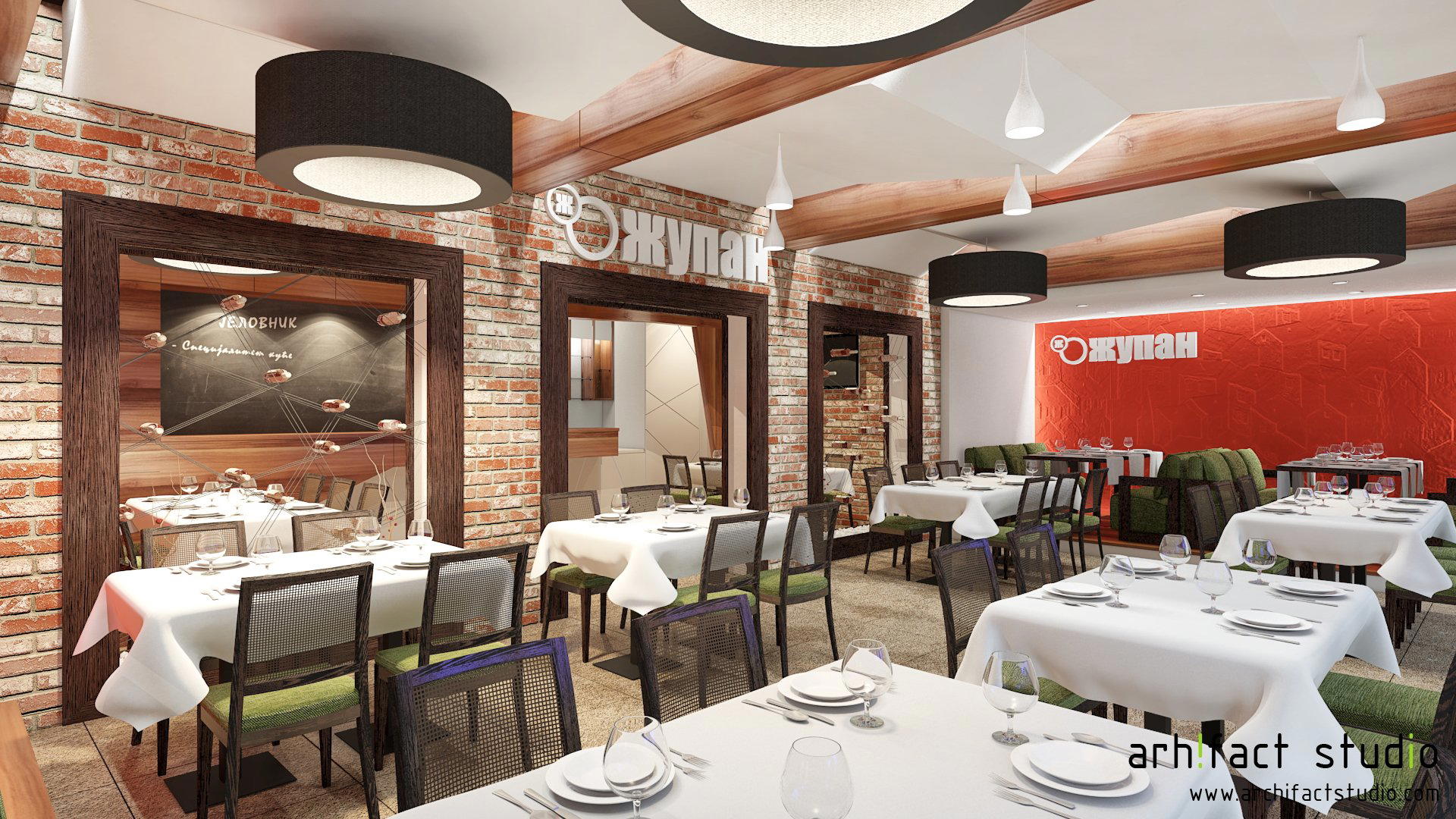
| ŽUPAN | Serbian Grill & Traditional | $$ | Soko Banja |
| LAV PICERIJA | Wood-Fired Pizza | $$ | Soko Banja Central |
| Znak pitanja (?) | Traditional Serbian Kafana | $$ | Stari Grad |
| Avala | Traditional Serbian | $$ | Savski Venac |
| MALA ZVEZDARA | Traditional Serbian | $$ | Zvezdara |
Continue exploring
More in Sokobanja
Restaurants in Sokobanja
Browse all →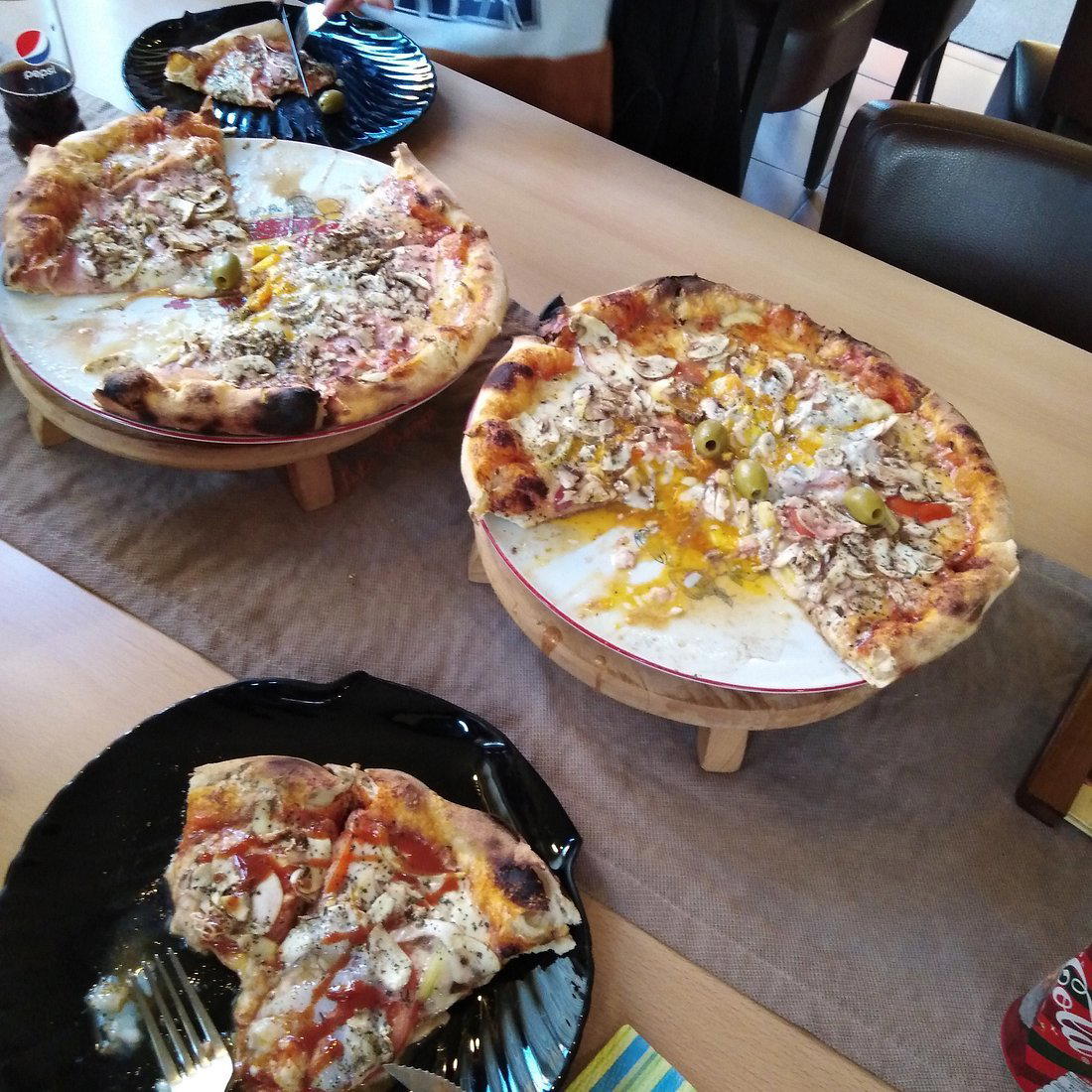
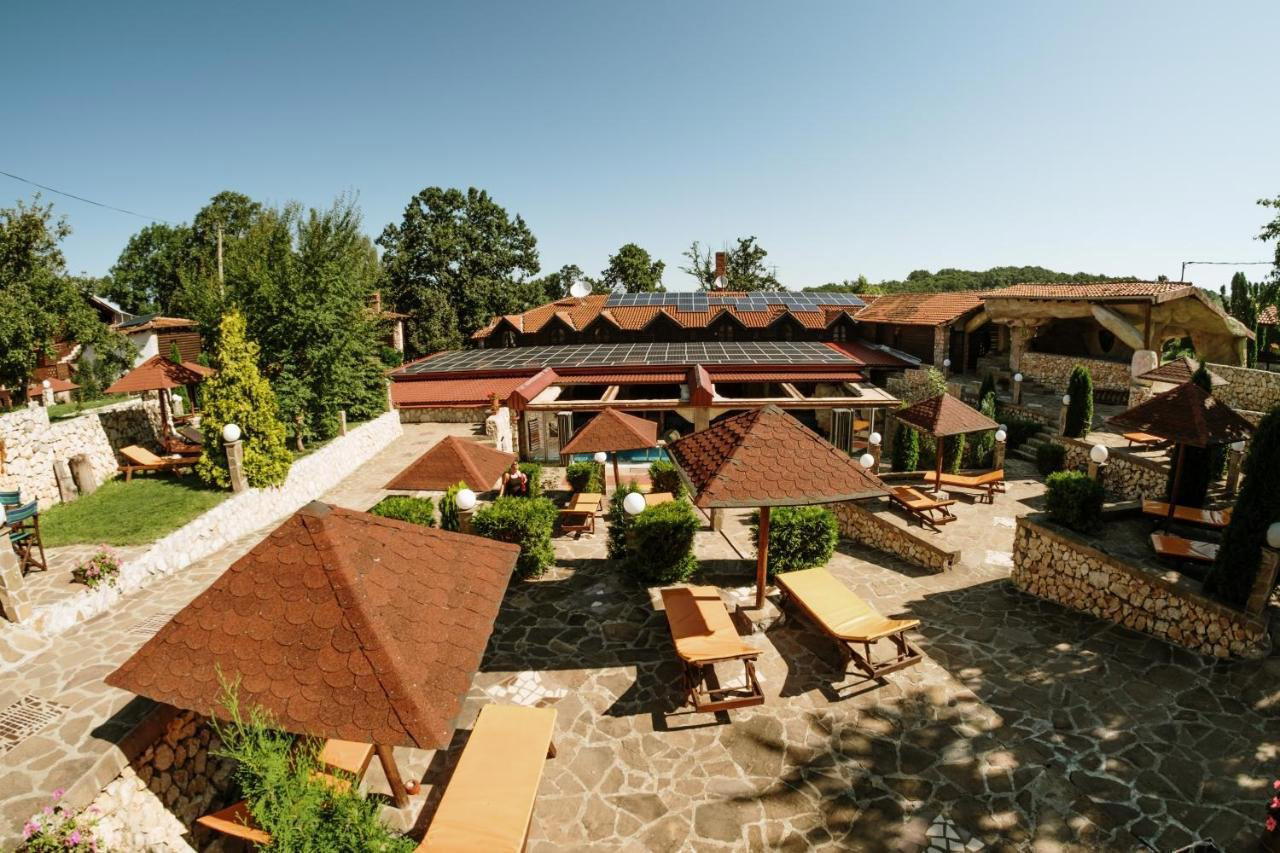
Hotels in Sokobanja
Browse all →
Wineries in Sokobanja
Browse all →
At a Glance
- Rustic
- Scenic
- Cozy
- Family
- Group Dining
- Casual Hangout
- Terrace
- Historic Building
- Mountain
- Street Scene
Current opening hours
- Monday
- 9 AM–9 PM
- Tuesday
- 9 AM–9 PM
- Wednesday
- 9 AM–9 PM
- Thursday
- 9 AM–9 PM
- Friday
- 9 AM–9 PM
- Saturday
- 9 AM–9 PM
- Sunday
- 9 AM–9 PM
Hours can change for holidays and private events. Last verified .
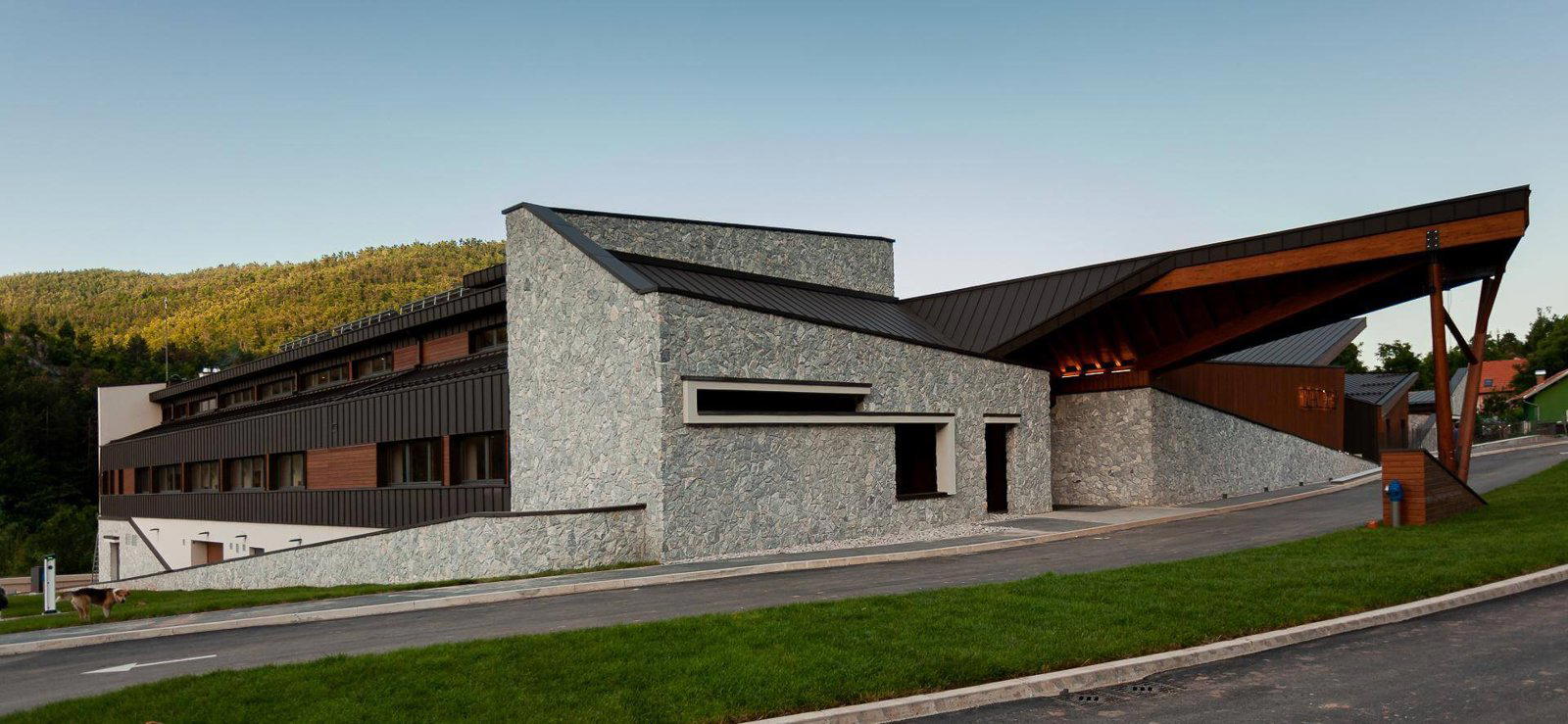
Natural shaded ambiance under a rock canopy with stone and wood architecture in a lush forest beside the Moravica river.