Restoran Čajkovski occupies a prominent address on Terazije, Belgrade's central square, placing it among the city's longer-established dining rooms at the civic heart of the capital. Where newer Belgrade restaurants pursue modern reinterpretation of Balkan flavours, Čajkovski has built its identity through continuity and place, a reference point for visitors and locals who want the formality of a traditional setting without leaving the city centre.
Pearl is the En Primeur Club membership app — saves, bookings, and concierge access live there. Same editors, same standards.
- Address
- Terazije 20, Beograd 11000, Serbia
- Phone
- +381698420436
- Website
- hotelmoskva.rs
- Directions
- Get directions
 Saves & bookings on Pearl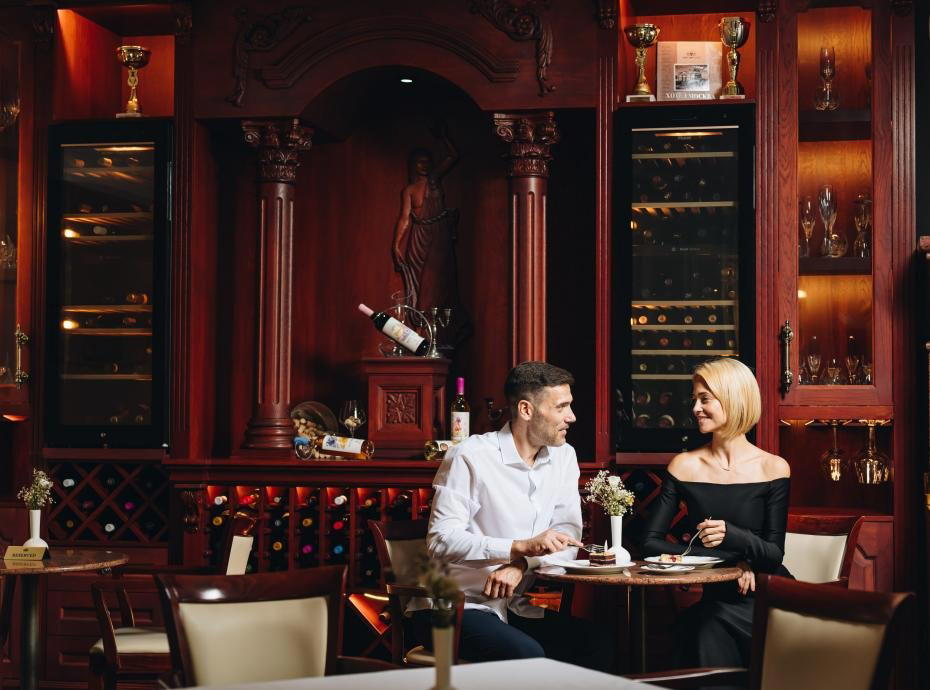
Terazije as a Dining Address
Belgrade's restaurant scene has split, in the past decade, into two largely separate conversations. One follows the international playbook of tasting menus and natural wine lists, with venues like Langouste and The Square positioning themselves against a European comparable set rather than a local one. The other remains rooted in the older tradition of the Belgrade restoran, table service, Serbian and regional cuisine, and a room that signals occasion without requiring a tasting-menu commitment. Restoran Čajkovski sits at Terazije 20, Belgrade, Serbia, serving Modern Serbian Fine Dining at a central address in the city's civic core.
That civic address shapes the dining room's character before a single dish arrives. Terazije functions as Belgrade's primary public square, tram lines, monument, pedestrian flow, and a restaurant at that address absorbs the formality of its surroundings. Visitors arriving from the Knez Mihailova pedestrian zone reach Čajkovski within a short walk, and the location means it has historically served a mixed clientele: business meals, family occasions, travellers staying in the central hotels, and regulars for whom proximity to the square is itself a draw.
How the Room Has Changed, and What Has Stayed
The editorial angle on a restaurant like Čajkovski is not what it is now in isolation, but what it represents as a format across time. Traditional Serbian restaurants in central Belgrade have faced sustained pressure from two directions: fast-casual expansion on one side, and the growth of modern Balkan cuisine, represented locally by venues like Ambar, on the other. The ones that have survived at central addresses have done so through one of two strategies: reinvention toward contemporary formats, or consolidation around the things that made them reliable in the first place.
Čajkovski's position on Terazije suggests the second path. Central Belgrade dining rooms of this type tend to evolve incrementally rather than through sharp pivots. A menu that served regional Serbian cuisine a generation ago does not typically become a modernist tasting counter, it refines its sourcing, adjusts its service register, and updates its room without abandoning the format that gave it continuity. Across Serbia more broadly, that pattern of quiet evolution rather than wholesale reinvention characterises the restaurants that have outlasted trend cycles: Avala in Belgrade and establishments like Kod Brana in Cacak and Lovački dom in Valjevo each represent a regional version of this durable, place-grounded format.
The Terazije Dining Tradition in Regional Context
Understanding what a restaurant like Čajkovski means to Belgrade requires placing it in the wider Serbian dining tradition. Serbia's strongest restaurant culture outside the capital has always been tied to specific place, the čarda format along the Danube, exemplified by Čarda Zlatna Kruna in Apatin, or the ethno-kitchen model found at places like Etno Kuća Dinar in Vrsac. In Belgrade, the equivalent anchor is the city-centre restoran: a room defined by its address, its clientele mix, and its role as a reliable formal option within walking distance of the major hotels and public institutions.
That format has never been as legible to international visitors as the kafana, which carries stronger ethnographic associations and has been written about more extensively in travel coverage. But for the Serbian middle class and business traveller, the central restoran has functioned as the default formal dining register for decades, less theatrical than a kafana in full traditional mode, more structured than a casual neighbourhood place. Venues like Kafana Dukat in Pirot and Barrel House in Belgrade represent adjacent but distinct formats in that spectrum.
Positioning Against the Newer Wave
Belgrade's newer dining rooms have made the competitive environment more demanding for any restaurant carrying institutional associations. When Kafe Restoran Maša in Novi Sad or Aleksandar Gold in Uzice demonstrate that regional Serbian cooking can be presented with considerable sophistication outside the capital, the implicit bar for Belgrade's centre-city restaurants rises. Internationally, the reference points for restaurants that have maintained long-run institutional positions while adapting to changing expectations include rooms like Le Bernardin in New York City, a venue that has held its position across four decades through consistent technical discipline rather than reinvention, though the comparison operates at different price points and within a different awards culture.
For Belgrade specifically, the more useful peer comparison is with restaurants that serve a similar civic-centre function. Windmill in Pancevo and Grand in Kopaonik each hold a defined position within their local market that relies more on location and format than on competitive differentiation through cuisine innovation. Čajkovski's Terazije address performs a similar anchoring function within Belgrade's centre.
Planning a Visit
Terazije 20 is reachable on foot from the main pedestrian zone and from the central tram and bus corridors, making it one of the more accessible formal dining addresses in the city. Visitors staying in central Belgrade hotels will find it within a practical walking distance. For readers building a broader picture of where Čajkovski sits among Belgrade's formal dining options, our full Belgrade restaurants guide maps the city's current range, from modern cuisine rooms through traditional Serbian formats. Those with time to extend beyond the capital will find contrasting regional expressions of Serbian hospitality at Kod poštara in Aran Elovac and the Novi Sad options covered in our regional coverage.
Booking is recommended, and the restaurant is open daily from 6:30 AM to 12 AM. The restaurant operates within a dining tradition that values table service and a structured room over the more informal registers that dominate much of the city's newer dining.
At a Glance
Comparable venues nearby, for context on price, style, and recognition.
| Venue | Cuisine | Price | Notes |
|---|---|---|---|
| RESTORAN ČAJKOVSKIThis venue — the venue you are viewing | Stari Grad, Modern Serbian Fine Dining | $$$ | Not listed |
| Restoran Kolo | Not listed | $$ | Belgrade Waterfront, Modern Serbian Balkan |
| Bistro Tri | Vračar, Modern Serbian Bistro | $$ | Not listed |
| RESTORAN JERRY | Novi Beograd, Modern Serbian Steakhouse | $$$ | Not listed |
| Avala | Savski Venac, Traditional Serbian | $$ | Not listed |
| Restoran Muskat | Novi Belgrade, Modern Serbian Cuisine | $$$ | Not listed |
At a Glance
- Elegant
- Classic
- Cozy
- Sophisticated
- Date Night
- Business Dinner
- Special Occasion
- Brunch
- Live Music
- Historic Building
- Hotel Restaurant
- Extensive Wine List
- Street Scene
Current opening hours
- Monday
- 6:30 AM–12 AM
- Tuesday
- 6:30 AM–12 AM
- Wednesday
- 6:30 AM–12 AM
- Thursday
- 6:30 AM–12 AM
- Friday
- 6:30 AM–12 AM
- Saturday
- 6:30 AM–12 AM
- Sunday
- 6:30 AM–12 AM
Hours can change for holidays and private events. Last verified .
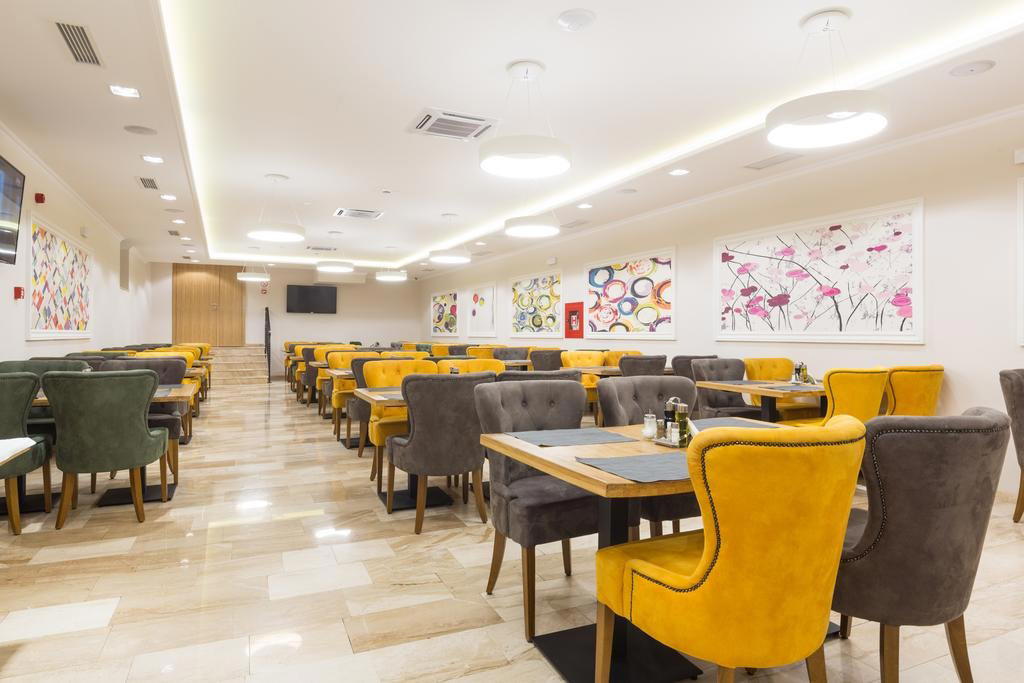
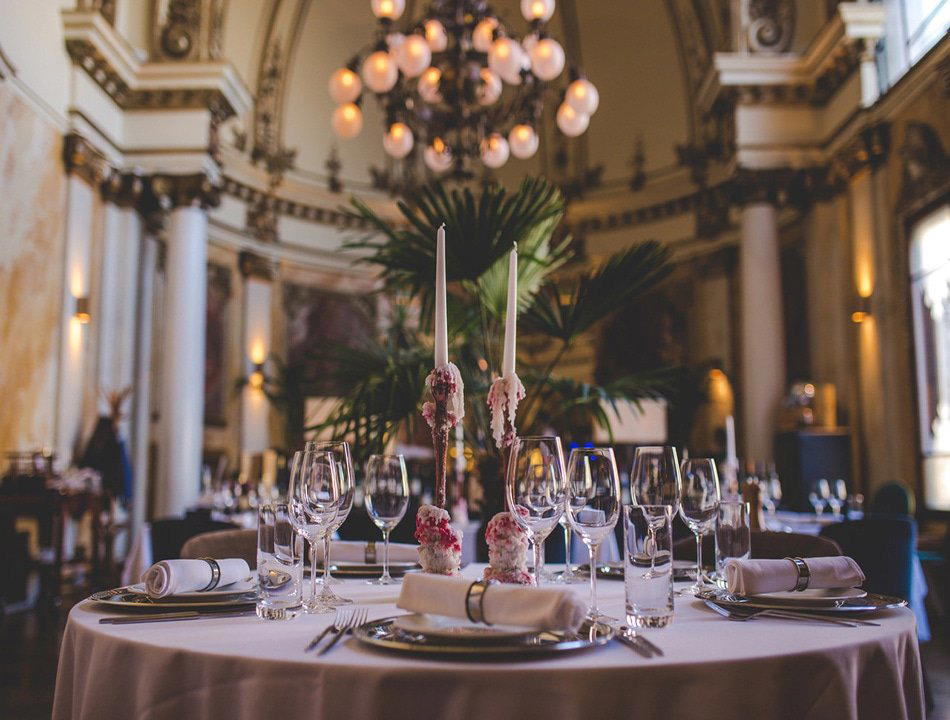
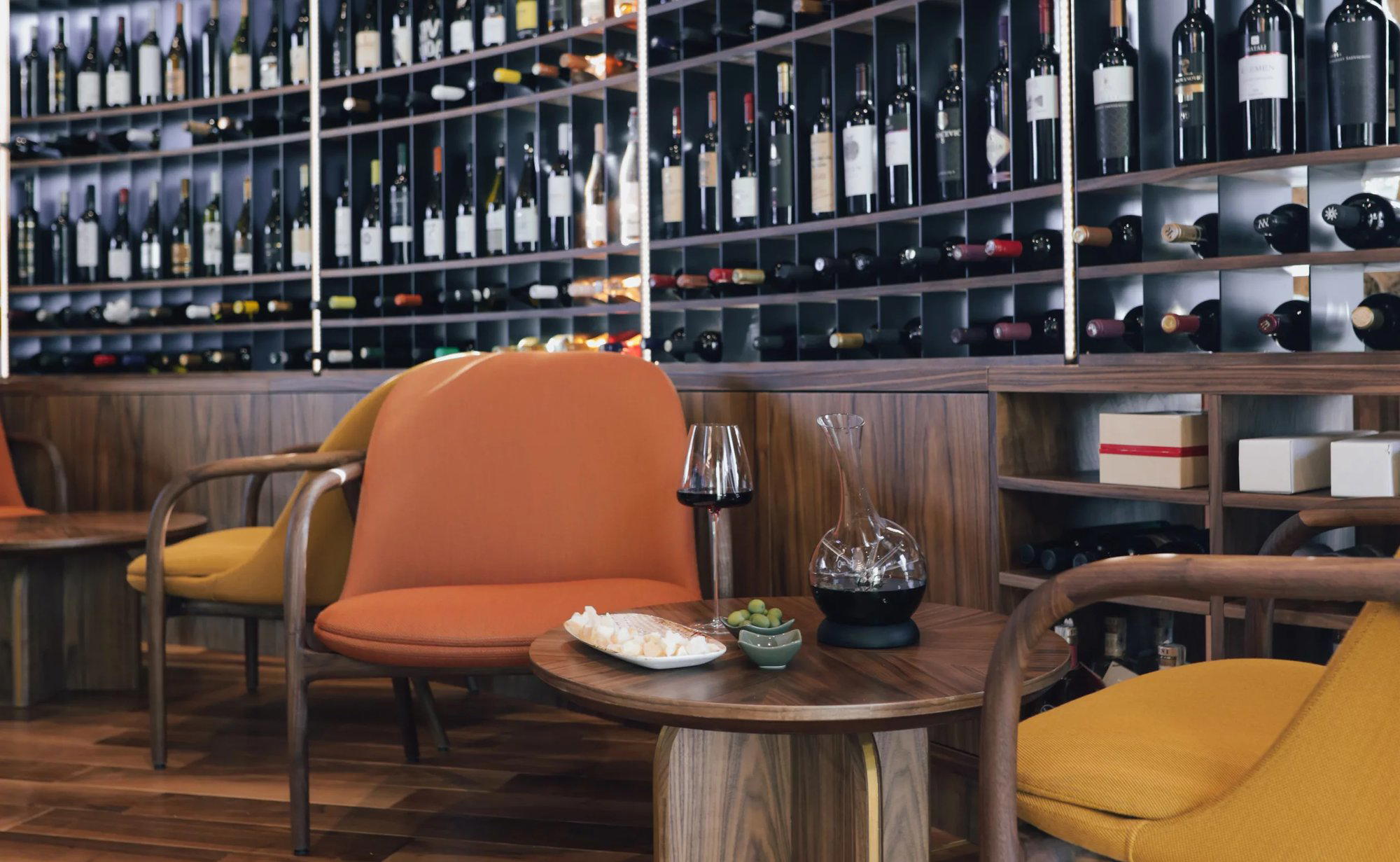
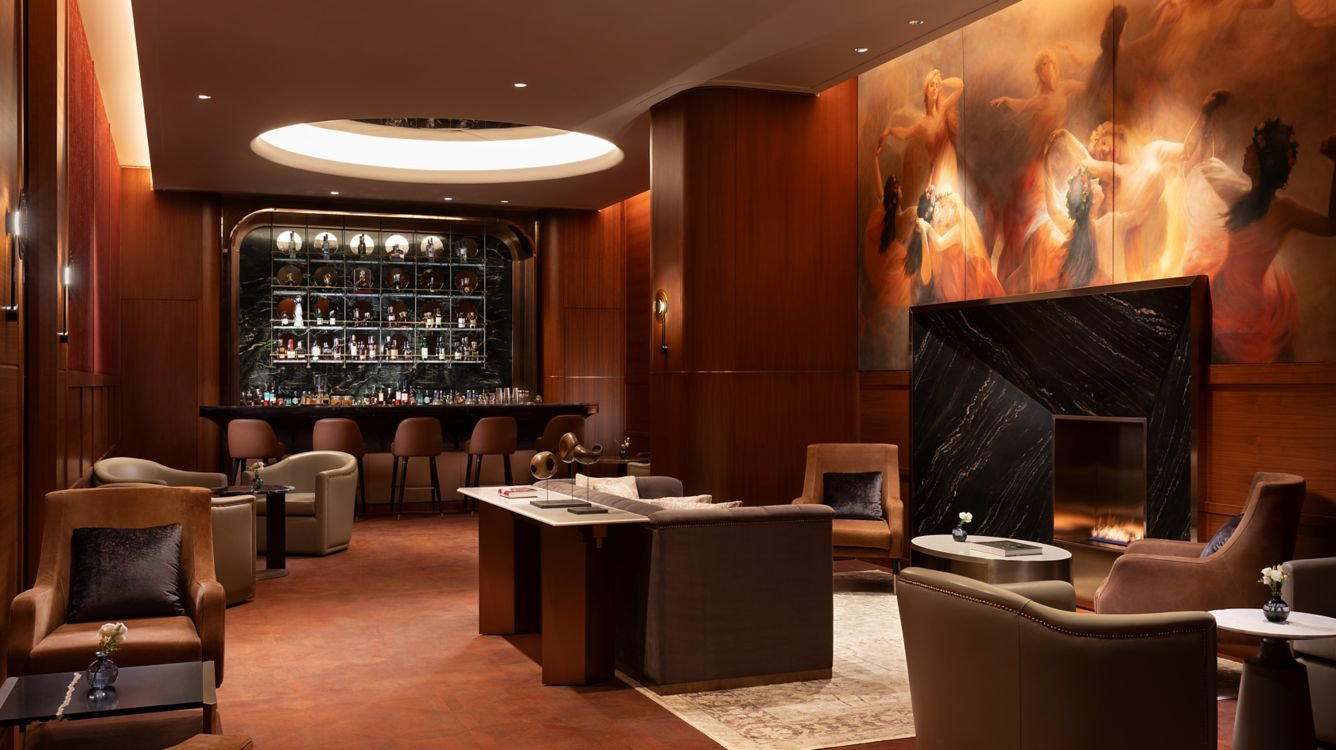
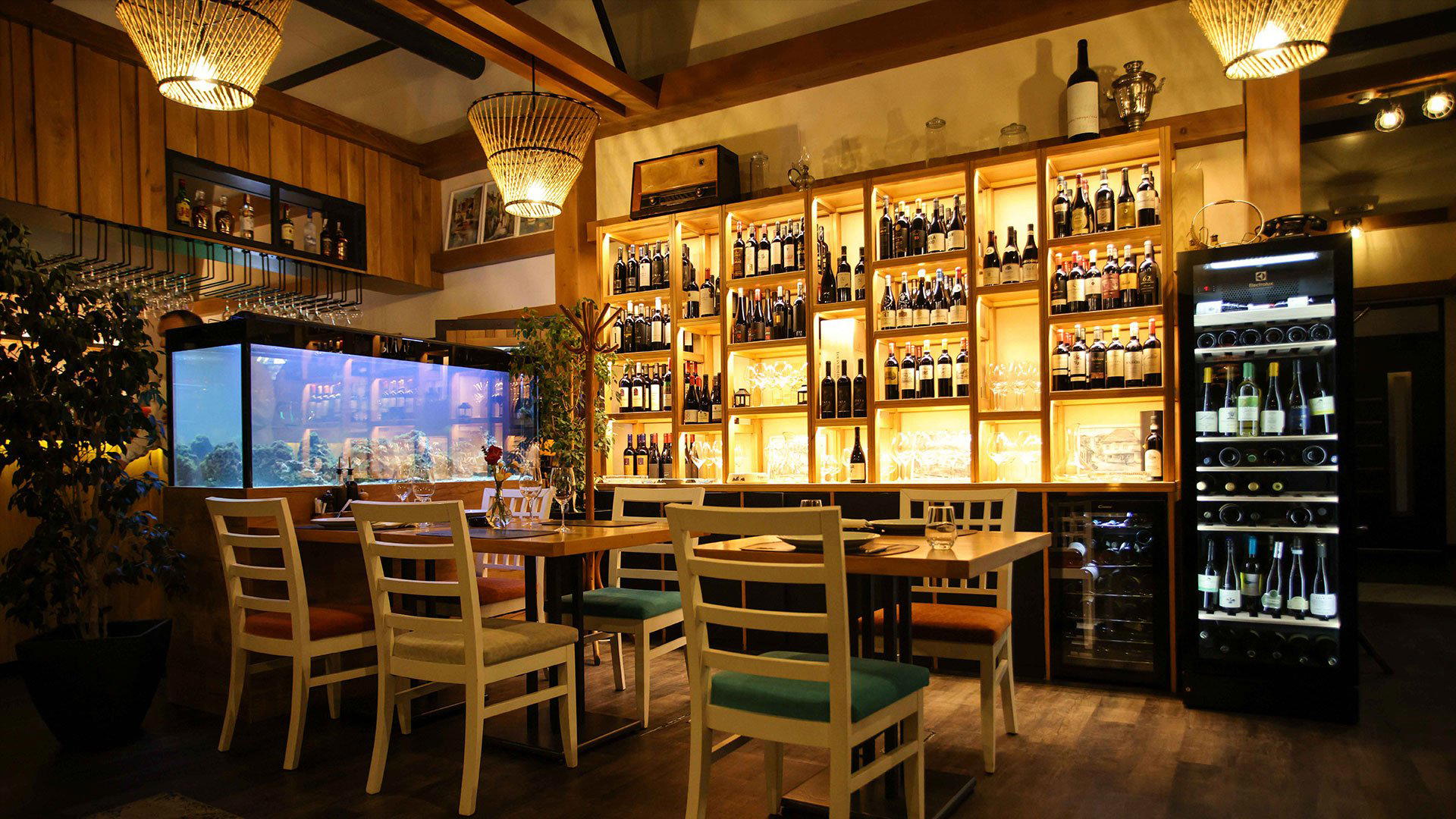
Cozy historic interior with classical piano music, elegant lighting, and a refined atmosphere.