
Tabelog 100 #29
Our verdict
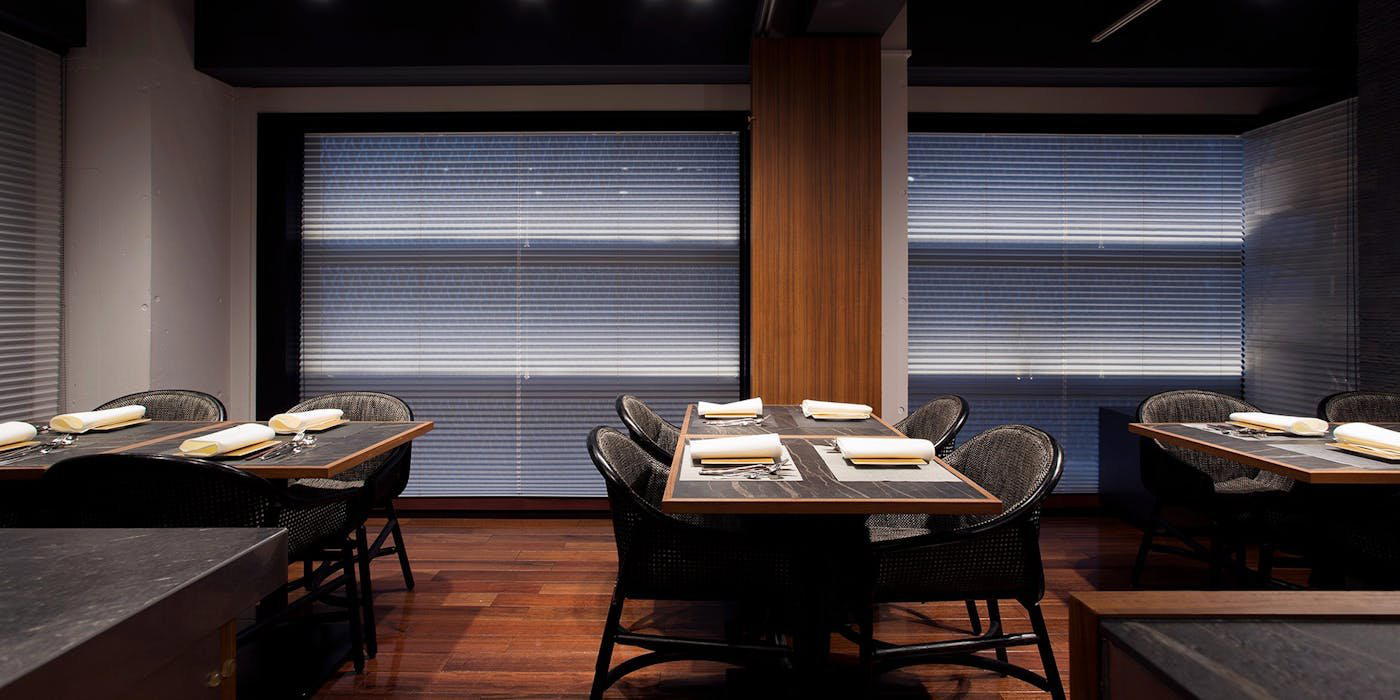
On the ninth floor of a Ginza high-rise, Renge Equriosity Shinbashi sits at an address that places it squarely within Tokyo's densest concentration of serious dining. The venue occupies the Ginza 7-chome corridor where price tier, format discipline, and competitive peer sets matter as much as what arrives on the plate. For travellers calibrating a Tokyo dining itinerary, it belongs in the same conversation as the neighbourhood's other focused, high-intention rooms.

Pearl is the En Primeur Club membership app, where members save venues, book tables and use the concierge.
The menu
What to order
- Shanghai Crab Bisque
- Shanghai Crab Xiao-Mai
- Golden Mapo-Tofu with Shanghai Crab Butter
A Ninth Floor in Ginza: What the Address Tells You
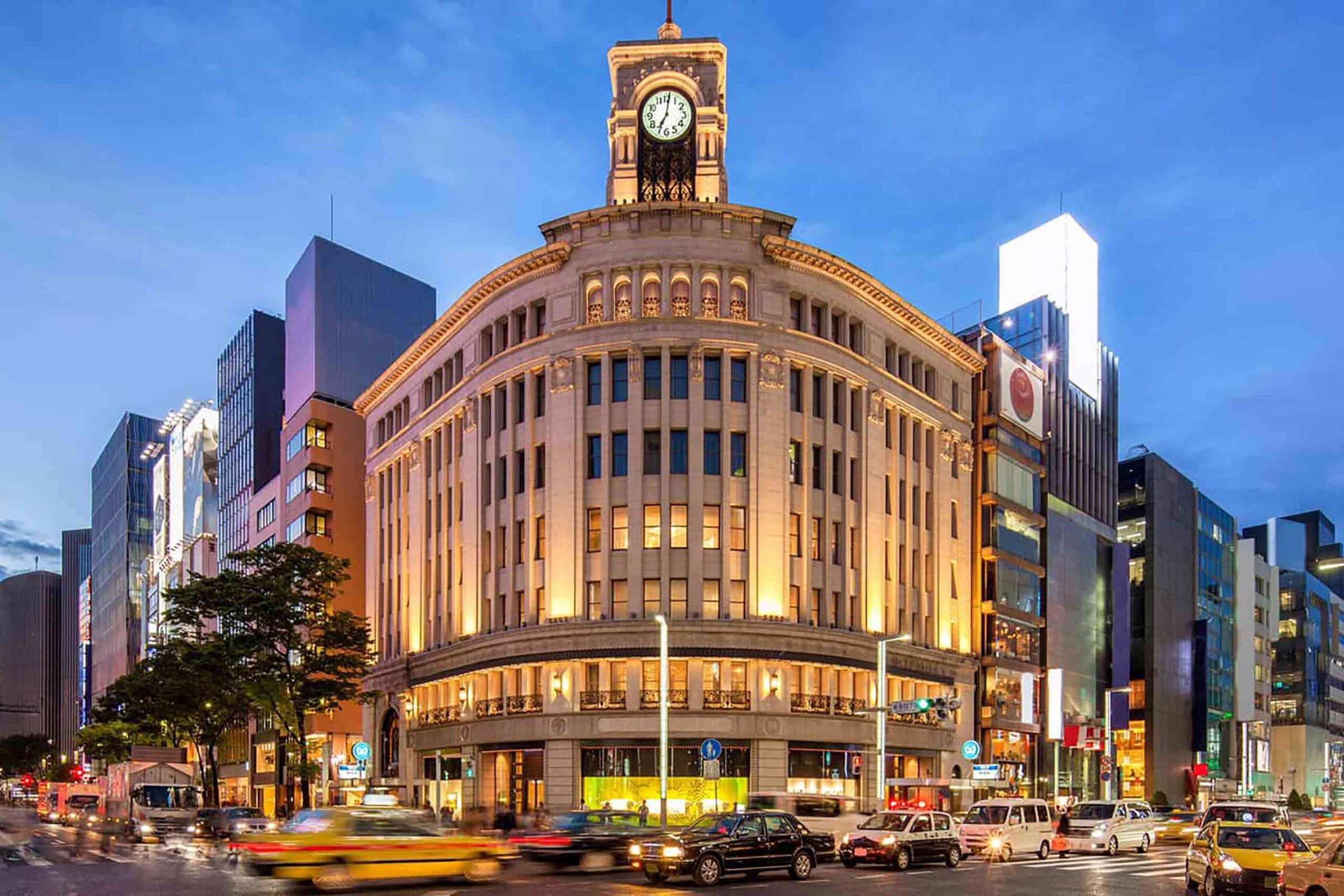
Tokyo's Ginza district has spent decades sorting itself into tiers. The broad middle ground of workday restaurants and department-store dining floors sits well below a sharper upper bracket: small-room, reservation-led venues where format, precision, and a specific culinary point of view define the experience before a single dish reaches the table. Renge Equriosity Shinbashi occupies the ninth floor of GINZA745, a building at 7-4-5 Ginza, Chuo City, an address that places it geographically and symbolically inside that upper conversation. In a neighbourhood where vertical stacking of serious restaurants across a single building is commonplace, the ninth-floor position signals something intentional: separation from street-level foot traffic, a degree of remove that shapes the atmosphere from the moment the lift doors open.
That physical remove is part of how premium dining rooms in Ginza construct their experience. The neighbourhood's leading omakase counters, kaiseki rooms, and chef-driven ateliers have long understood that arrival is part of the format. Coming up through a quiet elevator bank, stepping into a corridor that filters out the ambient noise of one of the world's most commercially saturated shopping districts, these are architectural decisions with editorial consequences. They tell you, before you've been seated, that what follows operates on its own clock.
Understanding Renge Equriosity Shinbashi means situating it within the range of serious dining options that Ginza and its immediate surrounds now offer. Harutaka, with its omakase counter and Michelin recognition, anchors the neighbourhood's sushi tier at the ¥¥¥¥ level. RyuGin in nearby Roppongi has built a case for contemporary Japanese kaiseki that benchmarks globally, earning placement alongside venues like Atomix in New York City and Le Bernardin in international critical conversations. The French-inflected rooms, L'Effervescence, Sézanne, and the more experimentally oriented Crony, have redrawn what Tokyo diners expect from European culinary frameworks applied to Japanese sourcing and sensibility.
Renge Equriosity Shinbashi's positioning within this competitive set is leading understood through its location logic. The Shinbashi corridor, technically adjacent to Ginza but historically more associated with salarymen's standing bars and izakayas, has been quietly upgraded by a sequence of more considered openings.
Atmosphere and Sensory Register
The physical experience of a ninth-floor room in a Tokyo high-rise follows a recognisable grammar: controlled light levels, reduced ambient sound, sightlines that either open onto the city or turn deliberately inward. Tokyo's upper-tier dining rooms have refined this grammar over decades, and the Ginza 7-chome cluster offers some of its most sophisticated expressions. The sensory register, what you see arriving, what you hear in the room, how temperature and ceramics interact, is the product of deliberate curation rather than accident.
This is the logic that connects venues like Renge Equriosity Shinbashi to comparable high-intention rooms across Japan. HAJIME in Osaka has built a reputation partly on the total atmospheric construction of the dining experience, not just the plate. Gion Sasaki in Kyoto uses the physical environment of a machiya townhouse to anchor the kaiseki sequence in something beyond the food itself. Further afield, akordu in Nara and Goh in Fukuoka each demonstrate how Japan's regional fine dining rooms have absorbed this atmospheric discipline and applied it to their own contexts.
What the Ginza high-rise format specifically offers, as opposed to those more architecturally rooted environments, is a kind of urban abstraction. You are above the city but inside it. The street noise disappears but the density of Chuo City remains present as a visual backdrop. That tension between immersion and remove defines a particular category of Tokyo dining experience, one that appeals to a different reader than the sunken garden or the riverside terrace.
Placing It on a Wider Japanese Itinerary
For travellers constructing a Japan dining itinerary rather than a single-city visit, Renge Equriosity Shinbashi's Ginza address functions as a useful anchor point. Tokyo concentrates its highest-ambition dining rooms within a few interconnected neighbourhoods, Ginza, Roppongi, Minami-Aoyama, Nihonbashi, and Ginza remains the most internationally legible of these. It is where visiting diners default when they want a single evening that benchmarks against the city's upper tier.
Against that backdrop, the venue's position in the 7-chome block places it on the quieter, more purposeful eastern edge of Ginza proper. Travellers who have visited fine dining in Nanao, Sapporo, or the Takashima and Nishikawa Machi regional rooms understand how dramatically the sensory context shifts between a Tokyo high-rise and a prefectural countryside setting. Birdland in Sakai and Bistro Ange in Toyohashi each operate in mid-sized Japanese cities where the dining proposition leans on local identity. Ginza rooms operate from a different premise: the address itself is part of the value proposition, and the competition is global rather than regional.
For a complete overview of how this venue sits within the city's broader dining structure, see our full Tokyo restaurants guide.
Planning Your Visit
Given the venue's position in Ginza's competitive tier, a few practical points bear noting. The GINZA745 building at 7-4-5 Ginza, Chuo City is accessible via Ginza Station on the Tokyo Metro Ginza, Marunouchi, and Hibiya lines, with the C2 or C3 exits placing you within a short walk. Shiodome and Shinbashi stations on the JR and Yurikamome lines offer alternative access for travellers approaching from Tokyo Station or the waterfront. Reservations: Given the room's capacity profile, typical for upper-tier Ginza rooms where seat counts are deliberately limited, advance booking is advisable, particularly for weekend evenings and holiday periods.
Frequently asked questions
What's Renge Equriosity Shinbashi's location?
Renge Equriosity Shinbashi is located at Japan, 〒104-0061 Tokyo, Chuo City, Ginza, 7 Chome−4−5 GINZA745ビル 9F, Tokyo.
What kind of dining experience does Renge Equriosity Shinbashi offer on the 9th floor of GINZA745 in Tokyo?
Renge Equriosity Shinbashi occupies the ninth floor of the GINZA745 building at 7-4-5 Ginza, Chuo City, a position that shapes the room before the food arrives. High-floor venues in Tokyo's Ginza district typically trade street-level foot traffic for controlled acoustics and city-view framing, making the setting as deliberate as the menu.
What's the must-try dish at Renge Equriosity Shinbashi?
Given its position on the ninth floor of GINZA745 in Ginza's competitive dining tier, the kitchen almost certainly operates with a focused, rotating format, the kind of menu where asking your server what arrived that morning is more useful than arriving with a dish target in mind.
How hard is it to get a table at Renge Equriosity Shinbashi?
Renge Equriosity Shinbashi sits at 7-4-5 Ginza in Chuo City, a district where reservation lead times at serious rooms routinely run four to eight weeks. No public booking system or phone number is currently listed which suggests reservations may be handled through a third-party platform or direct contact via the building. Planning two to four weeks ahead is a reasonable baseline for first-time visitors.
What has Renge Equriosity Shinbashi built its reputation on?
The venue's name, pairing 'Renge' (a Japanese term with floral and Buddhist associations) with 'Equriosity', an invented compound suggesting curiosity and equanimity, signals a conceptually driven approach rather than a straightforward cuisine category. Its ninth-floor address in GINZA745 places it among Ginza's more intentional dining rooms, where the physical remove from street level is itself part of the proposition.
Do they accommodate allergies at Renge Equriosity Shinbashi?
No allergy or dietary policy is publicly documented for Renge Equriosity Shinbashi. In Tokyo's Ginza dining tier, allergy communication at serious restaurants typically happens at the reservation stage, not at the door, check the venue's official channels before booking if dietary requirements apply.
Is Renge Equriosity Shinbashi worth it?
That depends on what you're comparing it against. Ginza's ninth-floor address at GINZA745 carries real estate and operational costs that filter out casual operators, rooms at this tier in Chuo City tend to be deliberate about what they serve and to whom. No price range is publicly listed, so arriving without a budget anchor is a risk; confirming costs before you book is practical, not excessive.
Cuisine-First Comparison
Comparable venues nearby, for context on price, style, and recognition.
| Venue | Cuisine | Price | Awards | Notes |
|---|---|---|---|---|
| Renge Equriosity ShinbashiThis venue (the venue you are viewing) | Modern Shanghai Chinese Fine Dining | $200–300 | Tabelog 100 #29 | Not listed |
| Ginza Kazen | New-style Cantonese fine dining | $200–300 | Tabelog 100 #84 | Chūō |
| Xie Wang Fu | Traditional Kaiseki | $300–500 | Tabelog 100 #80 · Black Pearl 1 Diamond | Chūō |
| 虎峰 | Modern Cantonese chef’s counter | $200–300 | Black Pearl 1 Diamond | Roppongi |
| Ino Cantonese Nihonbashi Takase | Innovative Cantonese with Japanese ingredients | $100–150 | Michelin Plate · Tabelog 100 #20 | Chūō |
| の弥七 | Chinese-Japanese Fusion Omakase | $200–300 | Michelin Plate · Tabelog 100 #13 | Shinjuku |
Recognition history
Dated appearances from independent guides and award organizations, with the underlying list record or original source where available.
Tabelog 100 #29 · No. 29
Tabelog · Tabelog 100 - Chinese cuisine - TOKYO - 2026
Continue exploring
More in Tokyo
Restaurants in Tokyo
All restaurants in Tokyo →


Bars in Tokyo
All bars in Tokyo →
Details
- Modern
- Elegant
- Sophisticated
- Intimate
- Date Night
- Business Dinner
- Special Occasion
- Chefs Counter
- Open Kitchen
- Private Dining
- Sake Program
- Tasting Menu
- Vegetarian Friendly
- Allergy Accommodating
Current opening hours
- Monday
- 12–3:30 PM, 5–11:30 PM
- Tuesday
- 12–3:30 PM, 5–11:30 PM
- Wednesday
- 12–3:30 PM, 5–11:30 PM
- Thursday
- 12–3:30 PM, 5–11:30 PM
- Friday
- 12–3:30 PM, 5–11:30 PM
- Saturday
- 12–3:30 PM, 5–11:30 PM
- Sunday
- 12–3:30 PM, 5–11:30 PM
Hours can change for holidays and private events. Hours as of .
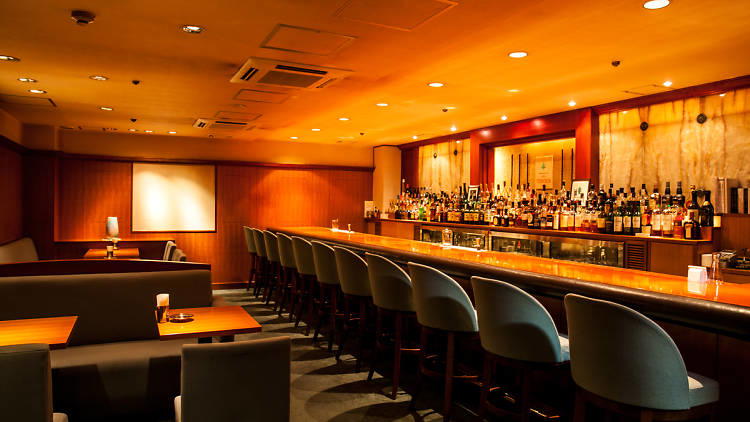
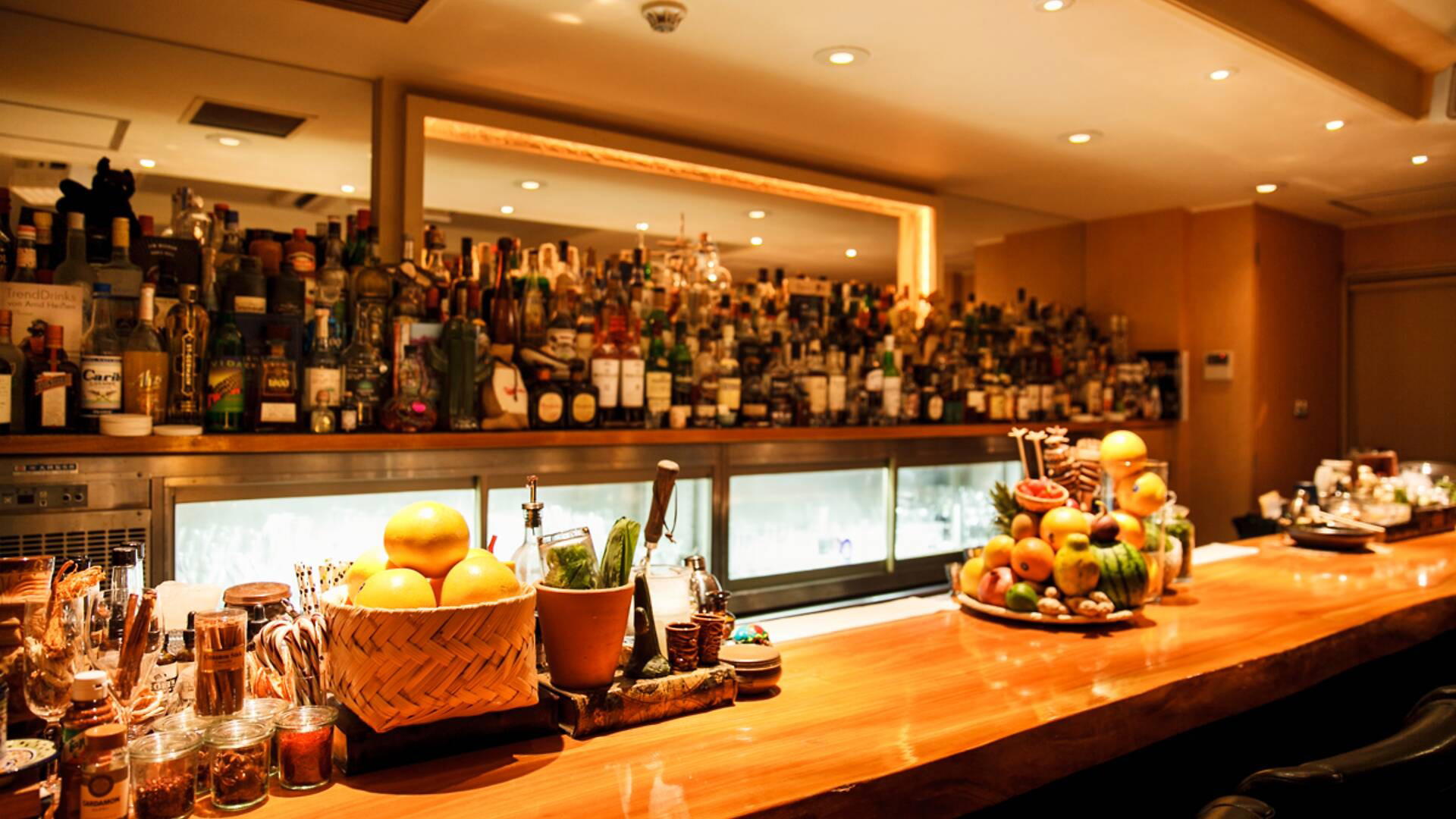
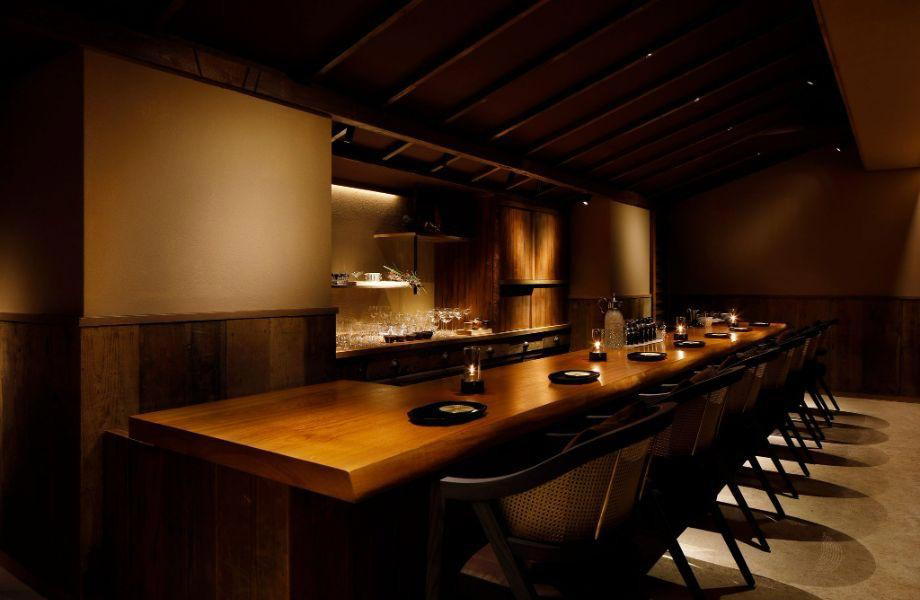
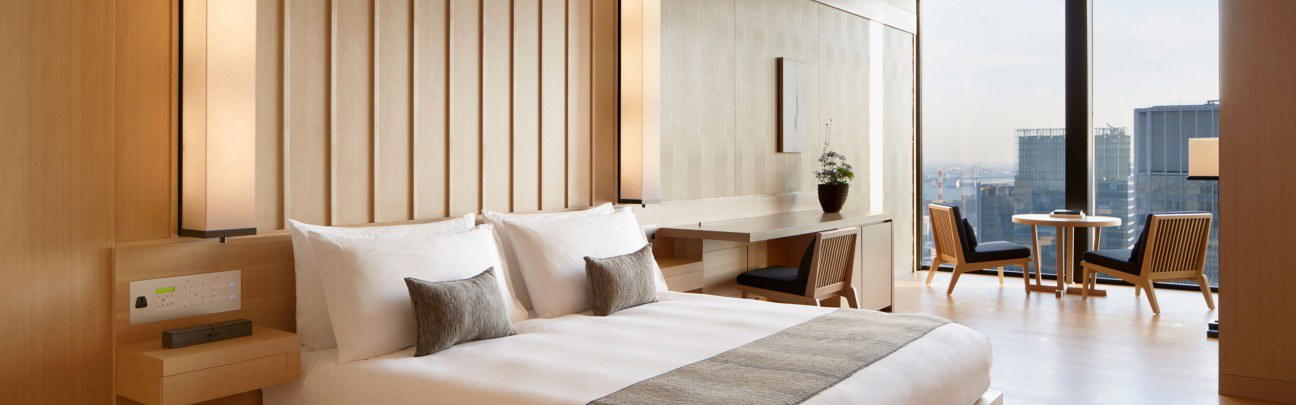
Warm modern interior with open kitchen, cozy counter seating, and semi-private rooms offering a sophisticated and calm atmosphere.