


Tabelog 100 #80 · Black Pearl 1 Diamond
Our verdict
Located in Nihonbashimuromachi, a district where Edo-period merchant culture still shapes the neighbourhood's expectations of service and craft, 蛇籠庵 sits inside the Mitsui Tower complex on Chuo City's most historically weighted block. The address alone signals a particular kind of seriousness: this is not a destination that courts passing foot traffic.

Pearl is the En Primeur Club membership app, where members save venues, book tables and use the concierge.
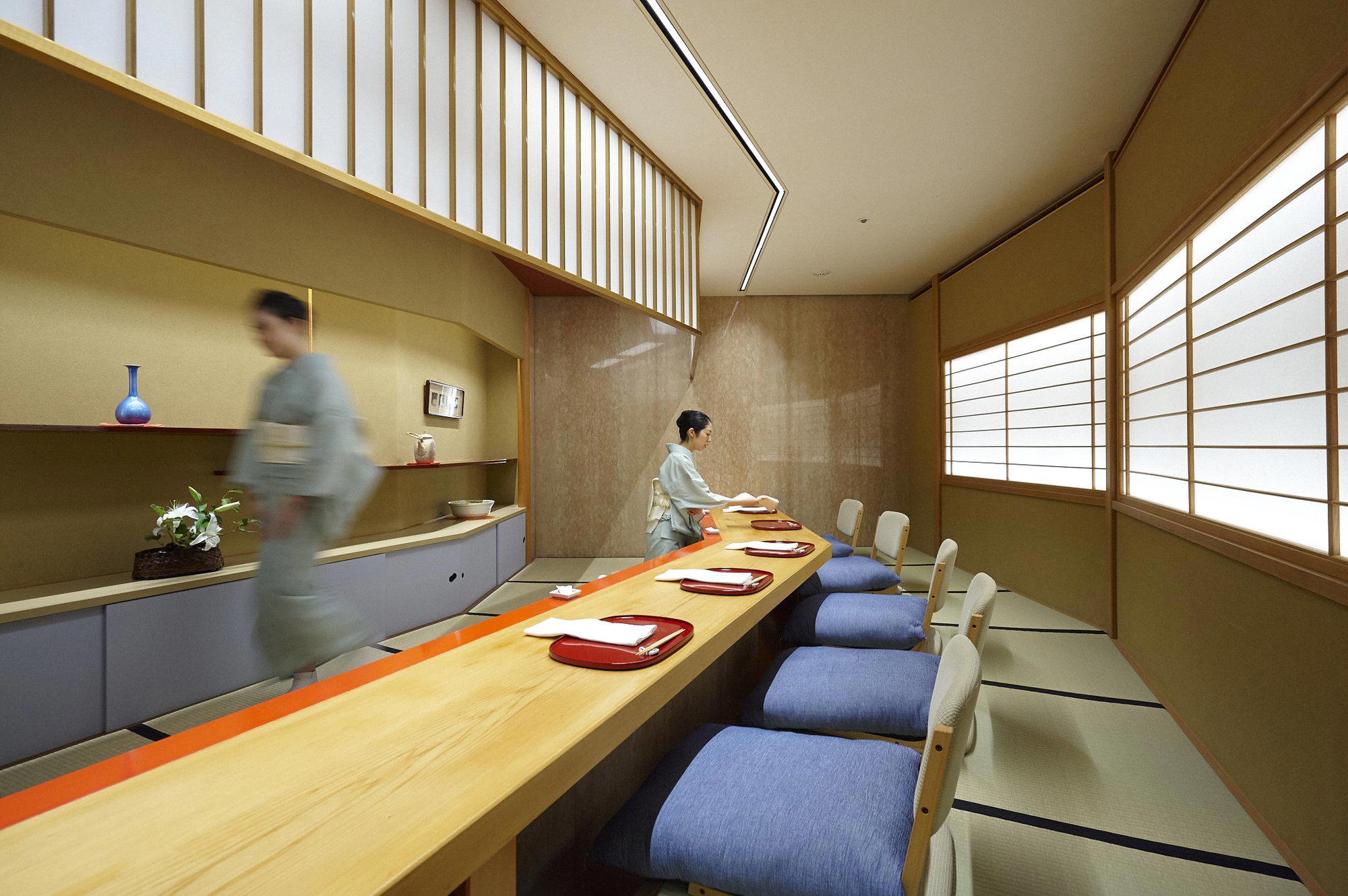
A Room That Works Before the Menu Arrives
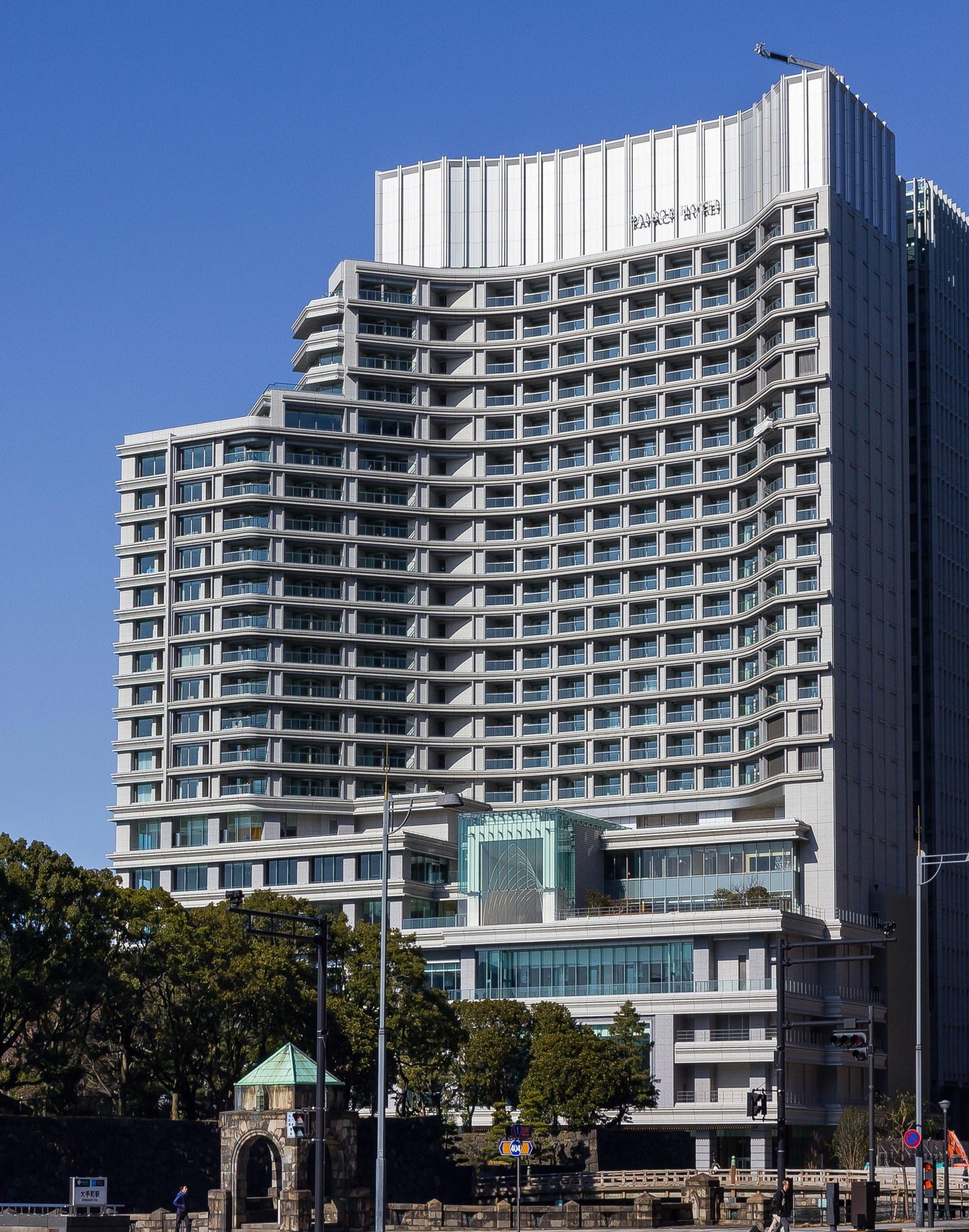
Nihonbashimuromachi has operated as one of Tokyo's most structurally serious dining districts for centuries. The area's identity was built on the merchant trade of the Edo period, and that inheritance still shows in how its restaurants position themselves: quiet, deliberate, and aimed at guests who already know why they are there. 蛇籠庵, housed on the first floor of the Mitsui Muromachi Tower at 2-1-1 Nihonbashimuromachi, occupies a site where the building itself carries weight. The Mitsui group's involvement in this block goes back far enough to read as civic architecture rather than commercial development.
Approaching from the Mitsukoshi-mae subway exit, the transition from the retail activity of Chuo-dori into the quieter scale of the Muromachi block is immediate.
How the Menu Is Built, and What That Tells You
In Tokyo's premium dining tier, menu architecture functions as a statement of intent. Restaurants in the ¥¥¥¥ bracket, including nearby peers like Harutaka for sushi and RyuGin for kaiseki, tend to run fixed-format sequences where the ordering of courses signals the kitchen's philosophical priorities as clearly as the dishes themselves. The progression from light to dense, from raw to cooked, from restrained to rich, is not merely aesthetic: it is an argument about what the meal is for.
What the address and setting do confirm is that the venue operates within a district where omakase-style and kaiseki-adjacent formats dominate the premium tier. In Nihonbashimuromachi, menus structured around seasonal ingredient sourcing, with a single fixed progression rather than à la carte choice, represent the established norm at this address level. A room inside the Mitsui Muromachi Tower at this postcode is not typically associated with casual ordering.
The architecture of a menu at this tier also tends to communicate the kitchen's relationship to seasonality. Tokyo's leading Japanese tables, including Gion Sasaki in Kyoto and HAJIME in Osaka, treat the seasonal calendar as a structural constraint rather than a marketing device. A winter menu built around buri and kabu reads differently from one organised around spring sansai, and those differences reflect sourcing relationships, not just kitchen preference.
The Nihonbashimuromachi Context
Understanding where 蛇籠庵 sits within Tokyo's dining geography requires some sense of how this district differs from Ginza or Roppongi, the two addresses that tend to absorb international attention. Ginza operates on visibility and prestige density: its leading counters, from high-end sushi to French tasting menus like Sézanne, compete in a market where the address itself is part of the offer. Nihonbashimuromachi is less about visibility and more about lineage. Businesses in this block have often operated across multiple generations, and the expectation of discretion, formality, and sustained quality runs deeper here than in Ginza's more transactional luxury tier.
That distinction matters when reading a venue like 蛇籠庵. It is not positioned to attract tourists navigating a neighbourhood for the first time. The guest who arrives here tends to know the district, has likely been referred by someone, and arrives with a set of expectations calibrated to the area rather than to a single venue's marketing. This is the mode in which Tokyo's most enduring high-end Japanese restaurants have always operated, from the traditional ryotei of Kagurazaka to the counter-format specialists of Kojimachi.
For readers building a broader Japan itinerary, the Nihonbashi area also functions as a useful base of comparison when assessing dining in other cities. akordu in Nara and Goh in Fukuoka each operate at a similarly serious level in their respective cities, and a guest familiar with the register of Nihonbashimuromachi dining will find the quality expectations roughly comparable even if the formats differ.
Placing It Inside the Tokyo Premium Tier
Tokyo's restaurant market at the ¥¥¥¥ level has grown more stratified over the past decade. The gap between a technically accomplished fixed-menu restaurant and a Michelin-starred counter that books months ahead is no longer just one of price: it is a difference in access structure, guest profile, and the pace at which tables become available. Venues like L'Effervescence and Crony sit in the French-influenced segment of this tier, while the Japanese formats occupy a parallel track with their own internal hierarchies.
蛇籠庵's position inside the Mitsui Muromachi Tower places it within the upper segment of this market by default: the tenancy mix in that complex is not accidental, and restaurants in ground-floor positions in buildings of this type are typically selected with long-term tenure in mind. The comparison set is not other Chuo City restaurants in general but rather a small number of venues in Nihonbashimuromachi and the surrounding Kayabacho and Ningyocho area that operate with similar degrees of deliberateness.
Internationally, the tasting-menu format at this tier finds parallels in Le Bernardin in New York and Atomix, also in New York, where fixed-format menus with strong seasonal frameworks operate inside similarly demanding local peer sets.
See the full Tokyo restaurants guide for a broader view of where 蛇籠庵 sits within the city's current dining priorities.
Additional Japanese Restaurant Context
For readers interested in the full range of serious Japanese dining beyond Tokyo, the EP Club also covers 鳥羽屋 in Nishikawa Machi, Birdland in Sakai, and Bistro Ange in Toyohashi, which together illustrate how Japan's regional cities have developed their own tiers of serious dining outside the Tokyo-Osaka-Kyoto triangle.
Know Before You Go
- Address: 2-1-1 Nihonbashimuromachi, Chuo City, Tokyo 103-0022 (Mitsui Muromachi Tower, 1F)
- Nearest Station: Mitsukoshi-mae (Ginza Line / Hanzomon Line)
- Price Range:; comparable Nihonbashimuromachi venues in the premium tier run ¥15,000-¥30,000+ per person
- Hours:; verify before visiting
- Dress Code: Not stated; Nihonbashimuromachi dining norms trend toward smart dress
Frequently asked questions
Where do I go for 蟹王府?
蟹王府 is located at Japan, 〒103-0022 Tokyo, Chuo City, Nihonbashimuromachi, 2 Chome−1−1 三井二号館 1階, Tokyo.
What's the best thing to order at 蛇籠庵?
EP Club does not hold confirmed menu data for 蛇籠庵 at this time. Venues operating at the premium tier in Nihonbashimuromachi typically structure the meal around a fixed course rather than à la carte selection, meaning the kitchen sets the order of dishes. If you have dietary restrictions, check the venue's official channels before your visit rather than raising them on the night.
Is 蟹王府 reservation-only?
Reservations are recommended for 蟹王府 in Tokyo. Confirm current policy via the venue's official channels.
What's the signature at 蟹王府?
蟹王府 is best approached by focusing on the core concept and signature offerings.
Cost Snapshot
Comparable venues nearby, for context on price, style, and recognition.
| Venue | Cuisine | Price | Awards | Notes |
|---|---|---|---|---|
| 蟹王府This venue (the venue you are viewing) | Traditional Kaiseki | $300–500 | Tabelog 100 #80 · Black Pearl 1 Diamond | Not listed |
| 鉄板焼 赤坂 | Teppanyaki with Premium Wagyu and Seafood | $150–200 | Black Pearl 1 Diamond · Tabelog 100 #88 | Akasaka, Luxury Japanese Teppanyaki with Wagyu & Skyline Views |
| Kato Gyuniku-ten Ginza | Yamagata Beef Steakhouse | $150–200 | Tabelog 100 #29 | Chūō, Yamagata Beef Steakhouse |
| 鮨 くわ野 | Edomae Sushi Omakase | $200–300 | Not listed | Chūō, Traditional Ginza Omakase Sushi |
| 四ッ谷 みね村 | Traditional Japanese Kaiseki | $500+ | Not listed | Shinjuku, Traditional Japanese Kaiseki |
| Fukuda | Seasonal Kaiseki | $200–300 | 1 Michelin Star · Tabelog 100 #74 | Minato, Michelin-Starred Kaiseki |
Recognition history
Dated appearances from independent guides and award organizations, with the underlying list record or original source where available.
Black Pearl 1 Diamond
Black Pearl
Opinionated About Dining Top Restaurants in Japan Recommended
Opinionated About Dining
Tabelog 100 #80 · No. 80
Tabelog · Tabelog 100 - Chinese cuisine - TOKYO - 2026
Full recognition history (4 entries)
Opinionated About Dining Top Restaurants in Japan Ranked #382
Opinionated About Dining
Continue exploring
More in Tokyo
Restaurants in Tokyo
All restaurants in Tokyo →





Details
- Elegant
- Intimate
- Sophisticated
- Special Occasion
- Date Night
- Business Dinner
- Private Dining
- Sake Program
- Tasting Menu
- Set Menu
- Sake
- Vegetarian Friendly
Current opening hours
- Monday
- 11 AM–3 PM, 5–11 PM
- Tuesday
- 11 AM–3 PM, 5–11:30 PM
- Wednesday
- 11 AM–3 PM, 5–11 PM
- Thursday
- 11 AM–3 PM, 5–11 PM
- Friday
- 11 AM–3 PM, 5–11 PM
- Saturday
- 11 AM–3 PM, 5–11 PM
- Sunday
- 11 AM–3 PM, 5–11 PM
Hours can change for holidays and private events. Hours as of .
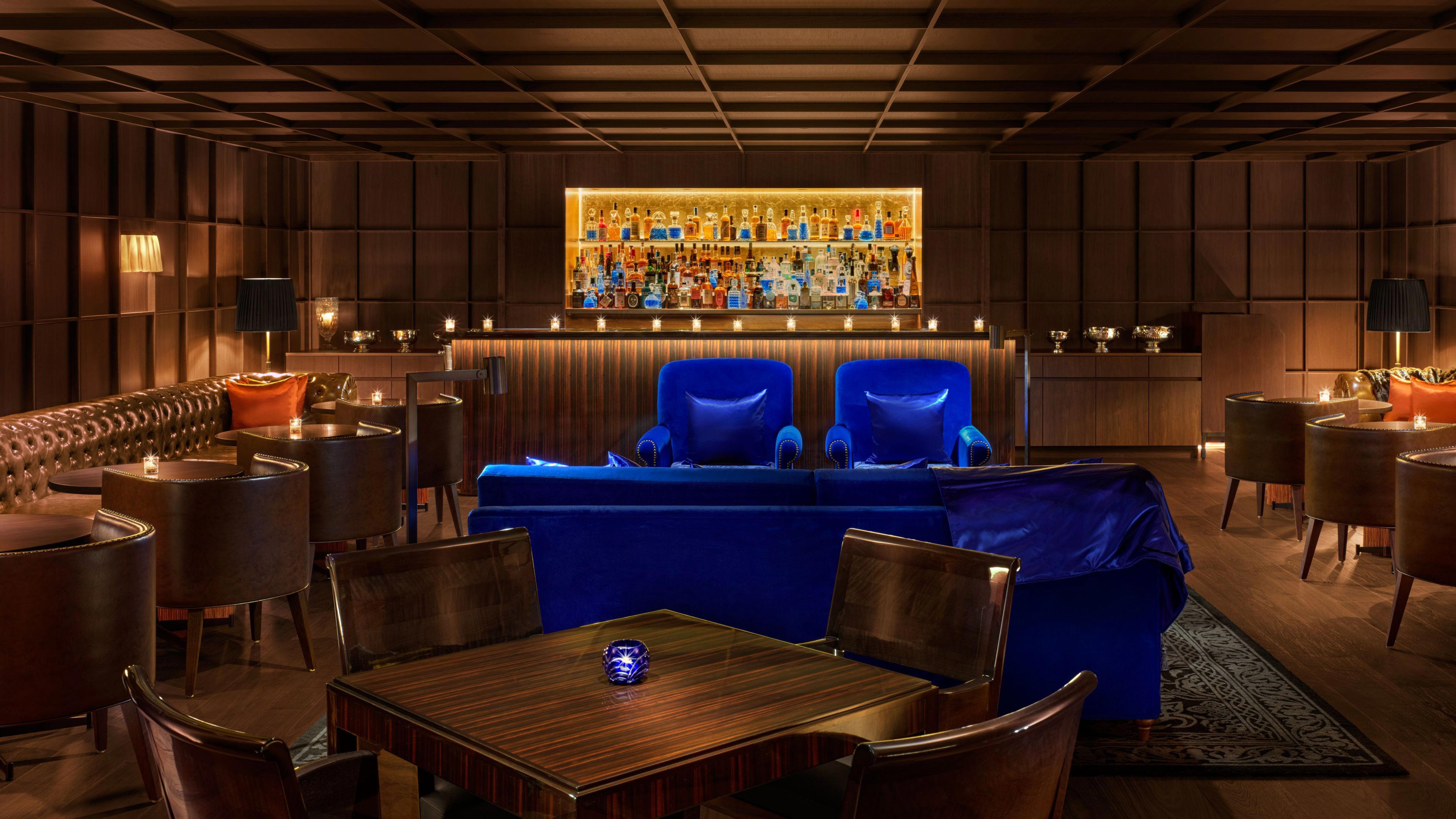
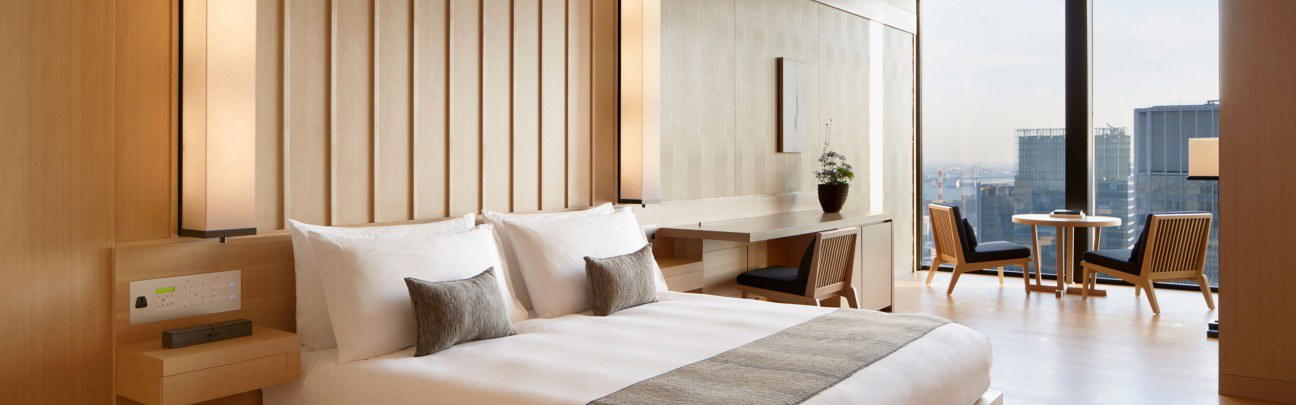
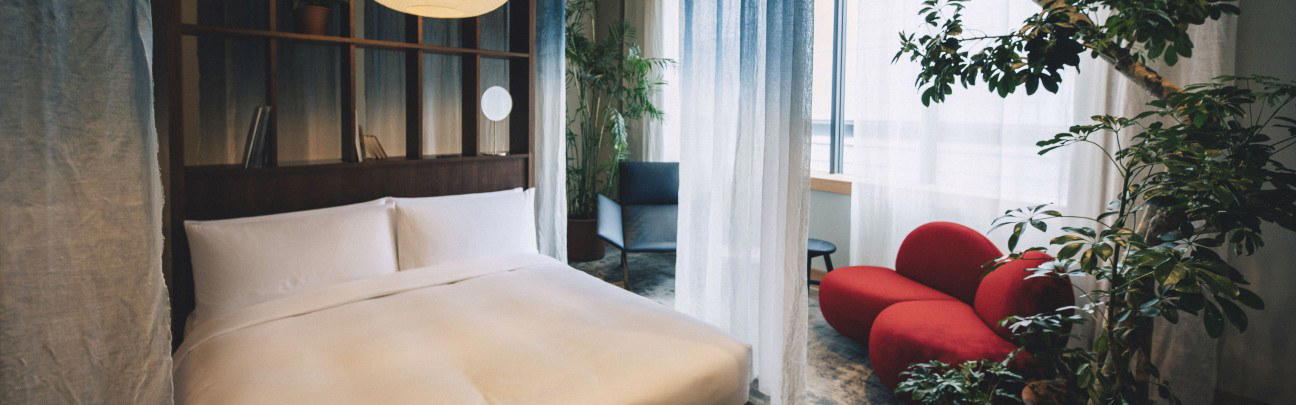
Dimly lit with minimalist Japanese decor, creating an intimate and refined atmosphere praised for its tranquility.