Our verdict
The bowl is the point here: broth-forward, precise, and consistent in a city where Japanese ramen sits outside the mainstream dining conversation. For those who have found it, going back is the natural next step.

Pearl is the En Primeur Club membership app — saves, bookings, and concierge access live there. Same editors, same standards.
- Address
- Monjitas 460, 8320112 Santiago, Región Metropolitana, Chile
- Phone
- +56 2 2638 2448
- Hours
- Mon–Thu 12–9:30 PMFri–Sat 12–10 PMSun 12–5 PM
- Website
- kintaro.cl
- Directions
- Get directions
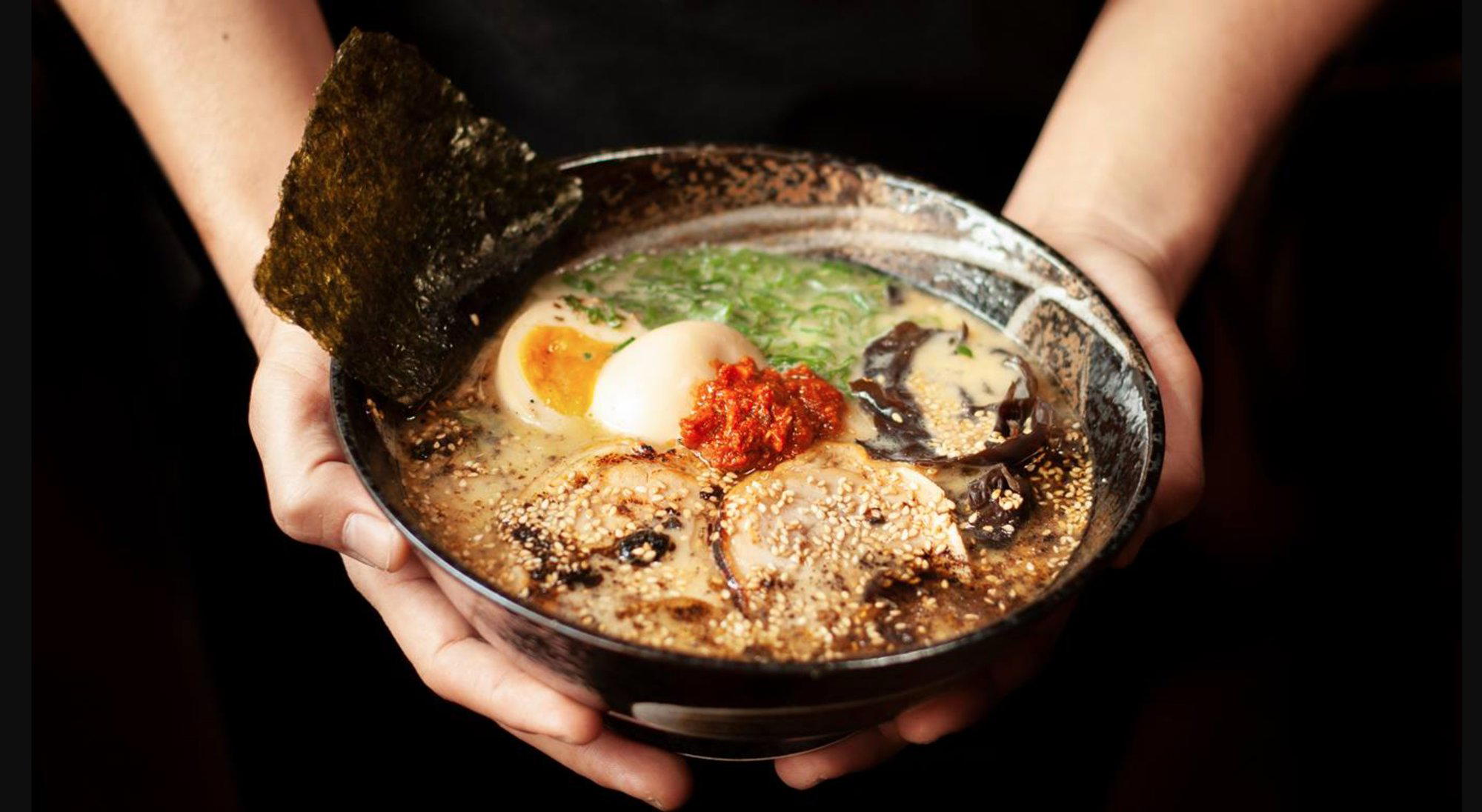
The menu
What to order
- Shoyu Ramen
- Shio Ramen
- Paitan Ramen
- Tantan Ramen
- Vegi Miso Ramen
That loyalty is the most reliable signal available about what is happening inside. In cities where ramen has reached critical mass, as in Tokyo's ward-by-ward competition or Sydney's growing specialist tier, the regulars are assumed. Ramen Kintaro appears to have achieved that, which in this market is a more meaningful credential than any single review. The generation of restaurants that pushed the conversation toward local ingredients and indigenous technique, places like Peumayen in Providencia, did so by centering what was already here. At the other end of the spectrum, Aquí Jaime in Concon and Pasta e Vino Ristorante in Valparaiso to wine-country dining at Lapostolle Residence in Santa Cruz and Viña Concha y Toro in Pirque. For a fuller picture of the capital's dining range, the Awasi Atacama in San Pedro de Atacama, andBeyond Vira Vira in Araucanía, CasaMolle in El Molle, Rosario in Rengo, and D.O. Restoran in Lo Barnechea. For international reference points in the same format-focused dining category, Le Bernardin in New York City and Lazy Bear in San Francisco illustrate how specialist commitment at different price tiers builds a durable audience over time.
Frequently asked questions
What part of town is Ramen Kintaro in?
Ramen Kintaro is located at Monjitas 460, 8320112 Santiago, Región Metropolitana, Chile, Santiago.
Is Ramen Kintaro a good option for ramen near Plaza de Armas in Santiago?
Ramen Kintaro at Monjitas 460 sits within walking distance of Plaza de Armas, making it one of the few dedicated ramen counters accessible from Santiago's historic city centre. The surrounding barrio is primarily a commercial and administrative district rather than a dining destination, which means specialist Japanese options are thin on the ground. For visitors based in or passing through the centro, Kintaro fills a gap that few other venues in the immediate area address.
What's the signature dish at Ramen Kintaro?
What is documented is the ramen focus at Monjitas 460, a downtown Santiago address not overrun with Japanese counter dining. Regulars tend to establish loyalty around a specific bowl, which at a dedicated ramen counter typically means the house broth rather than a rotating special.
What's the best way to book Ramen Kintaro?
No phone number or website is currently on file for Ramen Kintaro, so the most reliable approach is to visit in person at Monjitas 460 in Santiago's historic downtown. Counter-format ramen spots in Latin American cities frequently operate on a walk-in basis rather than a reservations system, particularly at lunch. Arriving early or at off-peak hours is the standard way to secure a seat without a wait.
What do critics highlight about Ramen Kintaro?
Its position in the conversation around Santiago ramen comes from its location in the Monjitas corridor, a downtown stretch where specialist Japanese counter dining has historically been scarce. That scarcity alone draws attention from food-focused visitors working through the city's centro.
Can Ramen Kintaro handle vegetarian requests?
Ramen broths traditionally rely on pork, chicken, or seafood bases, and vegetarian adaptations vary considerably from kitchen to kitchen. Contacting the restaurant directly or asking on arrival at Monjitas 460 is the only reliable way to establish what the kitchen offers. Check the venue's official channels for the latest details.
Style and Standing
A quick peer check to anchor this venue’s price and recognition.
| Venue | Cuisine | Price | Awards | Notes |
|---|---|---|---|---|
| Ramen KintaroThis venue — the venue you are viewing | Japanese Ramen | $10–20 | Not listed | Not listed |
| Boragó | Hyper-Local Chilean Tasting Menu | $100–150 | World's 50 Best #23 · La Liste Top Restaurants | Modern Chilean |
| Ambrosia | Modern Gastro-Bistro | Not listed | We're Smart World 1 Radish | French - Chilean |
| La Calma by Fredes | Fresh Chilean Seafood | $50–100 | World's 50 Best #57 · The Best Chef One Knife | Seafood |
| Bocanáriz | Modern Chilean Wine Bar | $50–100 | Not listed | Wine Bar |
| The Singular Santiago, Lastarria Hotel | Modern French-Chilean Fine Dining | $50–100 | La Liste Top Restaurants | Chilean Modern |
Continue exploring
More in Santiago
Restaurants in Santiago
Browse all →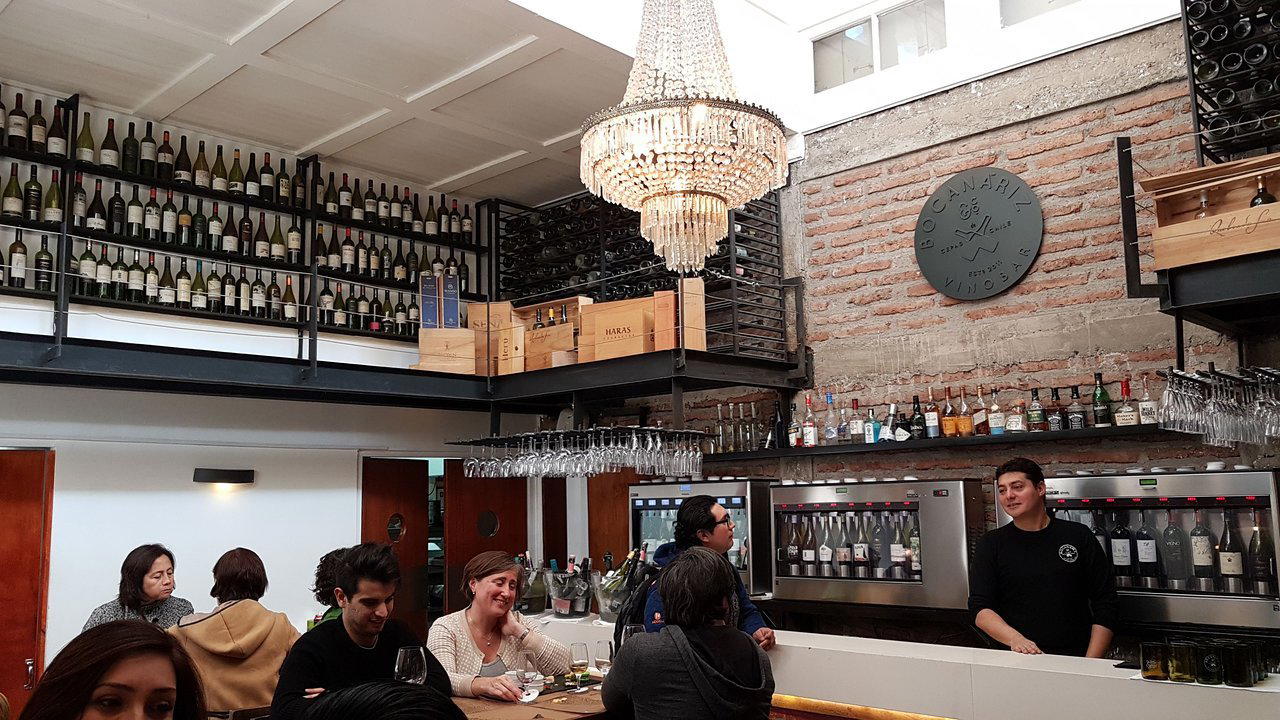
Bars in Santiago
Browse all →


Hotels in Santiago
Browse all →




Details
- Cozy
- Modern
- Trendy
- Solo
- Casual Hangout
- Late Night
- Standalone
- Sake Program
- A La Carte
- Sake
- Beer
- Vegetarian Friendly
Current opening hours
- Monday
- 12–9:30 PM
- Tuesday
- 12–9:30 PM
- Wednesday
- 12–9:30 PM
- Thursday
- 12–9:30 PM
- Friday
- 12–10 PM
- Saturday
- 12–10 PM
- Sunday
- 12–5 PM
Hours can change for holidays and private events. Last verified .
Casual Japanese noodle-shop atmosphere with a contemporary feel and a reputation for an authentic ramen experience.