Pasta e Vino Ristorante
On Cerro Alegre's cobbled streets, Pasta e Vino Ristorante at Templeman 352 draws a loyal Valparaíso following with house-made pasta and a wine list anchored in Chilean viticulture. The format is tighter and more ingredient-focused than the broader Italian-Chilean restaurant scene in the port city. For visitors working through the hills, it offers a grounded counterpoint to the area's more theatrical dining options.
- Address
- Templeman 352, Valparaíso, Chile
- Phone
- +56 32 249 6187
- Website
- pastaevinoristorante.cl
- Directions
- Get directions
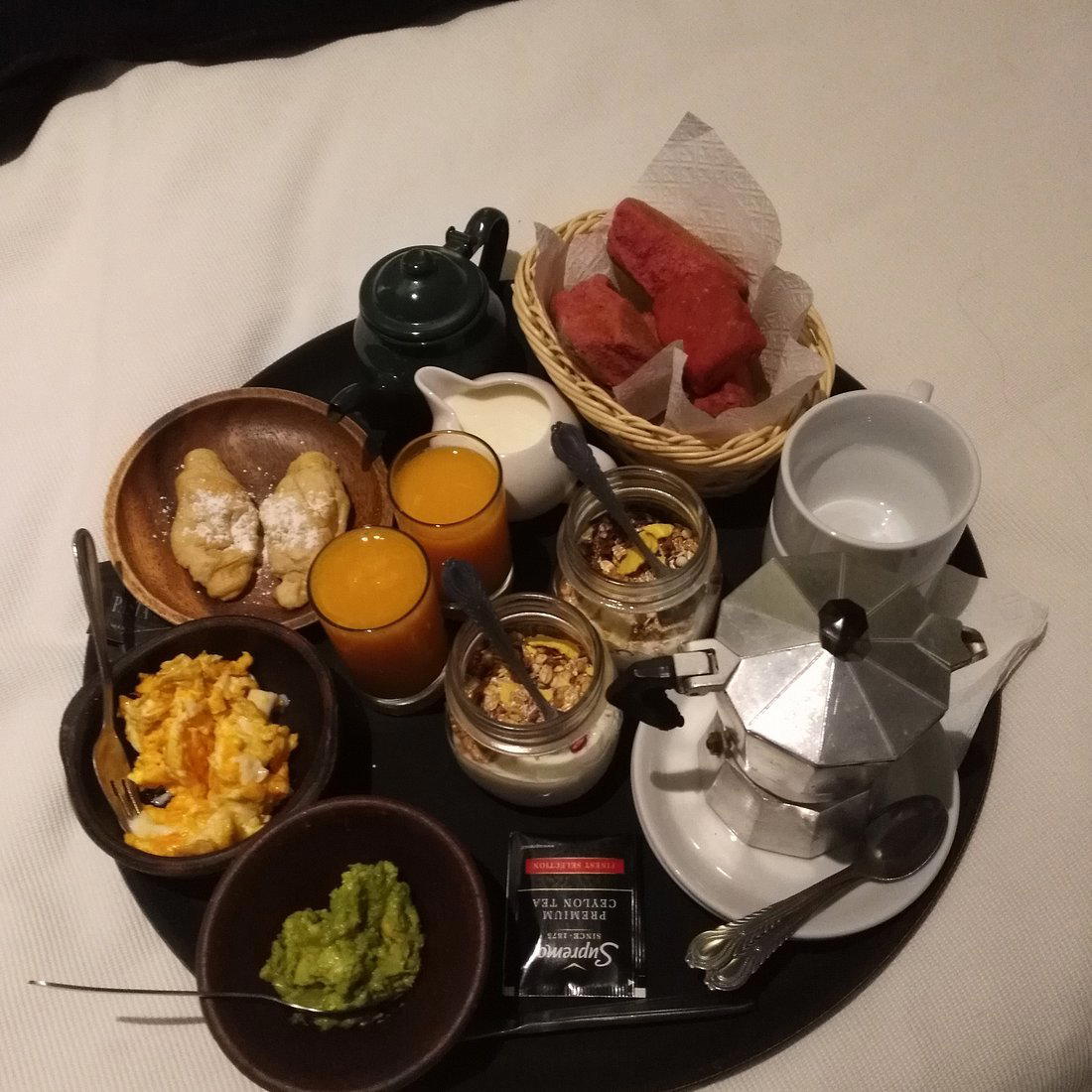
Where the Cerro Meets the Kitchen
Pasta e Vino Ristorante is an Italian Pasta Ristorante at Templeman 352 in Valparaíso, Chile, and it is recommended for reservations. The ascensores creak, the painted facades stack vertically, and the dining scene reflects the city's layered identity: port workers, artists, academics, and a growing international circuit that arrives via Santiago's Merval rail or the Ruta 68 highway. On Cerro Alegre, one of the two hills that anchor the city's UNESCO-listed historic district, the streets narrow and the restaurants cluster. Templeman, the lane where Pasta e Vino Ristorante sits at number 352, is part of this concentration of neighbourhood eating.
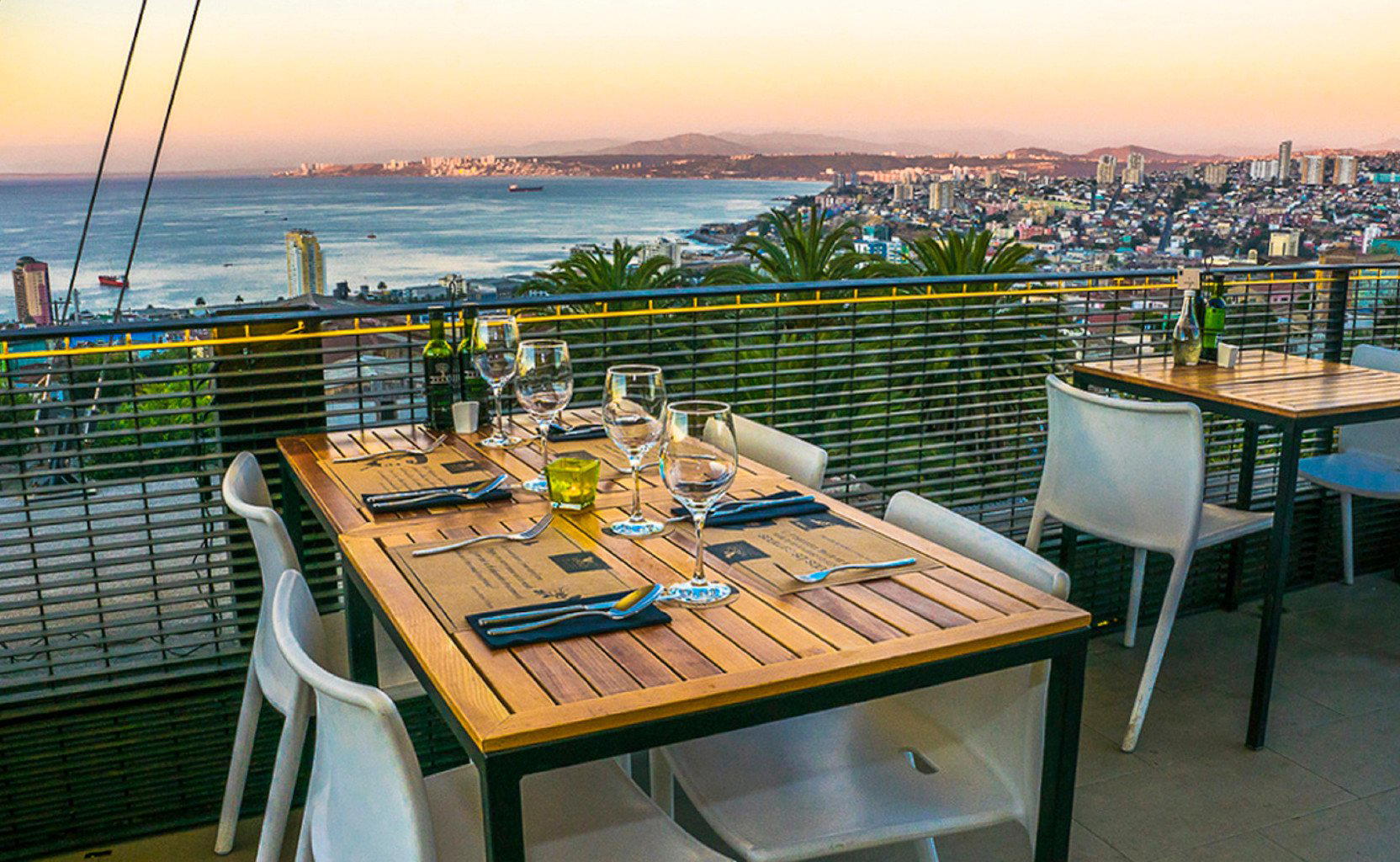
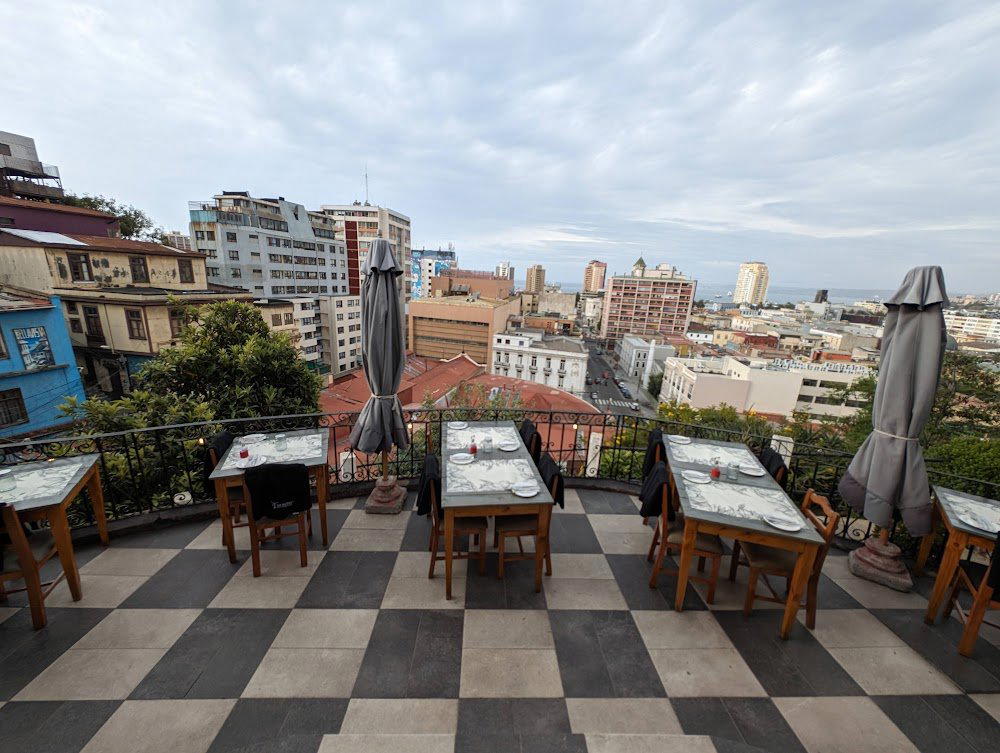
Cerro Alegre restaurants tend toward smaller rooms, terraced outdoor seating when the Pacific fog permits, and an interior warmth that suits the city's damp evenings. The hill's character pushes operators toward intimacy rather than scale, and Pasta e Vino reads within that tradition. It is, above all, a place of proximity: to the street, to the food, to the sourcing decisions that define what lands on the table.
Ingredient Sourcing in a Port City Context
Italian-leaning restaurants in coastal South American cities occupy a specific sourcing position that distinguishes them from European counterparts. Chile's Central Valley, which runs between the Andes and the Coastal Range from roughly Maule to Bío-Bío, produces some of the continent's most reliable agricultural output: dry-farmed tomatoes, stone-ground semolina, fresh herbs that benefit from the region's Mediterranean-equivalent climate. For a pasta-focused kitchen in Valparaíso, the question is how the kitchen resolves the tension between Italian technique and Chilean raw material.
That tension is, where interesting cooking in Chile happens. Restaurants like Boragó in Santiago have built their entire identity around indigenous Chilean sourcing pushed through high technique. Peumayen in Providencia takes a different approach, drawing on pre-Columbian ingredient traditions. A trattoria-format operation like Pasta e Vino occupies a quieter position in that spectrum: not making a declaration about indigenous cuisine, but still operating within a supply geography that shapes what arrives at the table. The egg quality, the flour, the oils, the olives, each procurement decision at a pasta-focused restaurant telegraphs the kitchen's priorities more clearly than any other format, because the dish has nowhere to hide.
When a sauce has three ingredients and the pasta itself is made in-house, sourcing is the cooking. Valparaíso's proximity to agricultural zones north of the Aconcagua Valley and to coastal fisheries puts ingredient quality within reach for kitchens that choose to pursue it. The wines of nearby producers, including those operating around Casablanca and San Antonio, are accessible to local lists at price points that Santiago's dining scene would find difficult to match. For context on wine-focused dining nearby, Winery Casas del Bosque illustrates how estate wine programs integrate with the local dining circuit.
The Cerro Alegre Dining Frame
Pasta e Vino is one of several restaurants on and around Templeman and adjacent streets that have consolidated Cerro Alegre's reputation for non-Chilean cuisine in Valparaíso. The neighbourhood draws comparisons with Barrio Italia in Santiago or the older Bohemian quarters of Buenos Aires: affordable enough to sustain independent operators, architecturally distinct enough to attract visitors, and dense enough with foot traffic to support evening-only formats.
Within that frame, the Italian-named operator occupies a legible niche. Cerro Alegre also hosts La Caperucita y el Lobo, which brings a different culinary register to the same hillside, and La Concepción, whose longer track record in the neighbourhood offers another reference point for the hill's dining character. These operators collectively give the cerro a density of independent restaurant culture that the lower city and the Barrio Puerto lack.
The format demands repetition: regulars who return for the same bowl across seasons, locals who treat the place as a standing reservation rather than a destination visit. That repeat-visit logic tends to produce tighter relationships with suppliers than the destination restaurant model, where a single visit must carry all the weight.
Wine as Structure, Not Decoration
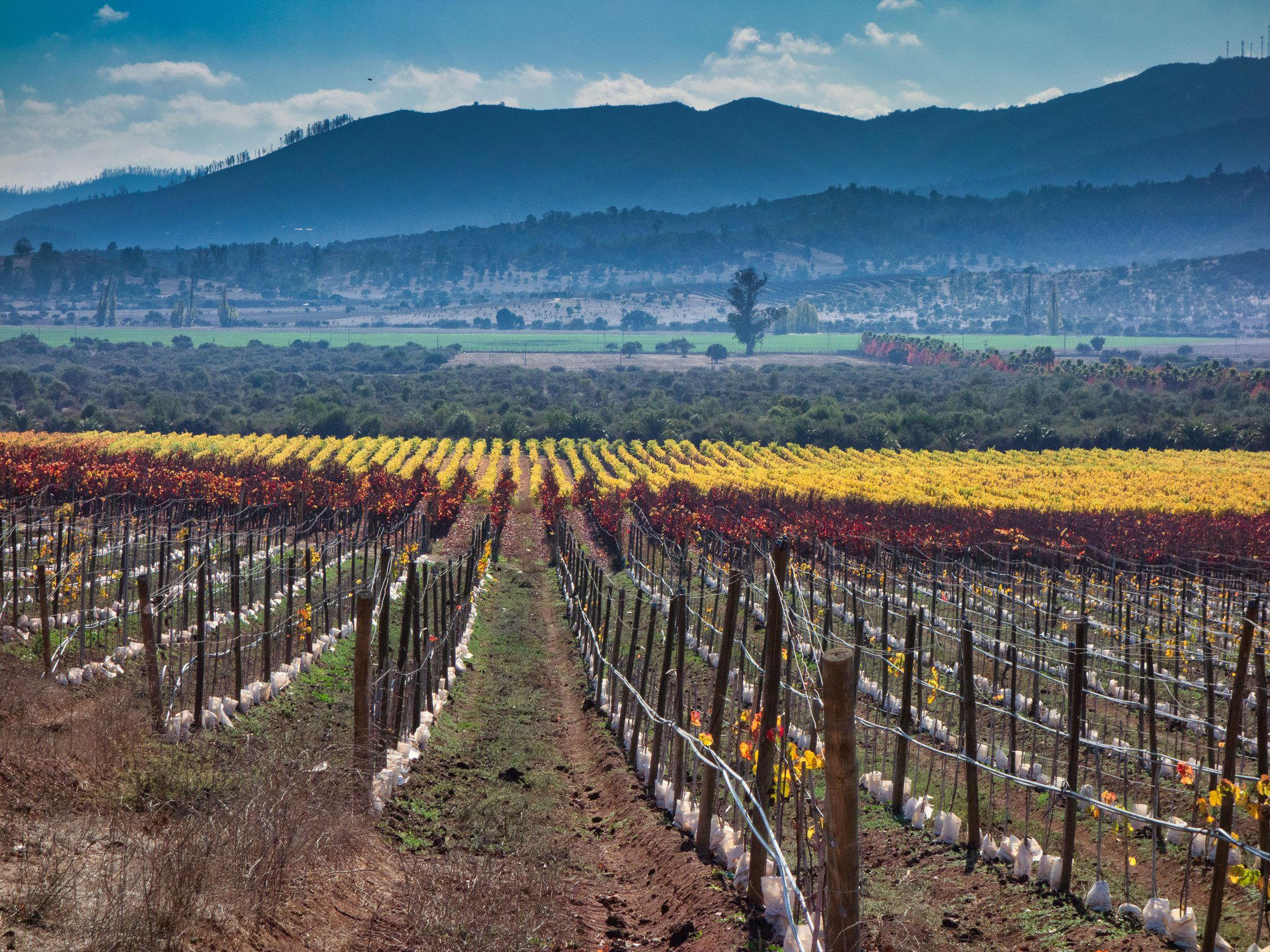
The name announces the priority: pasta and wine, in that order. Chilean wine has moved well beyond the Carménère-heavy identity it carried internationally in the early 2000s. The Casablanca Valley, positioned between Valparaíso and Santiago, is now one of South America's most consistent addresses for cool-climate Chardonnay and Pinot Noir. San Antonio and Leyda, further south and closer to the Pacific coast, produce Sauvignon Blanc and Syrah that drink at a different tension than anything from the warmer Maipo or Colchagua valleys.
For a pasta restaurant in Valparaíso, a wine list would lean into these cooler coastal expressions. The acidity profiles of Leyda Sauvignon Blanc or Casablanca Chardonnay pair with fresh pasta and lighter sauces in ways that heavier Central Valley reds do not. This is not a universal preference, but it reflects the available terroir and a kitchen logic that works outward from the food. For those exploring Chile's wine regions further, Lapostolle Residence in Santa Cruz and Viña Concha y Toro in Pirque represent the Colchagua and Maipo end of that spectrum, while coastal Valparaíso's natural pairing instinct tends in a cooler direction.
Planning a Visit
Templeman 352 sits on Cerro Alegre, reachable on foot via the Ascensor El Peral from Plaza Justicia or by walking up from Avenida Alemania. Cerro Alegre restaurants generally operate lunch and dinner services, with dinner filling earlier on weekends as the hill draws both locals and visitors. The neighbourhood's compact geography means arriving early or confirming a table in advance is practical rather than optional during peak summer months (January and February) and the Chilean long weekends that extend the country's holiday calendar. Valparaíso itself is approximately 120 kilometres from Santiago, making it a viable day trip, though the city's evening character rewards staying over.
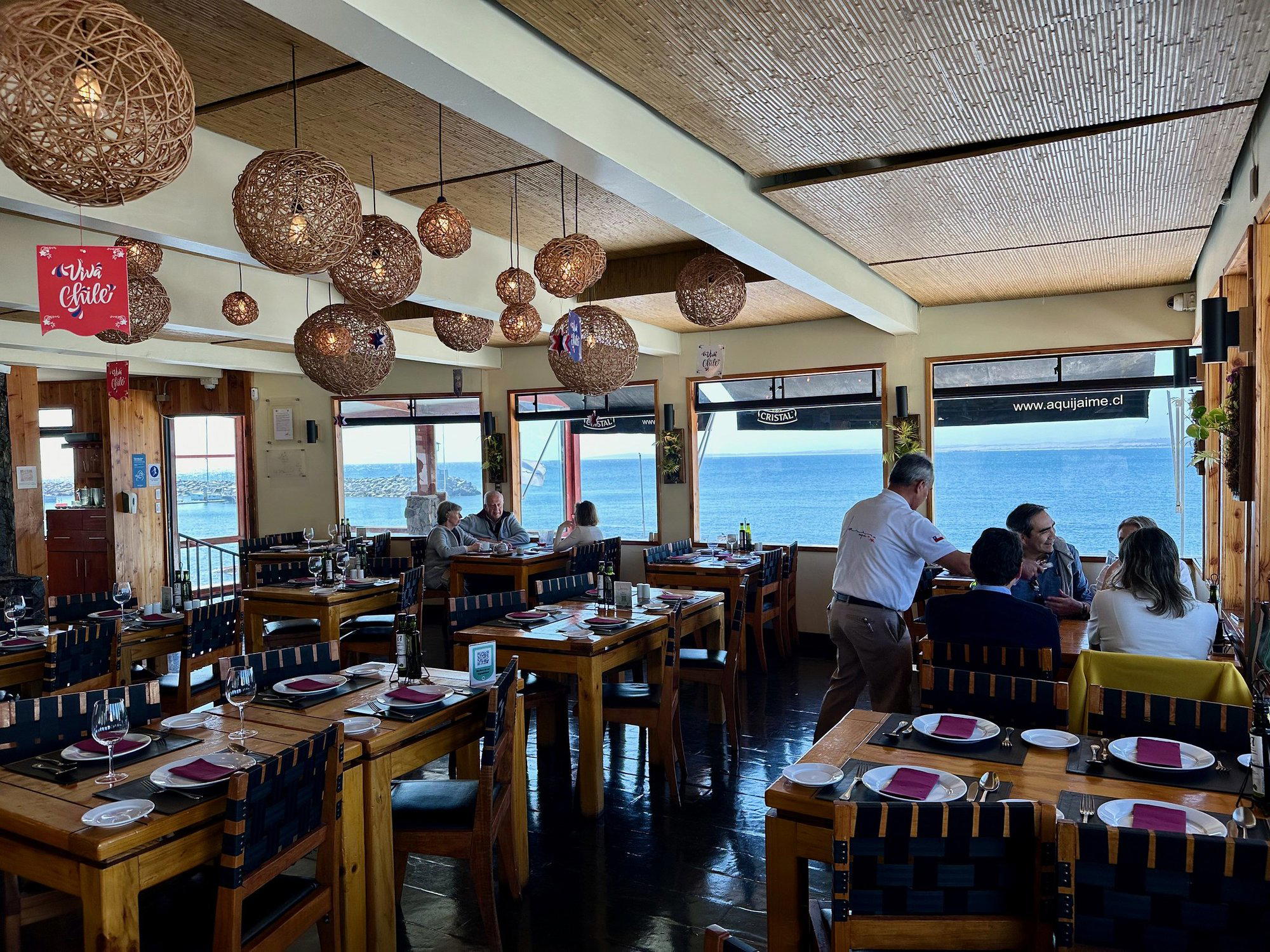
Further afield, Aquí Jaime in Concon sits along the coastal road north toward Viña del Mar, while Rosario in Rengo and D.O. Restoran in Lo Barnechea anchor the Santiago-adjacent dining circuit for those moving between the coast and the capital. For format comparison, the produce-driven tasting counter model at Lazy Bear in San Francisco or the technical rigour of Le Bernardin in New York City illustrate the range of contemporary dining.
A Quick Peer Check
Comparable venues nearby, for context on price, style, and recognition.
| Venue | Cuisine | Price | Notes |
|---|---|---|---|
| Pasta e Vino RistoranteThis venue — the venue you are viewing | Italian Pasta Ristorante | $$$ | Not listed |
| La Caperucita y el Lobo | Seafood Fusion with Chilean Influences | $$ | Cerro Florida |
| La Concepción | Chilean Seafood & Mediterranean | $$$ | Cerro Concepción |
| Brunapoli | Authentic Neapolitan Pizza | $$$ | Vitacura |
| Piegari Chile | Authentic Italian Trattoria | $$$ | Vitacura |
Continue exploring
More in Valparaiso
Restaurants in Valparaiso
Browse all →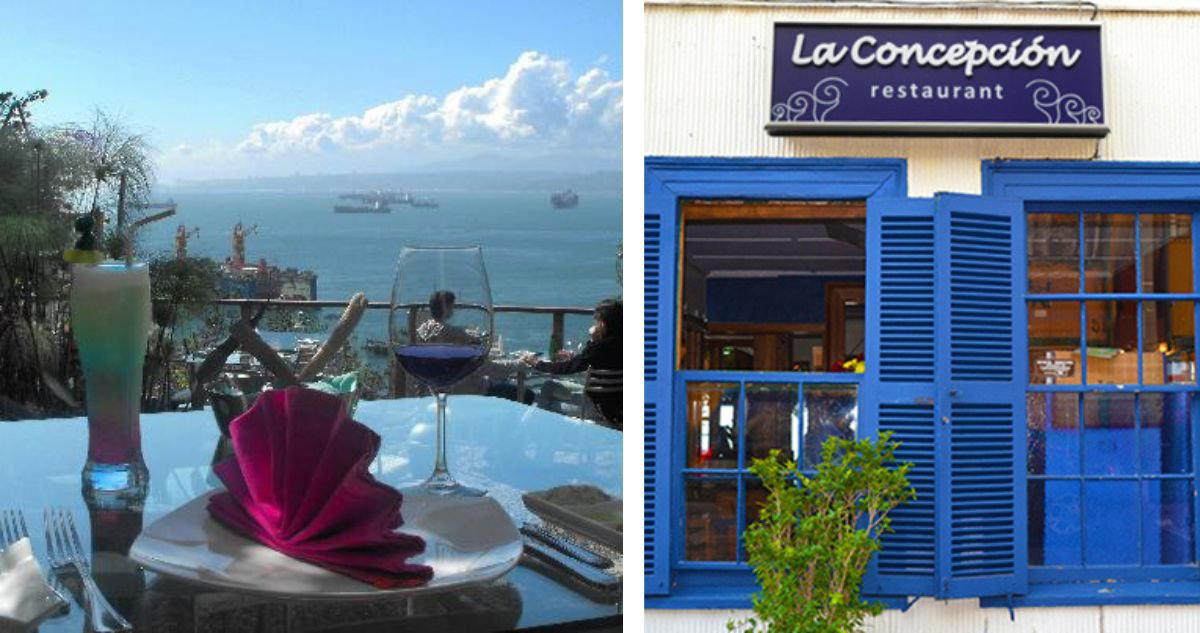

Bars in Valparaiso
Browse all →
Hotels in Valparaiso
Browse all →
At a Glance
- Cozy
- Intimate
- Elegant
- Date Night
- Special Occasion
- Terrace
- Extensive Wine List
- Local Sourcing
- Street Scene
Cozy interior with modern minimalist decor and warm atmosphere compensating for damp evenings.