Peumayen

La Liste Top Restaurants
Our verdict
The restaurant's focus on indigenous and pre-Columbian culinary traditions places it in a distinct tier within Santiago's broader modern-Chilean movement, drawing both local diners and internationally curious visitors to Constitución 136.

Pearl is the En Primeur Club membership app, where members save venues, book tables and use the concierge.
The menu
What to order
- Lamb_with_broad_bean_mash
- Ceviche
- Menú_Orígenes
Where Chilean Culinary Identity Gets Serious
The address on Constitución 136 in Providencia sits within the kind of residential-commercial neighbourhood that Santiago does well: tree-lined, walkable, and operating at a lower pitch than Las Condes or the tourist-heavy Bellavista corridor. That quieter register is, in some ways, fitting. Peumayen is not the kind of restaurant that announces itself loudly.
The name itself signals the restaurant's orientation. Peumayen derives from the Mapuche language, and that etymological choice is a statement of intent rather than decoration. Chile's indigenous food traditions, Mapuche, Atacameño, Rapa Nui, and others, were largely marginalised during the decades when Santiago's fine dining scene looked south to Argentina or north to New York and Paris for its reference points. Peumayen belongs to a later movement that reversed that gaze, treating pre-Columbian ingredients and techniques as the primary text rather than a regional footnote. For context on how this fits into Santiago's broader dining evolution, see our full Providencia restaurants guide.
The Cultural Argument on the Plate
Understanding what Peumayen is doing requires some understanding of what indigenous Chilean cuisine actually contains. The Mapuche tradition, concentrated in the south-central lake district, built a larder around merkén (a smoked chilli condiment), piñones from the araucaria tree, mote (husked wheat or corn), chapalele (potato bread), and preparations involving lamb and river fish cooked over open fire. Further north, Atacameño cooking draws on quinoa, chuño (freeze-dried potato), and the high-altitude herbs of the Antofagasta region. On Easter Island, Rapa Nui food culture is oceanic, with tuna, sweet potato, and sugarcane in rotation.
A restaurant that works across this range is doing something more ambitious than a regional menu, it is making a claim about the breadth and coherence of a national food heritage that was never unified in the first place. That is the cultural argument Peumayen advances, and it is a more complex editorial position than anything a simple farm-to-table or product-focused format would require. Comparable ambition in a different national context can be seen at Atomix in New York City, where Korean culinary heritage is treated as serious intellectual material, or at Awasi Atacama in San Pedro de Atacama, which situates its food within the specific ecology of the Atacama Desert.
Peumayen in Santiago's Modern-Chilean Tier
Santiago's upper bracket of modern Chilean cooking now occupies a recognisable position on the international radar. Boragó, the long-running benchmark for forager-led Chilean cuisine, established the category's international credibility over the past decade. Peumayen approaches from a different angle: where Boragó's identity is built around wild ingredients and landscape, Peumayen's frame is more explicitly cultural and historical, centering the indigenous communities whose food knowledge underpins the ingredients being served.
That distinction matters when placing the restaurant competitively. Both addresses sit in Providencia, and both draw on Chile's extraordinary biological diversity, but the editorial logic differs. For a comparison point at greater distance, Awasi Patagonia in Torres del Paine operates a similar cultural-ecological framing in the south. Elsewhere in the city, Allería represents a different strand of the same neighbourhood's ambition, and Demencia in Santiago extends the experimental Chilean conversation further.
Other Chilean destinations taking the country's food heritage seriously include CasaMolle in El Molle and Clos Apalta Residence in Valle de Apalta, each anchored to a distinct regional ecology. Internationally, restaurants that have built sustained reputations on the rigorous articulation of a national food tradition, Le Bernardin in New York City, Alain Ducasse at Louis XV in Monte Carlo, offer a useful yardstick for the kind of longevity and critical consistency that ambitions like Peumayen's tend to be measured against over time.
The Neighbourhood and How to Approach It
Providencia is Santiago's most liveable inner district by most measures: well-connected by metro (the Salvador and Baquedano stations are both within walking distance of the Constitución address), with a density of restaurants, wine bars, and cafés that rewards unhurried exploration. The neighbourhood operates on a different rhythm from the glassier commercial strips of Vitacura or Las Condes, more residential, more contingent on local patronage, and more interesting for it. Naoki in Vitacura represents the polished Vitacura alternative if that register suits the trip better.
For those building a fuller picture of what Providencia has to offer beyond restaurants, the neighbourhood's bar and hotel infrastructure is covered in our full Providencia bars guide, our full Providencia hotels guide, our full Providencia wineries guide, and our full Providencia experiences guide. Santiago's winery infrastructure in the surrounding valleys is an obvious pairing for anyone taking Chilean food seriously, the Central Valley's Carmenère and Carignan expressions from old vine material have developed a specificity over the past decade that aligns well with this style of cooking.
Booking at restaurants operating in this tier in Santiago typically requires advance planning, particularly if visiting during the Chilean summer (December through February) or around major national holidays.Lazy Bear in San Francisco and 8½ Otto e Mezzo Bombana in Hong Kong both demonstrate how internationally oriented tasting-format restaurants in this recognition tier tend to book: weeks to months ahead, with walk-in availability rare at peak periods. The principle travels.
For the wider context of what Chile's restaurant scene looks like beyond Santiago, Emeril's in New Orleans offers an instructive parallel as a restaurant that built a regional food identity into sustained international recognition, a trajectory that Chilean fine dining, with Peumayen as one of its more committed voices, is actively working to replicate on its own terms.
What to Eat at Peumayen
What should I eat at Peumayen?
Peumayen's menu is built around indigenous Chilean ingredients and techniques drawn from Mapuche, Atacameño, and Rapa Nui traditions, so the most direct approach is to follow the tasting format rather than ordering selectively. Look for preparations featuring merkén, piñones, and native Chilean grains or root vegetables, these are the ingredients that define the cuisine's distinction from generic Latin American fine dining and are the clearest reason to choose Peumayen over a broader-repertoire address in the same neighbourhood.
Frequently asked questions
What's Peumayen's location?
Peumayen is located at Constitución 136, 7520367 Providencia, Región Metropolitana, Chile, Providencia.
What awards or recognition does Peumayen have?
Peumayen has received recognition including: La Liste Top Restaurants (2026): 76pts; La Liste Top Restaurants (2025): 77pts.
What should I eat at Peumayen?
Peumayen's menu draws directly from Mapuche, Atacameño, and Rapa Nui culinary traditions, so the most purposeful approach is to order along those indigenous lines rather than defaulting to familiar Chilean staples. The kitchen works with native ingredients and preparation techniques that rarely appear in Santiago's mainstream restaurant scene. Peumayen has held La Liste Top Restaurant recognition in both 2025 (77pts) and 2026 (76pts), which reflects the consistency of its broader menu philosophy rather than any single dish, trust the full progression of the menu over selective ordering.
Budget and Context
| Venue | Cuisine | Price | Awards | Notes |
|---|---|---|---|---|
| PeumayenThis venue (the venue you are viewing) | Ancestral Chilean | $50–100 | La Liste Top Restaurants | Not listed |
| Boragó | Hyper-Local Chilean Tasting Menu | $100–150 | World's 50 Best #23 · La Liste Top Restaurants | Modern Chilean |
| Ambrosia | Modern Gastro-Bistro | Not listed | We're Smart World 1 Radish | French - Chilean |
| La Calma by Fredes | Fresh Chilean Seafood | $50–100 | World's 50 Best #57 · The Best Chef One Knife | Seafood |
| Awasi Atacama | Modern Chilean Fine Dining | Not listed | Relais Chateaux Award | Latin American |
| Awasi Patagonia | Chilean Safari | Not listed | Not listed | Not listed |
Recognition history
Dated appearances from independent guides and award organizations, with the underlying list record or original source where available.
La Liste Top Restaurants
La Liste
Full recognition history (2 entries)
La Liste Top Restaurants
La Liste
Continue exploring
More in Providencia
Restaurants in Providencia
All restaurants in Providencia →
Bars in Providencia
All bars in Providencia →



Details
- Rustic
- Cozy
- Intimate
- Sophisticated
- Special Occasion
- Date Night
- Open Kitchen
- Terrace
- Extensive Wine List
- Local Sourcing
- Tasting Menu
- A La Carte
- Small Plates
- Wine
- Pisco
- Vegetarian Friendly
Current opening hours
- Monday
- 1–5 PM, 5:30–10 PM
- Tuesday
- 12:30–5 PM, 5:30–10 PM
- Wednesday
- 12:30–5 PM, 5:30–10 PM
- Thursday
- 12:30–5 PM, 5:30–10 PM
- Friday
- 12:30–5 PM, 5:30–10:30 PM
- Saturday
- 12:30–5 PM, 5:30–10:30 PM
- Sunday
- Closed
Hours can change for holidays and private events. Hours as of .
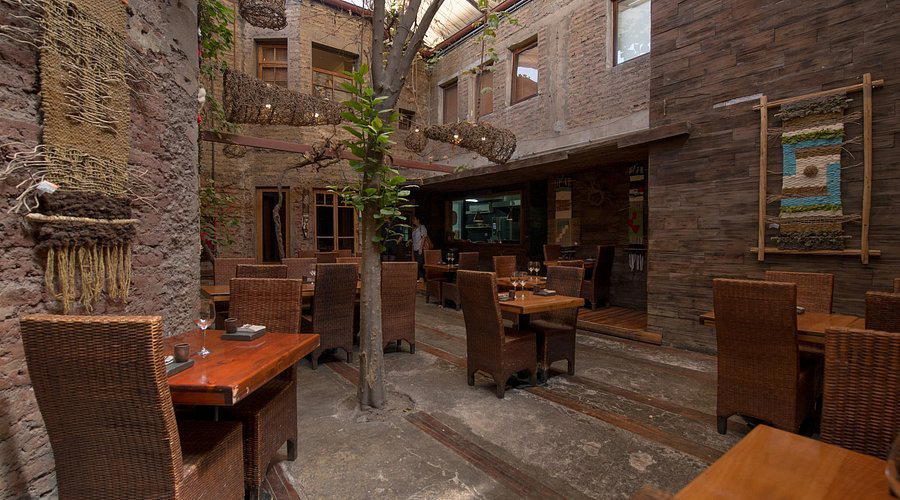
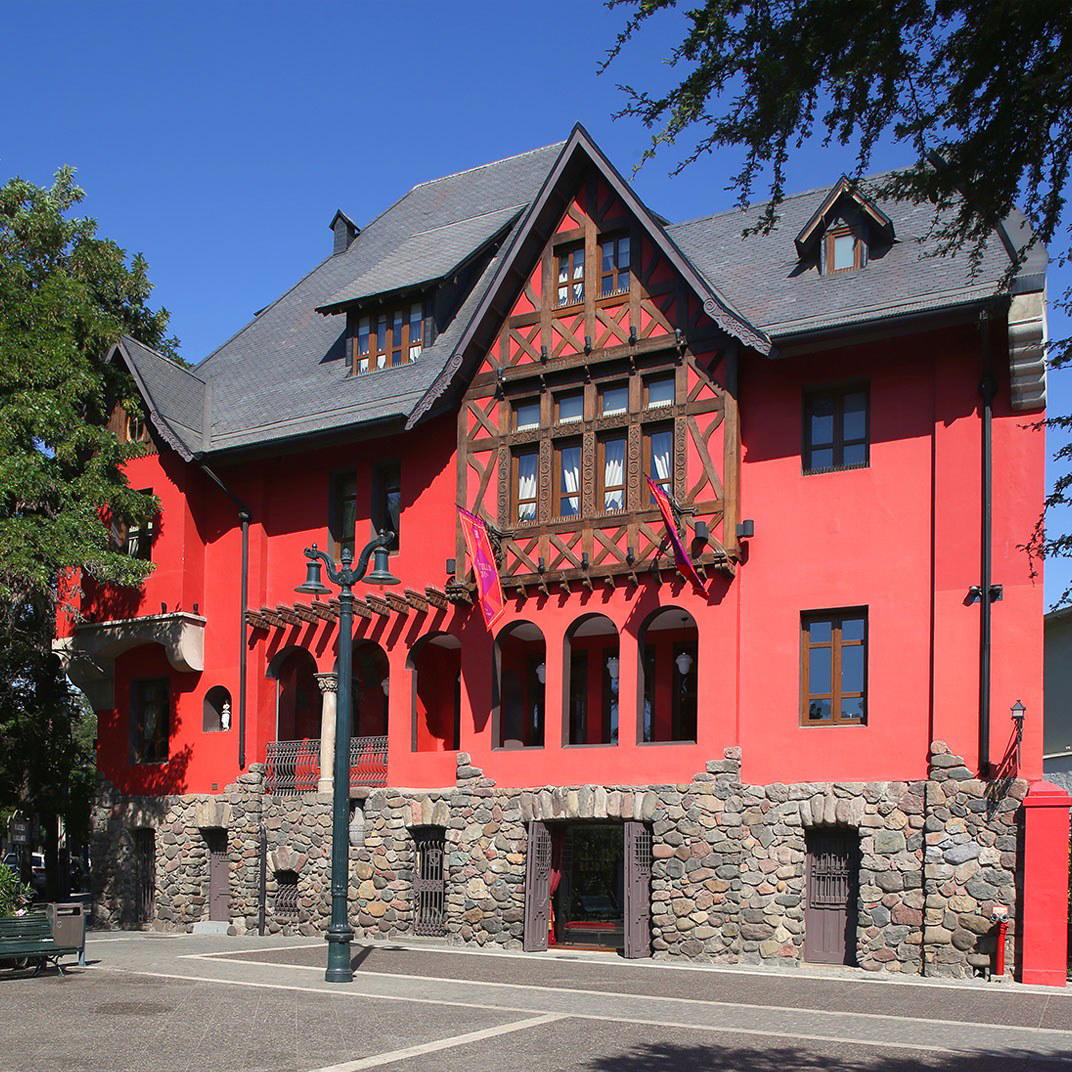
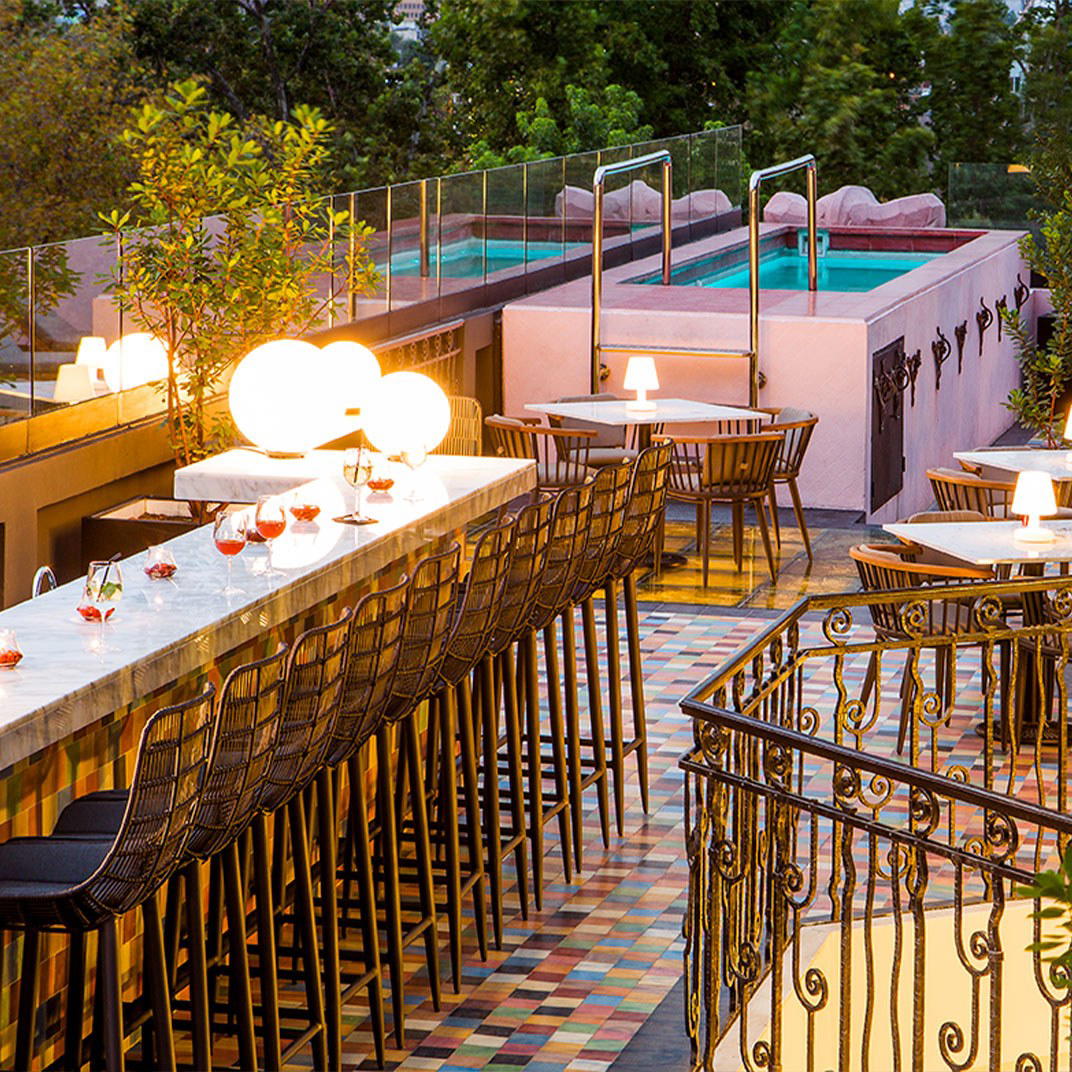
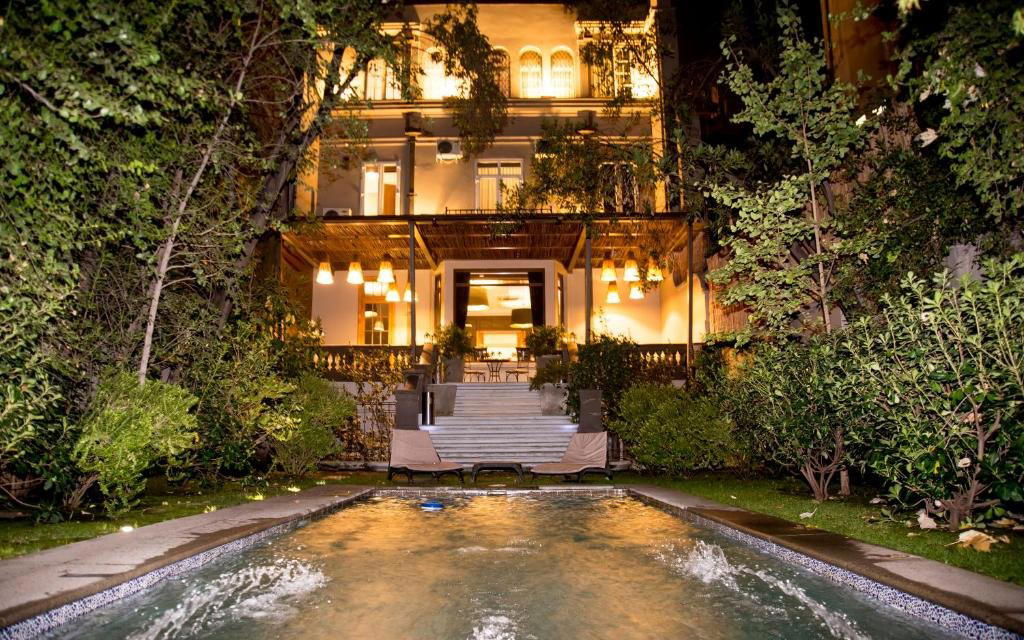
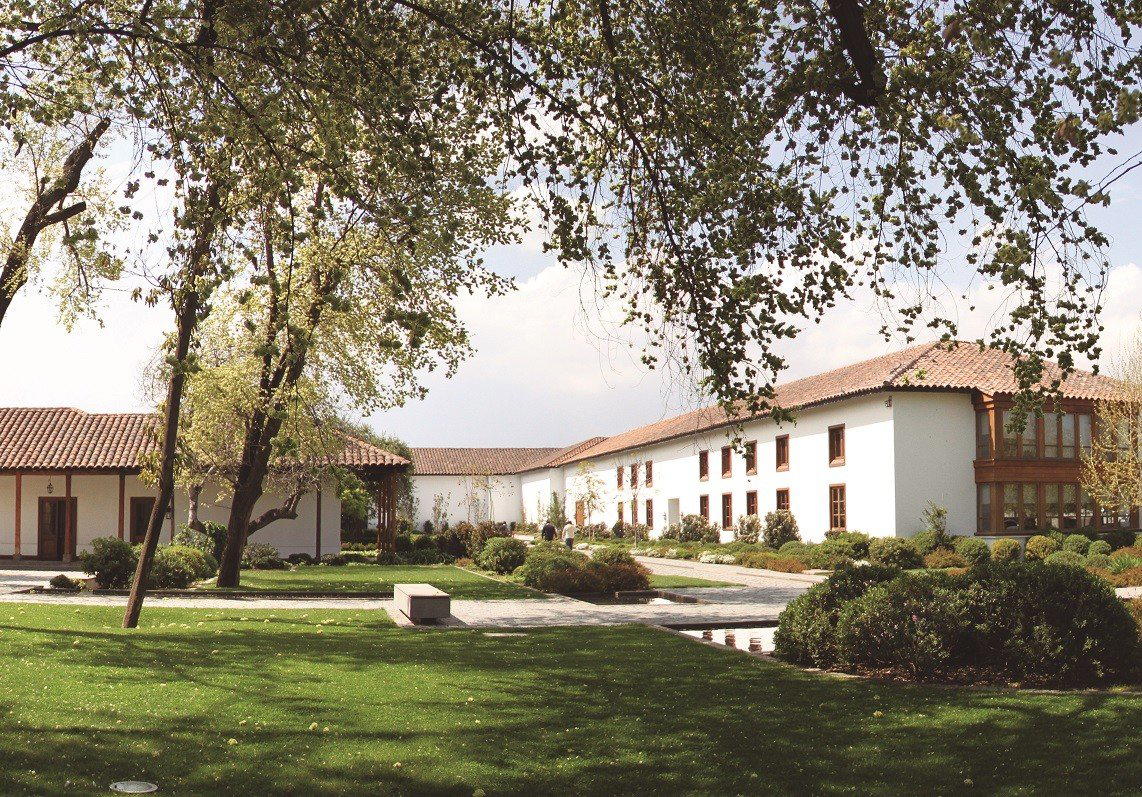
Warm, folksy ambiance in a century-old wood-and-brick home with dim lighting, ancestral decor, and comfortable seating.