Our verdict
Restaurant Japón brings Japanese culinary sensibility to Santiago's Ñuñoa district, operating at the intersection of Chilean ingredient culture and Japanese technique. The address on Barón Pierre de Coubertin places it away from the capital's busier dining corridors, making it a deliberate detour rather than a passing choice. For Santiago diners attuned to precision cooking, it occupies a distinct position in a city increasingly confident in its fusion credentials.

Pearl is the En Primeur Club membership app — saves, bookings, and concierge access live there. Same editors, same standards.
- Address
- Barón Pierre de Coubertin 39, 8330021 Santiago, Región Metropolitana, Chile
- Phone
- +56222224517
- Hours
- Mon–Sat 1–10 PMSun Closed
- Website
- restaurantjapon.cl
- Directions
- Get directions
- Booking
- Book on OpenTable
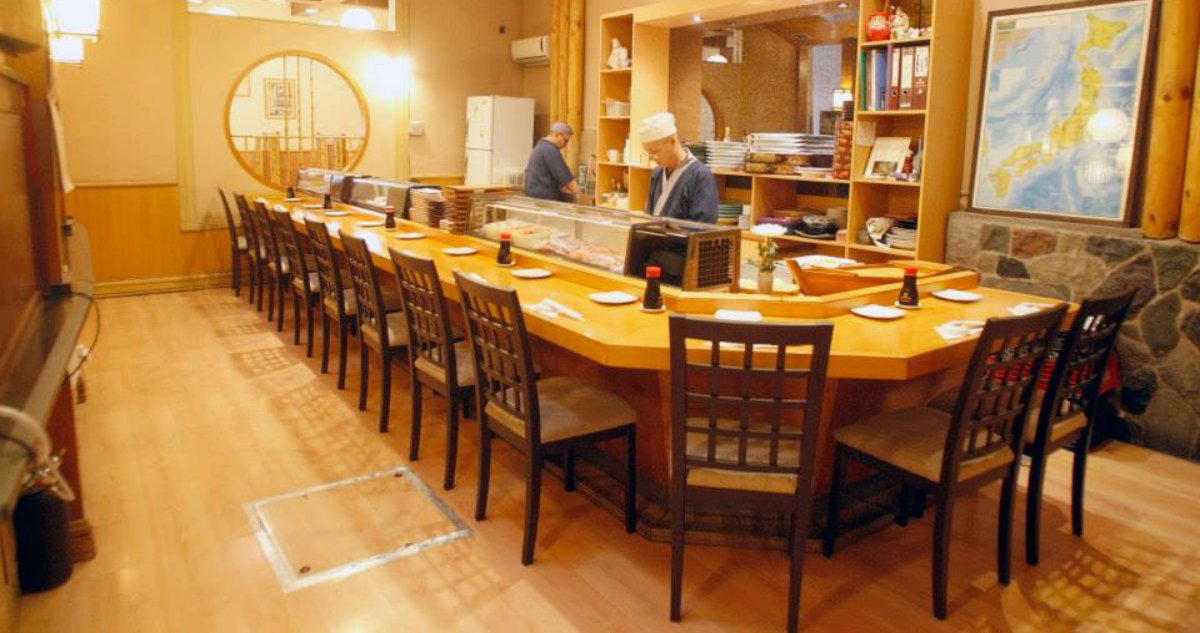
Where Santiago's Japanese Table Sits in the City's Broader Dining Picture
Santiago has spent the better part of two decades building a serious restaurant culture, and the clearest sign of that maturity is how specialist cuisines have found their own gravity. Japanese cooking in the capital is no longer confined to all-you-can-eat sushi chains or hotel restaurants. A smaller, more considered tier of Japanese and Japanese-inflected dining has emerged, one that draws on both imported technique and the quality of Chilean raw materials that make this country an unusually strong host for this kind of food. Chile's Pacific coastline produces seafood that rival the provenance stories attached to fish markets in Osaka or Tokyo. That geographic reality is not incidental to the appeal of Japanese cooking here — it is the foundation of it.
Restaurant Japón, addressed at Barón Pierre de Coubertin 39 in Ñuñoa, sits within this more focused tier. The neighbourhood itself is worth noting: Ñuñoa sits at a remove from the flashier dining corridors of Vitacura or Las Condes, which means the restaurants that thrive there do so on word of mouth and repeat custom rather than foot traffic. Arriving on that street, the experience is quieter and more residential than the dining districts that tend to attract international press. That register suits a kitchen whose identity is built around restraint.
Ingredient Logic: What Chilean Sourcing Means for a Japanese Kitchen
The editorial argument for Japanese cooking in Chile has always rested on a specific supply chain reality. Chilean seafood — among the most export-competitive in the Southern Hemisphere, gives a Japanese-format kitchen access to product quality that does not require the same import dependency found in Japanese restaurants in landlocked cities or markets without comparable coastal access. Sea bass, sea urchin, razor clams, and multiple species of Pacific fish are sourced domestically at a standard that supports raw preparations without compromise.
This matters because the ingredient sourcing model in Japanese cuisine is not decorative. It is structural. A kitchen working in sashimi, nigiri, or crudo-adjacent formats lives or dies by the cold chain and the provenance of what arrives each morning. Santiago's central market system, combined with direct supplier relationships that the city's better restaurants have cultivated, means that a venue like Restaurant Japón has access to the kind of raw material that makes technique-forward cooking credible rather than aspirational. Compare that with the supply constraints facing a similar restaurant in, say, a landlocked South American capital, and the Chilean coastal advantage becomes a material differentiator rather than a talking point.
Chilean produce beyond seafood also feeds into this equation. The country's agricultural diversity, from the Atacama-adjacent north to the rain-fed south, means vegetables, herbs, and proteins arrive with strong regional identity. A kitchen that pays attention to those distinctions can build menus that read as genuinely local even when the cooking grammar is Japanese.
The Scene Around It: Santiago's Specialist Restaurant Tier
To understand where Restaurant Japón fits, it helps to map the broader Santiago specialist dining picture. At the reference point tier, Boragó (Modern Chilean) has spent years positioning Chilean native ingredients as fine-dining material, establishing a framework that other kitchens, including those working in non-Chilean formats, have benefited from. The argument Boragó made about ingredient provenance and cooking ambition raised the baseline expectation for what a Santiago restaurant should be doing with its sourcing.
Elsewhere in the capital, La Calma by Fredes (Seafood) has focused specifically on Chilean coastal product, and 99 Restaurante has operated at the intersection of technique and local identity. Ambrosia (French - Chilean) represents a different cross-cultural pairing, working French structure against Chilean produce in a format that has found a durable audience. Demencia occupies a more experimental register. Together, these venues sketch a Santiago dining scene that has moved past novelty fusion toward something with more consistent technical standards, and Restaurant Japón operates in that same refined register of the market.
For visitors building a Santiago itinerary, our full Santiago restaurants guide maps the capital's dining by neighbourhood and format, which is the most useful frame for a city where district character shapes the dining experience as much as cuisine type does.
Practical Planning
Restaurant Japón's address in Ñuñoa, a district that skews residential and locally frequented, means advance planning is advisable for weekend visits, when neighbourhood restaurants in Santiago typically run at capacity. The Ñuñoa location is accessible by Metro (the Ñuñoa station on Line 3 is the logical access point from central Santiago), which makes it reachable without a taxi, though the walk from the station is a few minutes through a quiet residential grid. Phone and hours details are not published centrally, so confirming current service times directly before visiting is the practical approach.
For travellers combining Santiago dining with broader Chilean exploration, the restaurant ecosystem extends well beyond the capital. andBeyond Vira Vira in Araucanía represents the country's southern dining and hospitality offer, while Winery Casas del Bosque in Valparaiso anchors the coastal wine and food circuit an hour west. Viña Concha y Toro in Pirque sits close enough to Santiago for a day visit that pairs wine country with a return to the capital for dinner.
Further regional context: Ambrosia Bistro in Providencia and Boragó in Vitacura round out the Santiago fine dining circuit, while those travelling beyond the capital can reference Amares Bistro in Antofagasta, Aquí Jaime in Concon, Casa del Barrio in Chillan, Café Francés in Los Angeles, and Casino Dreams in Punta Arenas for a picture of how Chilean dining culture distributes across the country's very different geographies.
Frequently asked questions
Is Restaurant Japón child-friendly?
Nothing in the available record explicitly positions Restaurant Japón as a family dining destination. Its address in Ñuñoa, a residential and locally frequented district, suggests a neighbourhood restaurant context rather than a high-formality setting, which generally accommodates mixed-age tables more comfortably. Confirming specific policies directly with the venue before visiting with children is advisable.
What's the vibe at Restaurant Japón?
The Ñuñoa address — a district that leans residential and draws a largely local crowd — points toward an atmosphere oriented around the neighbourhood rather than the tourist or business-dining circuit. That positioning typically means a more intimate, regular-clientele dynamic than you'd find in Santiago's higher-traffic restaurant corridors like Vitacura or Las Condes. Expect a room where the cooking, not the scene, is the draw.
Why does Restaurant Japón operate out of Ñuñoa rather than Santiago's main dining districts?
Restaurant Japón is located at Barón Pierre de Coubertin 39 in Ñuñoa, a district that sits outside the Vitacura–Las Condes corridor where most of Santiago's internationally profiled specialist restaurants concentrate. That placement reflects a pattern common to serious neighbourhood-anchored restaurants across Latin American cities: lower visibility to tourist traffic, higher loyalty among local regulars. For visitors, it means advance planning for weekend visits is advisable rather than optional.
What's the signature dish at Restaurant Japón?
What the broader context makes clear is that Japanese kitchens operating in Santiago have a compelling raw-material argument to work with: Chilean waters produce seafood that ranks among the most export-competitive in the southern hemisphere, giving a Japanese-format kitchen access to supply that is both local and high-grade.
Comparison Snapshot
Comparable venues nearby, for context on price, style, and recognition.
| Venue | Cuisine | Price | Notes |
|---|---|---|---|
| Restaurant JapónThis venue — the venue you are viewing | Traditional Japanese Sushi & Sashimi | $20–30 | Not listed |
| Av. Apoquindo 5106 | Japanese with Chilean influences | Not listed | Las Condes |
| Vietnam Discovery Restaurant | Authentic Vietnamese | Not listed | Vitacura |
| Restaurante "El Rápido" | Traditional Chilean Empanadas | $1–10 | Santiago Centro |
| Cívico la moneda | Modern Chilean | Not listed | Centro |
| Café Melba don Carlos | Brunch Café | $10–20 | Las Condes |
Continue exploring
More in Santiago
Restaurants in Santiago
Browse all →
Bars in Santiago
Browse all →

Hotels in Santiago
Browse all →




Details
- Elegant
- Cozy
- Family
- Business Dinner
- Celebration
- Private Dining
- Sake Program
- A La Carte
- Small Plates
- Vegetarian Friendly
- Gluten Free Options
- Vegan Options
Current opening hours
- Monday
- 1–10 PM
- Tuesday
- 1–10 PM
- Wednesday
- 1–10 PM
- Thursday
- 1–10 PM
- Friday
- 1–10 PM
- Saturday
- 1–10 PM
- Sunday
- Closed
Hours can change for holidays and private events. Last verified .
Acogedor y elegante with natural ambiance, tatami mats, and traditional Japanese decor.