
CasaMolle sits in the Elqui Valley desert outside Vicuña, operating as an all-inclusive property at the intersection of Chilean wilderness and fusion cooking under Chef Reinhold Wrobel. It draws guests serious about stargazing, outdoor silence, and food that reflects where it stands. Access is by car via Teniente Merino into El Molle village.
Pearl is the En Primeur Club membership app — saves, bookings, and concierge access live there. Same editors, same standards.
- Address
- Fundo la Barrica s/n, El Molle, Vicuña, Coquimbo, Chile
- Phone
- +56 9 4276 3451
- Website
- casamolle.cl
- Directions
- Get directions
 Saves & bookings on Pearl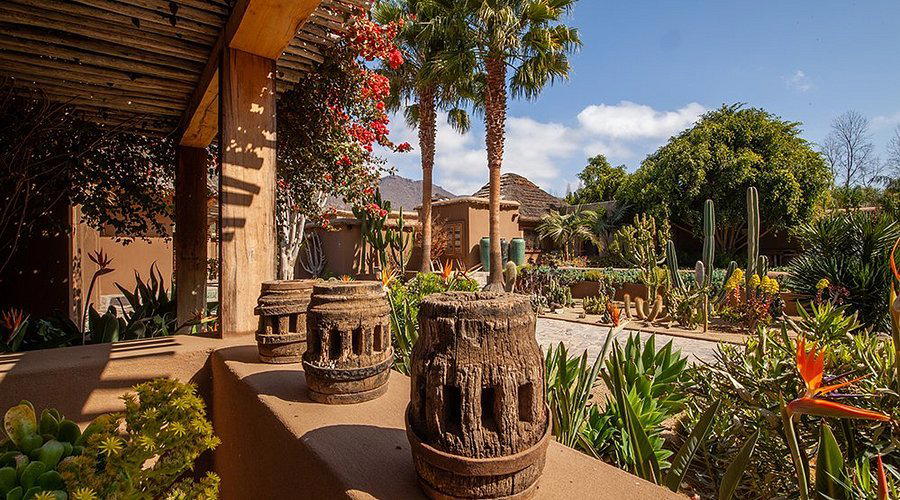
Where the Elqui Valley Sets the Terms
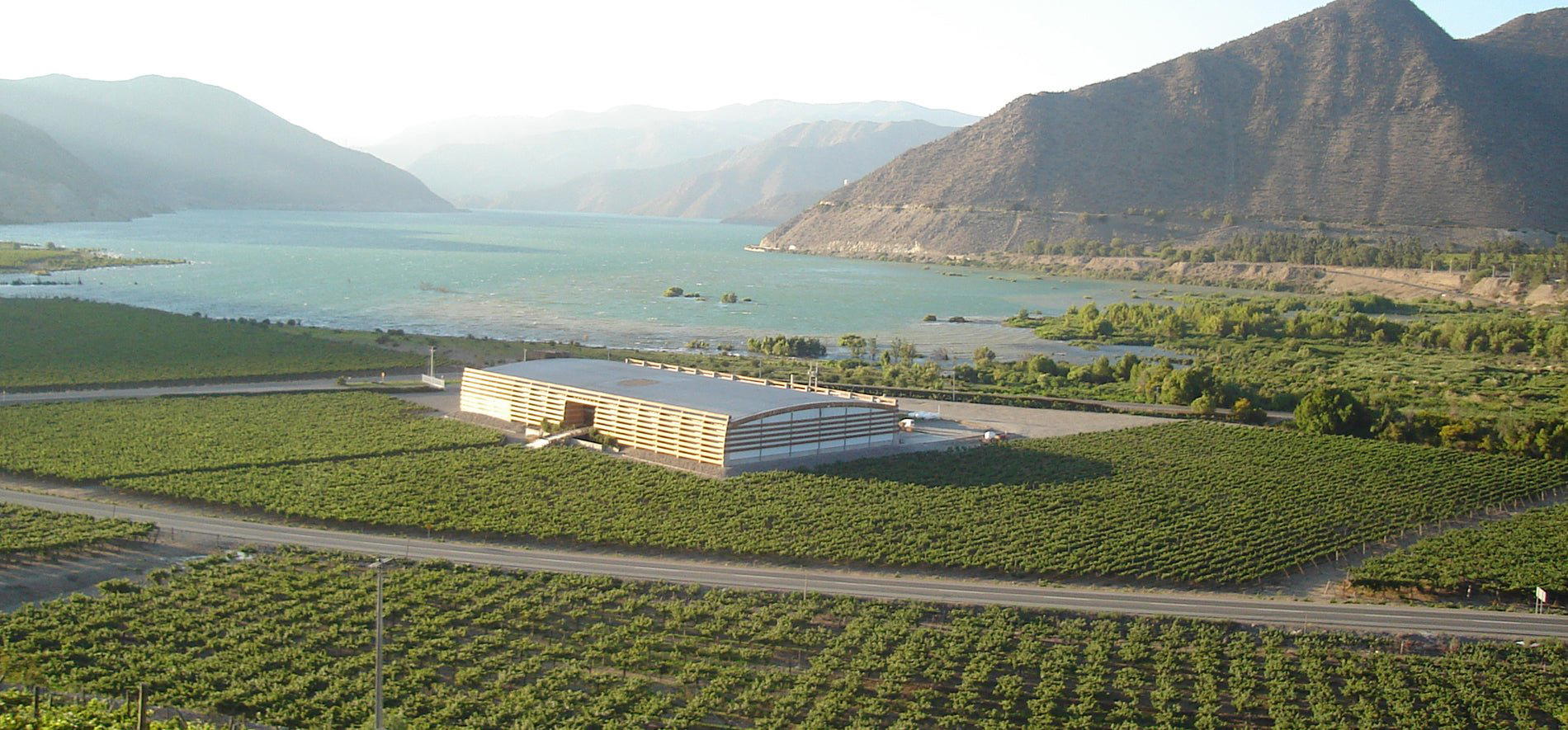
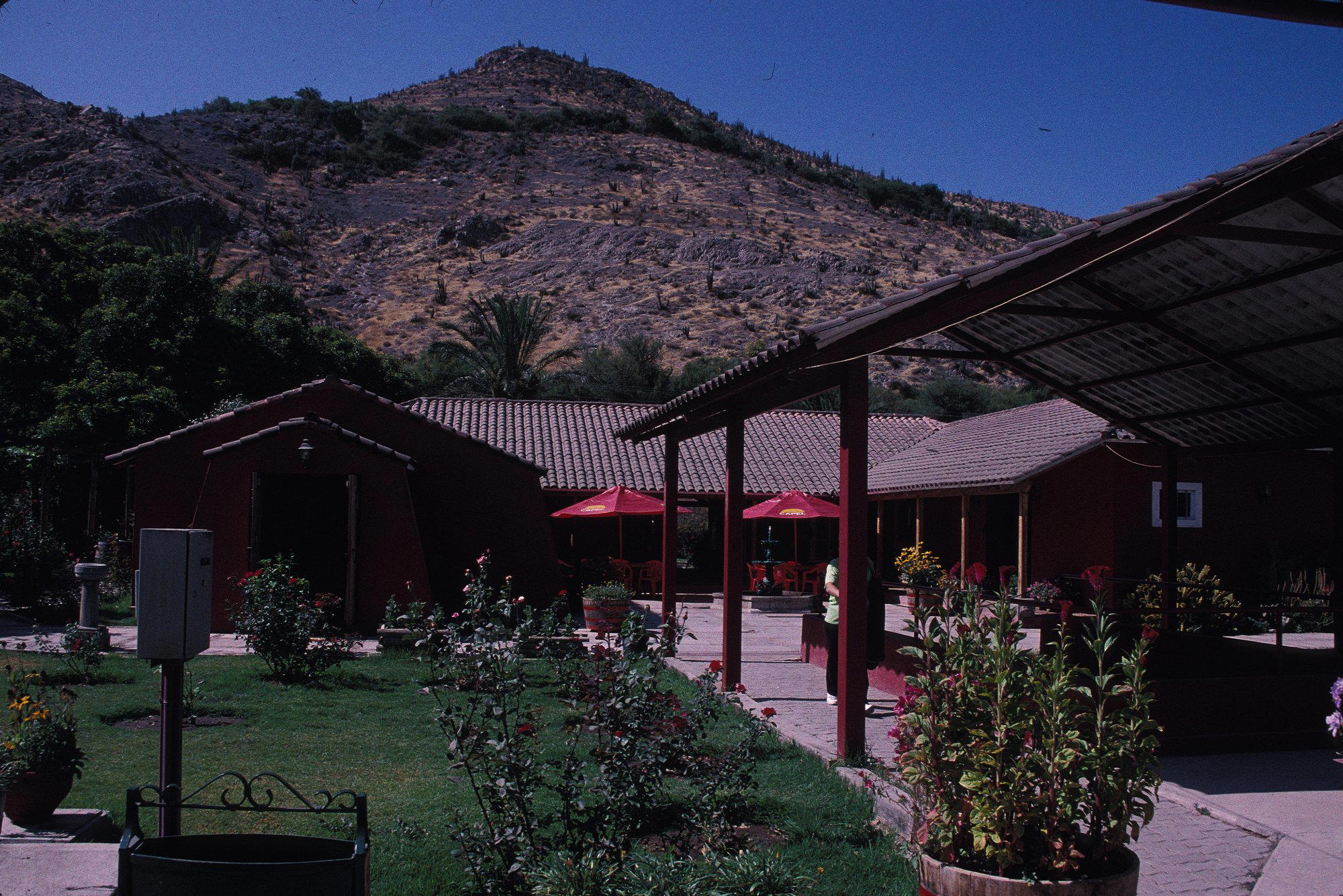
CasaMolle is a restaurant in El Molle, Vicuña, Coquimbo, Chile, with a price tier of 4. The road into El Molle from Vicuña strips away the noise gradually. The Andes fold in from both sides, the air dries, and by the time Fundo la Barrica appears at the GPS coordinates -29.9828, -70.9422, the surrounding landscape has already done most of the work of establishing the context. CasaMolle operates in a part of Chile where the desert is not a backdrop but a condition, it shapes what you eat, when you sleep, and what you look at after dark. They compete on how convincingly they make the case that the remoteness is the point.
That framing matters when thinking about the food. Chilean fusion cooking in a city context, say at Boragó in Santiago or Allería in Providencia, draws from Chile's biodiversity as a kind of intellectual exercise. Here, in the Elqui Valley, the ingredients and the altitude and the dryness are not referenced, they are present. The kitchen works with what the region produces.
Chef Reinhold Wrobel and the Logic of Remote Kitchens
Remote destination properties present a particular challenge for chefs. The supply chain is compressed, the guest profile is mixed across nationalities and dietary registers, and the all-inclusive format demands consistency across every meal of a stay rather than the single high-stakes service that defines a reservation-driven restaurant. Chef Reinhold Wrobel operates inside those constraints at CasaMolle. He adapts to what arrives from local suppliers while keeping a consistent approach across breakfast, lunch, and dinner.
The Chilean fusion category, when executed with discipline in contexts like this, draws comparisons to how destination lodge kitchens have matured across Latin America. Properties like Awasi Atacama in San Pedro de Atacama and Awasi Patagonia in Torres del Paine have demonstrated that wilderness settings and considered cooking are not in tension. CasaMolle sits in that same regional conversation, though at a different price architecture and with a broader all-inclusive structure rather than Awasi's curated intimacy. The relevant question is whether it reflects where it is made.
The All-Inclusive Format in a Wilderness Context
All-inclusive as a format carries baggage. In its weakest form, it means volume-catering dressed up with à la carte vocabulary. In its better versions, particularly at properties positioned around a specific natural experience rather than resort amenity stacking, the format creates something different: a guest freed from the constant negotiation of menus and bills, able to spend their cognitive budget entirely on the environment. CasaMolle is positioned around outdoor experience, silence, and the night sky. The Elqui Valley is a strong astronomical corridor in the southern hemisphere. The all-inclusive structure here is less about convenience and more about removing friction between the guest and the place.
That positioning aligns CasaMolle with a global shift in how premium wilderness stays are sold. Across Chilean Patagonia, the Atacama, and now the Elqui Valley, particularly coherent properties frame their offer around a single dominant experience, a trek, a night sky, a river, and build everything else in service of it. Clos Apalta Residence in Valle de Apalta does this through wine; CasaMolle does it through the desert sky and the silence that comes with elevation and distance from any significant urban centre.
What 1,065 Reviews at 4.7 Actually Signal
7 across 1,065 reviews is not a marketing figure, it is a behavioural data point. At that volume, a rating holds only if the experience consistently meets what the property promises. Properties that over-sell and under-deliver cluster in the 3.8 to 4.2 range at scale. CasaMolle's rating suggests the promise of desert peace, outdoor access, stargazing, and all-inclusive comfort lands as described for most visitors.
For context within the EP Club editorial frame, this places CasaMolle in a credible position relative to other niche destination properties across the continent. It is not competing with Naoki in Vitacura or the restaurant tier of urban Chile. It is competing with other properties that ask guests to travel a significant distance, surrender urban convenience, and trust that the destination justifies the effort. The rating suggests it earns that trust consistently.
Getting There and Staying There
Access to CasaMolle runs through La Serena, the nearest airport, designated La Florida. From there, the drive follows Ruta 41 east into the Elqui Valley before turning onto Teniente Merino through El Molle village toward Fundo la Barrica. There is no public transport option that makes practical sense for this address. The all-inclusive structure means that once you arrive, the operational friction is low, meals, activities, and accommodation are bundled.
For anyone building a wider Chilean itinerary, El Molle sits within a day's drive of La Serena's coastal dining and wine scene, and the valley itself connects through to Pisco Elqui further east. If the Elqui Valley is one stop on a longer route through Chile's alternative wine and wilderness corridor, properties like Awasi Atacama to the north and Awasi Patagonia to the south frame the same kind of landscape-first logic at a different scale and price point.
Side-by-Side Snapshot
Comparable venues nearby, for context on price, style, and recognition.
| Venue | Cuisine | Price | Notes |
|---|---|---|---|
| CasaMolleThis venue — the venue you are viewing | Chilean Farm-to-Table Fine Dining | $$$$ | Not listed |
| Izakaya Kotaro | Authentic Japanese Izakaya | $$$ | Hanga Roa |
| Restaurante 040 | Spanish Fine Dining Fusion | $$$$ | Bellavista |
| The Singular Santiago, Lastarria Hotel | Modern French-Chilean Fine Dining | $$$$ | Lastarria |
| La Mar | Peruvian Cevichería with Fusion Elements | $$$$ | Vitacura |
| Aquí está Coco Restaurante | Traditional Chilean Seafood | $$$$ | Vitacura |
Recognition history
Dated appearances from independent guides and award organizations, with the underlying list record or original source where available.
Relais Chateaux Award
Relais Chateaux
Relais Chateaux Award
Relais Chateaux
Continue exploring
More in El Molle
Hotels in El Molle
Browse all →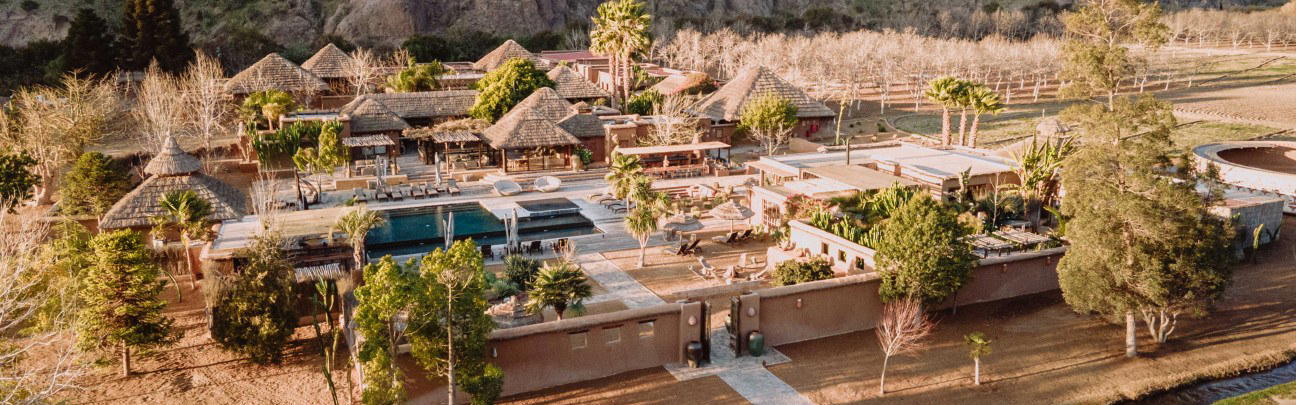

At a Glance
- Romantic
- Elegant
- Rustic
- Scenic
- Cozy
- Sophisticated
- Date Night
- Special Occasion
- Celebration
- Garden
- Open Kitchen
- Historic Building
- Extensive Wine List
- Farm To Table
- Local Sourcing
- Mountain
- Garden
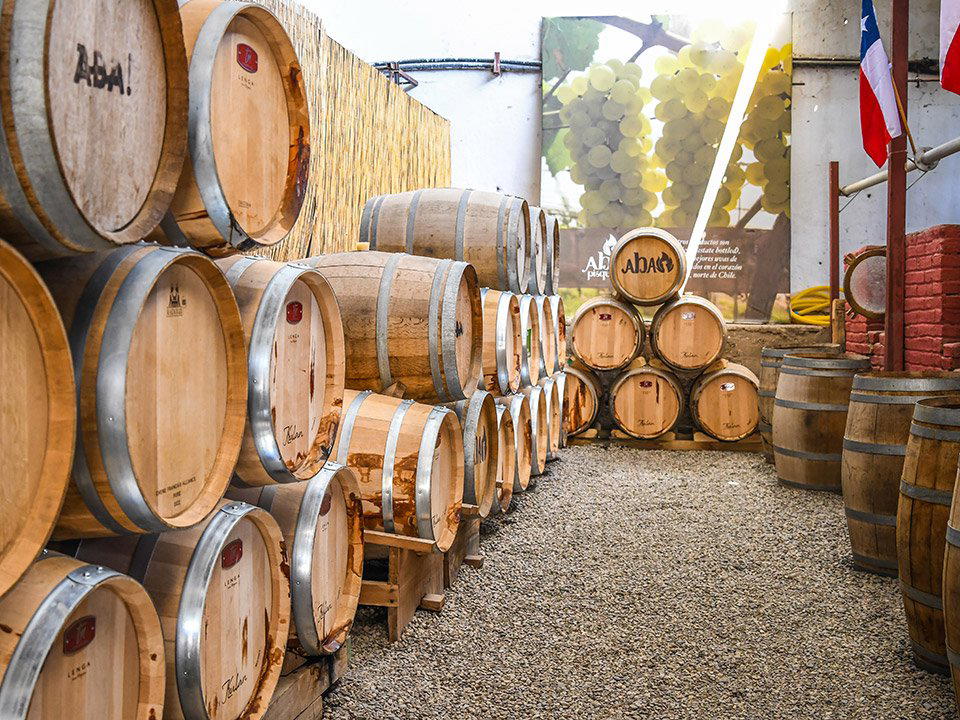
Clean-lined modern rooms with rustic local textures, surrounded by lush gardens and adobe architecture creating a serene, harmonious valley retreat.