
Hotel Magnolia occupies a 1920s landmark building in Santiago's El Centro district, combining Gothic-influenced stone facades with a contemporary glass tower and Art Deco interiors updated with modern furnishings. At $725 per night across 42 rooms, it sits in the city's emerging boutique tier, well above the chain midrange but distinct from international-brand luxury. Its rooftop bar and Kitchen & Bar Magnolia anchor an address that puts guests at the centre of a rapidly evolving urban destination.
Pearl is the En Primeur Club membership app — saves, bookings, and concierge access live there. Same editors, same standards.
- Address
- Huérfanos 539, 8320150 Santiago, Región Metropolitana
- Phone
- +56 2 2664 4043
- Website
- hotelmagnolia.cl
- Directions
- Get directions
 Saves & bookings on Pearl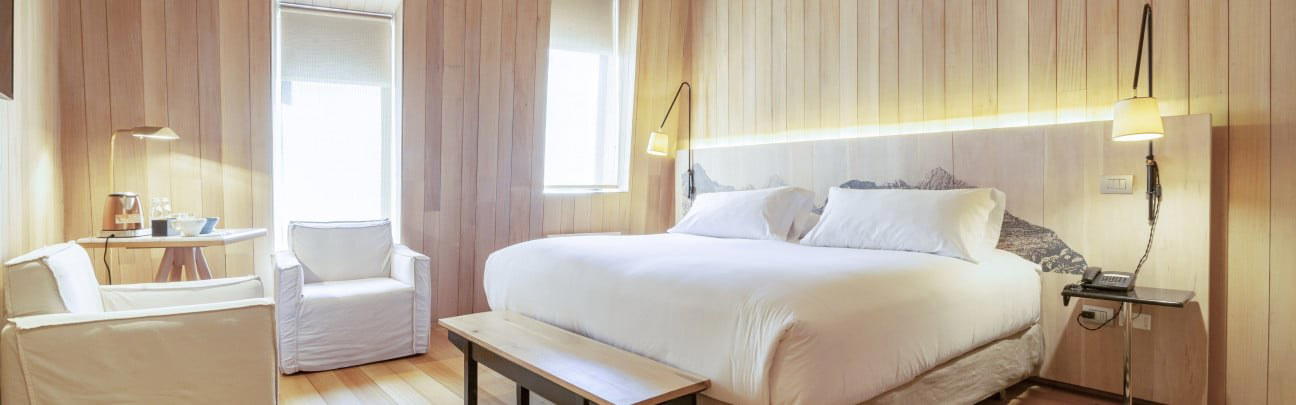
Santiago's Centre, Reconsidered
For a long time, Santiago was processed by international travellers as infrastructure: a night or two before the flight south to Patagonia, or a brief urban interlude between the Atacama and the wine valleys. That framing has dated rapidly. El Centro, the city's historic core, has accumulated enough restaurants, cultural programming, and design-led accommodation to justify a stay on its own terms. Hotel Magnolia sits on Huérfanos 539, directly inside that recalibration, and the address is its most decisive asset.
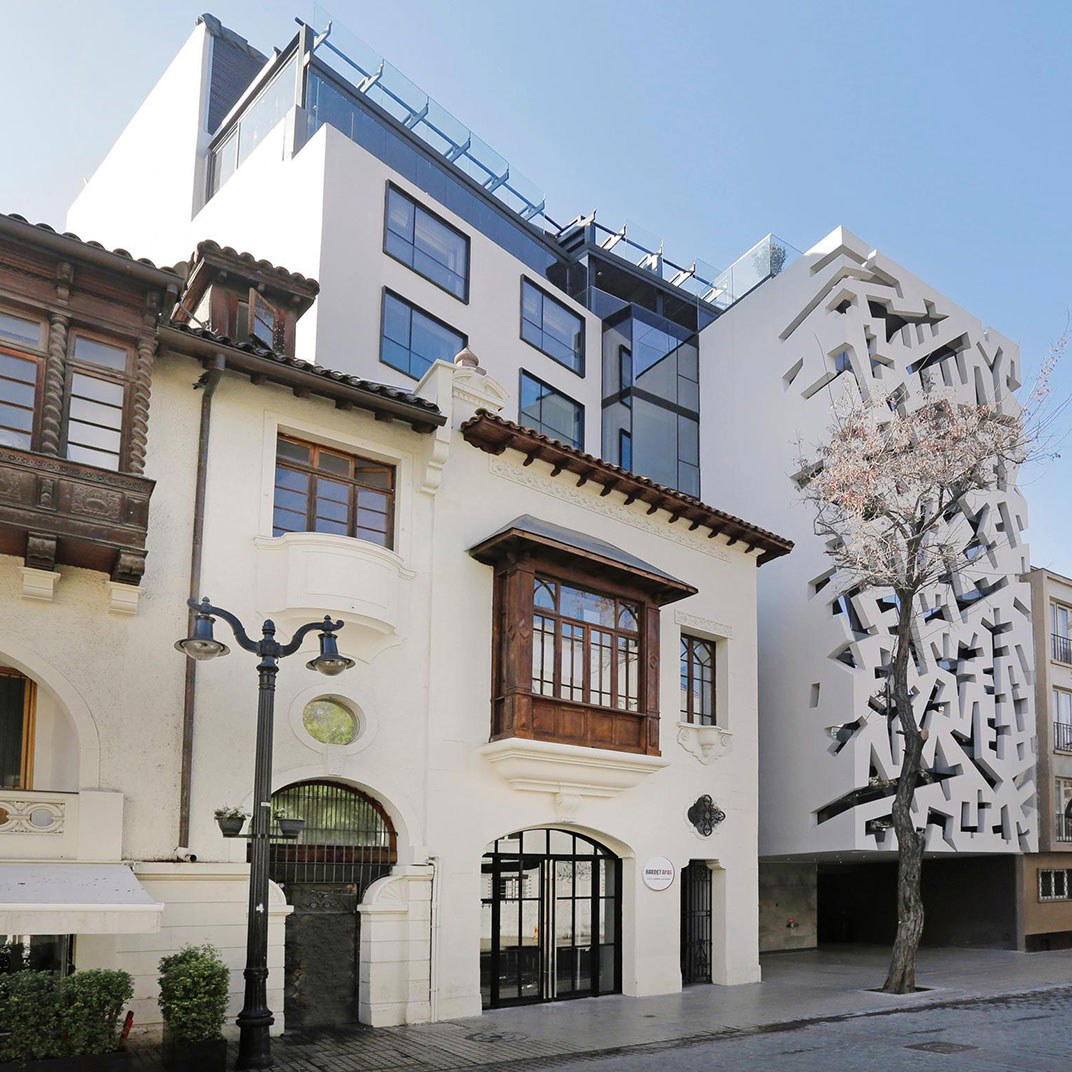
The building itself makes an argument before you step inside. Dating to the 1920s, its stone exterior reads older than it is, carrying the weight of ornamental Gothic masonry that aligns it visually with ecclesiastical Santiago rather than the glass-tower districts further east. A modern glass addition rises above the historic base, the kind of architectural conversation that cities like Buenos Aires and Mexico City have been practising for decades and that Santiago is only recently learning to stage with confidence. Walking up Huérfanos toward the entrance, the contrast between the carved stone lower floors and the transparent upper volume is the hotel's first editorial statement: this is a place conscious of its city's history and unintimidated by it.
What the Address Provides
El Centro is Santiago's civic and commercial heart, which means Hotel Magnolia places guests within reach of the city's museums, its main cultural arteries, and the kind of street-level commerce that tells you more about a place than any curated neighbourhood tour. The Palacio de La Moneda sits nearby. The pedestrianised sections of the centre, including parts of Huérfanos itself, function as a social commons in a way that Santiago's wealthier eastern districts rarely do. Guests who want to read the city rather than simply consume it will find this positioning more instructive than a room in Vitacura or Las Condes.
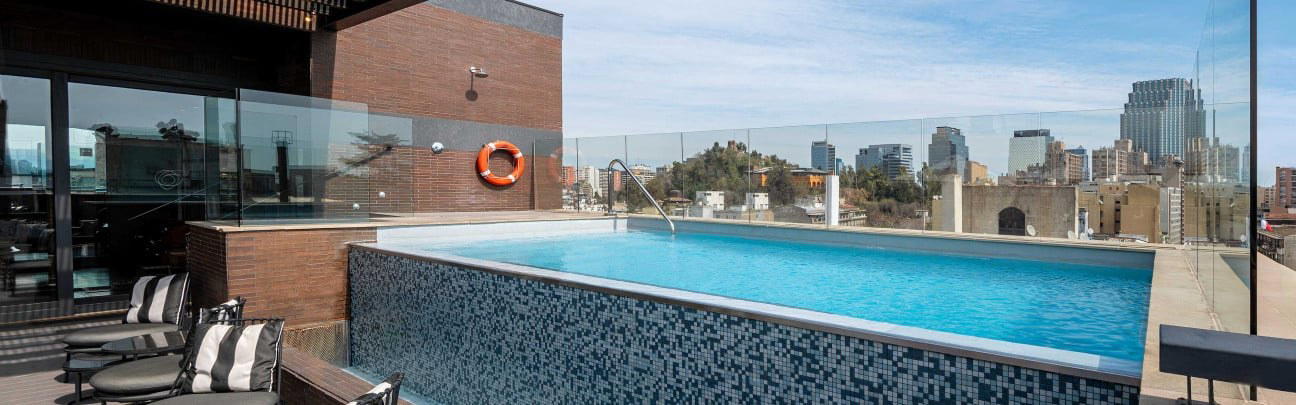
The rooftop bar extends that locational logic vertically. Views across El Centro from an refined position capture a Santiago that is genuinely changing: older institutional buildings, new construction, the Andes framing everything to the east. That Andean backdrop is available across much of the city, but El Centro's lower-rise density keeps the mountain wall more visible than in the glass canyons further out. For travellers arriving from the wine valleys or planning onward to andBeyond Vira Vira in Pucon, Ecocamp Patagonia in Torres del Paine, or Explora Torres del Paine in Torres del Paine National Park, a night in El Centro with that Andean panorama functions as both arrival and departure ritual.
Interiors: A Specific Kind of Ambition
Santiago's boutique hotel sector is still consolidating. Properties like The Aubrey, which occupies a restored mansion in Bellavista, and Casa Bueras Boutique - Hotel en Lastarria in the Lastarria neighbourhood represent the design-led, heritage-building tier that Magnolia occupies. The international-brand options, including Mandarin Oriental, Santiago, The Ritz-Carlton, Santiago, and W Santiago, operate at larger scale and with different service conventions. Magnolia's 42 rooms place it firmly in the intimate end of the spectrum.
The interiors work through contrast rather than period consistency. The Art Deco bones of the building have been updated with contemporary furniture and deliberate design gestures, and the loft-style rooms pair clean architectural lines with warmer organic materials. The result sits closer to historically informed than to nostalgic reproduction, which is the right call for a city trying to articulate a contemporary design identity rather than simply curate its past. The approach rhymes with what The Fifth Avenue Hotel in New York City achieves in its own historic building, or the way Aman Venice in Venice navigates the weight of its architectural heritage without being overwhelmed by it, though Magnolia operates at a considerably different scale than either.
Kitchen, Bar, and the Rooftop
The food and beverage program at Magnolia operates on two levels. Kitchen & Bar Magnolia handles modern Chilean cuisine at ground level, with the pisco sour as the natural anchor drink for any table first arriving in the country. Modern Chilean cooking in this tier typically means careful sourcing from the country's dramatically varied agricultural geography, from the Atacama's hyper-arid produce to the seafood of the southern channels, treated with technique that references international contemporary cooking without erasing its origins. The rooftop bar functions differently: it is primarily a position, a place from which to process the city at the end of an afternoon, rather than a destination dining experience. Both formats are consistent with a high-end positioning.
Planning a Stay
At 40 rooms, Hotel Magnolia books more quickly than its relative youth in Santiago's hotel market might suggest. The city's event calendar, particularly around wine industry gatherings and the southern summer travel season from December through February, creates periodic compression in the boutique tier. Booking ahead is recommended, especially in the southern summer. The Huérfanos address is walkable to the city's main Metro lines, which connect El Centro to the airport and the eastern residential and dining districts without requiring a taxi for every movement. Travellers building a broader Chile itinerary that combines Santiago with Awasi Atacama in San Pedro de Atacama, Clos Apalta Residence in Valle de Apalta, or Palacio Astoreca Hotel in Valparaiso will find that Magnolia's central position makes it a logical base for both urban days and outbound logistics. Other boutique options worth comparing for different neighbourhood orientations include Hotel Boutique Le Reve Hotel, Ismael Hotel, The Singular Santiago, and Debaines Hotel Santiago in Santiago de Chile.
The Essentials
Comparable venues nearby, for context on price, style, and recognition.
| Venue | Price | Notes |
|---|---|---|
| Hotel MagnoliaThis venue — the venue you are viewing | $$$$ | Not listed |
| Mandarin Oriental, Santiago | $$$$ | Las Condes, Modern luxury hotel with lush gardens and oasis-style pool |
| The Singular Santiago | $$$$ | Lastarria, Historic luxury boutique in cultural hub |
| W Santiago | $$$$ | El Golf, Modern luxury boutique hotel with daring design and lively color palette. |
| The Ritz-Carlton, Santiago | $$$$ | El Golf, Luxury urban hotel with nature-inspired modern design |
| Hotel Cumbres Lastarria | $$$$ | Lastarria, Modern boutique in historic bohemian district |
Recognition history
Dated appearances from independent guides and award organizations, with the underlying list record or original source where available.
Mr & Mrs Smith Smith Seal of Approval
Mr & Mrs Smith
Michelin 1 Key
Michelin
Continue exploring
More in Santiago
Hotels in Santiago
Browse all →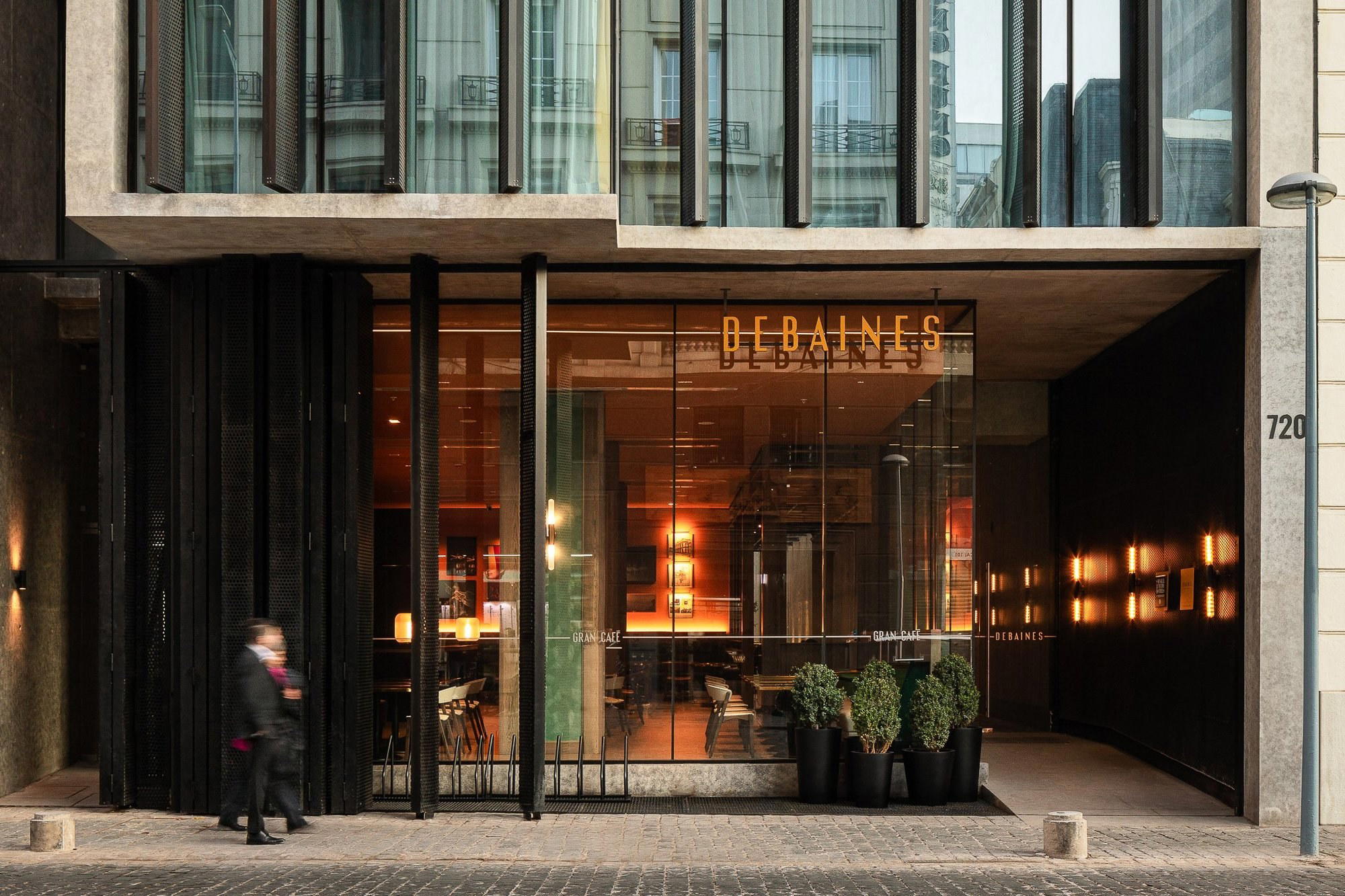
Bars in Santiago
Browse all →
Restaurants in Santiago
Browse all →
At a Glance
- Elegant
- Sophisticated
- Romantic
- Modern
- Trendy
- Romantic Getaway
- Anniversary
- Business Trip
- Weekend Escape
- Rooftop Pool
- Terrace
- Historic Building
- Panoramic View
- Wi Fi
- Spa
- Fitness Center
- Room Service
- Concierge
- Restaurant
- Bar
- Valet Parking
- Airport Transfer
- Skyline
- Wi Fi
- Spa
- Fitness Center
- Room Service
- Concierge
- Restaurant
- Bar
- Valet Parking
- Airport Transfer
Light and airy modern rooms with luxurious bedding, marble bathrooms, cozy library, and lively rooftop bar featuring great cocktails in a sophisticated yet welcoming atmosphere.