D.O. Restoran
D.O. Restoran sits in Lo Barnechea, Santiago's eastern foothills district, where ingredient provenance shapes the menu more than culinary showmanship. The address places it at the edge of the city, closer to the Andes and the small-scale producers that supply Chile's farm-to-table tier. For travellers moving between Santiago's centre and the Cordillera, it represents a neighbourhood alternative to the capital's high-profile dining rooms.
- Address
- Lo Barnechea 1223, 7690241 Lo Barnechea, Región Metropolitana, Chile
- Phone
- +56 0222166793
- Website
- d-o.cl
- Directions
- Get directions
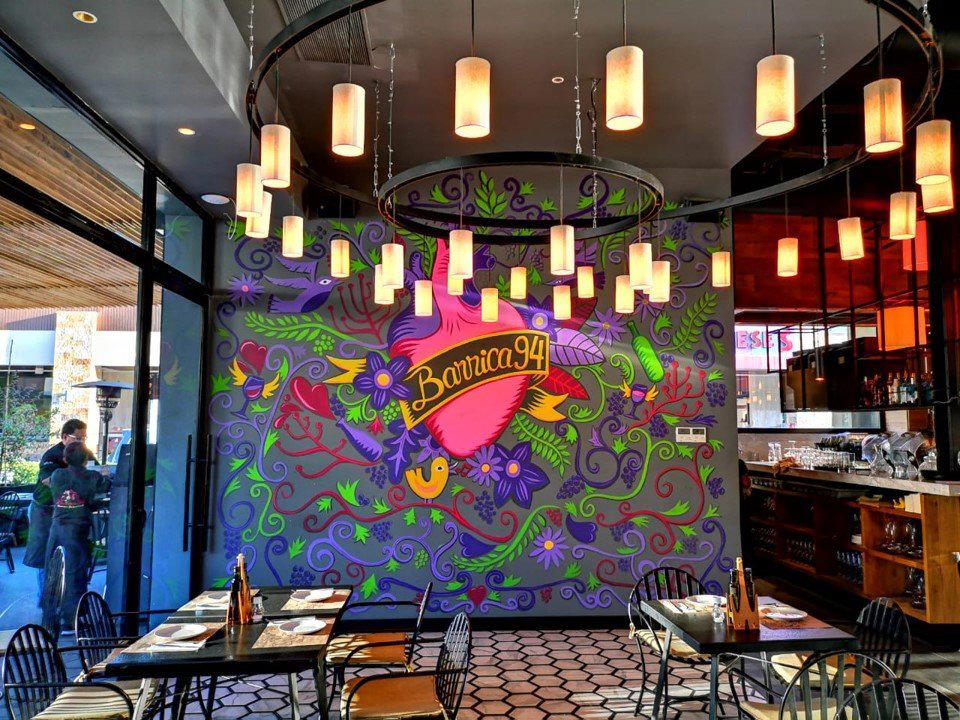
Cooking at the Edge of the City
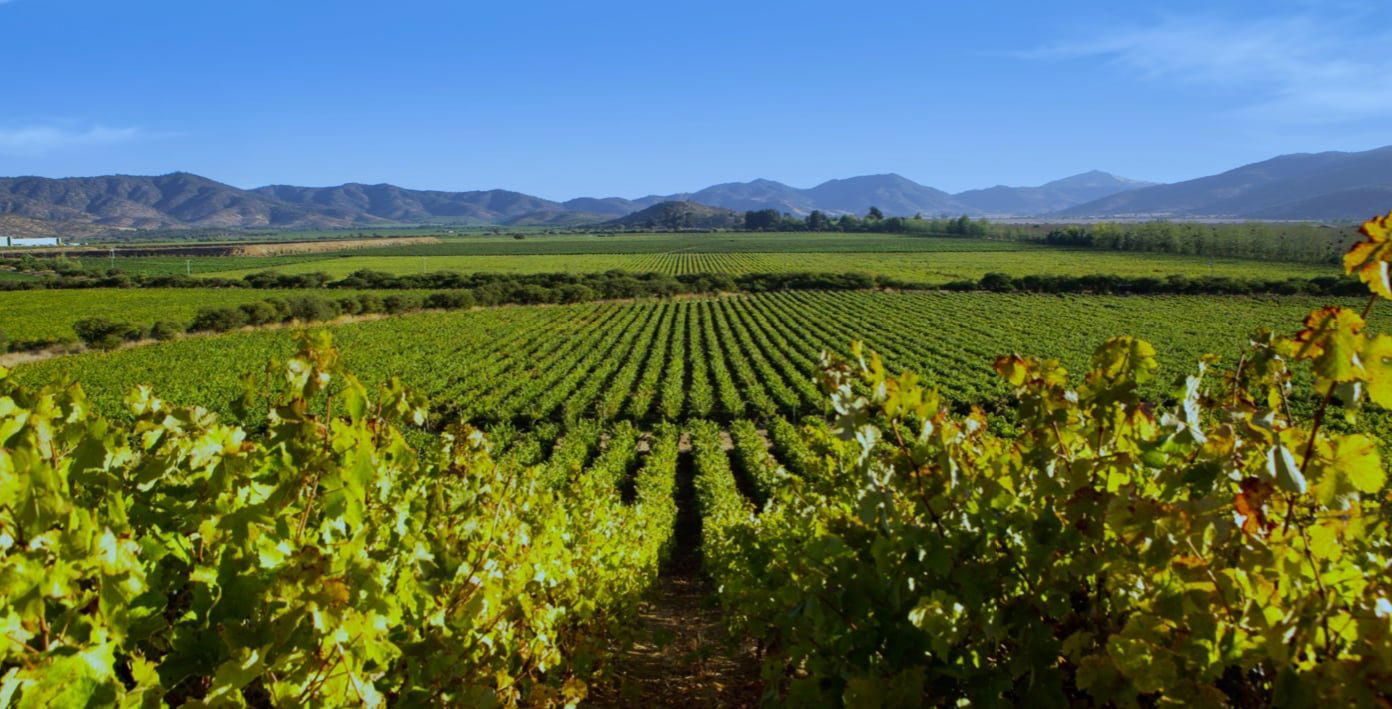
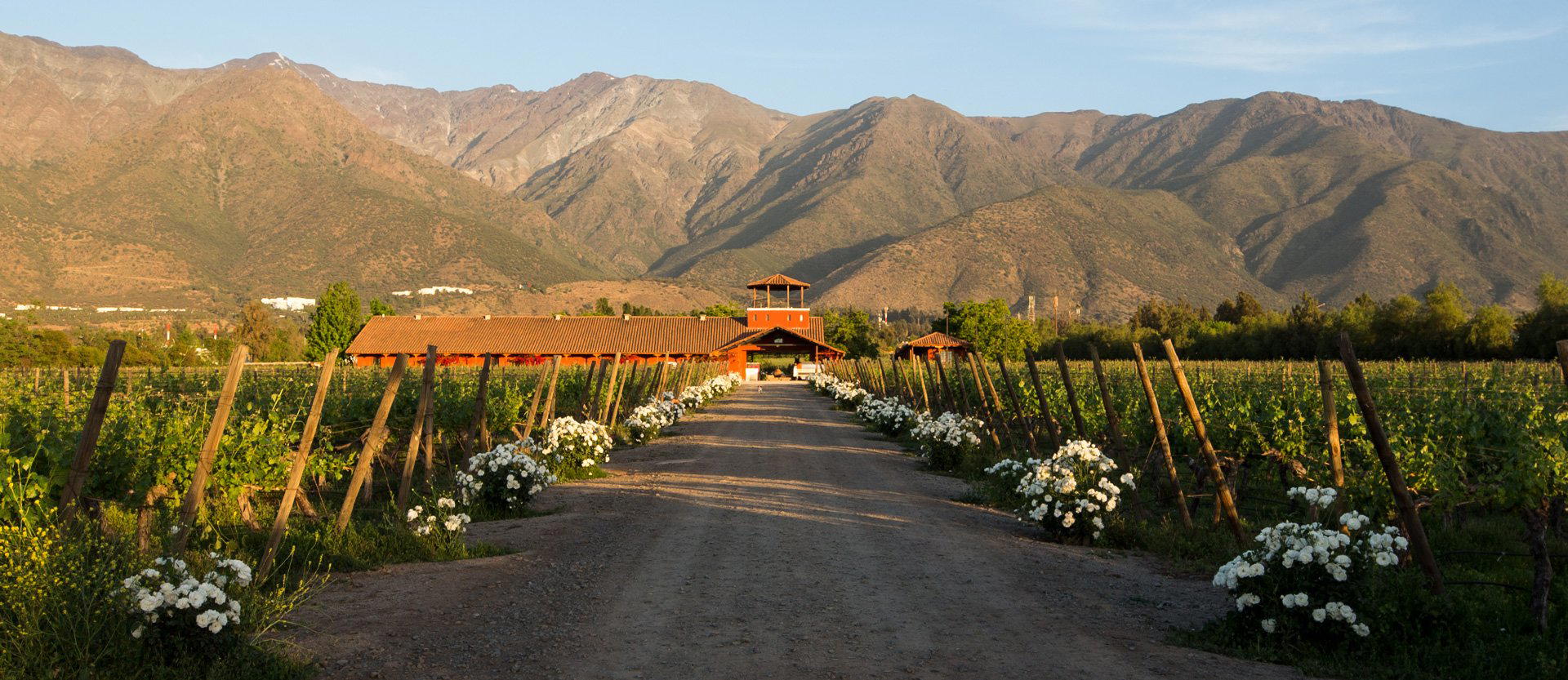
Lo Barnechea occupies a particular position in Santiago's dining geography. Pressed against the foothills of the Andes, roughly 20 kilometres northeast of the city centre, the commune sits further from the tourist circuit than Providencia or Las Condes, and considerably further from the concentrated dining scene of Lastarria and Barrio Italia. That distance is, for many residents, the point. Restaurants here tend to answer to a local clientele rather than to a passing visitor economy, and the menus that result tend to reflect what is actually growing and moving through the agricultural networks that connect Santiago to the central valley and the high-altitude producers of the Andes foothills.
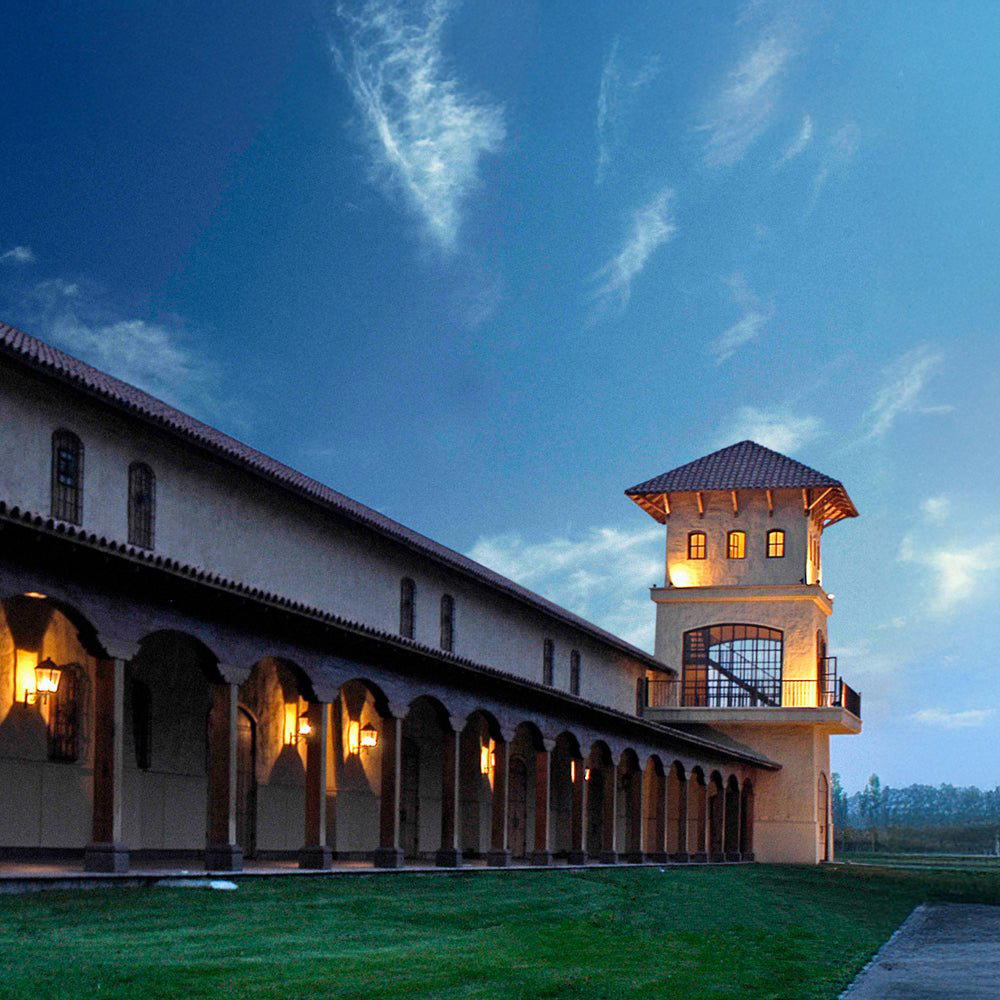
D.O. Restoran operates within that context. The address, Lo Barnechea 1223, places it in the commune's more residential stretch, away from the high-rise commercial corridors that have developed along the Avenida Las Condes corridor. The immediate environment is quieter, lower-rise, and oriented around the kind of neighbourhood foot traffic that generates repeat custom rather than single-occasion destination dining. That setting has a way of calibrating a restaurant's priorities: sourcing discipline and consistency matter more than theatrical presentation when the room is full of people who return weekly.
The Sourcing Argument in Chilean Fine Dining
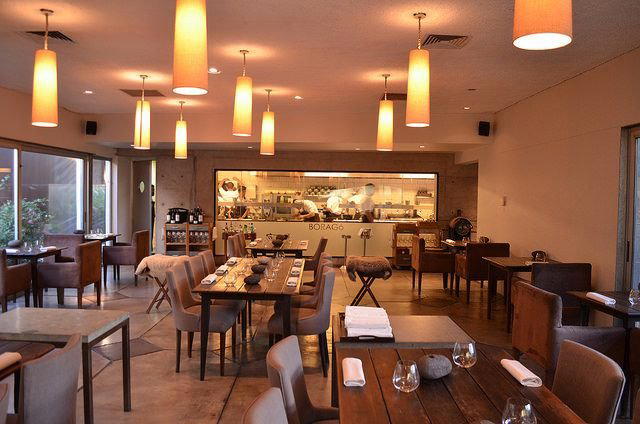
Across Chile's premium restaurant tier, ingredient provenance has become an organising principle rather than a marketing footnote. The generation of chefs who trained under or alongside Rodolfo Guzmán at Boragó in Santiago carried a specific discipline: native ingredients, documented provenance, and a kitchen vocabulary built around what Chile's geography actually produces rather than what European technique expects. That influence spread outward from Santiago into the regions and into the suburban commune restaurants that began positioning themselves in a different tier from casual neighbourhood dining.
The shorthand in the name, D.O. echoes the Denominación de Origen framework used across Spanish and Latin American wine and food production to designate geographic specificity. Whether D.O. Restoran uses that reference explicitly or obliquely, the signal it sends to a Santiago diner is legible: this is a restaurant interested in where things come from, and in the territorial specificity of Chilean ingredients. That framing places it alongside a broader shift in Chilean cooking that includes Peumayen in Providencia, a restaurant built explicitly around indigenous ingredient traditions, and the sourcing-led programmes at estate properties further south, such as andBeyond Vira Vira in Araucanía.
The broader pattern across Chilean restaurant culture is instructive. From the coastal kitchens exemplified by Aquí Jaime in Concon to the wine-country tables at Lapostolle Residence in Santa Cruz and Clos Apalta Residence in Valle de Apalta, the strongest Chilean restaurants have anchored their identity in geography. The result is a dining culture that competes less on technique borrowed from European reference points and more on the specificity of what the Chilean terroir, interpreted broadly across climate zones from the Atacama to Patagonia, actually yields.
Lo Barnechea as a Dining Neighbourhood
Lo Barnechea's restaurant scene is smaller and less documented than Santiago's central communes, which means individual restaurants carry more weight in defining what the neighbourhood offers. Doña Tina represents one strand of the area's identity, the kind of Chilean traditional cooking that predates the farm-to-table framing but operates on similar sourcing instincts. D.O. Restoran, by its naming and its positioning, operates in a slightly different register, one that signals deliberate contemporary intent within a neighbourhood where most dining is casual and residential in character.
That positioning matters for anyone planning a visit. Lo Barnechea is not a neighbourhood you pass through on the way to somewhere else. Reaching it from central Santiago requires either a direct drive or a bus along the Avenida Las Condes corridor, and the journey from Lastarria or Bellavista takes 30 to 40 minutes depending on traffic. The reward is access to a pocket of Santiago that operates at a different tempo from the centre, and to restaurants that reflect a local rather than tourist logic.
Where D.O. Restoran Sits Relative to Chilean Dining
Within the Santiago premium tier, the reference points are clearly delineated. Boragó operates at the international recognition level, with consistent appearances on Latin America's 50 Best and a tasting menu format that prices accordingly. Restaurants like VIK in Santiago and Awasi Atacama in San Pedro de Atacama anchor their dining offer to accommodation, giving them a different commercial structure. Commune restaurants operating independently, without hotel group support or international award recognition, occupy a middle tier that depends on neighbourhood loyalty and word-of-mouth more than on destination traffic.
The restaurant appears to sit in that independent middle tier, which in Santiago carries its own logic. Some of the city's most consistent cooking happens away from the high-profile addresses, in restaurants that have built their supply chains over time and whose menus reflect genuine relationships with producers rather than seasonal gestures. That pattern holds true in other Chilean cities too: Pasta e Vino Ristorante in Valparaiso and Rosario in Rengo demonstrate how Chilean restaurants outside the capital can build distinct identities from local supply. The same principle, applied to Lo Barnechea's foothills geography, shapes what the restaurant can credibly offer.
For international travellers calibrating expectations against familiar reference points, the sourcing-led Chilean model has analogues in the farm-table programmes at places like Lazy Bear in San Francisco, where provenance documentation is embedded in the dining format, or in the rigorous ingredient sourcing at Le Bernardin in New York City, where supply chain relationships define the menu rather than the other way around. The ambition in Lo Barnechea is local in scale but shares the same underlying logic.
Planning a Visit
In Lo Barnechea, as in much of Santiago's neighbourhood restaurant tier, arriving in person during off-peak hours, typically early lunch or mid-afternoon on weekdays, is a reliable way to assess availability and confirm current hours. The commune is reached by car from central Santiago; street parking along the Lo Barnechea corridor is generally available outside peak commuting windows.
At-a-Glance Comparison
Comparable venues nearby, for context on price, style, and recognition.
| Venue | Cuisine | Price | Notes |
|---|---|---|---|
| D.O. RestoranThis venue — the venue you are viewing | Modern Chilean Designation of Origin | $$$ | Not listed |
| Doña Tina | Traditional Chilean | $$$ | Lo Barnechea |
| Capri | Italian Pizza & Pasta Restobar | $$ | La Dehesa |
| La Mesa | Modern Chilean Farm-to-Table | $$$ | Vitacura |
| Casa las Cujas | Chilean Coastal Seafood | $$$ | Vitacura |
Continue exploring
More in Lo Barnechea
Restaurants in Lo Barnechea
Browse all →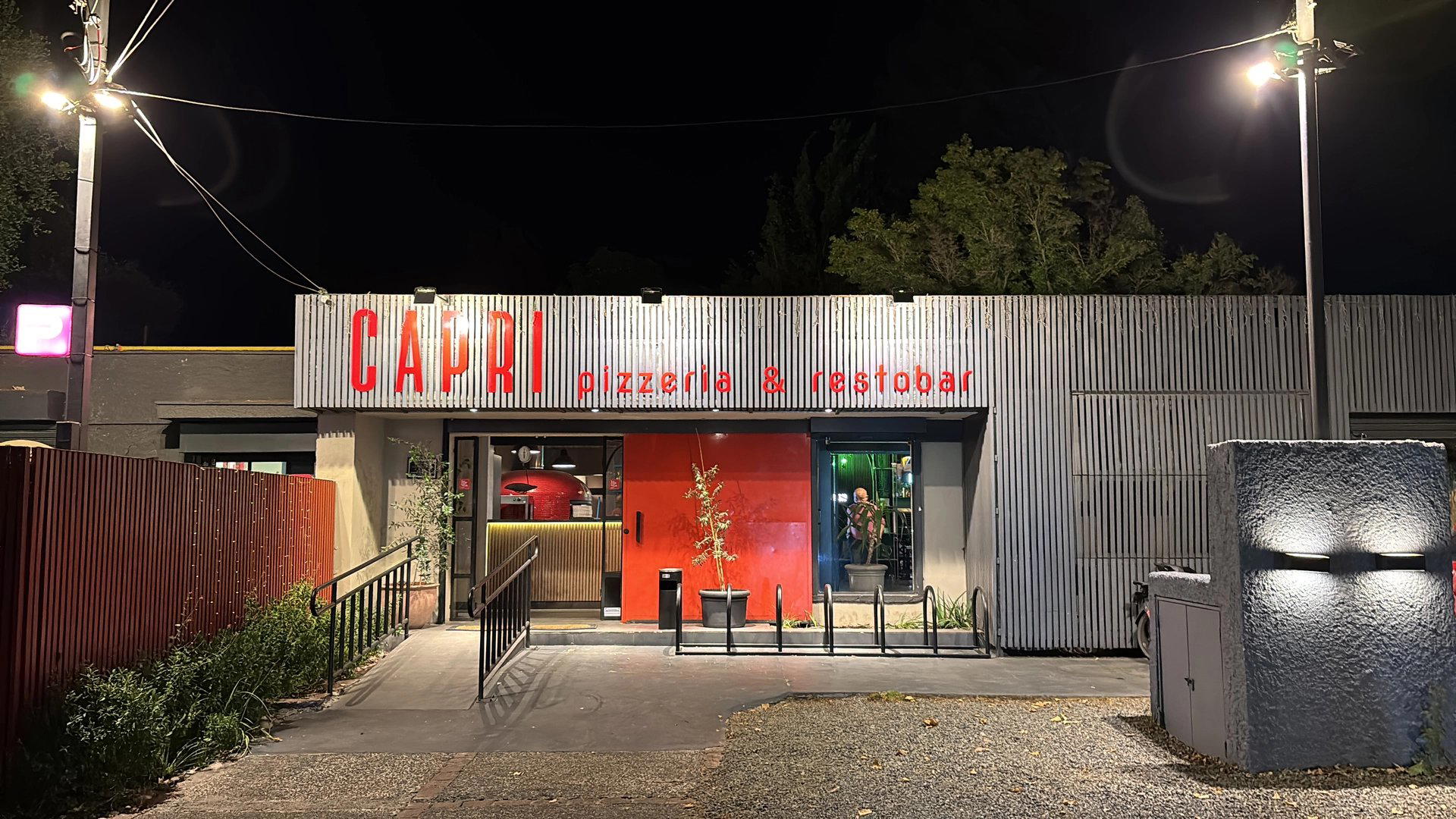
Bars in Lo Barnechea
Browse all →
Hotels in Lo Barnechea
Browse all →

At a Glance
- Elegant
- Sophisticated
- Date Night
- Special Occasion
- Local Sourcing