Clos Apalta Residence

Set within the Apalta valley in Colchagua, Lapostolle Residence pairs estate wine with a kitchen that draws directly from its organic garden. The dining format sits closer to winery hospitality than restaurant service, but guests who engage with what the garden produces will find the table a genuine extension of the estate's agricultural identity. A considered stop for anyone spending time in Chile's O'Higgins wine country.
Pearl is the En Primeur Club membership app — saves, bookings, and concierge access live there. Same editors, same standards.
- Address
- KM 4, Apalta Colchagua, Santa Cruz, O'Higgins, Chile
- Phone
- +56 72 295 3360
- Website
- closapaltaresidence.com
- Directions
- Get directions
 Saves & bookings on Pearl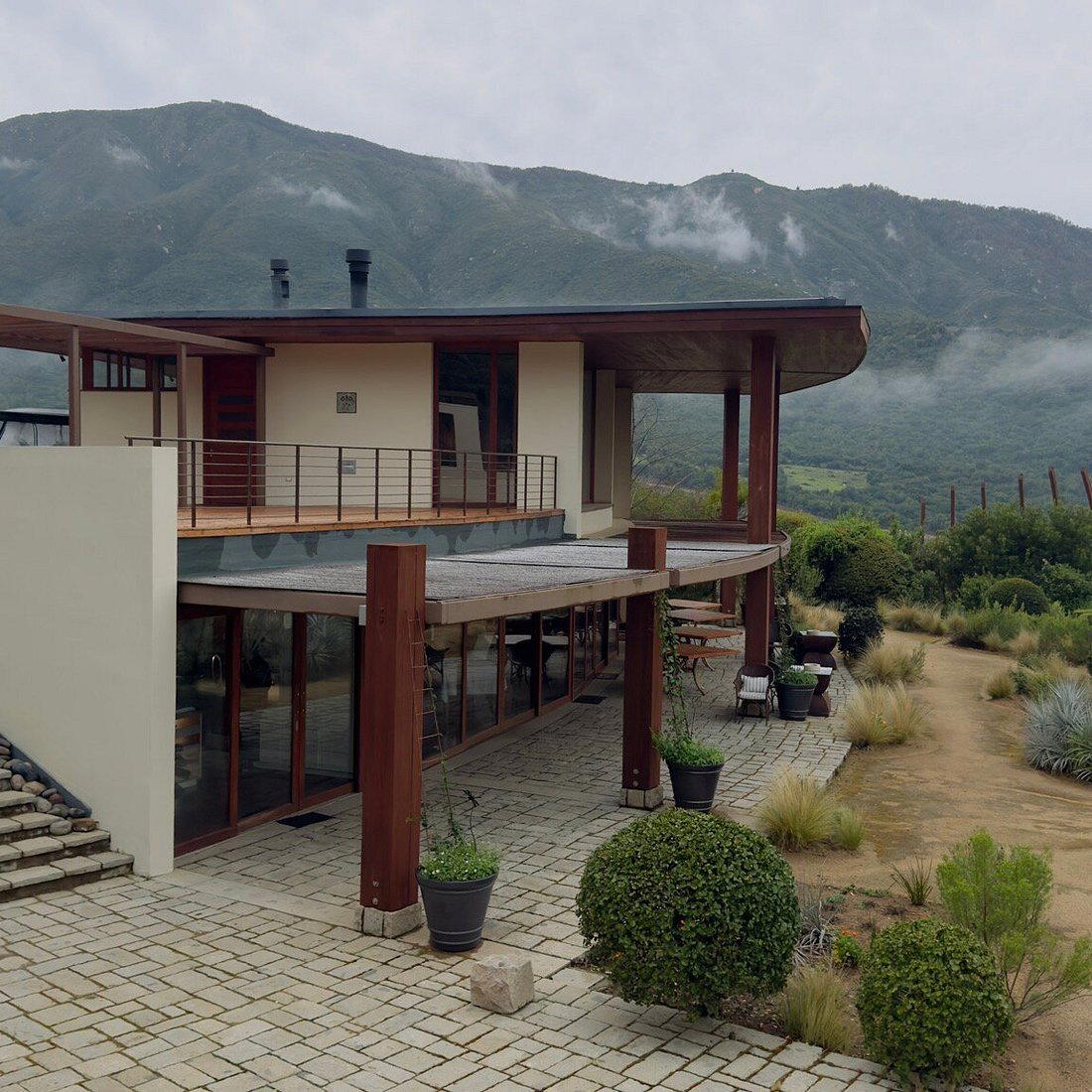
Where the Vineyard Determines the Plate
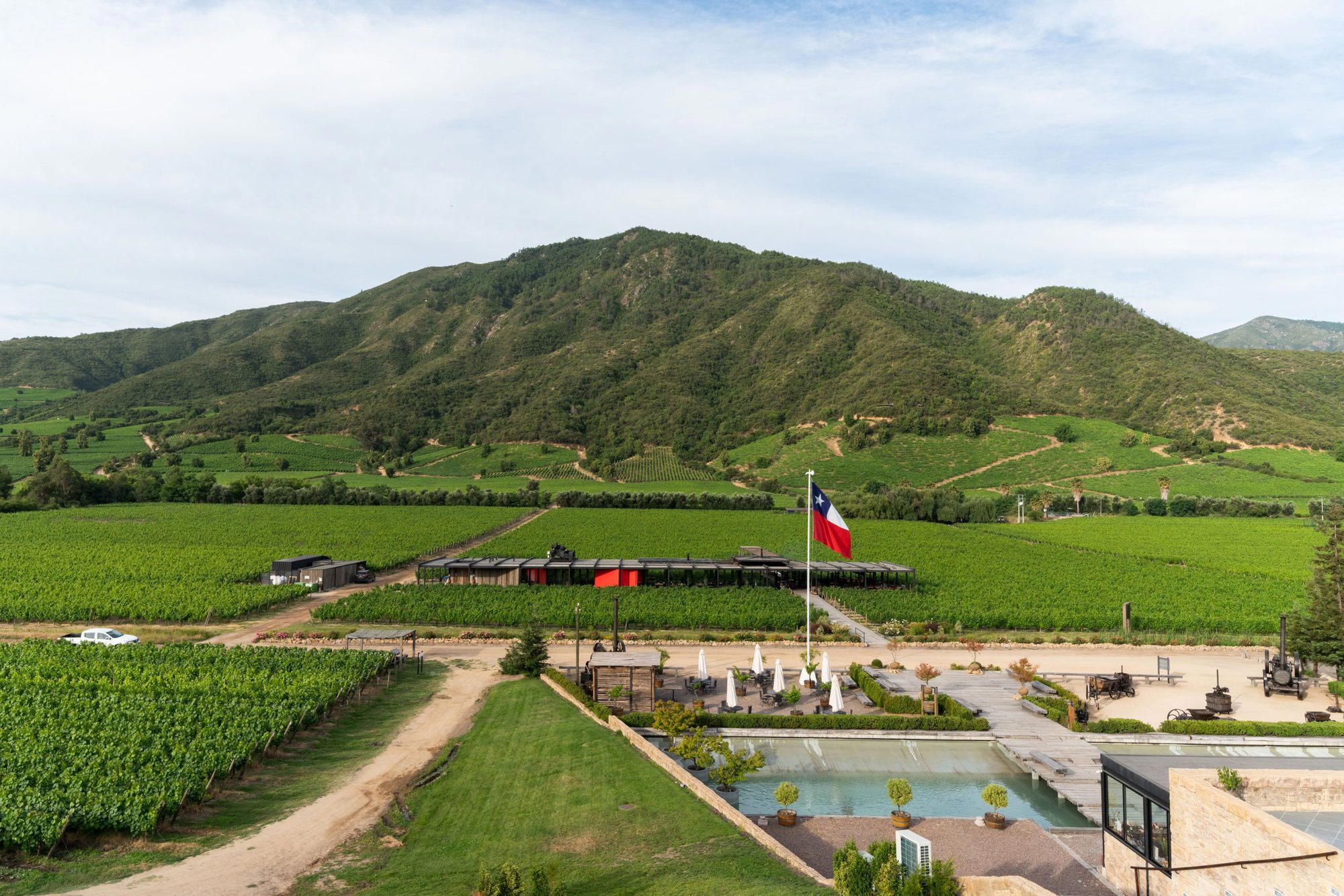
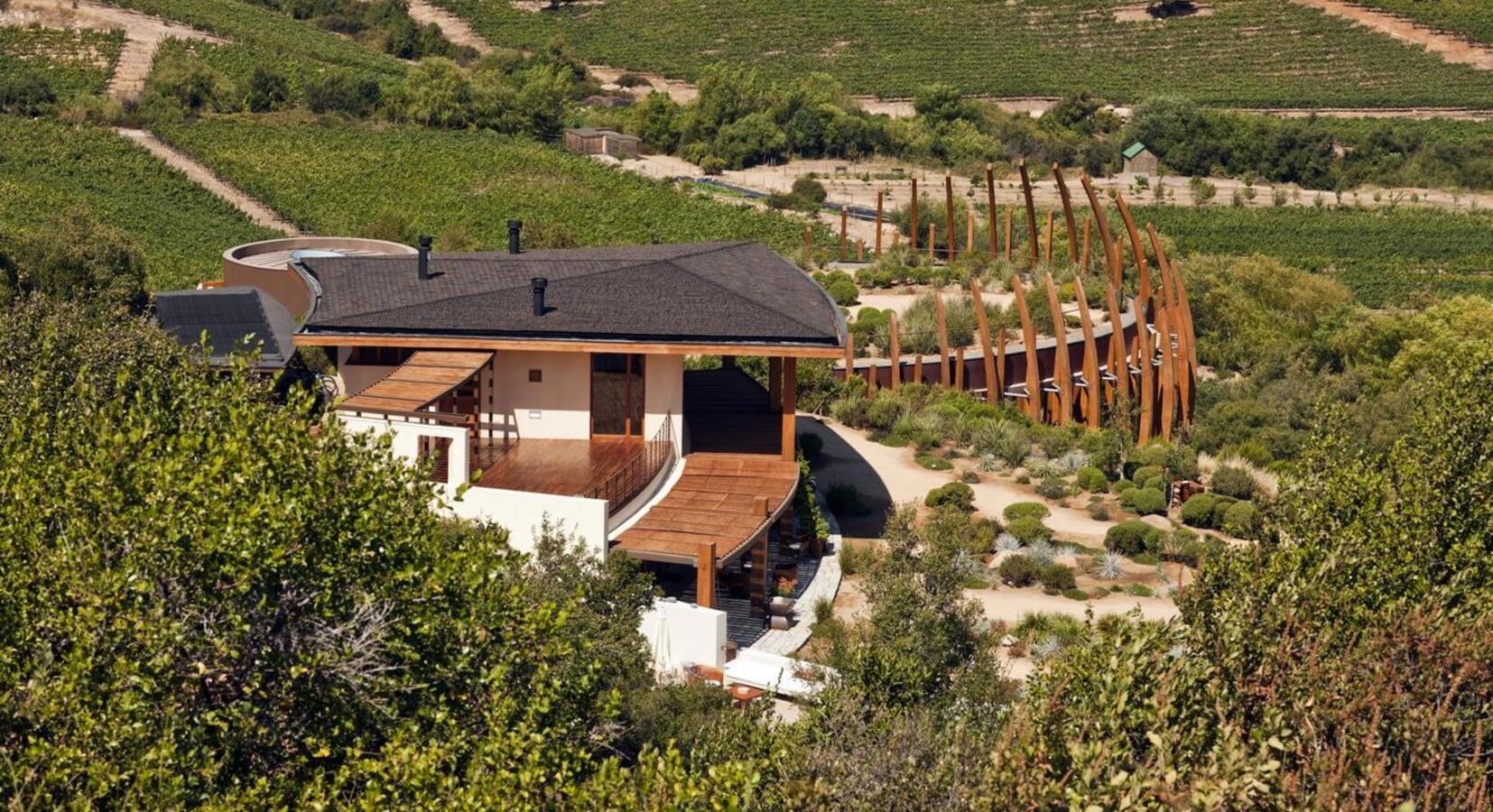
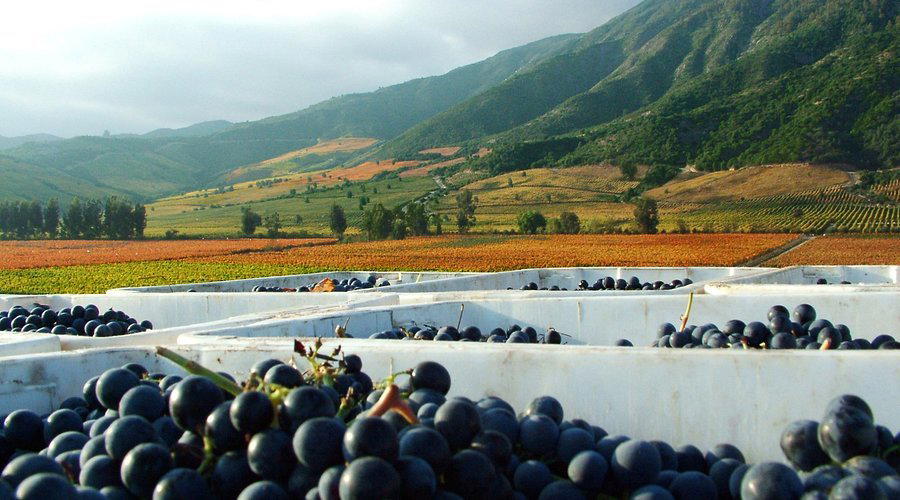
The Apalta valley in Colchagua is one of Chile's most concentrated patches of premium viticulture, a narrow corridor of granitic soils and extreme diurnal temperature swings that produces Carmenère and Cabernet of genuine structural depth. Arriving at Lapostolle Residence along the estate road at KM 4, the vines come before the buildings, which is exactly the right order of introduction. The residence sits within working agricultural land, and that relationship between what grows outside and what arrives at the table is the organizing logic of the entire experience.
An Organic Garden as the Kitchen's Foundation
The sourcing model at Lapostolle positions its organic vegetable garden as a genuine kitchen input. In a region where the default for winery dining is imported ingredients dressed up with local labels, the commitment to what the estate's own soil produces carries real editorial weight. Vegetables here arrive from metres away rather than from a regional distributor, and that compression of distance between growing and cooking is something that even well-resourced urban restaurants struggle to replicate consistently.
This is worth understanding before arrival: the kitchen is not a vegetable restaurant in the sense that, say, a plant-forward tasting menu operation in Santiago might be. The vegetables serve as colour, texture, and counterpoint to fish and meat dishes rather than as the primary protein. That said, the estate is equipped and willing to compose a fully vegetable plate on request, drawing from whatever the organic garden is producing at that time of year. The seasonal range of what appears on those plates shifts with the Colchagua growing calendar.
This sourcing structure places Lapostolle in a distinct tier within Chilean wine-country dining. Properties like Clos Apalta Residence in Valle de Apalta operate in the same geographic register, where the wine estate frames the meal and the kitchen's identity is inseparable from the agricultural surroundings. Compared to lodge-format dining like Awasi Patagonia in Torres del Paine or Awasi Atacama in San Pedro de Atacama, which operate as remote hospitality anchors with full kitchen programs, Lapostolle reads as more intimate and more directly tied to a single producing estate.
Wine as the Structural Context
Wine is the fixed point around which the food rotates. Colchagua's premium tier has built its international reputation on red wines with serious extraction and aging capacity, and the estate's output sits within that tradition. Tasting through the portfolio alongside food grown on the same land creates a coherence that is difficult to engineer in any other format. The organic garden's produce, the mineral qualities of the local soils, and the wines produced from those same soils are in active conversation at the table in a way that requires no explanation, it simply resolves itself as a sensory argument for place.
For visitors planning around wine education rather than pure gastronomy, the combined wine-and-table experience here serves a different function than a dedicated restaurant visit. It functions as an extended encounter with a single estate's agricultural logic. That distinction matters when deciding how to weight Lapostolle against other dining options in the region.
Placing Lapostolle Within Chile's Premium Table Scene
Chilean fine dining has undergone a significant shift over the past decade, with urban operators like Boragó in Santiago establishing a foraging-and-terroir model that has influenced kitchens well beyond the capital. In that context, estate dining in wine country sits in a parallel lane: less technically ambitious than Santiago's leading tasting menus, but more directly connected to a specific agricultural place. VIK operates in a similar register, pairing hospitality architecture with estate wine and curated food, and the comparison is instructive, these are experiences organised around a property's identity rather than a chef's program.
The broader Chilean estate-dining category also connects to a wider Latin American pattern of properties embedding cuisine within agricultural operations, visible in formats ranging from Chilean valley estates to lodge programs at places like andBeyond Vira Vira in Araucanía. What distinguishes the Colchagua examples is the centrality of wine, the wine is not simply on the menu, it is the reason the property exists and the frame through which every plate is read.
Planning a Visit
Lapostolle Residence sits at KM 4 in Apalta, within the O'Higgins region outside Santa Cruz. Access is by road, and the estate format means this is leading treated as a dedicated half-day or full-day excursion rather than a quick stop. Booking in advance is essential.
The dress code follows the informal-but-considered register of wine-country hospitality in Chile, relaxed enough for a working estate, but guests tend to avoid overly casual attire given the residential setting. Those with specific dietary requirements, including a preference for a fully vegetable plate, are encouraged to flag this when booking so the kitchen can source and prepare accordingly from the organic garden.
How It Stacks Up
Comparable venues nearby, for context on price, style, and recognition.
| Venue | Cuisine | Price | Notes |
|---|---|---|---|
| Lapostolle ResidenceThis venue — the venue you are viewing | Modern Chilean Fine Dining | $$$$ | Not listed |
| Clos Apalta Residence | French-inspired Chilean Fine Dining | $$$$ | Valle de Apalta |
| Casaluz Restaurant | Spanish & Italian Tapas with Chilean Influences | $$$$ | Providencia |
| Restaurante 040 | Spanish Fine Dining Fusion | $$$$ | Bellavista |
| La Mar | Peruvian Cevichería with Fusion Elements | $$$$ | Vitacura |
| The Singular Santiago, Lastarria Hotel | Modern French-Chilean Fine Dining | $$$$ | Lastarria |
Recognition history
Dated appearances from independent guides and award organizations, with the underlying list record or original source where available.
We're Smart World 1 Radish
We're Smart World
Continue exploring
More in Santa Cruz
Restaurants in Santa Cruz
Browse all →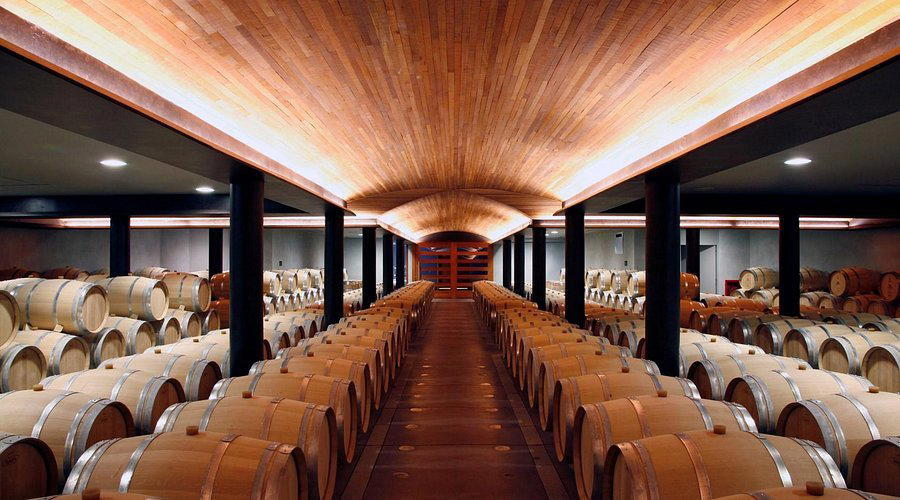
Hotels in Santa Cruz
Browse all →

At a Glance
- Romantic
- Elegant
- Intimate
- Sophisticated
- Scenic
- Date Night
- Special Occasion
- Terrace
- Panoramic View
- Extensive Wine List
- Sommelier Led
- Organic
- Local Sourcing
- Vineyard
- Mountain
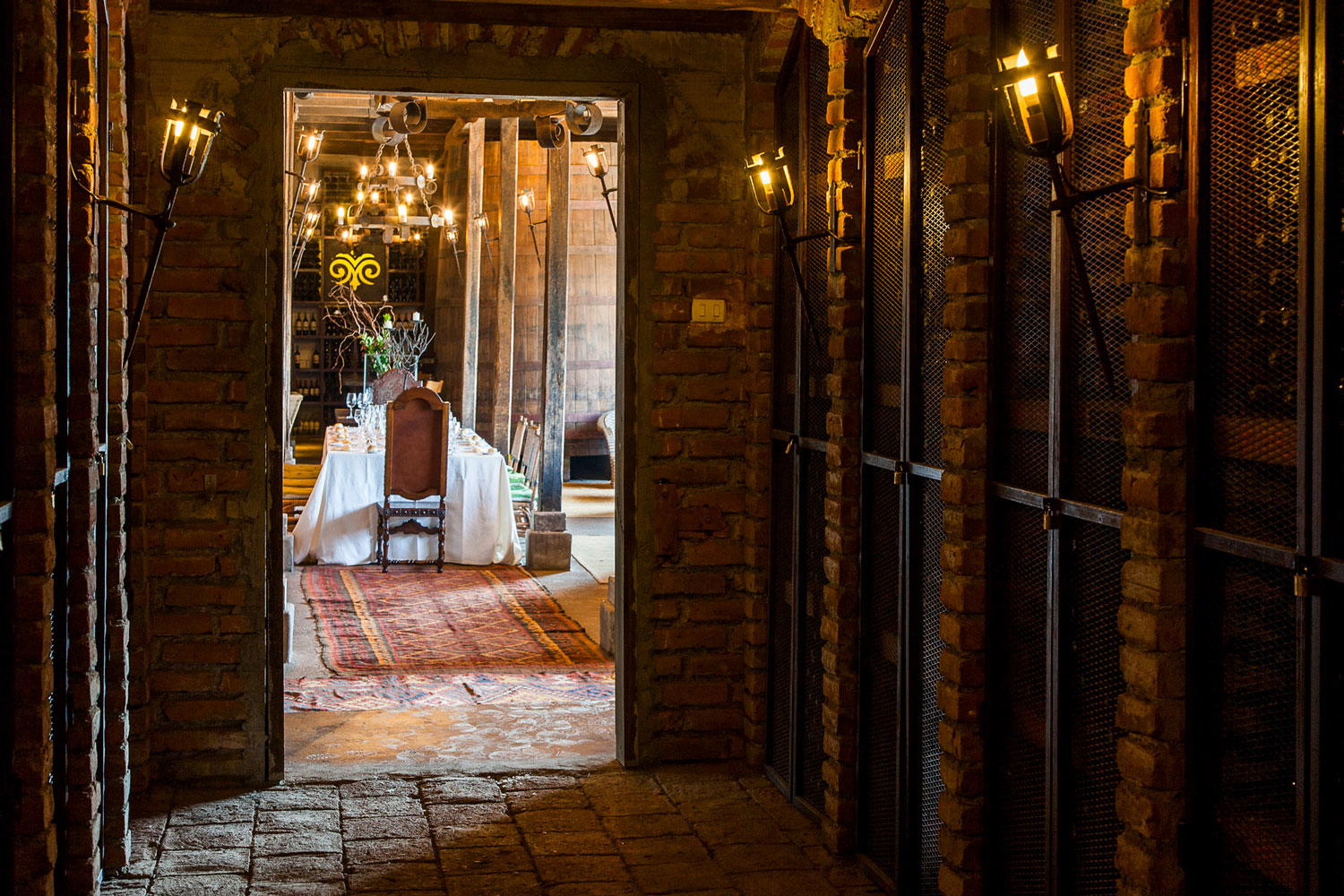
Serene and luxurious with dramatic vineyard and mountain views, peaceful atmosphere, and elegant modern architecture.