Our verdict
Av. Apoquindo 5106 sits in Las Condes, Santiago's eastern commercial corridor, where the city's appetite for ingredient-led dining has quietly grown alongside its financial district. The address places it within reach of a dining scene that now competes seriously with South America's broader restaurant conversation, drawing on Chilean producers and coastal supply chains that few cities outside the region can match.

Pearl is the En Primeur Club membership app — saves, bookings, and concierge access live there. Same editors, same standards.
- Address
- Av. Apoquindo 5106, 7560940 Las Condes, Región Metropolitana, Chile
- Directions
- Get directions
The menu
What to order
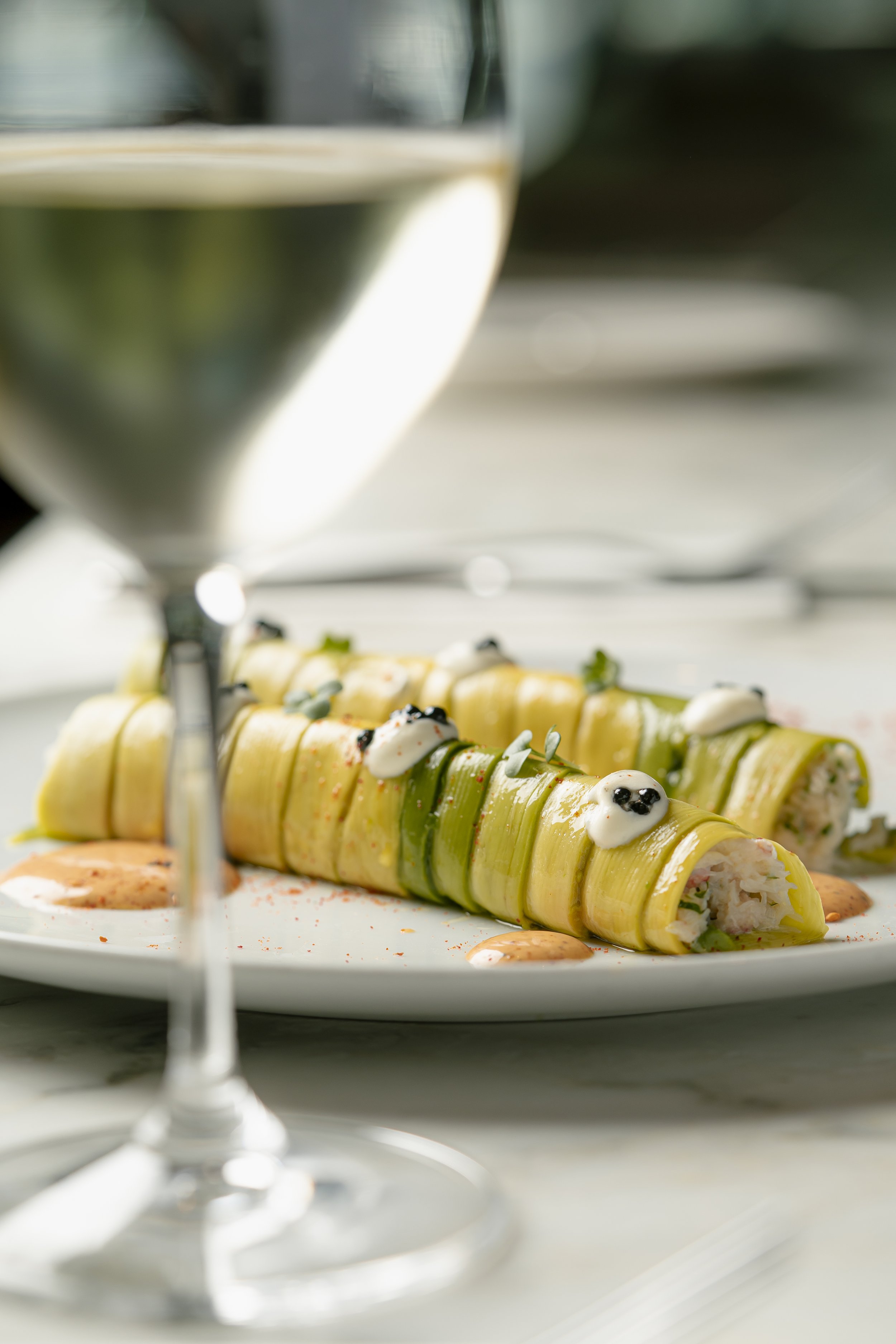
- Soft shell crab temaki
- Risotto uni ikura
- Fatty salmon with foie gras
Las Condes and the Eastward Pull of Santiago Dining
Santiago's restaurant geography has shifted considerably over the past decade. Barrio Italia and Lastarria long held the creative energy, but Las Condes, the city's eastern financial corridor running along Avenida Apoquindo, has developed its own serious dining identity. The avenue itself is a long spine of commerce, but at its upper reaches toward the foothills of the Andes, the density of thoughtful, produce-driven restaurants has grown in proportion to the neighbourhood's affluence and its proximity to Santiago's wealthiest residential zones. Av. Apoquindo 5106 occupies this stretch, a postcode that now carries genuine culinary weight in the city's broader dining conversation.
This part of Las Condes operates differently from the city's more tourist-facing neighbourhoods. The clientele skews local and professional, the lunch hour is taken seriously, and the competition among neighbouring establishments is sharp enough that kitchens here cannot rely on foot traffic alone. That pressure tends to produce more disciplined cooking, and it has pushed many addresses in this corridor to think carefully about where their ingredients come from — a question that, in Chile, opens onto one of the most geographically diverse supply chains in the southern hemisphere.
Chile's Ingredient Geography: Why Sourcing Here Is a Different Conversation
Few countries compress such extremes of climate and terrain into a single north-south strip. From the Atacama's mineral-rich growing conditions, through the Central Valley's temperate agricultural heartland, to Patagonia's cold-water fisheries, Chilean producers work across registers that most of the world's restaurant cultures cannot access from a single national supply chain. The coastal waters deliver locos (Chilean abalone), sea urchin from the Bio-Bio region, and razor clams at volumes and quality that have attracted attention from chefs well beyond Santiago. The Andean foothills above Las Condes provide a different category of produce entirely: altitude-grown herbs, heritage potato varieties, and lamb raised on high-plateau pasture.
This ingredient reality shapes what serious Santiago kitchens can do in ways that aren't always visible on a menu. Restaurants like Boragó (Modern Chilean) have spent years documenting and sourcing from this geographic range, establishing a foraging-and-supplier framework that has influenced how younger kitchens think about provenance. The conversation at the top of Santiago dining is now less about technique borrowed from Europe and more about the specificity of Chilean raw material — a shift that makes the ingredient question central, not incidental, to understanding what any serious address in this city is doing.
Restaurants at the seafood end of this conversation, like La Calma by Fredes (Seafood), have built their entire identity around coastal supply, while addresses working in the French-Chilean register, such as Ambrosia (French - Chilean), negotiate between classical technique and local produce in ways that define their competitive positioning. 99 Restaurante and Demencia represent further points on that spectrum, each working from a distinct sourcing philosophy that places them differently within the Santiago scene.
The Las Condes Dining Register: What the Address Signals
In Santiago, the address on Apoquindo functions as a contextual signal before a guest even sees a menu. Las Condes dining at the upper end of Apoquindo tends toward the formal lunch, the corporate dinner, and the neighbourhood regular who returns for consistency rather than novelty. That audience demands reliable sourcing and disciplined execution over experimental risk-taking, which is why ingredient quality at this postcode level is often higher than the creative ambition might suggest to an outside observer.
The neighbourhood's proximity to the Costanera Center, Santiago's largest shopping complex, brings a parallel stream of visitors and residents who have become more internationally calibrated in their dining expectations. The result is a dining culture that sits between the adventurous creativity of Barrio Italia and the prestige theatre of the city's Michelin-adjacent scene, occupying a middle register where quality and reliability carry more weight than concept.
For context on how Santiago's premium dining tier is structured across the city, the full Santiago restaurants guide maps the competitive set across neighbourhoods, from Peumayen in Providencia to D.O. Restoran in Lo Barnechea, both of which reflect the same eastward concentration of ingredient-focused cooking that defines this part of the city.
Regional Context: Beyond the Capital
Santiago's dining scene does not exist in isolation from Chile's broader hospitality geography. The wine regions south and west of the capital have developed their own destination dining, with addresses like Lapostolle Residence in Santa Cruz and Viña Concha y Toro in Pirque tying the ingredient and wine sourcing conversation directly to the land. On the coast, Aquí Jaime in Concon and Pasta e Vino Ristorante in Valparaiso demonstrate how coastal supply chains function at different price points and format scales. Further afield, Awasi Atacama in San Pedro de Atacama, andBeyond Vira Vira in Araucanía, CasaMolle in El Molle, and Rosario in Rengo extend that sourcing logic into Chile's more remote and climate-specific growing regions. For international comparison on how ingredient-led programs operate at the highest level, Le Bernardin in New York City and Lazy Bear in San Francisco represent the northern hemisphere's equivalent discipline around sourcing as an editorial premise.
Planning Your Visit
Av. Apoquindo 5106 is located in Las Condes, accessible by Santiago Metro's Line 1 at the Escuela Militar or Manquehue stations, both within walking distance of this stretch of the avenue. The neighbourhood operates at a professional rhythm, with lunch service drawing the strongest local attendance on weekdays. As with much of Santiago's eastern corridor dining, arriving with a reservation rather than walking in unannounced is the more reliable approach, particularly at peak lunch hours and Friday evenings. Current operational details, hours, booking method, and specific format, are best confirmed directly with the venue before visiting.
Frequently asked questions
How do I find Av. Apoquindo 5106?
Av. Apoquindo 5106 is located at Av. Apoquindo 5106, 7560940 Las Condes, Región Metropolitana, Chile, Santiago.
How does Av. Apoquindo 5106 fit within the broader Las Condes dining scene in Santiago?
The Apoquindo address places this venue within Las Condes, Santiago's eastward-shifting restaurant corridor that has drawn serious dining investment away from historically dominant neighbourhoods like Barrio Italia and Lastarria. Las Condes at this stretch of Apoquindo signals a certain register: the clientele skews local, professional, and repeat. For visitors, it offers an entry point into Santiago dining outside the tourist-facing centre.
What do regulars order at Av. Apoquindo 5106?
Regulars along the upper Apoquindo corridor in Santiago generally gravitate toward Chilean-inflected dishes built around the country's exceptional coastal and Andean produce.
Can I walk in to Av. Apoquindo 5106?
Santiago's upper Apoquindo corridor draws a consistent local professional crowd, and demand at established addresses in this stretch can fill tables without notice. Contacting the venue directly before arriving is the practical approach.
What's the signature at Av. Apoquindo 5106?
No single confirmed signature dish or format is documented for this Las Condes location. Upper Apoquindo venues in Santiago tend to reflect Chile's ingredient geography, from Atacama-grown produce to Pacific seafood, though what Av. Apoquindo 5106 specifically anchors its menu around requires direct confirmation from the venue.
How It Stacks Up
Comparable venues nearby, for context on price, style, and recognition.
| Venue | Cuisine | Price | Notes |
|---|---|---|---|
| Av. Apoquindo 5106This venue — the venue you are viewing | Japanese with Chilean influences | Not listed | Not listed |
| Restaurant Japón | Traditional Japanese Sushi & Sashimi | $20–30 | San Francisco |
| Cívico la moneda | Modern Chilean | Not listed | Centro |
| Restaurante Peluquería Francesa - Boulevard Lavaud - Barberia Patrimonial Barrio Yungay | French-European Bistro | $30–50 | Yungay |
| Bocanáriz | Modern Chilean Wine Bar | $50–100 | Lastarria |
| Demo Magnolia | Modern Chilean Fine Dining | $50–100 | Bellas Artes |
Continue exploring
More in Santiago
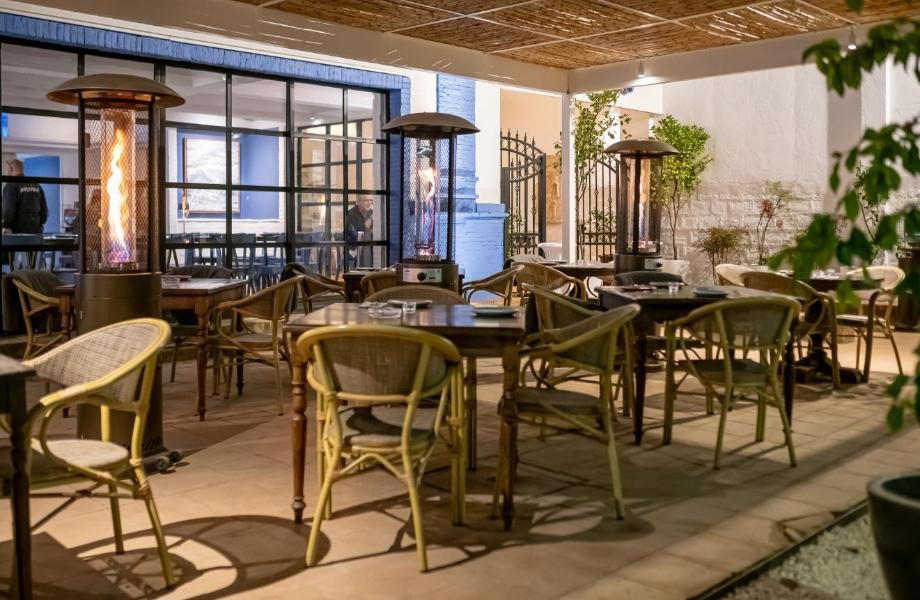
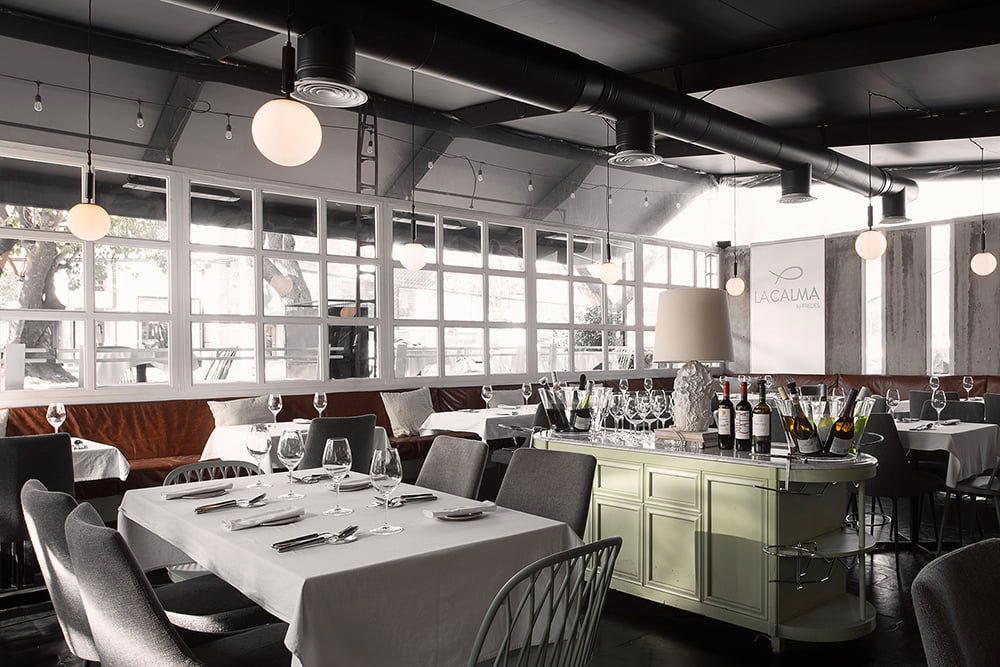
Restaurants in Santiago
Browse all →
Bars in Santiago
Browse all →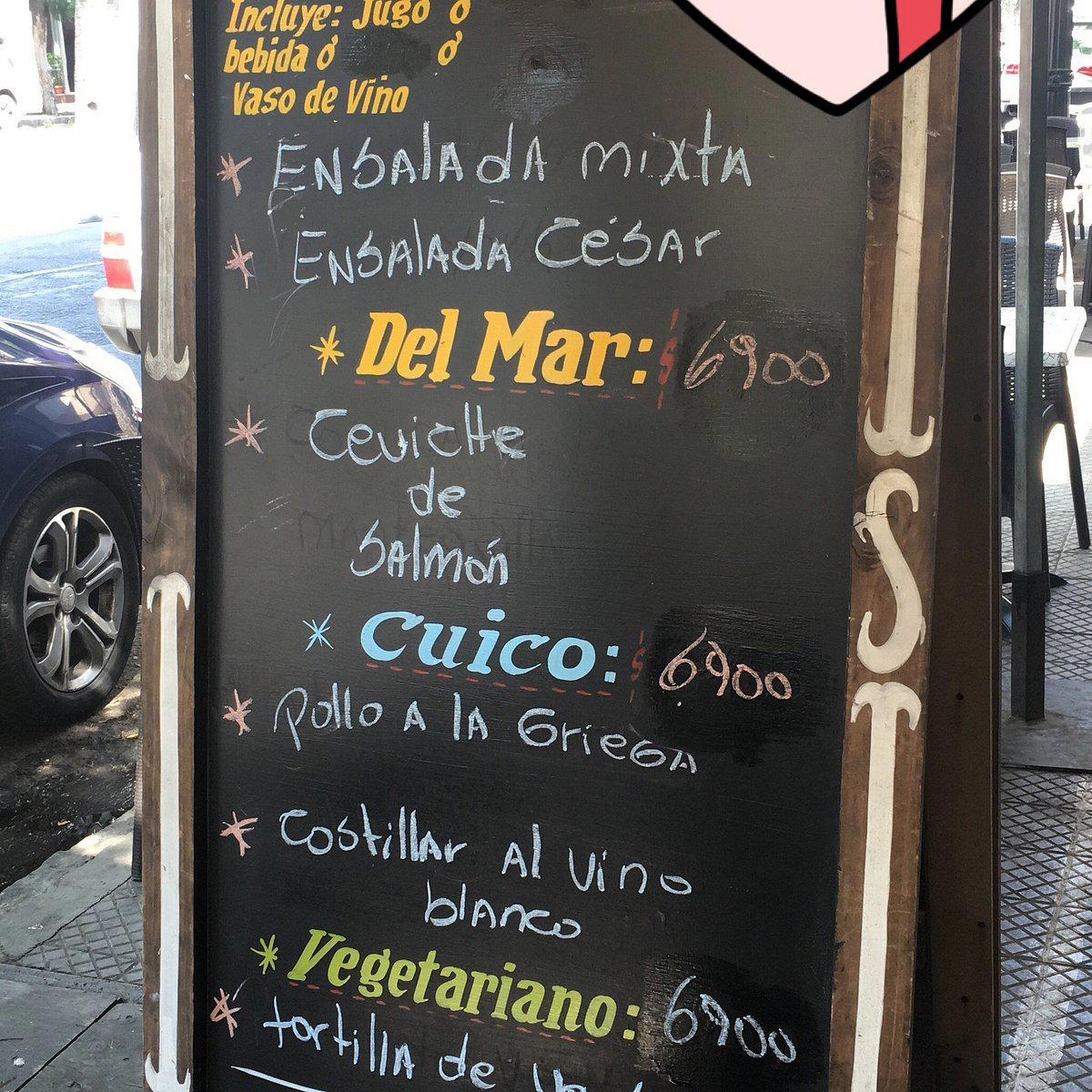
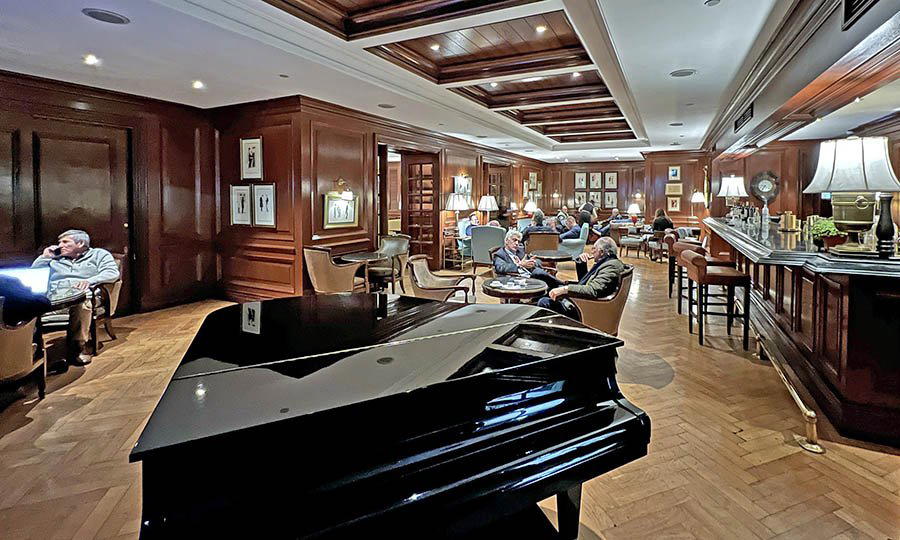
Hotels in Santiago
Browse all →

Details
- Elegant
- Sophisticated
- Date Night
- Special Occasion
- Standalone
- A La Carte
- Vegetarian Friendly
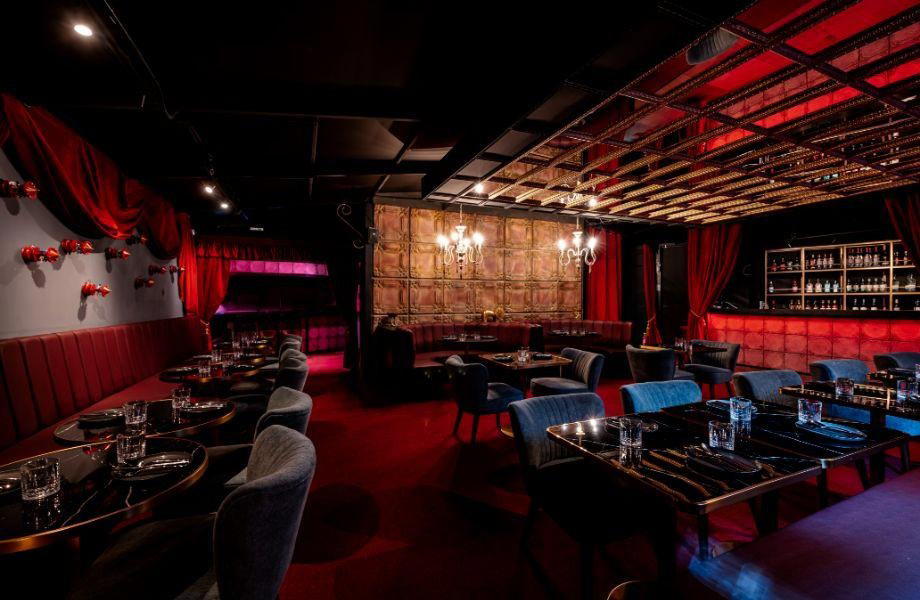
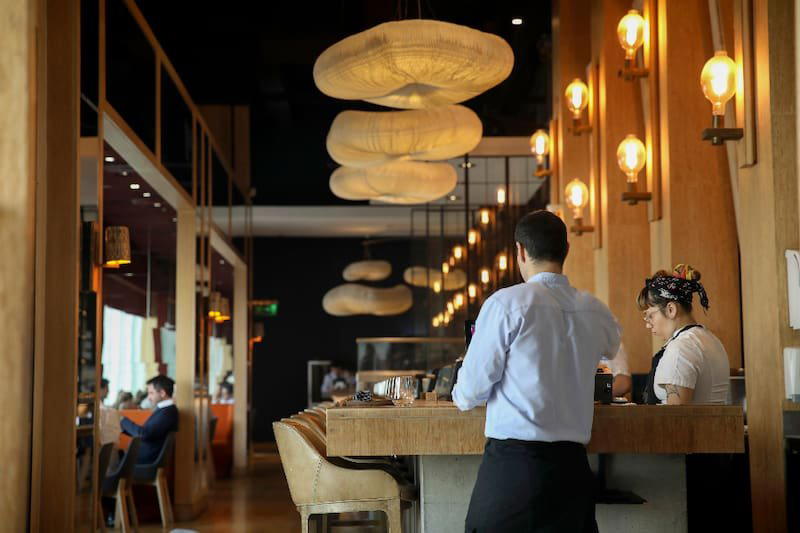
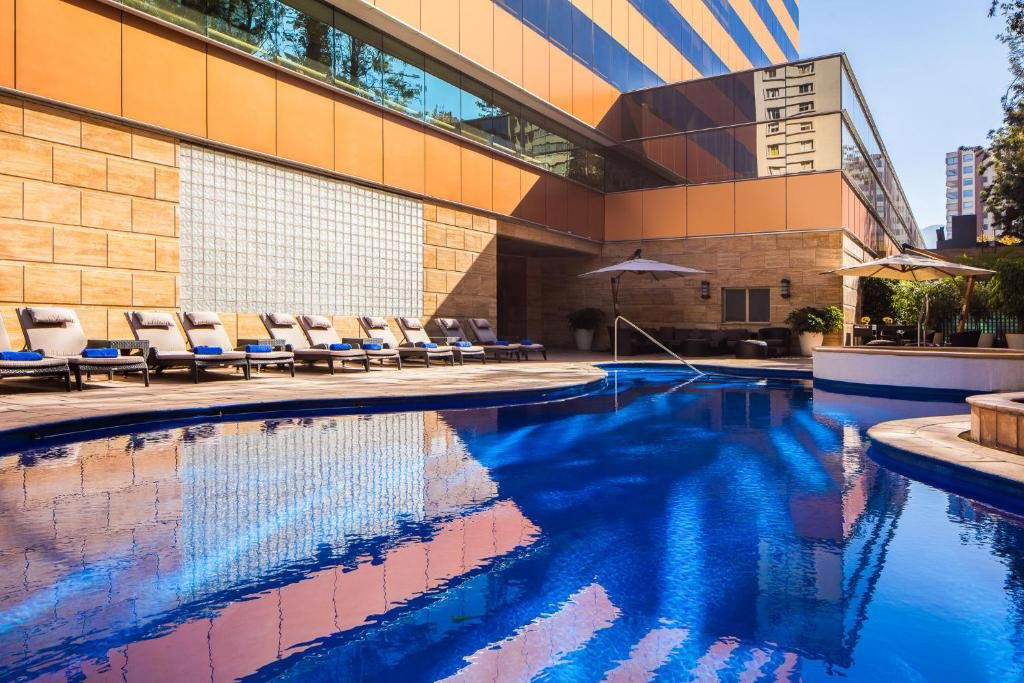
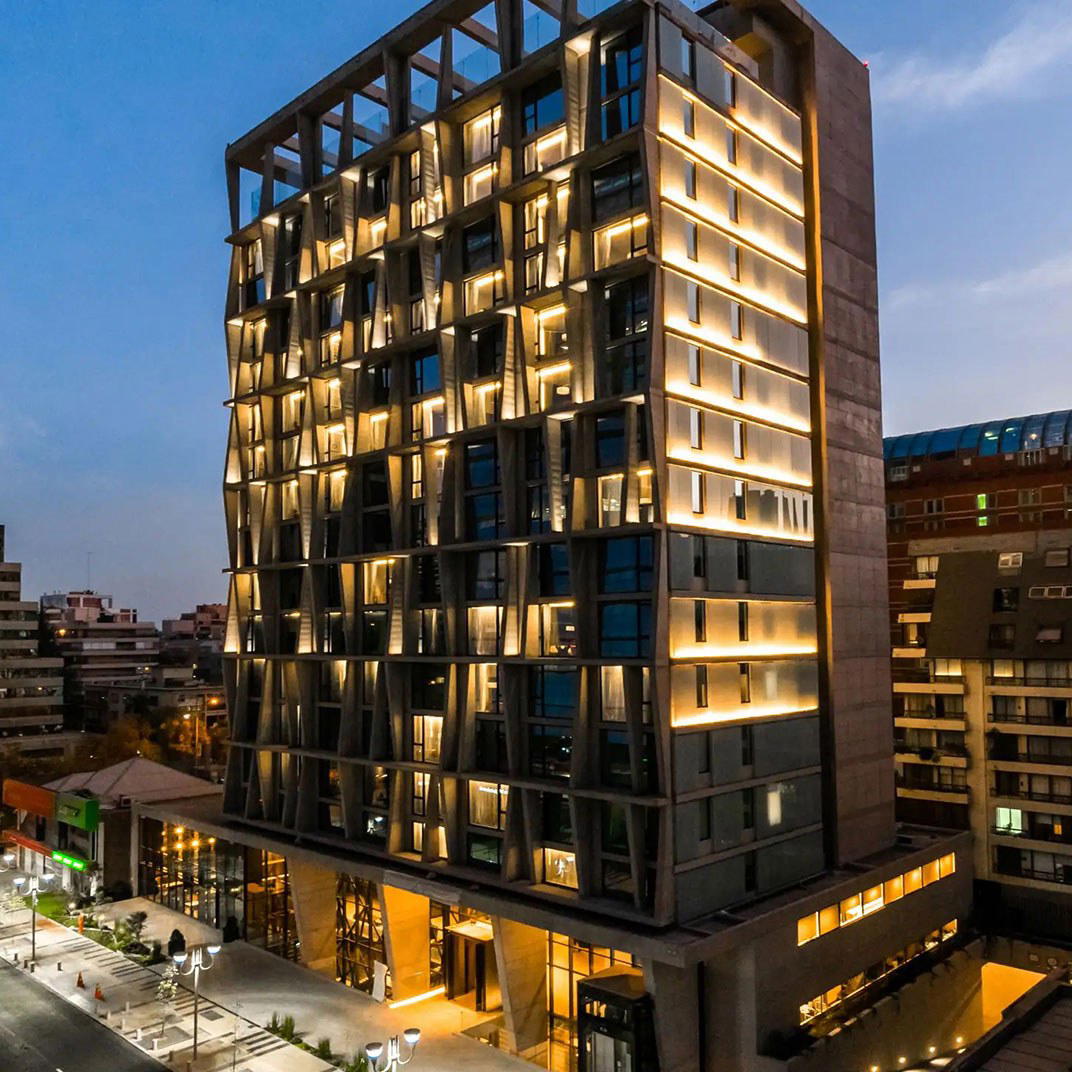
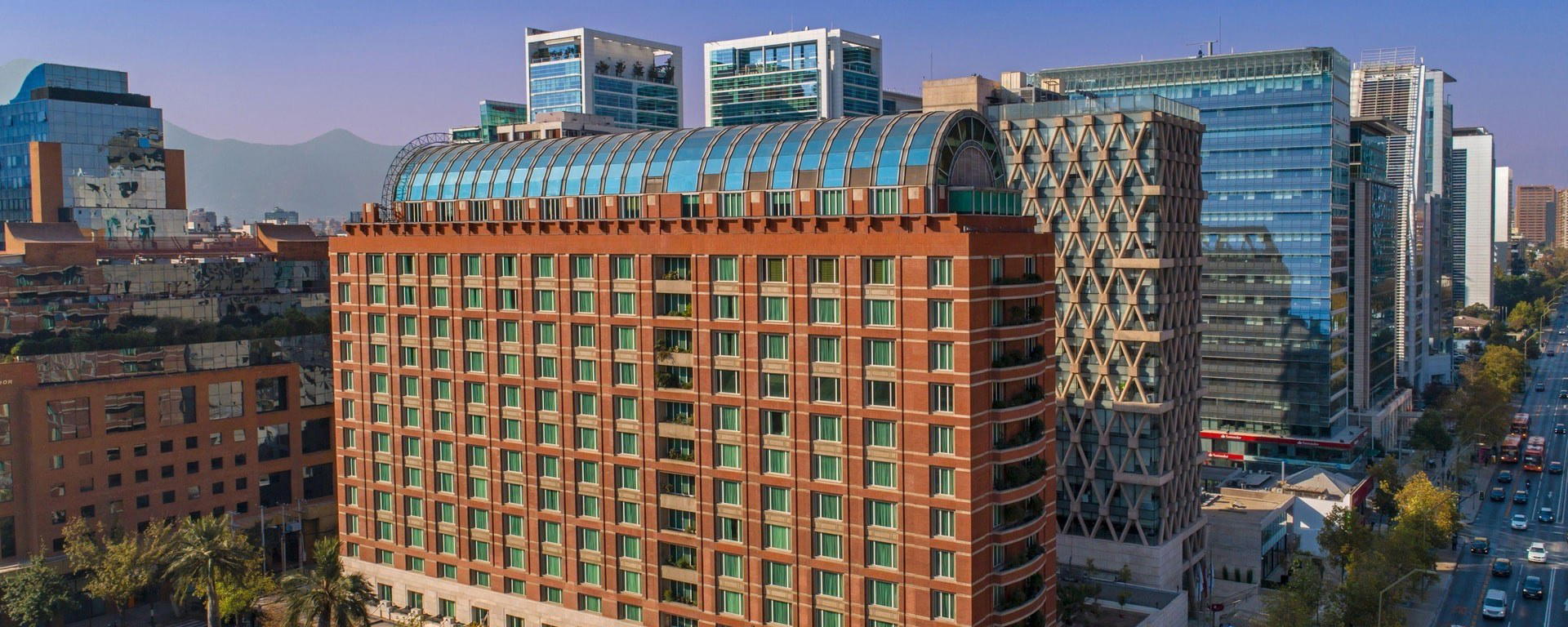
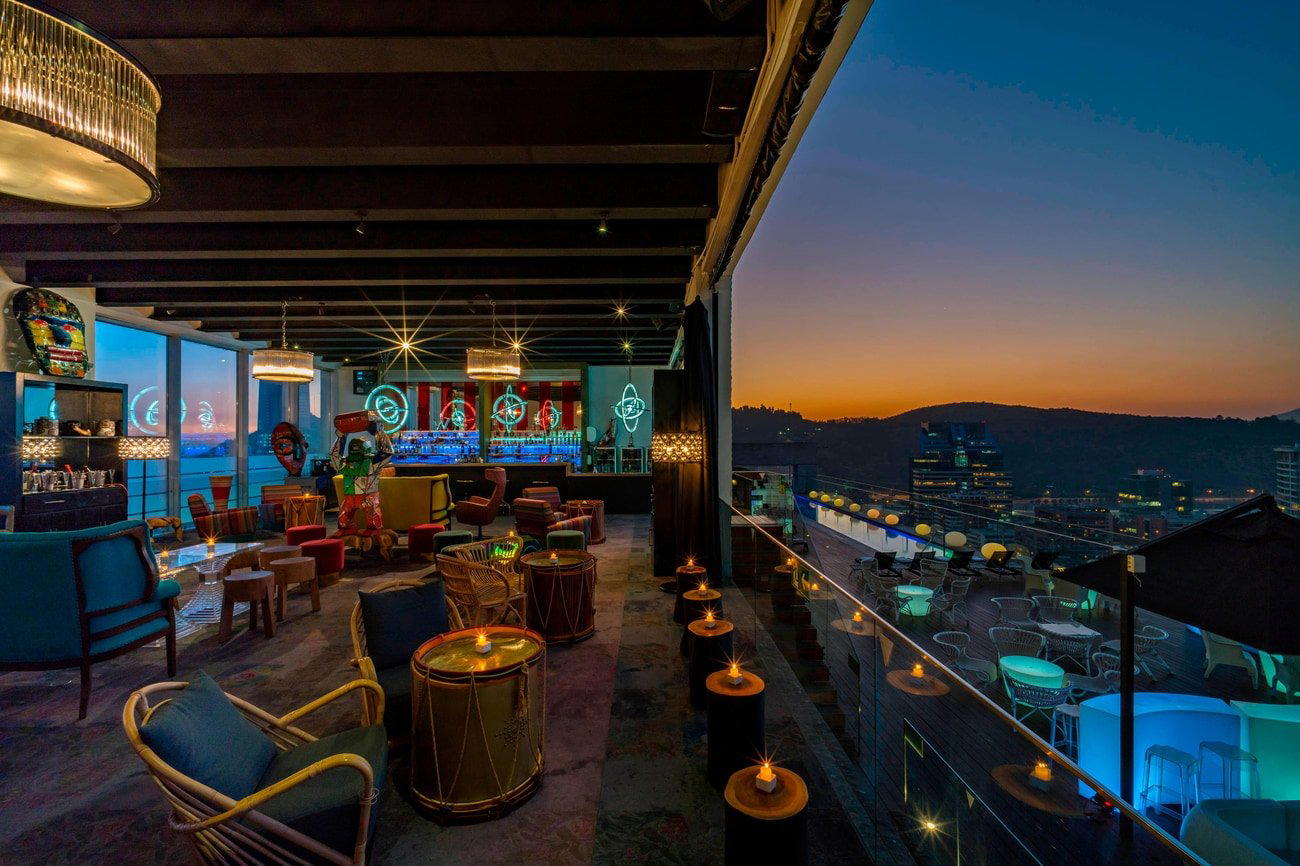
Polished space with lively atmosphere.