Rosario operates out of Rengo, a market town in Chile's O'Higgins Region where the agricultural rhythms of the Cachapoal Valley set the terms for what ends up on the plate. The surrounding farmland and wine country create a dining context quite different from Santiago's polished restaurant circuit, with ingredient sourcing shaped by proximity rather than prestige. For travellers moving through central Chile's wine corridor, Rengo offers a grounded alternative to the region's estate dining rooms.
Pearl is the En Primeur Club membership app — saves, bookings, and concierge access live there. Same editors, same standards.
- Address
- Doñihue, O'Higgins, Chile
- Phone
- +56 9 9376 9552
- Directions
- Get directions
 Saves & bookings on Pearl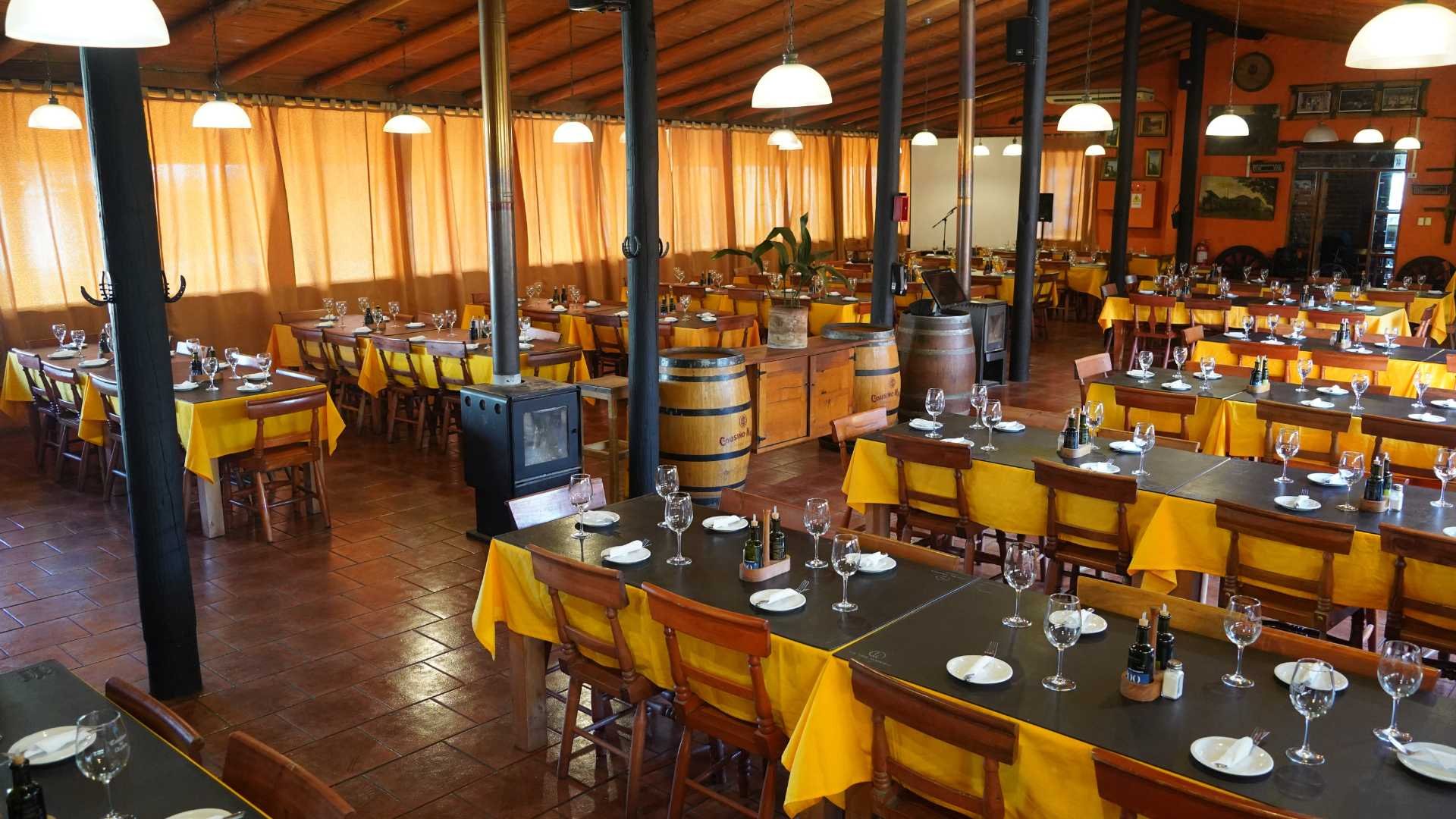
Where the Cachapoal Valley Sets the Menu
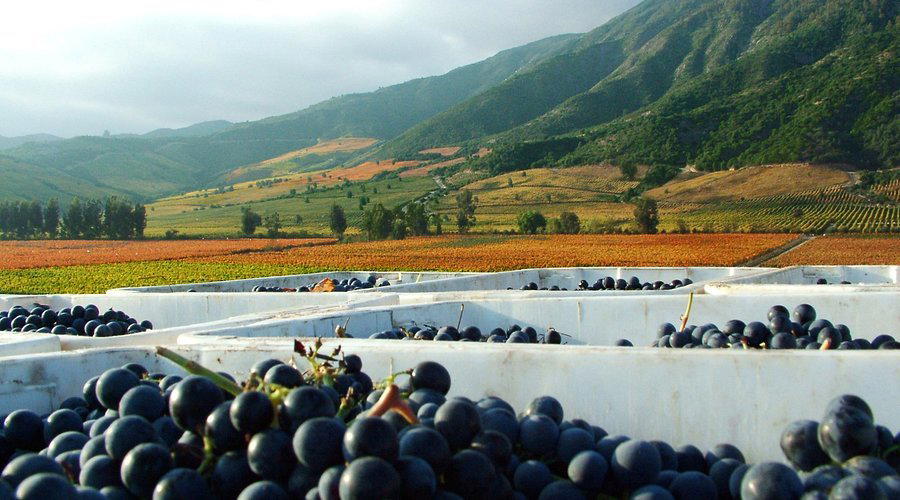
The O'Higgins Region sits roughly 130 kilometres south of Santiago, and the agricultural character of the Cachapoal Valley is hard to miss once you leave the Panamericana. Rengo is a working market town, and that distinction matters when thinking about what local dining here actually represents. The produce moving through this area, stone fruits, table grapes, wheat, and the cattle raised across the valley floor, feeds both the regional economy and the kitchens that operate within it. At Rosario, that agricultural proximity is the baseline condition of the food, not a marketing angle layered on top of it.
This is the broader pattern across smaller Chilean cities in the central valley: restaurants that survive on local patronage rather than tourist footfall tend to work with what the surrounding land produces, because the supply chain demands it and the clientele expects it. The Cachapoal and Colchagua valleys together form one of Chile's most productive agricultural and viticultural corridors, which means ingredient quality in this zone is structurally higher than the town's profile might suggest to an outsider arriving for the first time. For context on how Chile's wider restaurant scene interprets this same regional produce at a higher level of abstraction, Boragó in Santiago represents the documented attempt to build a fine-dining language around native and foraged Chilean ingredients, while Peumayen in Providencia draws on indigenous food traditions from across Chile's regions.
The Agricultural Corridor and What It Means for the Plate
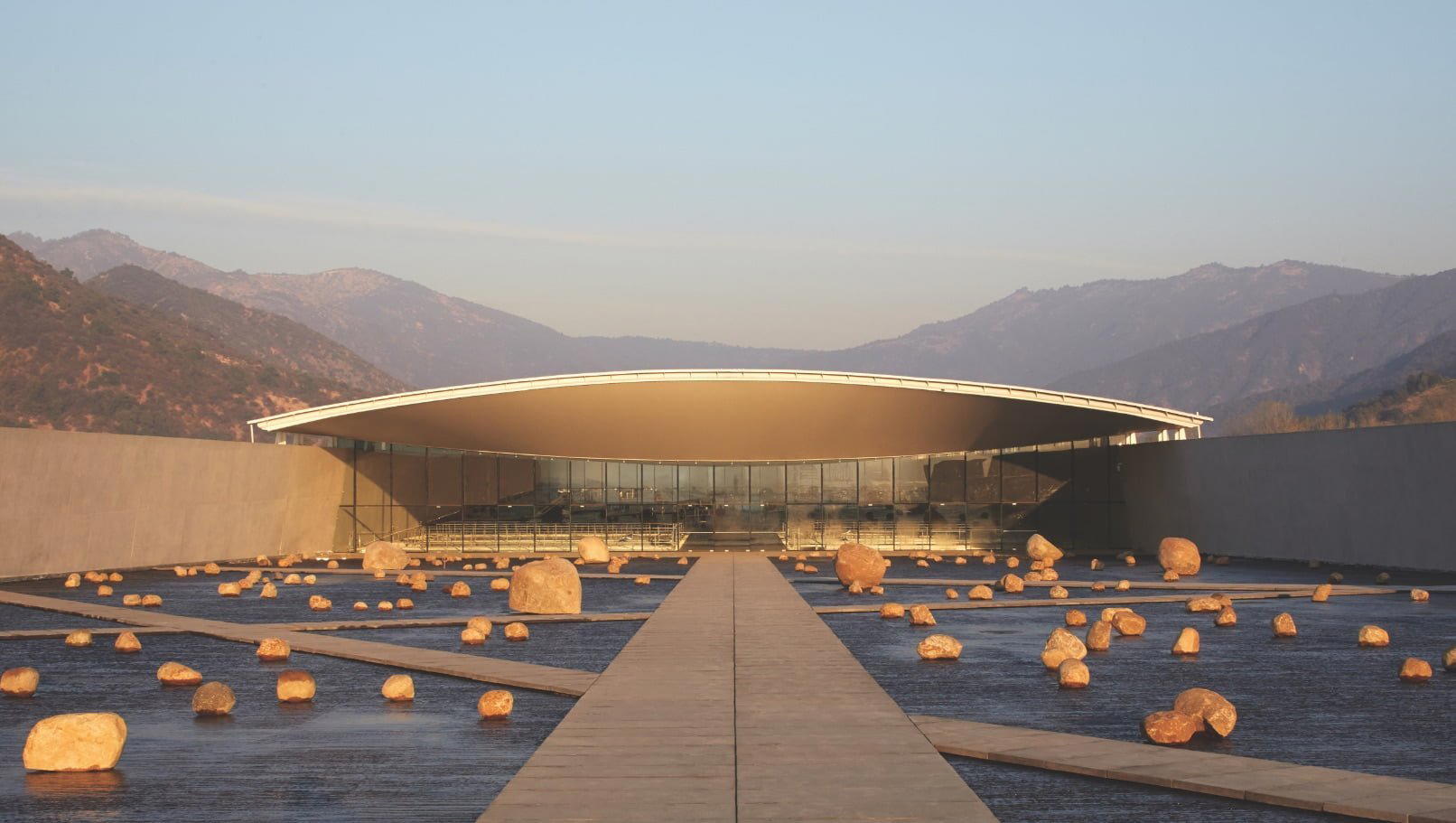
Central Chile's wine corridor has attracted a different category of dining destination along its estate properties. Operations like Lapostolle Residence in Santa Cruz and Clos Apalta Residence in Valle de Apalta anchor their menus to the winery experience and price accordingly. VIK takes a similar approach from a luxury lodge position. These are estate formats, where the dining room is part of a wider hospitality proposition built around wine tourism.
Rengo operates outside that format. The town's restaurant scene serves a different population, and Rosario sits within a more everyday register of central Chilean dining, where the sourcing is local by default and the frame of reference is regional rather than international. The Cachapoal Valley's vineyards are close enough that local wine pours naturally at the table, and the farming land surrounding the town means meat and produce arrive without the extended supply chain that Santiago kitchens manage. That structural difference, short supply lines and a local clientele, tends to produce cooking that is direct rather than elaborate. For travellers familiar with the estate dining circuit further south in Colchagua, Rosario represents a different register entirely.
Comparison venues in the O'Higgins Region and central Chile confirm how varied the dining formats are across a relatively compact geography. Viña Concha y Toro in Pirque pairs its dining with Chile's most visited winery, while D.O. Restoran in Lo Barnechea interprets regional Chilean produce through a more structured tasting format closer to Santiago. Rosario's position in Rengo places it away from both of those poles.
Rengo as a Base for the Central Valley
For travellers moving through central Chile, Rengo functions as a practical stop along the route between Santiago and the Colchagua Valley. The town sits on the Panamericana, making it accessible without requiring the detours that many of the region's wine estate destinations demand. The surrounding countryside, particularly the irrigated agricultural flatlands of the Cachapoal basin, give the area a character distinct from the drier hillside terrain that defines much of Colchagua further south.
The central valley corridor as a whole has seen growing interest from travellers who want to experience Chile's wine regions without limiting themselves to the established estate circuit. Smaller towns like Rengo, San Fernando, and Rancagua offer a ground-level view of how the valley actually functions as an agricultural system, not just a wine tourism product.
Further afield across Chile's dining geography, the range is considerable. Awasi Atacama in San Pedro de Atacama operates at the extreme north of the country, where ingredient sourcing means working around altitude and desert conditions. Awasi Patagonia in Torres del Paine faces the opposite constraints, with Patagonian lamb and cold-water seafood defining the sourcing logic. andBeyond Vira Vira in Araucanía works from a volcanic lake region that produces ingredients unlike anything available in the central valley. Central Chile's agricultural abundance sits as a middle ground between those extremes, with a variety and consistency that more remote regions cannot match year-round.
Coastal dining along the central Chilean littoral follows different sourcing logic, built around Pacific seafood. Aquí Jaime in Concon and Pasta e Vino Ristorante in Valparaiso work within that coastal register. Rengo's inland position puts it firmly in the meat, grain, and stone fruit tradition of the Andean foothills farming belt rather than the seafood-led cuisine of the coast, which is roughly 120 kilometres to the west.
For travellers with more time in Chile's restaurant circuit, the contrast between Rengo's everyday dining register and higher-production venues like Naoki in Vitacura or CasaMolle in El Molle illustrates how wide the range of formats and intentions actually is across Chilean dining.
At-a-Glance Comparison
Comparable venues nearby, for context on price, style, and recognition.
| Venue | Cuisine | Price | Notes |
|---|---|---|---|
| RosarioThis venue — the venue you are viewing | Traditional Chilean | $$ | Not listed |
| Las Cabras - Fuente de Soda | Chilean Fuente de Soda | $$ | Barrio Plaza la Alcaldesa |
| Restaurante "El Rápido" | Traditional Chilean Empanadas | $$ | Santiago Centro |
| Restaurant Dona Inés | Barbecue Specialties | $$ | Centro |
| 99 Restaurante | Modern Chilean Bistronomy | $$$ | Providencia |
| Gregoria Cocina | Authentic Argentine Cocina | $$ | Vitacura |

At a Glance
- Rustic
- Classic
- Family
- Group Dining
- Casual Hangout
- Historic Building
Current opening hours
- Monday
- 12–5 PM
- Tuesday
- 12–5 PM
- Wednesday
- 12–5 PM
- Thursday
- 12–5 PM
- Friday
- 12–5 PM
- Saturday
- 12–5 PM
- Sunday
- 12–5 PM
Hours can change for holidays and private events. Last verified .
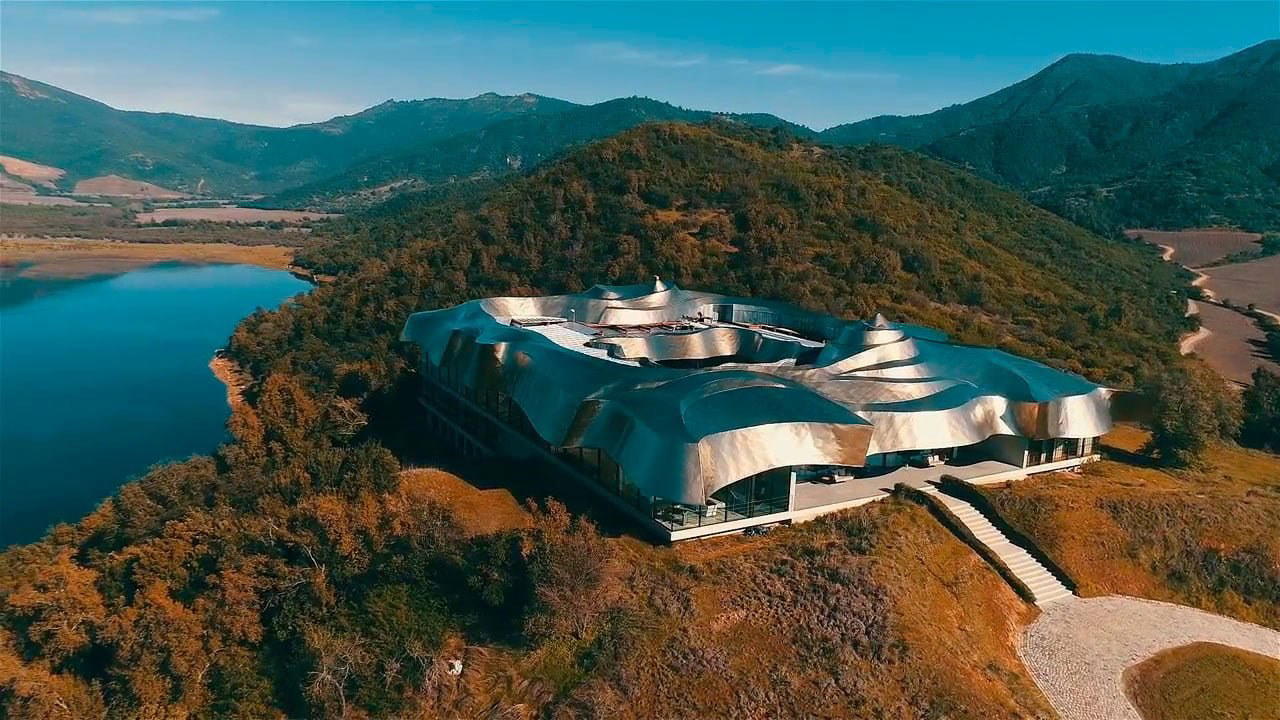
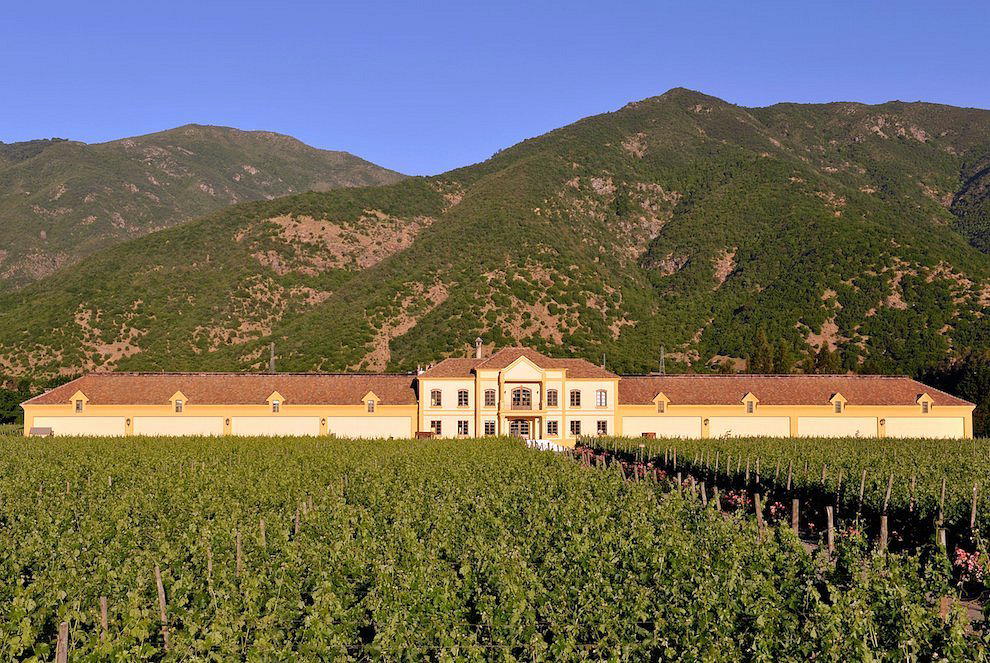
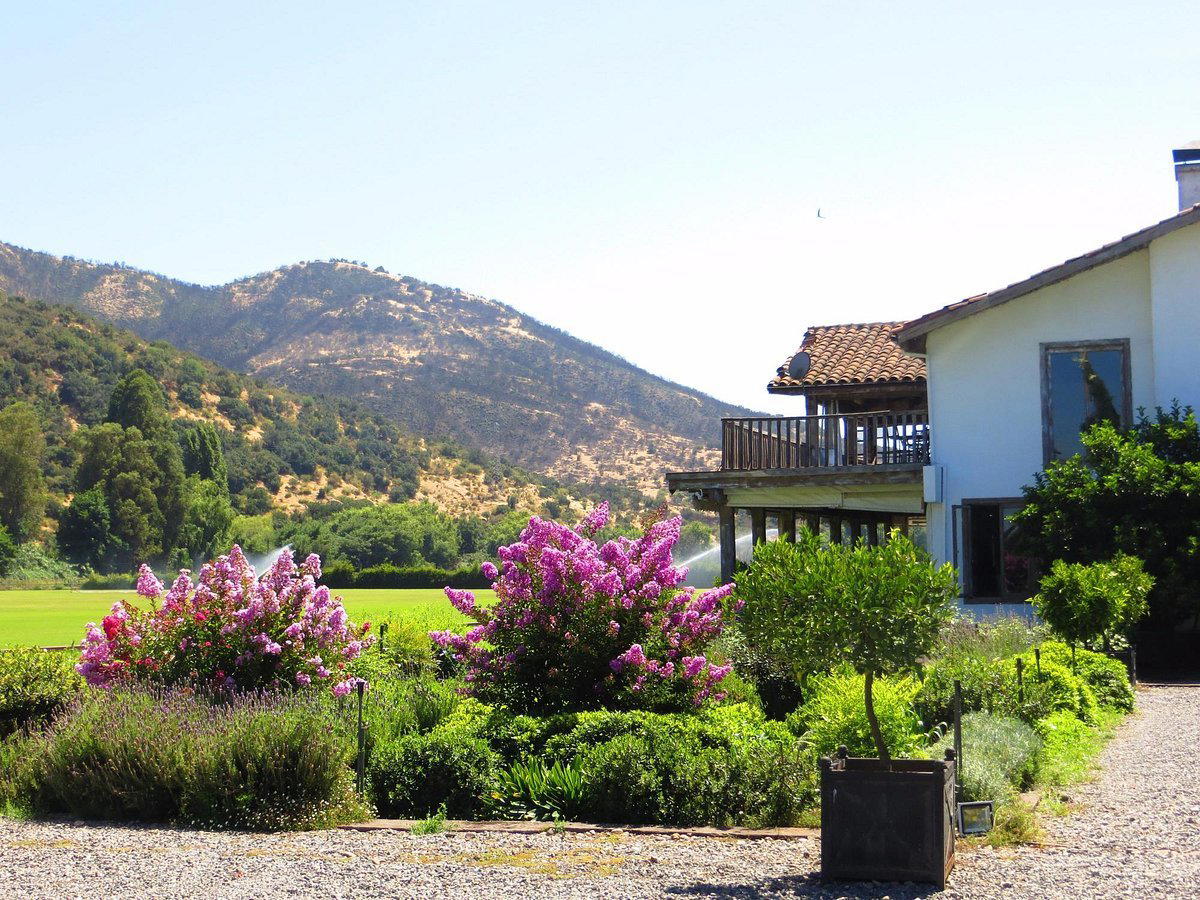
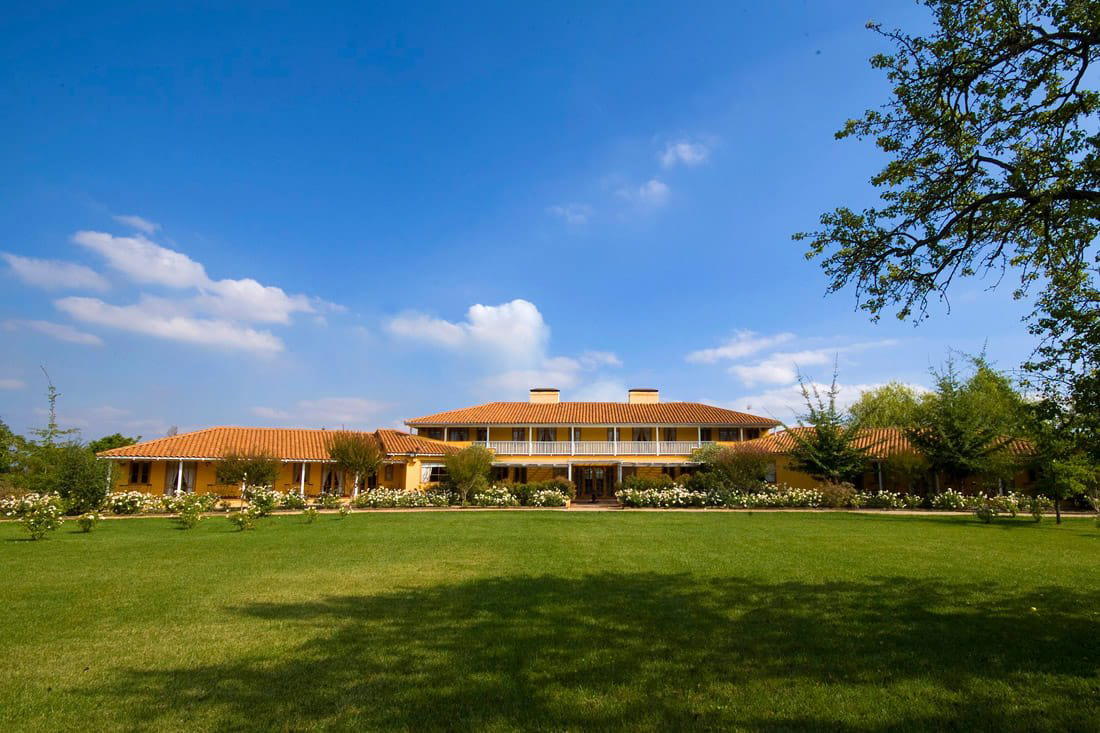
Multiple dining rooms with Chilean murals, colonial-style decor, and a warm, homey atmosphere.