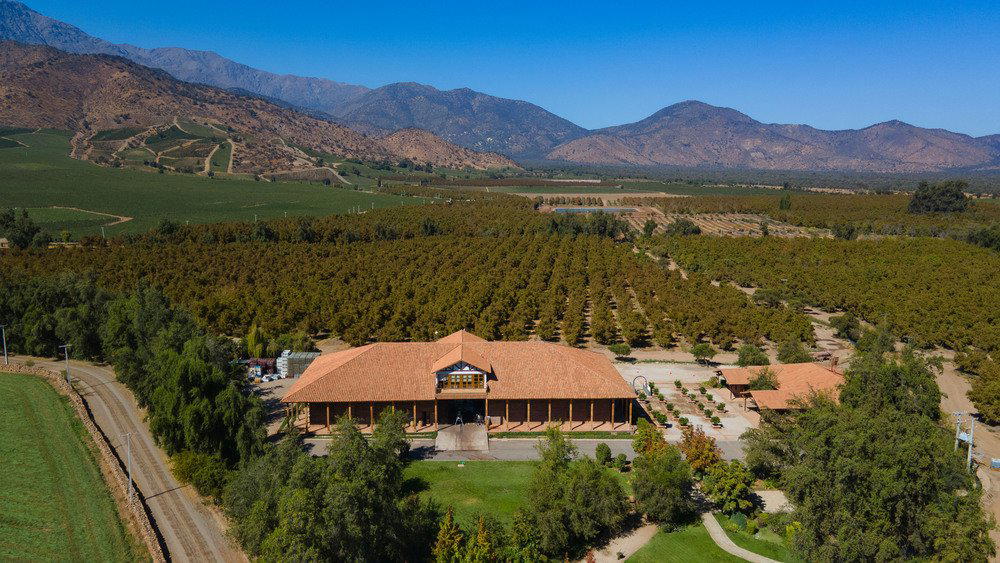
"The Devil Lives in Chile As an avid wine lover, I make it a point to visit various wine regions around the world. When I came across a place like Concha y Toro, and their sprawling caves of wine, I couldn't help but feel that I had stumbled upon a little slice of heaven. Located in Pirque, in the Maipo Valley, 45 minutes outside of of Santiago, Concha y Toro has steadily been making wine since it was originally established back in 1883. Upon arriving, visitors are instantly taken on a fantastic tour of the grounds. You begin in the tasting room, where you sample a few of their choice selections of white wines. The tour will then take you around the grounds, through the vineyards, and eventually into bowels of the winery where you will learn about the cellar Casillero del Diablo! Legend has it that the fine wines that reside in the cellar below are not only great libations, but are also eerily protected by the Devil himself. Some will not venture to the cellar, some say they know people who have not returned from the cellar, while others claim to have glimpsed a shadow or a flicker that gave them the chills so they quickly fled back to the safety of the daylight above. I do not know if any of this is true, but I DO know that the selection of reserve reds I tasted at the end of the tour were absolutely divine. As I departed from Concha y Toro, I couldn't help but think that maybe, just maybe, while down in the cellar that we weren't quite alone. Perhaps the Devil lives in heaven after all."
 Discover on Pearl
Pearl is the En Primeur Club membership app — saves, bookings, and concierge access live there. Same editors, same standards.
- Address
- Av. Virginia Subercaseaux 210, Pirque, Región Metropolitana, Chile
- Phone
- +56 9 4625 0525
- Website
- conchaytoro.com
Where the Maipo Valley Begins
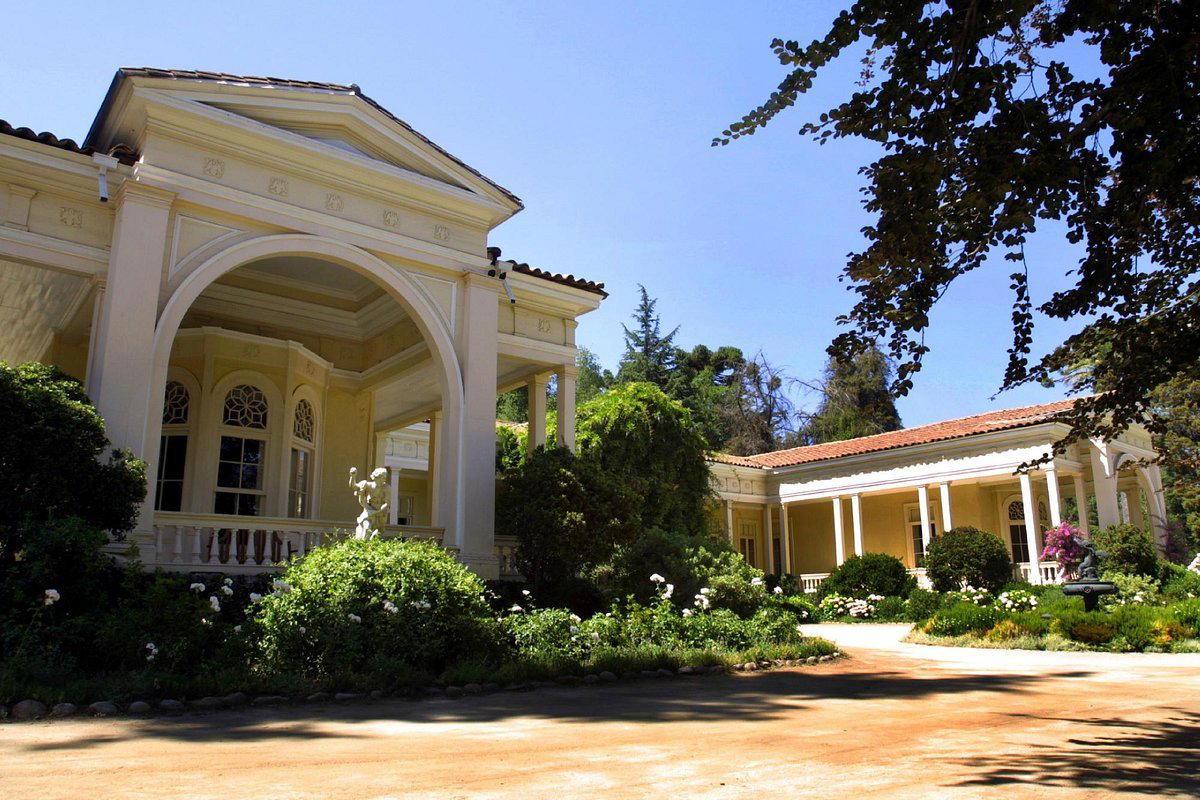
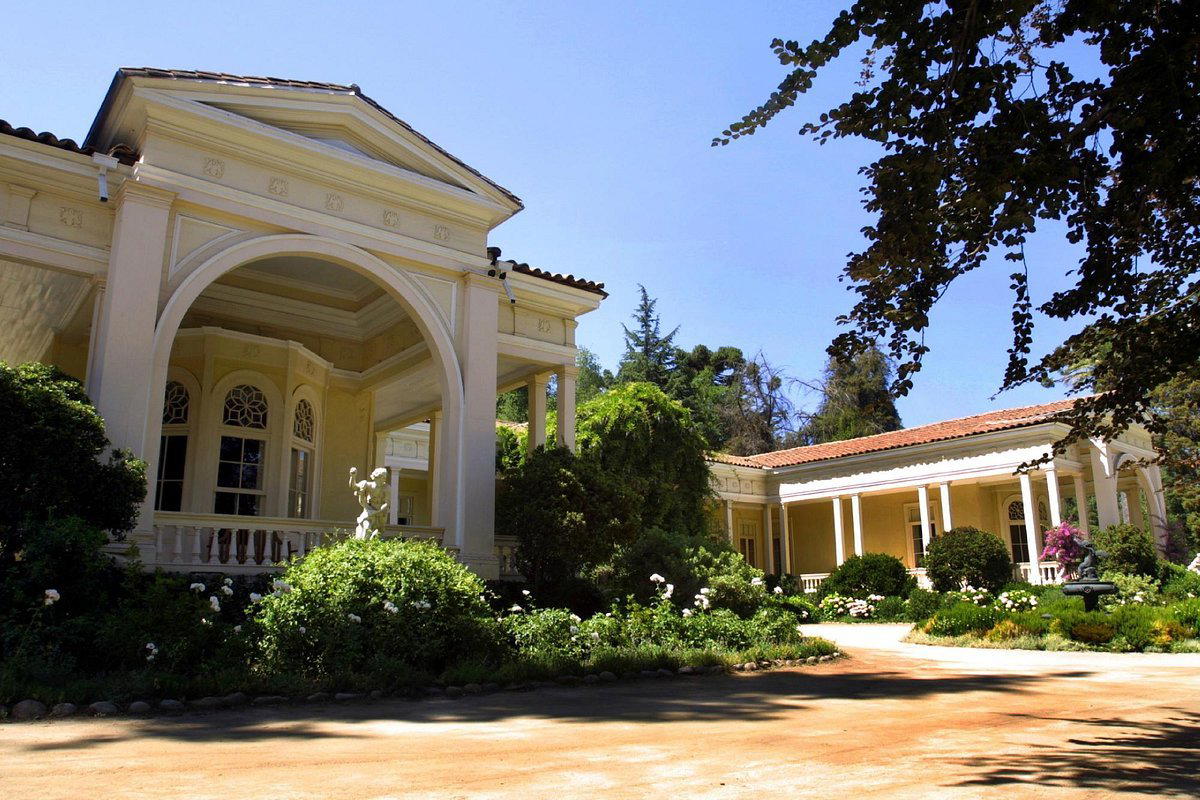
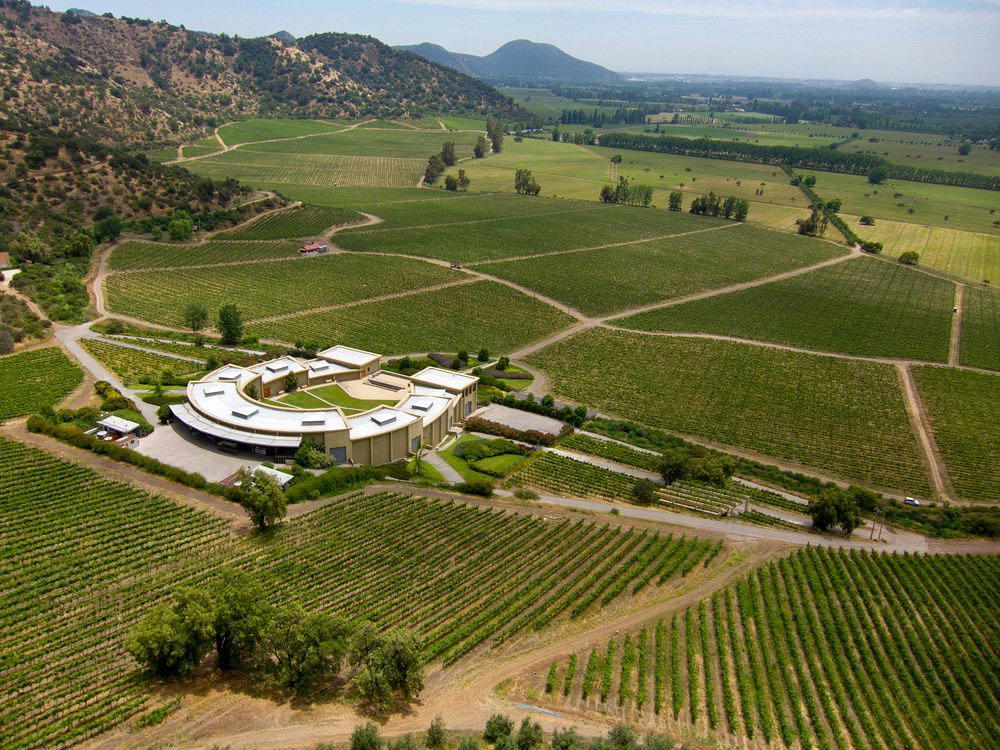
The road into Pirque follows the Maipo River south from Santiago, and the shift from city to agricultural land is abrupt. Within forty minutes of the capital, the valley floor opens into a pattern of vine rows, poplar windbreaks, and clay-tiled winery compounds that has defined this corridor since the mid-nineteenth century. Viña Concha y Toro occupies one of the oldest parcels in this stretch, at Av. Virginia Subercaseaux 210, where the estate grounds function simultaneously as a working winery and heritage site. That dual identity shapes everything about the experience here.
Chilean wine tourism has developed along two distinct tracks in recent decades. On one side, small boutique producers in Colchagua and Casablanca have built intimate tasting rooms oriented around single-vineyard storytelling and appointment-only access. On the other, the country's historic houses have invested in infrastructure capable of receiving substantial visitor numbers without losing the sense that the land itself is the point. Concha y Toro sits firmly in the second category, and its scale, managed well, is an asset rather than a liability. The estate grounds in Pirque give visitors direct contact with the source material for one of Chile's most distributed wine labels, which makes the visit useful in a way that a polished boutique experience sometimes is not: you are seeing where the wine actually comes from. For more context on the broader Pirque wine country scene, see our full Pirque restaurants guide.
The Estate as Landscape Argument
Chilean viticulture's geographic argument is built on isolation. The Andes to the east, the Pacific to the west, the Atacama to the north, and Patagonian cold fronts from the south create a phytosanitary barrier that has kept the country free of phylloxera, allowing ungrafted vines of considerable age to persist in a way that is rare elsewhere. In Maipo, that isolation translates into soils of alluvial gravel and clay over hard bedrock, with Andean snowmelt providing predictable irrigation through the growing season. The Pirque subzone, sitting at slightly higher elevation than the valley floor closer to Santiago, benefits from cooler overnight temperatures that slow ripening and preserve acidity in Cabernet Sauvignon, the grape that has defined this corridor's international identity.
Walking the estate at Concha y Toro makes the soil and microclimate argument visible in a way that a tasting room pour cannot. The vine blocks vary in age and training system, and guided visits typically move through several sections before reaching the cellars, which include stone-built structures dating to the estate's founding era in the 1880s. That longevity of occupation on a single site is less common in Chilean wine country than the industry's relatively recent international reputation might suggest. Nearby, Viña Haras de Pirque offers a different scale of estate experience within the same commune, providing useful comparison for visitors building a Maipo itinerary.
Sourcing Logic and the Casillero del Diablo Cellars
The most visited section of the estate is the historic cellar complex associated with the Casillero del Diablo label, where the nineteenth-century legend of the founder discouraging theft by claiming the cellar was haunted by the devil became part of the property's documented public history. It is the kind of origin story that marketing departments would invent if it did not already exist, but its longevity in Chilean wine culture speaks to how effectively a place narrative can anchor a label across international markets.
More substantively, the cellar infrastructure at Pirque represents a sourcing chain that pulls from multiple Chilean regions, and understanding that chain is part of what a visit here teaches. Concha y Toro operates vineyards across Maipo, Casablanca, Rapel, and further south, and the blending decisions made at a facility of this scale reflect a different kind of winemaking logic than the single-estate model championed by smaller producers like those at Lapostolle Residence in Santa Cruz or Clos Apalta Residence in Valle de Apalta. Neither approach is inherently superior, but the contrast is instructive for anyone trying to read a Chilean wine list with precision.
Placing Concha y Toro in Chile's Broader Table
Pirque sits within a day-trip radius of Santiago's serious restaurant scene, and visitors combining a winery visit with a meal have strong options across the metropolitan region. Boragó in Santiago operates at the sharp end of modern Chilean cuisine, building menus around indigenous and foraged ingredients in a way that directly parallels the sourcing argument that premium Chilean wine has made for decades. Peumayen in Providencia takes a different angle, anchoring its menu in pre-Columbian culinary traditions. Both represent the kind of ingredient-first thinking that Chilean wine country also, at its finest, embodies.
For visitors extending into wider Chilean wine regions, D.O. Restoran in Lo Barnechea offers a wine-integrated dining experience closer to the capital, while the coastal options at Aquí Jaime in Concon and Pasta e Vino Ristorante in Valparaiso pair well with an itinerary that moves west toward the Pacific after Maipo. Further afield, the wine estate hospitality model reaches its most immersive expression at properties like VIK and Awasi Atacama in San Pedro de Atacama, which represent the luxury end of Chilean experiential travel. Awasi Patagonia in Torres del Paine, andBeyond Vira Vira in Araucanía, and CasaMolle in El Molle extend that argument across different Chilean geographies. For value-anchored regional dining, Rosario in Rengo and Fuente Toscana in Ovalle serve as useful counterpoints. Internationally, Le Bernardin in New York City and Lazy Bear in San Francisco illustrate how sourcing precision at the ingredient level translates into dining rooms on the other side of the hemisphere that stock Chilean bottles with increasing seriousness.
Planning a Visit
Pirque is accessible from Santiago by car in under an hour, with most visitors arriving via the Puente Ñuñoa bridge route south through the Maipo valley. The estate at Av. Virginia Subercaseaux 210 receives a high volume of visitors, particularly on weekends between October and March when demand tends to peak. Booking visits in advance is advisable for weekend slots; midweek visits in shoulder months offer a more measured pace. Tour formats vary in depth from general estate walks to cellar-focused experiences.
At-a-Glance Comparison
Comparable venues nearby, for context on price, style, and recognition.
| Venue | Cuisine | Awards |
|---|---|---|
| Viña Concha y ToroThis venue — the venue you are viewing | ||
| Boragó | Modern Chilean | World's 50 Best |
| Ambrosia | French - Chilean | |
| La Calma by Fredes | Seafood | World's 50 Best |
| Awasi Atacama | Latin American | |
| CasaMolle | Chilean Fusion |
Continue exploring
More in Pirque
Restaurants in Pirque
Browse all →

Bars in Pirque
Browse all →


Hotels in Pirque
Browse all →
At a Glance
- Elegant
- Scenic
- Rustic
- Sophisticated
- Special Occasion
- Celebration
- Business Dinner
- Wine Cellar
- Garden
- Historic Building
- Extensive Wine List
- Sommelier Led
- Sustainable
- Vineyard
- Garden
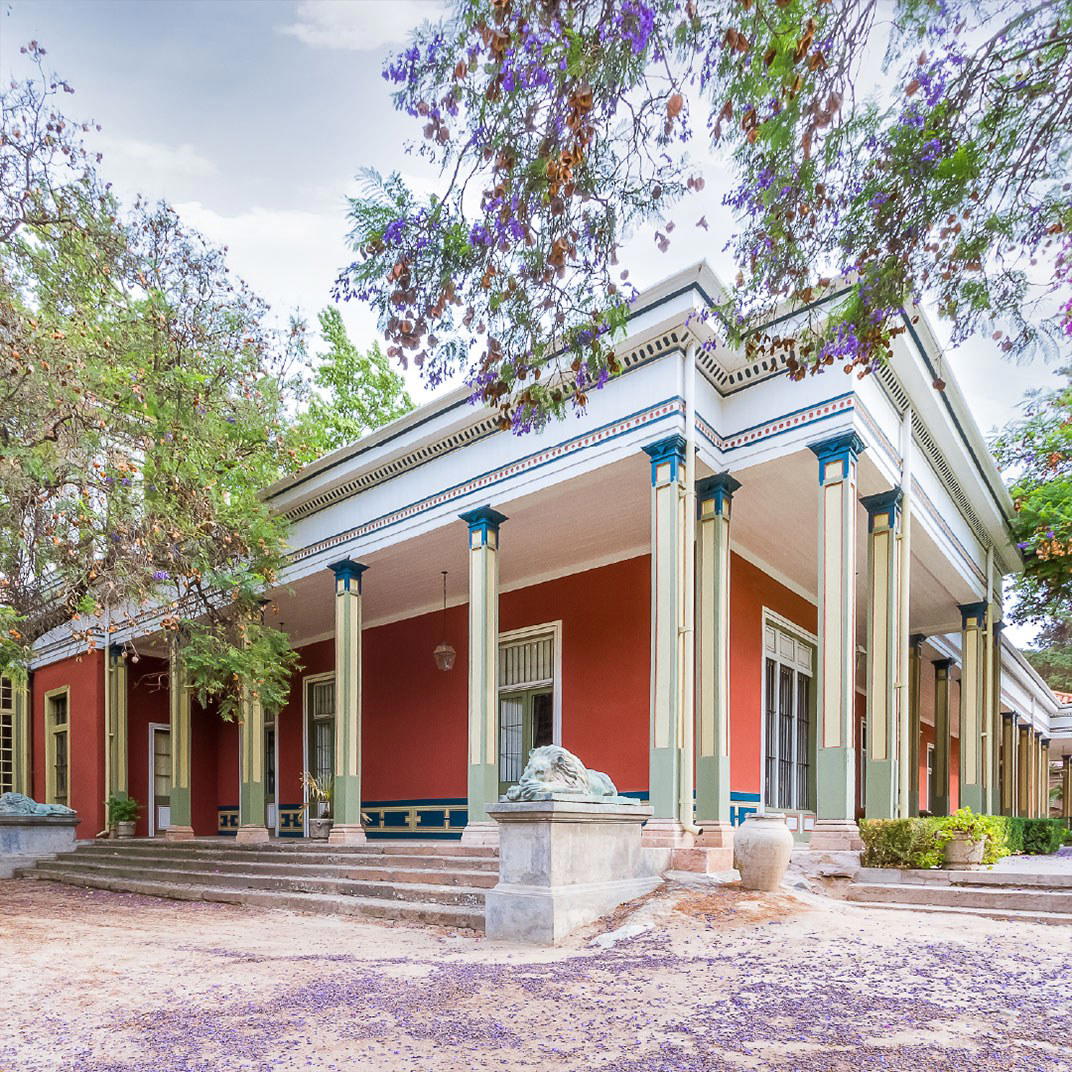
Elegant historic setting with gardens, focused on relaxed eno-gastronomic enjoyment amid vineyards.