

Ambrosia in Santiago is a contemporary French-Latin bistro that pairs market-driven cooking with an intimate, home-like setting. Must-try plates include Foie Gras with mushroom purée, a bright Citrus Ceviche, and Southern Toothfish with asparagus gazpacho and cucumber noodles. The kitchen, led by Chef Carolina Bazán, turns seasonal produce into refined, comforting dishes while sommelier Rosario Onetto curates a focused wine list to match. Ranked No. 30 in Latin America's 50 Best Restaurants in 2019, Ambrosia delivers efficient, warm hospitality in multiple dining rooms of a converted home, offering a relaxed yet polished meal that favors fresh flavors, precise technique, and memorable wine pairings.
Pearl is the En Primeur Club membership app — saves, bookings, and concierge access live there. Same editors, same standards.
- Address
- Pamplona 78, 7650750 Santiago, Vitacura, Región Metropolitana, Chile
- Phone
- +56 2 2217 3075
- Website
- ambrosia.cl
- Directions
- Get directions
 Saves & bookings on Pearl
Vitacura and the French-Chilean Intersection
Vitacura sits in Santiago's northeastern corner, a residential district where wide streets give way to low-rise commercial blocks and the occasional converted house running as a restaurant. The neighbourhood draws a professional crowd, and the dining here tends toward the considered rather than the experimental. Within that context, French-Chilean cooking occupies a specific and well-worn niche in the city: it is the idiom through which Chilean produce has historically been interpreted for a fine-dining register, translating local ingredients through classical technique rather than through the indigenous recovery projects that define somewhere like Boragó (Modern Chilean).
Ambrosia, at Pamplona 78, represents one of the clearest current expressions of that tradition in Santiago. The address is residential in feel, the kind of setting where the building itself does not announce ambition loudly. What you find inside is a dining room that reads as intimate and considered, a space designed around the premise that the meal, not the room, should hold attention. The hours point to a lunch-and-dinner rhythm from Monday through Saturday, with a later Sunday service.
Produce as the Editorial Frame
French-Chilean cooking, at its most interesting, is not simply European technique applied to South American ingredients. The more compelling argument the format makes is that Chilean terroir, the Central Valley soils, the Andean water sources, the cold Pacific current running up the coast, produces ingredients that hold their own against the canonical European supply chains that classical French cooking was built around. The question any kitchen working in this hybrid register has to answer is whether the local provenance is genuinely doing editorial work on the plate, or whether it is decorative.
At Ambrosia, the Opinionated About Dining assessors made a specific and candid observation: the vegetables are the kitchen's strongest argument. Their 2024 note reads directly on this point, describing the vegetables eaten alongside meat and fish as "tasty, sometimes extremely tasty," while noting that the balance between components is not yet where it might be. That is an editorial stance worth taking seriously. A ranking from OAD is a meaningful data point, not a courtesy. But the assessors' specific note about the vegetable cooking suggests where Ambrosia's provenance argument is most convincing.
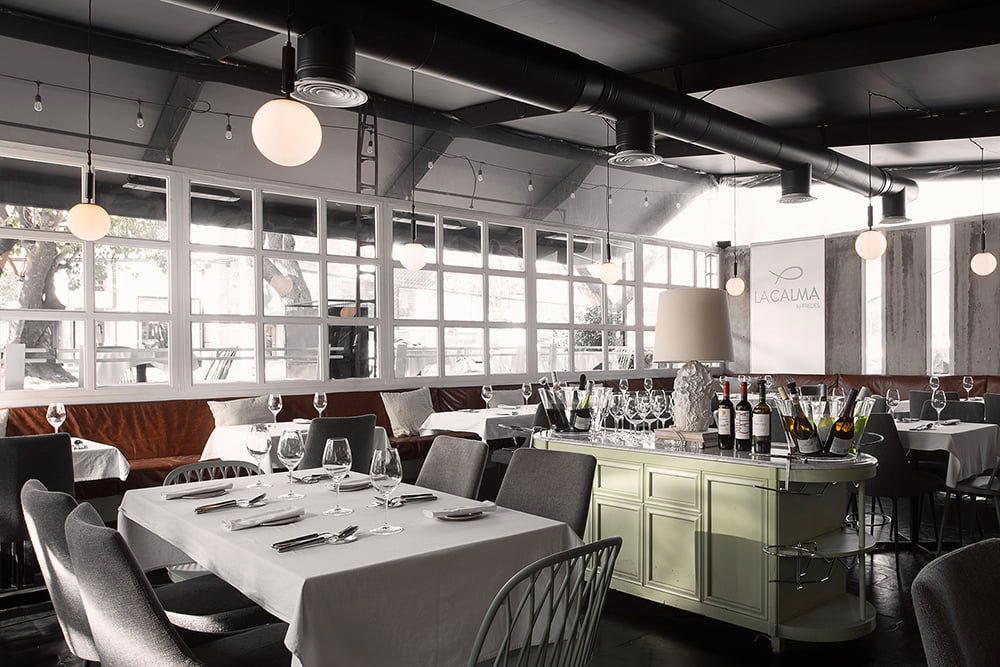
Chilean market produce, particularly in spring and summer when the Central Valley is at full supply, gives kitchens working at this level access to ingredients that need little intervention. The OAD note's implication is that Ambrosia's kitchen handles that produce with real understanding, which, in a French-Chilean context, is the central craft question. For comparison, the coastal focus at La Calma by Fredes (Seafood) makes a different provenance argument, one centred on the Pacific rather than the valley, while Demencia sits in a different register altogether. Ambrosia's specific claim is on land-grown produce filtered through a French technical vocabulary.
Chef Carolina Bazán and the Competitive Tier
Within Santiago's restaurant conversation, Chef Carolina Bazán is among the more discussed figures in the French-Chilean space. Ambrosia fits that tier, and the OAD ranking places it in a comparable set that includes serious regional tables working across Argentina, Peru, and Brazil.
The consistent year-on-year presence in OAD South America rankings is a trust signal worth noting without over-reading. Rankings move, and a five-place shift in a single year within a competitive survey tells you more about the movement of peer venues than about the restaurant's own trajectory. What the sustained presence confirms is that the kitchen is operating at a level that informed, frequent diners return to and report on positively. That is a different, and more useful, credential than a single-year top-ten placement.
For the broader Santiago table, other kitchens working adjacent terrain include Allería in Providencia, while those wanting to extend the conversation into Chile's wider geography might consider Awasi Atacama in San Pedro de Atacama, Awasi Patagonia in Torres del Paine, or the wine-country setting of Clos Apalta Residence in Valle de Apalta. The highland produce argument takes a different form at CasaMolle in El Molle, where the Elqui Valley supply chain shapes the menu in ways structurally similar to what Ambrosia attempts in the city.
The Vitacura Dining Context
Vitacura's restaurant scene does not have the density or neighbourhood-walk quality of Lastarria or Bellavista. It is a district where you go to a specific address for a specific meal, rather than one where the streets reward aimless movement. That changes the decision calculus: Ambrosia is a destination choice, not a fallback.
Those planning around Vitacura might also note Naoki in Vitacura for a Japanese register, or cross into the wine-bar format at Bocanáriz (Wine Bar) for the Chilean bottle list that a French-Chilean meal like this pairs naturally with. For accommodation options while in Santiago, the full Santiago hotels guide covers the range of neighbourhoods and price tiers. The full Santiago bars guide and full Santiago wineries guide round out the post-dinner picture, and the full Santiago experiences guide covers the city's broader cultural programming.
Reservations are recommended for dinner service. The Tuesday through Saturday dinner window runs from 6:30 to 10:00 pm, with lunch service from 1:00 to 4:00 pm on those same days. For those comparing this format against a classical French reference at the global tier, kitchens like Le Bernardin in New York City show how European technique is applied to a different set of local proteins, while the cross-cultural tasting format at Atomix in New York City makes a related but distinct argument about what happens when two culinary traditions share a menu. Further coverage of Casa Las Cujas fills out the wider city picture.
Quick Comparison
Comparable venues nearby, for context on price, style, and recognition.
| Venue | Cuisine | Price | Notes |
|---|---|---|---|
| AmbrosiaThis venue — the venue you are viewing | Modern Gastro-Bistro | $$$ | Not listed |
| Restaurante Happening | Argentine-Style Steakhouse | $$$ | Las Condes |
| Cívico la moneda | Modern Chilean | $$$ | Centro |
| Divertimento Chileno | Traditional Chilean | $$ | Providencia |
| Dominó Alameda | Chilean Fuente de Soda (Completos) | $$ | Estación Central |
| Confitería Torres | Traditional Chilean | $$ | Centro Histórico |
Recognition history
Dated appearances from independent guides and award organizations, with the underlying list record or original source where available.
Opinionated About Dining Top Restaurants in South America Ranked #46
Opinionated About Dining
We're Smart World 1 Radish
We're Smart World
Opinionated About Dining Top Restaurants in South America Ranked #48
Opinionated About Dining
Opinionated About Dining Top Restaurants in South America Ranked #43
Opinionated About Dining
Continue exploring
More in Santiago
Restaurants in Santiago
Browse all →
Bars in Santiago
Browse all →
Hotels in Santiago
Browse all →

At a Glance
- Cozy
- Intimate
- Elegant
- Date Night
- Special Occasion
- Open Kitchen
- Garden
- Extensive Wine List
- Craft Cocktails
- Local Sourcing
- Garden
Current opening hours
- Monday
- 1–4 PM, 6:30–10 PM
- Tuesday
- 1–4 PM, 6:30–10 PM
- Wednesday
- 1–4 PM, 6:30–10 PM
- Thursday
- 1–4 PM, 6:30–10 PM
- Friday
- 1–4 PM, 6:30–10 PM
- Saturday
- 1–4 PM, 6:30–10 PM
- Sunday
- 1 PM–12 AM
Hours can change for holidays and private events. Last verified .
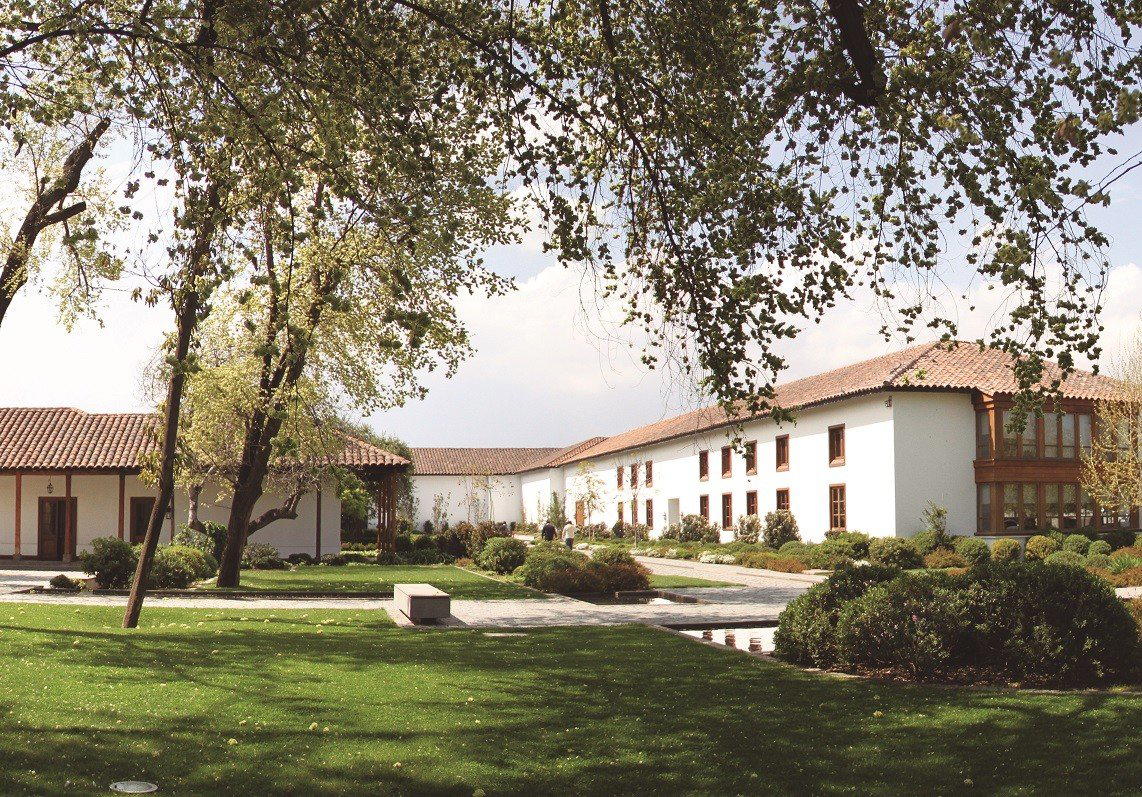
Cozy and welcoming with creative simple decor, relaxed atmosphere, open kitchen views, and pleasant garden porch dining.