Awasi Atacama

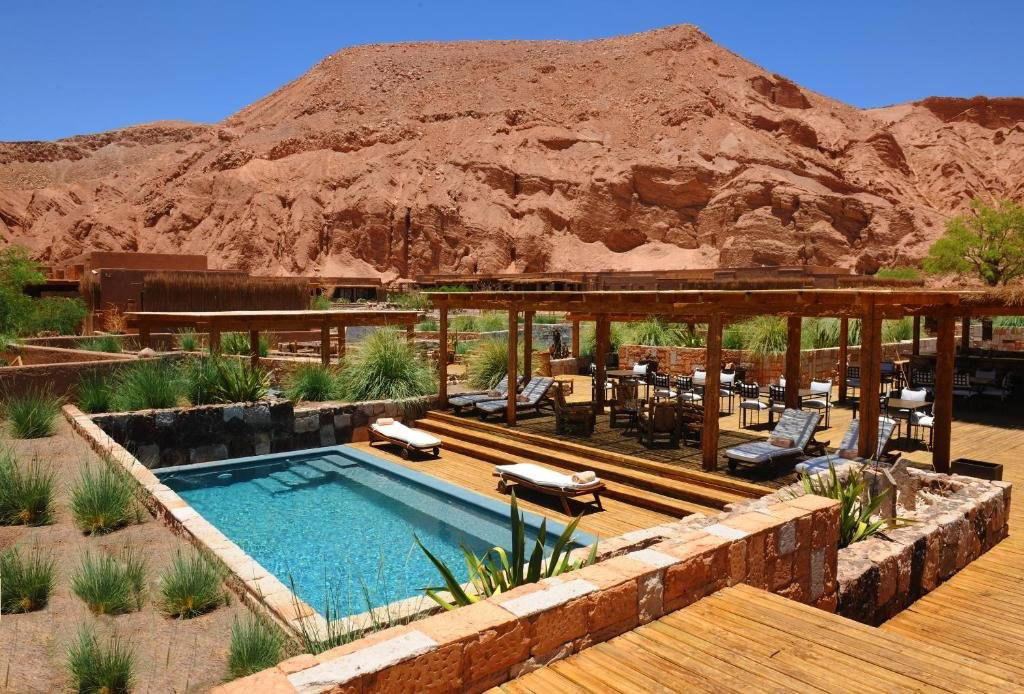
Awasi Atacama sits at the edge of one of the world's driest deserts, operating as an all-inclusive lodge with expert private guides and tailor-made itineraries. Its Latin American kitchen draws on the indigenous agricultural traditions of the Atacama plateau, where altitude, aridity, and Andean corn varieties shape the table as much as any chef does. Rated 4.9/5 by EP Club members and 4.6 on Google across 230 reviews.
Pearl is the En Primeur Club membership app — saves, bookings, and concierge access live there. Same editors, same standards.
- Address
- Toconao 568 San Pedro de Atacama 22°54'44.7"S 68°11'59.1"W, San Pedro de Atacama, Antofagasta, Chile
- Phone
- +56 9 9966 6645
- Website
- pulperia-atacama.com
- Directions
- Get directions
 Saves & bookings on Pearl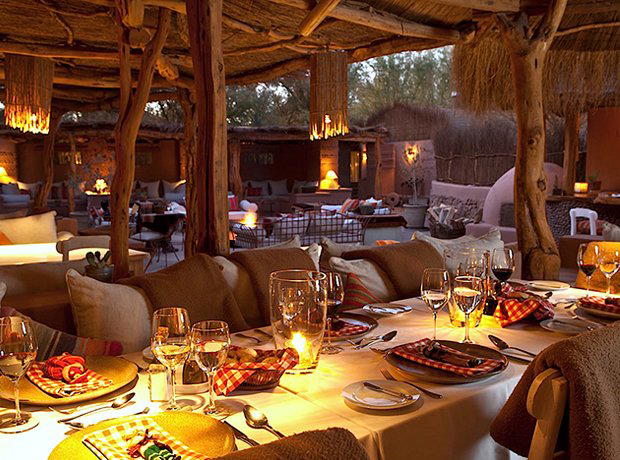
Where the Desert Sets the Table
At 2,400 metres above sea level, the Atacama plateau imposes conditions that have shaped local food cultures for millennia. The extreme aridity that makes San Pedro a destination for astronomers and adventure travellers also determines what grows here and, by extension, what ends up on the plate. Andean corn varieties adapted to high-altitude stress, quinoa, and native legumes are not culinary affectations at this latitude; they are what the land has always produced. Any kitchen operating seriously in this environment takes those ingredients as its starting point, not its garnish.
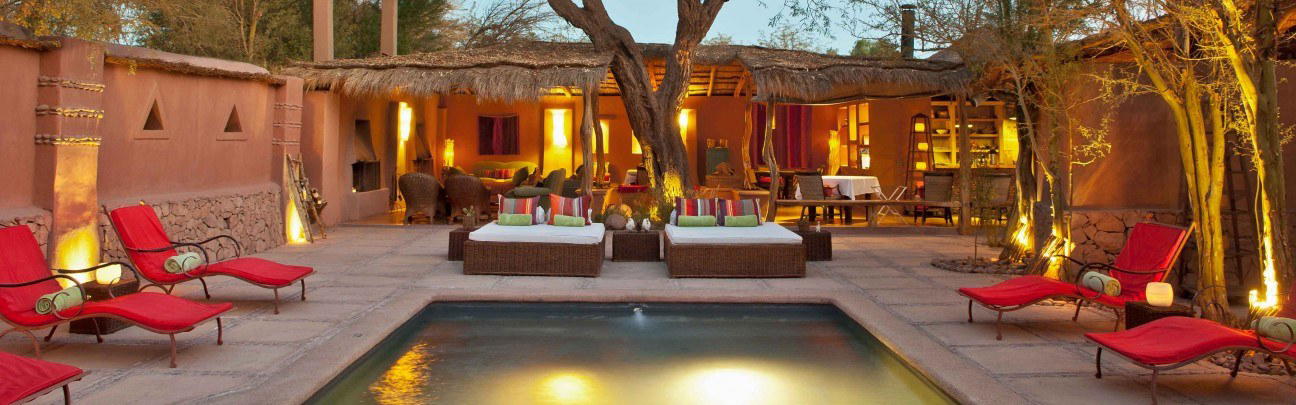
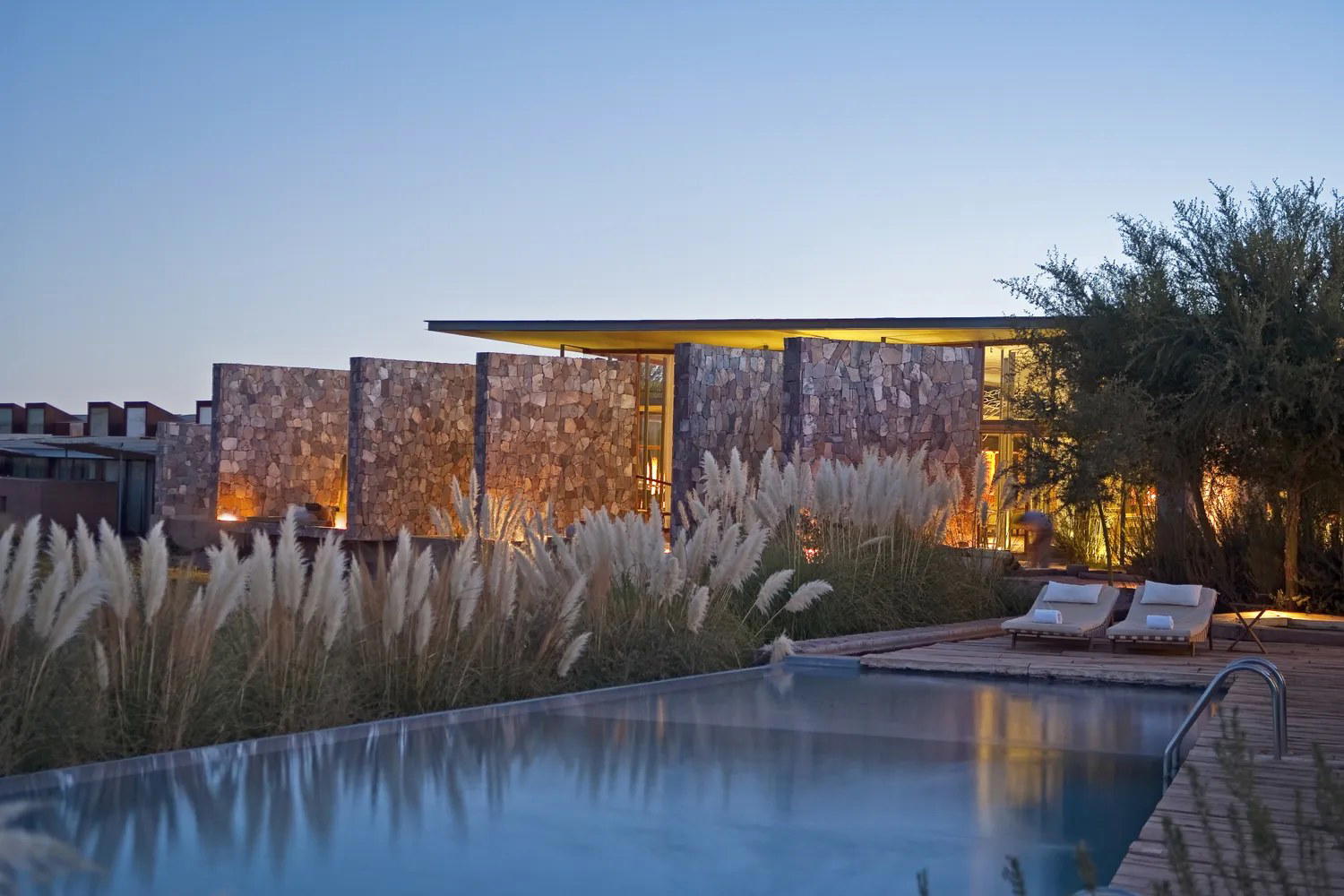
Awasi Atacama is a restaurant in San Pedro de Atacama, Chile, with. Awasi Atacama, located at Toconao 568, two streets south of San Pedro's town centre, positions itself within that logic. The all-inclusive lodge model it operates is common among premium desert and wilderness properties globally, but in the Atacama context it carries specific weight: the nearest significant city is Calama, roughly 96 kilometres north, which means the kitchen and the broader guest experience are genuinely self-contained. What you eat here is part of the same architecture as where you sleep and what you do during the day.
The Atacama Table and Its Andean Foundations
The corn traditions of the Andean altiplano predate Spanish colonisation by several thousand years. Nixtamalization, the alkaline processing of dried corn that unlocks nutritional value and transforms texture, spread from Mesoamerica but found parallel expression across South American highland communities who developed their own techniques for preparing masa and dried grain. At altitude in northern Chile, dried and ground corn appears in preparations that have no direct equivalent in the lowland Chilean cooking most international visitors know from Santiago.
Heirloom corn varieties grown in the quebradas and oases of the Atacama region carry flavour profiles shaped by mineral-dense soils and intense UV exposure. The same conditions that bleach the landscape concentrate sugars and starches in ways lowland cultivation cannot replicate. This is not marketing language; it is basic plant physiology, and it is why chefs working across the Andean corridor from Cuzco to Santiago have spent the last decade sourcing from altitude farmers rather than central distribution networks. Awasi Atacama's Latin American kitchen operates within that broader shift toward Andean ingredient specificity.
For context on how the broader Chilean fine-dining conversation handles these ingredients, Boragó in Santiago has made indigenous Chilean flora and native fermentation central to its identity for years. Allería in Providencia represents a different point on the same spectrum. What happens at altitude in San Pedro is a different register entirely: less about refinement for its own sake, more about proximity to the source.
The Lodge Format and What It Changes
All-inclusive lodge dining in a remote desert setting differs structurally from restaurant dining in several ways that matter to the guest experience. Menus are typically fixed or semi-fixed across a stay, which means the kitchen has latitude to build dishes around what is available or delivered rather than maintaining a consistent à la carte offer. The private guide model that Awasi operates, with tailor-made itineraries for each guest, extends into the table: meals are framed by the day's activities, the time of return from expeditions, and the energy levels of guests who have spent hours at altitude.
This is the same model Awasi applies at its Patagonian property. Awasi Patagonia in Torres del Paine operates under comparable logic in a different biome, and the comparison is instructive: both properties treat the table as an extension of the landscape rather than a separate amenity. In the Atacama, that means engaging with Atacameño food traditions, northern Chilean ingredients, and the altitude-adapted agriculture of the quebrada communities surrounding San Pedro.
Ratings at this level, sustained across two distinct platforms, typically reflect consistency in execution rather than a single strong experience.
Latin American Dining Beyond the Atacama
The Latin American cuisine category spans an enormous range of traditions, techniques, and price points. For travellers moving between the Atacama and other destinations where this cuisine appears in different forms, the contrast is worth understanding. Mono in Hong Kong applies Latin American technique in a metropolitan fine-dining frame. Imperfecto: The Chef's Table in Washington, D.C. takes the chef's table format toward South American influence. ZEA in Taipei and Amazónico in Dubai represent the category's global export format.
What the restaurant offers is the opposite of export: it is Latin American cuisine anchored to one of the continent's most geographically extreme and culturally specific environments. That distinction is not available in any metropolitan setting, regardless of sourcing claims or chef biography. The altitude, the aridity, the proximity to Atacameño cultural sites, and the isolation from supply chain abundance are structural conditions, not design choices.
Other properties in the wider region offer points of comparison for travellers building a Chilean itinerary. CasaMolle in El Molle and Clos Apalta Residence in Valle de Apalta each represent the lodge-dining model in Chilean wine country, where the ingredient logic is different but the embedded-in-landscape principle is comparable. Naoki in Vitacura sits at the opposite end of the Chilean hospitality spectrum, a Santiago address with a formal urban identity.
The restaurant offers a reservation-essential dining experience in San Pedro de Atacama.
For Latin American dining in other contexts, 6.8 Palopó in Santa Catarina Palopó, Almacita in Valence, and Amara in Miami represent the category across different geographies and formats.
Comparison Snapshot
Comparable venues nearby, for context on price, style, and recognition.
| Venue | Cuisine | Price | Notes |
|---|---|---|---|
| Awasi AtacamaThis venue — the venue you are viewing | Modern Chilean Fine Dining | $$$$ | Not listed |
| Aquí está Coco Restaurante | Traditional Chilean Seafood | $$$$ | Vitacura |
| Restaurant Dona Inés | Barbecue Specialties | $$ | Centro |
| Restaurant Comida China | Chinese | $$ | Centro |
| Izakaya Kotaro | Authentic Japanese Izakaya | $$$ | Hanga Roa |
| Aqui Esta Coco | Chilean Seafood | $$$ | Vitacura |
Recognition history
Dated appearances from independent guides and award organizations, with the underlying list record or original source where available.
Relais Chateaux Award
Relais Chateaux
Continue exploring
More in San Pedro de Atacama
Restaurants in San Pedro de Atacama
Browse all →

Bars in San Pedro de Atacama
Browse all →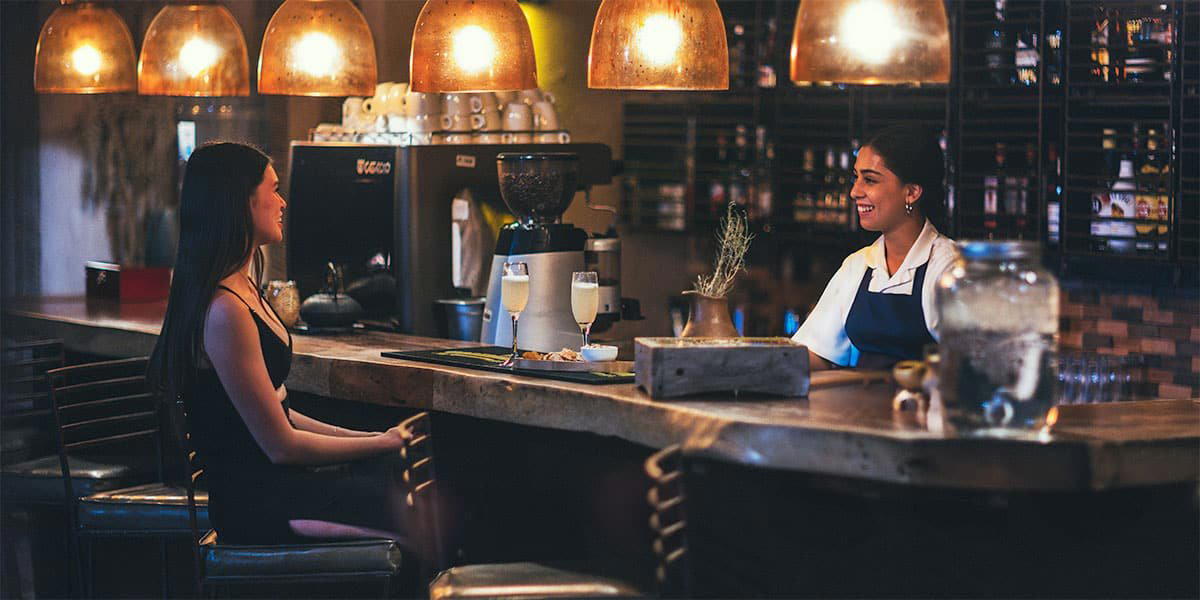

At a Glance
- Intimate
- Elegant
- Rustic
- Scenic
- Sophisticated
- Special Occasion
- Date Night
- Celebration
- Hotel Restaurant
- Open Kitchen
- Terrace
- Extensive Wine List
- Craft Cocktails
- Sommelier Led
- Local Sourcing
- Mountain
- Garden
Current opening hours
- Monday
- 6 PM–1 AM
- Tuesday
- 6 PM–1 AM
- Wednesday
- 6 PM–1 AM
- Thursday
- 6 PM–1 AM
- Friday
- 6 PM–1 AM
- Saturday
- 6 PM–1 AM
- Sunday
- Closed
Hours can change for holidays and private events. Last verified .
Romantic with fireplaces, candles, and a welcoming atmosphere highlighted by guest reviews.