On Ismael Valdés Vergara in Santiago's historic centre, Ismael Hotel occupies a neighbourhood where nineteenth-century civic architecture meets the city's contemporary hospitality ambitions. The property sits in a tier of Santiago hotels that prizes architectural character over chain-standard uniformity, placing it alongside a wave of conversions and boutique openings that have redefined the city's accommodation map over the past decade.

Pearl is the En Primeur Club membership app, where members save venues, book tables and use the concierge.
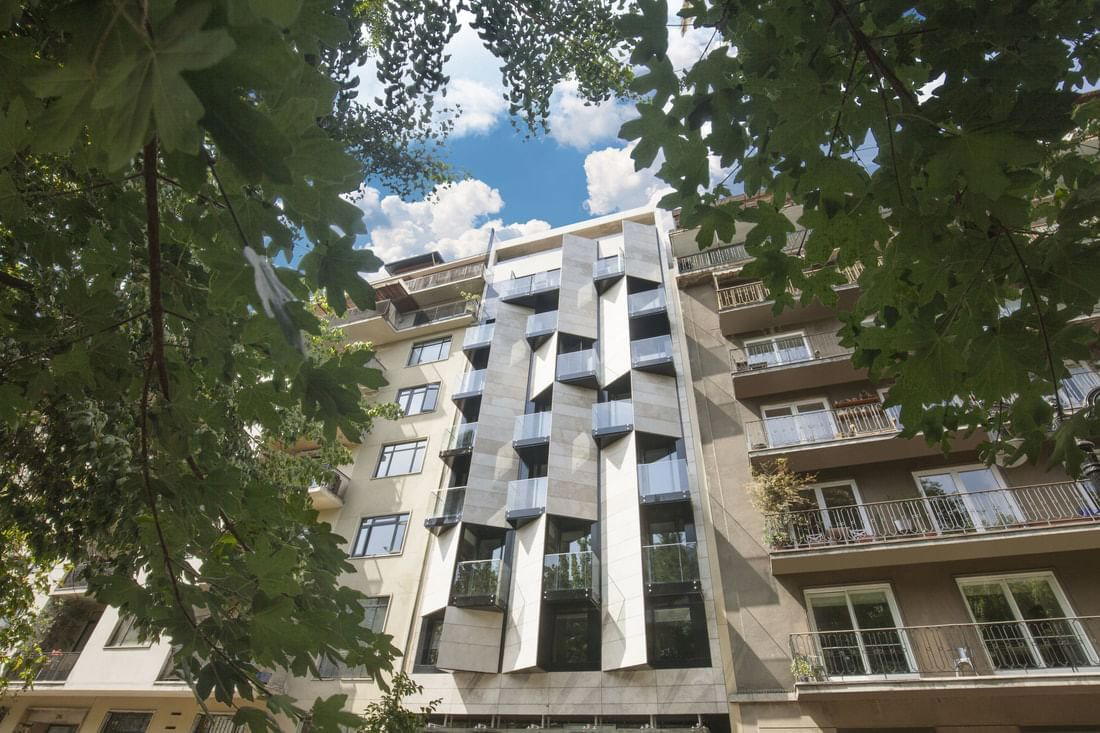
A Street That Sets the Tone
The address says a great deal before you walk through the door. Ismael Valdés Vergara 312 runs through one of central Santiago's older administrative corridors, a stretch where republican-era facades and narrow pavements give the city a density that the newer financial districts of Las Condes and Vitacura deliberately traded away. Hotels that choose this kind of address are making an editorial decision: they are betting that a guest who wants to understand Santiago will find more of the city on a street like this than on a tower-block avenue where every brand competes for the same altitude. That bet defines a recognisable tier of Santiago accommodation, and Ismael Hotel reads as part of it.
Santiago's boutique hotel sector has matured considerably since the early 2010s, when conversion projects in Lastarria and Bellas Artes first demonstrated that travellers would pay a premium for heritage fabric over new-build uniformity. Properties such as The Singular Santiago and Hotel Magnolia established that adaptive reuse could function as a competitive differentiator rather than a compromise.
Architecture as the Primary Argument
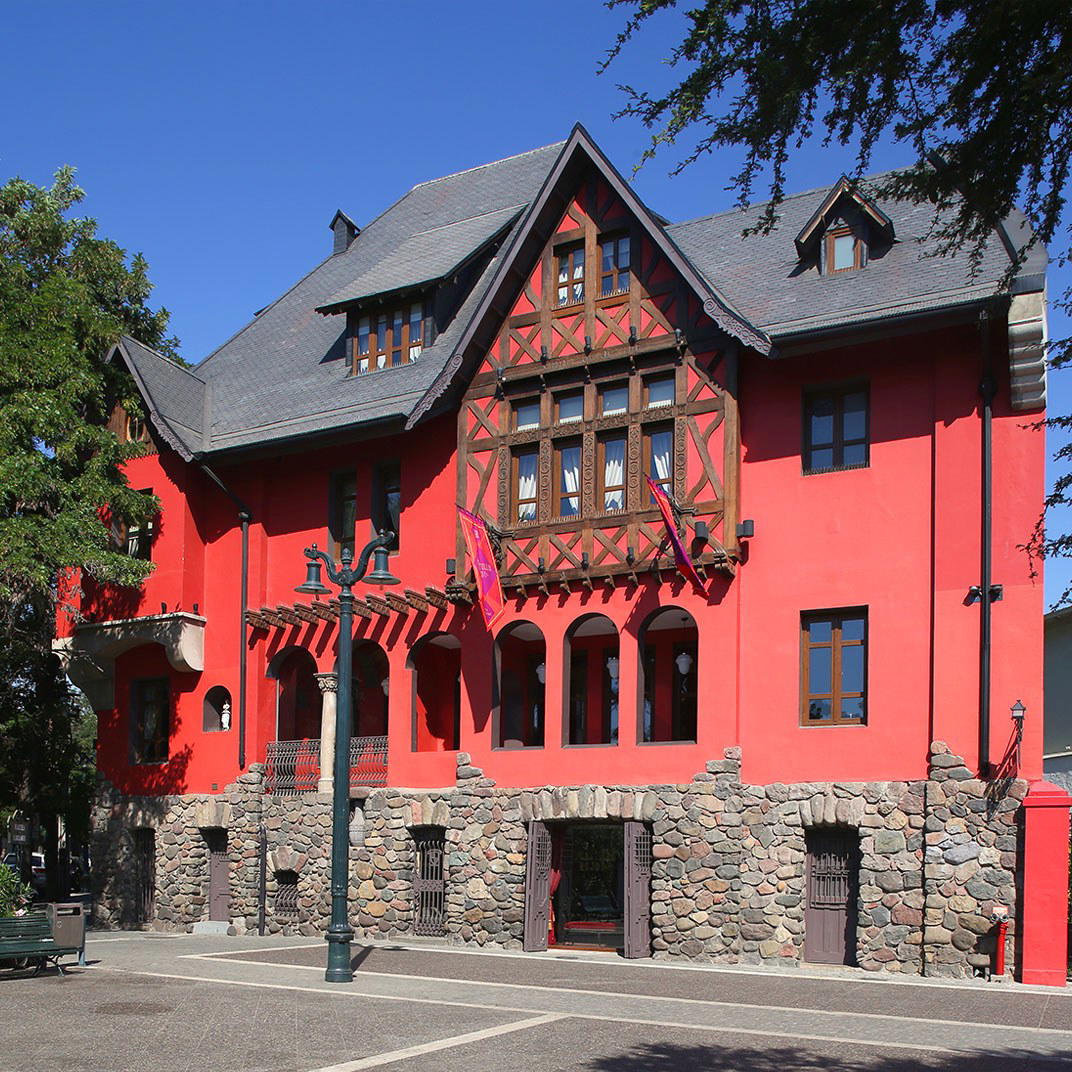
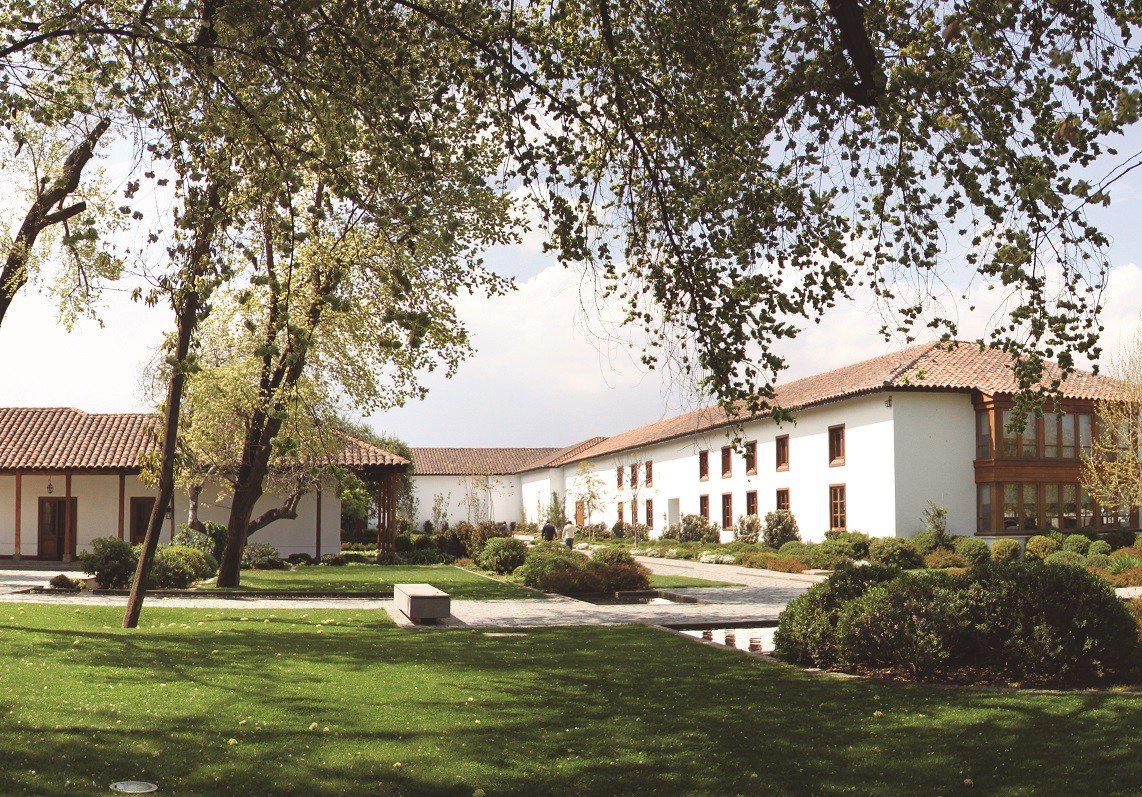
In Santiago's historic core, a building's bones tend to do the heavy lifting that marketing copy cannot. The Ismael Valdés Vergara address places the hotel within walking range of the Palacio de La Moneda, the Barrio Cívico government precinct, and the older institutional belt of the city centre, a zone where the built environment is genuinely old by Chilean standards and where the gap between a restored facade and a glass curtain-wall represents a real aesthetic position, not just a style preference.
Santiago's humidity and seismic history mean that genuine pre-twentieth-century structure surviving in habitable condition is rarer here than in Lima or Buenos Aires. Properties that occupy buildings with architectural substance in this part of the city are therefore working with material that cannot be replicated by building new. This is the structural argument that separates the historically-sited boutique tier from the international flags clustered further east. The Mandarin Oriental, Santiago and The Ritz-Carlton, Santiago compete on service infrastructure and room count; properties on streets like Ismael Valdés Vergara compete on location specificity and spatial character.
For travellers whose interest in Santiago extends to its urban fabric, an address in this zone doubles as a research tool. The walk to the Museo Chileno de Arte Precolombino, the Plaza de Armas, and the Barrio París-Londres takes minutes rather than a taxi ride. That proximity is a practical credential, not just a talking point.
Where Ismael Hotel Sits in the Santiago Market
Santiago's hotel sector has fragmented into at least three legible tiers over the past fifteen years. The international luxury tier, anchored by the Mandarin Oriental and the Ritz-Carlton, operates on a different competitive logic, with corporate travel, ballroom infrastructure, and branded spa programs driving the value proposition. A middle tier of design-conscious independents and soft-brand properties, including W Santiago, competes on lifestyle positioning and F&B programming. Below and alongside that sits a tier of smaller, often historically-sited properties where room count is limited, the design approach is more curatorial, and the guest relationship with the neighbourhood is central to the offer.
Ismael Hotel reads as belonging to that third tier by address and by the logic of its location. In comparative terms, this places it closer to Debaines Hotel Santiago in its centre-city positioning than to the large-footprint international brands. For a guest planning a trip primarily around Santiago's museums, architecture, and food scene rather than corporate meetings, that positioning is a feature rather than a limitation.
For broader Chilean itineraries, the central Santiago location also functions as a logical staging point. Travellers routing through Santiago before heading south to Ecocamp Patagonia in Torres del Paine, Explora Torres del Paine, or Explora Patagonia National Park in Cochrane will find a central address more practical than a taxi-dependent hotel in the eastern suburbs. The same applies for those connecting to Awasi Atacama in San Pedro de Atacama, andBeyond Vira Vira in Pucon, or Puyuhuapi Lodge & Spa in Aisen, where the Santiago night serves as the first or last beat of a longer journey.
Wine-focused itineraries present another use case. Guests pairing a Santiago stay with visits to Clos Apalta Residence in Valle de Apalta or Noi Puma Lodge in Cachapoal need a city base that connects efficiently to the southbound road network, and the historic centre sits closer to the main highway corridors than the Vitacura or Las Condes hotel clusters.
Planning a Stay
The specific operational details of Ismael Hotel, including room categories, rates, and booking channels, are best confirmed directly through current listings, as the property's contact information is not publicly indexed in major aggregator systems at the time of writing. For broader Santiago planning, our full Santiago restaurants guide covers the dining options most relevant to a stay in the historic centre, from the market-adjacent lunch counters of Barrio Lastarria to the longer tasting menus operating in Providencia. Travellers comparing boutique options in the same part of the city should also consider the Palacio Astoreca Hotel in Valparaiso as a regional benchmark for what historically-sited conversion hotels can achieve in Chile when the architectural material is strong. International reference points for the same design-led small-hotel category include properties like Aman Venice and The Fifth Avenue Hotel in New York City, both of which demonstrate how a historically significant address can function as the primary value driver in a competitive market.
Quick Comparison
| Venue | Cuisine | Price | Awards |
|---|---|---|---|
| Ismael HotelThis venue (the venue you are viewing) | This venue | Not listed | Not listed |
| Mandarin Oriental, Santiago | Not listed | Not listed | 1 Michelin Key · Virtuoso Luxury Hotel Partner |
| The Ritz-Carlton, Santiago | Not listed | Not listed | 1 Michelin Key · La Liste Top Hotels |
| W Santiago | World's 50 Best | Not listed | La Liste Top Hotels · Virtuoso Luxury Hotel Partner |
| Hotel Magnolia | Not listed | $100–200 | 1 Michelin Key · Mr & Mrs Smith Seal of Approval |
| The Singular Santiago | Not listed | Not listed | 1 Michelin Key · Mr & Mrs Smith Seal of Approval |
Continue exploring
More in Santiago
Hotels in Santiago
All hotels in Santiago →

Bars in Santiago
All bars in Santiago →

Details
- Modern
- Trendy
- Lively
- Romantic Getaway
- Business Trip
- Weekend Escape
- Rooftop Pool
- Terrace
- Panoramic View
- Wi Fi
- Pool
- Room Service
- Concierge
- Breakfast Included
- Street Scene
- Elevator
- Wheelchair Accessible
Chic, eclectic energy with laid-back vibe, contemporary spaces for relaxing and socializing in modern minimalist style.