
The property represents a tier of Chilean winemaking defined by historical depth and urban proximity, placing it alongside storied Maipo Valley producers in a city where serious tasting culture has grown considerably over the past decade.
Pearl is the En Primeur Club membership app — saves, bookings, and concierge access live there. Same editors, same standards.
- Address
- Til Til 2228, 7810130 Macul, Región Metropolitana
- Phone
- +56224503000
- Website
- santacarolina.cl
- Directions
- Get directions
 Saves & bookings on Pearl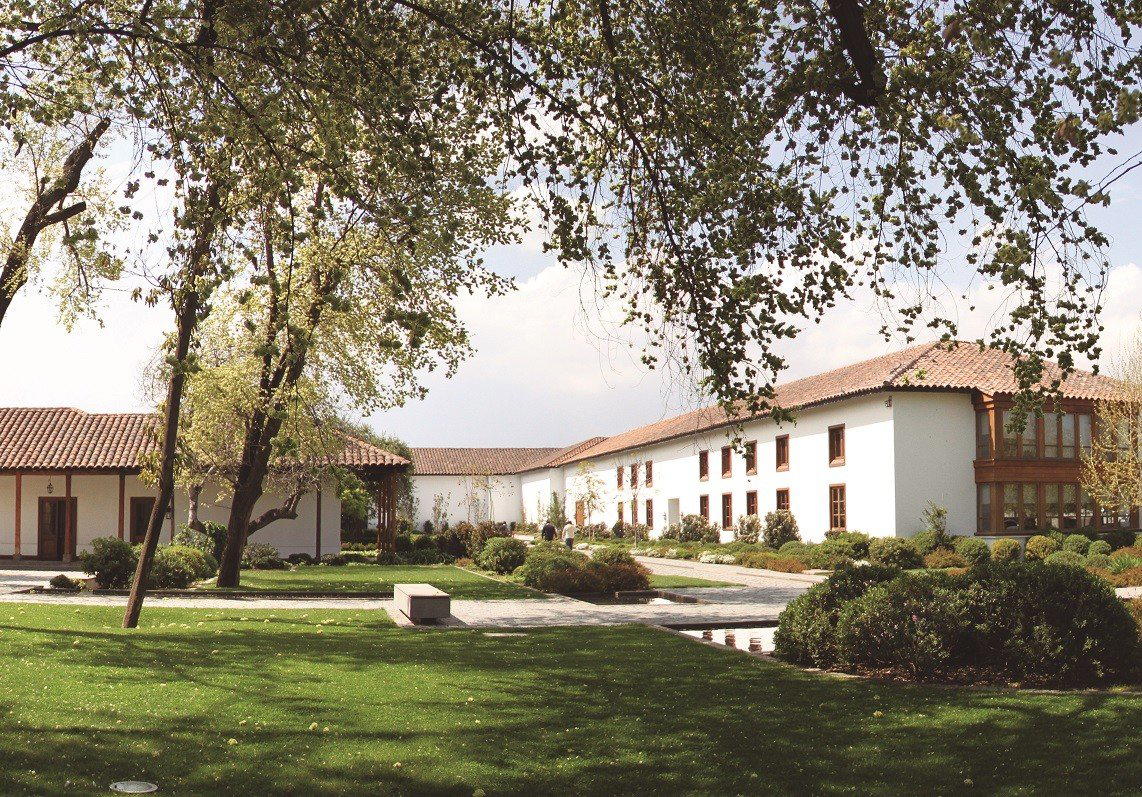
A Santiago Winery With Deep Maipo Roots
Santiago's wine geography is not what most visitors expect. The city is not merely a gateway to distant valleys; in the Macul district, serious wine production has been happening within metropolitan boundaries for well over a century. The address at Til Til 2228 places Viña Santa Carolina firmly inside this urban wine tradition, a category of Chilean producer that operates close to the capital's residential spread, distinct from the more remote valley estates that attract winery tourism in Colchagua or Casablanca. This context matters because it shapes the tasting experience in a specific way: the estate carries the accumulated weight of an old urban winery, not the curated remoteness of a purpose-built wine tourism destination.
Tasting visits are typically recommended in advance. That rating places it in a tier where expectations run toward structured tasting formats, depth of portfolio, and staff who can articulate the estate's range across Chilean growing regions. Peers in the Santiago conversation include Viña Cousiño-Macul, another Macul-rooted estate with comparable historical standing, and Viña Aquitania, which represents the more boutique, Bordeaux-trained end of the metropolitan wine offer. Santa Carolina occupies a middle ground: substantial in scale and history, engaged enough to hold prestige recognition.
The Tasting Room and What to Expect From a Visit
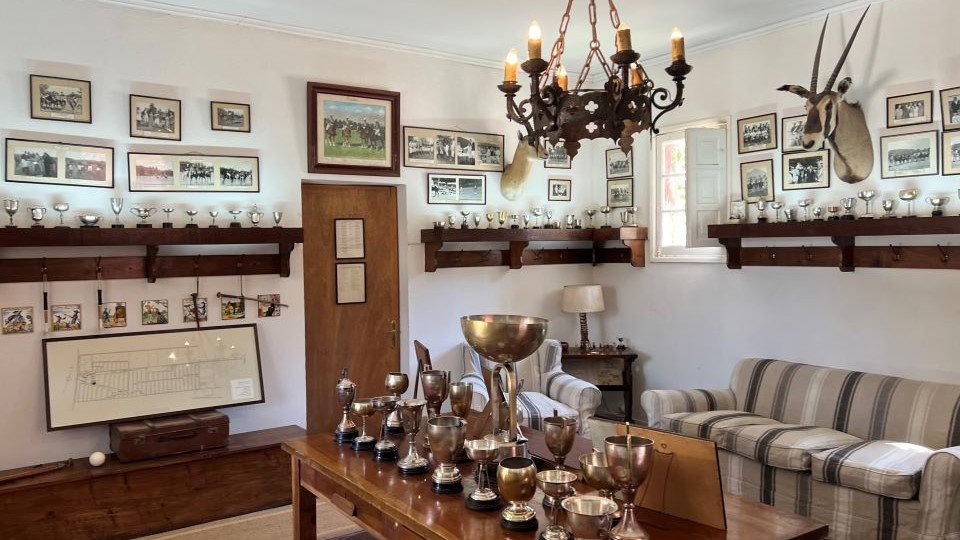
Chilean winery tasting rooms in the urban Santiago belt tend to occupy one of two modes. The first is a heritage preservation exercise, where colonial architecture and walled grounds do most of the atmospheric work. The second is a more production-forward environment where the cellar itself is the context. Santa Carolina's Macul address, within an established residential district east of the city centre, suggests a setting where the physical history of the estate remains a tangible presence, rather than something reconstructed for visitors after the fact.
For the tasting experience specifically, the EP Club Prestige designation implies a certain format discipline. At this tier in the Chilean market, visits typically involve guided pours that move through the estate's range by appellation or style. The structure is more considered than a cellar-door drop-in. Visitors arriving with genuine interest in the portfolio, and some baseline familiarity with Chilean wine geography, will find more traction than those expecting a leisurely, unguided afternoon. The surrounding Macul neighbourhood is not a tourist district, which reinforces this: Santa Carolina draws from a mix of informed local wine drinkers and international visitors specifically seeking out the capital's older wine infrastructure.
Across Chile's prestige wine tier, comparable experiences at producers such as Viña De Martino in Isla de Maipo or Viña MontGras in Palmilla involve appointments that should be confirmed well ahead of arrival. The same planning logic applies here: visiting without advance coordination at an established estate in this tier can mean limited availability.
Where Santa Carolina Sits in Chile's Wine Hierarchy
Chile's wine export identity has long been Cabernet Sauvignon from the Maipo Valley, and Santa Carolina, with its Macul base, connects directly to that founding story. But the Chilean premium tier has become more complex over the past fifteen years, with coastal Syrah, high-altitude Carignan, and Carménère from multiple valleys all asserting serious positions in the international market. Producers that formed their reputations around classic Maipo Cabernet now typically maintain portfolios that range across regions, and the way those portfolios are presented in a tasting context reflects how deliberately each producer has engaged with Chile's expanding geographical identity.
For context, the Chilean wine field includes a wide range of tasting experiences and prestige levels. Viña Seña in Panquehue operates at the apex of the country's icon-wine tier, while Viña Ventisquero represents a larger-production model with broad regional sourcing. It is not operating at the single-vineyard ultra-premium end, but it is clearly above the commercial-tourism tier.
Beyond Santiago, the Chilean wine and spirits category includes a geographic spread worth understanding for any serious visitor to the country's production culture. Viña Casa Silva in San Fernando anchors Colchagua's family-estate tradition, Viña Falernia in Vicuña represents the Elqui Valley's high-altitude offer, and Pisco Alto del Carmen Distillery in Huasco covers the northern Atacama production zone, a different but equally serious part of Chile's beverage geography. El Gobernador (Miguel Torres Chile) in Curicó adds a European-ownership layer to Chile's central valley story. Santa Carolina's value, for a visitor building an itinerary around Chilean production, is its accessibility from the capital combined with its historical depth.
Planning a Visit to Macul
Getting to the Macul district from Santiago's centre is direct by taxi or rideshare, with the address at Til Til 2228 accessible from the city's main arteries without requiring a long regional drive. The estate sits within the metropolitan area, making it a viable half-day option that does not compete with time allocated to a full valley excursion. Those building a more extended wine itinerary around Santiago might combine a Santa Carolina visit with a stop at Viña Undurraga in Talagante or Viña Valdivieso in Lontué for a fuller picture of central Chilean production styles.
As with most Chilean estates at this recognition level, confirming visit details directly with the winery before arrival is the correct approach.
For comparative international context, the gap between an estate like Santa Carolina and, say, Accendo Cellars in St. Helena or Aberlour in Scotland is instructive: what defines a serious tasting experience differs by country and category, but the common thread at the prestige tier is always intentional curation, knowledgeable staff, and a format designed around the wines rather than around general visitor throughput.
Cuisine and Recognition
Comparable venues nearby, for context on price, style, and recognition.
| Venue | Cuisine | Price | Notes |
|---|---|---|---|
| Viña Santa CarolinaThis venue — the venue you are viewing | Cabernet Sauvignon, Carmenère | $$ | Not listed |
| Viña Aquitania | Cabernet Sauvignon, Chardonnay | $$$ | Peñalolén |
| Viña Cousiño-Macul | Cabernet Sauvignon, Merlot | $$ | Macul |
| Viña Ventisquero | Sauvignon Blanc | $$ | Apalta Valley |
| Viña Sutil | Cabernet Sauvignon, Carmenere | $$ | Peralillo |
| Pisco Control C | Winery | Not listed | Paihuano |
Recognition history
Dated appearances from independent guides and award organizations, with the underlying list record or original source where available.
Falstaff Winery - Listed
Falstaff
Continue exploring
More in Santiago
Wineries in Santiago
Browse all →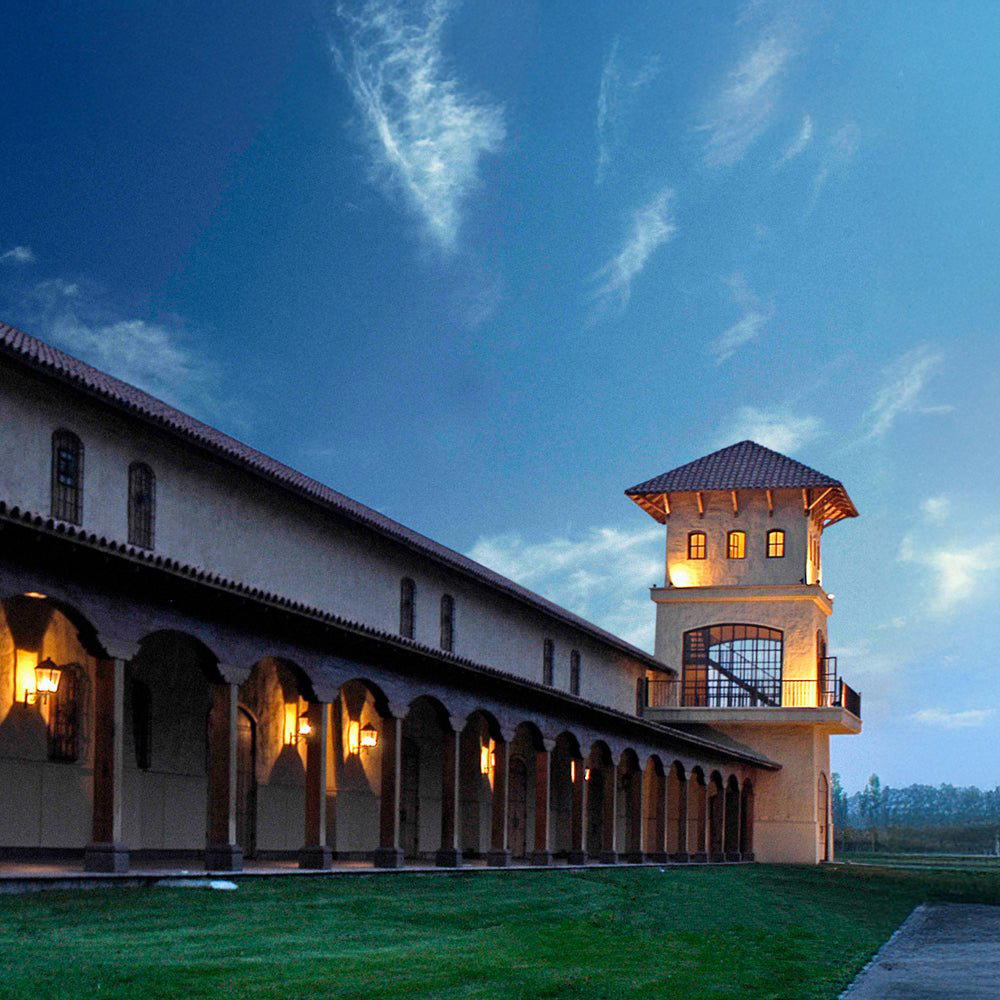
Bars in Santiago
Browse all →
Restaurants in Santiago
Browse all →
At a Glance
- Classic
- Well Known
- Scenic
- Elegant
- Wine Education
- Group Outing
- Special Occasion
- Vineyard Tour
- Estate Grounds
- Historic Building
- Barrel Room
- Cave Tasting
- Sustainable
- Vineyard
- Garden
- Central Valley, Valle Del Rapel, Maipo Valley
- Cabernet Sauvignon
- Carmenère
- Pinot Noir
- Merlot
- Chardonnay
- Sauvignon Blanc
- Riesling
- Gewürztraminer
- Petit Verdot
- Petite Sirah
- Still Red
- Still White
- Still Rosé
- Guided Tour With Tasting
- Cellar Tour
Cool, earthy atmosphere in historic cellars with oak barrels; charming tasting room with colonial architecture and lush vineyard surroundings creating a serene, reflective experience.