
Our verdict
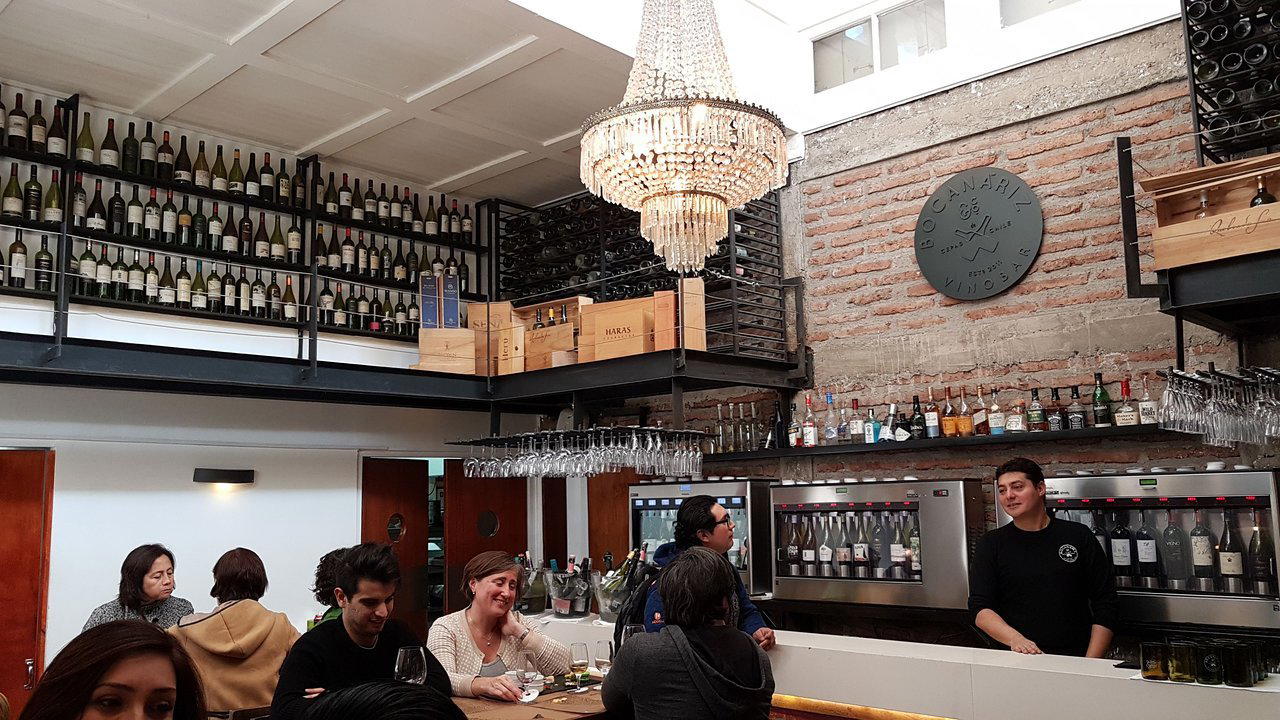
Bocanáriz is a wine bar on Lastarria's most active stretch, recognised by Opinionated About Dining's 2025 South America list and holding,100 reviews. The format pairs Chilean-focused wine selections with small plates designed for sharing, making it a practical reference point for the country's wine regions without leaving Santiago's most walkable neighbourhood.

Pearl is the En Primeur Club membership app — saves, bookings, and concierge access live there. Same editors, same standards.
- Address
- José Victorino Lastarria 276, 8320126 Santiago, Región Metropolitana, Chile
- Phone
- +56 9 3911 0332
- Hours
- Mon–Wed 12–10:30 PMThu–Fri 12–11:30 PMSat 12:30–11:30 PMSun 5:30–10 PM
- Website
- bocanariz.cl
- Directions
- Get directions
The menu
What to order
- Ceviche
- White chocolate sphere
- Linguine with seafood
- Potatoes bravas
Lastarria's Wine Anchor
José Victorino Lastarria is the kind of street that rewards slow movement. The cobbled stretch between Parque Forestal and Cerro Santa Lucía has accumulated galleries, independent bookshops, and a density of serious eating and drinking options that outpaces most Santiago neighbourhoods. Within that cluster, the wine bar format has found a natural home: visitors arriving from the airport carrying expectations about Chilean Carménère, Pinot from the Casablanca Valley, or the cooler-climate expressions coming out of Elqui and Limarí need somewhere to orient, and Lastarria is positioned to deliver that. Bocanáriz, at number 276 on that strip, occupies that role for the neighbourhood.
The address places it within walking distance of Boragó, Santiago's most discussed modern Chilean table, and within the same compact radius as Ambrosia, which works the French-Chilean register, and Demencia. That concentration matters: Lastarria functions as a self-contained circuit for serious eating, and a wine bar at the centre of it carries more curatorial weight than the same concept in a less saturated neighbourhood.
Chilean Wine as the Editorial Subject
The wine bar format, when it works, is not a compromise between restaurant and bar. It is a specific editorial statement about provenance: that the glass you are drinking and the plate arriving alongside it should tell a coherent story about where things come from. Bocanáriz's programme is built around Chilean wine regions, which gives the operation a clear focus at a moment when those regions are genuinely in flux. Elqui and Limarí in the north are producing Syrah and Chardonnay under conditions that bear no resemblance to the Central Valley volumes that defined Chilean export wine for two decades. Itata in the south, with its old-vine País and Cinsault, is attracting attention from producers who trained in Burgundy and the Rhône before returning to work with pre-phylloxera material.
A wine bar positioned to track that range, rather than defaulting to the Maipo Cabernet Sauvignon that fills international hotel lists, is doing something editorially purposeful. Presenting those wines alongside food that can speak to the same sourcing logic — coastal fish from the Humboldt current, volcanic-soil ingredients from southern Chile — is the format at its most coherent. For comparison, the model has parallels in how 40 Maltby Street in London or 4850 in Amsterdam approach natural and small-producer wine alongside kitchen-driven small plates: the wine list does the curating, the food reinforces the point.
What the Recognition Signals
Opinionated About Dining's 2025 South America list is a useful data point because OAD rankings are driven by aggregated scores from experienced diners rather than by a single anonymous inspector's visit.
For wider regional context, the kind of kitchen discipline that earns OAD recognition in South America appears at addresses that work with specific sourcing logic. La Calma by Fredes approaches Chilean seafood with a similar specificity about where the catch originates. Casa Las Cujas works a different register. The common thread in Santiago's most discussed rooms is that the sourcing argument is made explicitly, not gestured at.
Ingredient Logic and the Chilean Supply Chain
Chile's geography creates unusual sourcing conditions. The country runs 4,300 kilometres from the Atacama desert to Patagonia while averaging less than 180 kilometres in width, which means that climatic variation across the supply chain is extreme. A kitchen or wine programme that takes that variation seriously has material to work with that most food cultures cannot access within a single national identity. The cold-water species from the Pacific, the stone fruit and vegetables from Central Valley smallholders, the heritage grain and legume traditions from the south: these are ingredients with distinct identities that resist interchangeability.
Wine bars that take sourcing seriously in this context are not simply curating labels; they are making an argument about which version of Chilean agriculture deserves attention and amplification. That argument has become more pointed as Chilean wine has diversified away from the large-volume Casablanca-to-Maipo corridor. Producers in Itata and Malleco working with old-vine material are making wines that require some explanation to drink well, and a well-run wine bar provides that explanation through the list structure, the staff knowledge, and the food pairings. The same sourcing intelligence can extend outward to properties like CasaMolle in El Molle, where the Elqui Valley's extreme conditions shape both the cooking and the wine programme, or Clos Apalta Residence in Valle de Apalta, where vineyard provenance is the founding premise.
The Neighbourhood and How to Use It
Lastarria rewards an approach that treats it as a sequence rather than a single destination. The area's compactness means that an evening can move between registers without a taxi: an aperitivo drink, a longer sitting at a wine bar with small plates, and a final stop at a different address. Bocanáriz fits the middle section of that sequence, where the wine list carries the pacing and the food is calibrated for sharing and grazing rather than a structured three-course progression. That format works particularly well in shoulder seasons, when Santiago's outdoor seating culture is more sustainable and the evening light over Cerro Santa Lucía adds a visual argument for slow drinking.
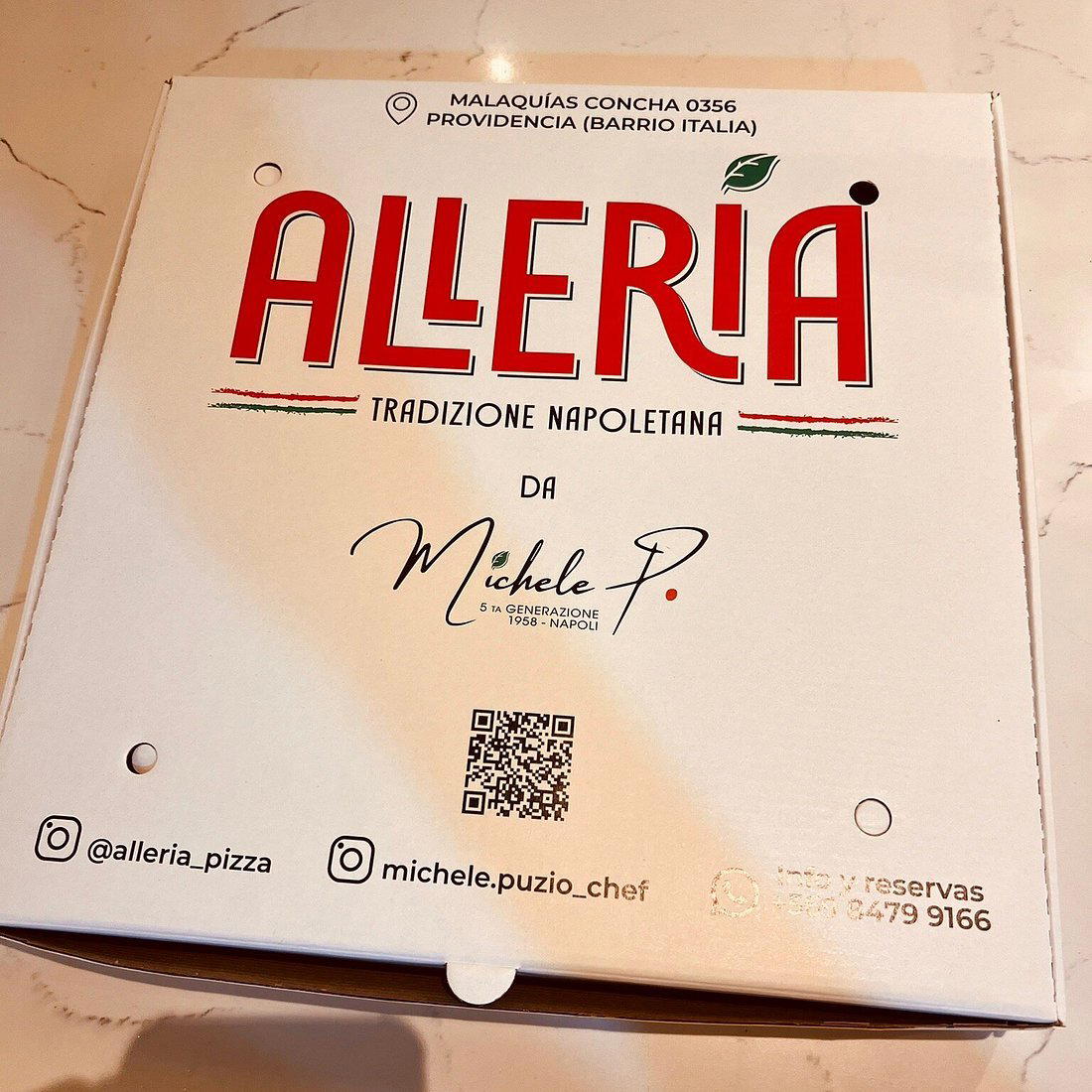
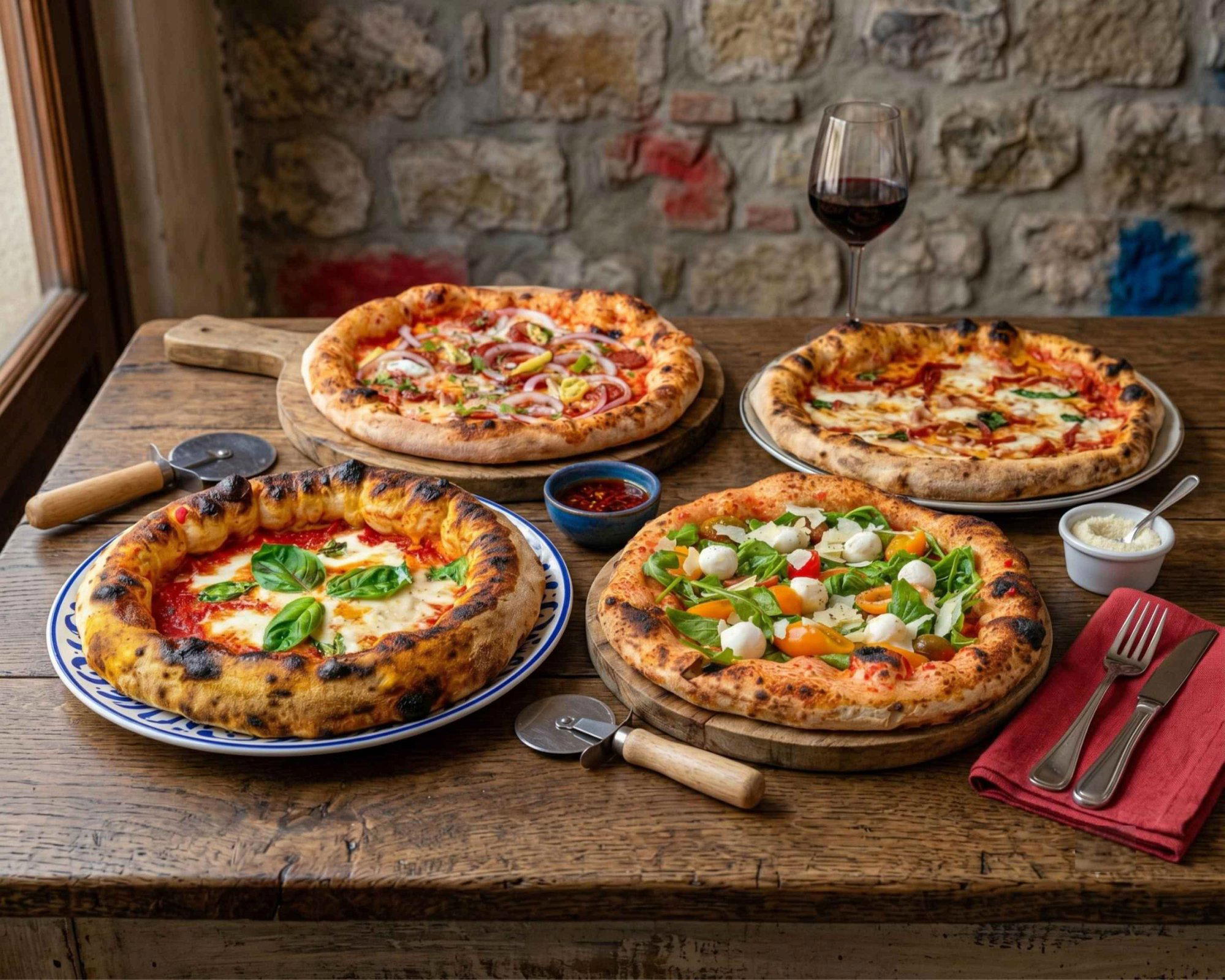
For visitors extending the trip beyond Santiago, the regional connections are direct. Awasi Atacama in San Pedro de Atacama and Awasi Patagonia in Torres del Paine represent the extremes of Chilean terrain in a single-country itinerary. Allería in Providencia and Naoki in Vitacura extend the Santiago circuit into other neighbourhoods and cuisines. The broader Santiago picture across restaurants, bars, hotels, wineries, and experiences is covered in our full Santiago restaurants guide, full Santiago bars guide, full Santiago hotels guide, full Santiago wineries guide, and full Santiago experiences guide.
Bocanáriz is at José Victorino Lastarria 276, in the Lastarria neighbourhood of central Santiago. Booking ahead is advisable for Thursday through Saturday evenings, when Lastarria's foot traffic peaks and the wine bar's small-plate format makes it a natural first stop for groups.
What People Recommend at Bocanáriz
Reviewers across the OAD community and the Google base consistently point toward the wine list structure as the primary draw, specifically the coverage of smaller Chilean producers and lesser-known appellations that are difficult to access outside specialist retail. The small plates are noted for pairing compatibility rather than standalone complexity: the format is designed so that the wine does the leading. Chef Germán Fuentes's kitchen is cited as the support structure for a programme in which the glass is the editorial centre. Visitors with an interest in Chilean wine beyond the export-tier labels will find the list more useful than most Santiago restaurant wine programmes, which tend to default to established names from Maipo and Casablanca. The awards recognition from OAD 2025 reflects that specialist positioning.
Price and Recognition
Comparable venues nearby, for context on price, style, and recognition.
| Venue | Cuisine | Price | Awards | Notes |
|---|---|---|---|---|
| BocanárizThis venue — the venue you are viewing | Modern Chilean Wine Bar | $50–100 | Not listed | Not listed |
| 99 Restaurante | Modern Chilean Bistronomy | $30–50 | Not listed | Providencia, Modern Chilean Bistronomy |
| Restaurante Happening | Argentine-Style Steakhouse | Not listed | Star Wine List | Las Condes, Argentine-Style Steakhouse |
| Cívico la moneda | Modern Chilean | Not listed | Not listed | Centro, Modern Chilean |
| Salvador Cocina y café | Modern Chilean Classics | $10–20 | We're Smart World 2 Radishes | Downtown Santiago, Modern Chilean Classics |
| Restaurante Peluquería Francesa - Boulevard Lavaud - Barberia Patrimonial Barrio Yungay | French-European Bistro | $30–50 | Not listed | Yungay, French-European Bistro |
Recognition history
Dated appearances from independent guides and award organizations, with the underlying list record or original source where available.
Opinionated About Dining Top Restaurants in South America Ranked #88
Opinionated About Dining
Full recognition history (2 entries)
Opinionated About Dining Top Restaurants in South America
Opinionated About Dining
Continue exploring
More in Santiago
Restaurants in Santiago
Browse all →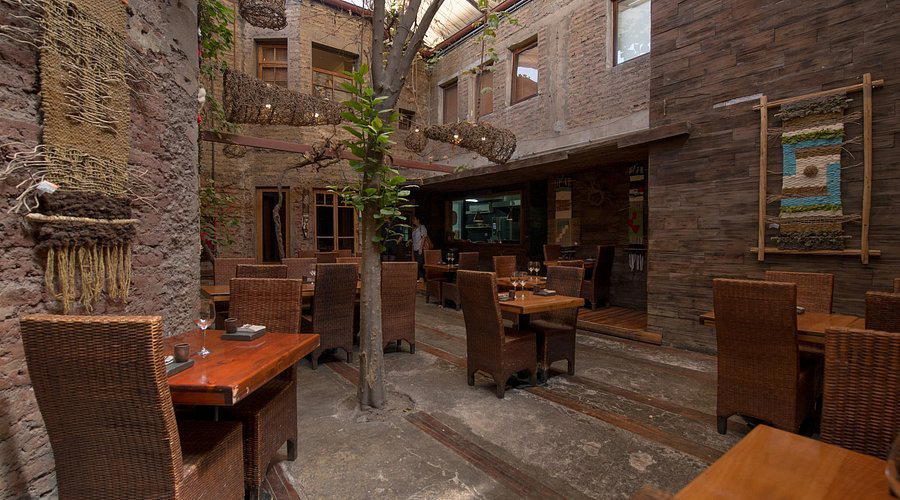
Bars in Santiago
Browse all →

Hotels in Santiago
Browse all →




Details
- Bohemian
- Cozy
- Trendy
- Elegant
- Date Night
- Special Occasion
- Wine Cellar
- Extensive Wine List
- Street Scene
- Small Plates
- A La Carte
- Prix Fixe
- Chilean Wines
- Vegetarian Friendly
Current opening hours
- Monday
- 12–10:30 PM
- Tuesday
- 12–10:30 PM
- Wednesday
- 12–10:30 PM
- Thursday
- 12–11:30 PM
- Friday
- 12–11:30 PM
- Saturday
- 12:30–11:30 PM
- Sunday
- 5:30–10 PM
Hours can change for holidays and private events. Last verified .
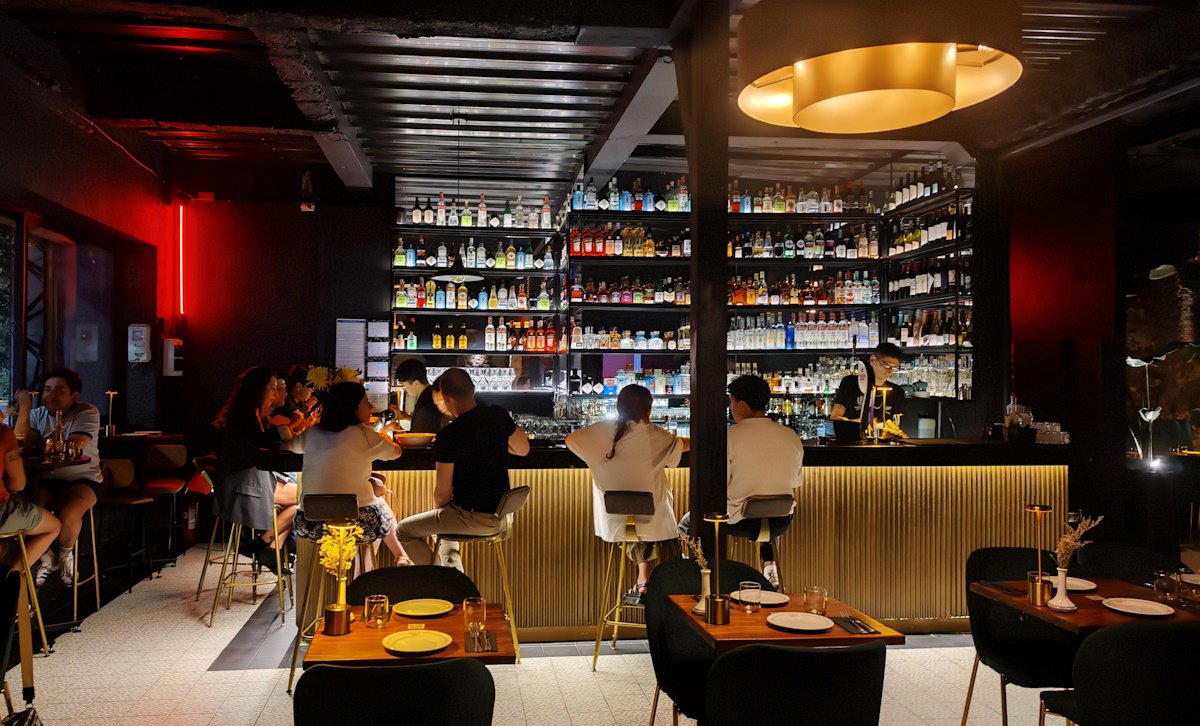
Relaxed bohemian setting with stylish decor featuring wine regions, warm lighting, and a plate glass view onto a busy avenue.