Viña Chadwick
The estate sits within the same Puente Alto appellation that anchors Chile's most closely watched Bordeaux-variety wines, placing it in a comparable set that includes Almaviva and a handful of other allocation-driven labels.
Maipo Valley's Upper Bracket, Grounded in Puente Alto Terroir
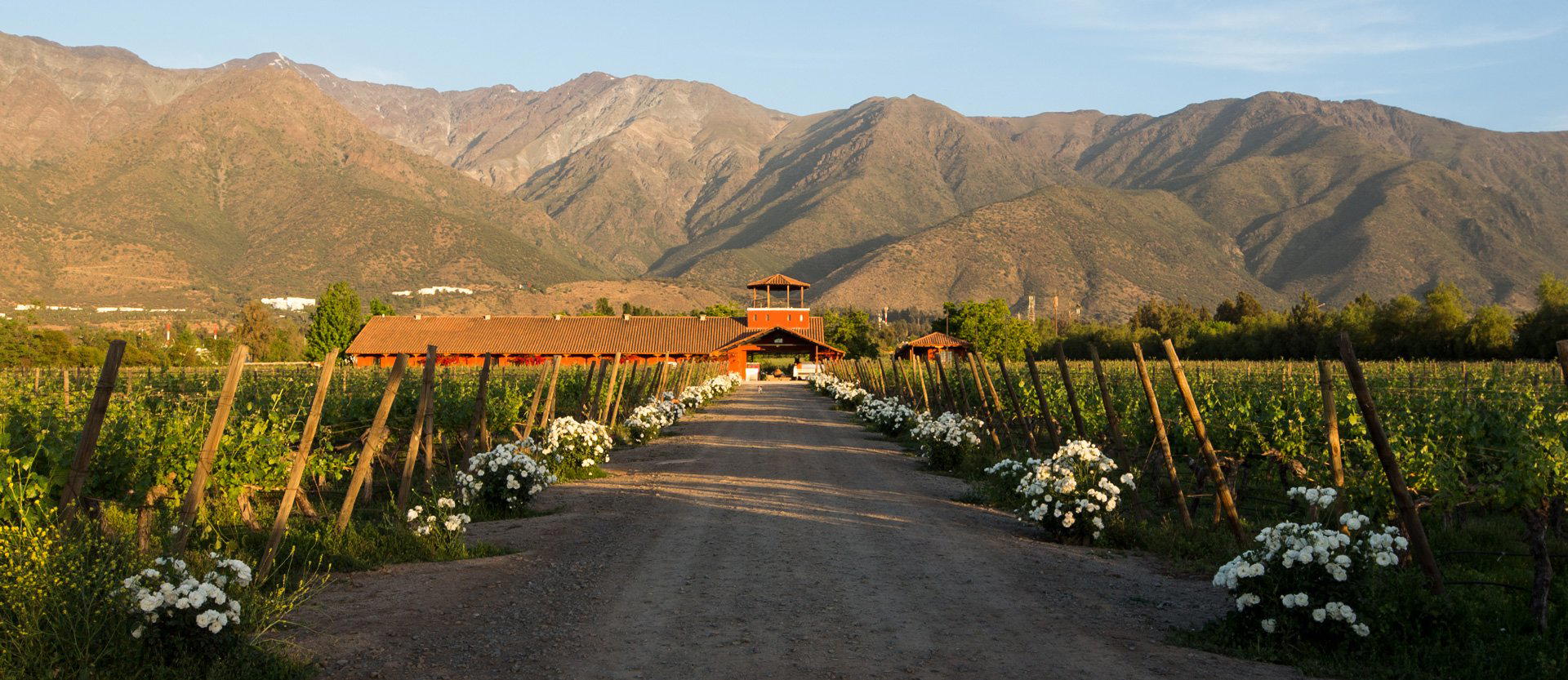
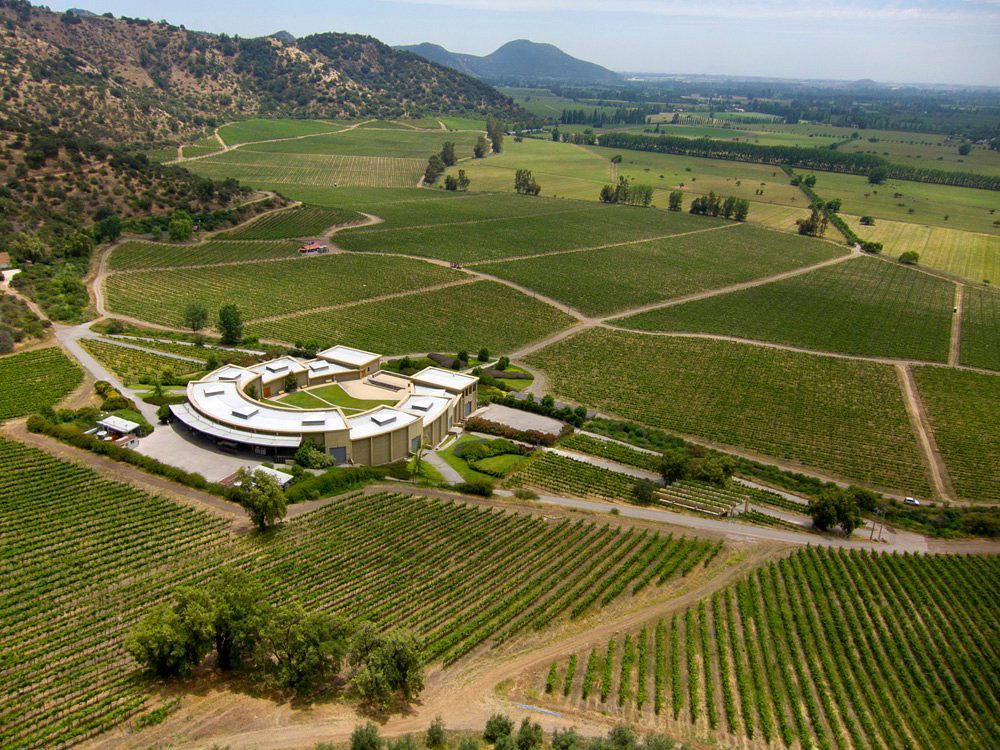
Puente Alto is not a glamorous address by the standards of global wine geography. The municipality sits at the southern edge of Santiago's metropolitan sprawl, where the Andes foothills begin to moderate the valley heat and alluvial soils deposited by the Maipo River create the kind of drainage conditions that Cabernet Sauvignon converts into structure rather than fruit weight. It is precisely this unglamorous specificity, gravel over clay, diurnal swings of fifteen or more degrees Celsius, a short growing season bracketed by Andean melt, that gave this small appellation its reputation. The wines that come from here tend to be leaner and more structured than those from the Maipo Valley's lower, warmer sections, and that structural discipline is what the international market associates with Chilean fine wine at its most serious.
That rating is not a marketing credential; it is a peer-group signal.
Cabernet at the Source: What Puente Alto Actually Produces
Chilean Cabernet Sauvignon from Puente Alto occupies a specific position in the global conversation about New World Bordeaux varieties. The argument, made by producers and confirmed by successive international assessments, is that the appellation's combination of altitude-influenced temperature variation and well-drained soils can produce wines with tannin finesse and aromatic precision that rival, rather than merely imitate, Left Bank Bordeaux models. This is a strong claim, and it is not universally accepted. But it has been credible enough to attract serious investment and to generate the kind of comparative blind-tasting results, particularly from the 2004 Berlin Tasting, where Chilean Cabernets from this zone placed against Napa and Bordeaux benchmark bottles, that moved the conversation from aspiration to evidence.
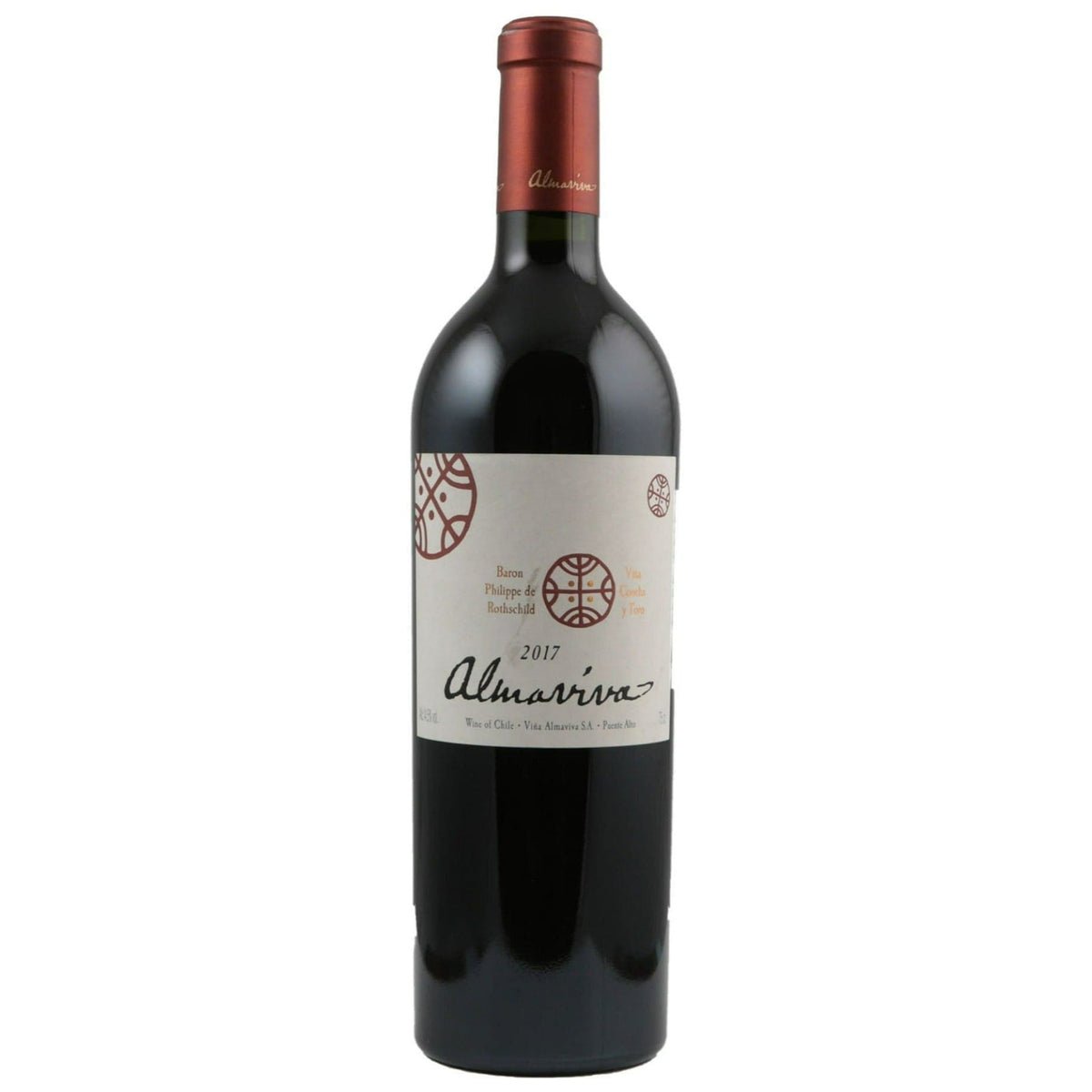
Viña Chadwick sits within that tradition. The estate's location in Puente Alto connects it to the same terroir argument made by its near-neighbour Viña Almaviva, the joint venture between Baron Philippe de Rothschild and Concha y Toro that occupies the same appellation and the same prestige tier. To be assessed in this zip code, producing Cabernet-dominant wines, is to enter a conversation that extends far beyond Chile's domestic market.
The Philosophy Behind Single-Estate Bordeaux Varieties in Chile
The winemaking philosophy that defines the upper end of Puente Alto production is one of restraint through site expression rather than through technical intervention for its own sake. Across the small cluster of estates that have built international reputations here, the consistent thread is a preference for allowing soil character and vintage variation to register in the finished wine, rather than ironing them out through manipulation. This approach requires confidence in the raw material, confidence that Puente Alto's particular combination of terroir factors will deliver complexity without cosmetic assistance.
That discipline is visible in how the leading Puente Alto estates position their leading labels: single-estate sourcing, limited production, and release schedules that track wine maturity rather than commercial cycles. The contrast with Chile's larger, volume-driven Cabernet production is significant. Properties like Viña De Martino in Isla de Maipo and Viña Undurraga in Talagante represent broader regional blending strategies across Maipo; Puente Alto's top tier is a different argument entirely, one built on the specificity of a single sub-appellation rather than the blendability of a wider zone.
Chile's Premium Winery Tier in Context
Seña, the collaboration between Eduardo Chadwick and Robert Mondavi, shares a lineage and an ambition with the Chadwick estate, though the two properties produce wines from different valleys and soils. That family connection and philosophical continuity is worth noting as context for understanding how Viña Chadwick's approach to single-estate, Bordeaux-variety production fits within a broader Chilean fine wine strategy.
Other Chilean estates operating at adjacent tiers include Viña Casa Silva in San Fernando (Colchagua Valley), Viña MontGras in Palmilla, and Viña Ventisquero in Santiago, each representing different regional identities within Chile's diversifying premium tier. Viña Chadwick's Puente Alto address, however, places it in a sub-set defined by Maipo terroir specificity rather than the broader regional blending that characterises producers across the Central Valley.
For Chilean producers operating outside the Maipo corridor, the reference points shift: Viña Falernia in Vicuña works the Elqui Valley at altitude with Syrah and Carménère; El Gobernador (Miguel Torres Chile) in Curicó represents the Spanish-owned approach to the Curicó Valley; and Viña Valdivieso in Lontué anchors a different tradition in sparkling and varietal production. These are parallel tracks in Chilean wine, not competitors in the same conversation as Puente Alto Cabernet at the prestige level.
Visiting, Tasting, and Planning
Puente Alto sits approximately 25 kilometres southeast of central Santiago, close enough for a half-day visit from the city, far enough that the trip requires planning rather than impulse. The Maipo Valley wine route is well-established for visitors arriving via Santiago, and the cluster of estates in and around Puente Alto makes sequential visits practical for those whose primary interest is in Chile's Bordeaux-variety heartland. For those extending their time across Chile's wine geography, Pisco Alto del Carmen Distillery in Huasco represents a different tradition entirely, Chile's pisco north, while Viña Santa Rita in Buin offers a well-established Maipo Valley estate experience further south along the valley floor.
The full Puente Alto guide on EP Club provides broader context for planning time in the appellation, including comparative information on neighbouring estates.
For readers comparing Puente Alto's prestige Cabernet tier against international benchmarks, Accendo Cellars in St. Helena offers a useful Napa reference point, a small-production, single-vineyard Cabernet estate operating at a similar allocation-driven, quality-first position within its own appellation.
Frequently asked questions
What should I expect atmosphere-wise at Viña Chadwick?
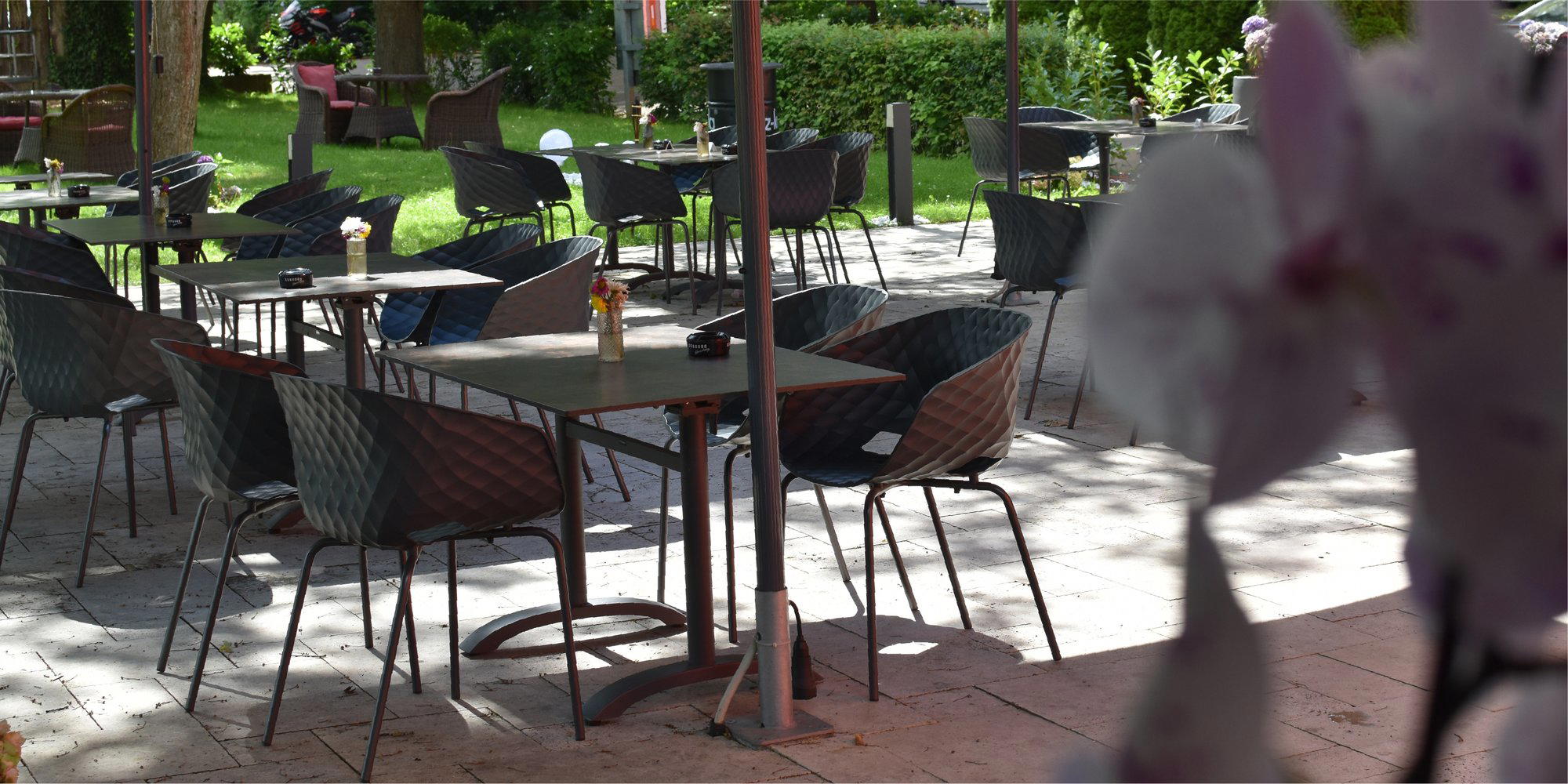
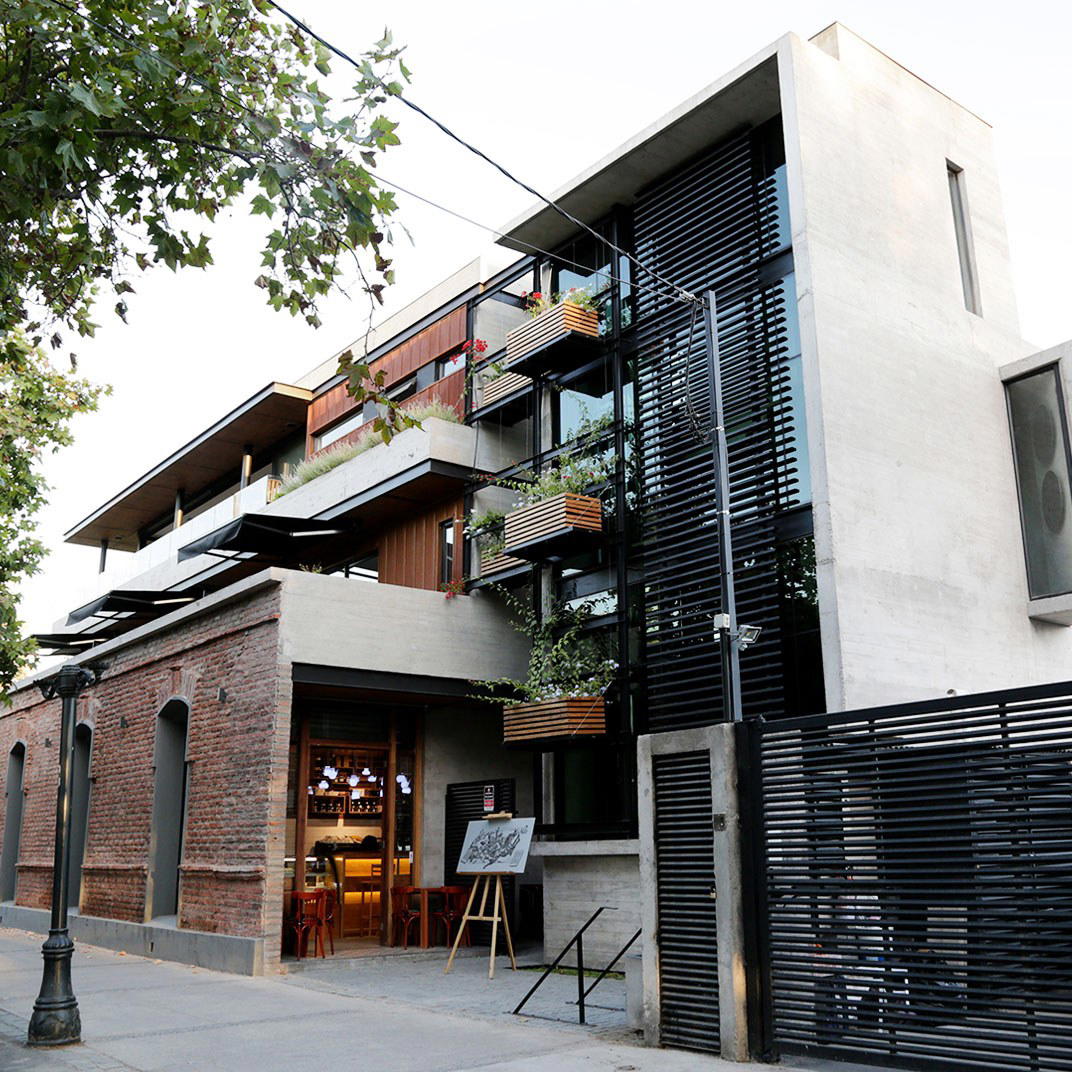
Viña Chadwick sits within Puente Alto's working agricultural edge rather than a curated resort setting, so the atmosphere skews toward estate seriousness over lifestyle tourism. The focus is on the vineyard and what it produces, not theatrical hospitality.
Where do I go for Viña Chadwick?
Viña Chadwick is located at Puente Alto, Maipo Valley, Chile, Puente Alto.
What's the best wine to try at Viña Chadwick?
Puente Alto's signature output is Cabernet Sauvignon grown at the southern fringe of Santiago's metropolitan spread, where Andean alluvial soils and altitude-moderated temperatures favour structure and concentration over volume. The estate's flagship Cabernet is the reference point against which the property's reputation is measured. It sits in the upper bracket of Chilean Bordeaux-variety production alongside a small peer group drawing from the same Puente Alto sub-appellation.
What's the defining thing about Viña Chadwick?
The defining characteristic is site specificity: the estate draws entirely from Puente Alto rather than blending across appellations, which is a deliberate argument about what this particular address can do with Cabernet Sauvignon.
Budget Reality Check
Comparable venues nearby, for context on price, style, and recognition.
| Venue | Cuisine | Price | Awards | Notes |
|---|---|---|---|---|
| Viña ChadwickThis venue (the venue you are viewing) | Not listed | Not listed | Not listed | Not listed |
| Viña Almaviva | Not listed | Not listed | World's 50 Best #34 · Falstaff Winery - Listed | Puente Alto, Cabernet Sauvignon, Carmenere |
| Viña Maquis | Palmilla, Carmenere, Malbec | $30–50 | Not listed | Not listed |
| Viña Concha y Toro | Pirque, Cabernet Sauvignon, Chardonnay | $50–100 | Falstaff Winery - Listed | Not listed |
| Pisco Alto del Carmen Distillery | Not listed | Not listed | Not listed | Huasco Valley, Muscat, Muscat of Alexandria |
| Viña De Martino | Not listed | $20–30 | Falstaff Winery - Listed | Isla de Maipo, Carmenère, Cabernet Sauvignon |
Enquire about visiting Viña Chadwick or buying its wine
Visits to Viña Chadwick are usually kept for the estate's regular buyers and the wine trade. Tell us when you would like to go and a little about how you buy, and we put the request to the estate and reply to you by email. For buying, we source directly from the producer or from a licensed seller we know and vouch for, and tell you the route before you pay.
Continue exploring
More in Puente Alto
Wineries in Puente Alto
All wineries in Puente Alto →
Bars in Puente Alto
Browse all →



Details
- Elegant
- Sophisticated
- Rustic
- Scenic
- Wine Education
- Special Occasion
- Vineyard Tour
- Estate Grounds
- Sustainable
- Mountain
- Vineyard
- Cabernet Sauvignon
- Petit Verdot
- Still Red
- Private Tasting
- Spanish
- English
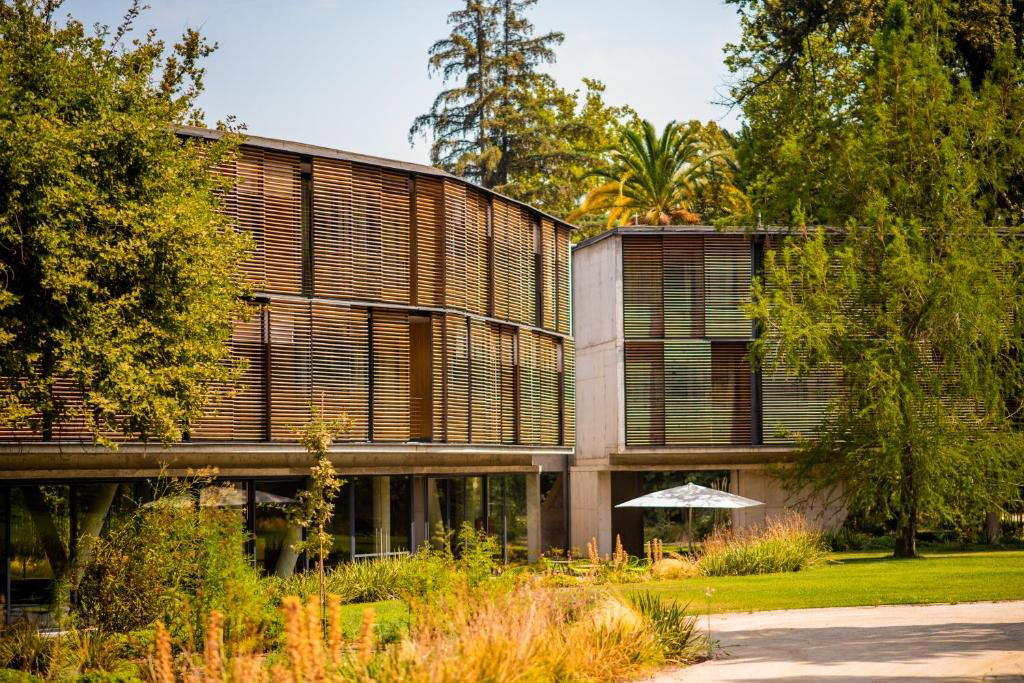
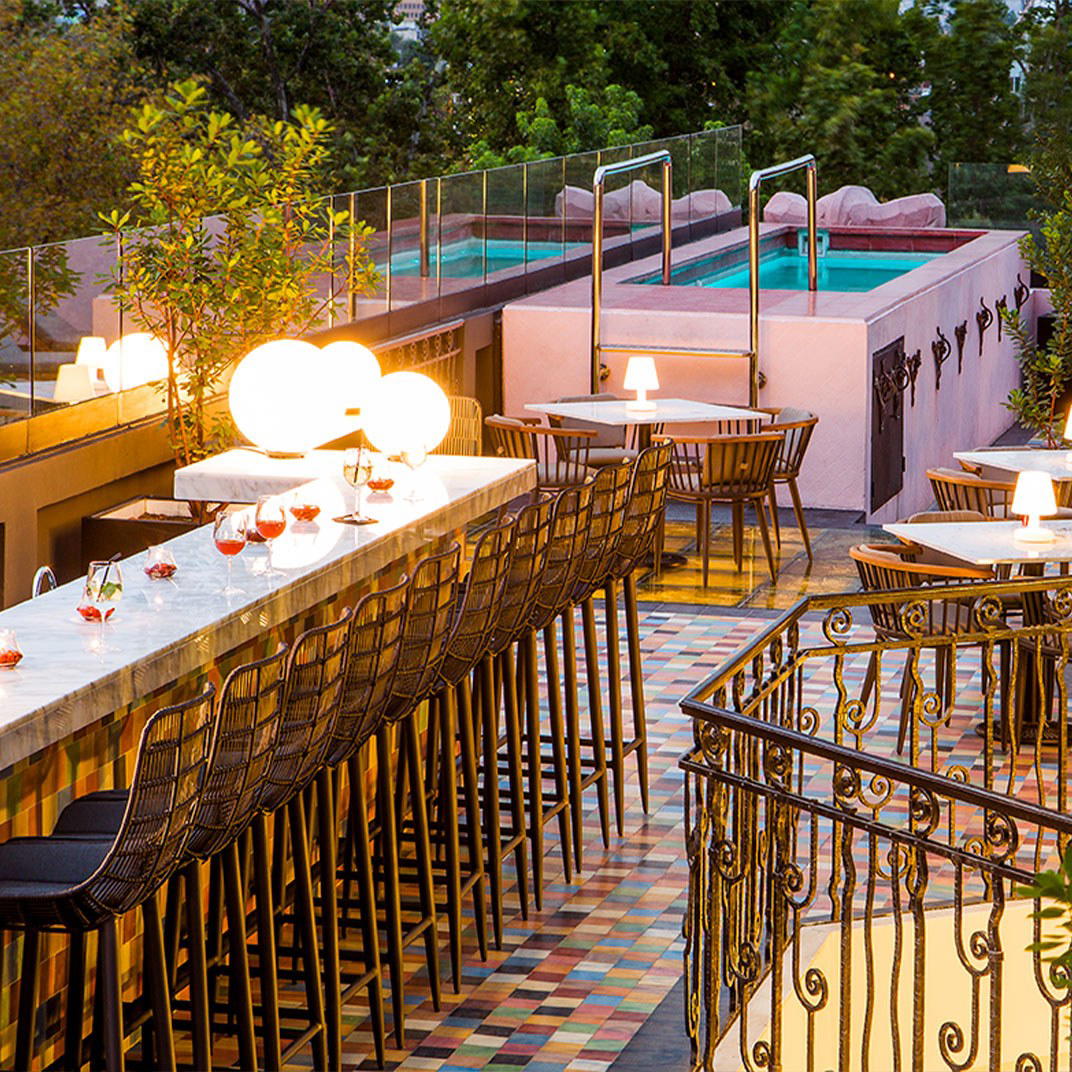
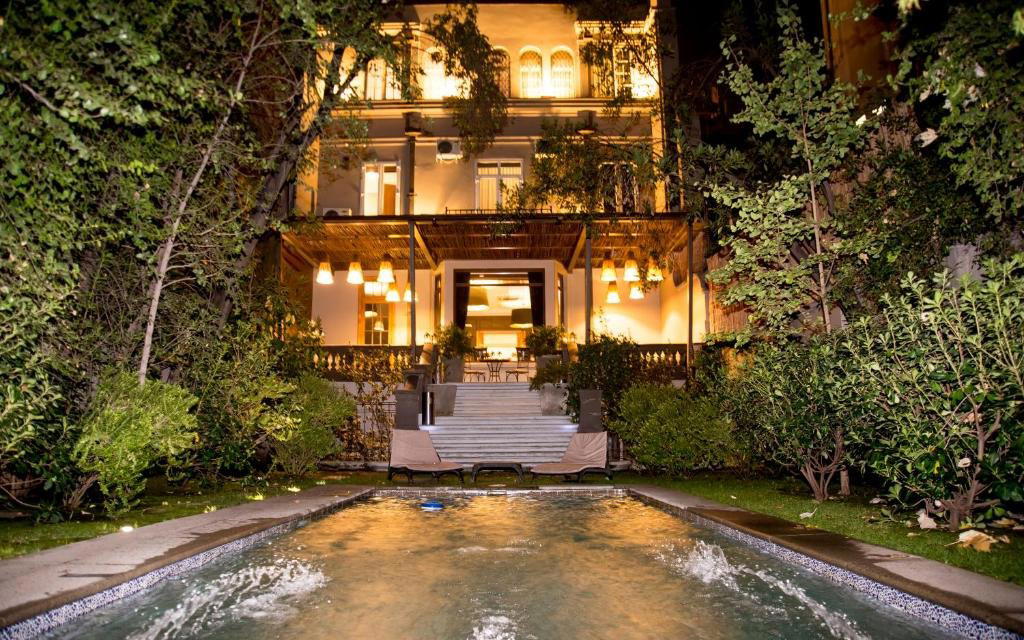
Elegant and refined atmosphere highlighting the purity and finesse of its prestigious terroir at the foot of the Andes.