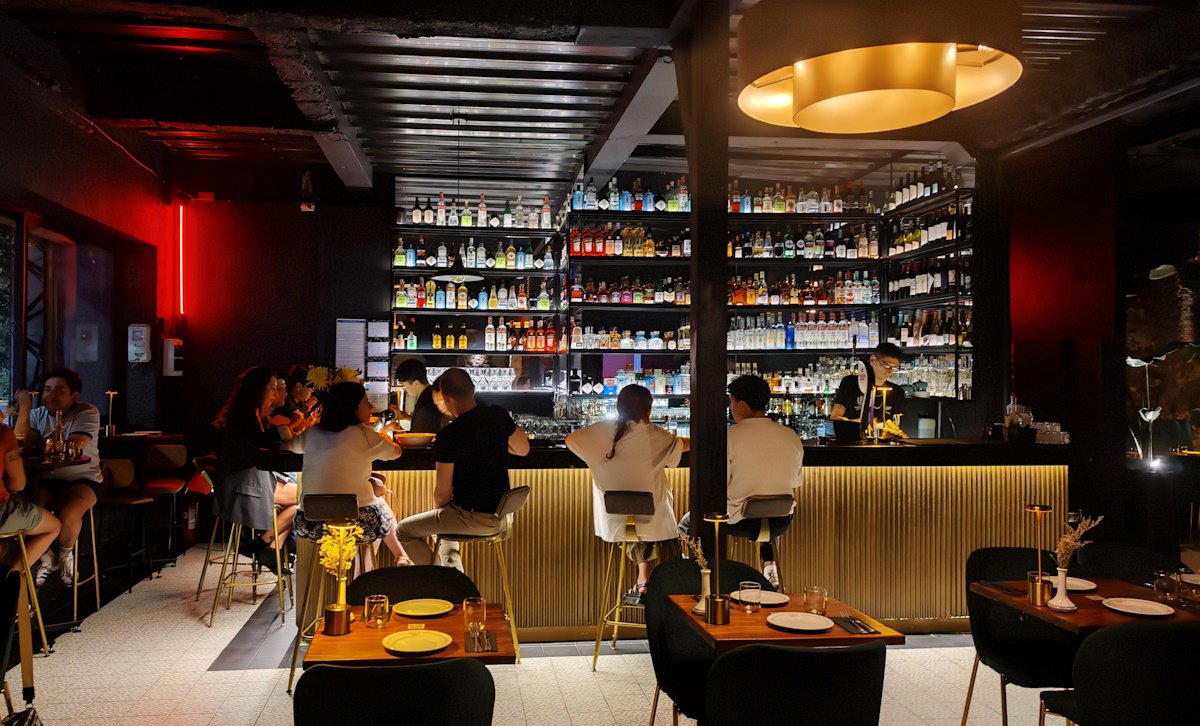
On Avenida Libertador Bernardo O'Higgins, one of Santiago's main arteries, Blondie occupies a position in the city's bar scene that rewards those who pay attention to what's behind the counter rather than what's on the marquee. The back bar is the argument here, with a spirits collection that places it in a different conversation from the neighborhood's more casual drinking spots.
Pearl is the En Primeur Club membership app — saves, bookings, and concierge access live there. Same editors, same standards.
- Address
- Avda Liber Bernardo OHiggins 2879, Santiago, Región Metropolitana, Chile
- Website
- blondie.cl
- Directions
- Get directions
 Saves & bookings on Pearl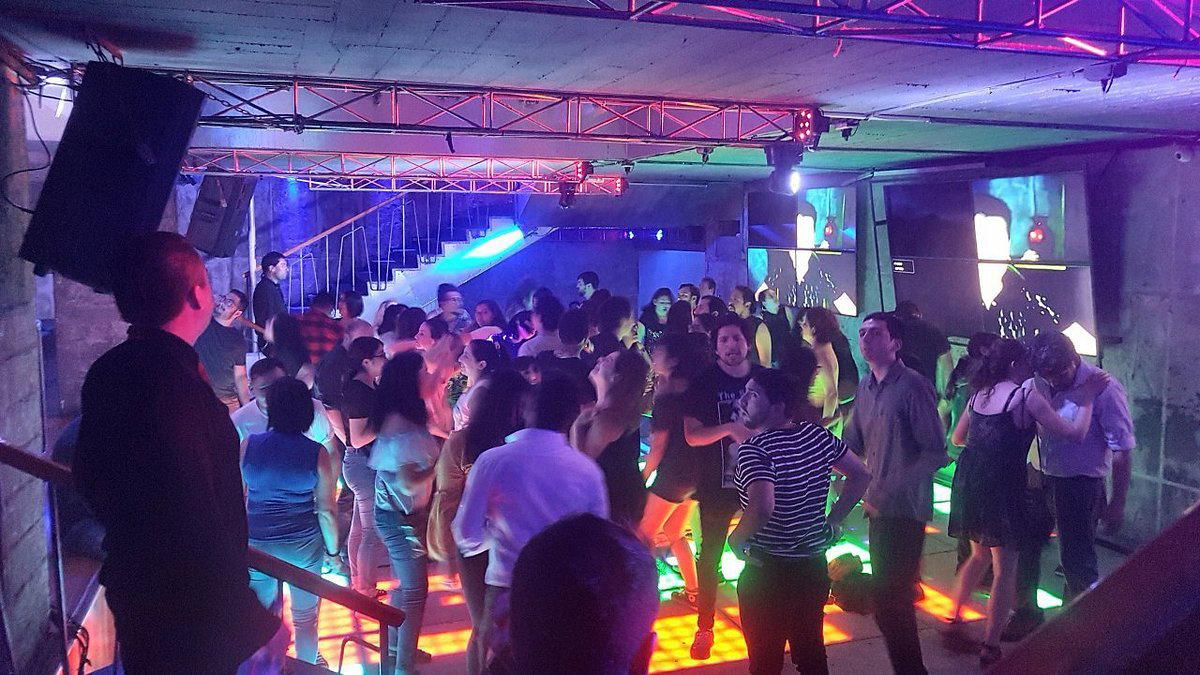
Alameda After Dark: Reading Blondie Against Santiago's Bar Scene
Avenida Libertador Bernardo O'Higgins, the long arterial road Santiaguinos call simply the Alameda, is a bar in Santiago, Chile, on Avenida Libertador Bernardo O'Higgins 2879. It is a commuter corridor, a political march route, a stretch of bus exhaust and municipal noise. Which is precisely what makes a bar like Blondie legible to anyone who knows how city drinking culture actually develops: the addresses that carry real local weight are rarely the ones with valet stands and softbox lighting. They are the ones absorbed into the infrastructure of daily urban life, operating on the Alameda's own terms rather than against them.
Santiago's bar scene has, in recent years, fractured into recognisable tiers. Barrio Italia and Lastarria have attracted cocktail programs that trade on imported spirits, technical service, and a mostly international clientele happy to pay accordingly. The Bellavista strip runs a parallel track, louder and less consistent. Against those poles, the Alameda corridor occupies a different register: denser, more local in its reference points, less interested in signalling to visitors. Blondie, at number 2879, sits in that register.
The Pairing Logic of Bar Food in Santiago
Across South America's major drinking cities, Buenos Aires, Bogotá, Lima, the relationship between a bar's food programme and its drinks list has historically been treated as secondary business. Food arrived as a concession to licensing requirements or as a buffer against complaints from the street. That convention has been shifting for a decade, and Santiago is no exception. The more attentive operations now treat food and drink as a coherent programme rather than separate departments, and the test of that coherence is whether the kitchen's output changes how you drink rather than just filling time between rounds.
At Blondie, the editorial angle is that pairing logic. Chilean bar food at this price point and address type tends toward the direct: things that work alongside beer or pisco without demanding attention. Whether Blondie's kitchen operates more deliberately than that norm, whether the food is calibrated to the drinks rather than merely accompanying them, is the question a first visit sets out to answer. The address on the Alameda, and the venue's apparent positioning within the local rather than tourist tier, suggest a programme built for regulars who arrive with existing preferences rather than guests requiring orientation.
For comparison, bars like Kumiko in Chicago and Jewel of the South in New Orleans have demonstrated how seriously a food-and-drink pairing framework can be executed when the kitchen is treated as a first-class department rather than a support function. The same question, how seriously does the kitchen serve the drink programme?, is worth asking of any bar operating in a city where that standard is rising.
Pisco, Beer, and What the Category Mix Signals
Any serious reading of Santiago's drink culture starts with pisco. Chile's national spirit remains the dominant reference point in local bars, appearing in sours, punches, and long drinks, and the way a venue handles it signals quite a lot about the rest of the programme. A bar on the Alameda that corners the pisco sour well, clean citrus balance, egg white with actual texture, no sugar shortcut, is operating at a baseline that separates it from the volume venues on the same stretch. From there, the question is what sits alongside it: whether the beer list reaches beyond the mass-market standard, whether wine by the glass is treated seriously, and whether the spirits shelf reflects genuine curation or visual display.
Regionally, Chilean bars have been incorporating more domestic craft beer since the mid-2010s, a shift that mirrors patterns across Latin America and gives kitchen teams more options when thinking about pairing. A bitter, citrus-forward IPA alongside cured or fried food follows the same logic as a pale ale alongside a ceviche adaptation; the pairing doesn't need to be elaborate to be deliberate. At venues like Bar Leather Apron in Honolulu or Superbueno in New York City, the drinks-to-food signal is explicit and communicated through the menu. The Alameda tier in Santiago tends to communicate the same logic less explicitly, through habit and repetition, regulars learn the combinations rather than being guided to them.
Neighbourhood Context and When to Go
The Alameda changes character across the week. Weekday afternoons bring a working crowd; weekend evenings shift toward a younger demographic moving between venues on foot. The stretch near 2879 sits close enough to the Universidad de Santiago sector that the crowd skews student-heavy on certain nights, which affects noise level and pacing. For visitors accustomed to quiet service, a Thursday or early Friday visit tends to read better than a late Saturday. For a sense of the venue in its natural state, with the regulars who define its atmosphere rather than the overflow crowd testing it, midweek is the more revealing visit.
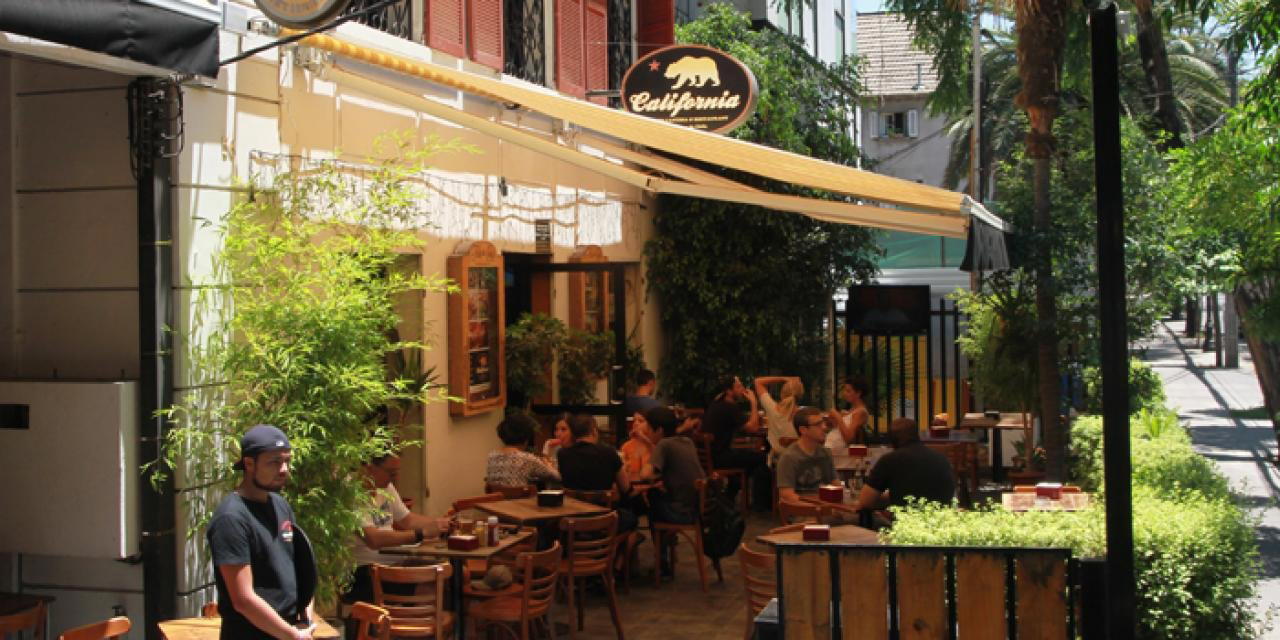
Reaching Blondie requires no particular planning: the Alameda is Santiago's central transit spine, served by Metro lines and surface buses in both directions. From Barrio Italia or Lastarria, the distance is manageable by cab. Those building a broader Santiago itinerary can cross-reference Liguria, which occupies a different price tier and neighbourhood mood, or California Cantina for a contrasting format. Casaluz Restaurant and El Rey del Mote con Huesillo offer further points of comparison for how Santiago's food-and-drink scene organises itself across different registers.
Internationally, the bar-with-serious-food format has been refined in venues as different as Julep in Houston, The Parlour in Frankfurt on the Main, and The Singular Patagonia in Puerto Natales, each working within a local idiom but applying the same underlying principle: that a bar which takes its food seriously changes the tempo and quality of a guest's drinking, not just their calorie intake.
Blondie operates on Avenida Libertador Bernardo O'Higgins 2879. Blondie is walk-in friendly. Arriving before peak evening hours on a weekday avoids the fullest crowds. Visitors looking to use the venue as an anchor for a wider evening should note that the Alameda corridor connects easily westward toward the Yungay neighbourhood, which carries its own distinct bar character, or eastward toward Lastarria and its denser concentration of cocktail-focused operations.
Peers Worth Knowing
Comparable venues nearby, for context on price, style, and recognition.
| Venue | Cuisine | Price | Notes |
|---|---|---|---|
| BlondieThis venue — the venue you are viewing | lounge | $$ | Not listed |
| California Cantina | sports_bar | $$ | Providencia |
| Miguel Torres | wine_bar | $$$ | Vitacura |
| The Clinic | cocktail_bar | $$ | Barrio Brasil |
| Siam Thai | cocktail_bar | $$ | Providencia |
| The Box Stgo | lounge | $$ | Recoleta |
Continue exploring
More in Santiago
Bars in Santiago
Browse all →
Restaurants in Santiago
Browse all →
Hotels in Santiago
Browse all →


At a Glance
- Lively
- Trendy
- Energetic
- Late Night
- Group Outing
- Celebration
- Live Music
- Standing Room
- Lounge Seating
- Classic Cocktails
Current opening hours
- Monday
- Closed
- Tuesday
- Closed
- Wednesday
- Closed
- Thursday
- Closed
- Friday
- 11:30 PM–4:45 AM
- Saturday
- 10 PM–5 AM
- Sunday
- Closed
Hours can change for holidays and private events. Last verified .
Gritty underground atmosphere with dark walls, colored lighting, no-frills aesthetic, and pulsating energy from diverse music rooms.