

Michelin Plate · Tabelog Bronze #351
Our verdict
RADICE belongs to Kyoto’s small, serious tier of Italian restaurants where sourcing carries as much weight as technique. Its Tabelog Award Bronze recognition in 2019, 2025, and 2026, plus selection for Tabelog Italian WEST “Tabelog 100” in 2021, 2023, and 2025, place it beyond casual trattoria territory and into a reservation-led dining bracket shaped by fish, wine, and counter intimacy.

Pearl is the En Primeur Club membership app, where members save venues, book tables and use the concierge.
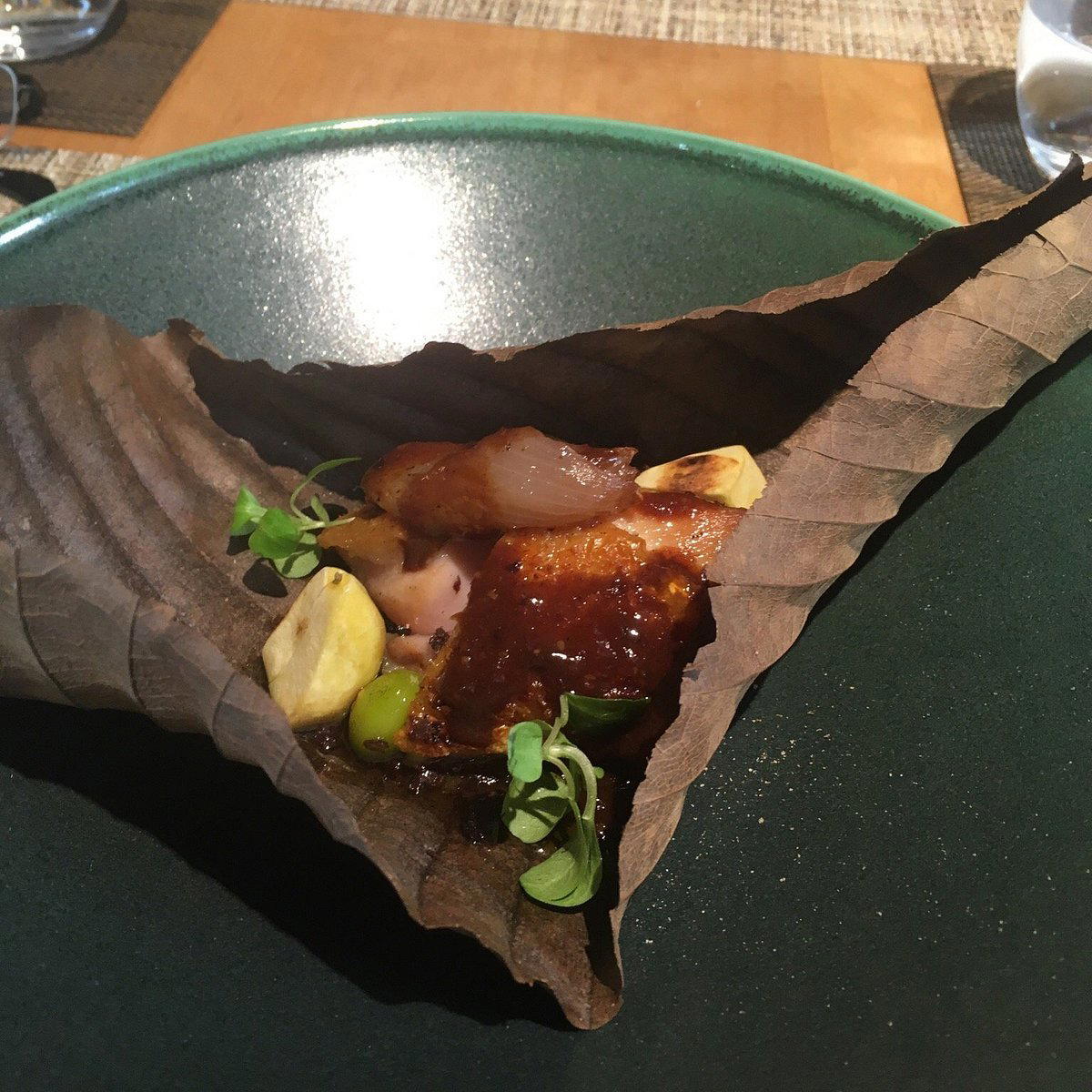
The menu
What to order
- Panzerotti
- Gnocco_fritto
- Abalone_risotto
Kyoto’s quieter restaurant rooms announce themselves by restraint: residential scale, short sightlines, counter discipline, and a meal engineered around pace. RADICE fits that register. Its compact, counter-centered format reads closer to Kyoto’s small specialist restaurants than to a broad Italian dining room built for turnover.
That matters because Kyoto rarely treats imported cuisines as replicas. French and Italian cooking here are judged by how well they absorb local seasonality, seafood supply, and kaiseki-adjacent habits without becoming costume. Italian food tends to split into two lanes: casual pasta-and-wine neighborhood rooms, and reservation-led restaurants where structure, sourcing, and pacing approach tasting-menu culture. RADICE sits firmly in the latter, with Tabelog Award Bronze recognition in 2019, 2025, and 2026, and selection for Tabelog Italian WEST “Tabelog 100” in 2021, 2023, and 2025.
Kyoto Italian with fish at the center of the argument
RADICE’s useful distinction is not simply Italian food in Kyoto. Its category signals fish as a focus, placing it inside a broader Kansai conversation about how Italian technique handles Japanese product. In coastal and river-linked food cultures, fish is not a luxury add-on; it tests timing, temperature, restraint, and sauce weight. Italian cooking gives that product a different grammar from sushi or kaiseki: acidity, olive oil, pasta, broths, and wine pairing structure the ingredient rather than forming ceremony around it.
Kyoto diners already understand seasonality through Japanese formats, so Italian restaurants at this level get little credit for generic “seasonal” language. Credible rooms must show a tighter relationship between product and form. RADICE’s fish emphasis, sommelier service, and wine-led framing point to that middle ground: not a trattoria built around abundance, and not a Japanese restaurant borrowing Italian vocabulary, but a small dining room where Italian technique is expected to carry local sourcing without overexplaining it.
That positioning explains why RADICE sits in a different decision set from everyday Kyoto dining. A traveler comparing it with Vena is thinking within Kyoto’s premium Italian category; a diner considering GRILL DEMI, Saryo Tesshin, Korean Shokudo Iru Goshominami, or Mirei is weighing mood, cuisine, and time commitment more broadly. RADICE is for the night when Italian structure, wine, and a controlled counter experience matter more than breadth or spontaneity.
The counter format suits Kyoto's smaller luxury
Kyoto’s high-end dining culture often rewards compression. Twelve seats, including eight at the counter and one four-seat table, change the rhythm of a meal. The room cannot hide behind volume; the experience depends on sequencing, silence, and choreography between kitchen and guest. Counter dining in Japan is associated with sushi, tempura, and kappo, but Italian restaurants adapt that intimacy differently: the diner sees less ceremony than at sushi, while proximity makes sauce work, plating, and wine service more immediate.
The reservation-only structure reinforces control. Service is synchronized, with courses taking around two and a half hours. That makes RADICE a planned evening, not a flexible stop between sightseeing and a bar. It also filters fit: not for a rushed itinerary, mixed-age family meal, or group seeking a loose à la carte night. Children under 10 are not accepted, private rooms are unavailable, and the scale favors diners comfortable with a compact, adult setting.
Service cues are equally specific. Credit cards are accepted, electronic money and QR payments are not, and a 10 percent service charge applies. Dress guidance is practical rather than theatrical: avoid strong perfume, and men are asked not to wear sandals. In a small room, scent, lateness, payment friction, and pacing affect everyone at the counter.
Where RADICE fits in a Kyoto dining itinerary
For visitors building a serious Kyoto food itinerary, RADICE works as the Italian counterpoint to the city’s Japanese traditions, not a replacement for them. It reads Kyoto ingredients through a European lens after meals built around soba, wagashi, grilled beef, or kappo-style pacing. That contrast is the reason to book: Kyoto’s culinary depth becomes clearer when Italian technique is part of the same trip, not a detour from local eating.
The practical rhythm is fixed enough to plan around. Lunch and dinner services begin simultaneously on operating days, and diners are asked to arrive on time. If departure time matters, communicate it in advance rather than negotiate at the table. The nearest station context places RADICE in the Marutamachi orbit, useful for pairing the meal with central Kyoto instead of building a long cross-city transfer into the evening.
Readers mapping the wider city can use Our full Kyoto restaurants guide for dining breadth, then compare nearby or category-adjacent choices such as 3TOKU6MI Shijo karasuma ten, 551蓬莱, [ki:], Abbesses, and Aburi Mochi Honke Nemoto Kazariya. For a wider trip frame, use Our full Kyoto hotels guide, Our full Kyoto bars guide, Our full Kyoto wineries guide, and Our full Kyoto experiences guide.
Outside Kyoto, EP Club’s Japan and overseas dining coverage gives useful contrast in format and scale: -Grilled beef Sukiyaki- KAMAKURA TANUKIAN 鎌倉 たぬき庵 in Kamakura. 鮪と炭火焼き うお炭 秋葉原店 in Tokyo.cafe in Osaka.know in Kumamoto, (Shoku) Vietnam in Kawasaki, [Curry Senmon Ten] Maruyama Kyoju. in Sapporo, Jōdo Saké Bar in Los Angeles, and Onigiri Time in Pasadena. The comparison clarifies Kyoto’s small-room dining culture: fewer seats, tighter pacing, and a higher expectation that sourcing and format carry the meal without excess explanation.
Frequently asked questions
When can I go to RADICE?
Hours at RADICE: Mon, Thu 18:30 - 22:00.
How do I find RADICE?
RADICE is located in Kyoto.
What's the signature at RADICE?
RADICE does not attach a named signature dish in the public record. The restaurant’s clearest calling card is fish-focused Italian cooking in Kyoto, served in a 12-seat room with eight counter seats, and backed by Tabelog Bronze awards in 2026, 2025, and 2019. Check the venue's official channels for the latest details.
What is RADICE known for?
RADICE is primarily known for its core concept and execution in Kyoto.
In Context: Similar Options
Comparable venues nearby, for context on price, style, and recognition.
| Venue | Cuisine | Price | Awards | Notes |
|---|---|---|---|---|
| RADICEThis venue (the venue you are viewing) | Modern Italian with Japanese Influences | $150–200 | Michelin Plate · Tabelog Bronze #351 | Not listed |
| IL GARAGE | Modern Italian with Japanese Influences | $150–200 | Tabelog Bronze #129 | Nakagyō |
| Il Ghiottone | Modern Italian with Kyoto influences | $50–100 | Tabelog 100 #44 · We're Smart World 2 Radishes | Higashiyama |
| La Locanda Za rittsu kaaruton kyoto | Modern Italian Fine Dining | Not listed | Not listed | Nakagyō |
| Germoglio | Piedmontese Italian with Kyoto Seasonality | $150–200 | 1 Michelin Star | Shimogyō |
| SCALAE | Modern Italian with Plant-Forward Options | $150–200 | Star Wine List | Shimogyō |
Recognition history
Dated appearances from independent guides and award organizations, with the underlying list record or original source where available.
Michelin Plate
Michelin
Tabelog Bronze #351
Tabelog
Full recognition history (4 entries)
Tabelog Bronze
Tabelog
Tabelog 100 #40 · No. 40
Tabelog · Tabelog 100 - Italian - WEST - 2025
Continue exploring
More in Kyoto
Restaurants in Kyoto
All restaurants in Kyoto →
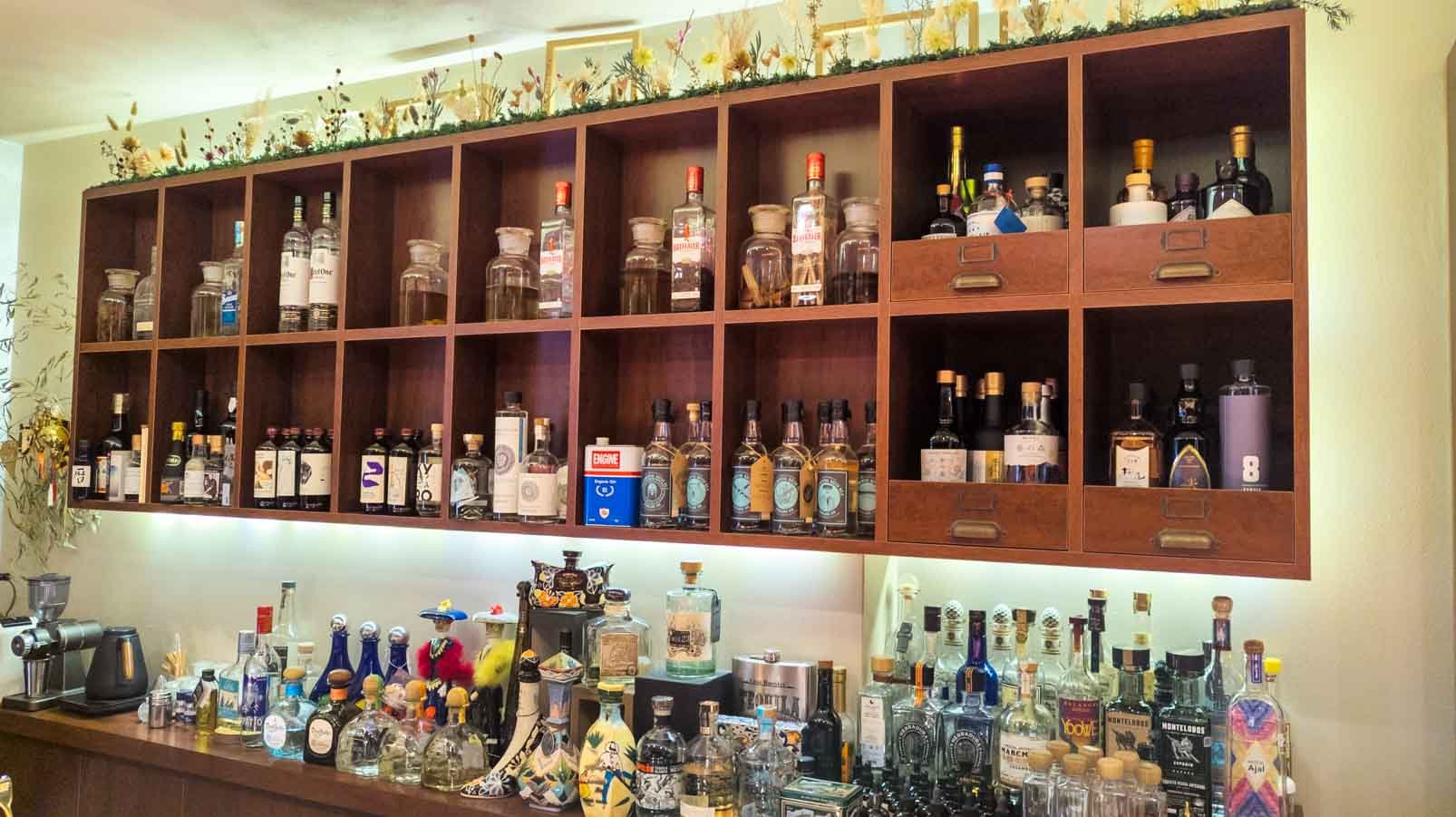
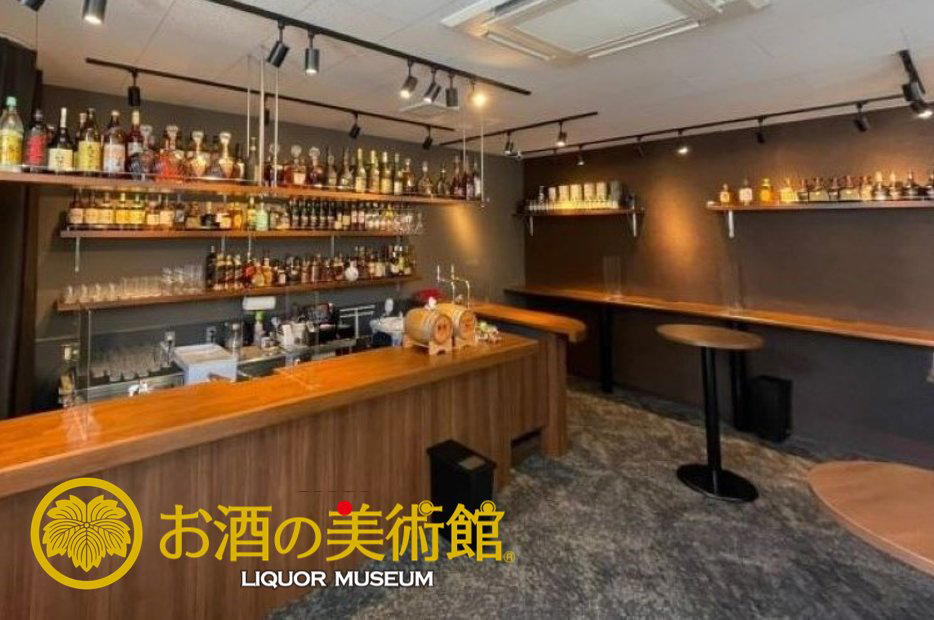
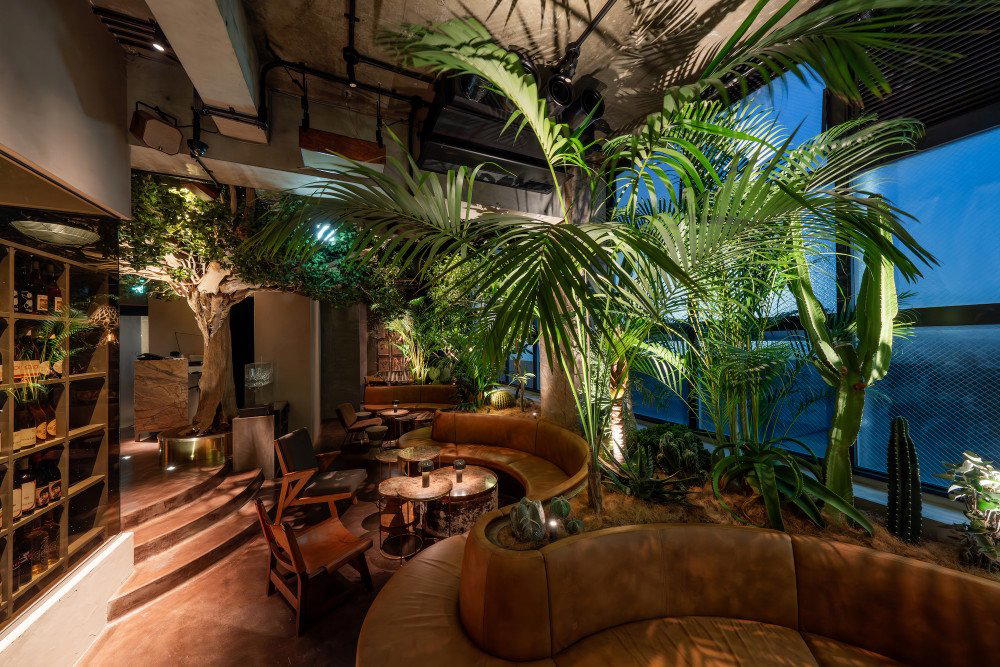
Bars in Kyoto
All bars in Kyoto →
Hotels in Kyoto
All hotels in Kyoto →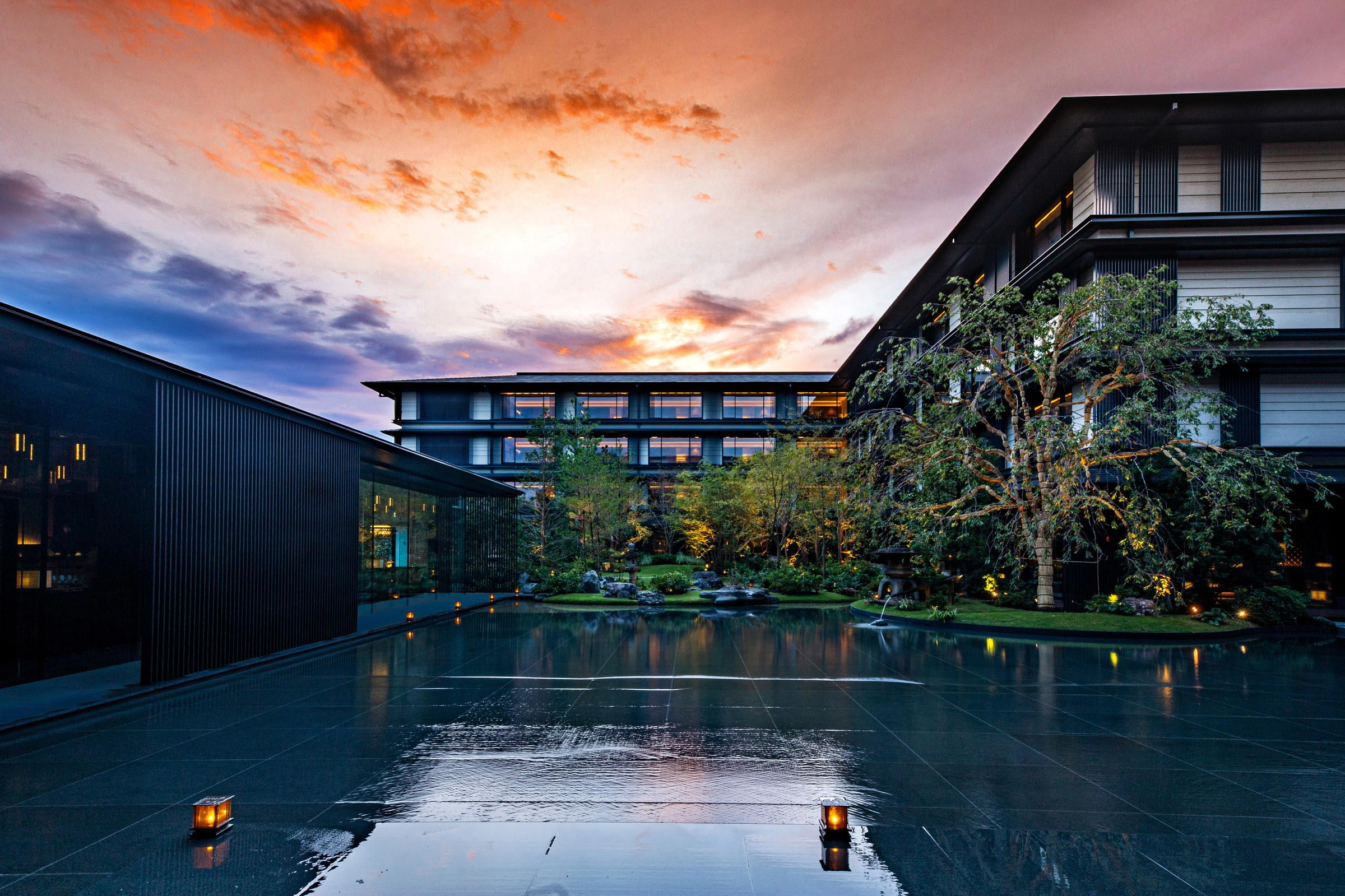
Wineries in Kyoto
Browse all →
Details
- Elegant
- Cozy
- Intimate
- Sophisticated
- Date Night
- Special Occasion
- Open Kitchen
- Extensive Wine List
- Sake Program
- Local Sourcing
- Garden
- Tasting Menu
- A La Carte
- Wine
- Sake
Current opening hours
- Monday
- 6–11 PM
- Tuesday
- 6–11 PM
- Wednesday
- Closed
- Thursday
- 6–11 PM
- Friday
- 12–2:30 PM, 6–11 PM
- Saturday
- 12–2:30 PM, 6–11 PM
- Sunday
- 12–2:30 PM, 6–11 PM
Hours can change for holidays and private events. Hours as of .
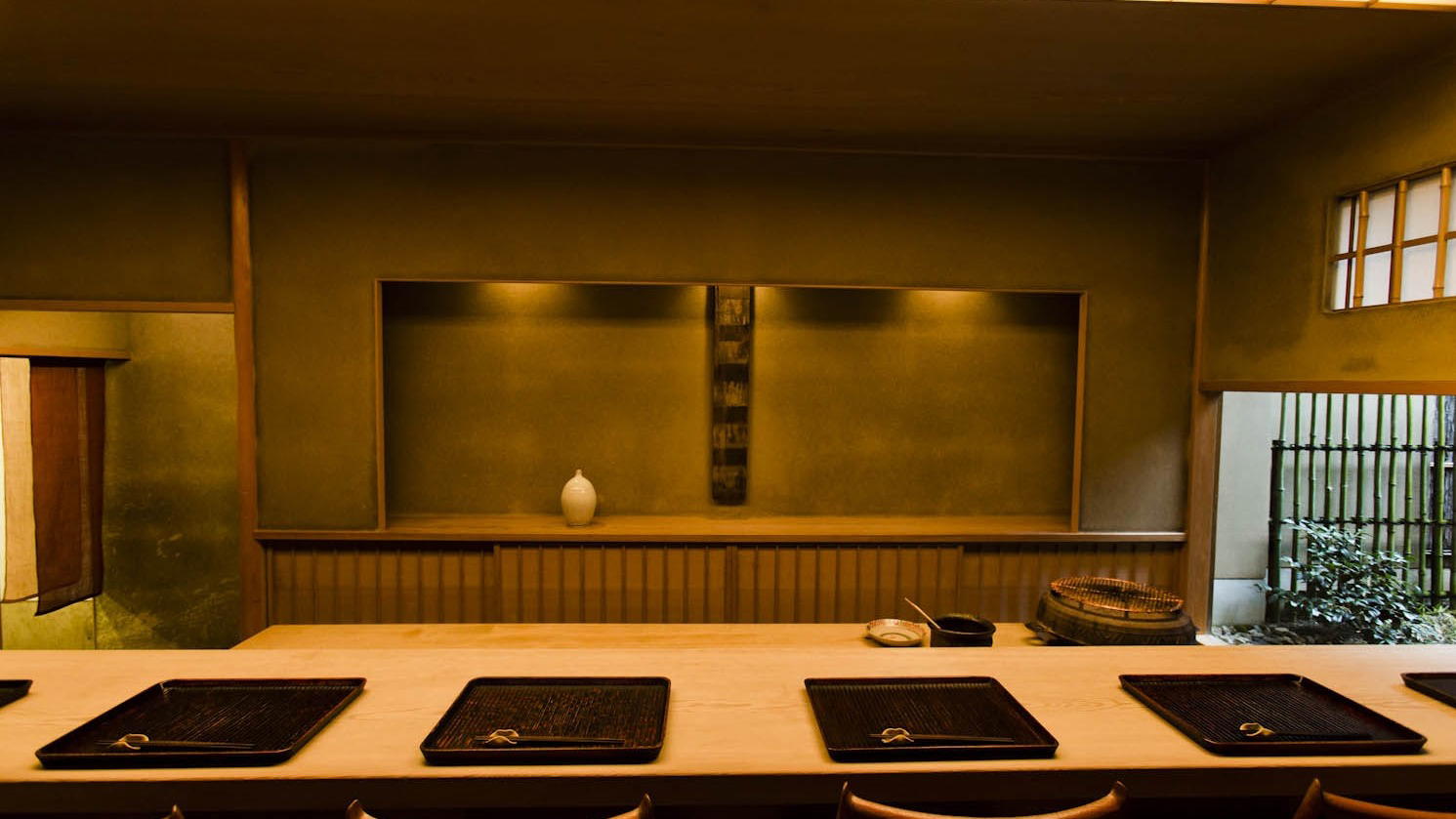
Warm and inviting wood-tone interior with a chic exterior, offering counter seats overlooking the kitchen and tables with courtyard views.