Google: 4.4 · 1,006 reviews

Putien brings the ingredient-focused cooking of Fujian province to Causeway Bay's seventh floor, translating a cuisine largely absent from Hong Kong's fine-dining conversation into a format that rewards repeated visits. The kitchen draws on seasonal produce and traditional Hokkien techniques, positioning the restaurant within a distinct tier of regional Chinese dining that sits apart from the city's dominant Cantonese register.
 Discover on Pearl
Pearl is the En Primeur Club membership app — saves, bookings, and concierge access live there. Same editors, same standards.
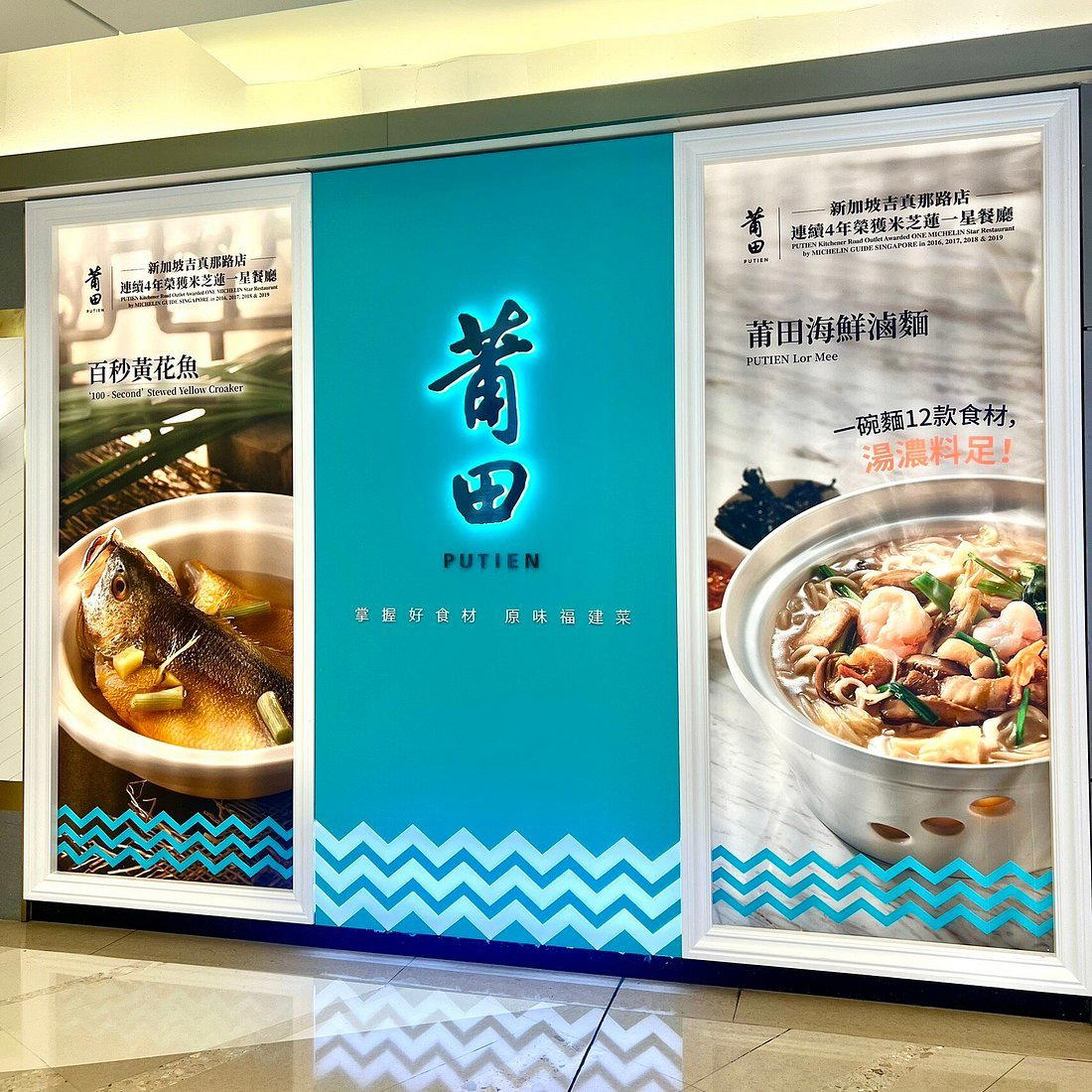
A Regional Chinese Kitchen in a City That Favours Cantonese
Hong Kong's restaurant culture is one of the most stratified in Asia. At the upper end, French-inflected fine dining from rooms like Amber and Caprice competes for the same Michelin-chasing audience as Italian heavyweights like 8 1/2 Otto e Mezzo Bombana and cross-cultural innovators like Ta Vie. Cantonese cooking, meanwhile, commands its own prestige tier, with rooms like Forum anchoring a tradition that spans decades. What the city's premium dining map covers less comprehensively is the breadth of mainland Chinese regional cuisines — and within that gap, Fujian cooking occupies an especially overlooked position.
Putien addresses that gap directly. Located on the seventh floor of Lee Theatre Plaza on Percival Street in Causeway Bay, the restaurant brings Hokkien cooking — the cuisine of Fujian province and its diaspora , into a setting that reads more deliberately than the neighbourhood's average mid-market Chinese room. Causeway Bay is dense, commercial, and quick-moving; a seventh-floor dining room above the street noise is a minor act of editorial curation in itself. The surrounding area draws a broad mix of locals, office workers, and shoppers, but the restaurant's positioning within the building creates a degree of separation from that ambient energy.
Where the Food Comes From: The Sourcing Logic of Fujian Cuisine
Fujian cuisine is defined more precisely by its ingredients than by any single cooking technique. The province's coastal geography means seafood forms the backbone of the tradition: sea clams, razor clams, oysters, and yellow croaker feature across the classical repertoire, often prepared with restraint that keeps the primary ingredient legible. Inland, Fujian's mountainous terrain produces ingredients that rarely appear in Cantonese or Shanghainese kitchens: specific varieties of tofu, fermented soy products, and the red yeast rice wine , Hong Qu , that gives many Fujian braised dishes their characteristic colour and quiet complexity.
Putien, as a restaurant group, built its identity in Singapore around the sourcing specificity that Fujian cooking demands. The group's approach has consistently emphasised seasonal availability over year-round menu stability, which means certain dishes , particularly those tied to coastal harvests or specific agricultural windows , rotate with genuine intention rather than as a marketing gesture. For diners accustomed to Cantonese fine dining, where the seasonal clock runs on familiar tracks, Fujian seasonality offers a different calendar. The Hua Clam season, for instance, is a fixture of the Putien story: these clams from Fujian's Meizhou Island have a brief annual window, and the restaurant's reputation was partly built on treating that window seriously rather than sourcing substitutes out of season.
This sourcing discipline places Putien in a different competitive frame from the broader Causeway Bay mid-market. It is less comparable to the neighbourhood's Cantonese roast houses or Sichuan operators, and more usefully positioned against other regional Chinese kitchens that treat ingredient provenance as a primary value , a smaller peer group in Hong Kong than the city's dining depth might suggest.
Fujian Cooking in the Context of Hong Kong's Regional Chinese Dining
The Hokkien diaspora runs deep through Southeast Asia, and Fujian-influenced cooking appears with some frequency in Singapore, Malaysia, and Taiwan. In Hong Kong, however, the cuisine has never achieved the institutional presence of Cantonese, Shanghainese, or even Chiu Chow cooking. This partly reflects migration patterns and partly reflects the dominance of Cantonese culinary infrastructure in the city's restaurant trade. Putien's presence here functions as a corrective of sorts , not through any polemical positioning, but simply by making a coherent Fujian menu available at a standard that invites serious attention.
The contrast with the city's French and Italian fine-dining rooms is worth holding in mind. Rooms like Caprice operate within a global luxury hospitality framework, where the cuisine's regional specificity is secondary to a broader fine-dining grammar. Putien operates from the opposite logic: the cuisine's regional specificity is the point, and the format exists to serve it. That inversion places it alongside a smaller set of Hong Kong restaurants where the cooking tradition itself generates the value proposition rather than the service architecture around it.
For readers exploring Hong Kong's dining range more broadly, the EP Club's full Hong Kong restaurants guide maps the city's different tiers and neighbourhoods in detail. The city's geographic spread also means that interesting regional Chinese cooking appears well outside the central districts: Lei Garden in Sha Tin and Hoi Tin Garden in Tuen Mun represent the way quality Chinese cooking distributes across the New Territories, while more specialist operations like King of Soybeans in Wong Tai Sin illustrate how ingredient-specific concepts can anchor themselves in residential districts far from the tourist corridors.
Planning a Visit: What to Know Before You Go
Lee Theatre Plaza is accessible from Causeway Bay MTR station, with the restaurant on the seventh floor. Causeway Bay is one of Hong Kong's busiest commercial districts, and footfall around Times Square and the surrounding shopping blocks stays high through evenings and weekends. For a restaurant operating at this level of regional specificity, booking ahead is advisable, particularly if you are targeting dishes tied to a specific seasonal ingredient. The Hua Clam window, for instance, attracts repeat visitors who plan around it; arriving without a reservation during peak season carries meaningful risk of missing the dishes that define the kitchen's reputation.
Putien sits within a broader ecosystem of Causeway Bay dining that spans significant range. Nearby options for comparison or contrast include Coconut Soup in Yau Tsim Mong for Southeast Asian regional cooking, and across the water, Gaia in Central and Western for Italian. For readers with interest in how Hong Kong's food culture extends into less-covered districts, Habib's in Kwun Tong, Gangstas on the Islands, I Love Istanbul in Tsuen Wan, and One-ThirtyOne in Tai Po each represent a distinct neighbourhood register. The Former Jumbo Floating Restaurant in Aberdeen remains a reference point for Hong Kong's dining history, however its current status warrants checking before any visit.
For international context, Putien's ingredient-led regional Chinese approach rhymes with how serious seafood-focused kitchens operate globally. Le Bernardin in New York City and Atomix represent the kind of single-cuisine depth that earns sustained critical attention through rigour rather than spectacle , a logic that applies equally to a Fujian kitchen committed to its source ingredients.
Local Peer Set
A quick context table based on similar venues in our dataset.
| Venue | Cuisine | Price | Notes |
|---|---|---|---|
| Putien | This venue | ||
| 8 1/2 Otto e Mezzo Bombana (Hong Kong) | Italian | $$$$ | Italian, $$$$ |
| Ta Vie | Japanese - French, Innovative | $$$$ | Japanese - French, Innovative, $$$$ |
| Estro | Wine Bar, Italian | $$$$ | Wine Bar, Italian, $$$$ |
| Feuille | French Contemporary | $$$ | French Contemporary, $$$ |
| Mono | Latin American | $$$ | Latin American, $$$ |
Continue exploring
More in Hong Kong
Restaurants in Hong Kong
Browse all →
Bars in Hong Kong
Browse all →

At a Glance
- Classic
- Cozy
- Family
- Group Dining
- Casual Hangout
- Standalone
- Sake Program
- Local Sourcing
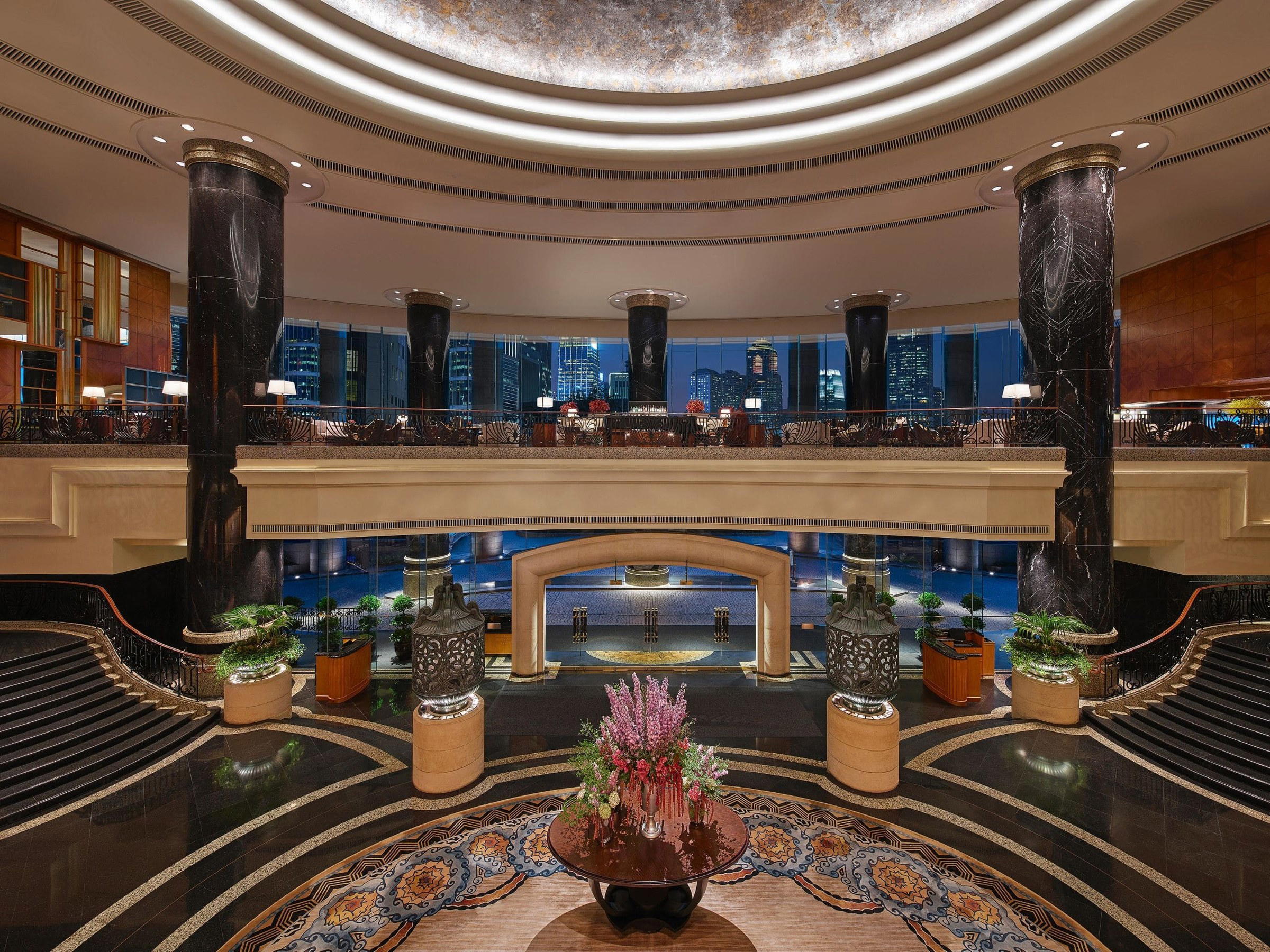
Welcoming and easy-going atmosphere with a focus on natural flavors and traditional Fujian hospitality.