


Michelin Selected · La Liste Top Hotels · Forbes 4-Star
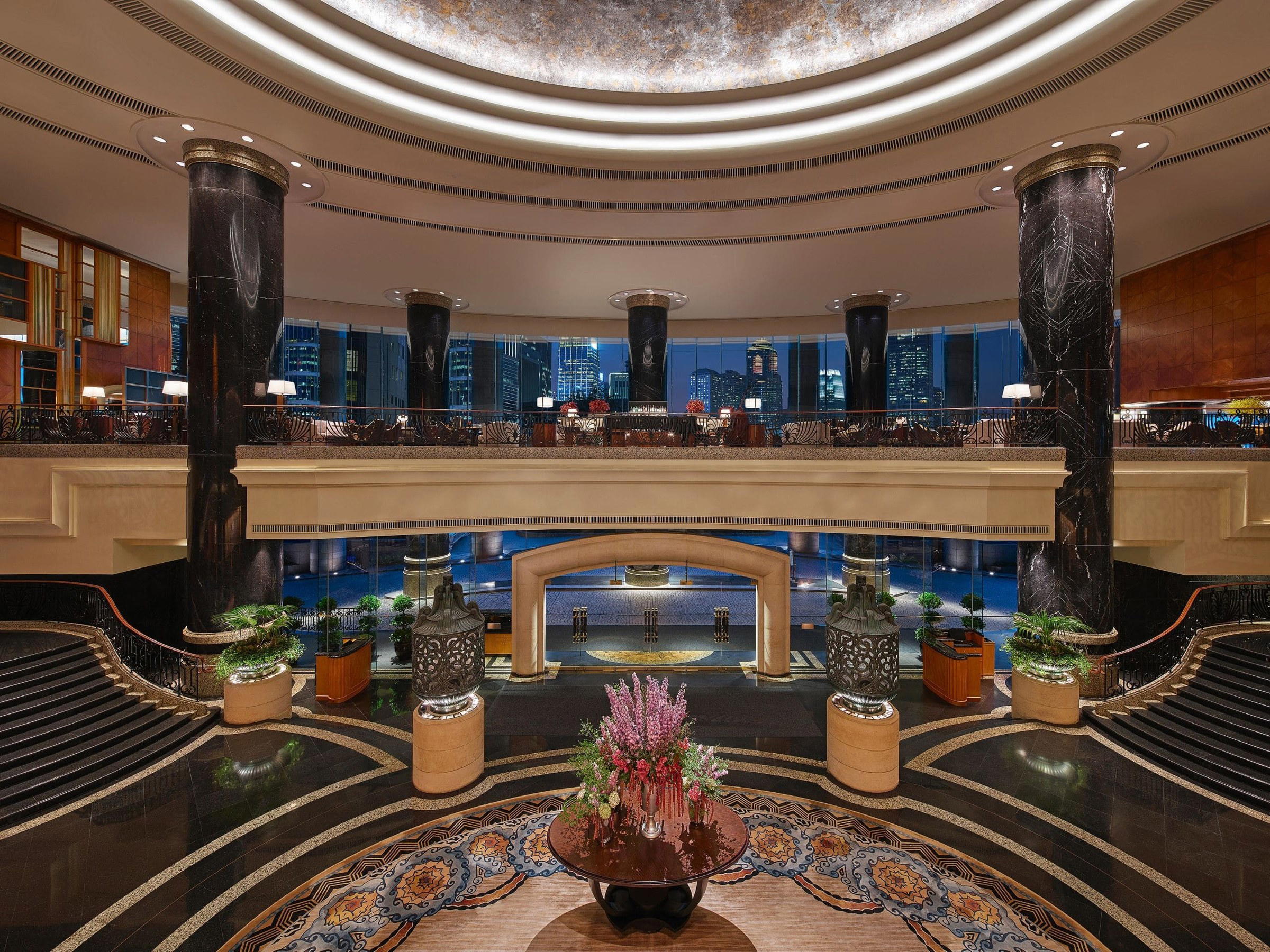
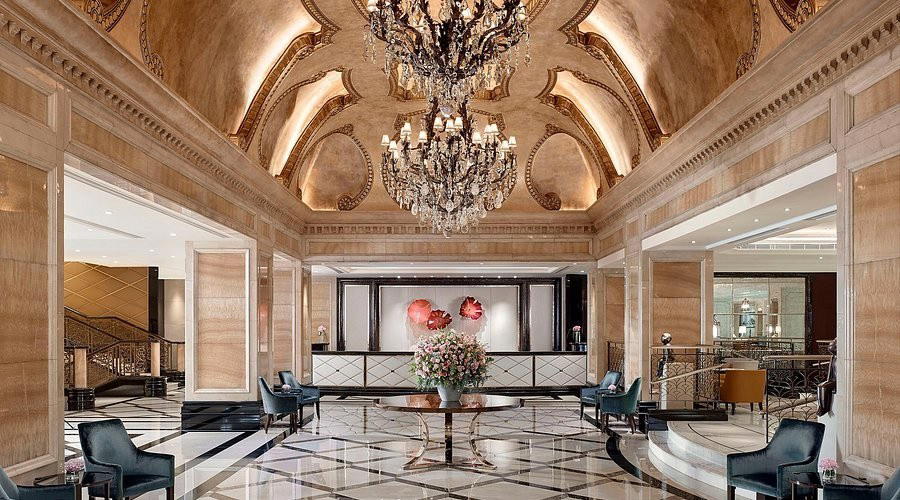
Open since 1989 and earning 90 points in the La Liste Top Hotels 2026 ranking, Grand Hyatt Hong Kong occupies a commanding position on the Wan Chai harbourfront, directly connected to the Hong Kong Convention and Exhibition Centre. The property runs a full-spectrum wellness floor, a 50-metre outdoor pool, and a dining suite that spans Cantonese, Italian, and American formats, making it a consistent choice for business travellers and those seeking a structured urban retreat.

Pearl is the En Primeur Club membership app, where members save venues, book tables and use the concierge.
Harbour Position, Wellness Infrastructure, and a Hotel That Has Earned Its Place
Wan Chai's harbourfront has always been Hong Kong's most efficiently connected stretch of waterfront real estate. The Hong Kong Convention and Exhibition Centre anchors the district commercially, and the hotels that cluster around it compete on access, infrastructure, and the ability to transition a guest from a morning conference to an evening that feels nothing like work. Grand Hyatt Hong Kong, open since 1989 and directly linked to the Convention Centre, has held that position across more than three decades of competition, a span that has seen the city's luxury hotel market reshaped several times over by arrivals like Rosewood Hong Kong, Four Seasons Hotel Hong Kong, and The Upper House. The 2026 La Liste Leading Hotels ranking placed the Grand Hyatt at 90 points, a result that positions it comfortably inside the city's upper tier without claiming the rarified bracket occupied by properties like Mandarin Oriental, Hong Kong or The Peninsula Hong Kong. What sustains its relevance is not a single differentiating feature but a breadth of infrastructure, dining, wellness, sport, and harbour views, that few addresses in the city can match at the same scale.
Plateau Spa and the Architecture of Recovery
Hong Kong's luxury spa market has matured considerably over the past decade. Early offerings at five-star properties leaned on imported product lines and generic treatment menus. The current tier of serious wellness programming is defined by spatial investment and a clearer design language, and Plateau Spa, positioned on the hotel's 11th floor, reflects that shift. The spa adopts a minimalist Japanese aesthetic, with treatment rooms and suites built around timber floors, dedicated bathrooms, and oversized soaking tubs. In a city where hotel spa facilities frequently sacrifice space for room count, the scale of individual treatment suites at Plateau is a functional distinction. The design keeps stimulation low and recovery high, which is the right priority for an urban wellness space serving guests whose days are structured around meetings, jet lag, and harbour views rather than stillness.
Across luxury hotel destinations from Amangiri in Canyon Point to Hotel du Cap-Eden-Roc in Cap d'Antibes, the properties that build lasting wellness reputations are those that treat the spa floor as a destination in itself rather than a supplementary amenity. Plateau operates on that principle within a Hong Kong context, where the density and pace of the city make genuine decompression harder to find.
Sport and Fitness in a City That Doesn't Slow Down
The fitness infrastructure at Grand Hyatt Hong Kong goes considerably further than a standard hotel gym. The property includes two tennis courts, two squash courts, and a golf driving range alongside the refurbished fitness studio, which was comprehensively updated in 2015 with current-generation cardio and weight equipment. For guests in Hong Kong on extended stays or those for whom daily training is non-negotiable rather than aspirational, this depth of provision matters. A single fitness studio handles most travellers. Courts and a driving range signal a property that is thinking about longer residencies, athletic schedules, and guests who want to maintain a full training programme rather than simply stay active.
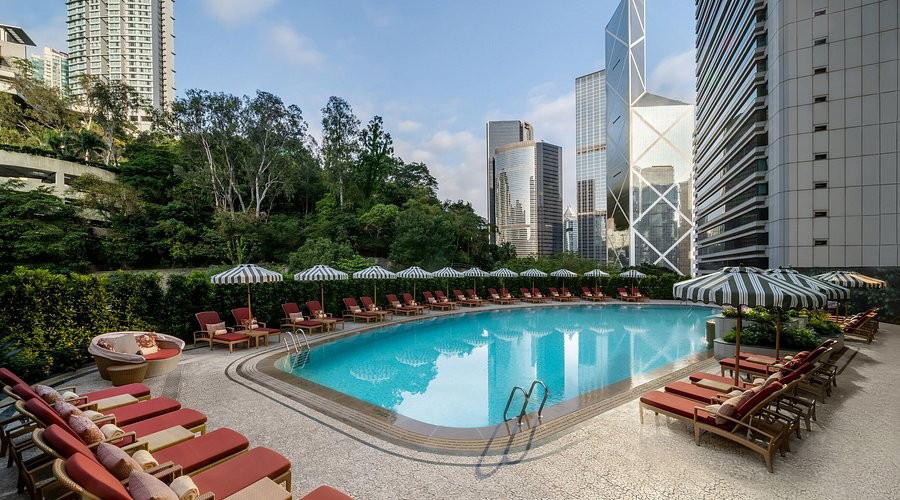
The outdoor pool extends to 164 feet, long enough for genuine lap swimming rather than the leisure-only plunge pools that appear on many hotel pool decks. After dark, the pool bar operates as a social space with the harbour as backdrop, a shift in register from the recovery-oriented daytime function of the pool deck. Few hotels in Hong Kong offer this kind of transition within a single outdoor space.
Dining Across Three Registers
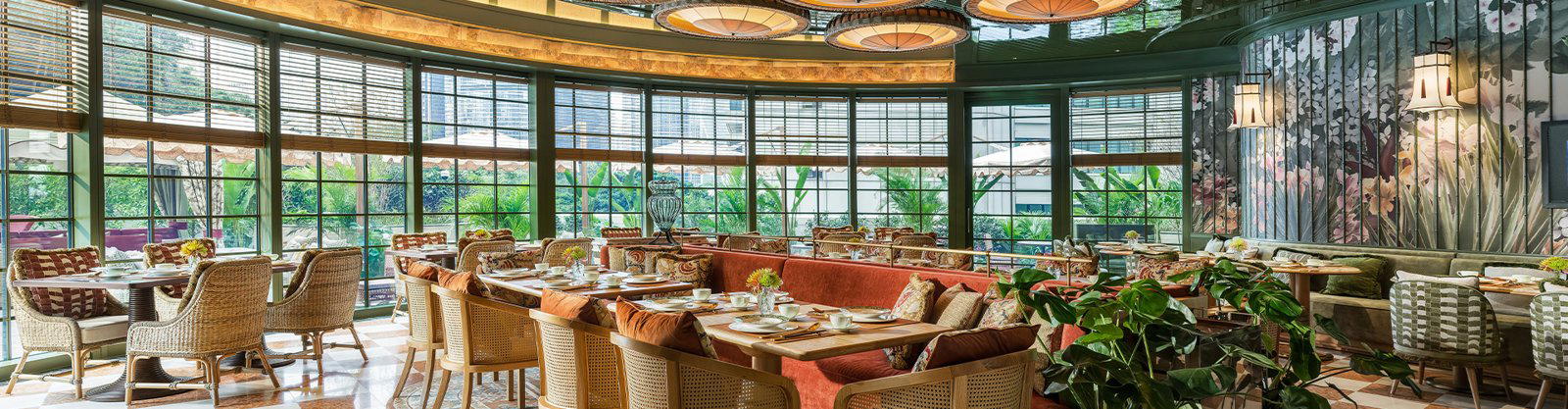
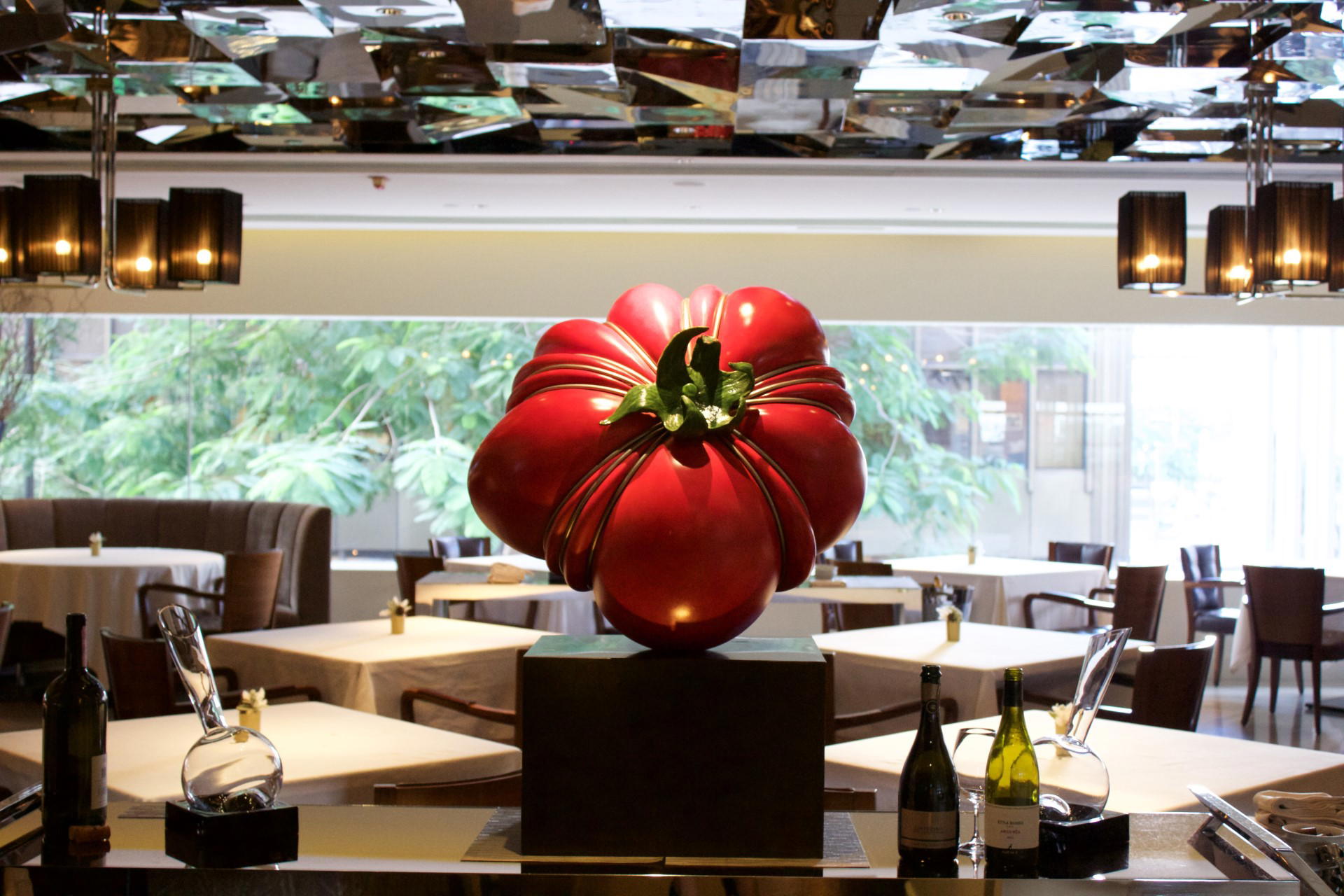
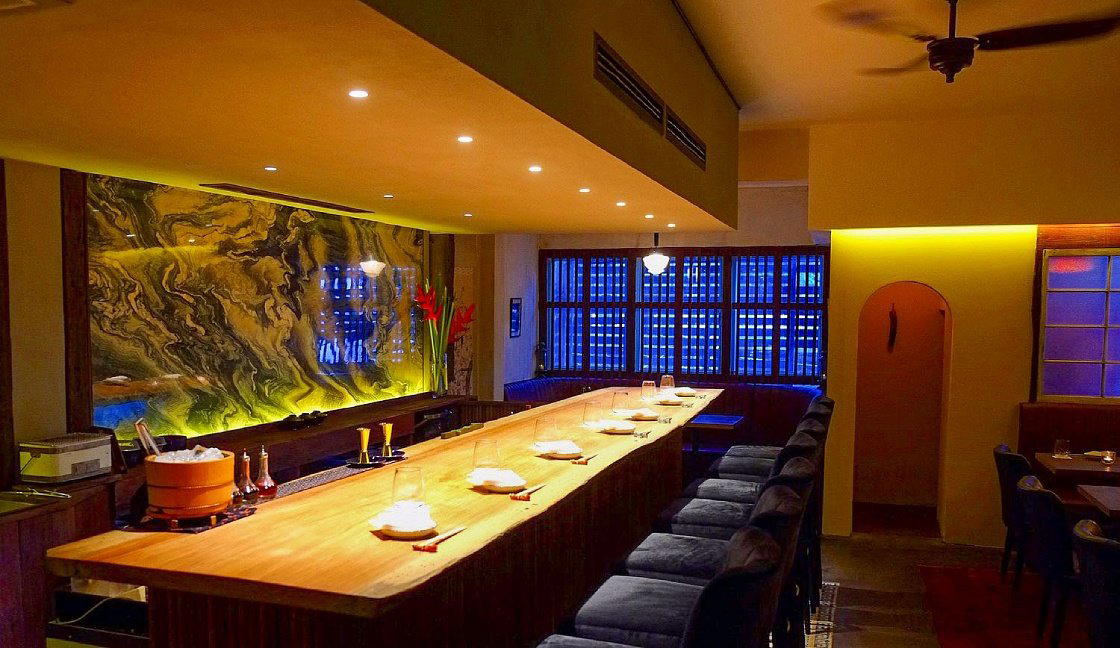
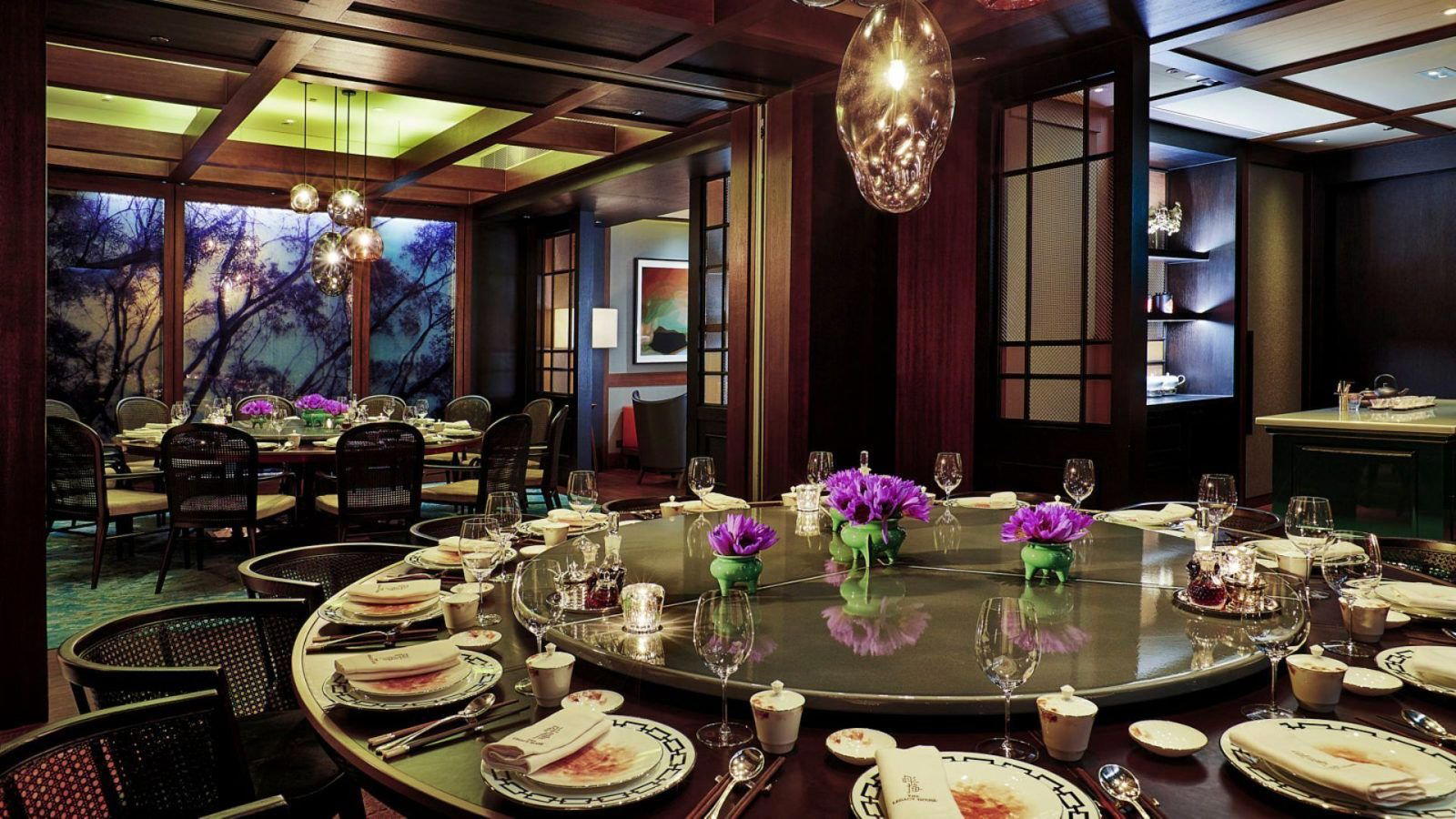
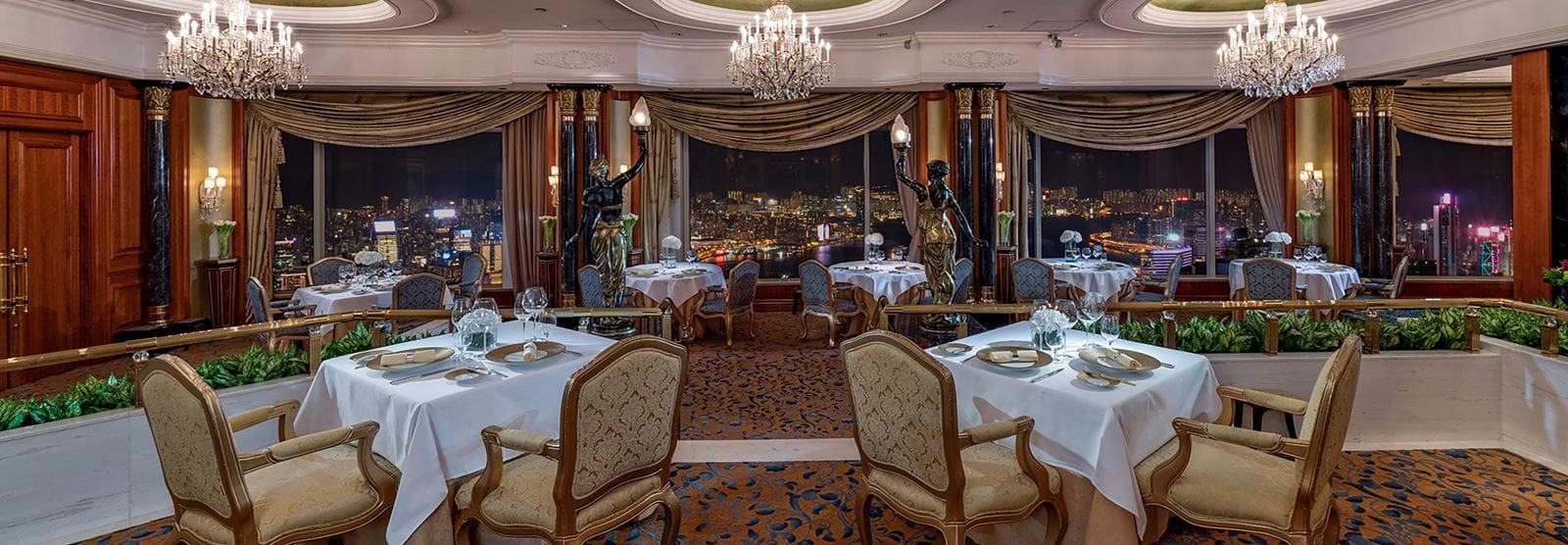
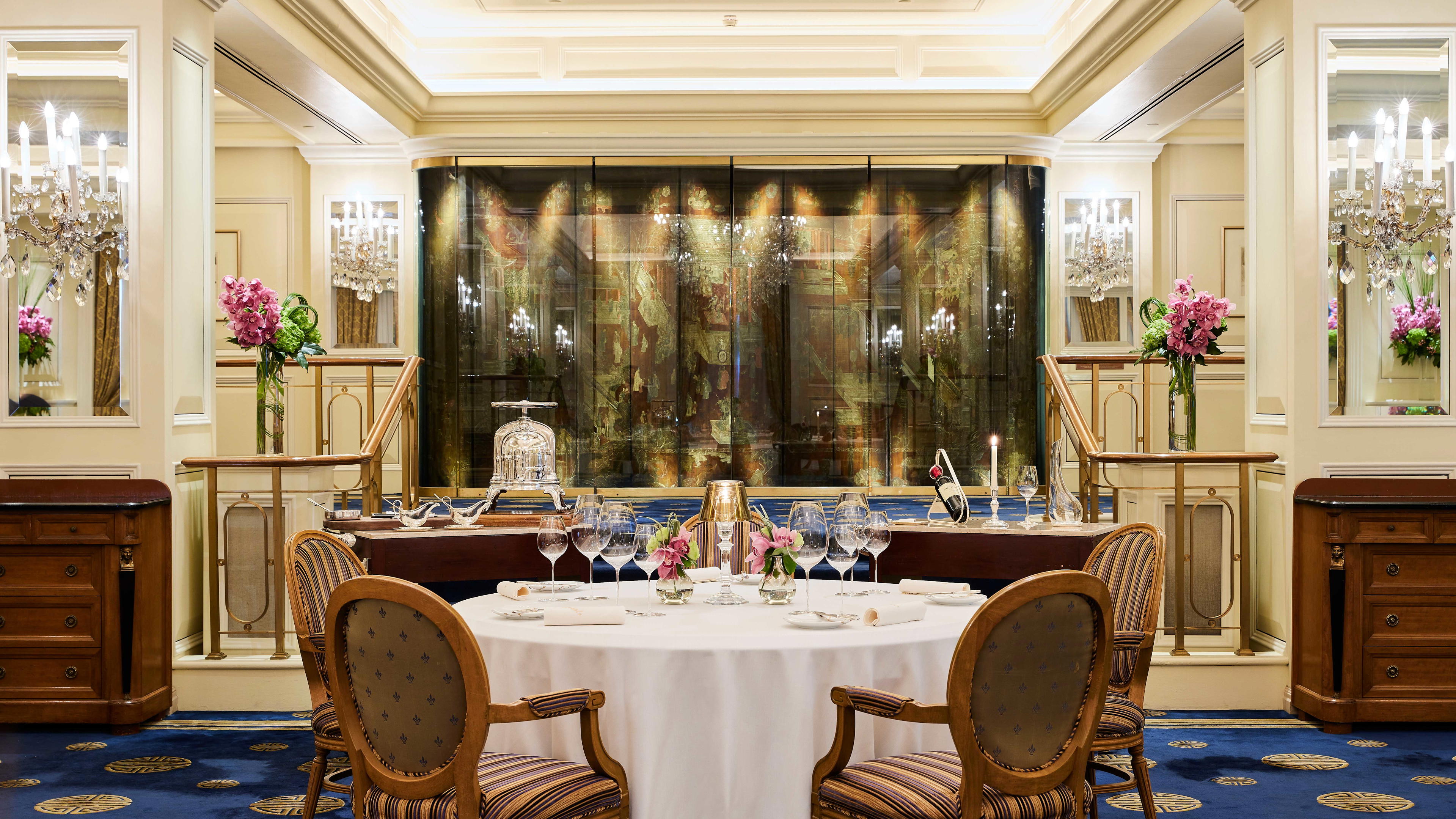
Hong Kong's hotel dining scene has always punched above its weight globally, and the city's expectation of hotel restaurants is correspondingly high. Grand Hyatt Hong Kong runs a multi-concept dining programme rather than a single flagship. One Harbour Road handles Cantonese cooking in a room positioned to capture the harbour views that the address commands. Grissini covers the Italian register, which places it in a competitive field, Italian hotel dining in Hong Kong ranges from perfunctory to serious, and Grissini has maintained a consistent presence in the city's conversation about that format. The Grand Hyatt Steakhouse's Reuben sandwich has acquired specific local recognition, with the inspector's notes flagging it as among the city's better versions of that particular preparation. That level of dish-specific reputation is worth noting: it is not easy to earn, and it suggests a kitchen with attention to execution across the menu rather than just the headliner preparations.
For the full picture of where these restaurants sit in Hong Kong's wider dining context, our Hong Kong restaurants guide maps the city's dining scene by neighbourhood and format. The Waterfall Bar rounds out the evening programming with a cocktail-focused offer that functions as both a post-conference destination and an independent stop for hotel guests finishing dinner elsewhere.
Rooms, Views, and the Design Reposition
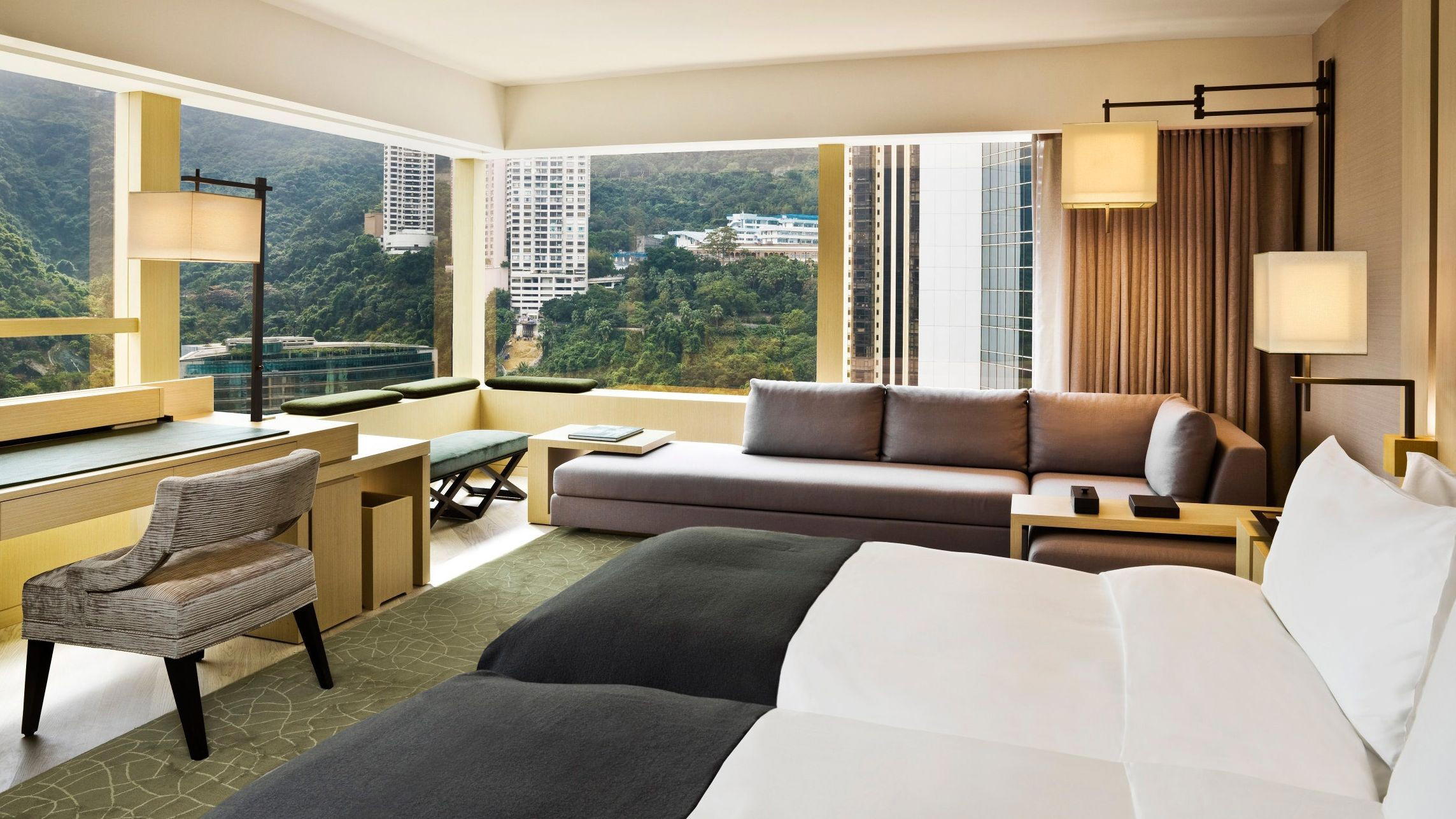
A recent renovation repositioned the room aesthetic away from the blond wood palette that characterised earlier generations of the property. The current rooms work in a neutral range of charcoal and beige with red accents, incorporating Chinese-influenced chairs and motifs alongside contemporary sliding doors and fitted furnishings. The smallest rooms start at 430 square feet with floor-to-ceiling windows. A dining table that doubles as a working desk is a considered detail for business-focused guests, the kind of decision that distinguishes a genuine business hotel from one that simply installs a desk in the corner. Every room includes black-and-white photographic prints by Hong Kong-born Australian artist John Young Zerunge, which gives the rooms a consistent local cultural reference without resorting to generic decorative motifs.
The Grand Club tier occupies the leading seven floors and operates its own two-storey lounge with breakfast, all-day snacks, and evening cocktails and canapés. In a hotel of this scale and footfall, the Club level functions as a genuine programme within a programme: smaller, quieter, and more continuously serviced than the standard floors. For guests who treat a hotel stay as a working base rather than a sleeping stop, the Club access model is the more functional configuration. Properties like The Landmark Mandarin Oriental, Hong Kong or Conrad Hong Kong operate comparable club-tier models, and the competitive logic in Hong Kong's business hotel segment makes this a standard expectation at the upper end rather than a differentiating feature, but the execution quality remains the variable that counts.
Grand Hyatt Hong Kong's 2026 La Liste score reflects that consistency over time. The address at 1 Harbour Road, Wan Chai, places it in direct walking distance of the Convention Centre, and the broader hotel network behind it, Hyatt Hotels Corporation, means that loyalty programme integration is part of the calculus for frequent travellers deciding between this and comparably priced properties.
Planning Your Stay
Grand Hyatt Hong Kong sits at 1 Harbour Road in Wan Chai, with the Convention and Exhibition Centre directly adjacent, a practical advantage for guests attending events at that venue. For travellers seeking spa or wellness programming, booking Plateau Spa in advance is advisable, particularly around major convention periods when the hotel runs at high occupancy. The Grand Club upgrade is worth considering for business guests who want a quieter base with continuous lounge access throughout the day. Dining reservations at One Harbour Road are recommended for dinner, given the room's harbour position and its local following. The pool deck, including the 164-foot pool, is available to all hotel guests, with the pool bar transitioning to an evening service as light fades over the water.
Credentials Lens
Comparable venues nearby, for context on price, style, and recognition.
| Venue | Cuisine | Price | Awards | Notes |
|---|---|---|---|---|
| Grand Hyatt Hong KongThis venue (the venue you are viewing) | Luxury urban resort-style hotel with extensive facilities including a 50m heated outdoor pool and full-service spa. | Not listed | Michelin Selected · La Liste Top Hotels | Not listed |
| The Langham, Hong Kong | Victorian architecture with European fashion house styling | Not listed | Michelin Selected · Forbes Recommended | Yau Tsim Mong South |
| The Silveri Hong Kong-MGallery | Contemporary luxury design hotel with emphasis on natural elements and verdant landscaping integrated into urban setting. | $100–200 | World Luxury Hotel Awards WLHA Country Winner | Islands |
| InterContinental Grand Stanford Hong Kong | Luxury urban waterfront hotel with classic elegance. | Not listed | World Luxury Hotel Awards WLHA Regional Winner · World Travel Awards | Yau Tsim Mong South |
| Conrad Hong Kong | luxury high-rise business hotel | Not listed | Forbes Recommended | Central |
Recognition history
Dated appearances from independent guides and award organizations, with the underlying list record or original source where available.
Michelin Selected
Michelin
La Liste Top Hotels
La Liste
Forbes 4-Star
Forbes
Full recognition history (4 entries)
Forbes 4-Star
Forbes
Continue exploring
More in Hong Kong
Hotels in Hong Kong
All hotels in Hong Kong →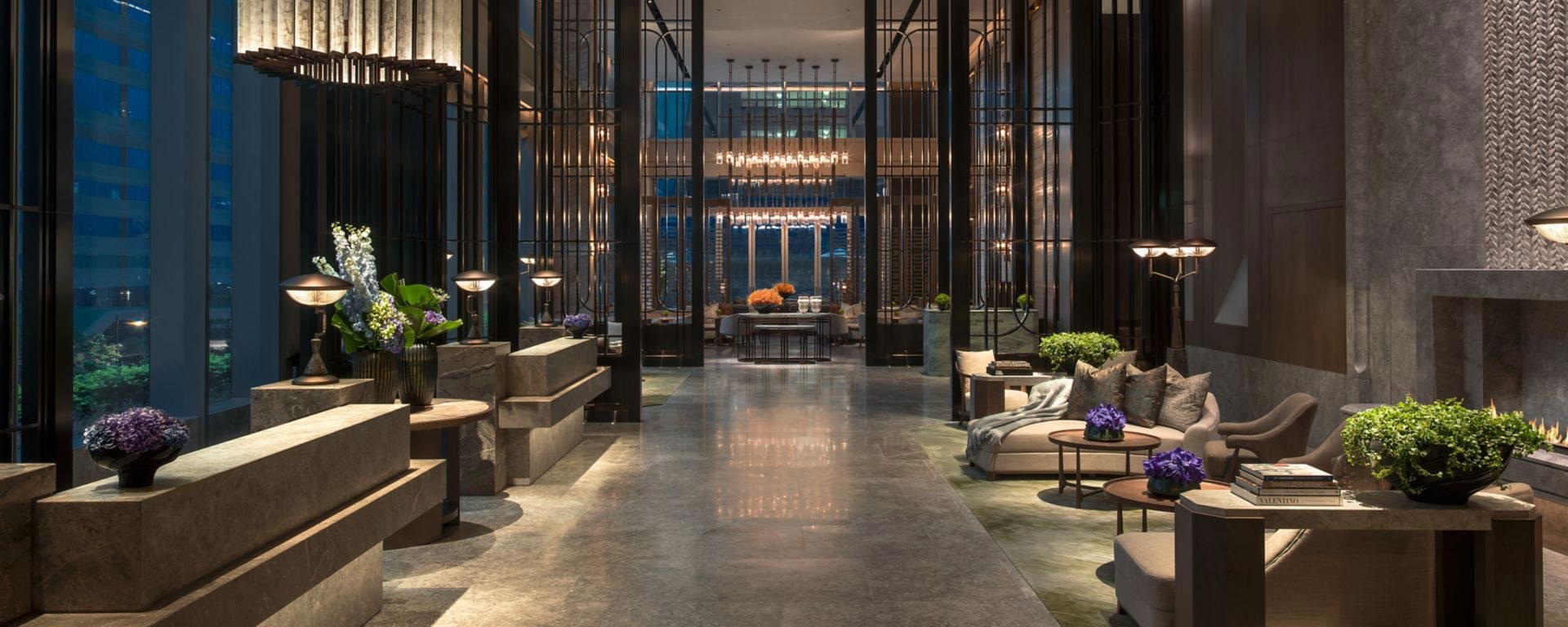
Bars in Hong Kong
All bars in Hong Kong →
Restaurants in Hong Kong
All restaurants in Hong Kong →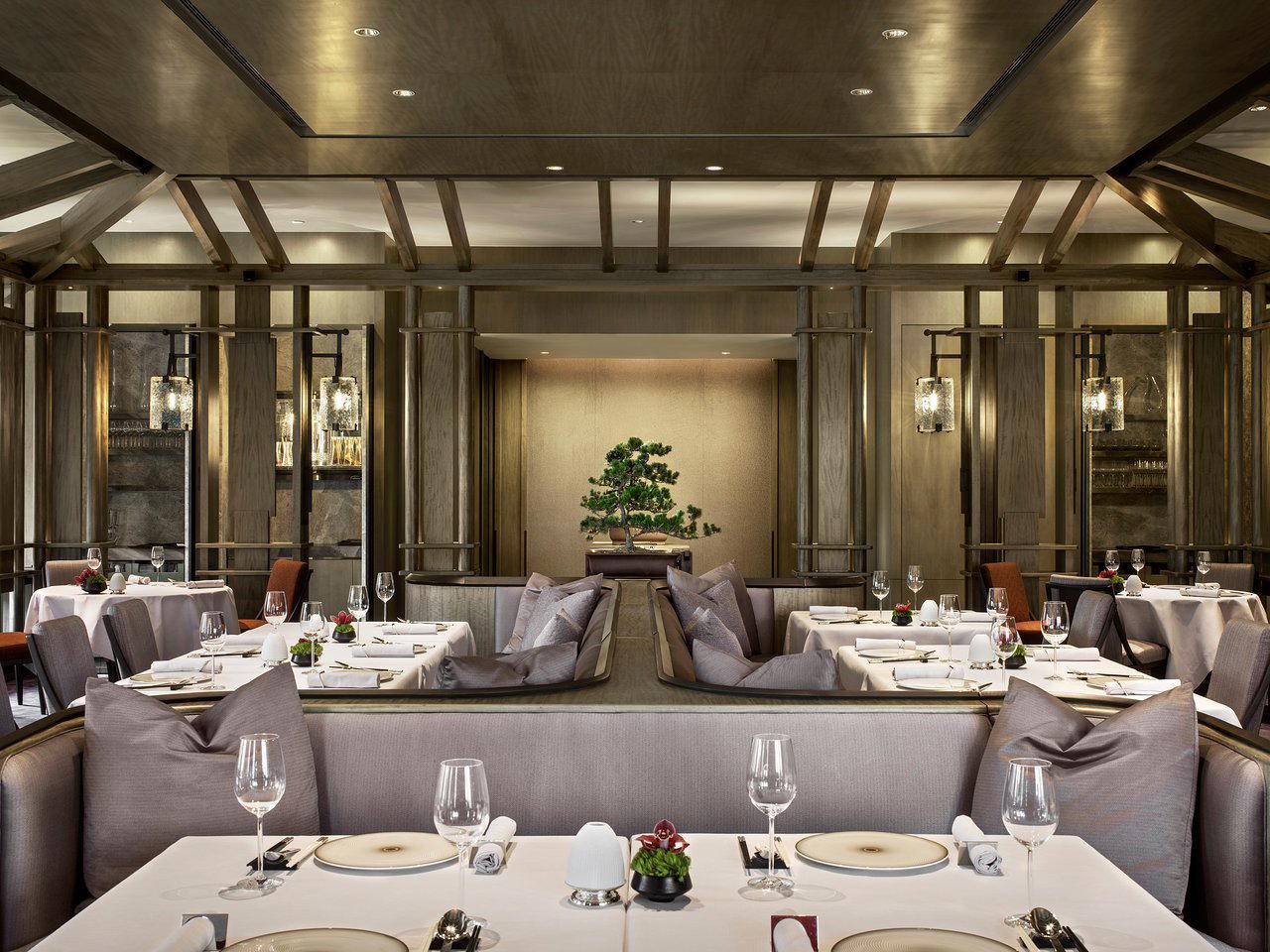
Wineries in Hong Kong
All wineries in Hong Kong →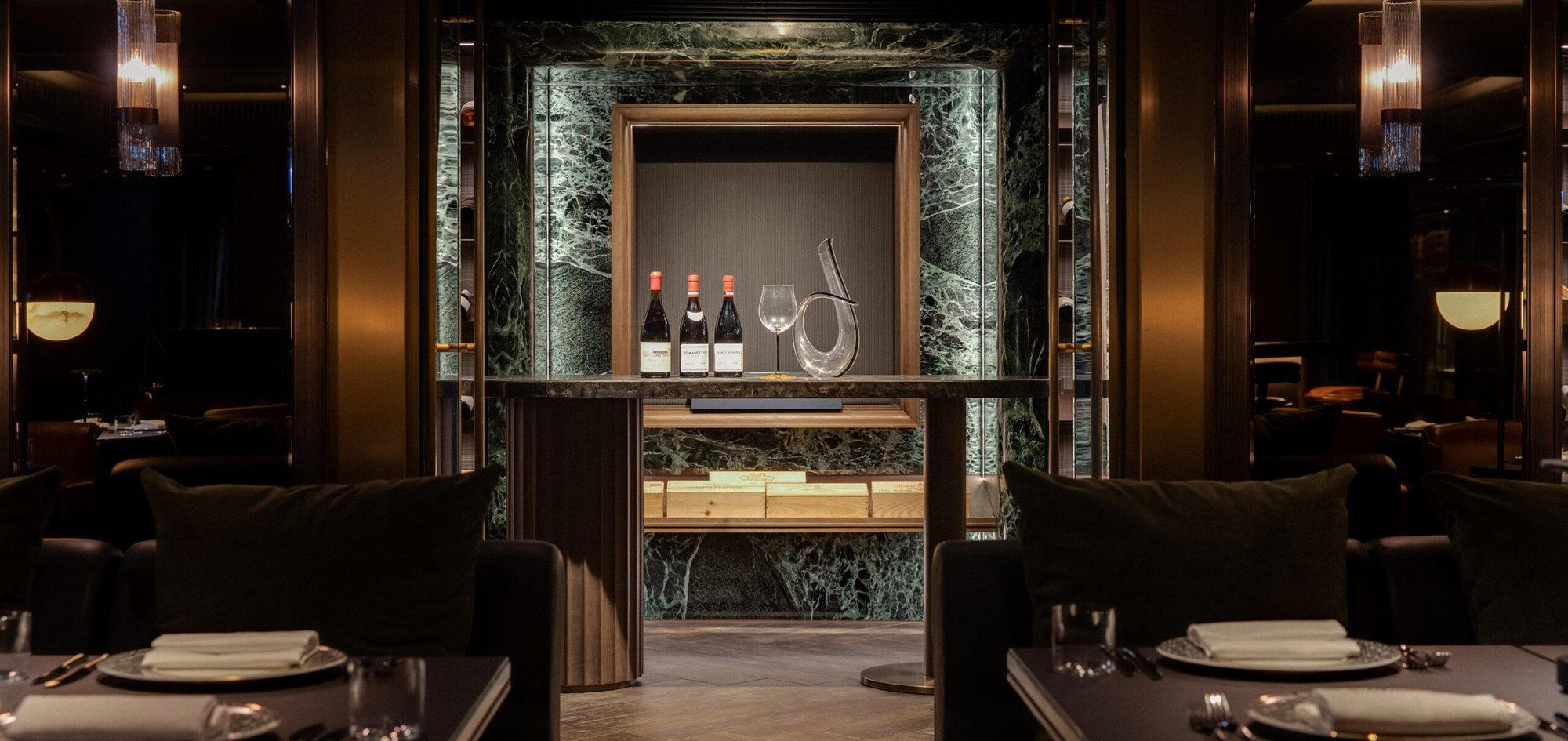
Details
- Elegant
- Sophisticated
- Modern
- Ornate
- Business Trip
- Romantic Getaway
- Family Vacation
- Rooftop Pool
- Panoramic View
- Wi Fi
- Pool
- Spa
- Fitness Center
- Room Service
- Concierge
- Business Center
- Valet Parking
- Waterfront
- Skyline
- Wheelchair Accessible
- Elevator
Elegant and sophisticated with spacious, soundproofed rooms featuring floor-to-ceiling windows, premium bedding, and a serene atmosphere enhanced by attentive service.