



2 Michelin Stars · La Liste Top Restaurants · Forbes 4-Star
Our verdict
Rùn holds two Michelin stars and a Black Pearl Diamond at the St. Regis Hong Kong in Wan Chai, placing it among the city's most formally recognised Cantonese tables. The kitchen ranges across dim sum, roasted meats, double-boiled soups, and seasonal set menus, with a resident tea master overseeing 28 blends and bespoke tea-pairing experiences. Spacing, private dining rooms, and a considered interior make it one of the more architecturally deliberate rooms in the hotel-restaurant tier.

Pearl is the En Primeur Club membership app — saves, bookings, and concierge access live there. Same editors, same standards.
- Address
- 1 Harbour Dr, Wan Chai, Hong Kong
- Phone
- +852 2138 6808
- Hours
- Daily 12–2:30 PM, 6 PM–12 AM
- Directions
- Get directions
- Booking
- Book on SevenRooms
The menu
What to order
- Barbecued_Ibérico_pork
- Braised_abalone
- Wok-fried_crab_claw
A Room That Earns Its Setting
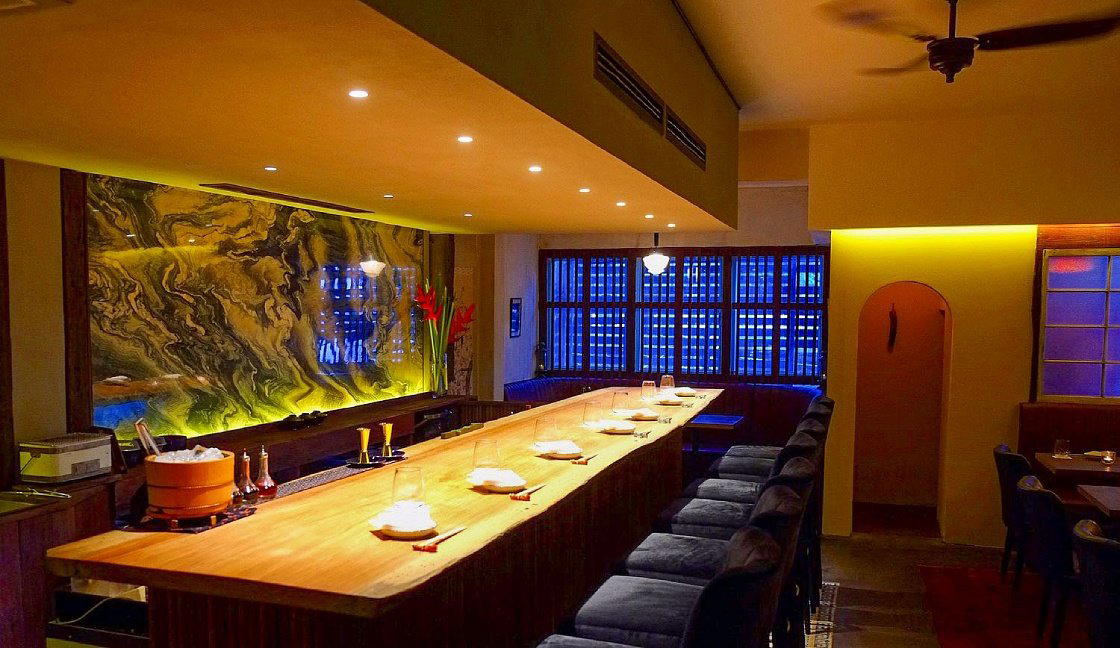
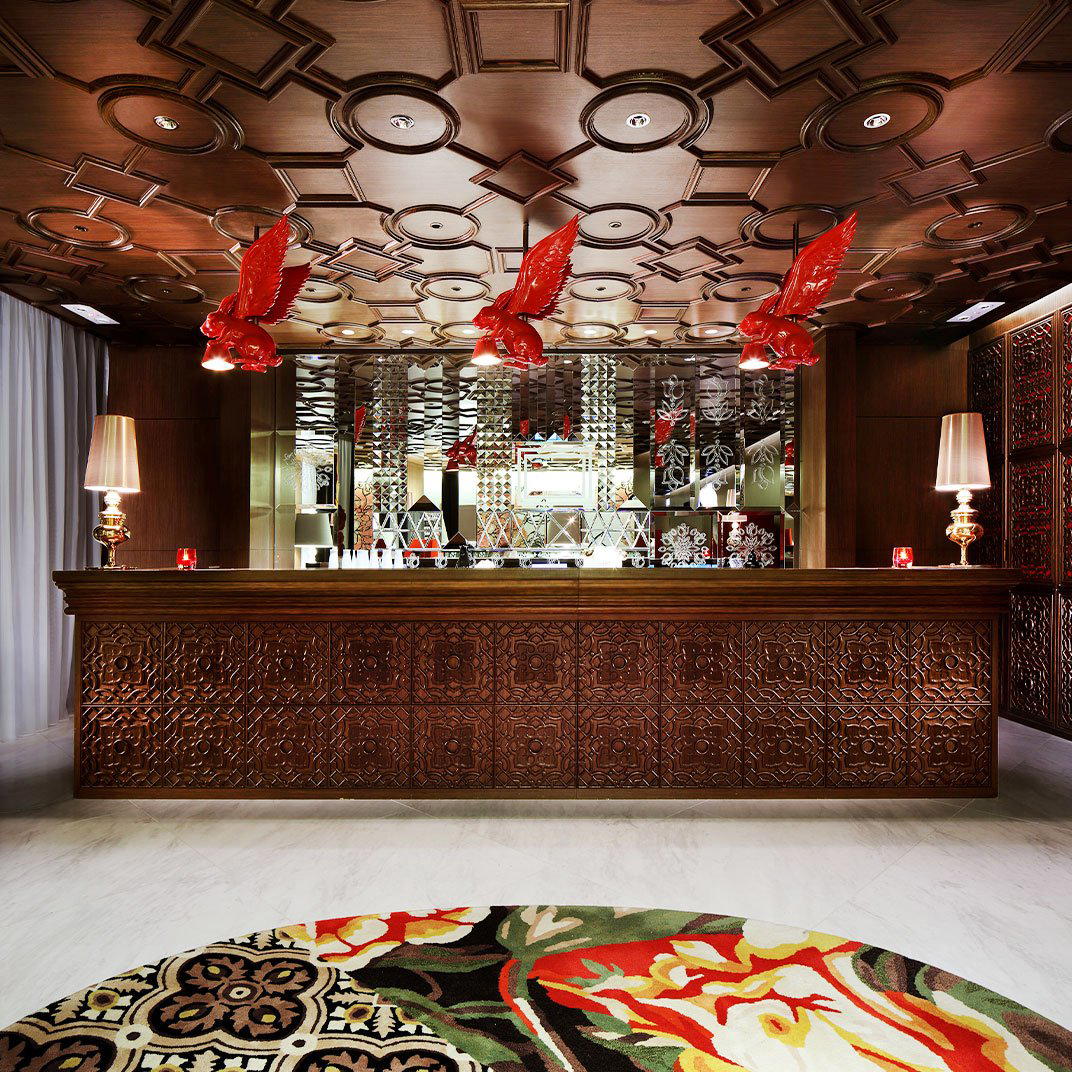
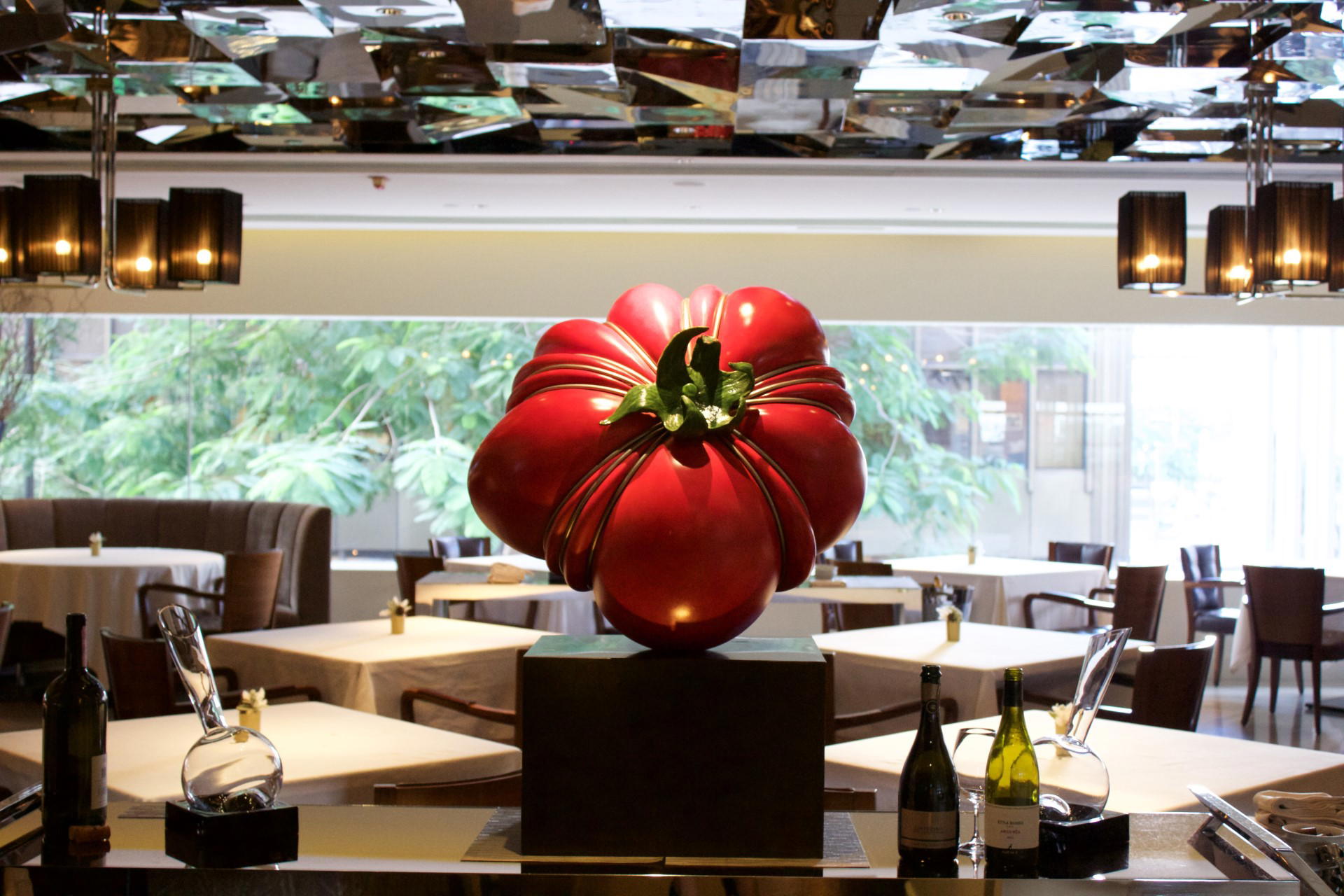
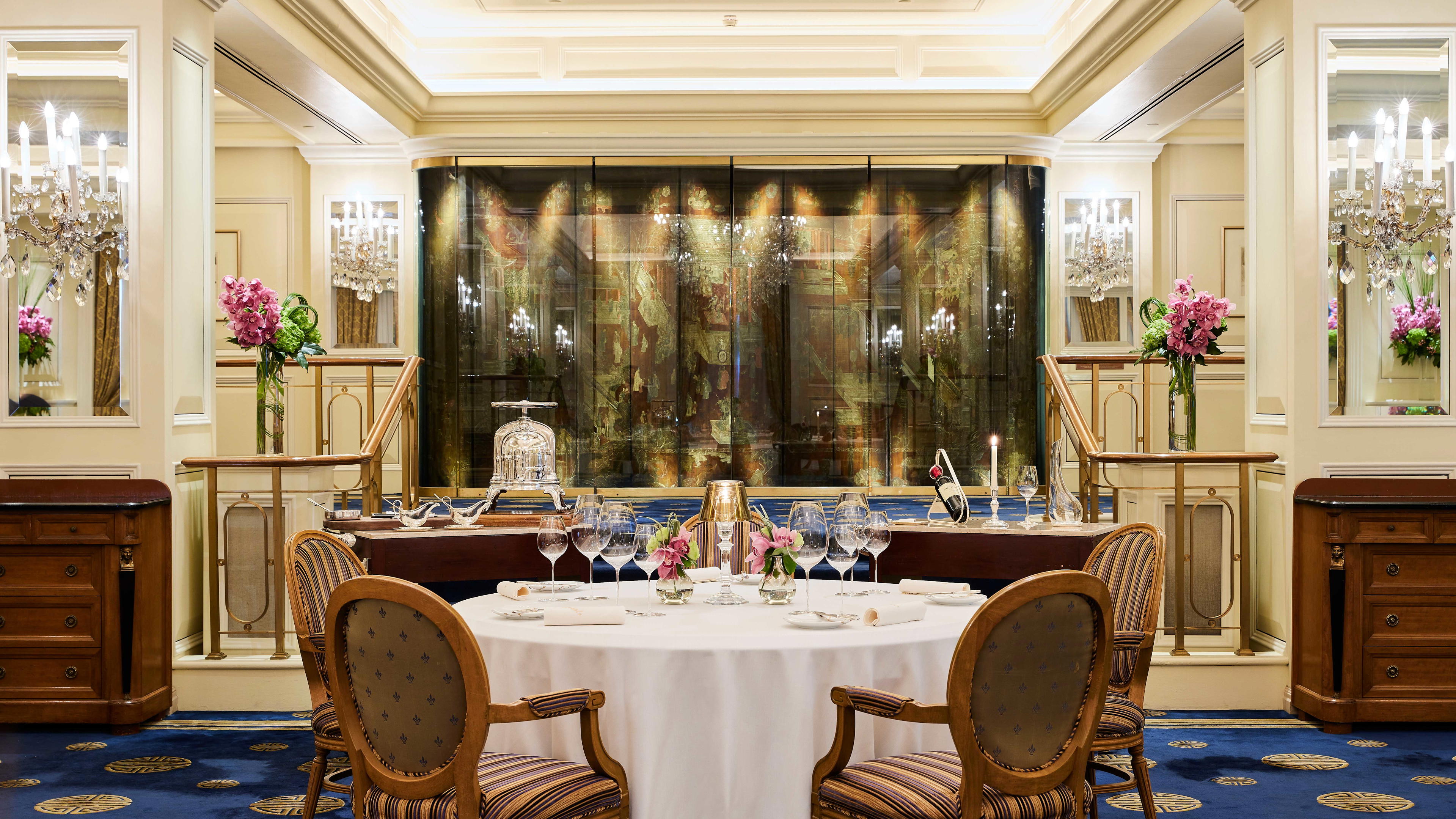
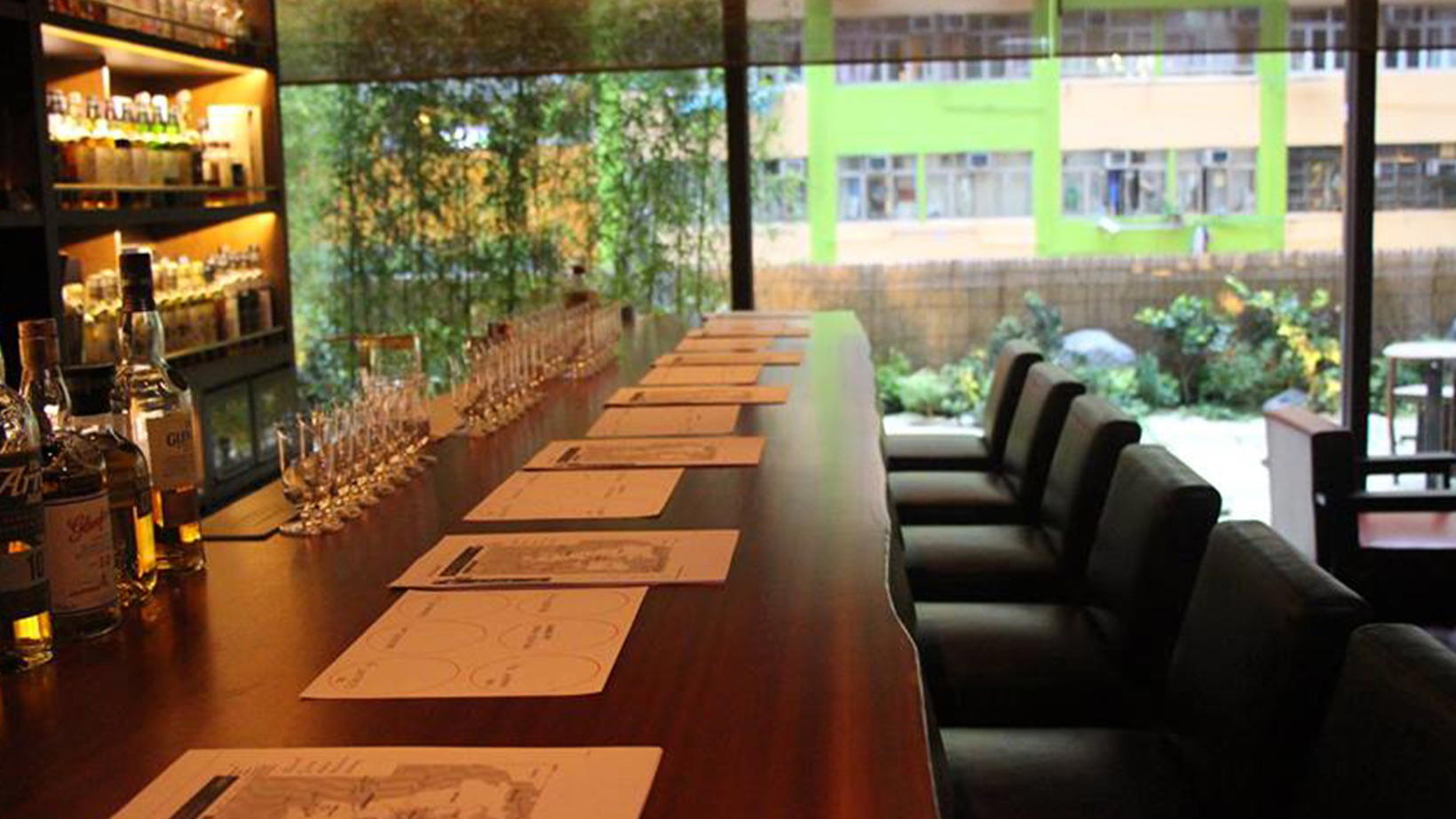
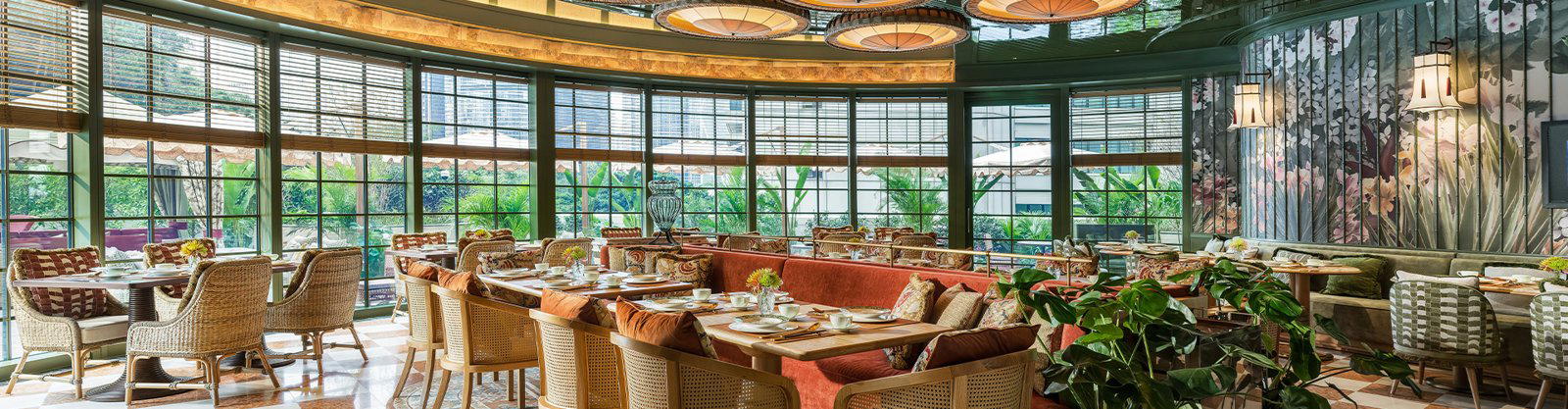
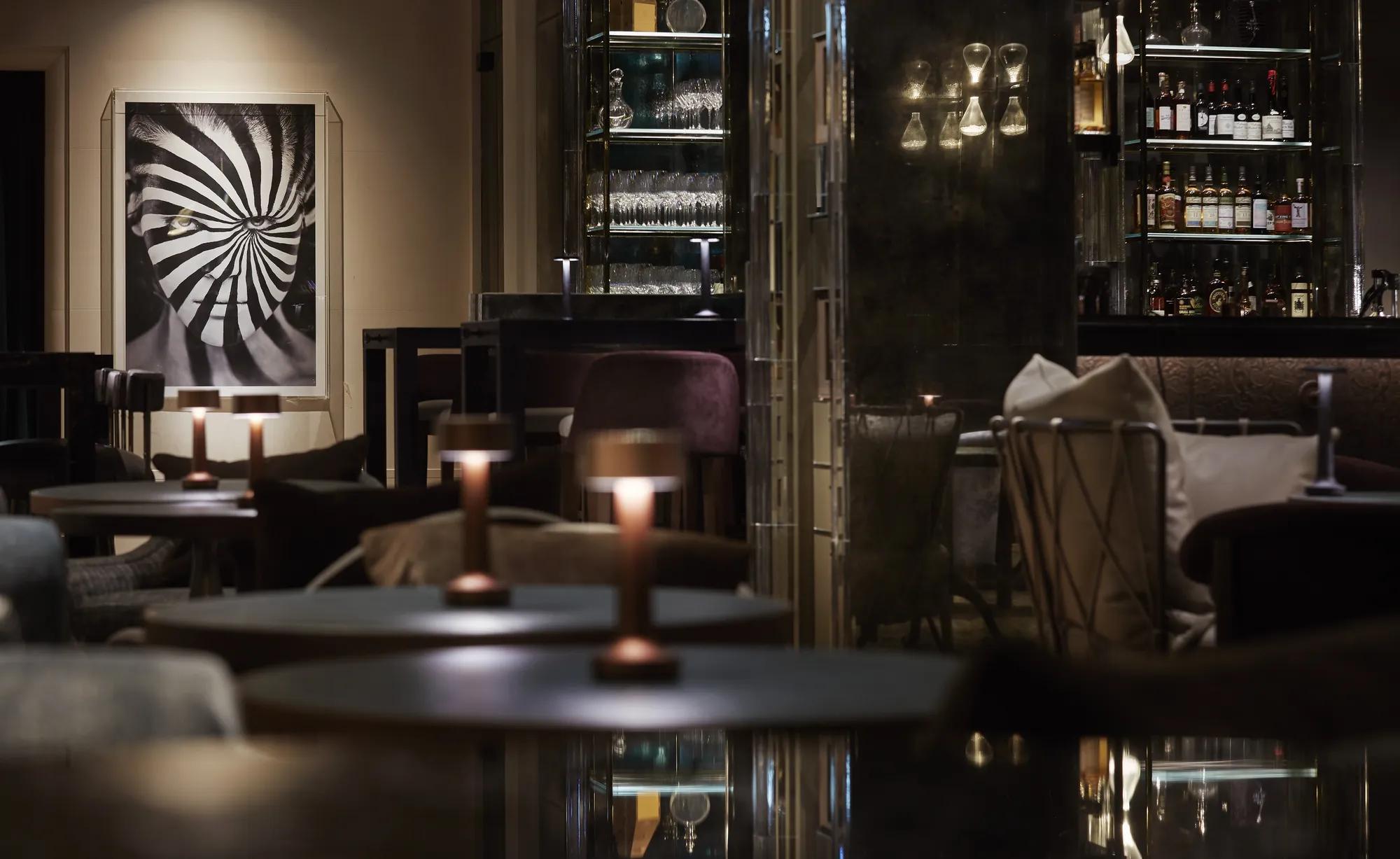
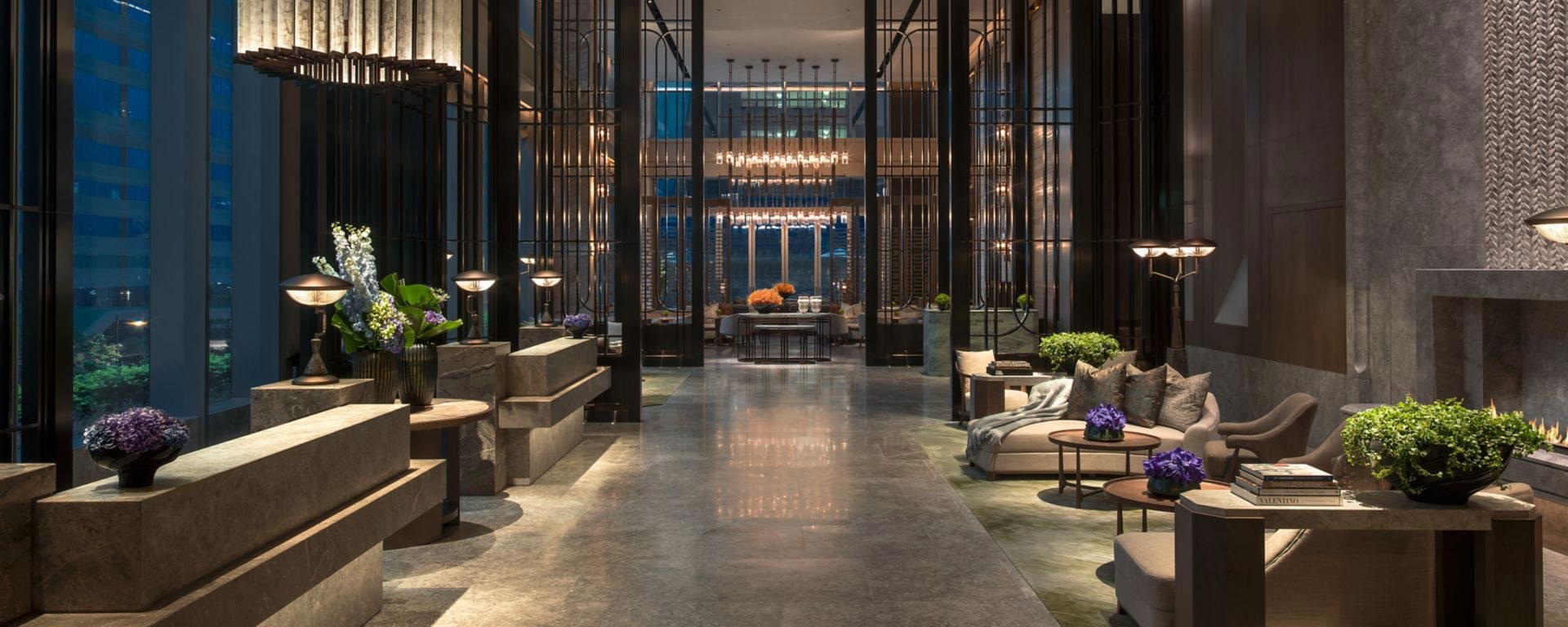
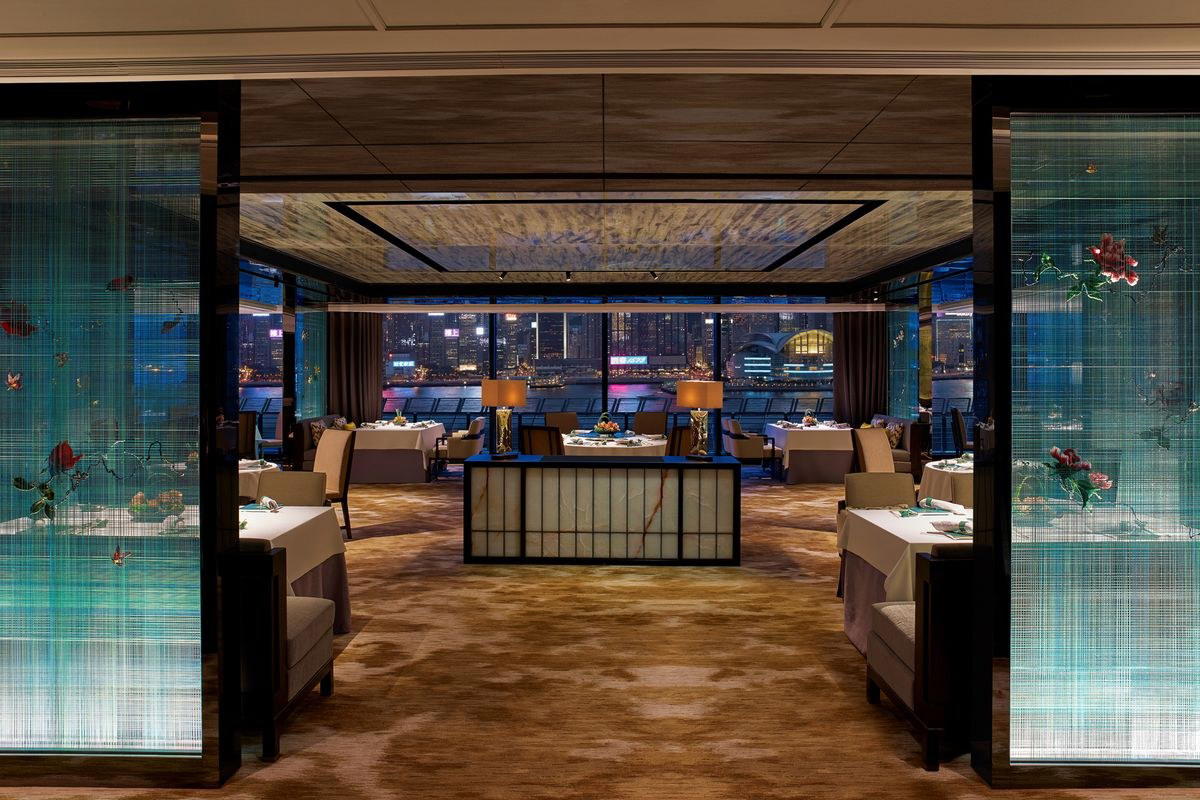
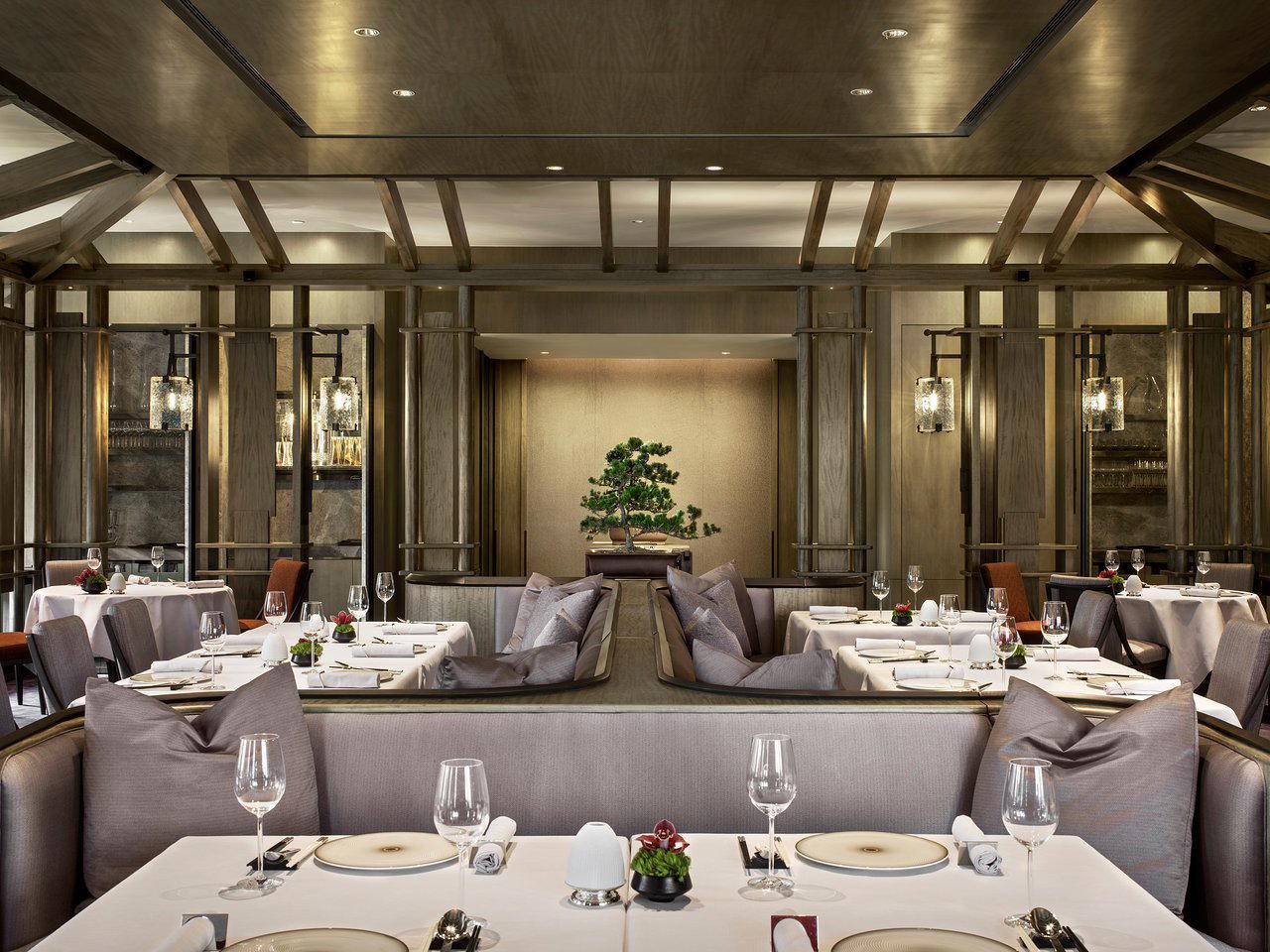
Wan Chai's harbour-facing hotels have long competed on volume and spectacle, but the dining room at Rùn operates at a different register. Beige and bronze tones, warm wood surfaces, and contemporary glass Chinese lanterns that shift character after dark give the room a considered restraint uncommon in hotel restaurants at this address level. Tables are spaced generously — a deliberate choice that separates Rùn from the density typical of Hong Kong's mid-tier Cantonese rooms — and the two private dining suites at the rear each come with a separate sitting area, a private bathroom, and a large circular table fitted with a lazy Susan, the practical architecture of serious shared Chinese dining.
At night, with the lanterns lit and the harbour beyond the glass, the room functions as a coherent design statement rather than a backdrop. The design brief, executed by Fu, draws on Hong Kong visual culture without resorting to the kind of heavy literalism that dates quickly. It is the sort of space where the physical environment is doing editorial work before a single dish arrives.
Where Rùn Sits in Hong Kong's Cantonese Tier
Hong Kong's fine-dining Cantonese market is among the most contested in the world, with Michelin scrutiny applied rigorously across a dense field. Within that field, Rùn occupies a specific tier: two Michelin stars as of 2025, a Black Pearl 1 Diamond in the same year, 84 points on the 2026 La Liste ranking, and a position at #223 on the Opinionated About Dining Asia list in 2025. These are not identical metrics, and their slight variation is instructive. La Liste and OAD weight different inputs, service and setting carry more in the former, peer-critic voting more in the latter, but the convergence across all four recognition systems places Rùn in Hong Kong's second tier of formal Cantonese recognition, behind the three-star rooms but well clear of the broader mid-market.
For direct comparison: Lung King Heen and T'ang Court operate at three Michelin stars, while Lai Ching Heen and Tin Lung Heen share the two-star bracket and the hotel-dining context. Forum operates outside the hotel system entirely, which places it in a different commercial logic. Rùn's positioning within the St. Regis property adds a service infrastructure, the room, the private suites, the tea program, that standalone two-star rooms cannot replicate at the same operational scale.
The price point sits at $$$, which is notable. At comparable award levels in Hong Kong, the majority of peer restaurants price at $$$$. Whether that reflects a strategic decision to sit slightly below the city's highest price tier or a genuine value differential relative to peers is a question worth holding when booking.
The Menu's Cantonese Architecture
The editorial angle most applied to Rùn is the breadth of its Cantonese range rather than a single signature discipline. The kitchen covers dim sum, roasted meats, steamed fish, double-boiled soups, and Chinese petit fours, essentially the full structural vocabulary of formal Cantonese cooking, with presentation standards calibrated to the room's award profile. This is the opposite of the specialist counter model, where depth in one technique (hand-pulled noodles, roast duck, a single regional tradition) becomes the organising principle. Rùn's claim is comprehensive command rather than focused mastery.
That distinction matters when placing it against the broader Greater China Cantonese tier. Specialist Cantonese rooms in other cities tend to anchor on a single category: Jade Dragon in Macau is known for its roasted meats discipline; Chef Tam's Seasons works within a more personal interpretive frame. Le Palais in Taipei applies Cantonese technique to Taiwanese sourcing. Summer Pavilion in Singapore occupies a similar hotel-based comprehensive format. In Shanghai, 102 House, Bao Li Xuan, Canton 8 (Huangpu), and Imperial Treasure Fine Chinese Cuisine each address the Cantonese-in-diaspora question differently. Rùn's answer, for a Hong Kong audience with high baseline expectations across all categories, is to not concede any category.
The inspector's record flags har gow, steamed lobster dumplings with gold flakes, and deep-fried cod fish rolls with green apple at the dim sum end; char siu roasted pork and crispy salted chicken at the roasted meats end; and whole blue lobster as the dinner centerpiece. The house XO sauce, produced in-kitchen and sold as a souvenir through the hotel, functions as both a quality signal and a logistical convenience, it is the kind of detail that indicates a kitchen with genuine investment in foundational condiments rather than purchased-in alternatives.
The Tea Program as a Structural Feature
Few Cantonese restaurants at this level have formalised the tea component to the degree that Rùn has. The resident tea master, Kezia Chan, oversees a selection of 28 blends and offers structured pairing experiences alongside the food menu. Tea-pairing as a parallel track to wine pairing remains relatively rare in formal Chinese dining, even in Hong Kong, where the tradition of tea as accompaniment is older than any wine culture in the region. That Rùn has appointed a dedicated tea master rather than delegating the selection to floor staff represents a specific position on how seriously the program should be taken.
The tea-infused cocktail list is a secondary expression of the same commitment, a concession to guests who arrive oriented toward bar culture rather than traditional service. It bridges two guest profiles without diluting either. For a hotel restaurant that must serve a wide demographic, this kind of dual-track thinking is operationally sensible. For a two-star room, it is also editorially coherent: tea culture is integral to Cantonese dining tradition, and treating it as a core program rather than an amenity signals where the kitchen and management believe the experience's credibility sits.
Planning Your Visit
Rùn operates a lunch and dinner service seven days a week: 12:00–2:30 pm and 6:00 pm–midnight daily. The midnight closing window for dinner is longer than most comparable rooms in the city, which typically close kitchen service at 10:30 or 11:00 pm. The dress code is smart casual. Private dining rooms seat larger groups and are the practical choice for celebrations or business meals where a shared lazy Susan table is the operating format.
Rùn vs. Comparable Cantonese Rooms in Hong Kong
| Venue | Michelin Stars (2025) | Price Range | Setting | Dinner Closing |
|---|---|---|---|---|
| Rùn (St. Regis) | 2 | $$$ | Hotel, Wan Chai | Midnight |
| Tin Lung Heen | 2 | $$$$ | Hotel, Tsim Sha Tsui | |
| Lai Ching Heen | 2 | $$$$ | Hotel, Tsim Sha Tsui | |
| Lung King Heen | 3 | $$$$ | Hotel, Central | |
| T'ang Court | 3 | $$$$ | Hotel, Tsim Sha Tsui |
For a broader view of the city's dining options across cuisines and price points, see our full Hong Kong restaurants guide. Hotels in the same tier are covered in our full Hong Kong hotels guide. The city's bar scene is mapped in our full Hong Kong bars guide, and further city context is available through our Hong Kong wineries guide and our Hong Kong experiences guide.
Frequently asked questions
Is Rùn more mid-range or high-end?
Pricing at Rùn is listed as $$$.
What are the operating hours at Rùn?
Hours at Rùn: Hours: Monday 12–2:30 pm, 6 pm–12 am Tuesday 12–2:30 pm, 6 pm–12 am Wednesday 12–2:30 pm, 6 pm–12 am Thursday 12–2:30 pm, 6 pm–12 am Friday 12–2:30 pm, 6 pm–12 am Saturday 12–2:30 pm, 6 pm–12 am Sunday 12–2:30 pm, 6 pm–12 am.
What awards or recognition does Rùn have?
Rùn has received recognition including: The St. Regis Hong Kong has become synonymous with elegance and sophistication — and the hotel’s dining experiences are no different.; La Liste Top Restaurants (2026): 84pts; Opinionated About Dining Top Restaurants in Asia Ranked #223 (202….
What should I eat at Rùn?
The dim sum anchors the menu with the most documented backing: har gow, steamed lobster dumplings with gold flakes, and deep-fried cod fish rolls with green apple are specifically cited by the restaurant's inspector. For dinner, the whole blue lobster and roasted salted crispy chicken are the headline plates, while the char siu roasted pork, marinated in honey, is a consistent reference point. The kitchen also produces its XO sauce in house, which the hotel sells as a packaged souvenir.
What type of food is Rùn known for?
At-a-Glance Comparison
| Venue | Cuisine | Price | Awards | Notes |
|---|---|---|---|---|
| RùnThis venue — the venue you are viewing | Refined Modern Cantonese | $200–300 | 2 Michelin Stars · La Liste Top Restaurants | Not listed |
| 8 1/2 Otto e Mezzo Bombana (Hong Kong) | 3 Michelin-Star Italian Fine Dining | $200–300 | 3 Michelin Stars · World's 50 Best #94 | Italian |
| Ta Vie | Modern French-Japanese Fine Dining | $300–500 | 3 Michelin Stars · World's 50 Best #68 | Japanese - French, Innovative |
| Caprice | Contemporary French Fine Dining | $200–300 | 3 Michelin Stars · World's 50 Best #35 | French, French Contemporary |
| Feuille | Modern Vegetable-Forward French | $200–300 | 1 Michelin Star · World's 50 Best #93 | French Contemporary |
| Neighborhood | Modern French with Asian Influences | $50–100 | 1 Michelin Star · World's 50 Best #24 | International, European Contemporary |
Recognition history
Dated appearances from independent guides and award organizations, with the underlying list record or original source where available.
Michelin 2 Stars
Michelin
La Liste Top Restaurants
La Liste
Black Pearl 1 Diamond
Black Pearl
Forbes 4-Star
Forbes
Opinionated About Dining Top Restaurants in Asia Recommended
Opinionated About Dining
Full recognition history (14 entries)
SCMP 100 Top Tables Restaurants
SCMP 100 Top Tables
Black Pearl 1 Diamond
Black Pearl
Forbes 4-Star
Forbes
La Liste Top Restaurants
La Liste
Michelin 2 Stars
Michelin
Opinionated About Dining Top Restaurants in Asia Ranked #223
Opinionated About Dining
Michelin 2 Stars
Michelin
Opinionated About Dining Top Restaurants in Asia Ranked #274
Opinionated About Dining
Opinionated About Dining Top Restaurants in Asia Recommended
Opinionated About Dining