






3 Michelin Stars · World's 50 Best #68 · La Liste Top Restaurants
Our verdict
Ta Vie sits in Hong Kong's high-price tasting-menu tier with a Japanese-French vocabulary shaped by seasonality, restraint, and technical precision. Chef Hideaki Sato's restaurant carries Michelin three-star recognition in 2024 and 2025, La Liste 94-point listings in 2025 and 2026, Black Pearl two-diamond status, and a 2026 OAD Asia ranking, placing it among the city's serious destination counters for multi-course dining.

Pearl is the En Primeur Club membership app, where members save venues, book tables and use the concierge.
The menu
What to order
- House-made pasta with seaweed sauce and Hokkaido uni
- Sourdough and cultured butter
- Charcoal grilled Kinmedai
Ta Vie is a Hong Kong restaurant from chef/owner Hideaki Sato, with cuisine listed as Japanese - French, Innovative. Its verified profile is concise but clear: this is a $$$$ restaurant built around a Japanese-French point of view, a smart casual dress code and evening service on most nights of the week.
Japanese seasonality and a French-influenced point of view
The restaurant's strongest verified editorial lens is the way its cuisine is described: Japanese - French, Innovative. That combination places the restaurant between Japanese and French references, without needing to add unverified claims about course structure, counter format or signature dishes.
Chef Hideaki Sato's stated mantra is “pure, simple and seasonal.” The verified recognition text also describes his passion for cooking and experimental approach to food combinations, with original creations made using top-notch ingredients. Those details are enough to suggest a restaurant concerned with clarity, season and composition.
The better comparison is between dining identities, not just cuisines. Amber represents another high-end Hong Kong reference point, Sushi Shikon sits in a different Japanese luxury lane, Godenya and Nagamoto offer other Japanese-focused points of contrast, and Octavium reflects a separate European fine-dining direction. Ta Vie belongs in that conversation because its confirmed identity is Japanese-French and innovative rather than single-tradition dining.
Season-driven language can become vague in expensive restaurants, so the important grounded point is the chef's own mantra: “pure, simple and seasonal.
Ta Vie in Hong Kong's high-end dining landscape
Hong Kong has several luxury dining economies at once: international fine dining, Japanese-focused restaurants, European-led kitchens and deep local restaurant culture. Ta Vie sits within Hong Kong's higher-end dining landscape because its verified price category is $$$$ and its cuisine is listed as Japanese - French, Innovative.
Awards and rankings should not be overstated here.
The cuisine gives Hong Kong diners something distinct from single-tradition luxury. Japanese-French dining is most compelling when both references are treated seriously: Japanese seasonality and restraint on one side, French influence on the other. That is the broad, grounded space Ta Vie occupies.
For a broader Hong Kong itinerary, the contrast is useful. A night here can be considered alongside other serious dining in Hong Kong, including Amber, Godenya, Nagamoto, Octavium and Sushi Shikon, depending on whether the priority is Japanese-French innovation, Japanese precision or another style of high-end cooking. For city-wide planning, use Hong Kong restaurant, hotel, bar, winery and experience resources as general planning tools.
Who should book it, and how to frame the meal
This is for diners looking for a high-end Hong Kong restaurant with a Japanese-French and innovative identity. The kitchen's verified profile rests on Hideaki Sato's “pure, simple and seasonal” mantra, his passion for cooking and his experimental approach to food combinations.
The price category matters. In Hong Kong, a $$$$ restaurant competes for the same high-end evenings that could go to Japanese, French, Italian or other upscale dining rooms. Ta Vie makes sense when the priority is Hideaki Sato's Japanese-French perspective rather than a casual or low-commitment meal.
The restaurant's confirmed practical details are direct: Ta Vie is in Hong Kong, the dress code is smart casual, and listed dinner hours are 6–10 pm on Monday, Tuesday, Thursday, Friday, Saturday and Sunday, with Wednesday closed.
Hong Kong rewards itinerary contrast. A focused high-end booking such as Ta Vie can be balanced with other dining in the city, from Japanese-focused restaurants to European-led fine dining and more casual local meals.
The strongest case for booking is not a fabricated accolade or unsupported format.
Frequently asked questions
Is Ta Vie okay with children?
Ta Vie is listed as a $$$$ Hong Kong restaurant with a smart casual dress code, so guests should check directly with the restaurant before booking with children.
How would you describe the vibe at Ta Vie?
The listed dress code is smart casual.
What kind of cuisine does Ta Vie serve?
Ta Vie serves Japanese - French, Innovative cuisine.
What's the price range at Ta Vie?
Pricing at Ta Vie is listed as $$$$.
A Quick Peer Check
Comparable venues by cuisine and price in the same metro.
| Venue | Cuisine | Price | Awards | Notes |
|---|---|---|---|---|
| Ta VieThis venue (the venue you are viewing) | Modern French-Japanese Fine Dining | $300–500 | 3 Michelin Stars · World's 50 Best #68 | Not listed |
| Octavium | Contemporary Italian Fine Dining | $200–300 | 2 Michelin Stars · La Liste Top Restaurants | Italian |
| Nagamoto | Modern Kaiseki Omakase | $300–500 | 1 Michelin Star · SCMP 100 Top Tables Restaurants | Japanese |
| Amber | Contemporary French Fine Dining | Not listed | 3 Michelin Stars · World's 50 Best #90 | French Contemporary |
| Sushi Shikon | Traditional Edomae Omakase | $300–500 | 3 Michelin Stars · La Liste Top Restaurants | Sushi |
| Godenya | Seasonal Japanese Kappo with Sake Pairing | $200–300 | 1 Michelin Star | Japanese |
Recognition history
Dated appearances from independent guides and award organizations, with the underlying list record or original source where available.
Michelin 3 Stars
Michelin
World's 50 Best Asia's Best Restaurants #68
World's 50 Best
La Liste Top Restaurants
La Liste
Black Pearl 2 Diamond
Black Pearl
Opinionated About Dining Top Restaurants in Asia Ranked #28
Opinionated About Dining
Full recognition history (15 entries)
SCMP 100 Top Tables Restaurants
SCMP 100 Top Tables
Black Pearl 2 Diamond
Black Pearl
La Liste Top Restaurants
La Liste
Michelin 3 Stars
Michelin
Opinionated About Dining Top Restaurants in Asia Ranked #24
Opinionated About Dining
The Best Chef Three Knives
The Best Chef
World's 50 Best Asia's Best Restaurants #64
World's 50 Best
Michelin 3 Stars
Michelin
Opinionated About Dining Top Restaurants in Asia Ranked #24
Opinionated About Dining
Opinionated About Dining Top Restaurants in Asia Ranked #32
Opinionated About Dining
Continue exploring
More in Hong Kong
Restaurants in Hong Kong
All restaurants in Hong Kong →
Bars in Hong Kong
All bars in Hong Kong →
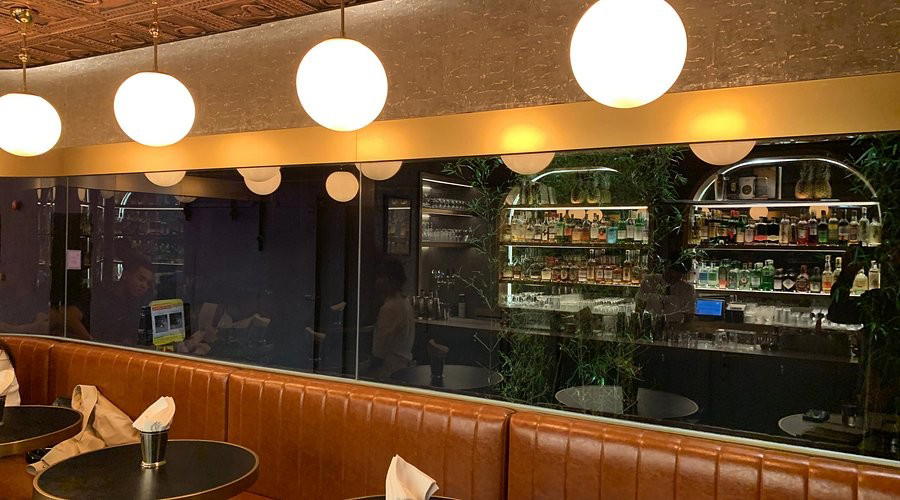
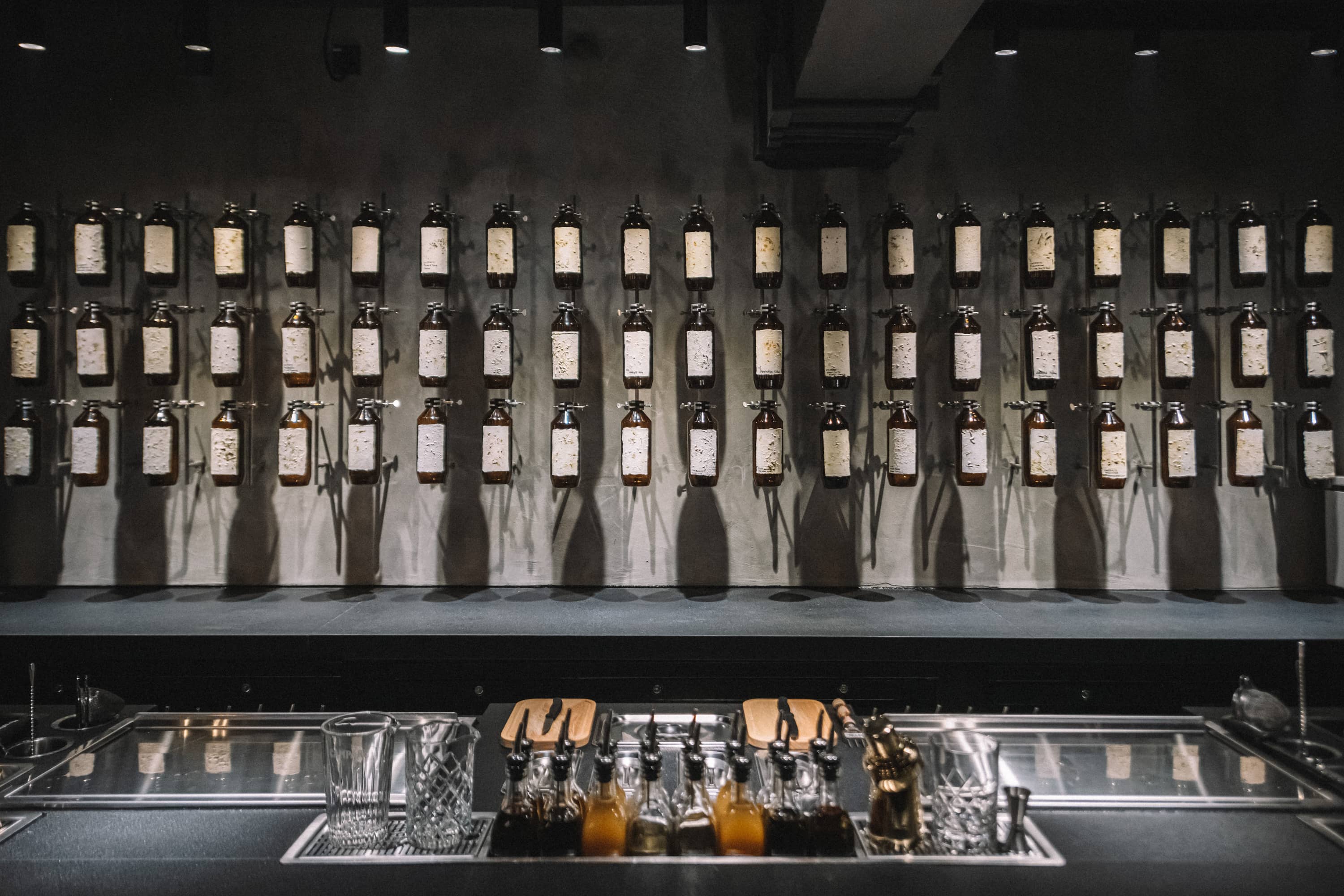
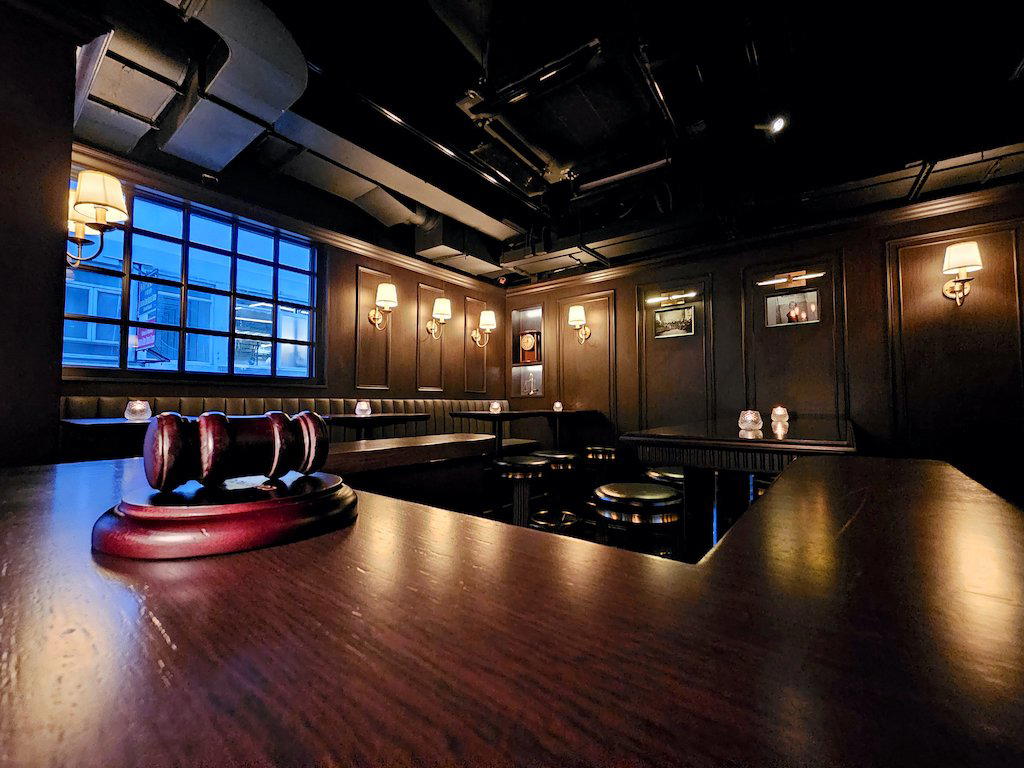
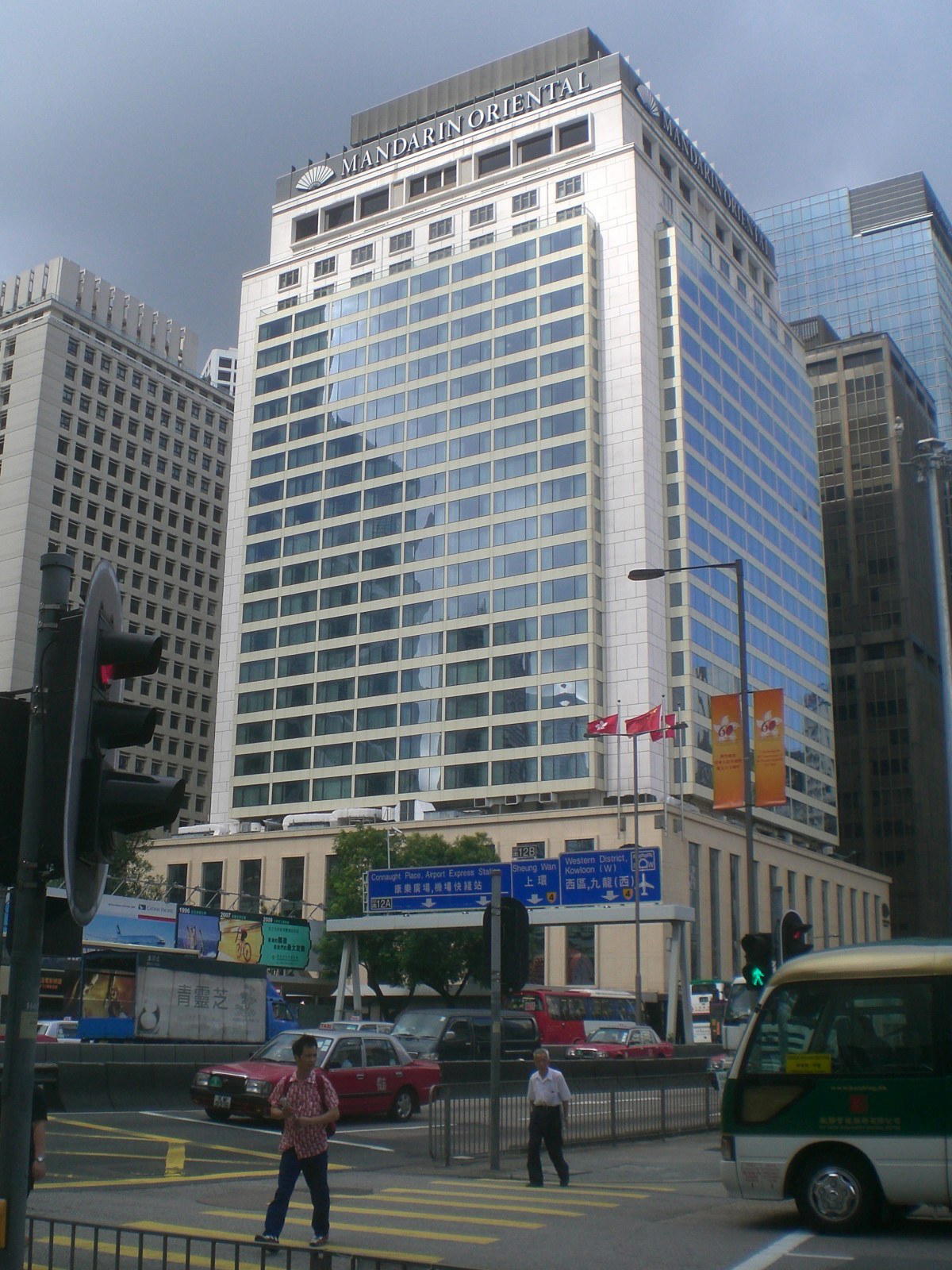
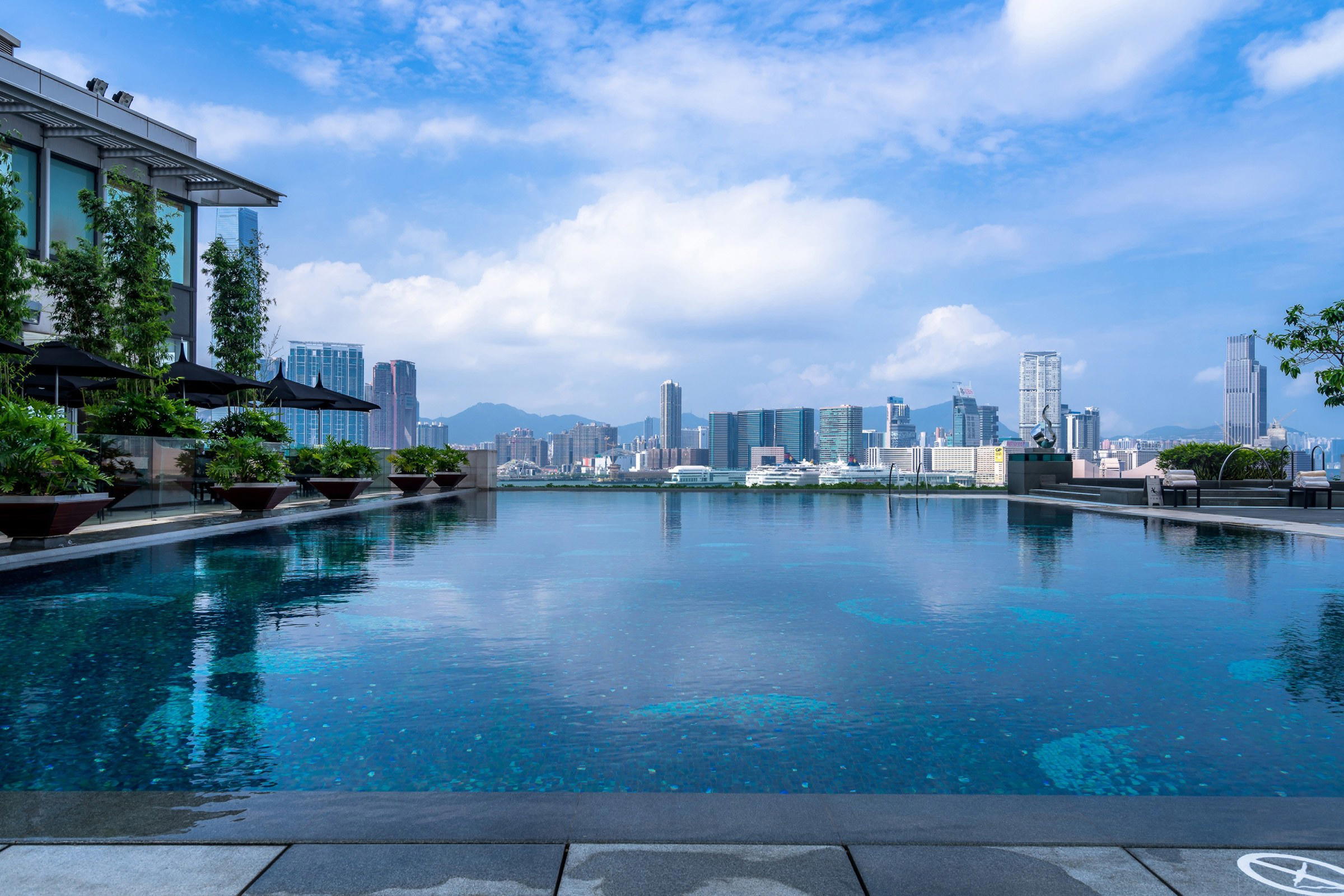
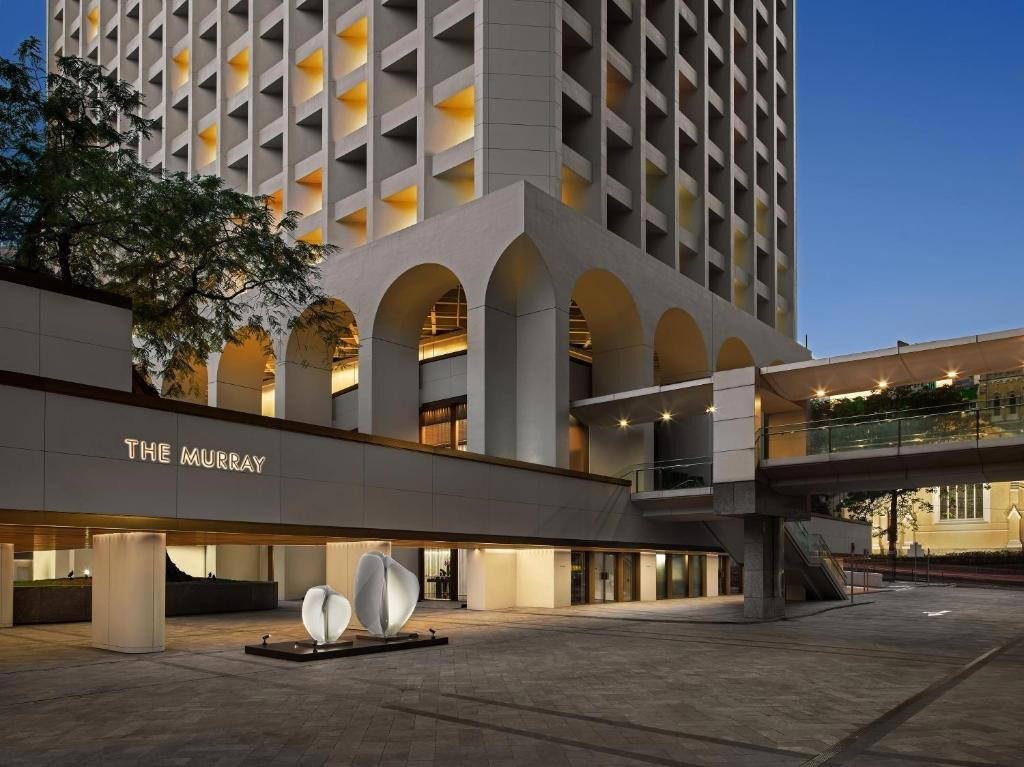
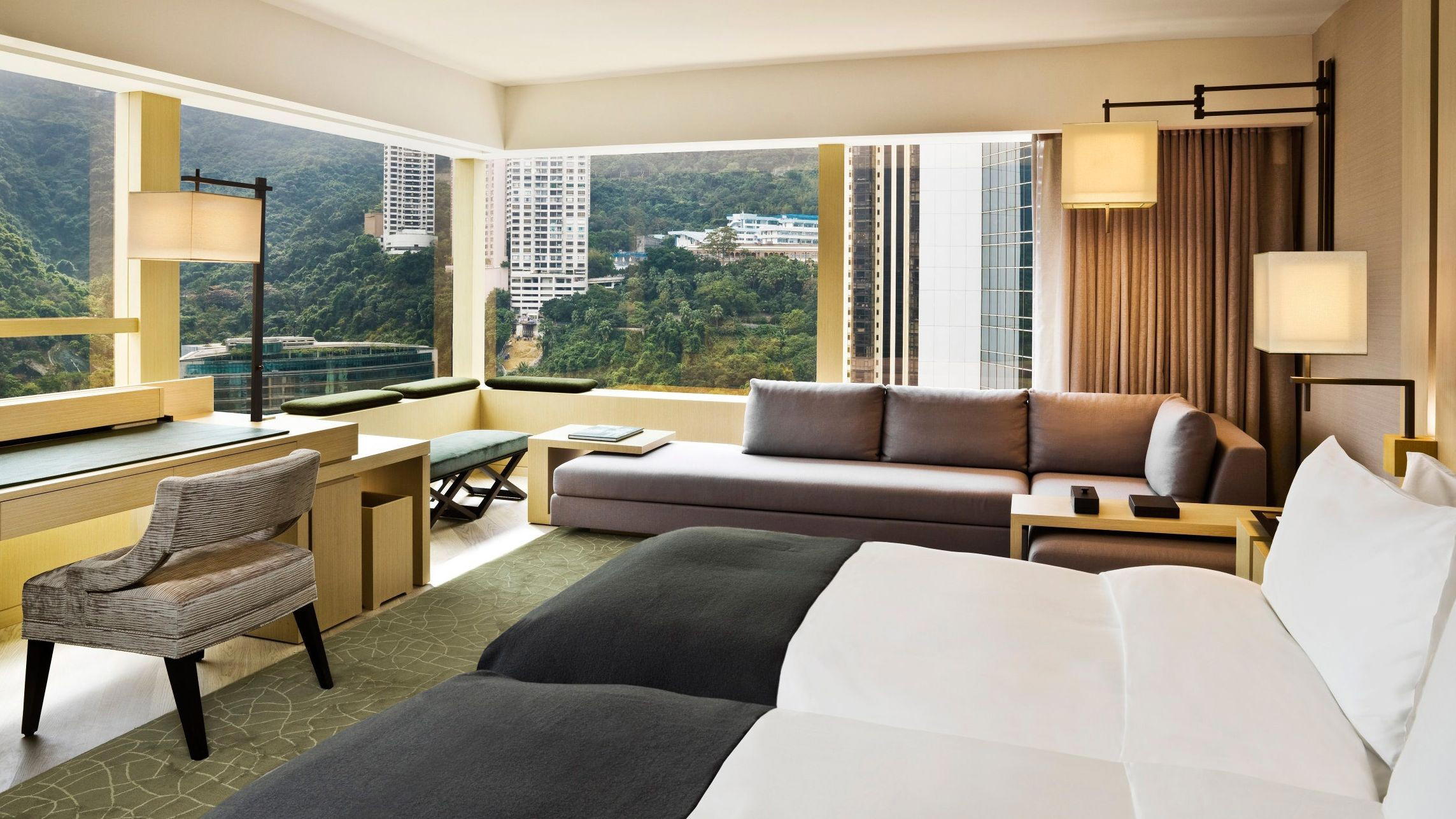
Hotels in Hong Kong
All hotels in Hong Kong →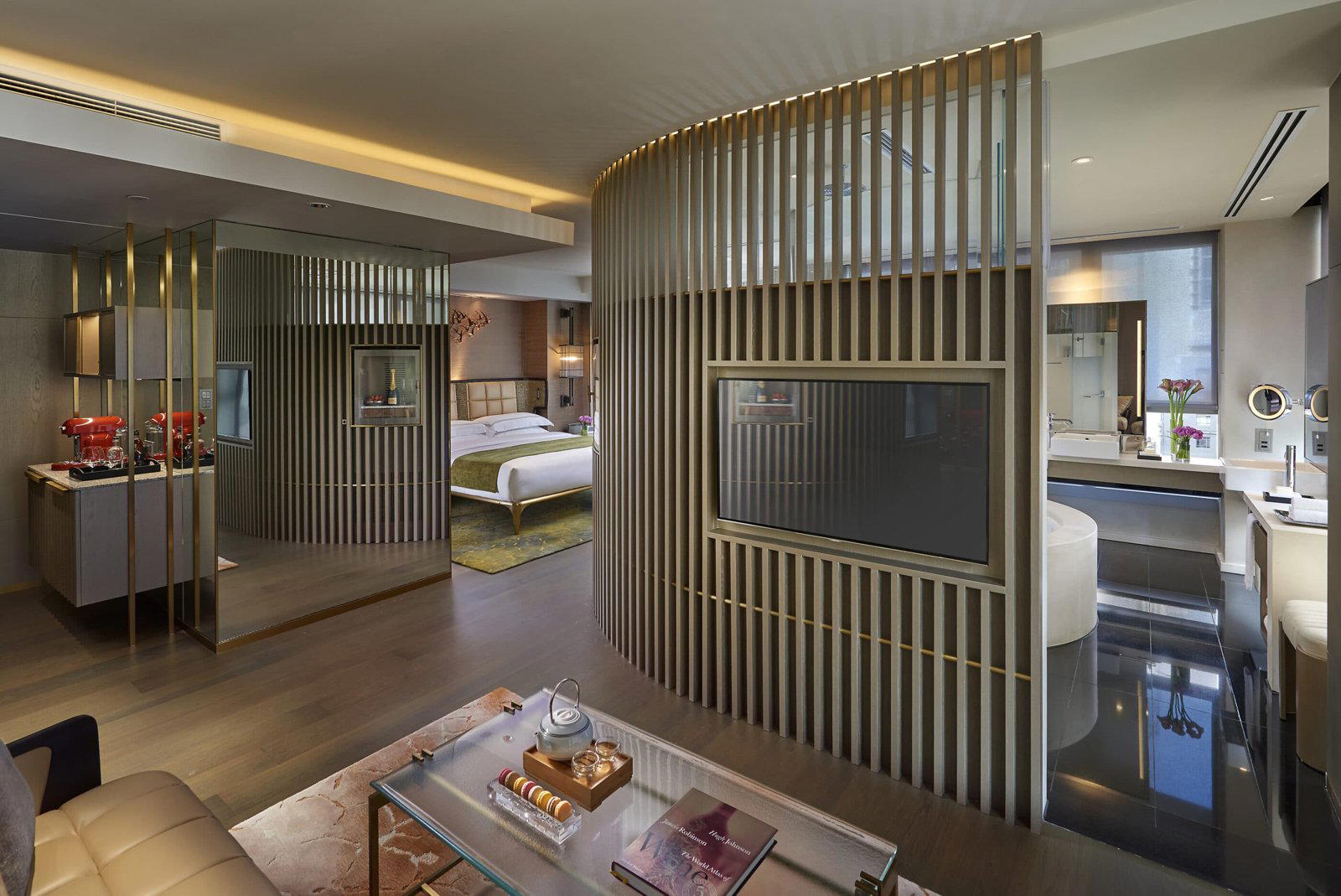
Wineries in Hong Kong
All wineries in Hong Kong →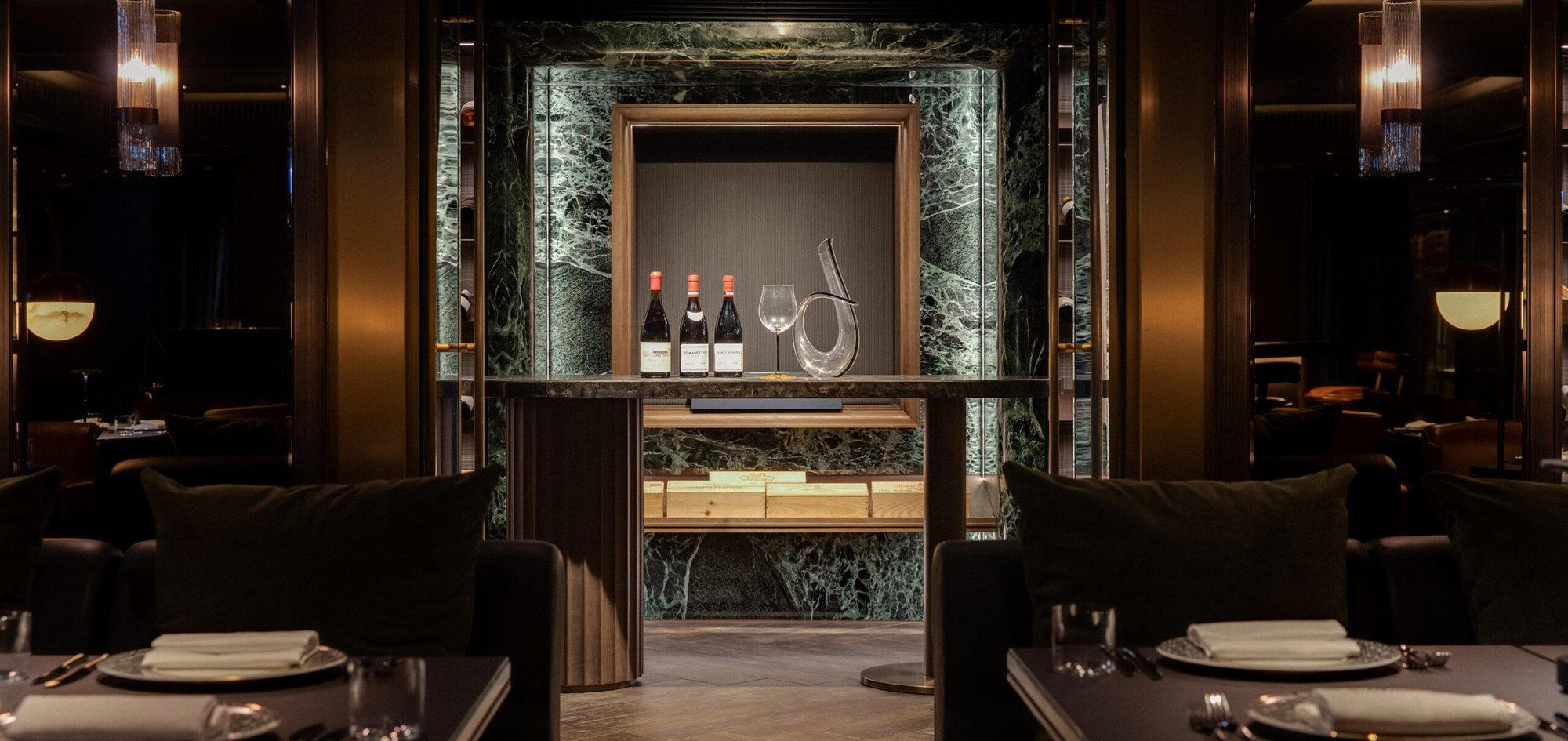
Details
- Elegant
- Sophisticated
- Intimate
- Modern
- Date Night
- Special Occasion
- Business Dinner
- Chefs Counter
- Hotel Restaurant
- Extensive Wine List
- Sake Program
- Tasting Menu
- Wine
- Sake
Current opening hours
- Monday
- 6–10 PM
- Tuesday
- 6–10 PM
- Wednesday
- Closed
- Thursday
- 6–10 PM
- Friday
- 6–10 PM
- Saturday
- 6–10 PM
- Sunday
- 6–10 PM
Hours can change for holidays and private events. Hours as of .
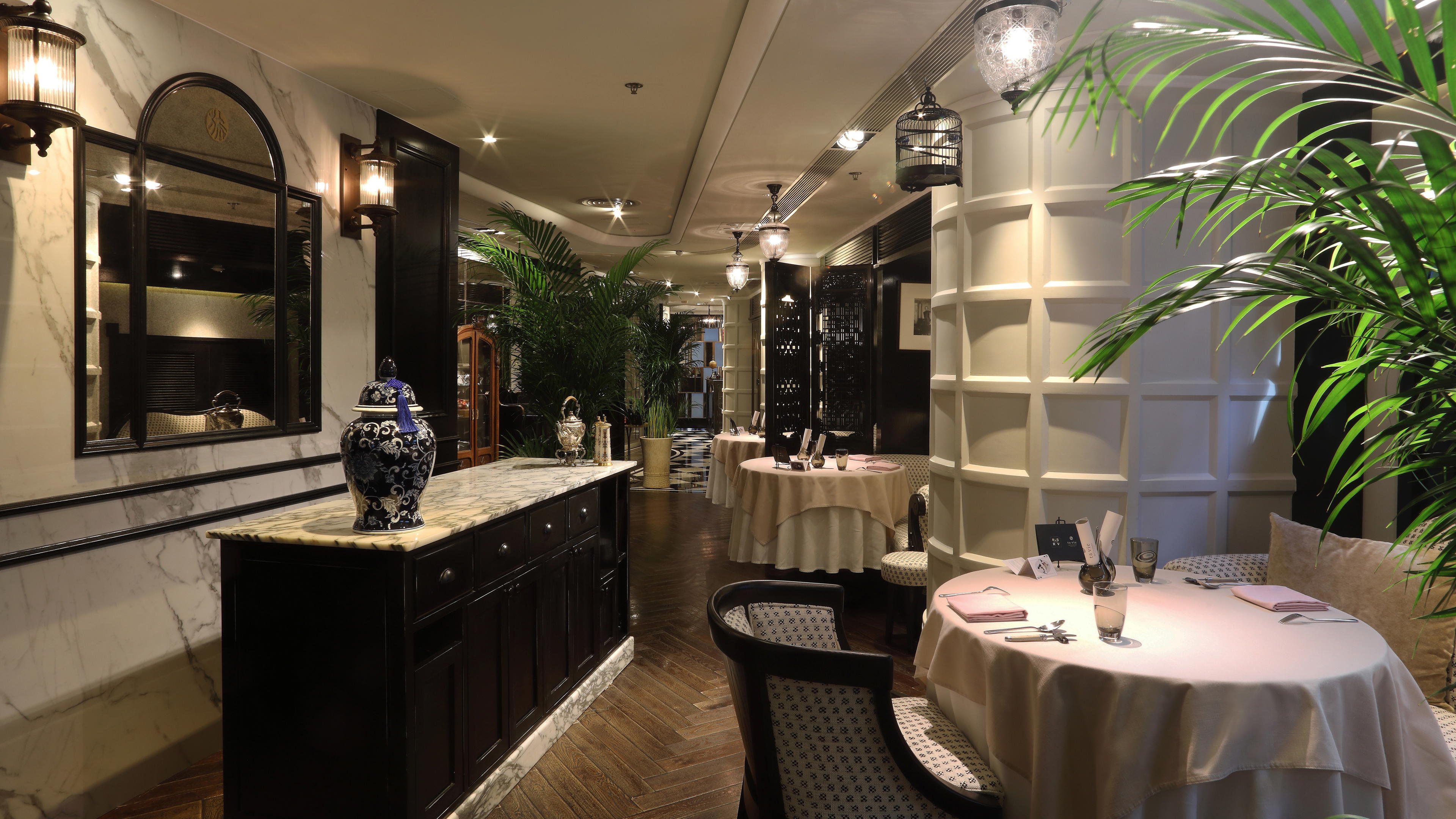
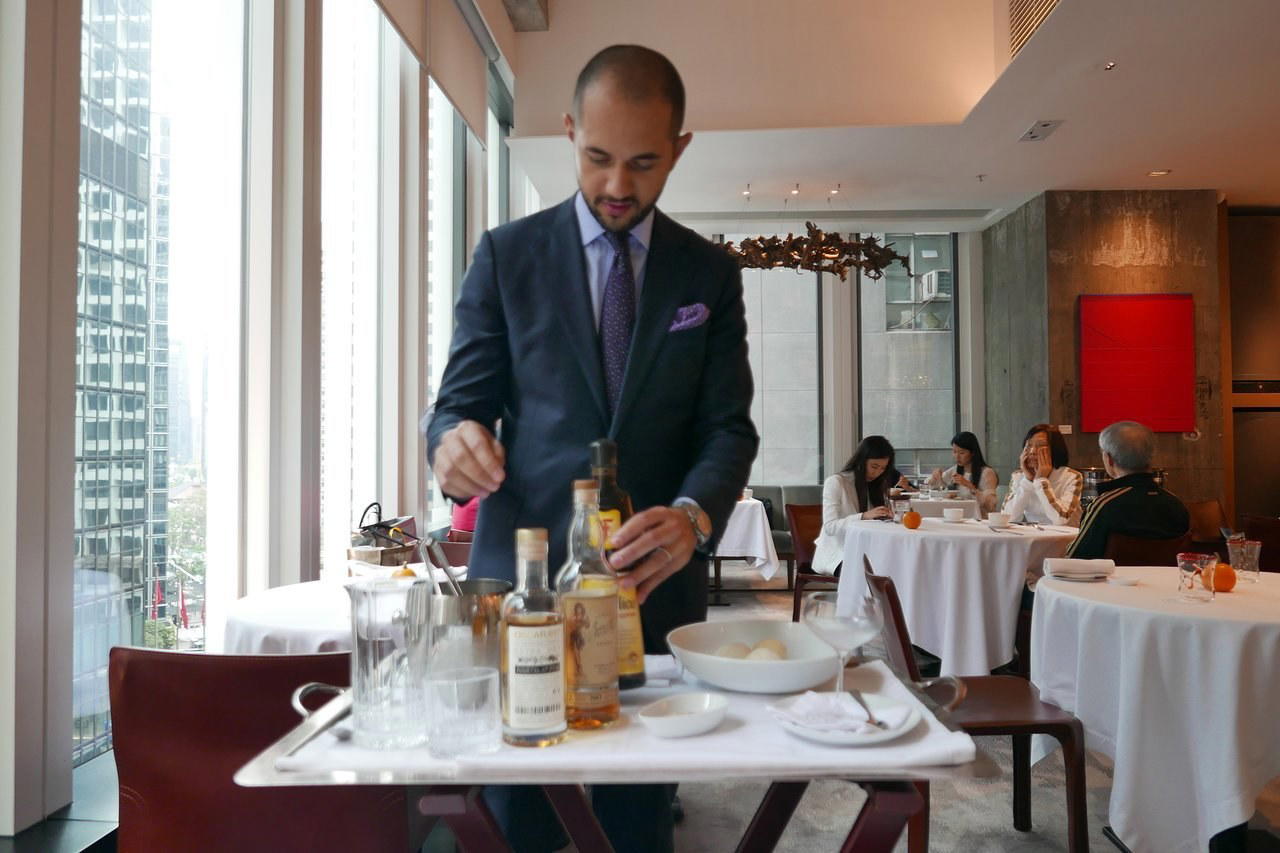
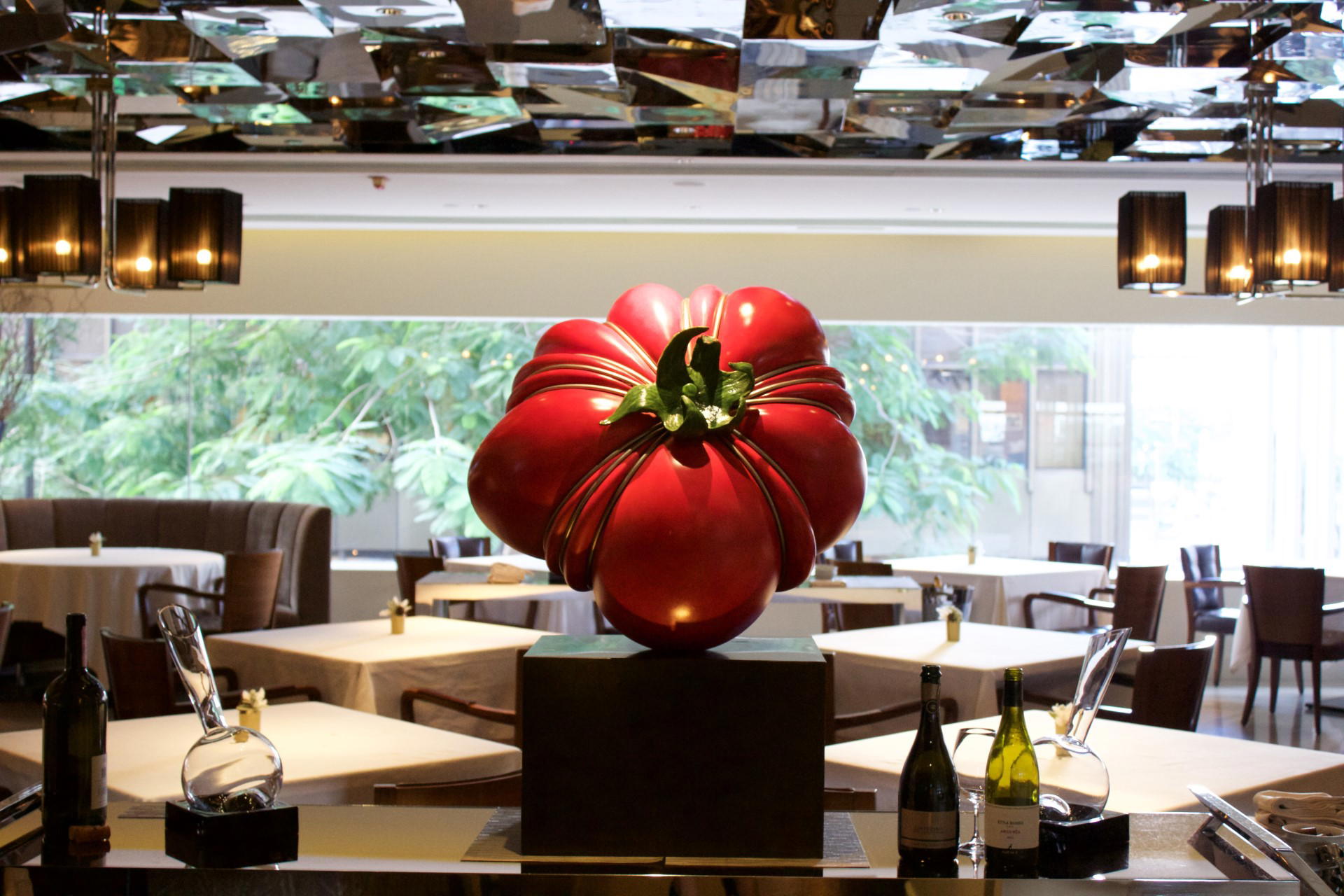
Sophisticated and elegant dining room with warm ambiance, tasteful decor, and well-spaced tables in a boutique hotel setting.