






On the fifth floor of a Central address, Mono has built one of Hong Kong's most discussed tasting counter experiences by doing something the city rarely rewards: committing fully to Latin American cuisine at fine-dining scale. Chef Ricardo Chaneton's 30-seat format earned a Michelin star and a top-25 ranking on Asia's 50 Best in 2025, with a menu that moves between Venezuelan roots, Italian technique, and ingredients sourced across three continents.
Pearl is the En Primeur Club membership app — saves, bookings, and concierge access live there. Same editors, same standards.
- Address
- 5/F, 18 On Lan St, Central, Hong Kong
- Phone
- +852 9726 9301
- Website
- mono.hk
- Directions
- Get directions
 Saves & bookings on Pearl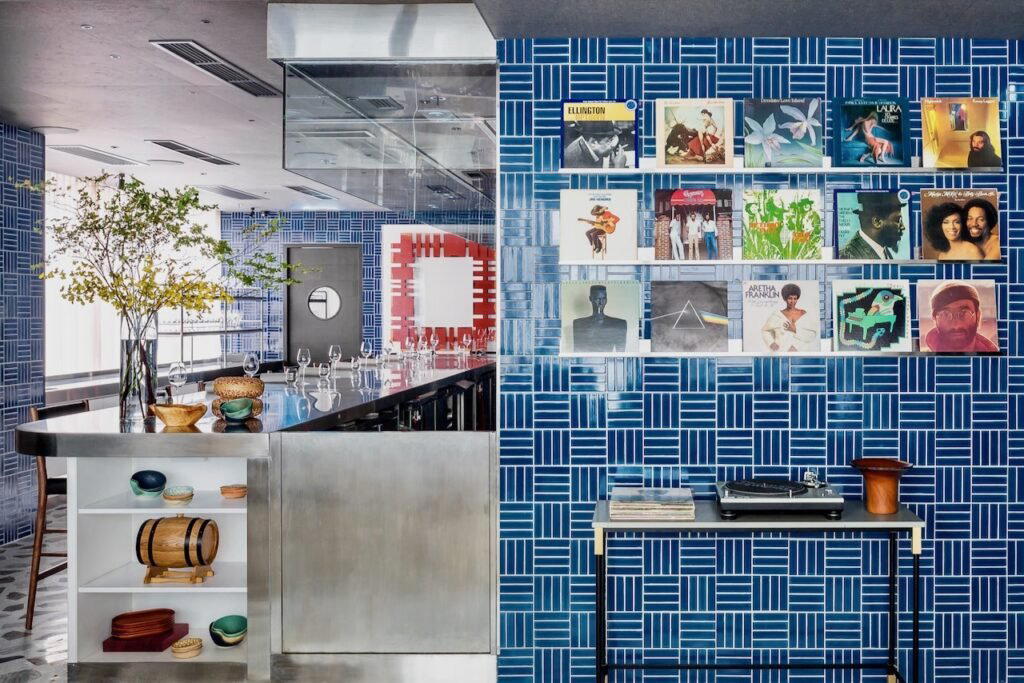
A Counter Format Built Around Fire, Ferment, and the Latin American Pantry
Central's fine-dining tier is dominated by European kitchens. Walk the blocks around On Lan Street and you'll find French institutions like Caprice and Amber, Italian anchors like 8½ Otto e Mezzo Bombana, and Japanese-French hybrids like Ta Vie. Latin American cooking at this price point is a different proposition altogether, one that requires a specific kind of argument: that the continent's pantry, its ferments, its chiles, its cacao, its coastal seafood, can hold a Michelin-level tasting menu together.
Mono, on the fifth floor at 18 On Lan Street, makes that argument across 30 seats arranged around a chef's counter. The physical setup reinforces the intent. There is no dining room separation from the kitchen, no waiter-mediated distance from the cooking process. Vinyl plays from a curated selection. The atmosphere sits closer to a serious record bar with a kitchen than to the hushed reverence of most Central fine-dining addresses. That deliberate informality is part of the editorial statement the restaurant makes about what Latin American cuisine at this level can look and feel like.
Where Mono Sits in the Hong Kong Tasting Menu Market
The city has a crowded counter-dining segment, particularly in Central, where tasting menus run the range from accessible ($$$) to collector-tier ($$$$). Mono prices at $$$, placing it in the same tier as French Contemporary specialists like Feuille, and below the $$$$ bracket occupied by Caprice, Ta Vie, and 8½ Otto e Mezzo. That positioning matters: it signals that the kitchen is competing on the quality of the food itself, not on the premium of a famous address or a hotel dining room. The comparison set for Mono is not the Cantonese institutions like Forum nor the European stalwarts, but rather a tighter group of chef-driven counters where a single culinary vision organises the whole experience.
The credentials are now substantive. A Michelin star arrived in 2024. By 2025, Asia's 50 Best had ranked Mono at number 24, up from number 30 the previous year. In a city with as much competition at the leading end as Hong Kong, three concurrent recognitions from distinct evaluators is a signal worth reading seriously.
The Editorial Angle: Fire, Ferment, and the Latin American Flame
Latin American cooking has always had fire at its structural centre. Barbacoa, al pastor, wood-fired flatbreads, charred chiles ground into mole: the continent's cuisine is built on the transformation that direct heat and slow combustion produce. The interesting thing about what Mono does is apply that logic to a tasting counter format that typically prizes delicacy. The 18-ingredient green mole on the menu is a useful illustration. Mole is, by definition, a cooked-down thing, a sauce that requires sustained heat to bind together chile varieties, aromatics, seeds, and fats into a single coherent texture. The version here is described as silky, striking a balance between aromas, heat, and acidity. Getting a mole to that point at a counter where precision timing matters is a different craft challenge than getting a roast to temperature or a consommé to clarity. It is a test of whether the kitchen understands fire as a tool for patience, not just speed.
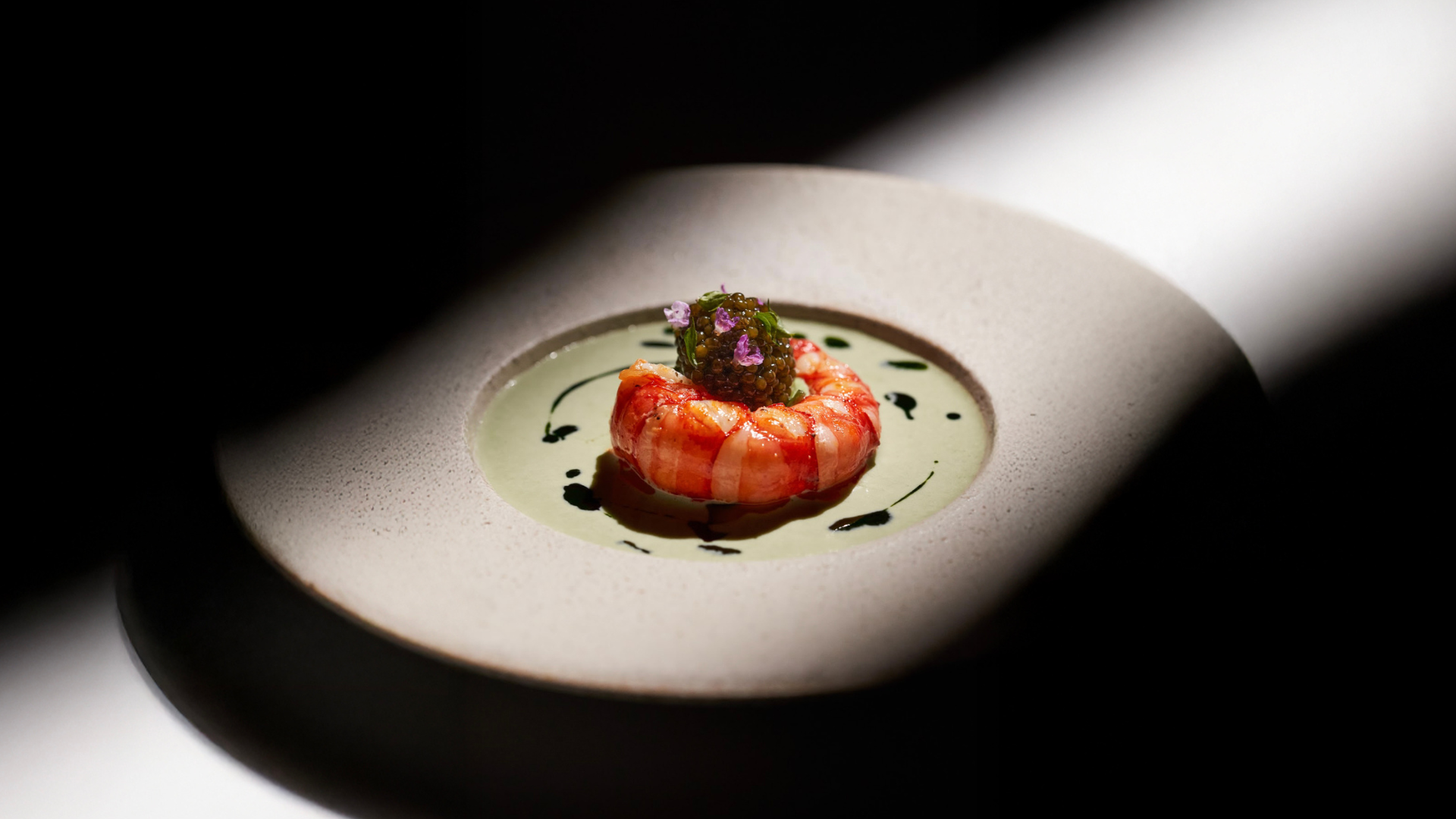
The fermentation dimension runs alongside the fire logic. Danish langoustine paired with fermented Ecuadorian cacao in a dense shrimp stock is the kind of dish that only works if the ferment is calibrated precisely: too aggressive and it overwhelms the crustacean, too timid and the cacao reads as garnish. The geographical spread of those two ingredients, Nordic langoustine, South American cacao, describes exactly the kind of cross-continental sourcing that defines how Latin American fine dining has evolved globally. You see a version of this approach at Imperfecto: The Chef's Table in Washington D.C., and at ZEA in Taipei, where Latin American kitchens outside the continent use their geographic dislocation as a creative licence rather than a limitation.
The white sesame sourdough and cacao-driven components that anchor the meal at Mono point to the same structural thinking: bread as a fermented, slow-developed base note, cacao as a recurring flavour thread rather than a dessert-only ingredient. Both are products of biological transformation, of organisms working on raw material over time. The kitchen is using fermentation and fire not as technique showpieces but as the organising principles of the meal's flavour logic.
Latin American Fine Dining as a Global Category
Mono occupies a specific position within a broader international category that has grown considerably in the last decade. Latin American cooking at fine-dining scale is no longer a regional curiosity confined to Lima or São Paulo. It appears in Dubai at Amazónico, in Miami at Amara, in São Paulo at Arturito, and at destination properties like Awasi Atacama in Chile and 6.8 Palopó in Guatemala. Even in Europe, the category is establishing itself, as seen at Almacita in Valence. What distinguishes Mono within this international spread is its Hong Kong context: the city has no natural supply-chain proximity to Latin American producers, no large diaspora community driving demand, and no neighbouring regional influence nudging diners toward these flavour profiles. The restaurant has built its audience from scratch against those conditions, which makes the Asia's 50 Best number 24 ranking more meaningful than it would be in a city where Latin American food already has cultural footing.
Chef Ricardo Chaneton's Venezuelan background, layered with Italian culinary training, produces the specific grammar of the tasting menu. That dual heritage is not a biographical footnote; it is the technical explanation for why the menu reads as it does, with Latin American ingredients organised through a European structural discipline. The Italian influence shows most clearly in the sourdough work and in the precision with which textures are sequenced across the meal.
Practical Considerations
Mono operates Tuesday through Saturday for lunch (12 PM to 3 PM) and dinner (6:30 PM to 11 PM), closing Sunday and Monday. The 30-seat counter format means availability is limited by design, and the combination of Asia's 50 Best recognition and a Michelin star makes reservations essential. The address, 5/F, 18 On Lan Street, Central, puts the restaurant within walking distance of Central MTR and in a building with lift access to the fifth floor.
6 from 298 ratings. The $$$-tier pricing places Mono below the ceiling of the Central fine-dining market, making it accessible relative to its comparable set without signalling compromise.
| Venue | Cuisine | Price Tier | Format | Key Recognition |
|---|---|---|---|---|
| Mono | Latin American | $$$ | 30-seat counter, tasting menu | Michelin 1★, Asia's 50 Best #24 (2025) |
| 8½ Otto e Mezzo Bombana | Italian | $$$$ | Full-service dining room | Michelin 3★ |
| Ta Vie | Japanese-French | $$$$ | Tasting menu | Michelin 2★ |
| Caprice | French Contemporary | $$$$ | Full-service dining room | Michelin 2★ |
| Feuille | French Contemporary | $$$ | Tasting menu | Michelin recognition |
Same-City Peers
Comparable venues nearby, for context on price, style, and recognition.
| Venue | Cuisine | Price | Notes |
|---|---|---|---|
| MonoThis venue — the venue you are viewing | Modern Latin American Fine Dining | $$$$ | Not listed |
| Estro | Modern Neapolitan Italian | $$$$ | Central |
| Vea | Modern Chinese-French Fusion | $$$$ | Central |
| Andō | Japanese-Argentinian Fusion | $$$$ | Central |
| WING Restaurant | Modern Chinese Fine Dining | $$$$ | Central |
| Forum | High-end Cantonese | $$$$ | Wan Chai |
Recognition history
Dated appearances from independent guides and award organizations, with the underlying list record or original source where available.
Michelin 1 Star
Michelin
Opinionated About Dining Top Restaurants in Asia Ranked #40
Opinionated About Dining
SCMP 100 Top Tables Restaurants
SCMP 100 Top Tables
World's 50 Best Asia's Best Restaurants #46
World's 50 Best
Michelin 1 Star
Michelin
Opinionated About Dining Top Restaurants in Asia Ranked #29
Opinionated About Dining
Tatler Best 20 Restaurants Hong Kong
Tatler
Tatler Listed in Best Restaurants Asia-Pacific
Tatler
The Best Chef One Knife
The Best Chef
World Culinary Awards Hong Kong's Best Restaurant 2025 #1
World Culinary Awards
World Culinary Awards Asia's Best Restaurant 2025 #1
World Culinary Awards
World's 50 Best Asia's Best Restaurants #24
World's 50 Best
Michelin 1 Star
Michelin
Opinionated About Dining Top Restaurants in Asia Ranked #30
Opinionated About Dining
Continue exploring
More in Hong Kong
Restaurants in Hong Kong
Browse all →
Bars in Hong Kong
Browse all →

At a Glance
- Intimate
- Elegant
- Sophisticated
- Modern
- Minimalist
- Special Occasion
- Date Night
- Celebration
- Chefs Counter
- Open Kitchen
- Sommelier Led
- Sustainable Seafood
- Local Sourcing
Current opening hours
- Monday
- Closed
- Tuesday
- 12–3 p.m., 6:30–11 p.m.
- Wednesday
- 12–3 p.m., 6:30–11 p.m.
- Thursday
- 12–3 p.m., 6:30–11 p.m.
- Friday
- 12–3 p.m., 6:30–11 p.m.
- Saturday
- 12–3 p.m., 6:30–11 p.m.
- Sunday
- Closed
Hours can change for holidays and private events. Last verified .
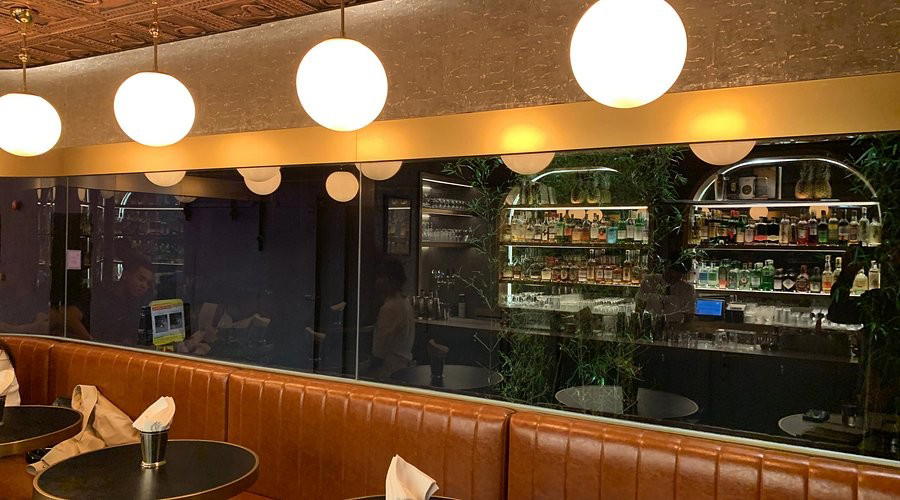
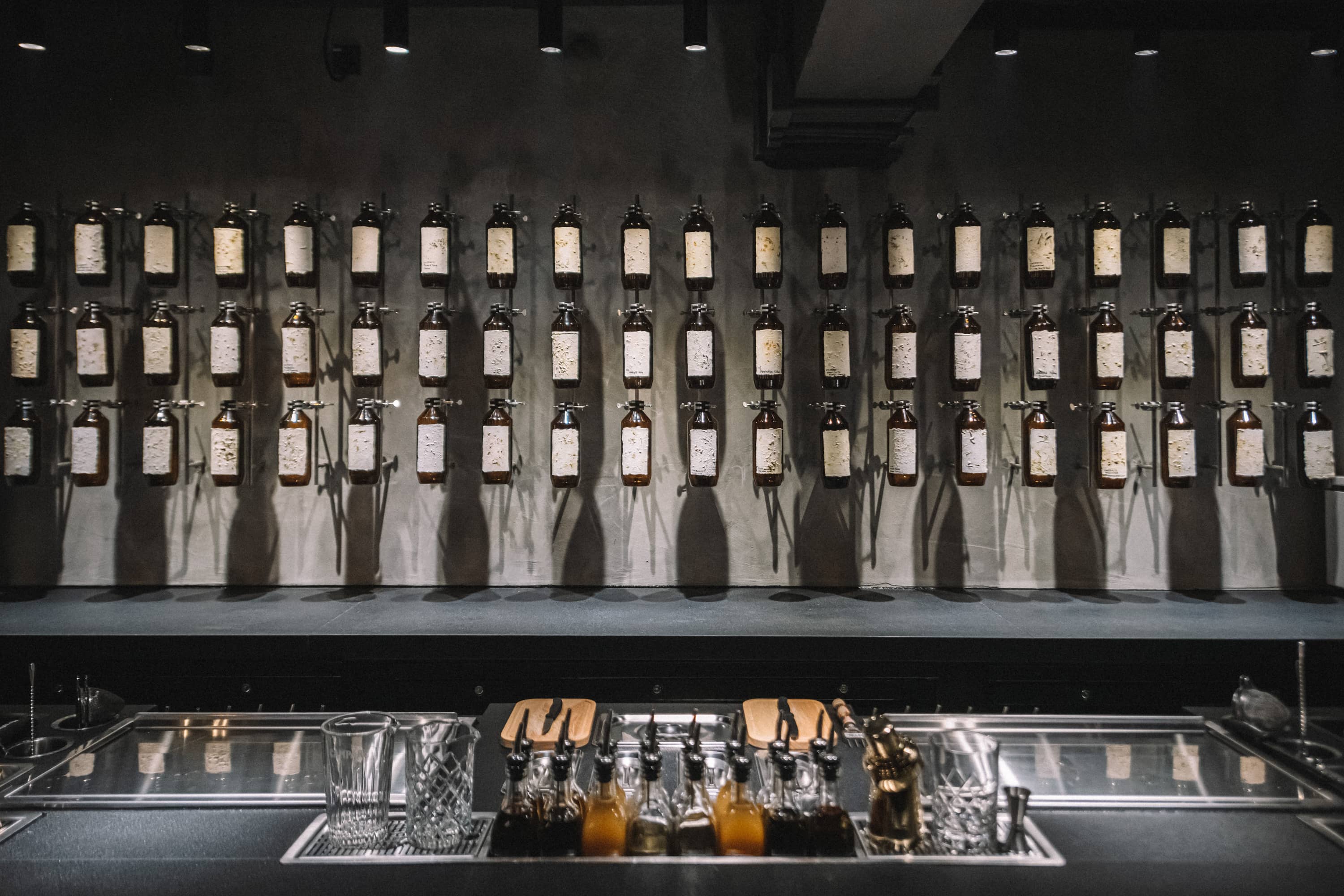
Intimate and warm with blue brick walls adorned with vinyl records from the chef's father's collection, minimalist modern decor, soft Latin music in the background, and an open kitchen counter where diners watch the brigade at work.