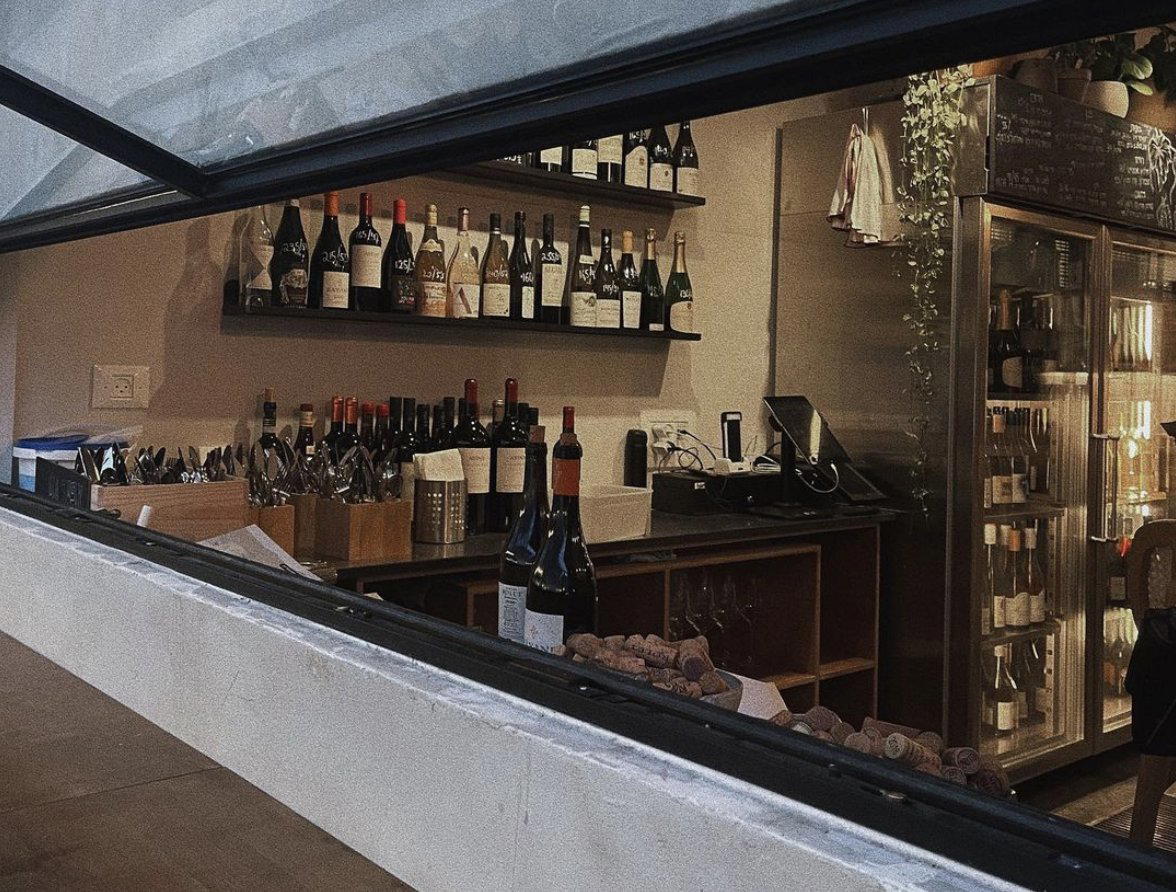
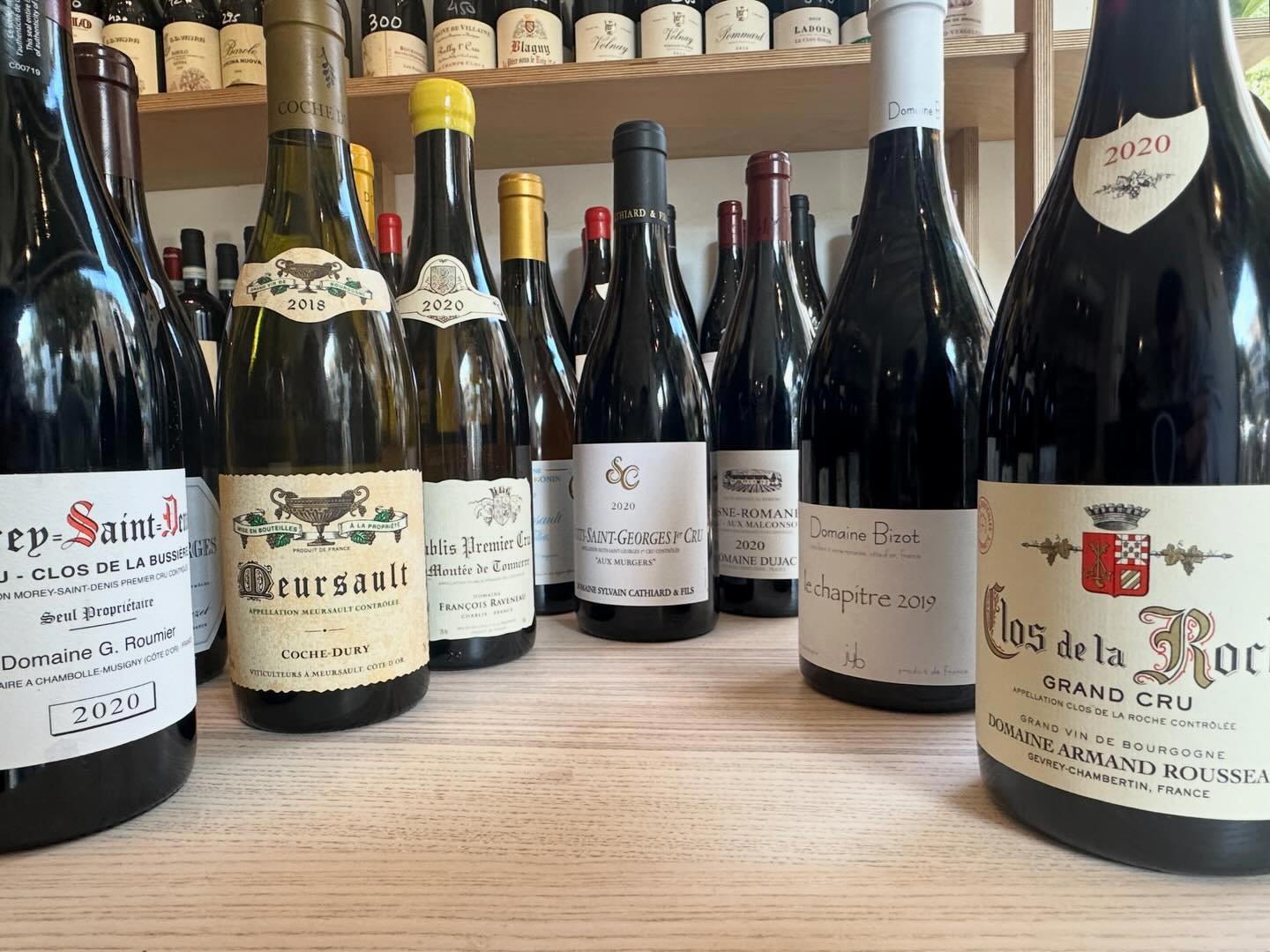
POMO occupies a corner of Tel Aviv's HaBarzel Street with the quiet confidence of a restaurant that has decided exactly what it wants to be. The wine program anchors the experience, pulling from producers across Israel and the Mediterranean with an editorial eye rarely found at this address density. For anyone serious about Israeli wine, this is where the conversation starts.
Pearl is the En Primeur Club membership app — saves, bookings, and concierge access live there. Same editors, same standards.
- Address
- HaBarzel St 11, Tel Aviv-Yafo, Israel
- Phone
- +97239225320
- Website
- pomo-italiano.co.il
- Directions
- Get directions
 Saves & bookings on Pearl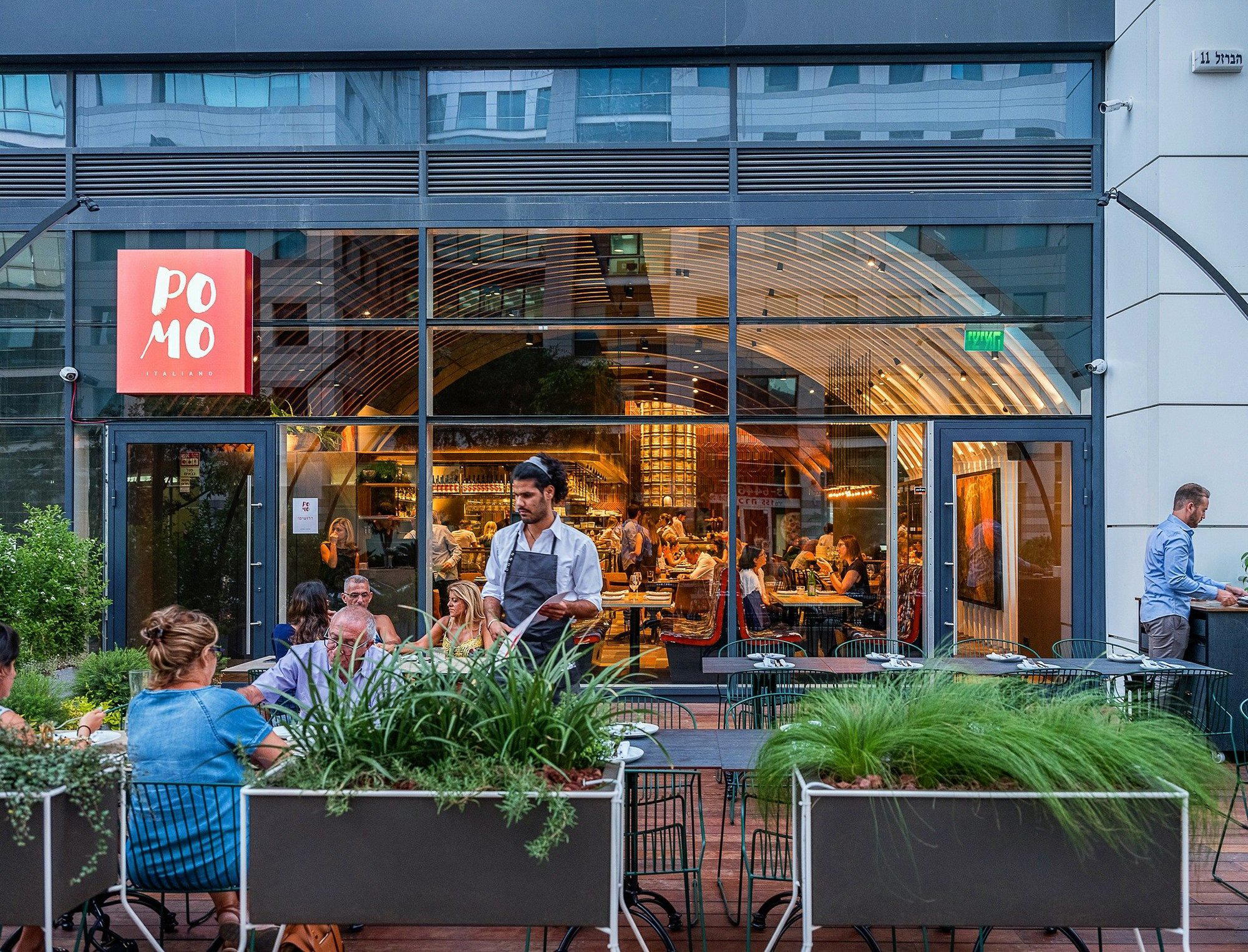
HaBarzel and the New Tel Aviv Dining Register
Tel Aviv's dining scene has reorganized itself over the past decade into distinct registers. POMO is a Southern Italian Brasserie in Tel Aviv-Yafo, with a price point around $55 per person and an address at HaBarzel St 11. HaBarzel Street sits in that zone, a straightforwardly commercial address that, counterintuitively, hosts some of the city's more considered restaurants. The street's character is office-block practical on the outside; what happens inside venues like POMO is another matter entirely.
This bifurcation matters because it shapes the clientele and, by extension, the ambition of the wine programs these places run. Restaurants on HaBarzel are not chasing the tourist rotation that keeps the Jaffa port spots solvent through the high season. They are serving regulars, people who return weekly, who notice when the list changes, who ask the sommelier questions and expect substantive answers. That dynamic creates pressure on a wine program in one productive possible way.
What a Wine-Forward Address Looks Like in Practice
Israeli wine has moved fast. Twenty years ago, the domestic category was dominated by a handful of large producers running warm-climate fruit-forward Cabernets that appealed primarily to export markets seeking Kosher certification over complexity. The generation of winemakers that followed trained in Burgundy, the Rhône, and coastal Spain, and came home with different instincts: lower intervention, site-specificity, varieties suited to the Levantine climate rather than imported in defiance of it. Carignan from old Galilee vines, Grenache from the Judean Hills, skin-contact whites from the Negev. The quality ceiling raised sharply.
A restaurant serious about Israeli wine in the current moment needs to reflect that generational shift, not paper over it with a safe international list. The wine programs at venues like POMO, operating in a district where the returning guest notices and cares, are among the places where that domestic ambition gets put to the test in a glass.
The Editorial Logic of a Good List
Wine curation is an editorial act. It involves deciding whose work you believe in, which regions deserve more space than their fame would suggest, and when to break from the expected to force a table conversation. The difference between a list assembled by a purchasing manager and one shaped by a sommelier with genuine conviction is apparent within the first page. The former optimizes for margin and recognizability; the latter makes arguments.
In Tel Aviv's current comparable set, the contrast is visible when you move between addresses. Alena at The Norman operates with the resources of a luxury hotel backing its cellar. Aria has built its identity around a more European-inflected approach to matching. Smaller independents on streets like HaBarzel have to make different choices, depth over breadth, conviction over comprehensiveness, and those constraints often produce more interesting outcomes. POMO operates in that independent tier, where the menu and wine list reflect specific knowledge rather than category coverage.
Situating POMO in the City's Wider Dining Conversation
Tel Aviv's food culture draws comparisons to other Mediterranean cities, but the comparison only holds so far. The city's relationship with its own regional ingredients, sumac, za'atar, sheep's milk dairy, pomegranate, the endless variation of legume preparations inherited from communities across the Middle East and North Africa, is not decorative. It is structural. Restaurants that understand this do not simply garnish an otherwise European plate with a dusting of spice. They build from those ingredients outward.
Across the city, the addresses doing this most coherently include a, Abie, and Azura, each operating with a distinct relationship to the regional pantry. Beyond the city, that conversation extends to Uri Buri in Acre, Diana in Nazareth, and Majda, each representing a different regional register. Understanding POMO requires situating it within that larger argument about what Israeli cooking is becoming, not just what it has been.
For the wine dimension specifically, the relevant peer context extends further. Helena in Caesarea and Herbert Samuel Herzliya both operate with wine programs shaped by proximity to specific producer relationships and regional sourcing. These are not identical endeavors, but they share the premise that the glass on the table should reflect something specific about where you are, not simply replicate what you might find in a mid-range European brasserie.
Planning a Visit to HaBarzel 11
The address, HaBarzel Street 11, Tel Aviv-Yafo, places POMO in the northern business district, accessible by car or by a short ride from the central train and bus corridors. The neighborhood is quieter in the evenings than its daytime office character suggests, which works in a restaurant's favor: street noise is not a factor, and the pace is easier. Reservations are recommended, particularly for groups or if specific dietary requirements need to be discussed in advance.
For context on Israeli dining culture beyond Tel Aviv, the map extends to Menza in Jerusalem, Abu Hassan in Jaffa, and further south to Pitmaster in Beersheba. Internationally, the conversation about wine-forward independent restaurants operating at a high level runs through addresses like Le Bernardin and Atomix in New York, though the register and reference points are quite different from what the Israeli independents are doing. Michael Local Bistro in Liman and Burger 232 in Maggen represent other registers of the Israeli dining spectrum worth knowing.
In Context: Similar Options
Comparable venues nearby, for context on price, style, and recognition.
| Venue | Cuisine | Price | Notes |
|---|---|---|---|
| POMOThis venue — the venue you are viewing | Southern Italian Brasserie | $$$ | Not listed |
| Cicchetti | Venetian Small Plates & Cicchetti | $$ | Ha-rakevet |
| Piccola Pasta | Authentic Italian Trattoria | $$$ | Ṣummeil |
| Treysar | Modern Israeli Seasonal | $$$ | Kokhav Ha-tsafon |
| Santi | Modern Mediterranean Izakaya | $$$$ | Ṣummeil |
| North Abraxas | Modern Israeli Small Plates | $$$ | Newe Ẕedeq |
At a Glance
- Modern
- Trendy
- Sophisticated
- Industrial
- Business Dinner
- Group Dining
- Casual Hangout
- Date Night
- Open Kitchen
- Terrace
- Design Destination
- Beer Program
- Local Sourcing
- Street Scene
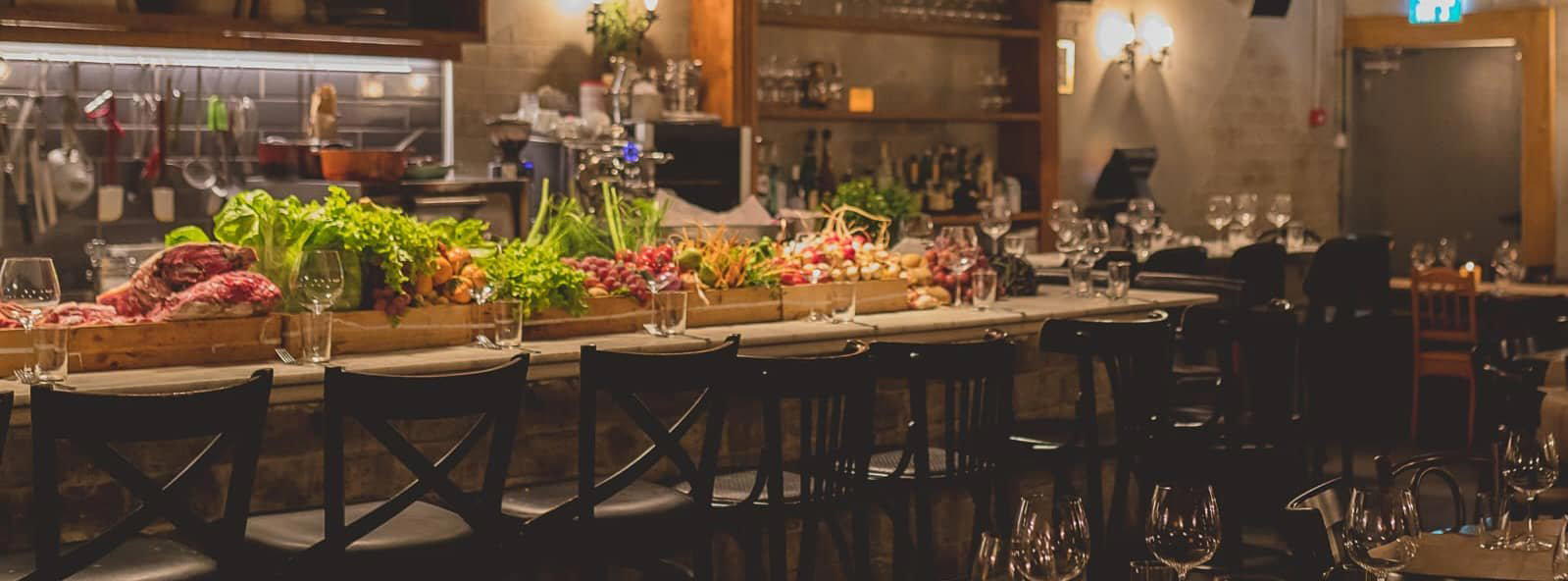
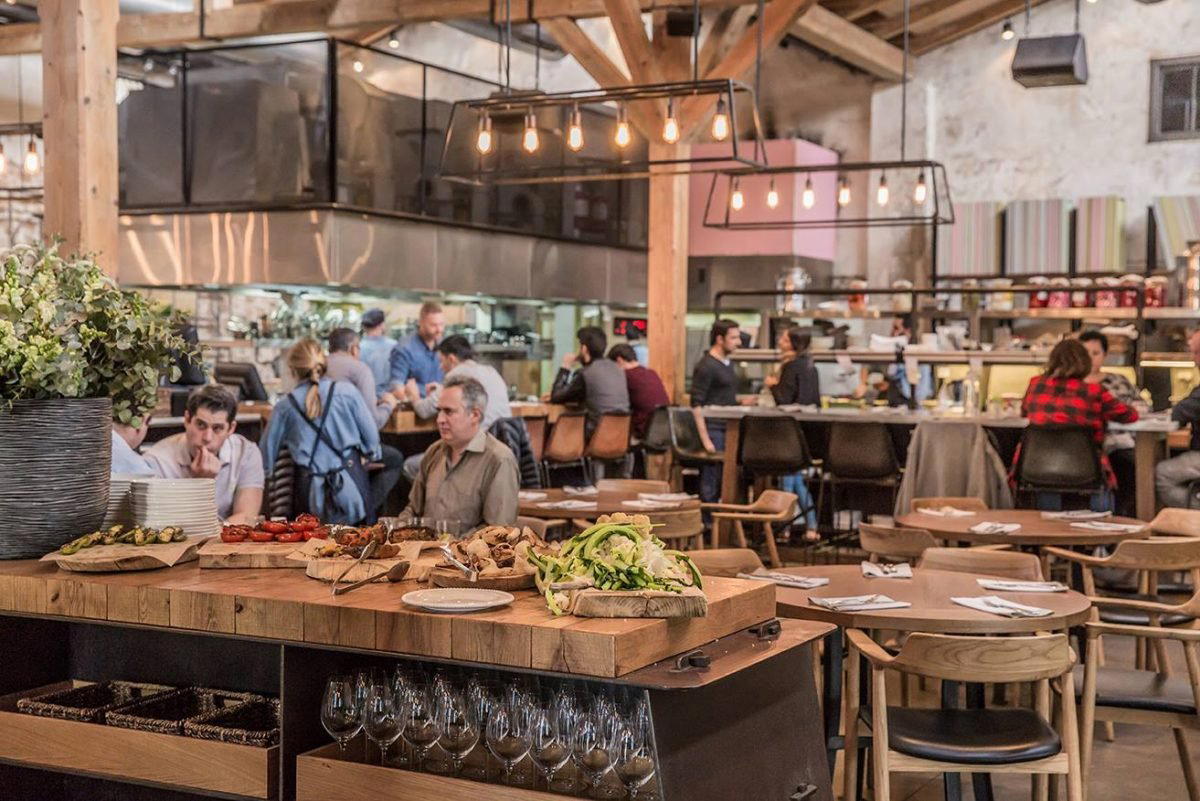
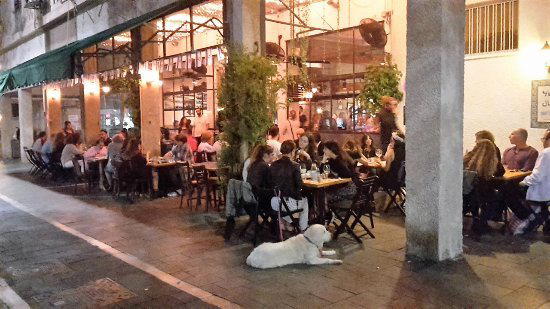
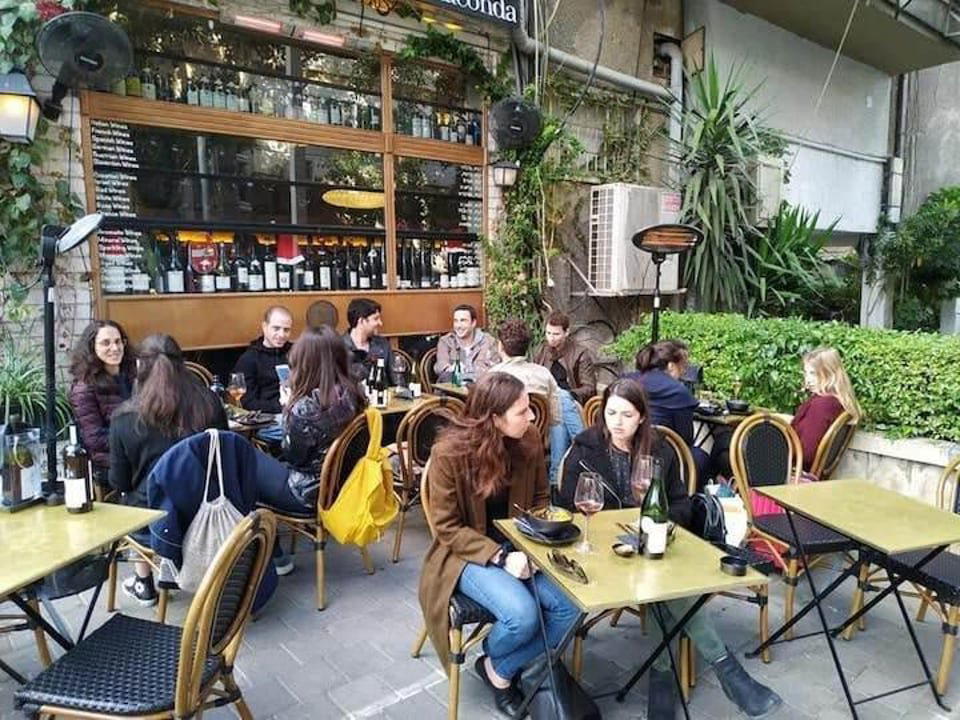
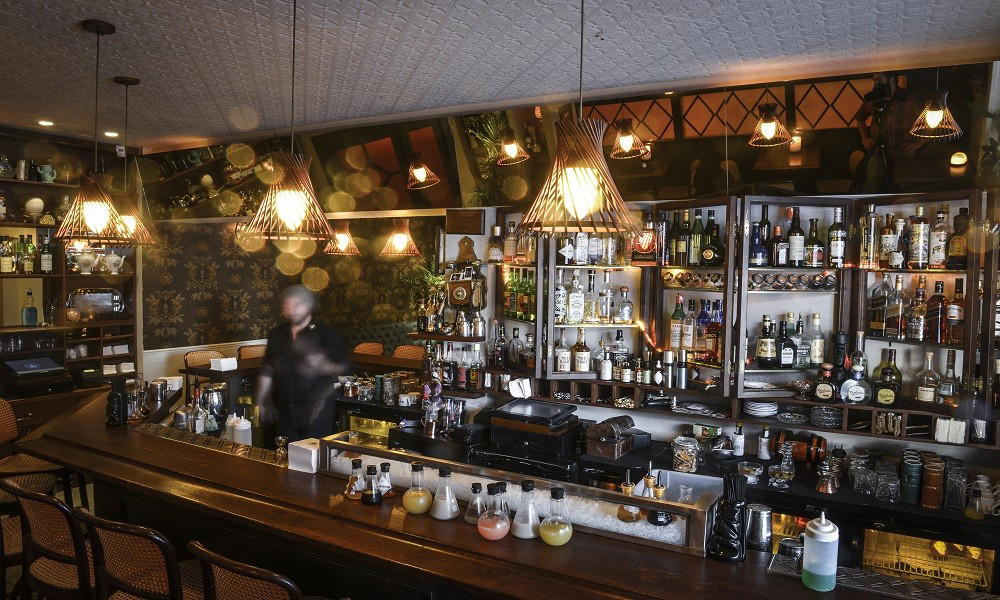
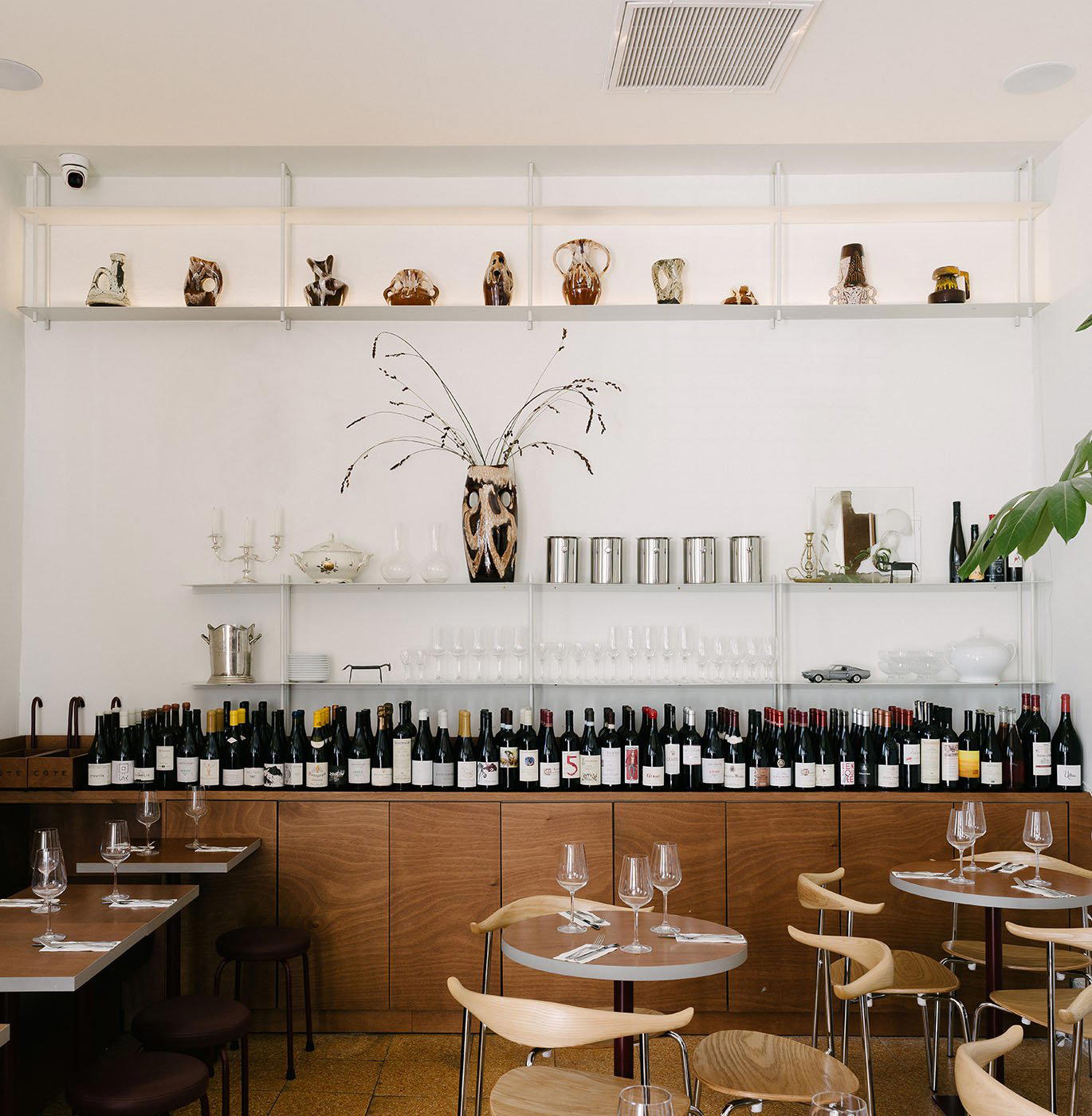
Designer hall with high ceilings, industrial-chic decor, open kitchen with wood-burning oven, interior bar, and flowing outdoor terrace overlooking the street; bright and contemporary.