Aria occupies a address on Nahalat Binyamin Street, one of Tel Aviv's most characterful pedestrian corridors, where the arts market crowds thin by evening and the neighbourhood settles into something more deliberate. The restaurant sits inside Tel Aviv's broader wave of venues reframing Israeli dining through structured, considered menus rather than the loose sharing-plate format that dominated the previous decade.
Pearl is the En Primeur Club membership app — saves, bookings, and concierge access live there. Same editors, same standards.
- Address
- Nahalat Binyamin St 66, Tel Aviv-Yafo, Israel
- Phone
- +97235296054
- Website
- ariatlv.co.il
- Directions
- Get directions
 Saves & bookings on Pearl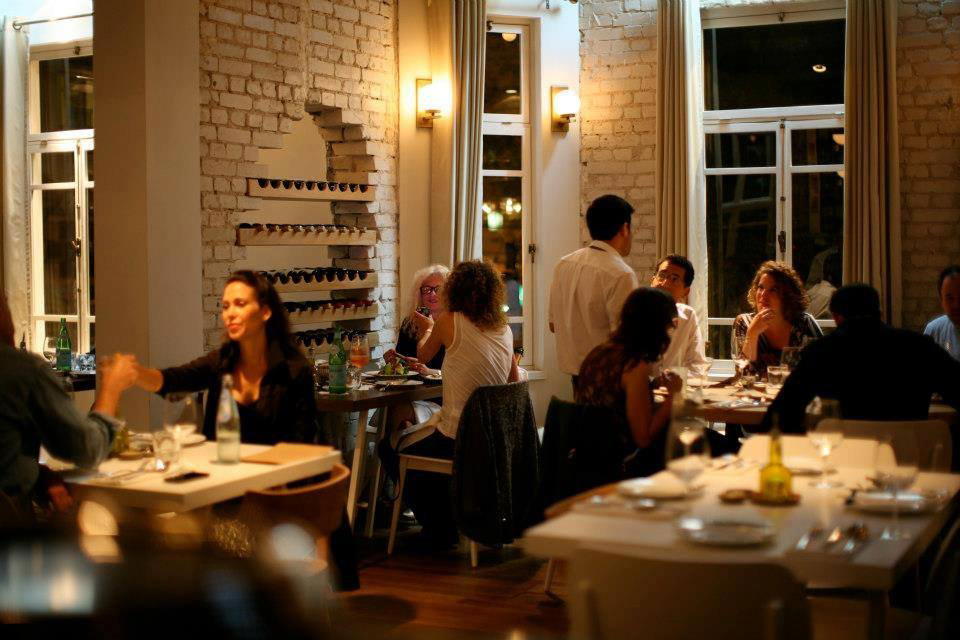
Nahalat Binyamin and the Architecture of a Tel Aviv Evening
Nahalat Binyamin Street has a particular rhythm. By day it runs as one of central Tel Aviv's busiest open-air markets, a twice-weekly craft fair pulling foot traffic from Carmel Market at one end toward the Florentin border at the other. By evening, when the stalls fold and the cobblestones empty, the street becomes something quieter and more considered. It is in this after-hours register that Aria at number 66 positions itself, a restaurant whose address already signals an intention: to operate in a neighbourhood known for creative commerce but to offer something that requires more stillness than the daytime scene allows.
Tel Aviv's dining scene has moved through several identifiable phases over the past fifteen years. The mezze-and-sharing-plate format, which defined the city's reputation internationally through the 2010s, gave way to a generation of kitchens more interested in structure. The question of how a menu is built, what sequence it proposes, and how it handles the tension between local ingredients and European or Asian technique has become a live debate across the city's mid-to-upper tier. Aria operates within that debate.
How Menu Architecture Functions in This Tier of Tel Aviv Dining
The editorial angle that matters most when thinking about any serious Tel Aviv restaurant right now is not the chef's biography but the menu's logic. Across the city's more considered kitchens, two broad structures have emerged. The first is the degustazione model: a fixed sequence, often between six and twelve courses, where the kitchen controls pace and the diner surrenders to it. The second is a hybrid architecture, where a shorter fixed section anchors the meal and an à la carte extension allows navigation. Both structures reveal something about a kitchen's confidence and its read of the local audience.
Venues like Alena at The Norman have used the hotel-dining context to push toward more formal tasting sequences, while neighbourhood-anchored spots such as Abie have worked the hybrid model with an emphasis on daily-changing sections tied to market supply. The comparison matters because it frames where a restaurant like Aria, on a street that bridges the cultural and the commercial, is likely to position its offer. Nahalat Binyamin's character pulls toward accessibility without casualness, a balance that in menu terms often translates to structured but not rigid.
For context further across the country, Helena in Caesarea has demonstrated how a tightly edited menu built around a single regional ingredient tradition can generate sustained critical attention, and Uri Buri in Acre has built one of Israel's most recognised seafood-led sequences on a comparable logic of restraint and editorial focus. What these examples share is a menu that teaches the diner something about a place or a tradition rather than simply delivering quantity.
The restaurants that compete most directly with a venue at this address are not necessarily those closest geographically but those fishing from the same pool of occasion-driven diners. In Tel Aviv's central neighbourhoods, that pool includes people choosing between a structured dinner and the city's many excellent informal options, places like a, Azura, or Bellboy, each of which occupies a different register of the same central Tel Aviv dining circuit.
The city's strongest informal tradition runs through places like Abu Hassan in Jaffa, where the menu is almost architecturally opposite to a tasting-led kitchen: a single category of dish executed with absolute consistency for decades. That contrast is worth keeping in mind. Tel Aviv rewards both extremes, the maximally edited and the maximally focused, and the restaurants that struggle are usually those in an uncertain middle, trying to be structured and casual simultaneously without a clear point of view to anchor either.
Aria's location on Nahalat Binyamin places it in conversation with the city's creative and design-aware community. The street's daytime identity as a craft and design market creates a natural audience for an evening venue that approaches its menu with comparable intentionality. Whether the kitchen meets that expectation is a question the specific data available does not yet allow us to answer with precision, but the address itself is a meaningful editorial statement.
Israel's Broader Restaurant Conversation
Understanding Aria in isolation is less useful than understanding the wider Israeli restaurant conversation it enters. Beyond Tel Aviv, the country's most discussed kitchens have tended to cluster around either deep regional specificity, as at Majda or Diana in Nazareth, or around international technique applied to local produce, a model that Chakra in Jerusalem has pursued with consistent recognition. The coastal cities, from Pescado in Ashdod to Herbert Samuel Herzliya, have developed their own registers around seafood and Mediterranean sourcing.
Tel Aviv sits at the intersection of all of these currents, urban enough to absorb international reference points, self-confident enough to reject pure imitation, and large enough to sustain several different models simultaneously. For internationally oriented diners who have eaten at places like Le Bernardin in New York or Lazy Bear in San Francisco, the Tel Aviv upper tier offers a genuinely different proposition: kitchens working with Middle Eastern and Levantine ingredients that have no direct equivalent in European or American fine dining. Aria's placement in this scene, on one of the city's most characterful streets, puts it in a position to make a specific argument about what serious Tel Aviv dining looks like in the mid-2020s. Our full Tel Aviv restaurants guide maps the broader picture for those building a longer itinerary across the city.
Planning a Visit
Nahalat Binyamin 66 is accessible from most central Tel Aviv neighbourhoods on foot or by a short ride from the Carmel Market area. The street itself is a pedestrian zone during market hours, which run Tuesday and Friday daytime, so evening access by car or taxi is direct from Allenby Street or Herzl Street on either side. As with most Tel Aviv venues in the structured dining category, confirming hours and reservation availability directly with the restaurant before visiting is advisable, particularly for weekend evenings when demand across the city's central corridor runs high.
How Aria Tel Aviv compares with similar nearby venues.
| Venue | Cuisine |
|---|---|
| Port Said | Israeli |
| Jasmino | Kebabs |
Continue exploring
More in Tel Aviv
Restaurants in Tel Aviv
Browse all →
Bars in Tel Aviv
Browse all →
Hotels in Tel Aviv
Browse all →


At a Glance
- Intimate
- Cozy
- Trendy
- Elegant
- Date Night
- Special Occasion
- Open Kitchen
- Historic Building
- Craft Cocktails
- Local Sourcing
Current opening hours
- Monday
- Closed
- Tuesday
- 7 PM–1 AM
- Wednesday
- 7 PM–1 AM
- Thursday
- 7 PM–1 AM
- Friday
- 7 PM–1 AM
- Saturday
- 7 PM–1 AM
- Sunday
- Closed
Hours can change for holidays and private events. Last verified .
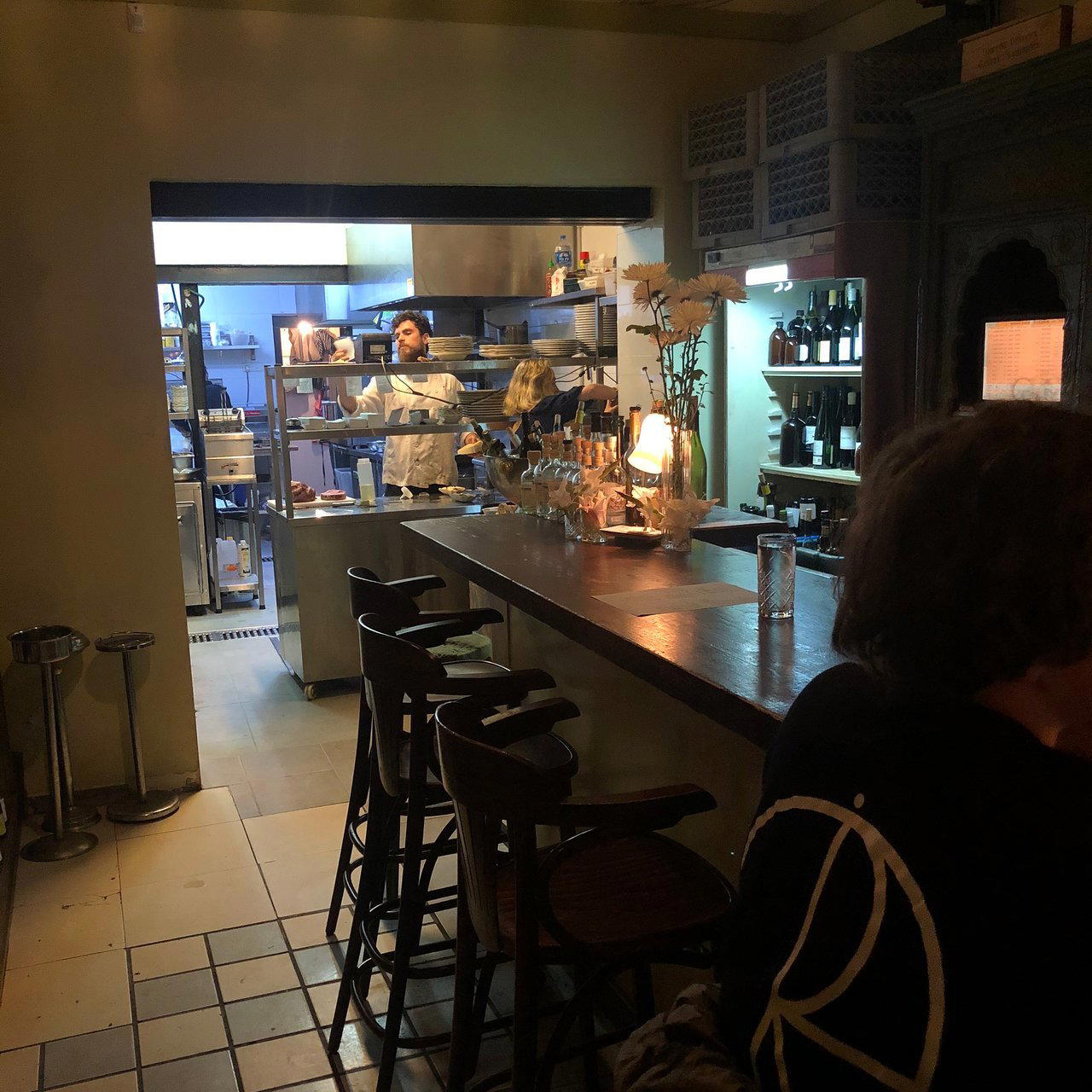
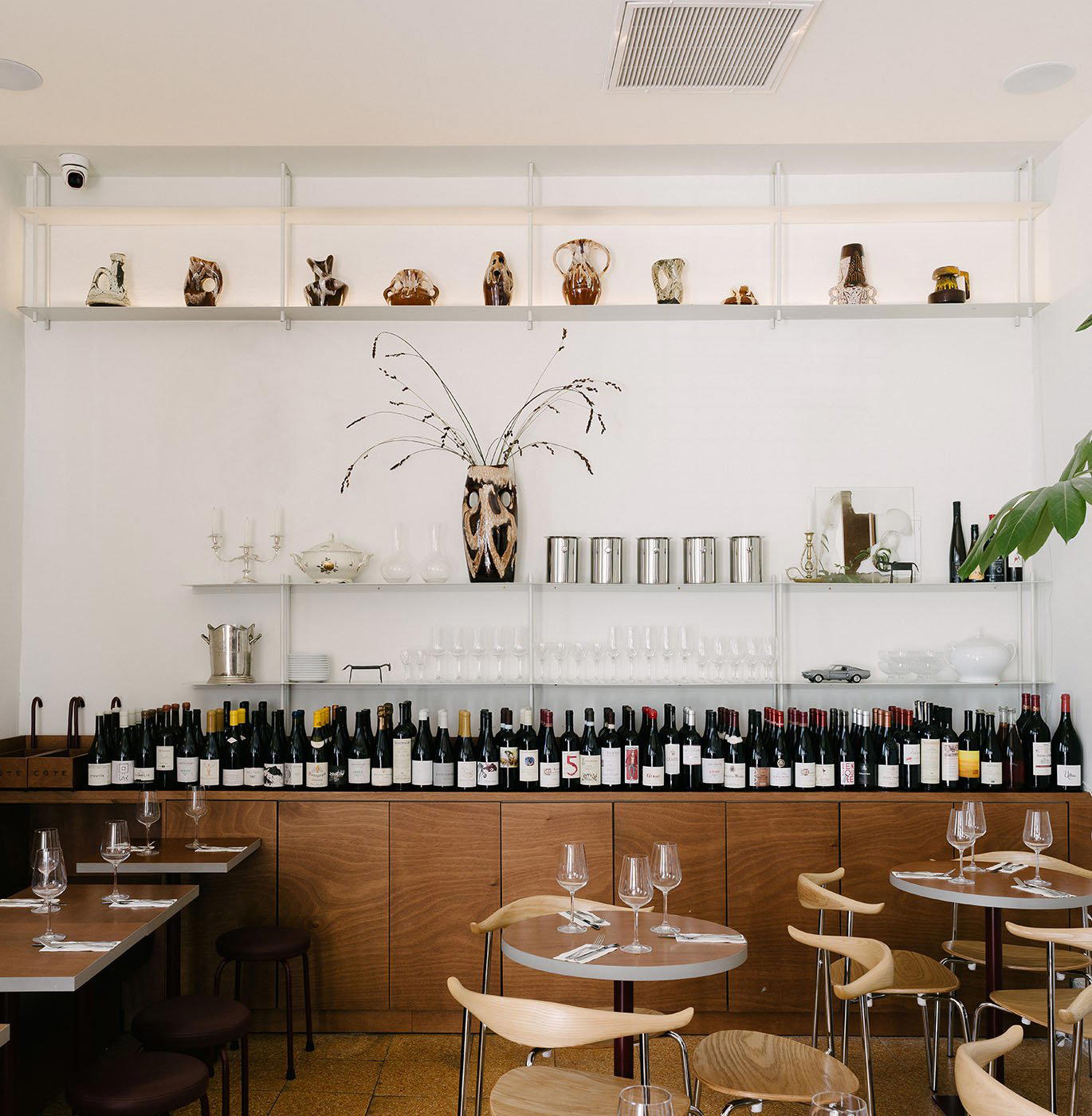
Soft and warm interior with an open kitchen window, creating a quaint, cozy, and intimate dining atmosphere.
Know Before You Go
- Getting there
- Nahalat Binyamin St 66, Tel Aviv-Yafo, Israel