


Positioned beside the Tel Aviv Museum of Art's Statues Garden, Pastel operates at the intersection of Israeli produce and European fine-dining discipline. Chef Gal Ben-Moshe brings Michelin-starred experience from Prism in Berlin to a menu that reads as both technically ambitious and locally rooted. La Liste has ranked the restaurant in its global top restaurants list for consecutive years, placing it firmly in Tel Aviv's upper tier.
Pearl is the En Primeur Club membership app — saves, bookings, and concierge access live there. Same editors, same standards.
- Address
- Sderot Sha'ul HaMelech 27, Tel Aviv-Yafo, Israel
- Phone
- +972 3-644-7441
- Website
- pastel-tlv.com
- Directions
- Get directions
 Saves & bookings on Pearl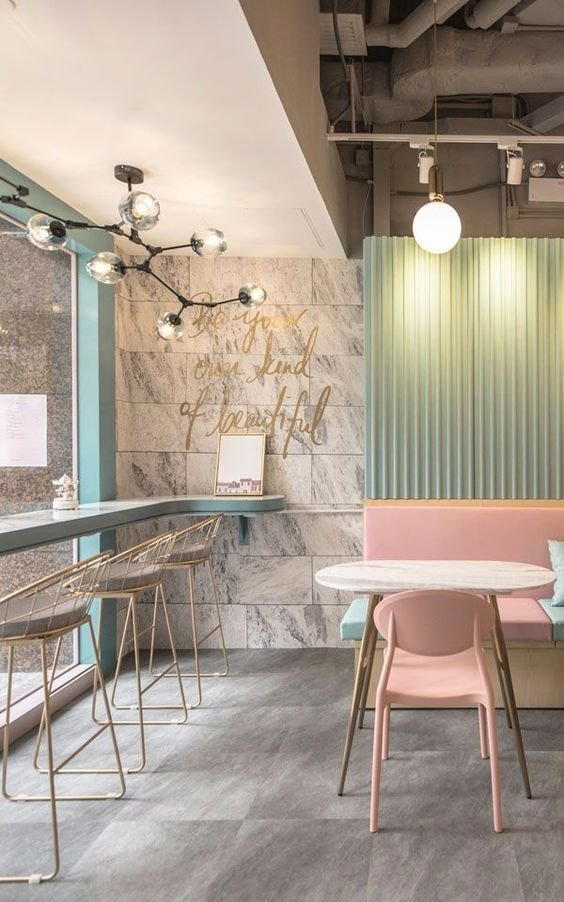
Where the Museum Quarter Sets the Tone
The approach to Pastel along Sderot Sha'ul HaMelech tells you something about the register it operates in before you've sat down. The restaurant sits adjacent to the Statues Garden of the Tel Aviv Museum of Art, a cultural address that carries weight in a city where geography signals intent. This corner of Tel Aviv draws a crowd that tends to arrive with an expectation of considered experience rather than casual grazing, and the restaurant's position within that context is not accidental. The museum quarter has gradually become one of the more interesting corridors in the city for serious dining, sitting at a remove from the louder, more tourist-facing energy of the port and the beach strip.
Tel Aviv's fine dining tier has deepened considerably over the past decade. Where the city once relied on a handful of established names, it now has a more layered upper bracket, with chefs who carry European training returning to apply technique to Israeli produce and tradition. Pastel belongs to that cohort, and its La Liste scores — 79.5 points in 2025, 77 points in 2026 — place it on the radar of any informed international visitor compiling a serious itinerary. For broader context on where it sits within the city's restaurant offer, our full Tel Aviv restaurants guide maps the full range.
The Menu as a Structural Argument
The editorial angle worth dwelling on at Pastel is not any single dish but what the menu's architecture implies about the kitchen's priorities. Restaurants that absorb European fine-dining grammar and apply it to a different culinary tradition tend to reveal their thinking most clearly in how the menu is sequenced, paced, and portioned. A menu built around Israeli ingredients filtered through Michelin-level technique makes a series of editorial decisions at every course: how much deference to local tradition, how much invention, where restraint applies and where it doesn't.
Chef Gal Ben-Moshe's prior position leading Prism in Berlin, a Michelin one-star restaurant, establishes a clear technical baseline. That credential is relevant not as biography but as a framework for understanding what the menu is likely doing: Prism was noted for precision-driven cooking with a strong conceptual through-line, and that instinct tends to travel with a chef. What changes at Pastel is the raw material, Israeli producers, Middle Eastern flavour registers, a Mediterranean climate that shapes what is available and when. The result is a menu that operates in a different register than the street-level Israeli kitchens that made Tel Aviv's reputation internationally, places like Dr. Shakshuka in Jaffa or Ha'Achim, without dismissing the culinary lineage those places represent.
The lunch and dinner format gives the kitchen two distinct pacing windows. Lunch at a restaurant of this type often functions as a more compressed, slightly more accessible version of the full program, while dinner allows the menu to unfold at a pace that justifies more elaborate sequences. Both services are available at Pastel, which gives visitors with different itinerary constraints a plausible entry point.
How Pastel Sits in Tel Aviv's Fine Dining Tier
Alena at The Norman operates in the hotel fine-dining bracket with a similar commitment to Israeli produce and European technique. Claro addresses the same general audience but with a different structural approach to the menu. George & John sits in a comparable positioning conversation. What separates these restaurants from one another is less a question of quality ceiling than of philosophy and emphasis, and Pastel's position is defined by its Michelin-lineage kitchen and its consecutive La Liste appearances.
For international comparison, the pattern of European-trained chefs returning to home markets and applying that technique to local ingredients is well-documented. Atomix in New York is a useful reference point for how Korean culinary tradition can be filtered through fine-dining structure to produce something that addresses both local and international audiences simultaneously. The dynamic at Pastel operates along a similar axis, even if the specific traditions and ingredients are entirely different. Restaurants like Lazy Bear in San Francisco offer another model: high-concept tasting formats that use the menu's architecture as a primary means of communication with the diner. Further afield, the precision economics of Le Bernardin in New York and the multi-course discipline of 8½ Otto e Mezzo Bombana in Hong Kong illustrate how restaurants at this tier use structure itself as a signal of intent.
Israel's broader restaurant culture has a complicated relationship with European fine dining as a reference point. The country's culinary identity is built on abundance, communality, and a produce-driven directness that doesn't always translate neatly into tasting menu format. The more interesting restaurants in this tier tend to hold that tension productively rather than resolving it in one direction. A comparison visit to Chakra in Jerusalem gives a useful data point for how the fine-dining conversation plays out differently across Israeli cities.
Planning Your Visit
Pastel is located at Sderot Sha'ul HaMelech 27, Tel Aviv-Yafo, directly adjacent to the Tel Aviv Museum of Art's Statues Garden. The museum district location makes it a natural pairing with an afternoon visit to the museum itself, or as an anchor for an evening that takes in the surrounding area. For those building a wider Tel Aviv itinerary, our Tel Aviv hotels guide, bars guide, wineries guide, and experiences guide cover the broader picture. For regional day-trip context, Pescado in Ashdod and Abu Hassan in Jaffa represent very different points on the Israeli dining spectrum, both worth factoring into a longer visit. Those wanting a different energy within Tel Aviv itself should also consider how destination restaurants function as anchors in a wider city itinerary.
Cuisine Lens
| Venue | Cuisine | Awards |
|---|---|---|
| PastelThis venue — the venue you are viewing | Israeli Modern | Not listed |
| Dr. Shakshuka | Middle Eastern | Middle Eastern |
| Ha'Achim | Israeli | Israeli |
| Habasta | Israeli | Israeli |
| HaSalon | Israeli - Mediterranean, Israeli | Israeli - Mediterranean, Israeli |
| Jasmino | Kebabs | Kebabs |
Recognition history
Dated appearances from independent guides and award organizations, with the underlying list record or original source where available.
La Liste Top Restaurants
La Liste
Star Wine List
Star Wine List
La Liste Top Restaurants
La Liste
World's Best Wine Lists Awards WBWL 2-Star
World's Best Wine Lists Awards
Continue exploring
More in Tel Aviv
Restaurants in Tel Aviv
Browse all →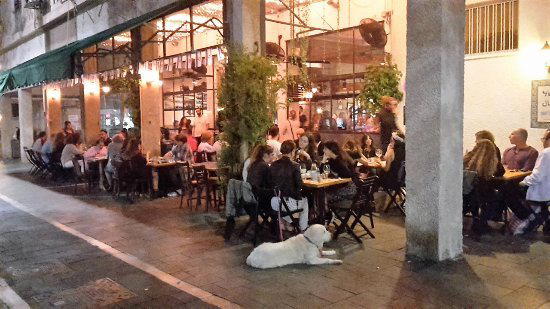
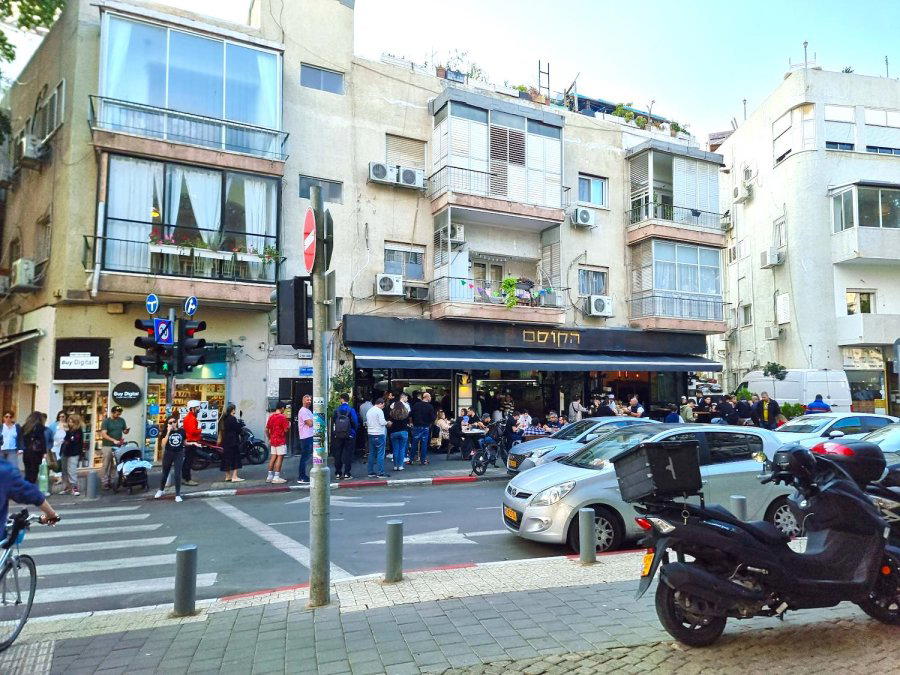
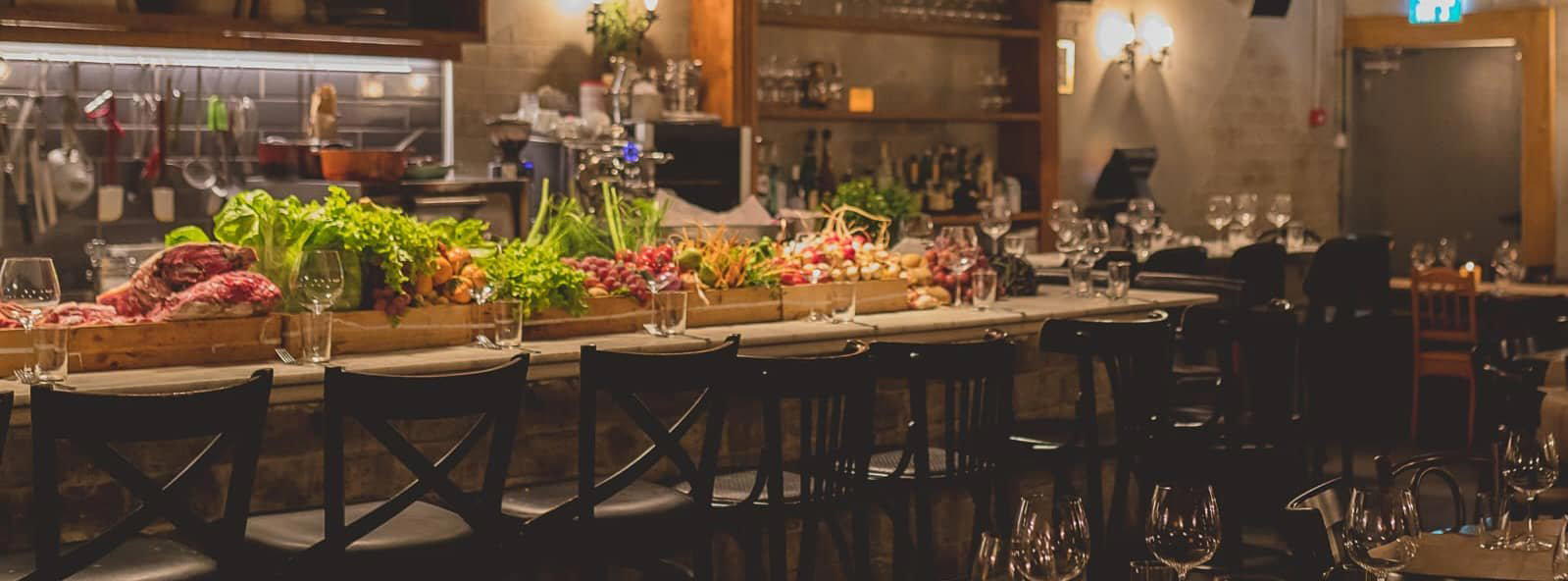
Bars in Tel Aviv
Browse all →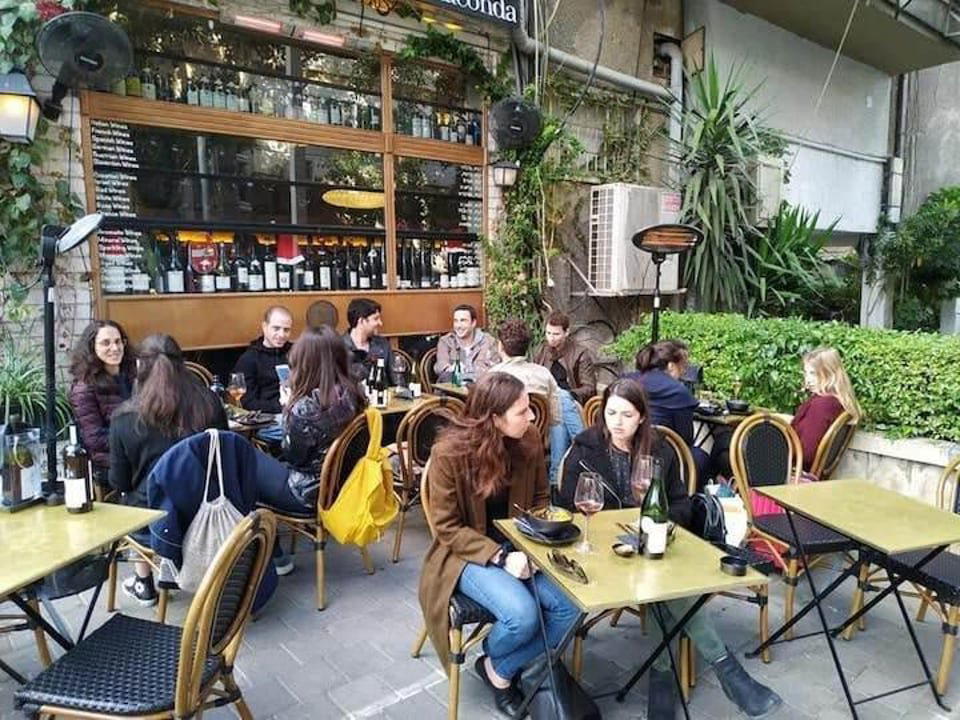
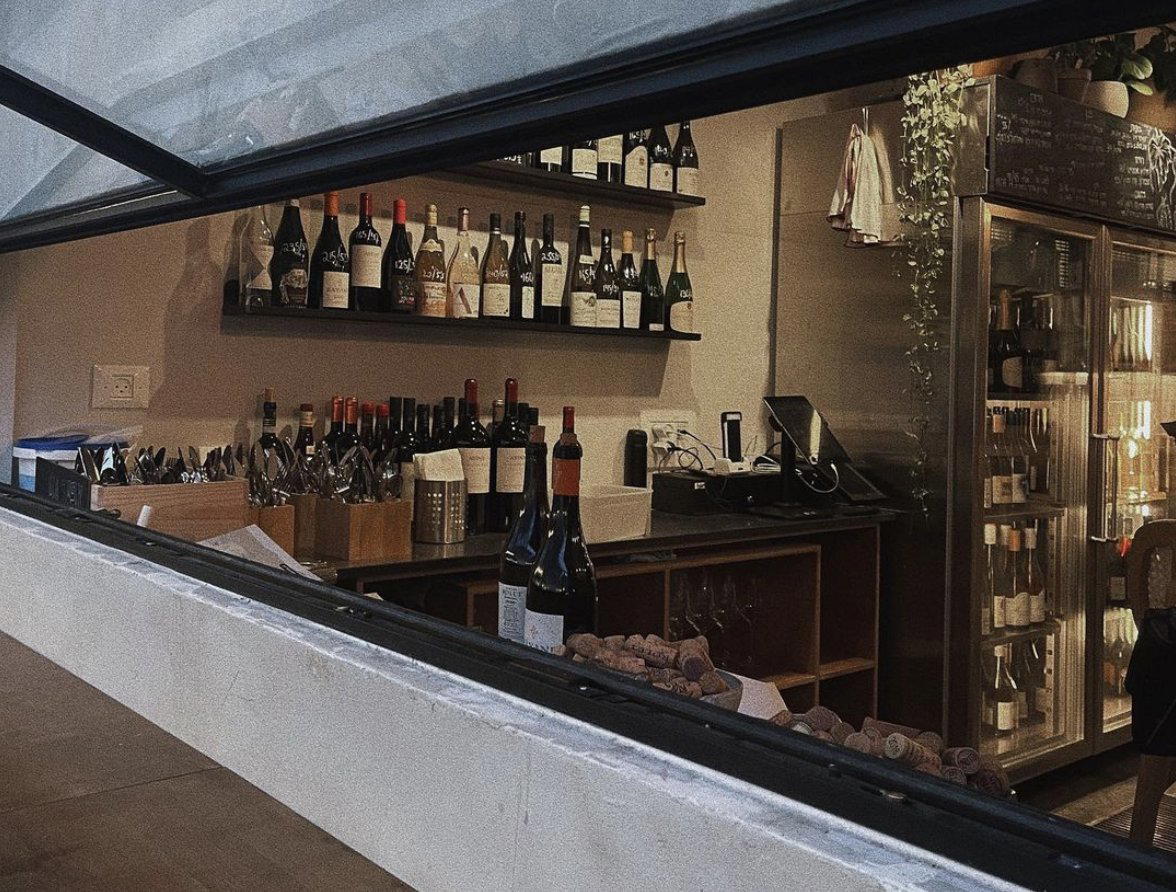
Hotels in Tel Aviv
Browse all →

At a Glance
- Elegant
- Modern
- Sophisticated
- Date Night
- Business Dinner
- Special Occasion
- Open Kitchen
- Courtyard
- Garden
Current opening hours
- Monday
- 12–10:30 PM
- Tuesday
- 12–10:30 PM
- Wednesday
- 12–10:30 PM
- Thursday
- 12–10:30 PM
- Friday
- 12–10:30 PM
- Saturday
- 12–10:30 PM
- Sunday
- Closed
Hours can change for holidays and private events. Last verified .
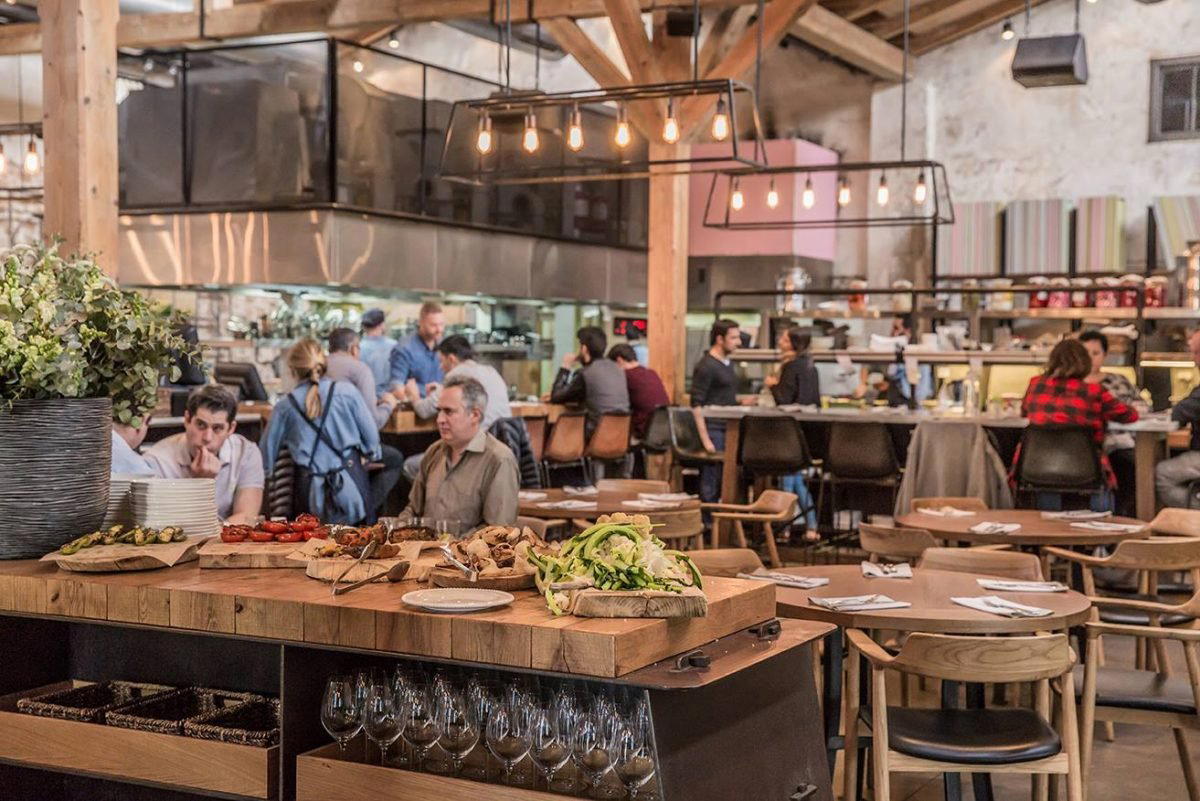
Beautifully designed with soft lighting, pleasant and inviting atmosphere, indoor and outdoor courtyard seating under eucalyptus trees.
Know Before You Go
- Getting there
- Sderot Sha'ul HaMelech 27, Tel Aviv-Yafo, Israel