Treysar occupies a second-floor address inside Tel Aviv Port Market's Hangar 12, placing it within one of the city's most architecturally layered food destinations. The port market format sets a particular dining register: casual in form, deliberate in content, with the surrounding market energy shaping how food arrives and how long guests tend to stay. It sits in a section of the city where converted industrial space and sea-facing orientation have become the dominant culinary backdrop.
Pearl is the En Primeur Club membership app — saves, bookings, and concierge access live there. Same editors, same standards.
- Address
- Tel Aviv Port Market, האנגר 12, קומה שניה, Tel Aviv-Yafo, Israel
- Phone
- +972747585353
- Website
- treysar12.com
- Directions
- Get directions
 Saves & bookings on Pearl
Tel Aviv Port and the Market-Hall Dining Shift
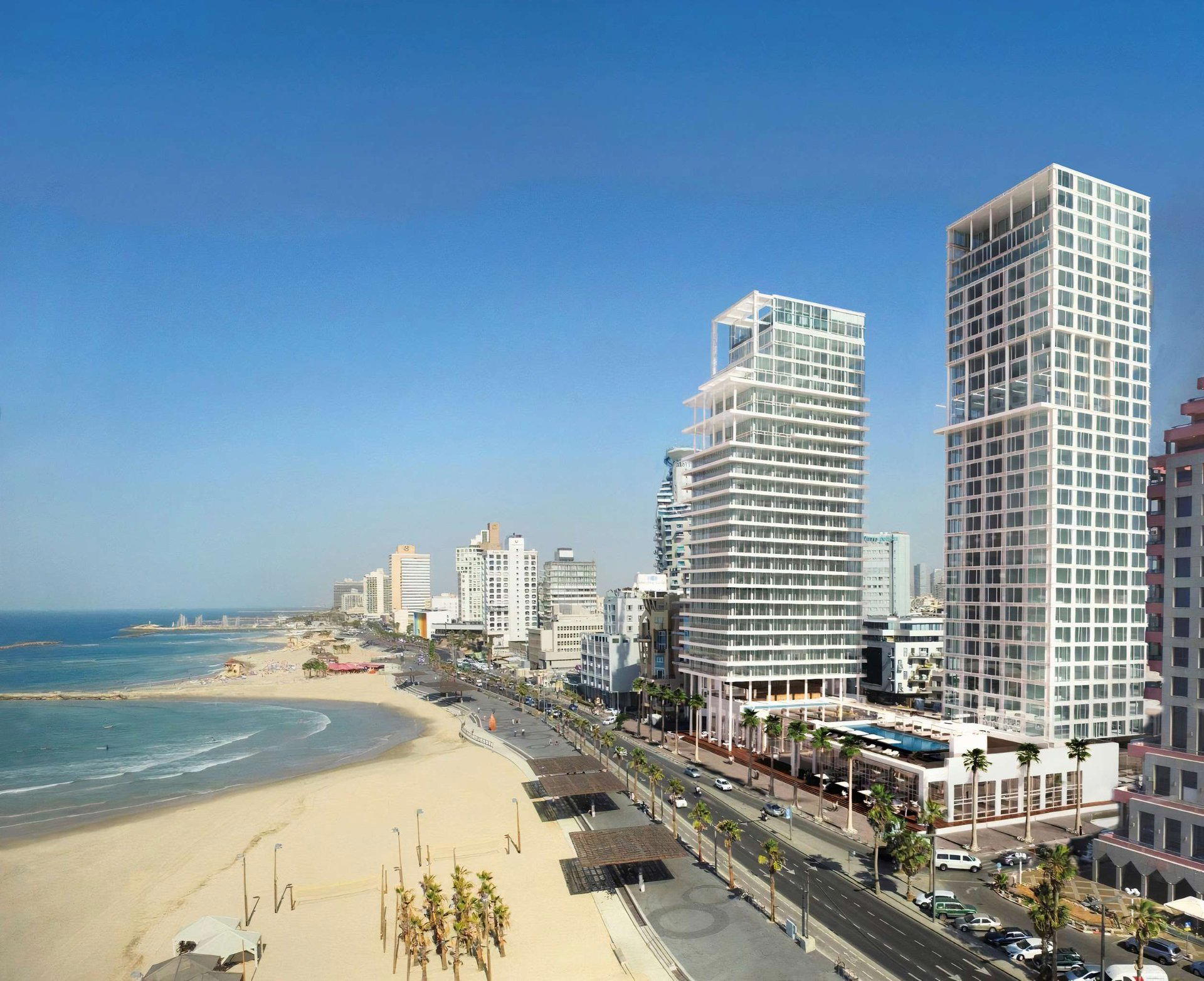
Tel Aviv's northern port district underwent a conversion that reshaped how the city thinks about casual dining. The old warehouse infrastructure along the waterfront, built during the British Mandate period and largely decommissioned by the early 2000s, was repurposed into a food and leisure complex whose geometry still reads as industrial: exposed steel, wide-span rooflines, and loading-dock proportions that no interior decorator fully erases. What replaced the freight was a dense, layered market where the line between restaurant, stall, and food hall blurs in ways that more conventionally formatted dining rooms cannot replicate. Hangar 12 sits within this complex, and Treysar occupies its second floor, a position that already signals something about the experience before a dish arrives.
Dining on the upper level of a market hall carries a specific logic. The ground-floor energy, the movement of shoppers and browsers, filters upward as ambient noise rather than intrusion. Views shift depending on the building's orientation. The port's sea-facing aspect means that the wider complex draws an audience well beyond the immediate neighbourhood, pulling from across Tel Aviv and from visitors whose itineraries include the waterfront as a set piece. That audience shapes the room's register in ways that purely residential-neighbourhood restaurants rarely experience: there is a higher proportion of first-time visitors alongside the regulars, which tends to push kitchens toward clarity of execution over obscurity of reference.
What the Port-Market Format Does to a Dining Room
Market-hall dining in Israel has followed a trajectory familiar from London's Borough Market era and the Spanish mercado conversions: initial novelty, followed by consolidation around the operators serious enough to treat the format as a permanent proposition rather than a pop-up opportunity. Tel Aviv Port Market has been through that arc. The venues that remain inside it now compete not against each other primarily, but against the wider city's restaurant culture, which has grown substantially more sophisticated over the past decade. Comparisons arrive quickly: Habasta in the Carmel Market area represents the benchmark for market-adjacent Israeli cooking that takes its sourcing and execution seriously; Alena at The Norman represents the hotel-dining version of Israeli cuisine at its most composed. Treysar operates in neither of those registers. The port market address places it in a middle tier that prioritises accessibility and volume alongside quality, a different set of constraints from the dedicated reservation-led dining room.
That middle tier is not a lesser category. Some of Israel's most interesting cooking happens in market and port contexts precisely because the format forces directness. The Israeli dining tradition, which draws on Levantine, Mizrahi, Ashkenazi, and more recently North African and Georgian influences depending on the operator, tends to express itself most honestly in rooms where pretension has nowhere to land. The Jaffa corridor and the port district have both generated serious kitchens in informal formats. Abu Hassan in Jaffa is one cited example of a market-adjacent operation that built a national reputation on a single, rigorously executed product. Treysar's positioning in Hangar 12 puts it within that wider conversation about what informality and quality can coexist as.
Reading the Address: Hangar 12, Second Floor
The specific address matters more than it might initially appear. Tel Aviv Port Market contains multiple hangar structures, and their character differs. Hangar 12's second floor is not the ground-level food-stall tier where throughput dominates and dwell time is short. A second-floor position within a market building typically implies a more sit-down orientation, a room that expects guests to arrive with time rather than on the move. That distinction shapes everything from plate format to service pace. The Israeli dining rhythm, already more relaxed than Northern European convention, extends further when the physical layout removes the pressure of pedestrian throughput visible from the table.
The port itself provides what purely inland addresses cannot: a connection to the Mediterranean that inflects the wider complex's food culture. Seafood-forward menus are common in this district, from the fish restaurants clustered near the waterfront to the market vendors sourcing directly from the nearby docks. For the broader Israeli restaurant scene, that coastal orientation connects the port district to a longer national conversation about sourcing, freshness, and the Mediterranean table, a conversation that venues like Uri Buri in Acre and Helena in Caesarea have shaped from their own coastal positions.
Tel Aviv's Restaurant Culture as Context
Tel Aviv now operates as a serious dining city by any international measure, not as a regional curiosity or a footnote to Middle Eastern food culture. The range runs from the structured tasting-menu format that Aria and a represent at the formal end, through mid-market Israeli cooking at Abie and Azura, down to the high-volume market formats of the port and Carmel areas. That range gives visitors meaningful calibration: a second-floor market-hall address at the port sits in a specific tier within that continuum, and understanding the tier helps set expectation correctly. It is not where you go for one technically ambitious plate in the city. It is where the city's energy and its food culture intersect in the same room, which is its own category of value.
Beyond Tel Aviv, the northern port district also connects to a wider Israeli dining geography worth knowing. Diana in Nazareth, Majda in Har Nof, and Herbert Samuel Herzliya each represent distinct regional expressions of Israeli cooking, and understanding that geography makes a visit to any single restaurant more legible. The port market's role is partly to compress that geography, offering a cross-section of influences in a single destination that rewards the visitor who has limited time but wants the range. For those making longer journeys through the region, Menza in Jerusalem and Michael Local Bistro in Liman extend the itinerary further.
Planning a Visit
Treysar's address is Tel Aviv Port Market, Hangar 12, second floor. The port market is a destination in itself, which means arriving early or later in the evening tends to yield a different experience than a peak-hour Saturday visit, when the complex draws significant foot traffic from across the city and surrounding areas. Reservations are recommended. The second-floor format suggests table seating rather than counter eating, and the port market context means the visit pairs naturally with time spent in the wider complex before or after the meal. For visitors planning a wider Tel Aviv dining itinerary, the port sits in the city's north, well positioned relative to the Gordon Beach and Neve Tzedek areas that anchor much of the city's evening movement.
Style and Standing
Comparable venues nearby, for context on price, style, and recognition.
| Venue | Cuisine | Price | Notes |
|---|---|---|---|
| TreysarThis venue — the venue you are viewing | Modern Israeli Seasonal | $$$ | Not listed |
| Dallal Restaurant | Mediterranean Bistro with French Influences | $$$ | Newe Ẕedeq |
| North Abraxas | Modern Israeli Small Plates | $$$ | Newe Ẕedeq |
| Ouzeria | Modern Greek-Inspired Mediterranean | $$$ | Florentine |
| Michael's Local Bistro | Galilean Farm-to-Table Bistro | $$$ | Liman |
| Dok | Modern Israeli Locavore | $$$ | Ṣummeil |
At a Glance
- Modern
- Elegant
- Intimate
- Scenic
- Date Night
- Special Occasion
- Open Kitchen
- Waterfront
- Extensive Wine List
- Local Sourcing
- Waterfront
Current opening hours
- Monday
- 6–11 PM
- Tuesday
- 6–11 PM
- Wednesday
- 6–11 PM
- Thursday
- 6–11 PM
- Friday
- 6–11 PM
- Saturday
- 6–11 PM
- Sunday
- Closed
Hours can change for holidays and private events. Last verified .
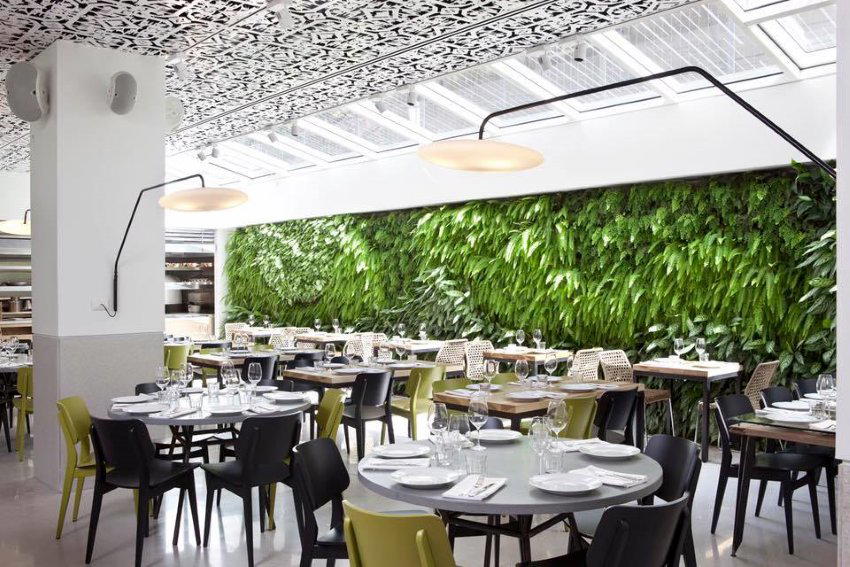
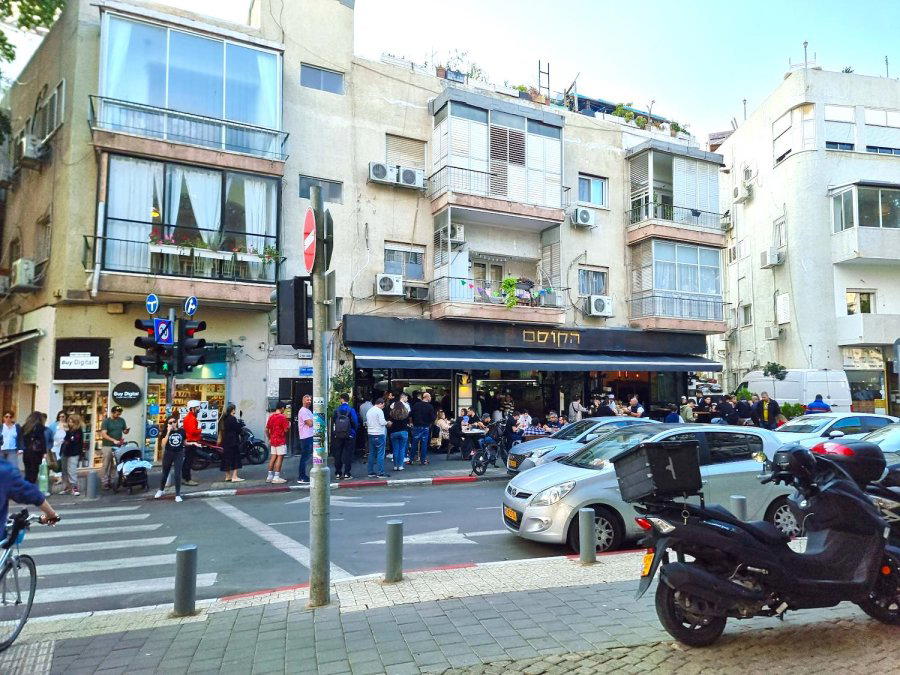
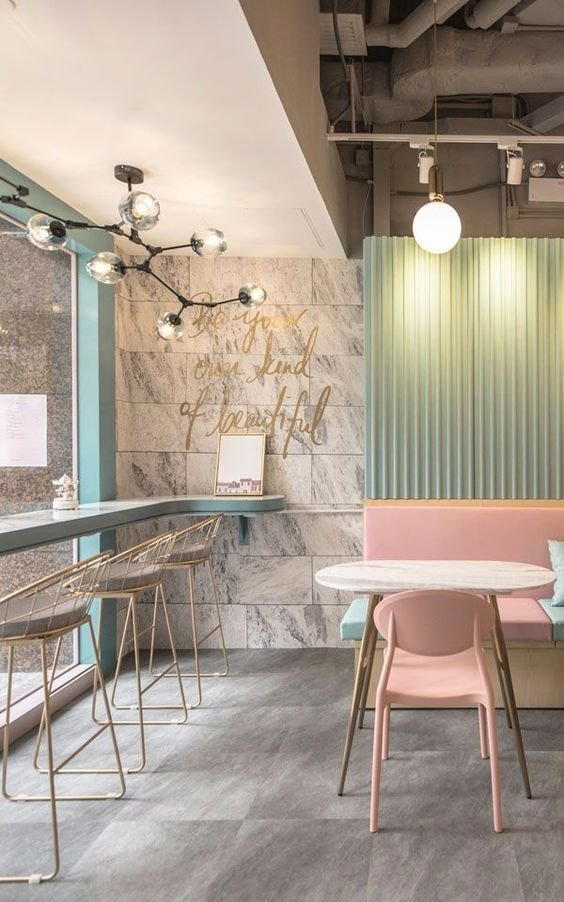
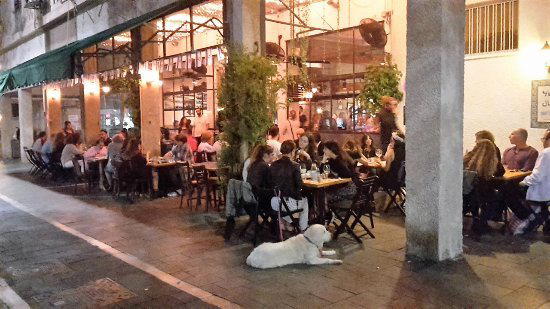
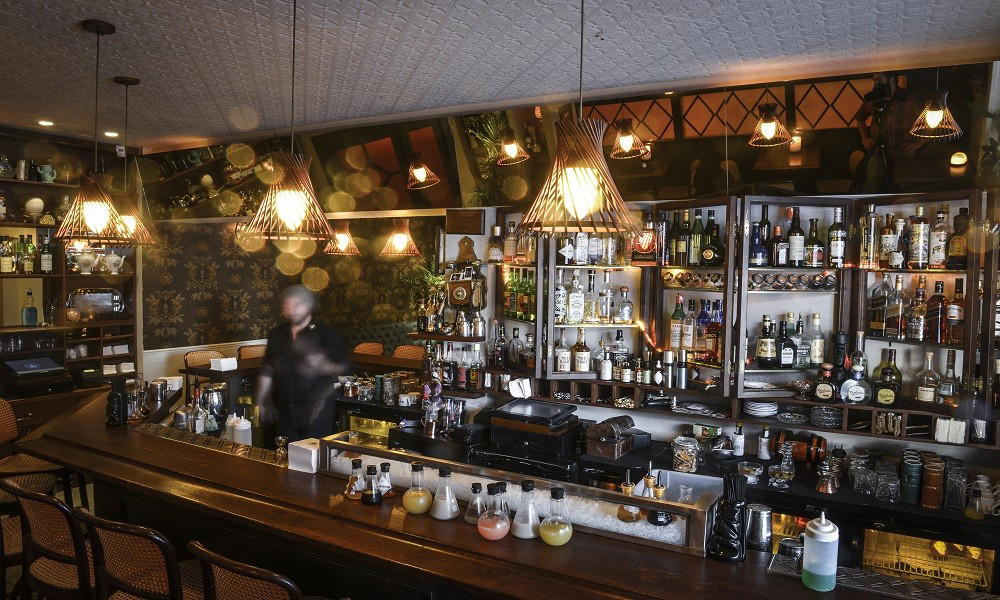
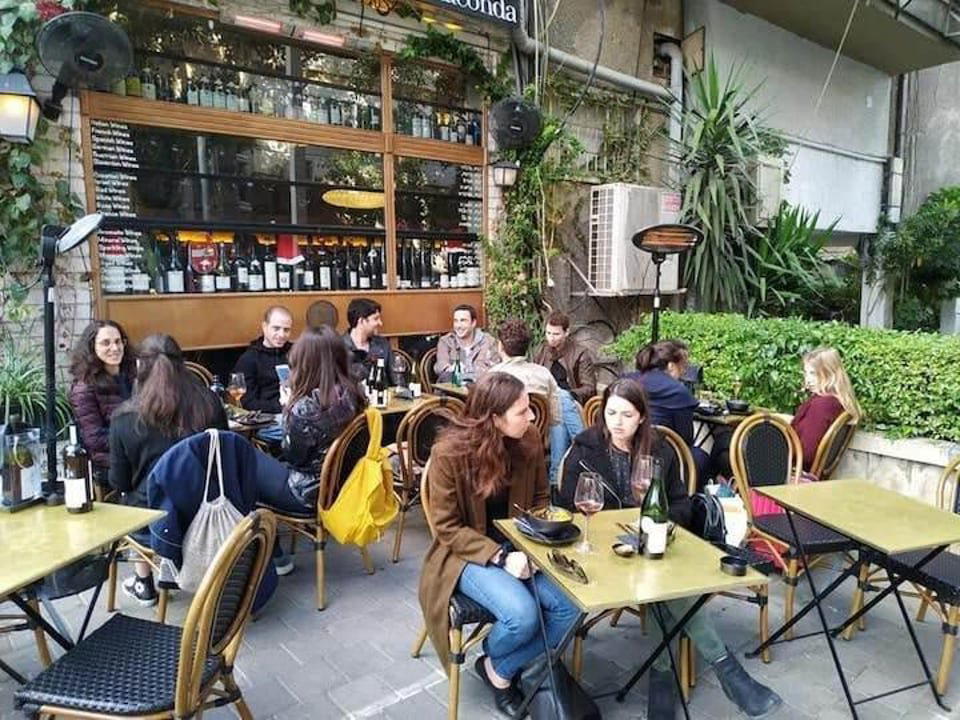
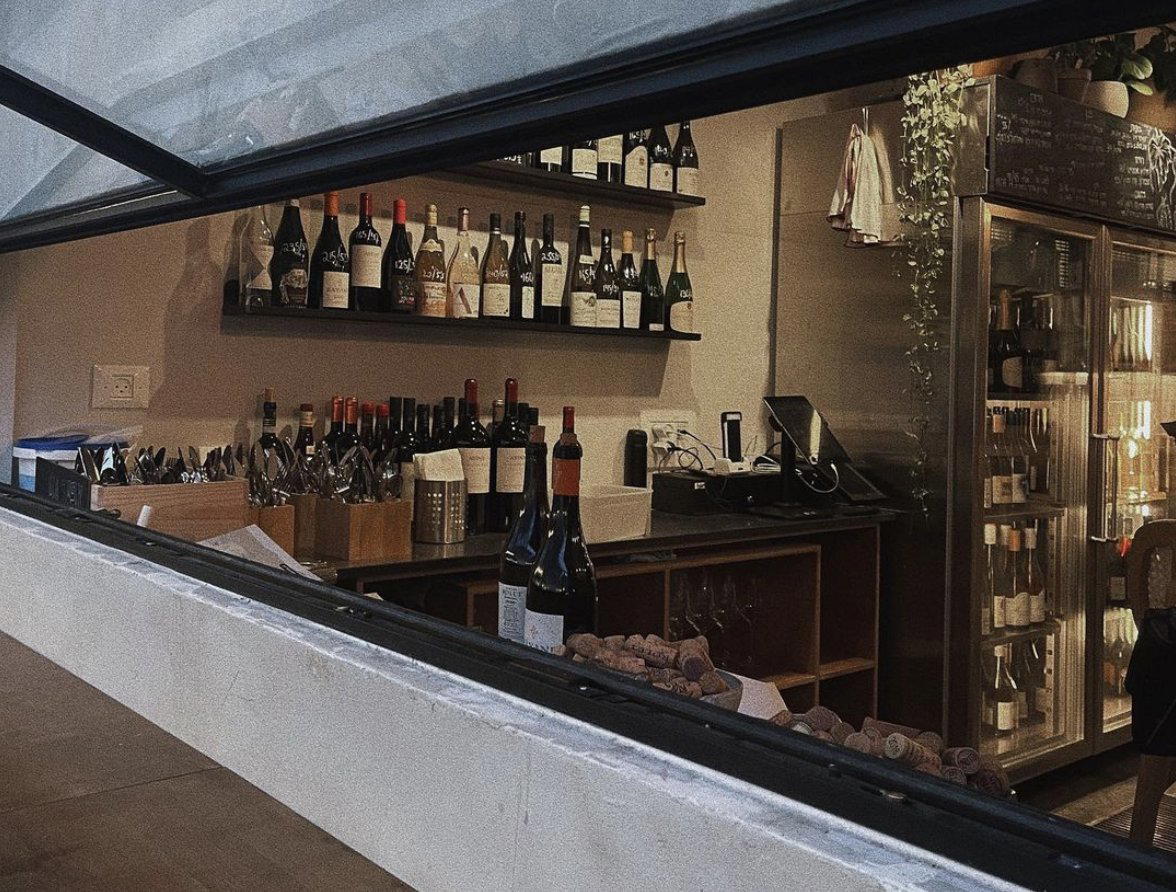
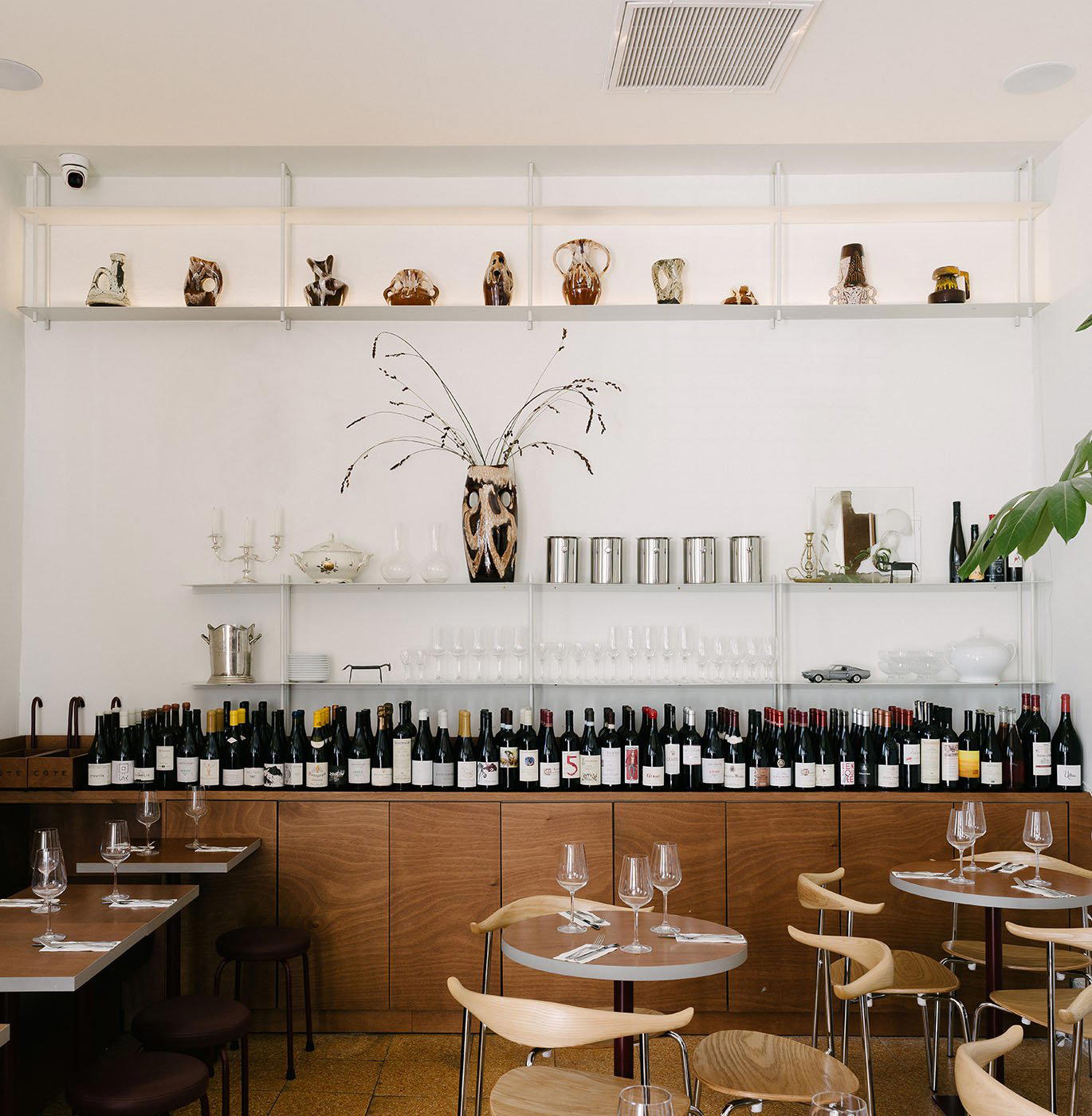
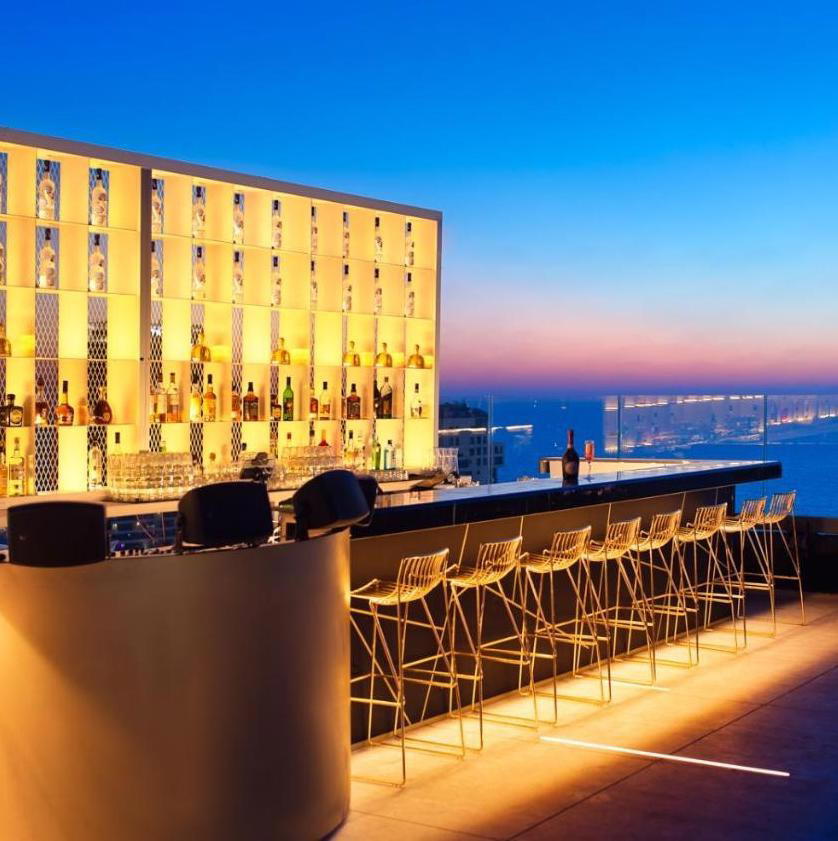
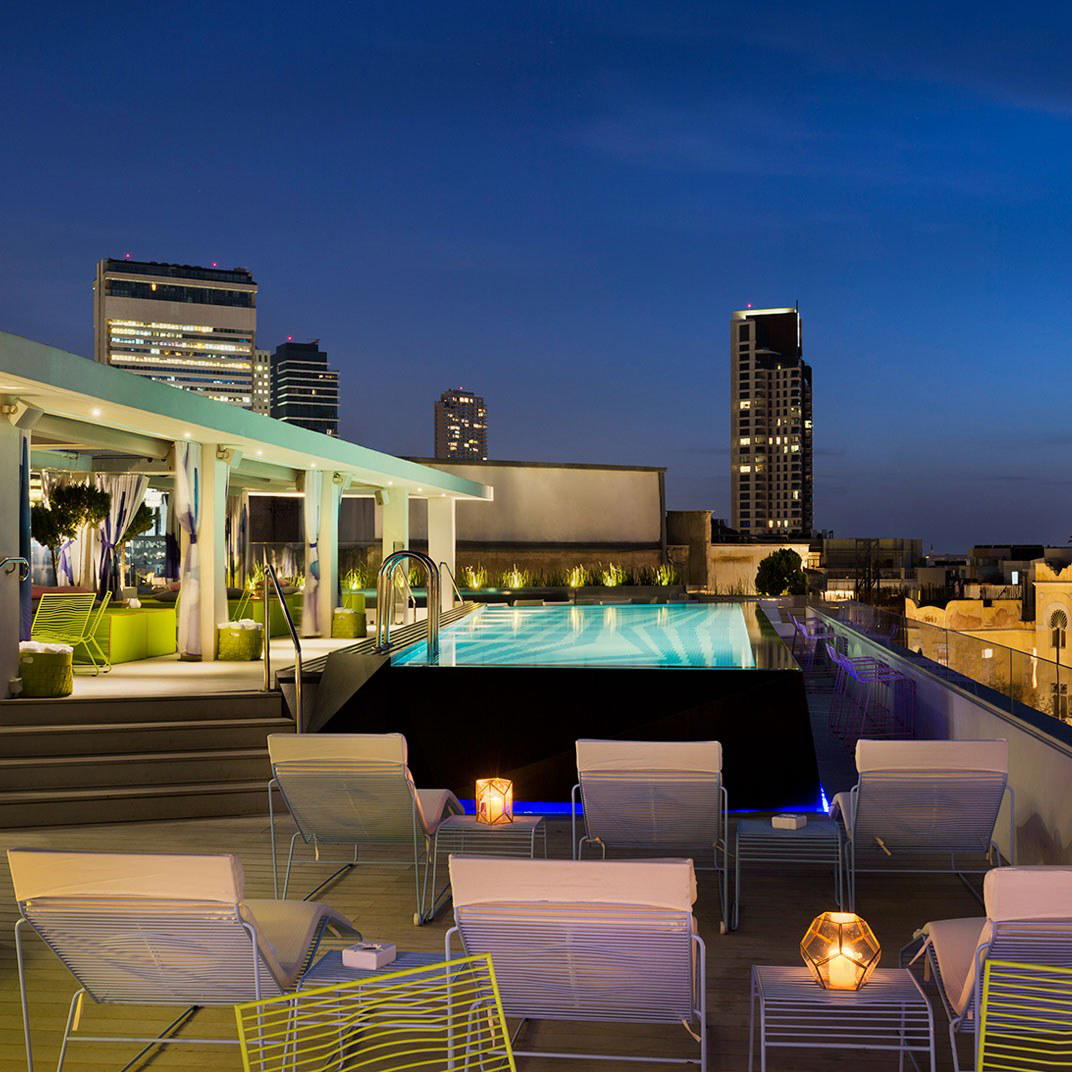
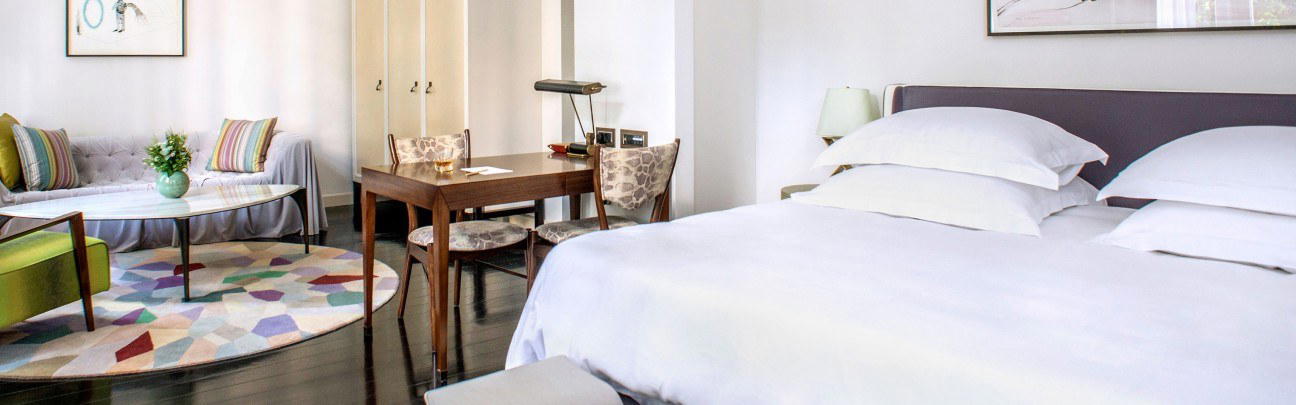
Muted tones, hanging plants, open kitchen, casual homely atmosphere with large windows offering horizon-grazing sea views.