On Yehuda ha-Levi Street in central Tel Aviv, Cicchetti takes its name from the Venetian tradition of small shared plates and applies that format to the eastern Mediterranean pantry. The result is a dining room where Italian structure meets Israeli ingredient logic — a pairing that reflects how Tel Aviv's mid-market dining scene has evolved over the past decade.
Pearl is the En Primeur Club membership app — saves, bookings, and concierge access live there. Same editors, same standards.
- Address
- Yehuda ha-Levi St 58, Tel Aviv-Yafo, Israel
- Phone
- +97236853499
- Website
- cicchettitlv.com
- Directions
- Get directions
 Saves & bookings on Pearl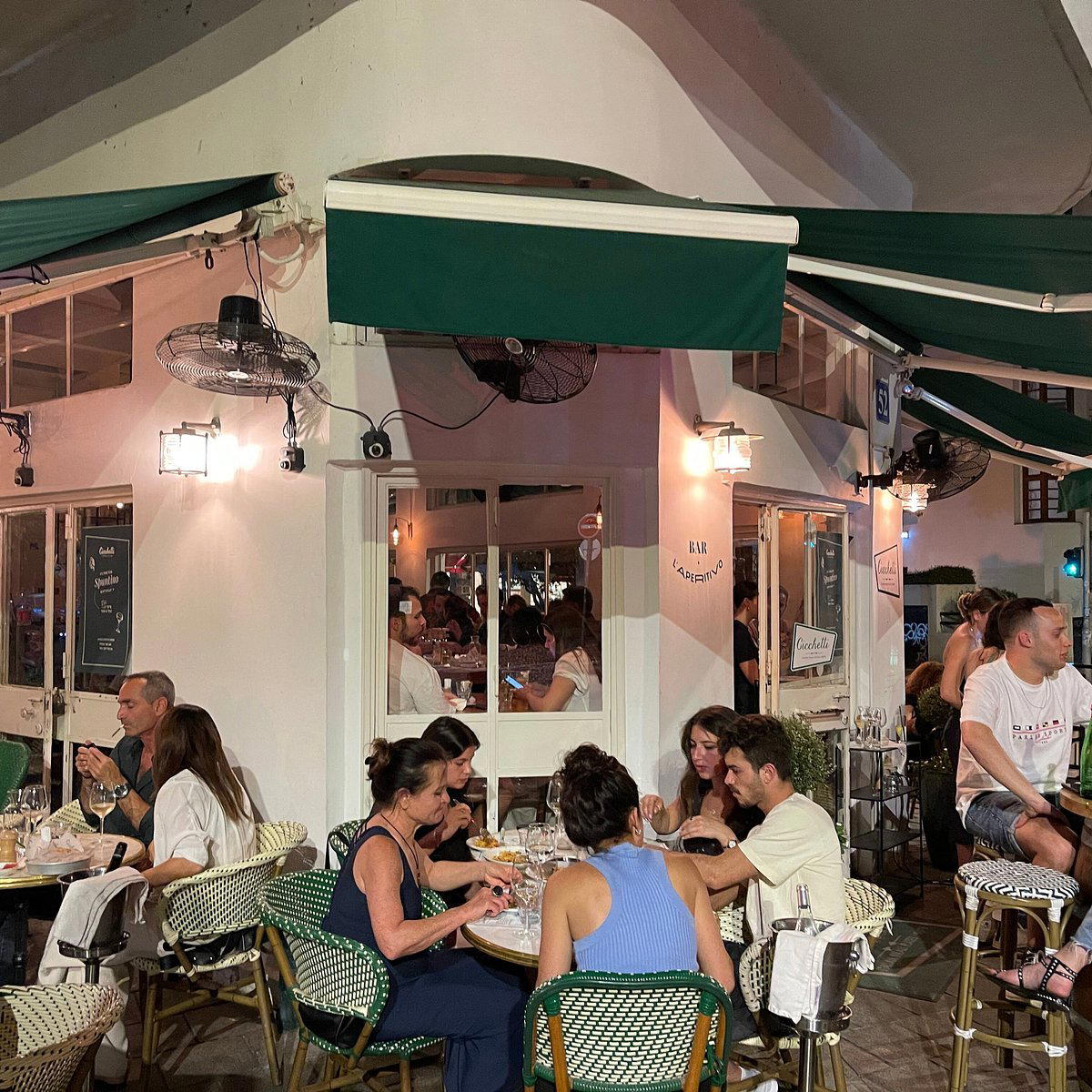
Yehuda ha-Levi and the Architecture of the Shared Plate
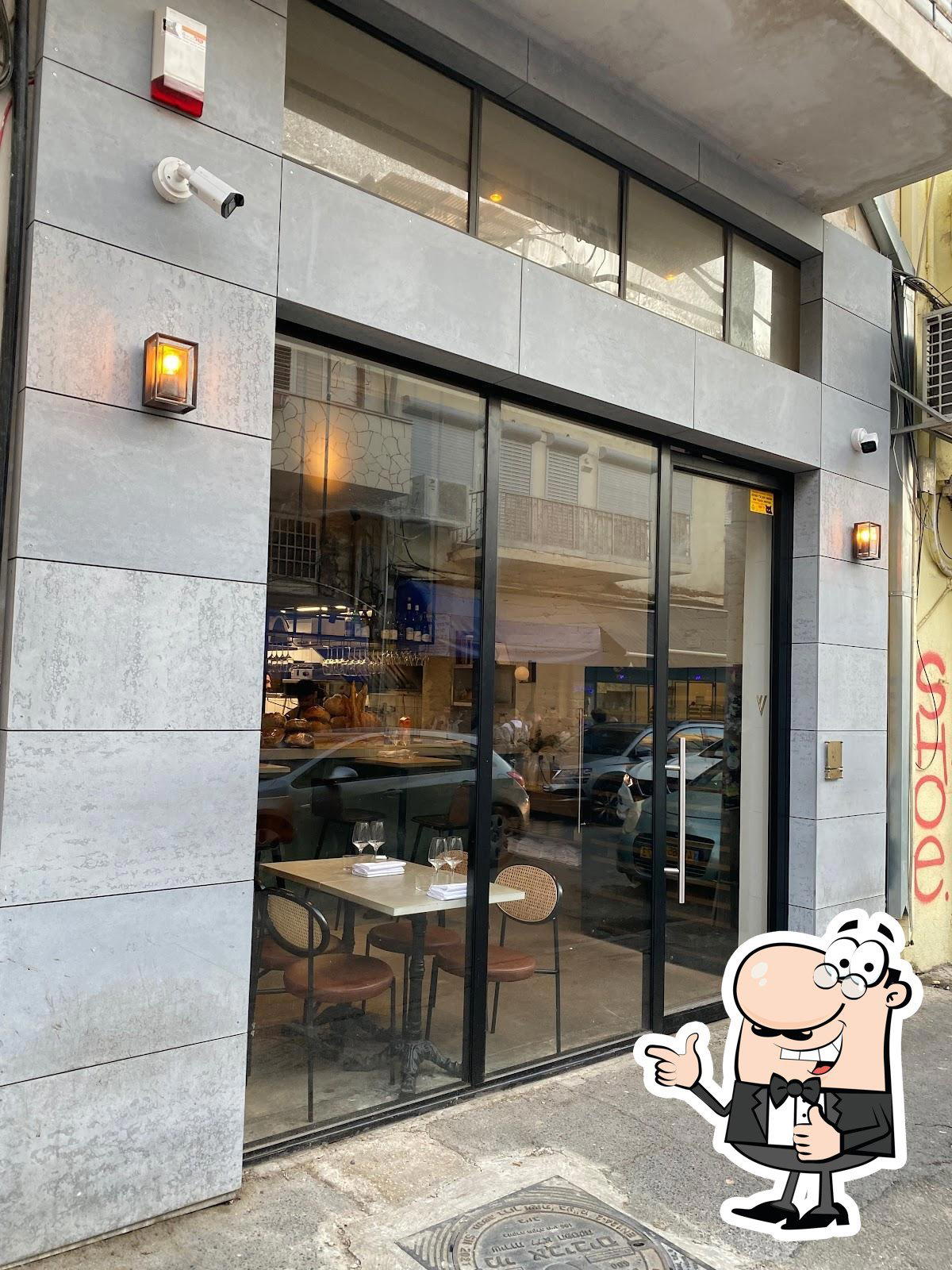
Yehuda ha-Levi Street sits in the older residential grain of central Tel Aviv, a corridor that connects the busier commercial pull of Rothschild Boulevard to the quieter blocks heading south. The neighbourhood has accumulated a particular kind of restaurant over the past decade: places that do not perform for tourists but have enough culinary fluency to hold a serious diner's attention. Cicchetti, at number 58, occupies that register. The name itself is a signal. In Venice, cicchetti are the bar snacks consumed standing at a counter — cured fish, marinated vegetables, small rounds of bread with toppings — eaten quickly, cheaply, and in multiples. Transporting that format to Tel Aviv is not a novelty act; it is a structural decision about how to present food and how to organise a meal.
When Venetian Format Meets the Israeli Pantry
The intersection of imported culinary method and local ingredient logic is where Tel Aviv dining has done some of its most interesting thinking. The city's cooks have access to a produce calendar that runs warm and long, with citrus, stone fruit, and field herbs arriving in concentrated form. When that pantry is filtered through a northern Italian framework, one that prizes restraint, acidity, and texture contrast over richness, the results tend to be less sweet and more structured than the mezze tradition that dominates the same price tier.
This is the editorial tension that makes a name like Cicchetti worth examining. The Venetian small-plate tradition was never about abundance in the Israeli sense; it was about precision in small portions. Applying that logic to Levantine ingredients requires discipline at the sourcing level. The vegetables, the preserved fish, the dairy components that anchor cicchetti in their original context all have local counterparts in the Israeli market, but the substitutions are only coherent if the kitchen understands why the originals behaved the way they did. Tel Aviv restaurants that have navigated this gap well, such as Alena at The Norman on the European-influenced end and Habasta on the market-driven Israeli side, illustrate how wide the range of outcomes can be when European format meets local supply.
The Shared-Plate Tier in Tel Aviv Today
Tel Aviv's mid-market dining has split into two recognisable formats over the past several years. One group leans into the Mediterranean abundance model: large portions, communal plates, a table that fills quickly and empties slowly. The other group, smaller in number, applies a more edited European logic, fewer dishes, more deliberate sequencing, a meal that moves rather than accumulates. The cicchetti format, if executed with fidelity to its Venetian roots, sits in the second group. It is a harder commercial proposition in a city where diners expect generosity, but it produces a more focused experience when the kitchen holds the line.
Comparison venues in the same neighbourhood tier, Abie, Aria, and a among them, each approach the shared-plate question differently. What distinguishes Cicchetti by name and concept is the European structural commitment: the meal is built around a rhythm of small items rather than two or three anchor dishes. That rhythm either suits a table's appetite or it does not, and knowing which camp you fall into before booking matters more here than at a more conventional restaurant.
For readers who want to see how the same ingredient logic operates outside Tel Aviv, Uri Buri in Acre applies a similarly restrained, technique-led hand to northern Israeli seafood, and Helena in Caesarea works with local produce in a setting where European culinary influence is explicit. Further afield, Chakra in Jerusalem and Majda in Har Nof show how different the same regional pantry reads when the cultural frame shifts.
Seasonal Timing and When to Go
Tel Aviv's dining calendar is shaped by the agricultural rhythm of the coastal plain and the Galilee. Late spring, running from April into June, brings the concentrated vegetable harvest that gives kitchens working with local produce the most to work with. The cicchetti format, which depends on high-quality preserved and fresh components in small quantities, performs at its most coherent when the underlying ingredients are at peak. Summer in Tel Aviv is hot enough to push evening dining late, with most serious meals beginning after nine; the lighter, high-acid profile that a cicchetti format implies is better suited to that heat than heavier cooking would be. Conversely, winter brings citrus and brassica seasons that suit the northern Italian pantry's colder-weather logic.
The address on Yehuda ha-Levi makes the restaurant walkable from Rothschild Boulevard's main concentration of bars and restaurants, and from the Carmel Market area to the northwest. For visitors building a multi-stop evening, the small-plate format means Cicchetti can function as an opening act before a longer meal elsewhere, or as the main event if the table orders with enough range. Either approach is legible within the format's logic. See our full Tel Aviv restaurants guide for how to sequence an evening across neighbourhoods.
For reference on how global technique and local product interact at a higher price tier, Le Bernardin in New York City and Lazy Bear in San Francisco both illustrate what the same editorial principle looks like with greater kitchen resources and longer institutional history. Closer to home, Abu Hassan in Jaffa shows the opposite end of the same question: maximum local specificity, zero imported framework, total conviction. Cicchetti sits somewhere between those poles, which is precisely where Tel Aviv's most interesting mid-market restaurants tend to operate.
For readers exploring the wider Israeli dining picture, Azura in Tel Aviv and Pescado in Ashdod offer useful points of contrast on the local end, while Herbert Samuel Herzliya and Diana in Nazareth show how regional identity inflects European-influenced formats differently outside the Tel Aviv centre. Burger 232 in Maggen and מידס in Ashqelon extend the picture further into the periphery for readers building a broader itinerary.
Planning Your Visit
Cicchetti is located at Yehuda ha-Levi Street 58 in central Tel Aviv. The shared-plate format means groups of two to four tend to get the most from the menu's range; solo diners can work through a focused selection without difficulty given the portion logic of the format.
Comparable Spots
| Venue | Cuisine | Price |
|---|---|---|
| CicchettiThis venue — the venue you are viewing | This venue | Not listed |
| Dr. Shakshuka | Middle Eastern | Middle Eastern |
| Ha'Achim | Israeli | Israeli |
| Habasta | Israeli | Israeli |
| HaSalon | Israeli - Mediterranean, Israeli | Israeli - Mediterranean, Israeli |
| Jasmino | Kebabs | Kebabs |

At a Glance
- Lively
- Cozy
- Trendy
- Casual Hangout
- Group Dining
- Date Night
- Brunch
- After Work
- Standalone
- Open Kitchen
- Terrace
- Craft Cocktails
- Local Sourcing
Current opening hours
- Monday
- 4–10:30 PM
- Tuesday
- 4–10:30 PM
- Wednesday
- 4–10:30 PM
- Thursday
- 4–10:30 PM
- Friday
- 11 AM–3 PM, 6–10:30 PM
- Saturday
- 11 AM–3 PM, 6–10:30 PM
- Sunday
- 4–10:30 PM
Hours can change for holidays and private events. Last verified .
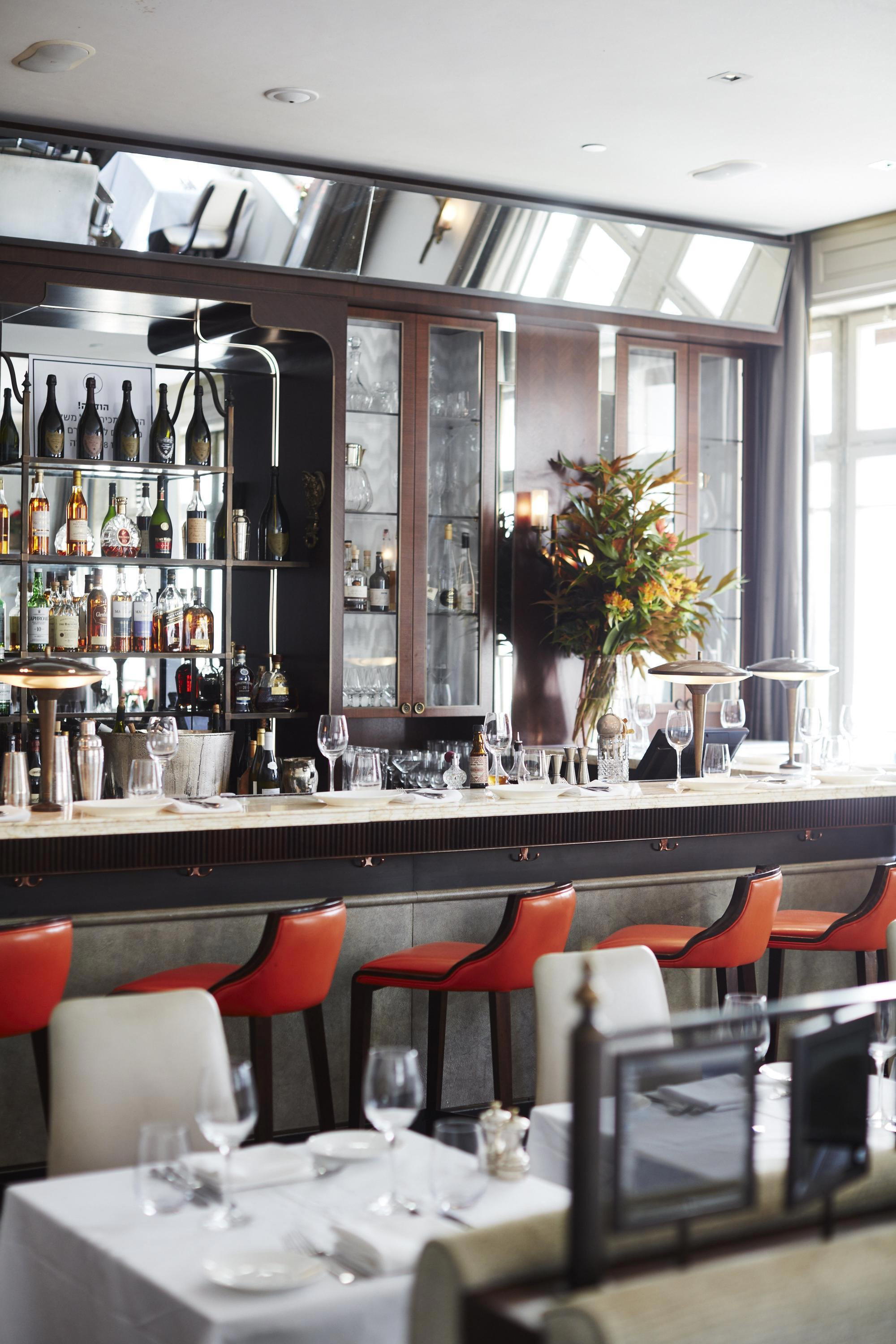
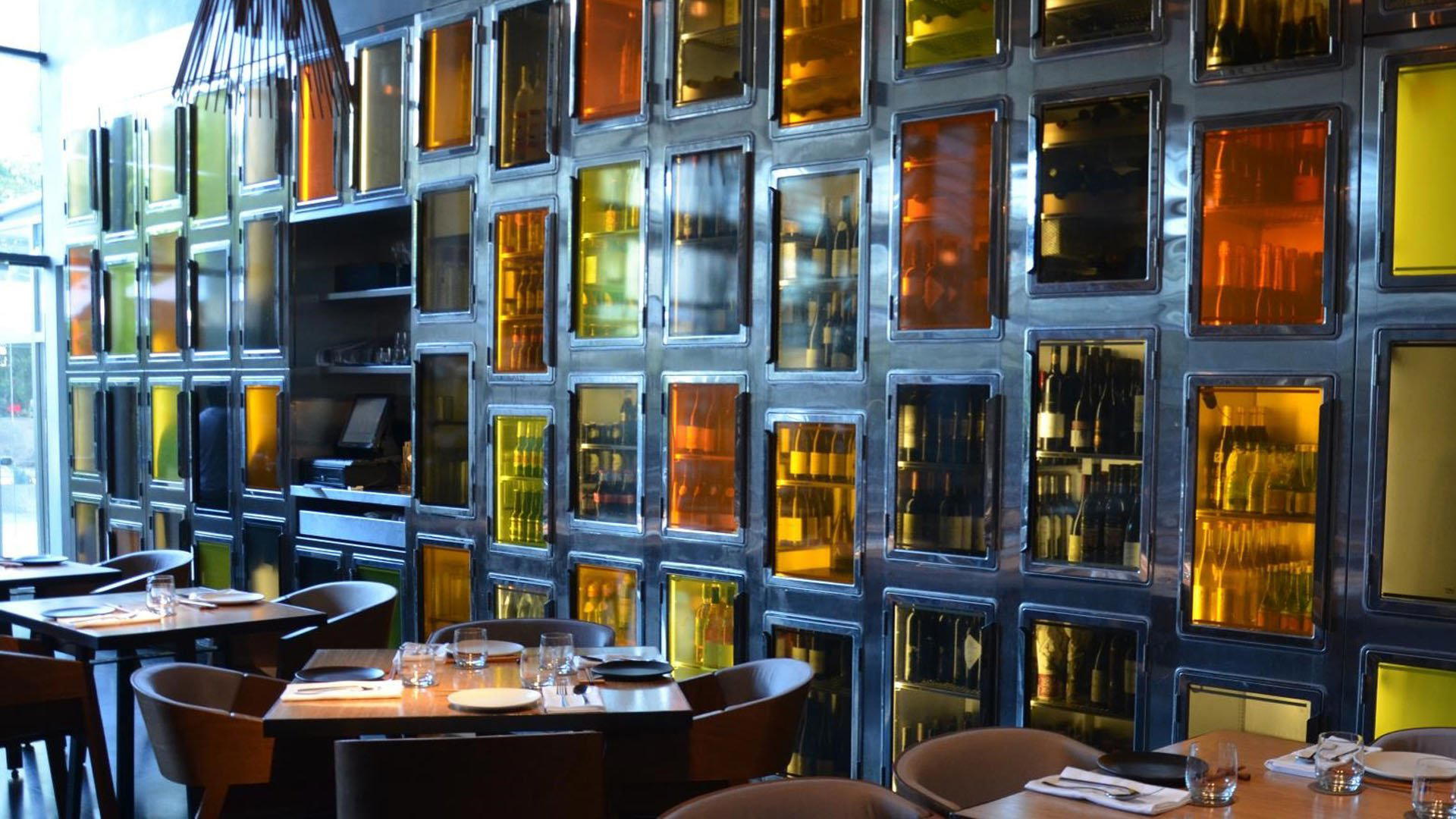
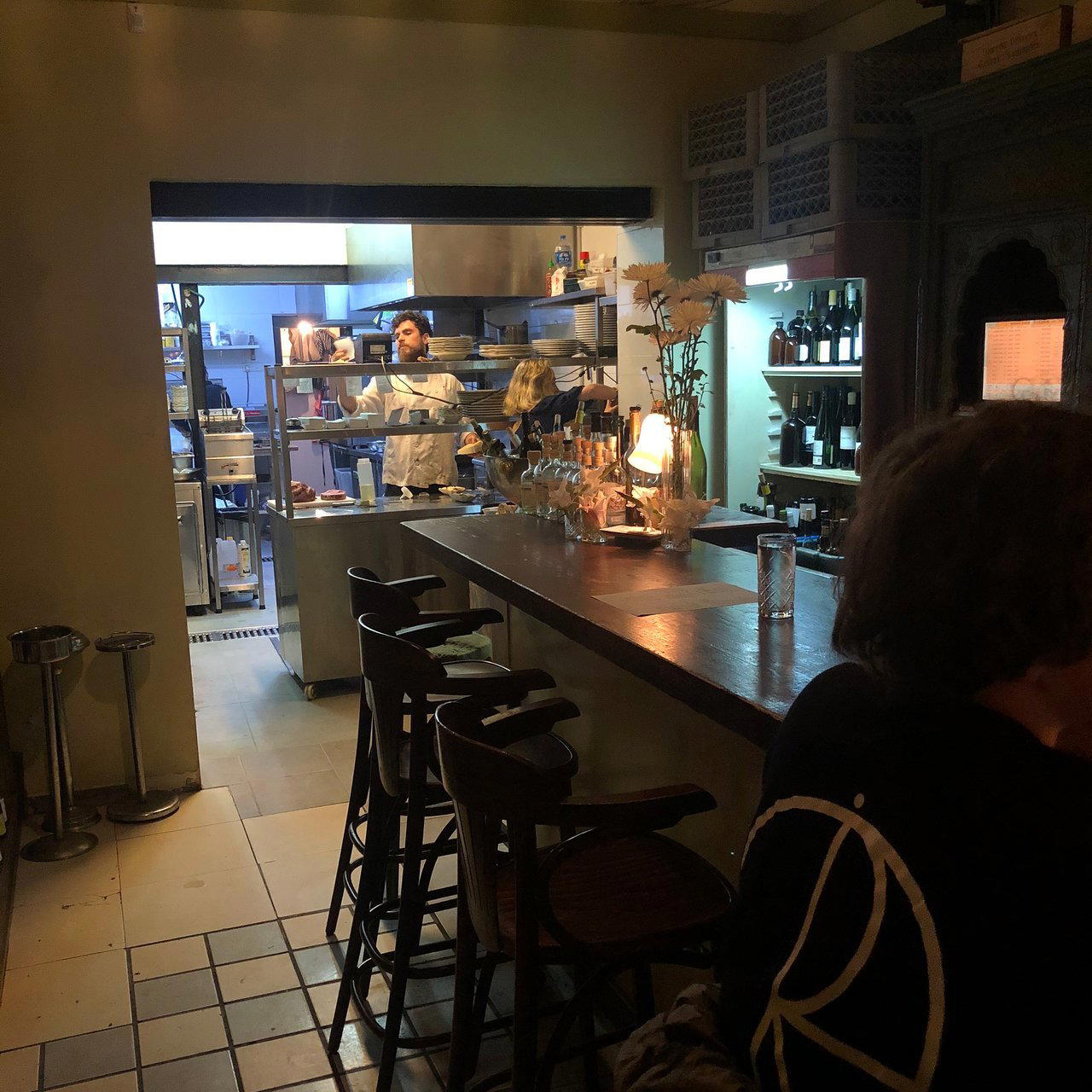
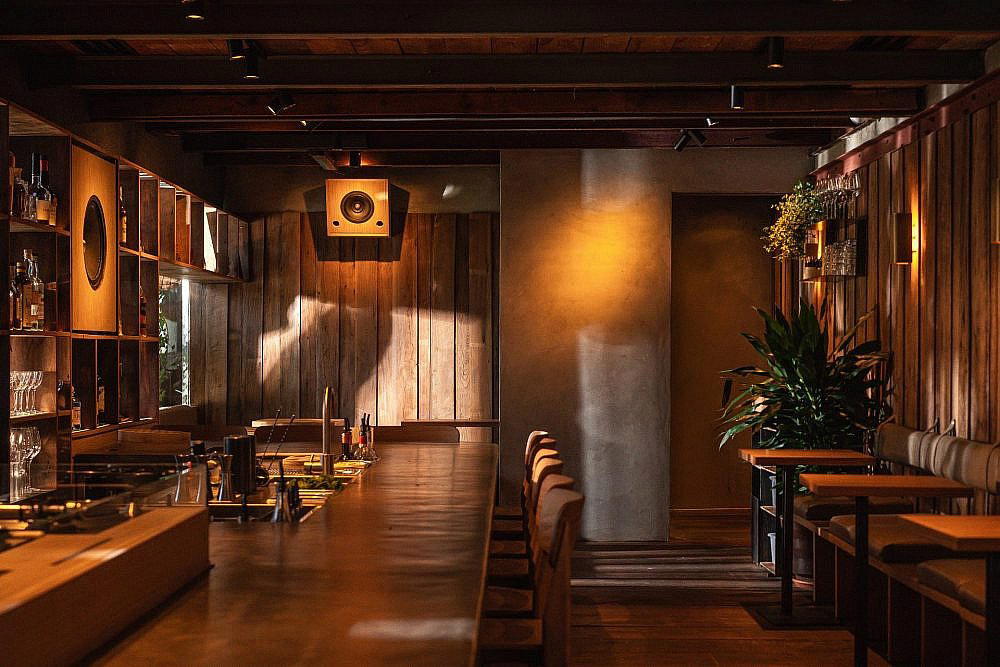
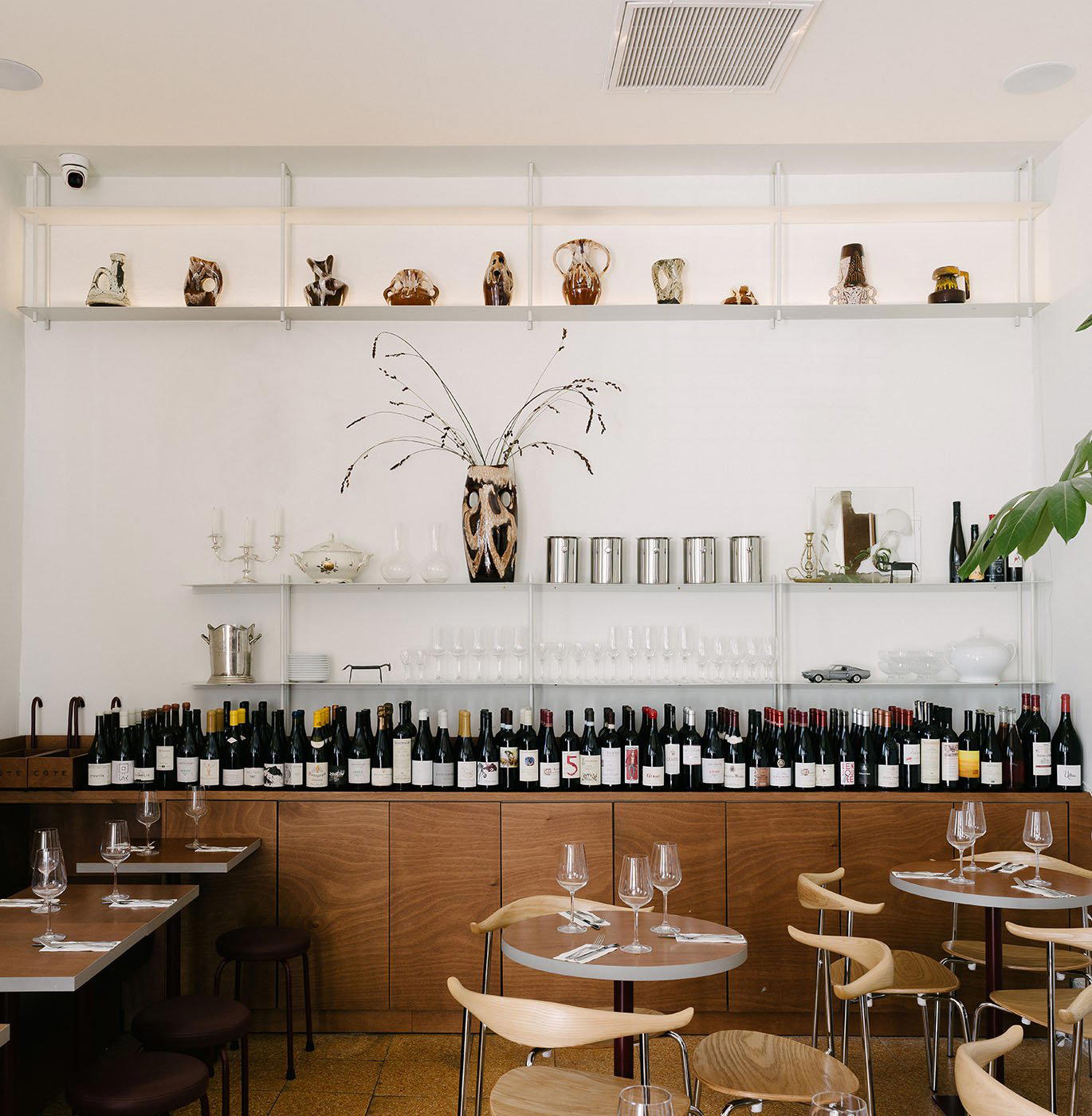
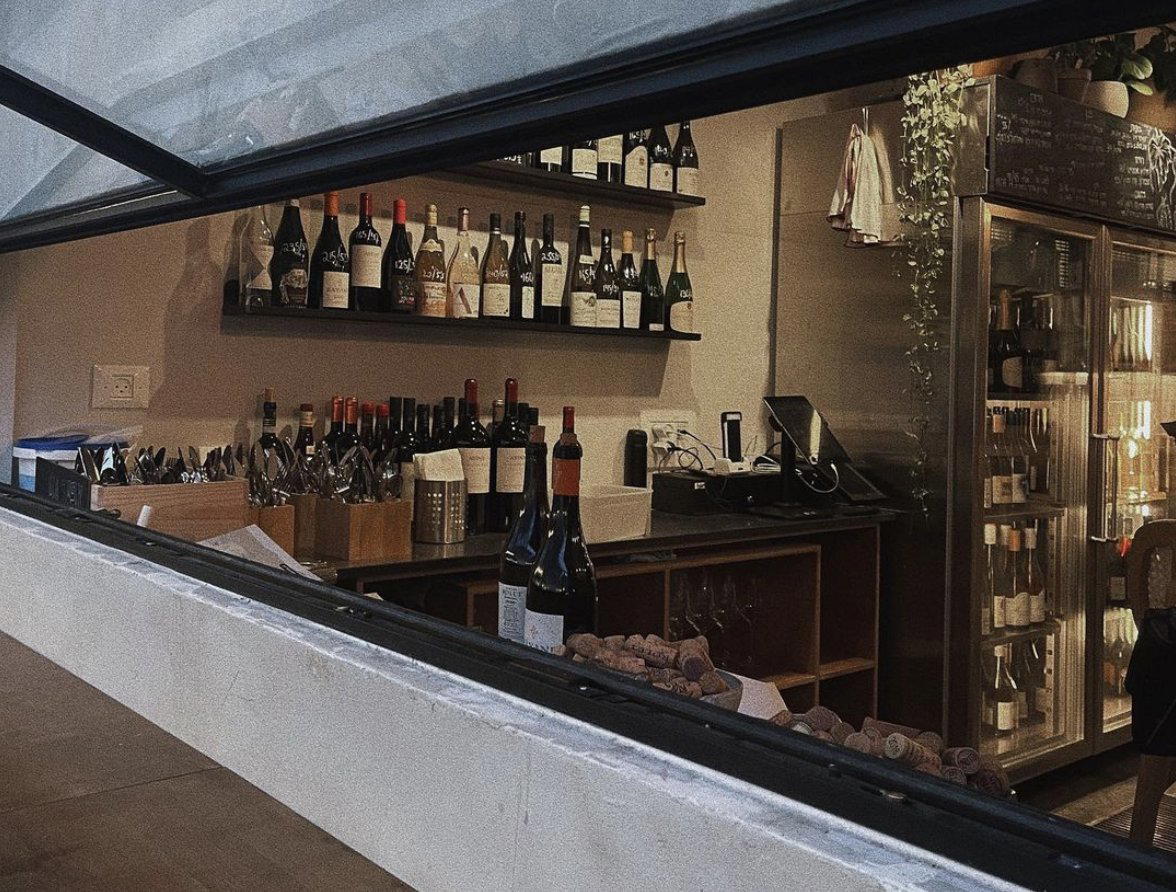
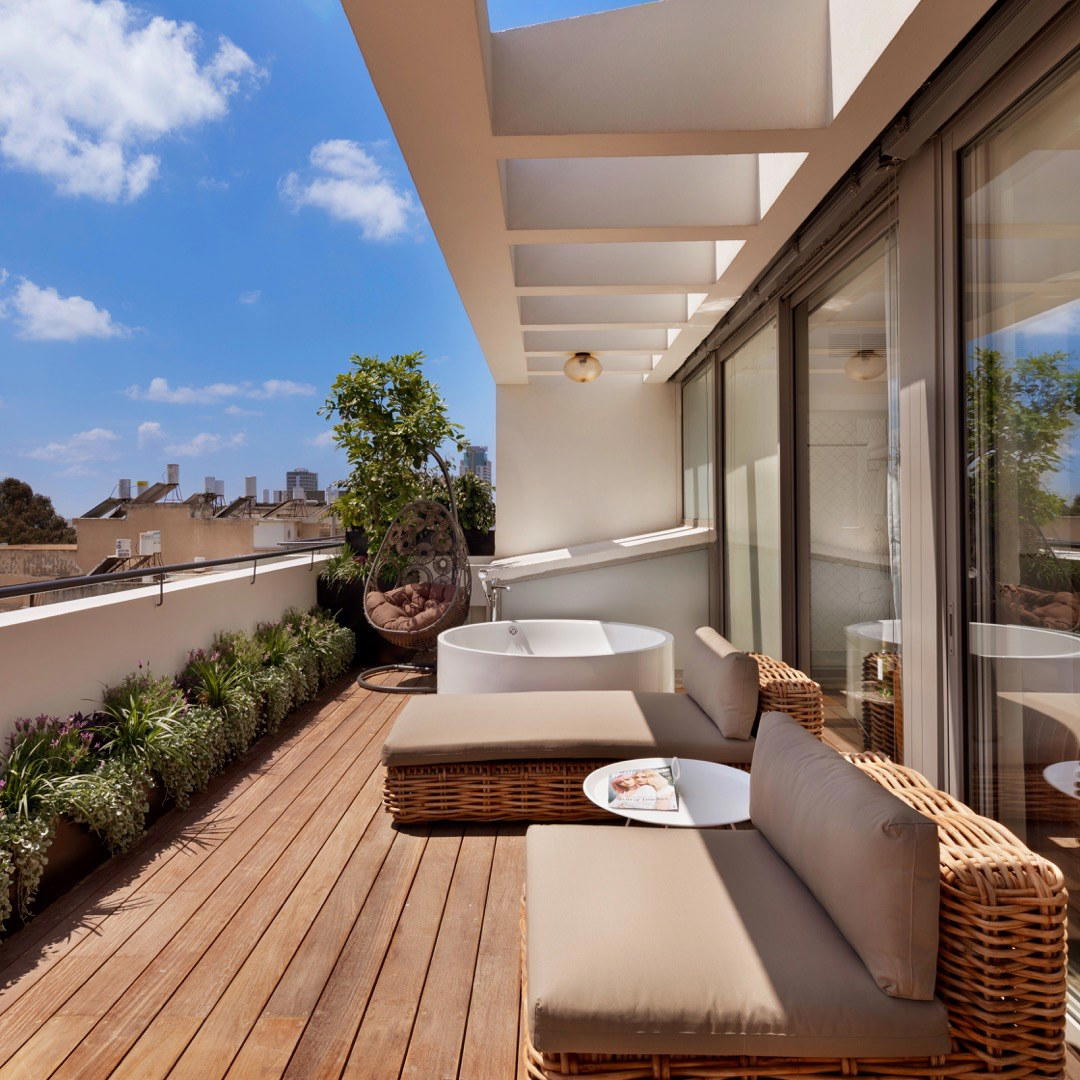
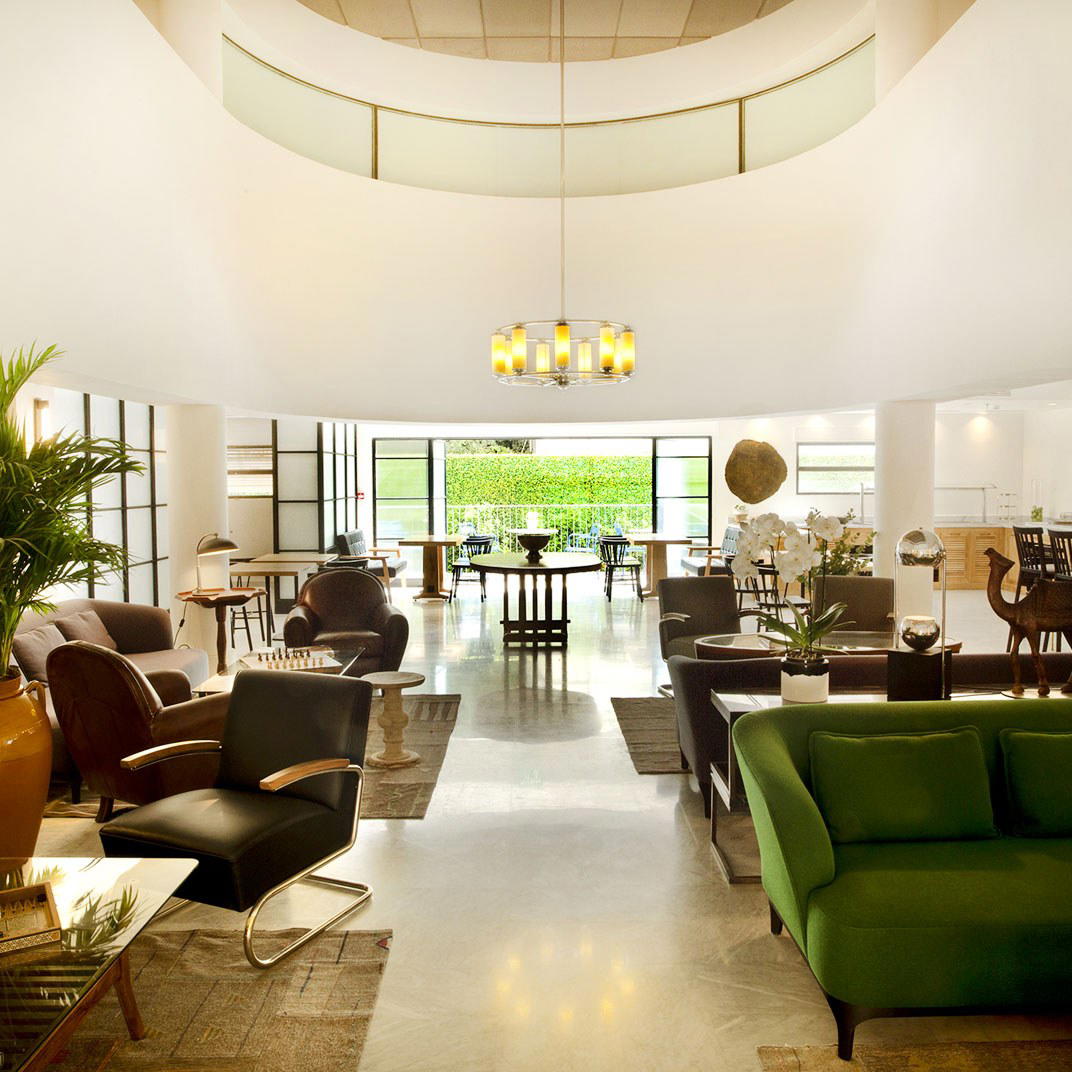
Warm, energetic, and intimate with a local vibe; described as a 'little gem' with good music and high tables or street seating that creates a convivial atmosphere.
Know Before You Go
- Getting there
- Yehuda ha-Levi St 58, Tel Aviv-Yafo, Israel