On a quiet stretch of J. L. Gordon Street in central Tel Aviv, Santi occupies a corner of the city's increasingly ingredient-driven dining conversation. The kitchen draws on the produce networks and sourcing traditions that have made Israeli cooking one of the more closely watched in the Mediterranean basin. For visitors building a serious Tel Aviv itinerary, Santi belongs on the shortlist alongside the city's better-known addresses.
Pearl is the En Primeur Club membership app — saves, bookings, and concierge access live there. Same editors, same standards.
- Address
- J. L. Gordon St 17, Tel Aviv-Yafo, 6343801, Israel
- Phone
- +972733861622
- Website
- santi.co.il
- Directions
- Get directions
 Saves & bookings on Pearl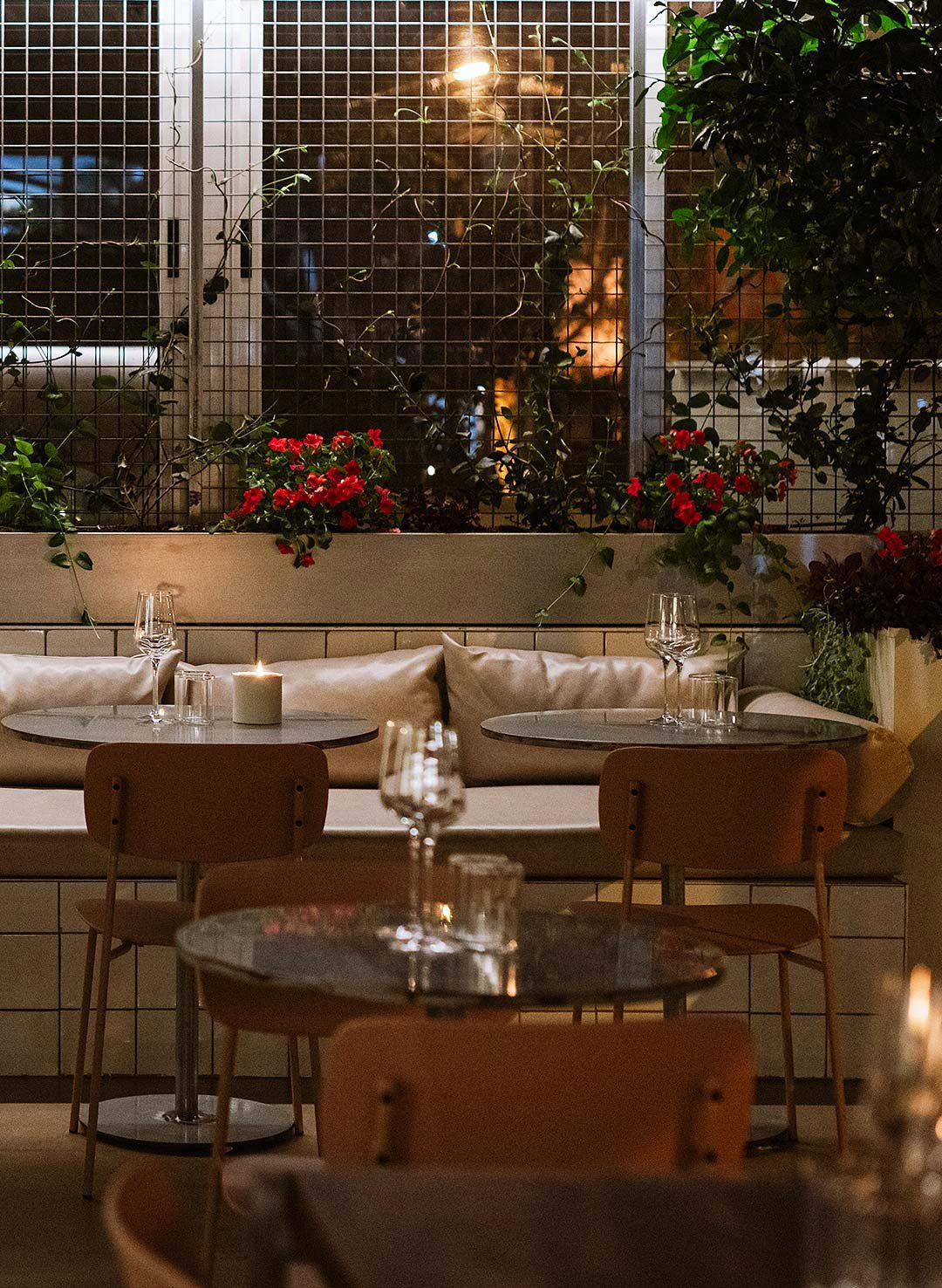
Gordon Street and the Ingredient Question
Tel Aviv's dining identity has never been simple to categorize. The city sits at a crossroads of Levantine tradition, Mediterranean produce abundance, and a generation of chefs trained in European kitchens who returned with different questions about what Israeli cooking could mean. The result, across neighborhoods from Florentin to the northern boulevards, is a restaurant scene that rewards specificity: where did the tomato come from, which farm supplies the lamb, who pressed the olive oil. On J. L. Gordon Street, Santi enters that conversation from a residential pocket of the city that sits at a remove from the louder, more tourist-facing strips.
Gordon Street and its surrounds have historically hosted a quieter category of Tel Aviv restaurant: places that rely on neighborhood loyalty and word of mouth rather than guidebook placement. That context matters when reading a room like Santi's. The address signals a certain kind of intention, one that assumes the diner is arriving with some prior knowledge rather than wandering in from the Tayelet.
Why Sourcing Has Become the Central Argument
Across the better independent kitchens in Tel Aviv, the conversation about ingredient provenance has shifted from optional talking point to structural commitment. Israel's agricultural geography makes this easier than it sounds: the country compresses an unusual range of microclimates into a small area, from the volcanic basalt soils of the Golan to the sandy coastal plains south of Tel Aviv, producing citrus, stone fruit, herbs, and vegetables that arrive at urban kitchens with short supply chains and seasonal clarity. Restaurants that build menus around this reality operate differently from those importing their identity wholesale from a European culinary tradition.
That shift is visible across the city's more serious addresses. Alena at The Norman has positioned itself around refined local produce within a hotel setting that draws an international crowd. Habasta built its reputation on market proximity and daily-changing menus that reflect what arrived from the Carmel that morning. Aria works a different register but shares the underlying logic: the quality of what arrives in the kitchen determines what gets served. Santi occupies a position somewhere within this grouping of ingredient-led independents, differentiated by its Gordon Street location and the particular character of its room.
The Broader Israeli Kitchen Network
Understanding where Santi fits requires a wider map of Israeli dining than Tel Aviv alone provides. Some of the country's most instructive ingredient sourcing happens well outside the city. Uri Buri in Acre has spent decades demonstrating what northern coastal seafood looks like when a kitchen commits fully to its local waters. Diana in Nazareth operates inside the Arab culinary tradition of the Galilee in a way that connects directly to the agricultural communities surrounding it. Majda in Har Nof has made Jewish-Arab culinary dialogue a structural feature of its menu, not a marketing note.
Further south, Helena in Caesarea draws on the archaeological and agricultural character of one of Israel's more loaded coastal sites. Azura in Jerusalem's Mahane Yehuda brings a different register entirely, one rooted in Sephardic slow-cooking traditions that prioritize depth of preparation over cosmopolitan refinement. Menza in Jerusalem and Michael Local Bistro in Liman each represent regional poles in a dining culture that is more geographically distributed than its Tel Aviv-centric press coverage suggests.
Herbert Samuel Herzliya in the northern suburbs shows that the ingredient-led argument travels outside central Tel Aviv into a more resort-adjacent format. Even Burger 232 in Maggen and Pitmaster in Beersheba point to how regional identity and sourcing specificity function even in formats that sit outside fine dining.
Placing Santi in the Current Season
Tel Aviv's restaurant calendar has a seasonal logic that visitors from northern Europe or North America sometimes underestimate. Summer in the city pushes dining later into the evening, outdoor seating becomes the primary draw, and kitchens lean into the particular abundance of August and September produce: figs, late stone fruit, the tail end of tomato season. Winter brings a quieter city and a different kitchen logic, with root vegetables, citrus, and heavier preparations filling menus across the mid-range and upmarket tiers. The window between October and December, when temperatures drop to a range that makes walking between restaurants genuinely pleasant and when produce transitions between seasons with unusual speed, tends to be when Tel Aviv's ingredient-led kitchens show their range most clearly.
For a restaurant on Gordon Street, the shoulder season also means competition is slightly less intense: the summer surge of tourists has thinned, and tables that were difficult to secure in August become more accessible without the same forward planning. That logistical fact alone makes late autumn a sensible time to schedule a visit, both for access and for the specific produce moment the kitchen is working with.
For a fuller picture of how Santi sits within the city's dining options, the EP Club Tel Aviv restaurants guide maps the full range across neighborhoods and formats, from market-adjacent lunch spots to the kind of extended tasting menus that have drawn international attention to Israeli cooking in recent years. Internationally, the ingredient-sourcing conversation that defines Tel Aviv's better kitchens finds parallels in restaurants like Atomix in New York, where Korean produce networks and seasonal specificity underpin a tasting format, or Le Bernardin, which has built three decades of reputation on the premise that sourcing quality is the non-negotiable foundation of a serious kitchen. The argument translates across cuisines and geographies.
Planning Your Visit
Santi is located at J. L. Gordon Street 17 in central Tel Aviv, within walking distance of the city's main north-south arteries and accessible by taxi or the city's bus network from most central neighborhoods.
How Santi Tel Aviv compares with similar nearby venues.
| Venue | Cuisine |
|---|---|
| Mashya | Israeli |
Continue exploring
More in Tel Aviv
Restaurants in Tel Aviv
Browse all →
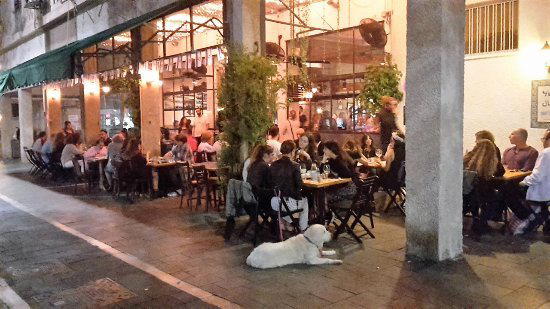
Bars in Tel Aviv
Browse all →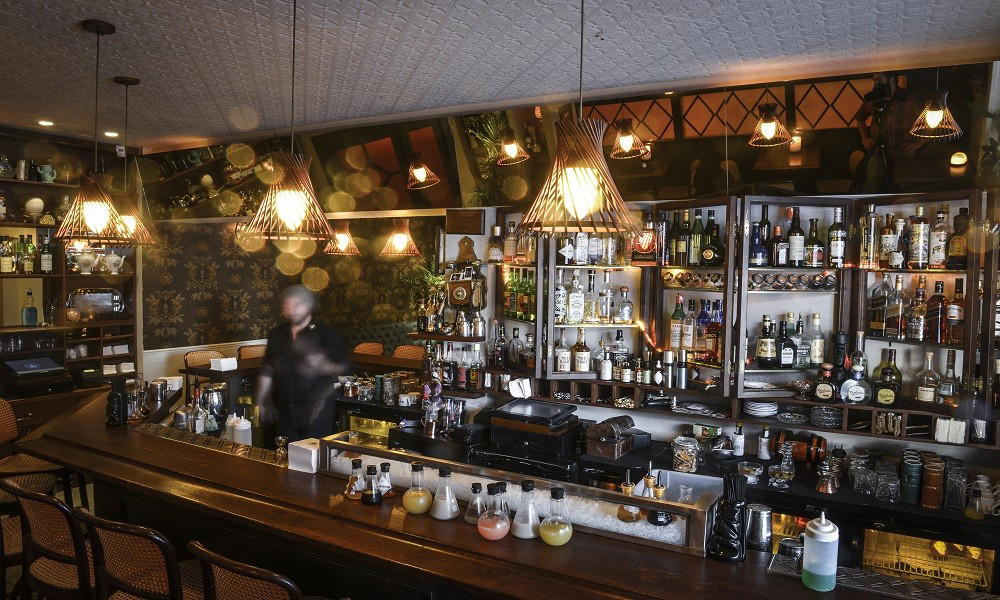
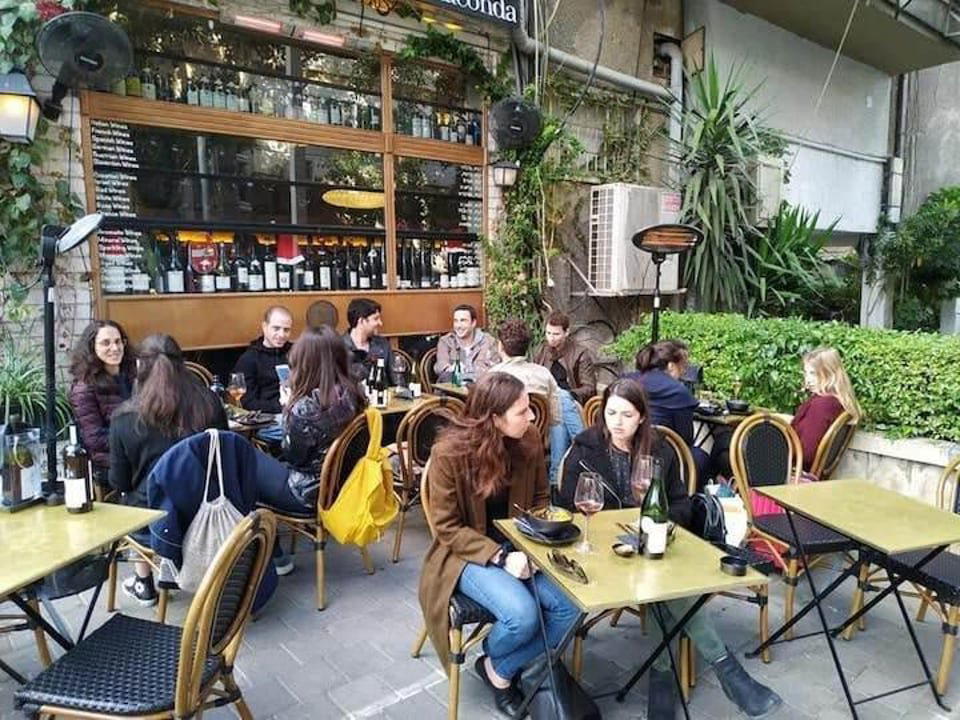
Hotels in Tel Aviv
Browse all →


At a Glance
- Lively
- Modern
- Elegant
- Trendy
- Energetic
- Date Night
- Casual Hangout
- Open Kitchen
- Extensive Wine List
- Craft Cocktails
Current opening hours
- Monday
- 5–11 PM
- Tuesday
- 5–11 PM
- Wednesday
- 5–11 PM
- Thursday
- 5–11 PM
- Friday
- 12–3:30 PM, 6–11 PM
- Saturday
- 12–3:30 PM, 6–11 PM
- Sunday
- Closed
Hours can change for holidays and private events. Last verified .
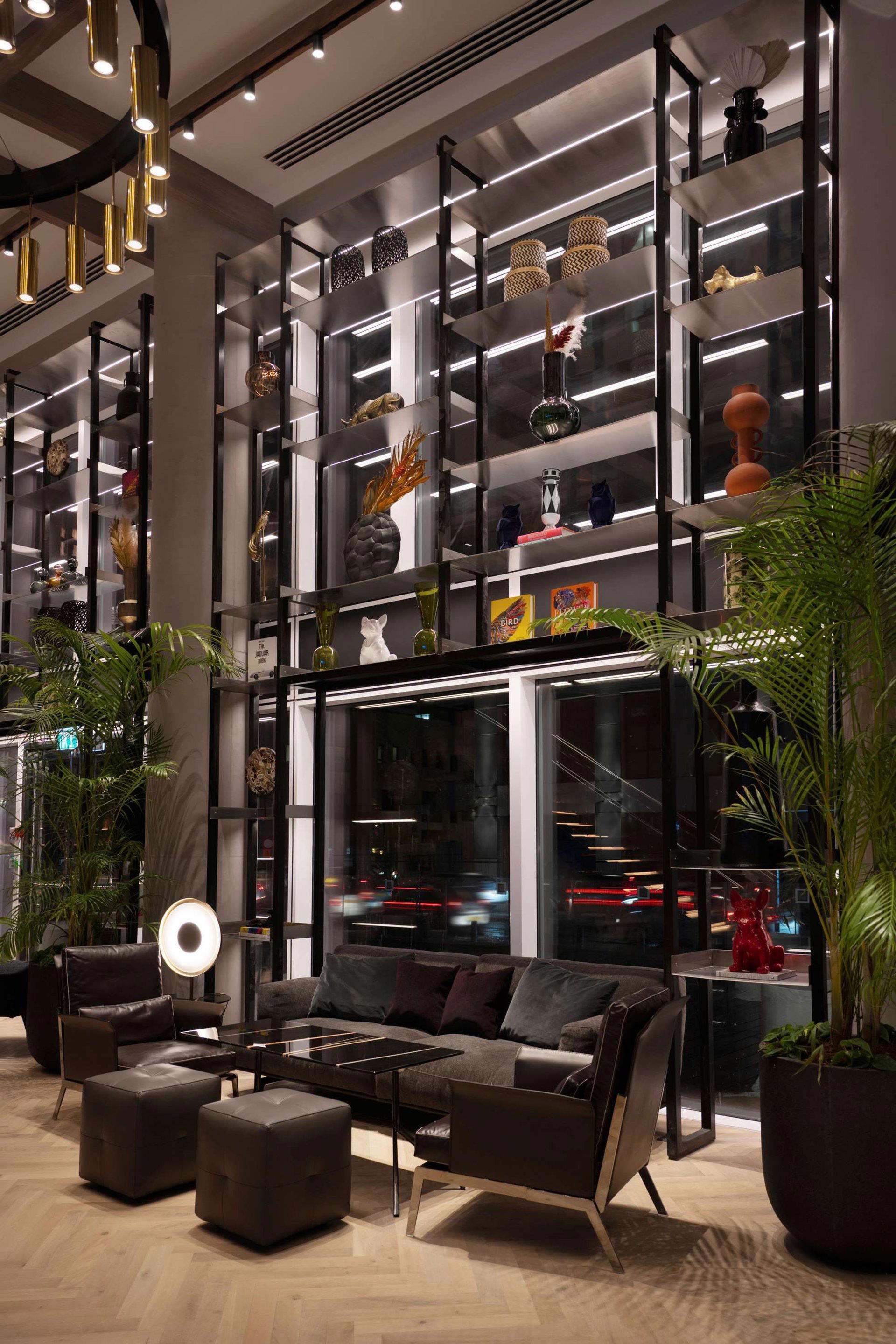
Raw white-washed stone walls, clean lines, terracotta flourishes, gentle buzz of conversation, clinking glasses, and smoky kitchen aromas creating a high-end yet unpretentious atmosphere.
Know Before You Go
- Getting there
- J. L. Gordon St 17, Tel Aviv-Yafo, 6343801, Israel