On Ben Yehuda Street, Piccola Pasta brings an Italian pasta-focused format to a Tel Aviv dining scene more accustomed to mezze platters and grilled fish. Relative to the city's broader Mediterranean restaurant crowd, it occupies a specific niche: a kitchen built around pasta as a discipline rather than a side. For visitors working through the city's Italian options, it sits at the more specialist end of the spectrum.
Pearl is the En Primeur Club membership app — saves, bookings, and concierge access live there. Same editors, same standards.
- Address
- Ben Yehuda St 53, Tel Aviv-Yafo, Israel
- Phone
- +97235290643
- Website
- m.facebook.com
- Directions
- Get directions
 Saves & bookings on Pearl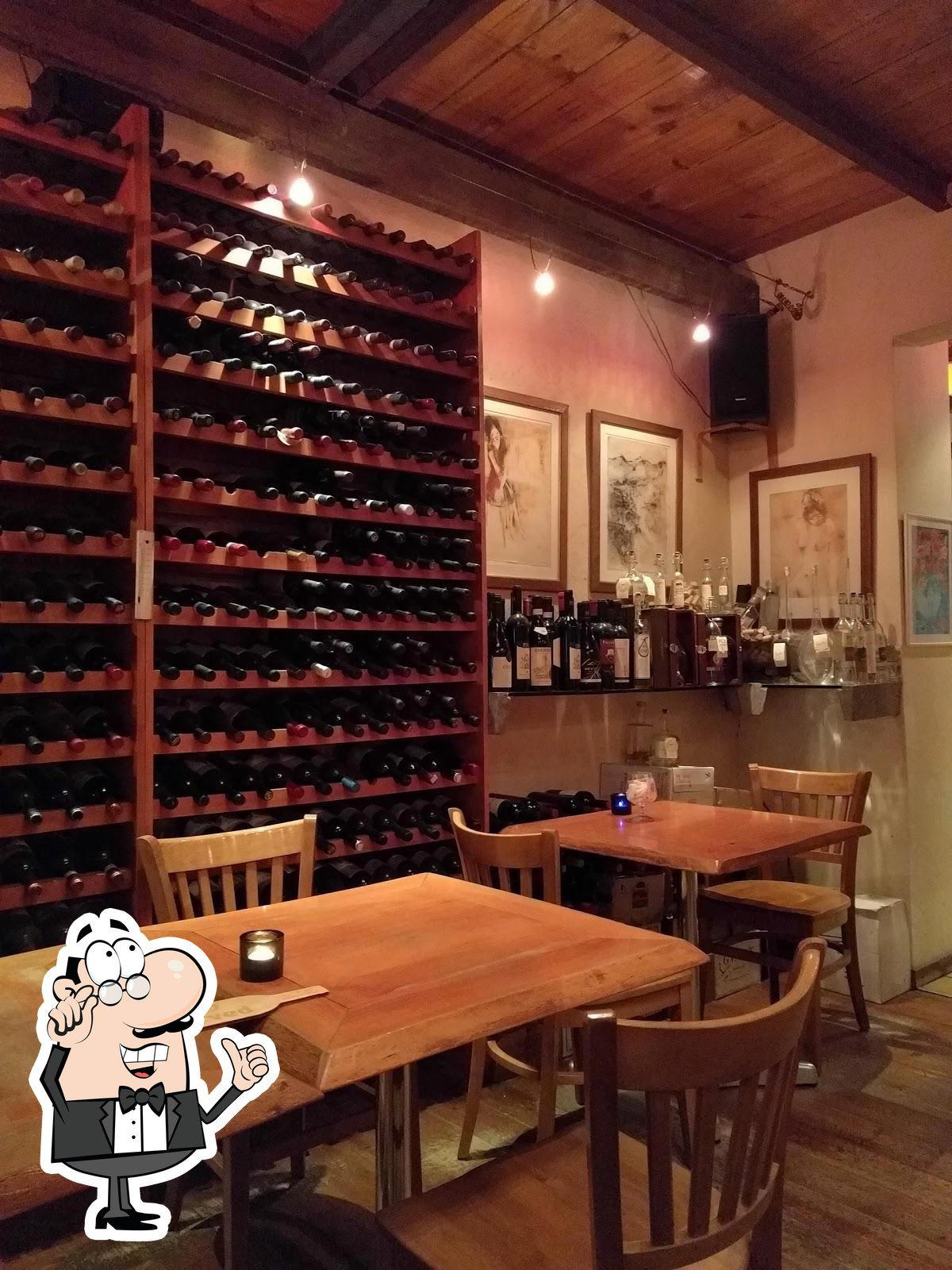
Ben Yehuda Street and the Case for Italian in a Mediterranean City
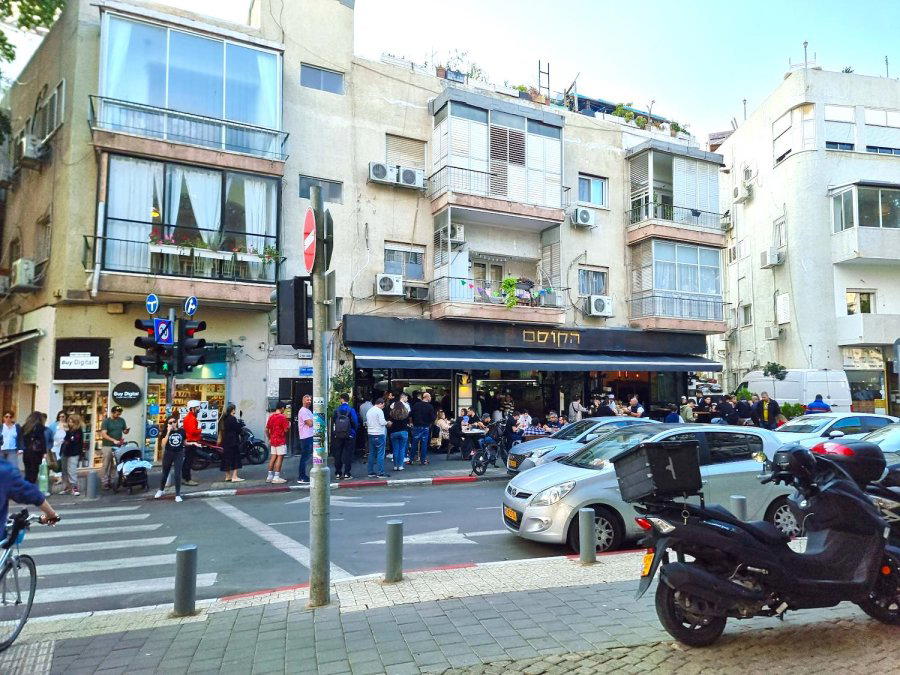
Ben Yehuda Street runs parallel to the seafront, one block back from the promenade, and it has historically functioned as a corridor between tourist-facing cafés and the denser residential dining that extends inland toward Dizengoff and Ben Gurion Boulevard. The street's character is neither fully local nor fully transient, which makes it a reasonable landing spot for a pasta-focused kitchen: accessible enough for visitors, grounded enough to retain regulars. Piccola Pasta sits at number 53, on a stretch where the pace is unhurried and the competition skews toward casual rather than destination dining.
In a city where the prevailing culinary logic runs through Levantine produce, hummus traditions, and the coastal seafood culture that places like Uri Buri in Acre and Helena in Caesarea have refined into something formidable, an Italian pasta house occupies a distinct counterposition. It is not competing with Alena at The Norman for the refined Israeli cuisine diner, nor with Habasta-style producer-driven Israeli bistros.
What Italian Pasta Culture Means in a Tel Aviv Context
Tel Aviv's appetite for Italian food has grown steadily alongside its broader restaurant maturation, but the city's Italian offerings remain uneven. The majority of self-described Italian kitchens here lean on pizza as the primary product, with pasta treated as a supporting category. A narrower cohort — of which Piccola Pasta is one example — inverts that hierarchy, treating pasta making as the kitchen's core discipline.
This format has precedent in cities where Italian immigration gave the cuisine deep roots, but Tel Aviv's Italian food culture arrived through different channels: culinary training abroad, an Israeli appetite for the food of European travel, and a restaurant industry increasingly willing to build tightly focused menus rather than wide-ranging ones. The result is a small cluster of pasta-first kitchens operating in the city, each differentiating on the basis of format, sourcing approach, or regional Italian reference point.
For comparison, the kind of technically precise, ingredient-focused Italian cooking that receives attention at the level of Le Bernardin in New York City or Atomix in terms of supply-chain discipline is increasingly the standard against which serious pasta kitchens measure themselves globally, even at the casual end. The question for any pasta-focused kitchen is whether the flour, the eggs, and the produce behind the sauce reflect a considered sourcing position or simply the path of least resistance.
Sustainability as a Kitchen Discipline, Not a Marketing Position
Across Israel's more considered restaurant sector, the conversation around ethical sourcing has shifted from optional to expected. Kitchens that earn sustained local loyalty tend to do so in part because their supply chains are legible: producers named, seasonal rhythms visible in the menu, waste treated as a cost to be minimized rather than a byproduct to be ignored. This is as true for the mezze-and-grill format of places like Majda in Har Nof, where Arab-Jewish culinary collaboration is inseparable from the question of how produce is grown and sourced, as it is for any European-format kitchen operating in the region.
For a pasta kitchen specifically, the sustainability story runs through a short list of decisions: the provenance of wheat and eggs, the sourcing of dairy for sauces, how trim and offcuts are handled, and whether the menu rotates with seasonal produce availability or holds static year-round. A kitchen that treats pasta making as a genuine craft tends to care about these inputs by necessity; the quality gap between commodity semolina and stone-milled heritage grain flour is perceptible in the finished product, which creates a built-in incentive for sourcing discipline that kitchens built around lower-investment formats may lack.
The broader Israeli food scene has developed a network of small-scale producers, olive growers in the Galilee, dairy operations in the north, vegetable farmers using low-intervention methods, whose output has become the preferred sourcing pool for kitchens positioning themselves in the quality tier. Whether Piccola Pasta draws from this network directly is not documented in available records, but the category it occupies on Ben Yehuda Street situates it alongside kitchens for whom these sourcing questions are the relevant ones.
Where Piccola Pasta Sits in the Tel Aviv Dining Picture
Tel Aviv's restaurant geography has concentrated its most ambitious cooking in a few clusters: the old port area, the corridors around Rothschild Boulevard, and the steadily gentrifying pockets of south Tel Aviv. Ben Yehuda Street's dining sits in a slightly different register: more neighbourhood-facing, less destination-driven. That positioning shapes what a pasta kitchen on this street needs to be. It cannot rely on destination traffic alone; it needs the kind of consistency that builds repeat custom among people who live nearby and eat out regularly.
For visitors working from the seafront hotels or moving through the northern residential neighbourhoods, Ben Yehuda 53 is logistically convenient without requiring a dedicated trip. The street is walkable from the beachfront promenade and sits within easy reach of the Dizengoff corridor. For dining context across the city, our full Tel Aviv restaurants guide maps the broader picture, including the Israeli-format kitchens like Abie, Aria, and a that define the city's current dining register, as well as longer-established addresses like Abu Hassan in Jaffa for a reminder of how deep the city's hummus culture runs. Beyond Tel Aviv, the country's dining range extends to addresses like Diana in Nazareth, Menza in Jerusalem, Herbert Samuel Herzliya, Michael Local Bistro in Liman, Burger 232 in Maggen, Azura, and Pitmaster Beer-Sheva in Beersheba.
Planning a Visit
Specific booking details, current hours, and pricing for Piccola Pasta are not available through EP Club's verified records at the time of writing. For current operating information, the address at Ben Yehuda Street 53 provides a starting point for direct enquiry. Given the neighbourhood's casual tempo and the format's likely walk-in accessibility, reservations may not be required for smaller groups, though weekend evenings on Ben Yehuda tend to see consistent foot traffic across the street's dining options. Visitors planning a tighter itinerary across multiple stops should verify hours independently before building Piccola Pasta into a fixed schedule.
How Piccola Pasta Tel Aviv compares with similar nearby venues.
| Venue | Cuisine |
|---|---|
| Mashya | Israeli |
Continue exploring
More in Tel Aviv
Restaurants in Tel Aviv
Browse all →
Bars in Tel Aviv
Browse all →

Hotels in Tel Aviv
Browse all →


At a Glance
- Romantic
- Cozy
- Intimate
- Elegant
- Classic
- Date Night
- Standalone
- Extensive Wine List
- Sommelier Led
- Local Sourcing
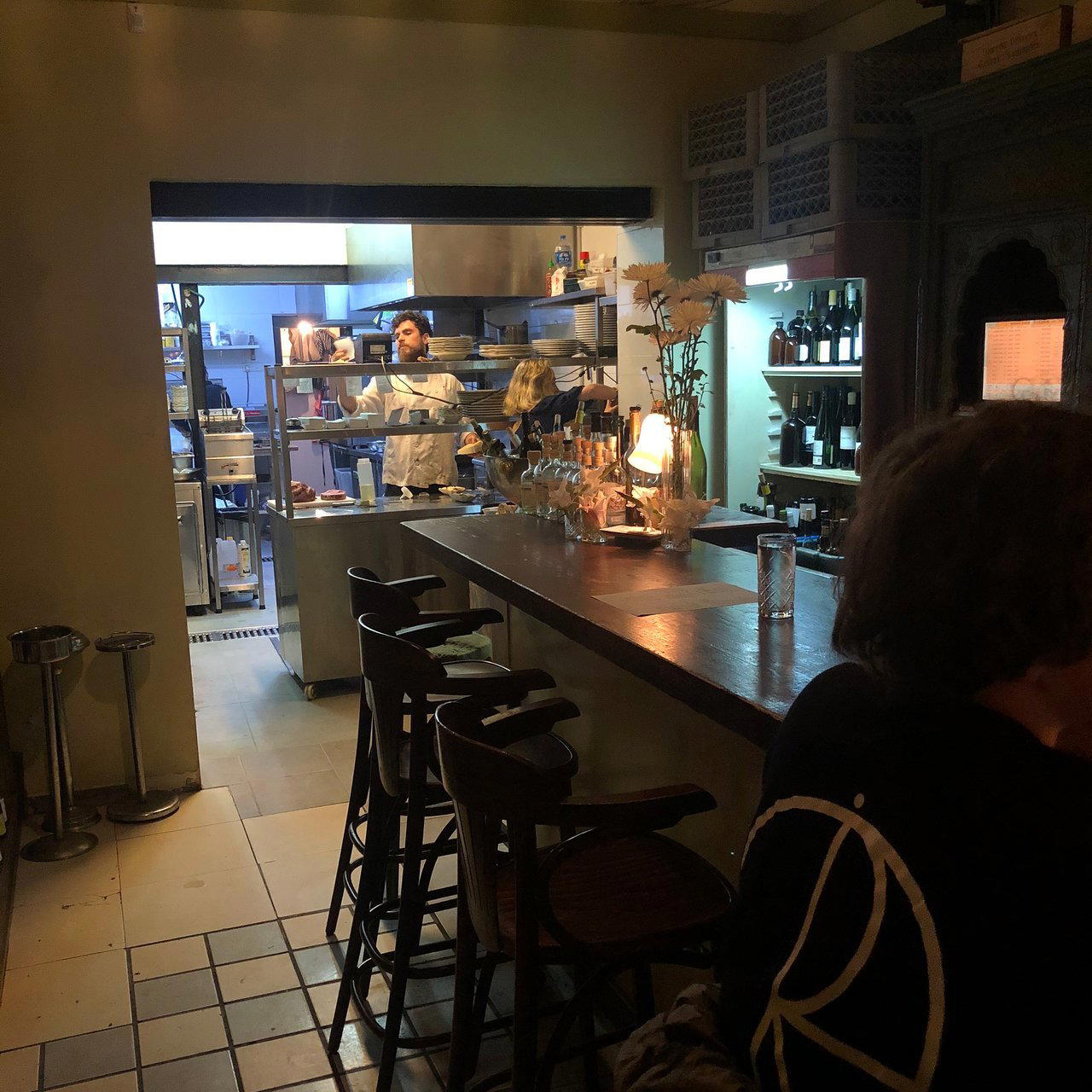
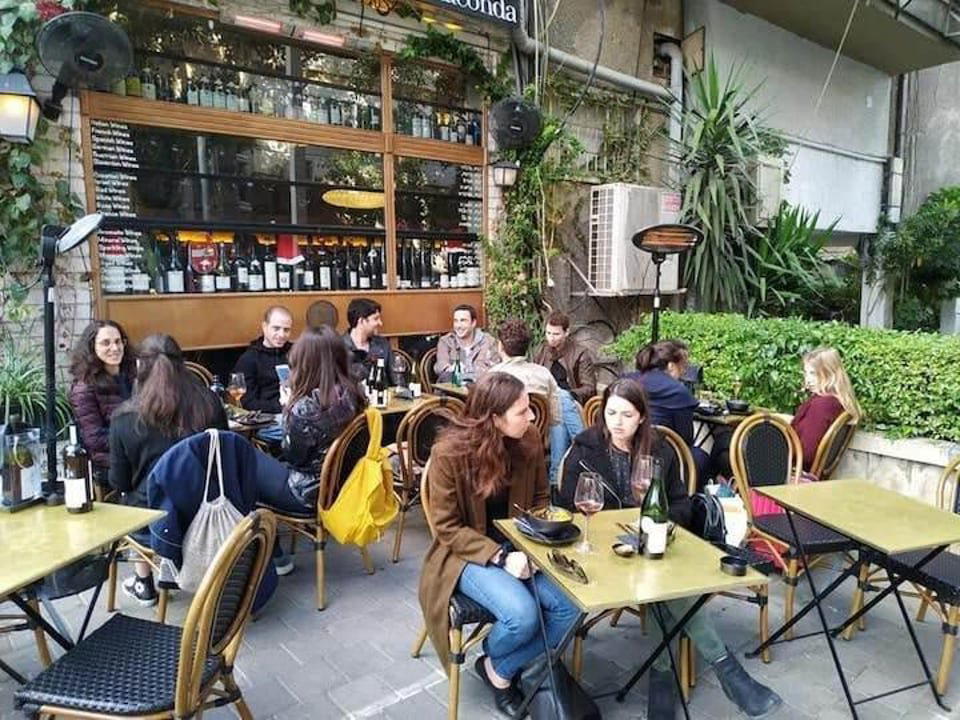
Warm and inviting with burgundy-glowing wine bottles on wooden racks, oak tables and walls creating a comforting, serene tone that fills the small space with the aroma of Italian cooking.
Know Before You Go
- Getting there
- Ben Yehuda St 53, Tel Aviv-Yafo, Israel