Burger 232 operates out of Magen, a small community in Israel's Arava region, where the surrounding agricultural infrastructure shapes what ends up on the plate. The format is straightforward burger-focused dining in a part of the country where protein sourcing and desert-climate produce tell their own story. For the wider Israeli dining context, see our full Maggen restaurants guide.
Pearl is the En Primeur Club membership app — saves, bookings, and concierge access live there. Same editors, same standards.
- Address
- Magen, 85465, Israel
- Phone
- +972534628766
- Directions
- Get directions
 Saves & bookings on Pearl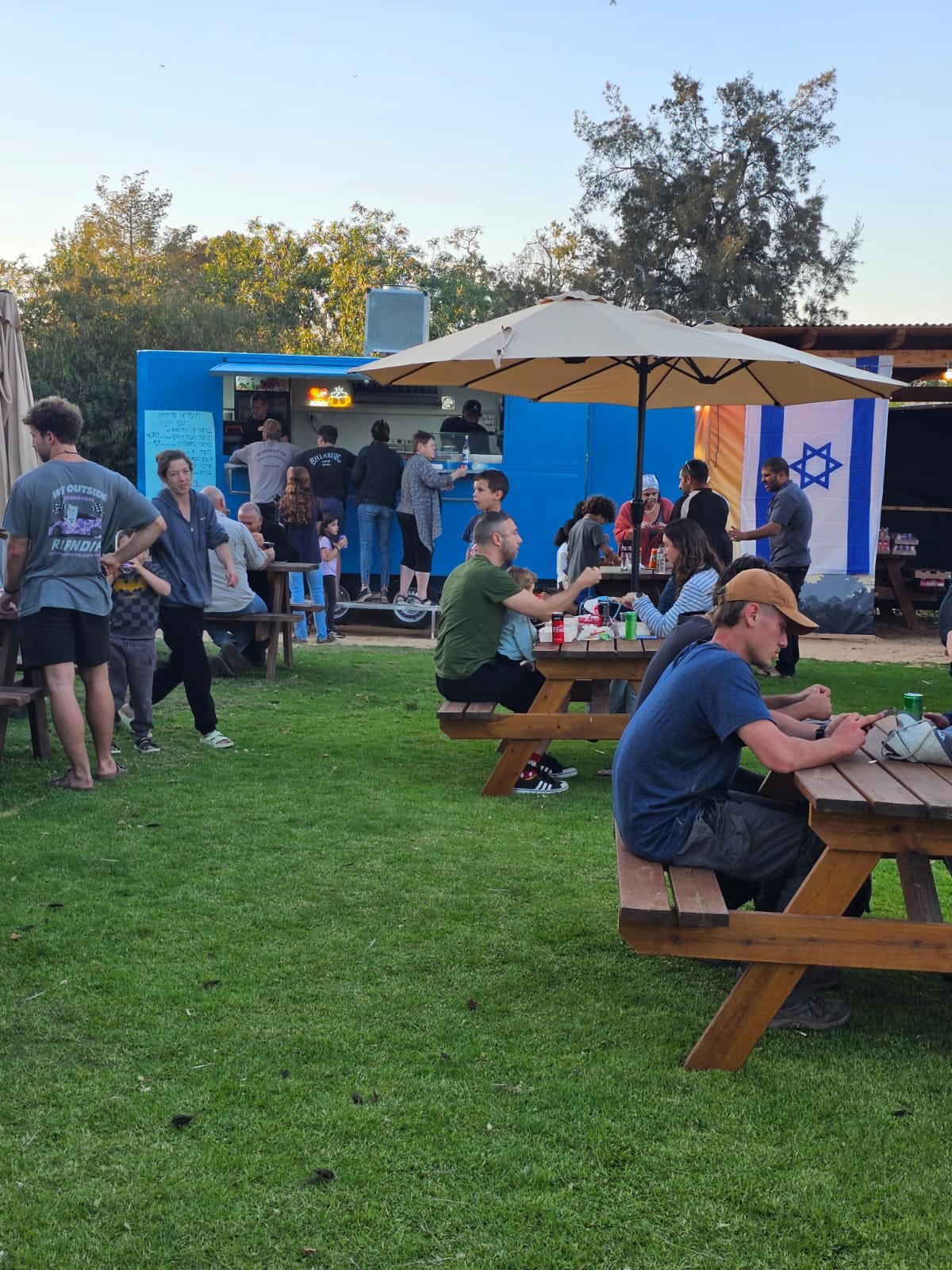
Where the Produce Comes From Matters More Than the Menu
Israel's southern desert communities occupy an unusual position in the country's food chain. The Arava Valley, stretching from the Dead Sea toward Eilat, is one of the most productive agricultural corridors in the country despite — or because of — its extreme climate. Tomatoes, peppers, herbs, and specialty vegetables grown under controlled conditions in this region supply restaurants across Israel and into Europe. A burger operation based in Magen sits inside that supply geography, with direct access to produce that travels hundreds of kilometres to reach restaurants in Tel Aviv or Jerusalem. That proximity is structural, not incidental.
Burger culture in Israel has matured considerably over the past decade. What began as a fairly undifferentiated category, American-format patties, industrial buns, proprietary sauce, has split into a more considered tier where sourcing, grind specification, and regional identity carry editorial weight. The shift mirrors what happened in the American market roughly a decade earlier, though Israel's version is inflected by the country's specific meat-production infrastructure and by a dining public that now reads ingredient provenance with the same attention it once reserved for wine labels. In this context, a burger spot in a small desert community is not a lesser version of its urban equivalents, it operates in a different register entirely.
The Setting and What It Signals
Magen is a small moshav (cooperative agricultural community) in the Eshkol Regional Council, close to the Gaza border in Israel's southern district. Dining options in this part of the country are sparse by urban standards, which means that a venue operating here does so by choice and by community function rather than by foot traffic or tourist flow. The physical environment, open land, agricultural infrastructure visible from most vantage points, the particular quality of light in the Negev, makes the surrounding context legible even before you sit down.
This is not the kind of location that generates walk-in trade. Visitors arrive with a specific purpose, which tends to produce a different dining dynamic than a city-centre restaurant. The regulars here are likely to be local agricultural workers, kibbutz and moshav residents from the surrounding area, and the occasional traveller moving between Beersheba and the south. That audience shapes what a venue must deliver: reliable, direct food at a price point that works for repeat visits, not a destination format built around a single occasion.
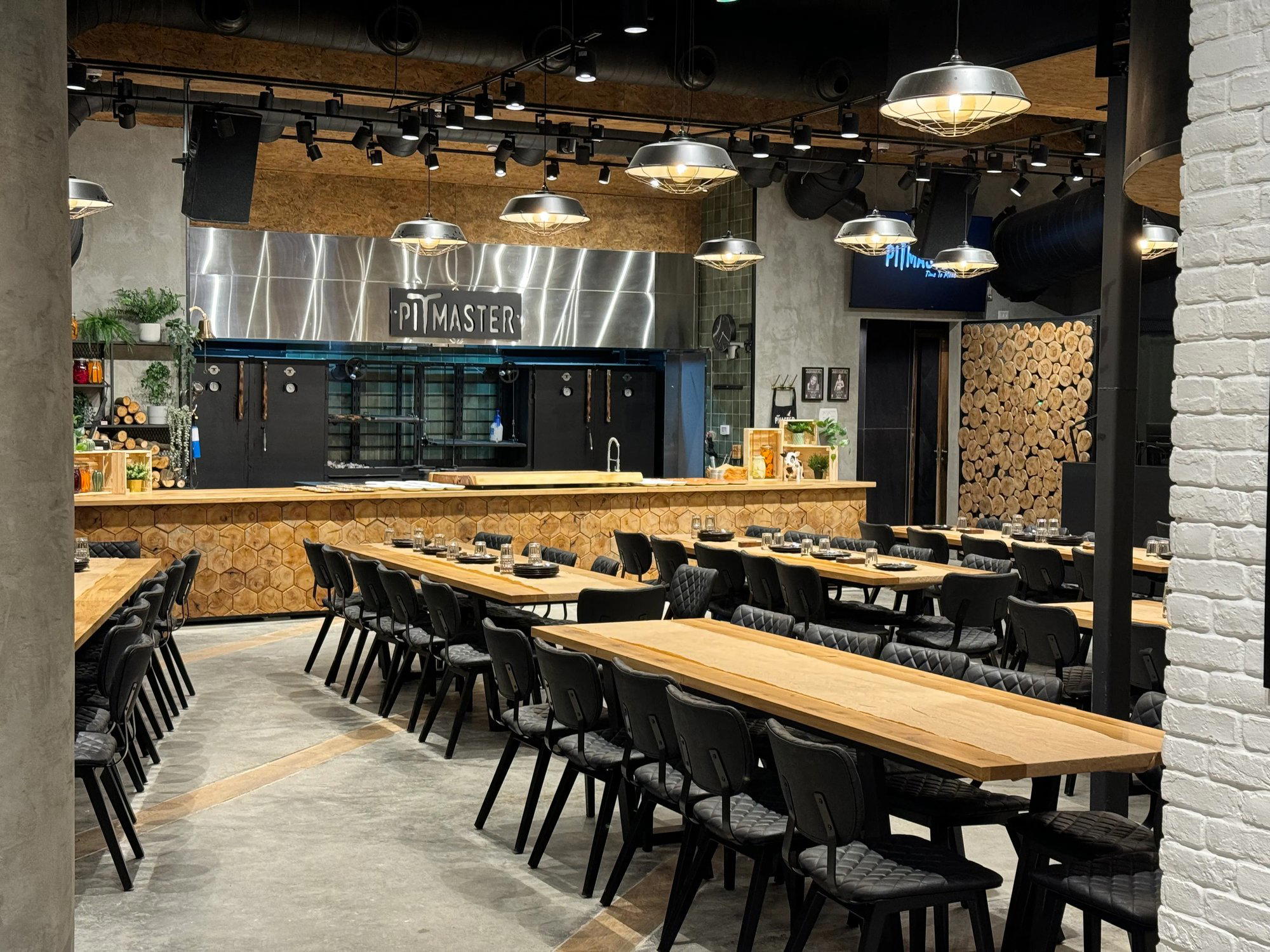
For comparison, the broader Israeli burger and grilled-meat scene skews urban: Pitmaster in Petah Tikva and Pitmaster Beer-Sheva in Beersheba represent the kind of serious smoked and grilled meat programming that has built a following in Israel's mid-sized cities.
Sourcing in the Arava Context
The ingredient sourcing argument for the Arava region is not speculative. Israeli agricultural exports from this corridor are documented and substantial, with the region supplying a significant share of the country's winter vegetables. For a burger-focused venue in Magen, the practical implication is that the produce component of the plate, whatever fresh vegetables, condiments, or sides accompany the patties, can draw on local supply chains that most urban restaurants pay a premium to access. The meat supply is a separate question: Israeli beef production concentrates in the north of the country, and the logistics of getting quality cuts to the south follow the same freight patterns as the rest of the food system.
This sourcing geography places Burger 232 in an interesting position relative to Israel's more celebrated dining addresses. HaKosem in Tel Aviv operates in a high-density urban environment where ingredient sourcing is a deliberate editorial choice against the grain of the city. In Magen, proximity to agricultural supply is simply the condition of being there. That distinction matters for how the food should be read.
The Wider Israeli Dining Frame
Israel's dining culture has developed a coherent set of reference points over the past two decades. The country's strongest culinary identity sits at the intersection of Levantine tradition and Mediterranean coastal cooking, with significant influence from the cuisines of Jewish diaspora communities, North African, Yemeni, Persian, Georgian. Burger programming exists somewhat outside that tradition, borrowing format from American fast-casual while adapting to local meat standards, kosher certification pressures, and a different set of expectations around portion and price.
The venues that have built the most durable reputations in Israel tend to be those that anchor themselves to a specific culinary tradition with depth: Abu Hassan in Jaffa for hummus, Uri Buri in Acre for seafood, Diana in Nazareth for Arab-Israeli cooking rooted in specific regional identity. The burger category operates with less of that gravitational pull, which places more weight on execution consistency and location logic. For a southern Israel comparison in the Mediterranean register, Pescado in Ashdod shows how a coastal city format can anchor itself to a specific culinary tradition with real conviction. Majda in Har Nof and Rola Levantine Kitchen represent the Levantine tradition operating at a more considered register. Burger 232 sits in a different part of the map, both geographically and in terms of dining category, and should be assessed on those terms.
For context on where Israeli fine dining operates, Chakra in Jerusalem and Herbert Samuel Herzliya mark the more formal end of the spectrum. At the international reference level, the distance between Burger 232's format and a place like Le Bernardin in New York City or Lazy Bear in San Francisco is not just geographic, it reflects two entirely different functions that restaurants serve in their communities.
Planning a Visit
Magen is located in the Eshkol region of southern Israel, accessible primarily by car from Beersheba, which serves as the regional hub. The drive from Beersheba runs approximately 40 kilometres southwest. Public transport to this area is limited, and self-driving is the practical default for visitors not based in a nearby community. For the broader context of what to eat and where in this part of Israel, our full Maggen restaurants guide maps the regional options. Those travelling the southern corridor might also consider Michael Local Bistro in Liman and Ali Karawan Abu Hassan as part of a wider southern dining itinerary. The מידס restaurant in Ashqelon adds another regional reference point on the coastal route north from the Eshkol area. Helena in Caesarea is worth considering if the itinerary extends up the Mediterranean coast.
How Burger 232 Maggen compares with similar nearby venues.
| Venue | Cuisine |
|---|---|
| Pescado | Mediterranean |
Continue exploring
More in Maggen

At a Glance
- Casual Hangout
Current opening hours
- Monday
- 12–7:30 PM
- Tuesday
- 12–3:30 PM, 5–10 PM
- Wednesday
- 12–3 PM, 5–10 PM
- Thursday
- 12–3 PM, 5–10 PM
- Friday
- Closed
- Saturday
- 12–10 PM
- Sunday
- Closed
Hours can change for holidays and private events. Last verified .
Know Before You Go
- Getting there
- Magen, 85465, Israel