Plant Cafe Seoul (Itaewon)
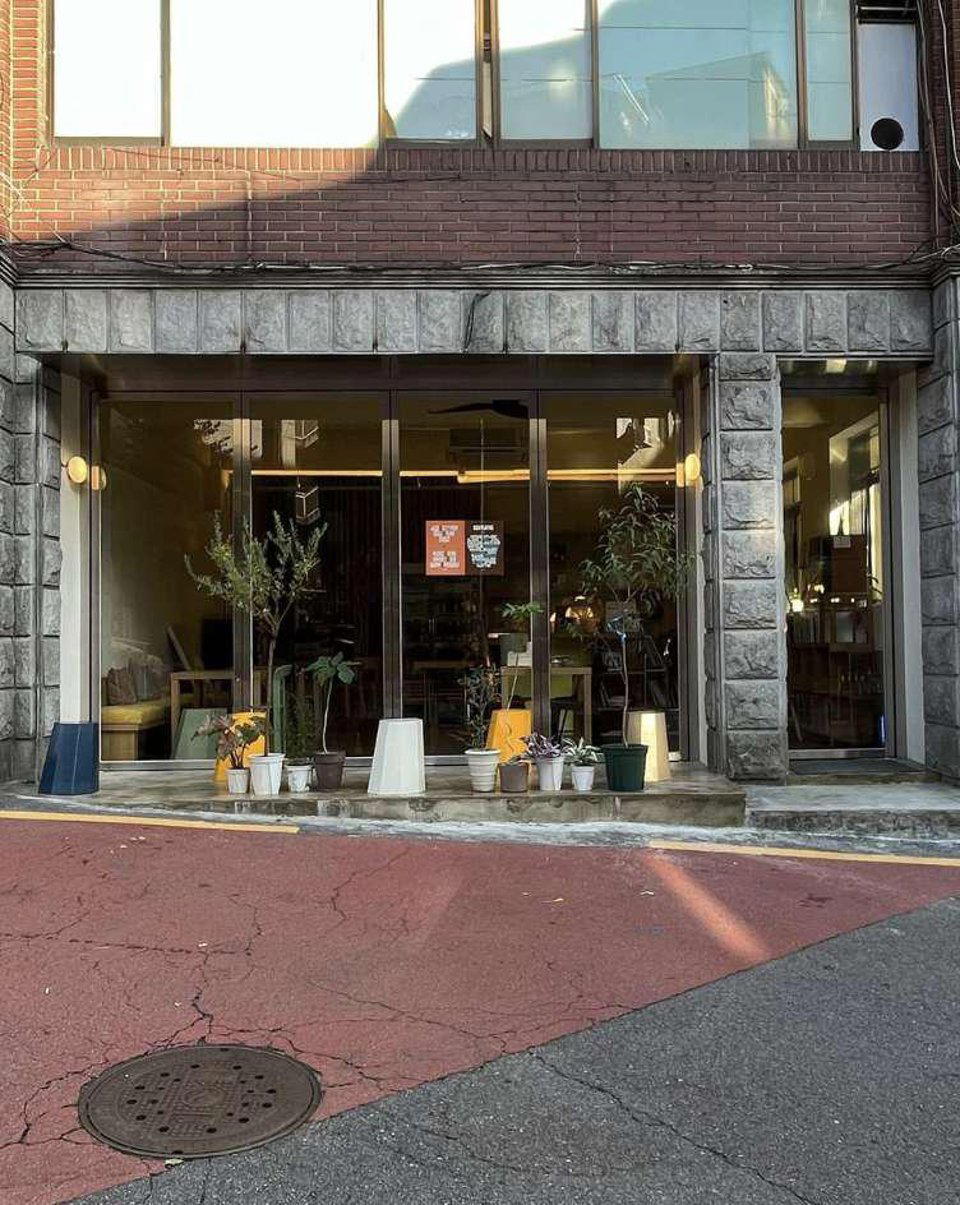
Plant Cafe Seoul in Itaewon occupies a stretch of Bogwang-ro that reflects the neighbourhood's ongoing shift from expat-bar corridor to considered dining destination. The cafe format sits within a Seoul scene that has grown increasingly serious about plant-forward cooking, placing it alongside a broader conversation about how the city eats when it steps away from meat-centred tradition. Booking and hours should be confirmed directly before visiting.
Pearl is the En Primeur Club membership app — saves, bookings, and concierge access live there. Same editors, same standards.
- Address
- 117 Bogwang-ro, Yongsan District, Seoul, South Korea
- Phone
- +82 2 749 1981
- Website
- plantcafeseoul.com
- Directions
- Get directions
 Saves & bookings on Pearl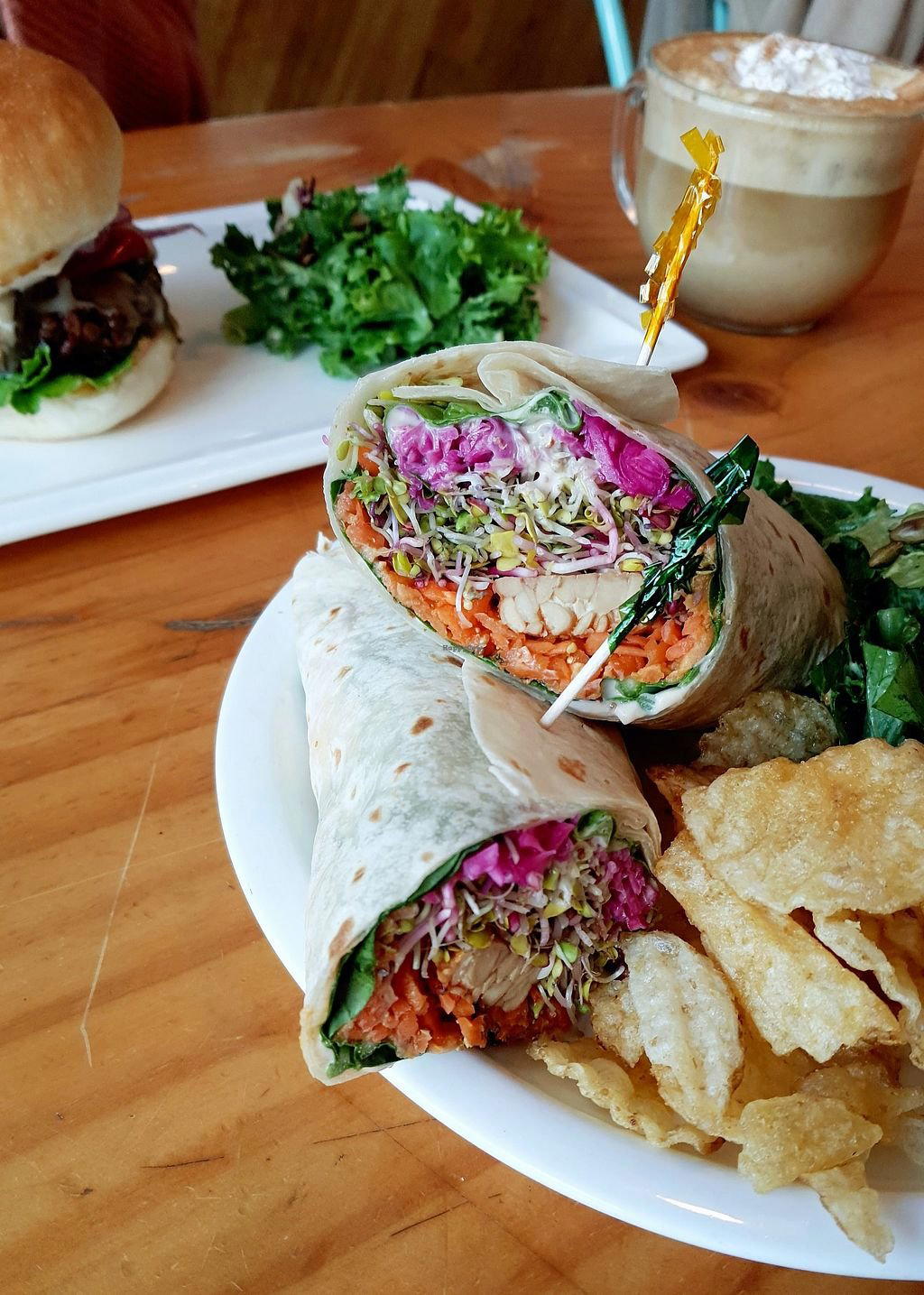
Bogwang-ro and the Itaewon Dining Shift
Itaewon has spent the last decade shedding its reputation as Seoul's international concession district and replacing it with something more complicated and more interesting. The neighbourhood around Bogwang-ro, where Plant Cafe Seoul operates at number 117, now sits inside a broader pattern visible across the city: dining rooms that draw on global dietary frameworks while remaining anchored to the rhythms of Korean eating culture. Plant-forward cafes and restaurants have multiplied across Seoul's hipper residential corridors, Yeonnam-dong, Mangwon, parts of Mapo, but Itaewon's version tends to attract a cosmopolitan crowd that includes both long-term foreign residents and younger Korean diners who have returned from abroad with recalibrated expectations about what a meal can be.
That demographic pressure has shaped what ambitious cafes in this part of Yongsan District need to offer. A counter or table in this neighbourhood competes not only with Korean barbecue houses and the fried chicken spots that still anchor the lower end of the strip, but also with a growing tier of serious international restaurants that have claimed Itaewon as their address.
The Arc of a Plant-Forward Meal in Seoul
Understanding Plant Cafe Seoul requires understanding what plant-forward dining means in a city where banchan, the rotating arrangement of small vegetable, fermented, and pickled sides, has always been the structural backbone of Korean table culture. Seoul diners are not unfamiliar with vegetables as the centre of a meal; what has changed is the framing. A generation of restaurants has begun presenting plant-based courses with the same sequencing discipline that defines tasting menus at addresses like Mingles or Jungsik, where the progression from lighter to richer, from raw texture to cooked depth, constitutes the editorial logic of the meal.
At the cafe level, that progression is compressed but not abandoned. A well-constructed plant-based meal in Seoul tends to open with something fermented or pickled, acidic, palate-clearing, before moving through cooked grain or root-based dishes and arriving at something warm and restorative. Korean cooking's long tradition of doenjang-based broths and slow-cooked vegetable preparations means there is deep culinary vocabulary to draw from, even in a more casual format. Fermented soybean, perilla, sesame, and seasonal namul greens function as flavour anchors that plant-forward kitchens can reach for without importing a foreign idiom.
This is the context that gives Plant Cafe Seoul its local logic. Across South Korea, plant-forward and vegetarian dining has also found traction outside the capital: Baegyangsa Temple in Jangseong-gun represents an older and more austere tradition of Korean temple food, sachal eumsik, that has influenced how urban chefs think about restraint and seasonal ingredients. That lineage is worth knowing, because it frames Seoul's contemporary plant-based scene as an evolution of something native rather than an import from California wellness culture.
Itaewon's Competitive Set and Where Cafes Sit Within It
Seoul's fine-dining tier has consolidated around a recognisable set of restaurants: Soigné, alla prima, and Kwonsooksoo occupy the upper register, with multi-course formats, significant price points, and booking windows that extend weeks in advance. Kwon Sook Soo in Gangnam-gu operates in a similar key. Plant Cafe Seoul occupies a different register entirely: the mid-tier all-day cafe format that Seoul has developed with particular fluency, offering serious cooking in a more accessible structure without the formality of a tasting menu.
That format has its own logic. In cities where the fine-dining tier has grown expensive and appointment-driven, well-executed cafes carry cultural weight that extends beyond their price point. A strong plant-forward cafe in Itaewon competes with the neighbourhood's more casual international restaurants for the same weekday lunch crowd and weekend brunch trade. The comparison set is not Michelin-starred Korean cuisine but the city's growing catalogue of thoughtful all-day rooms: the Market Cafe in Incheon offers a regional analogue in a different city context.
For diners who have covered similar ground internationally, the frame of reference might extend to California's plant-forward dining culture. Operations like Lazy Bear in San Francisco represent how American kitchens have engaged with seasonal, locally-sourced frameworks, while Le Bernardin in New York City demonstrates that ingredient-led cooking at the highest level is always fundamentally about restraint. Plant Cafe Seoul, at its cafe scale, applies a version of that same discipline within Korean cooking's existing vocabulary.
Across the Country: How Seoul's Plant Scene Connects
Seoul's plant-forward dining culture does not operate in isolation from the rest of South Korea. Regional specialties from coastal and mountainous areas have long supplied Seoul's kitchens with seasonal produce that shapes what is possible in any given month. Mori in Busan, Double T Dining in Gangneung, and Doosoogobang in Suwon each reflect how food culture in their respective cities has developed distinct characters. Injegol in Inje County and Cheon Jee in Jeju point toward how mountain and island ingredients enter the national conversation. 에버리움펜션 in Cheoin and The Flying Hog in Seogwipo represent further poles of how eating culture operates outside the capital. Seoul absorbs all of this and synthesises it, and a cafe in Itaewon that takes plant-based cooking seriously is drawing on that full national supply chain whether or not its menu makes that provenance explicit.
Planning a Visit
Plant Cafe Seoul is located at 117 Bogwang-ro in the Yongsan District, within walking distance of Itaewon station. The neighbourhood sees significant foot traffic on weekend afternoons, so timing a visit for a weekday or arriving early in the service window typically allows for a more considered experience.
Reputation First
Comparable venues nearby, for context on price, style, and recognition.
| Venue | Cuisine | Price | Notes |
|---|---|---|---|
| Plant Cafe Seoul (Itaewon)This venue — the venue you are viewing | 100% Plant-Based Vegan Cafe | $$ | Not listed |
| ê´í문êµë°¥ | Korean Restaurant | Not listed | Sajik-dong |
| Ciuri Ciuri | Authentic Sicilian Italian | $$ | 연남동 |
| C Through Cafe | Artistic Cream Art Cafe | $$ | Itaewon |
| Seoseo Myeongdong Galbi | Standing Korean Galbi BBQ | $$ | Myeongdong |
| 우육면관 | Traditional Chinese Beef Noodle Soup (牛肉面) | $$ | Jongno-gu, Cheonggyecheon area |
At a Glance
- Cozy
- Modern
- Trendy
- Minimalist
- Casual Hangout
- Brunch
- Open Kitchen
- Craft Cocktails
Current opening hours
- Monday
- Closed
- Tuesday
- 11 AM–10 PM
- Wednesday
- 11 AM–10 PM
- Thursday
- 11 AM–10 PM
- Friday
- 11 AM–10 PM
- Saturday
- 11 AM–10 PM
- Sunday
- 11 AM–10 PM
Hours can change for holidays and private events. Last verified .
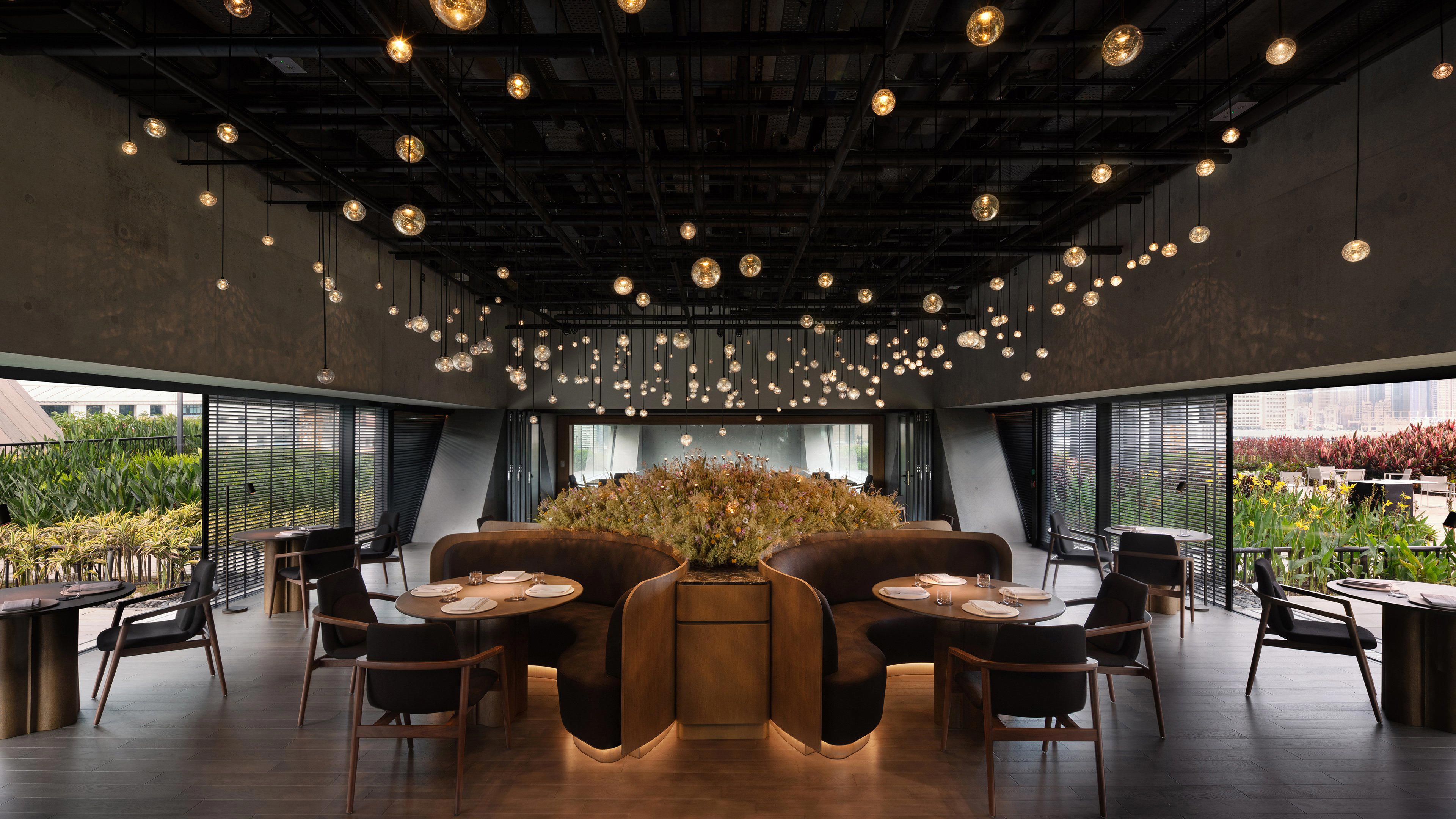
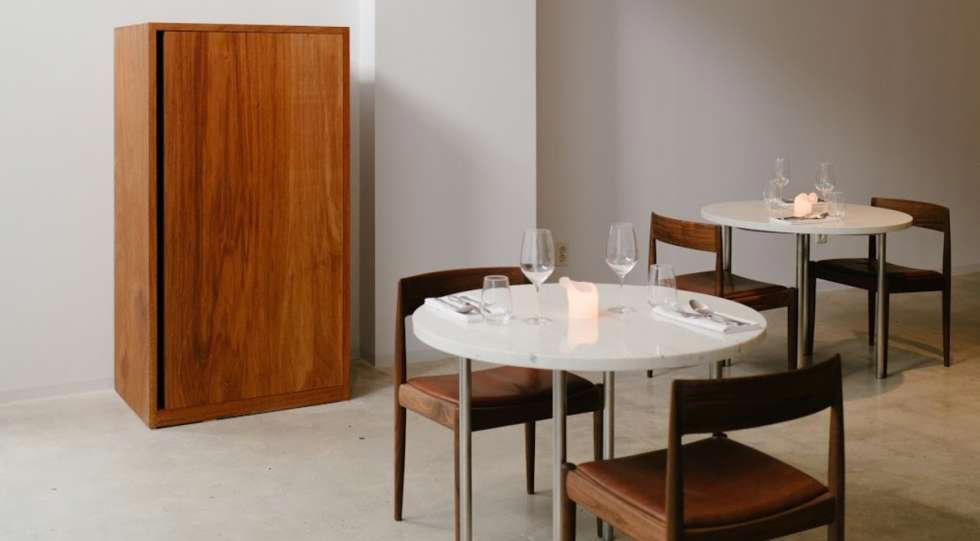
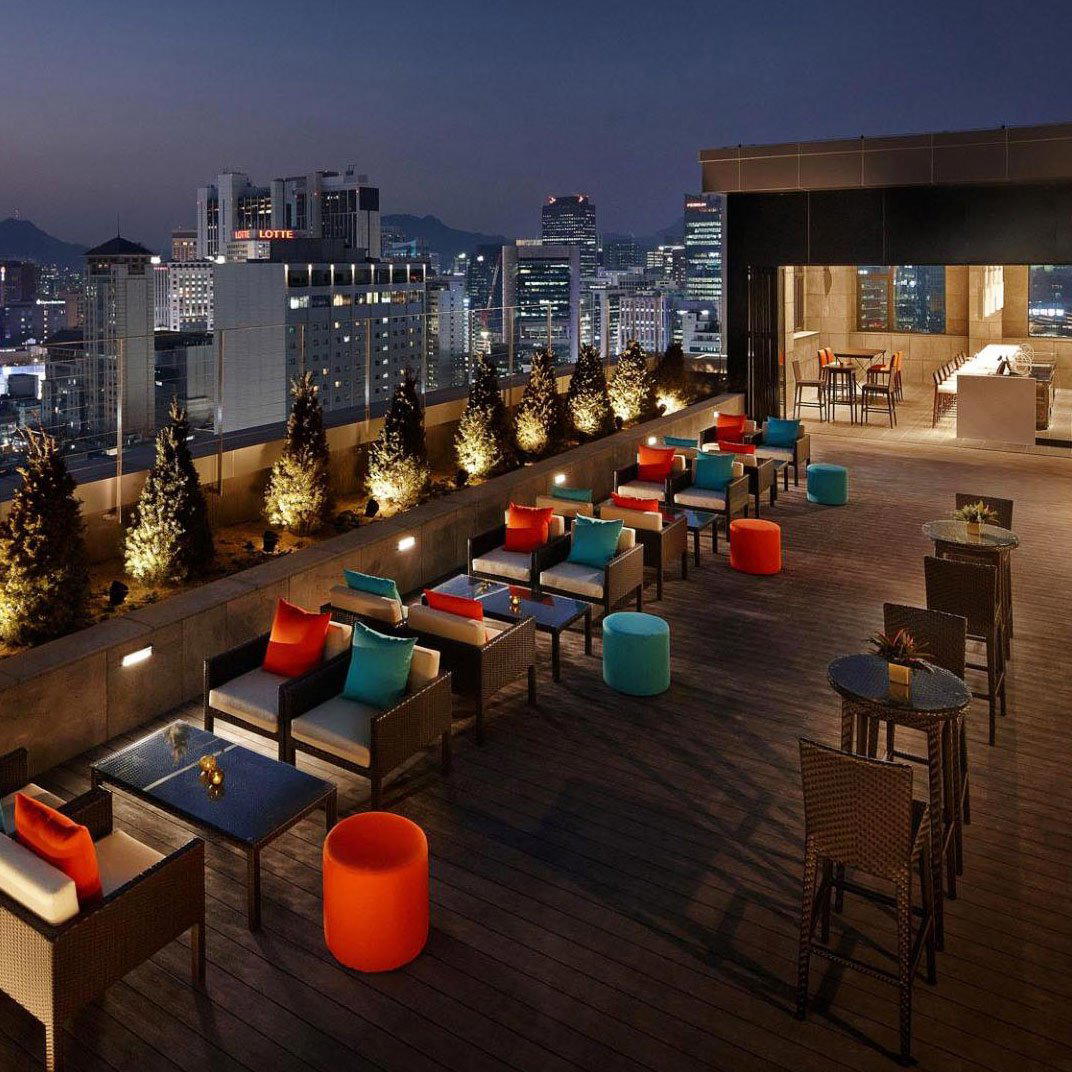
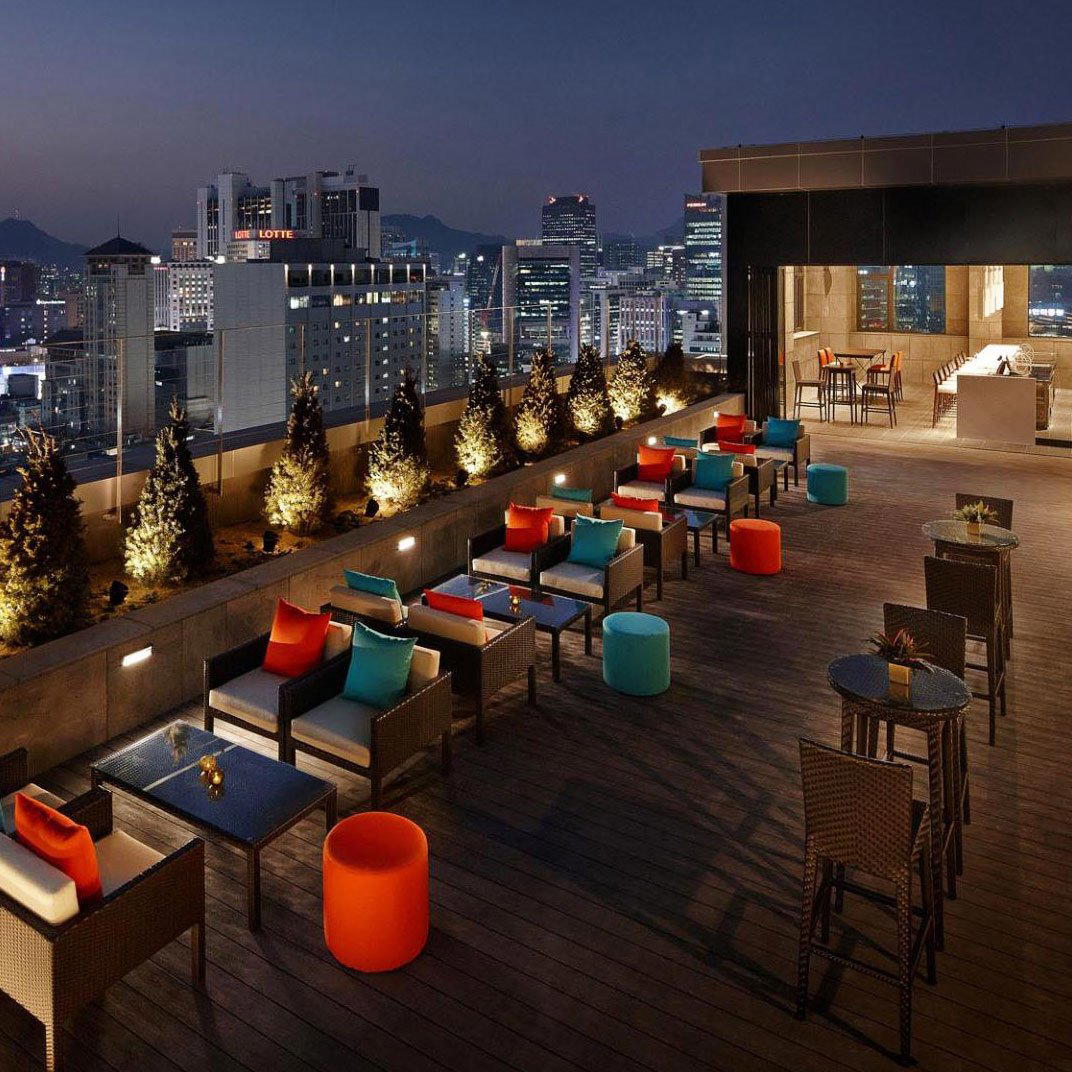
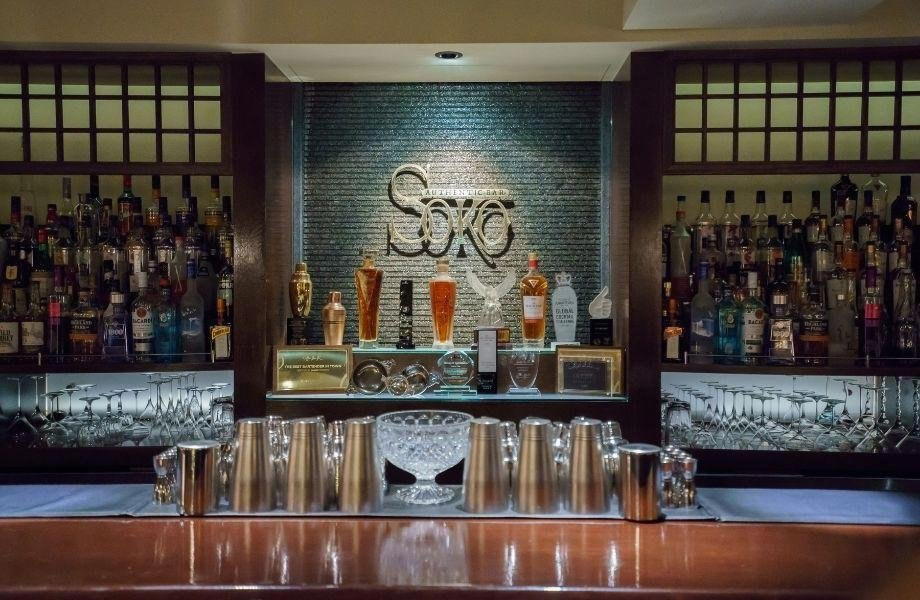
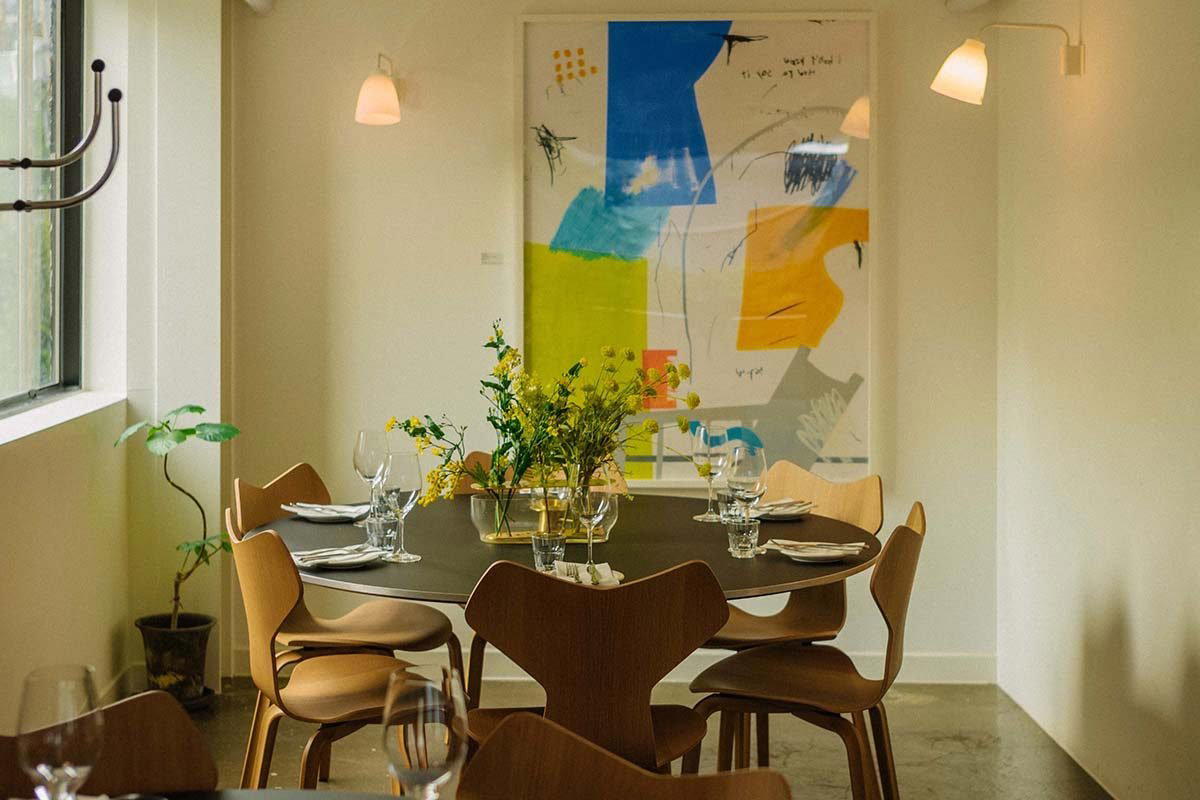
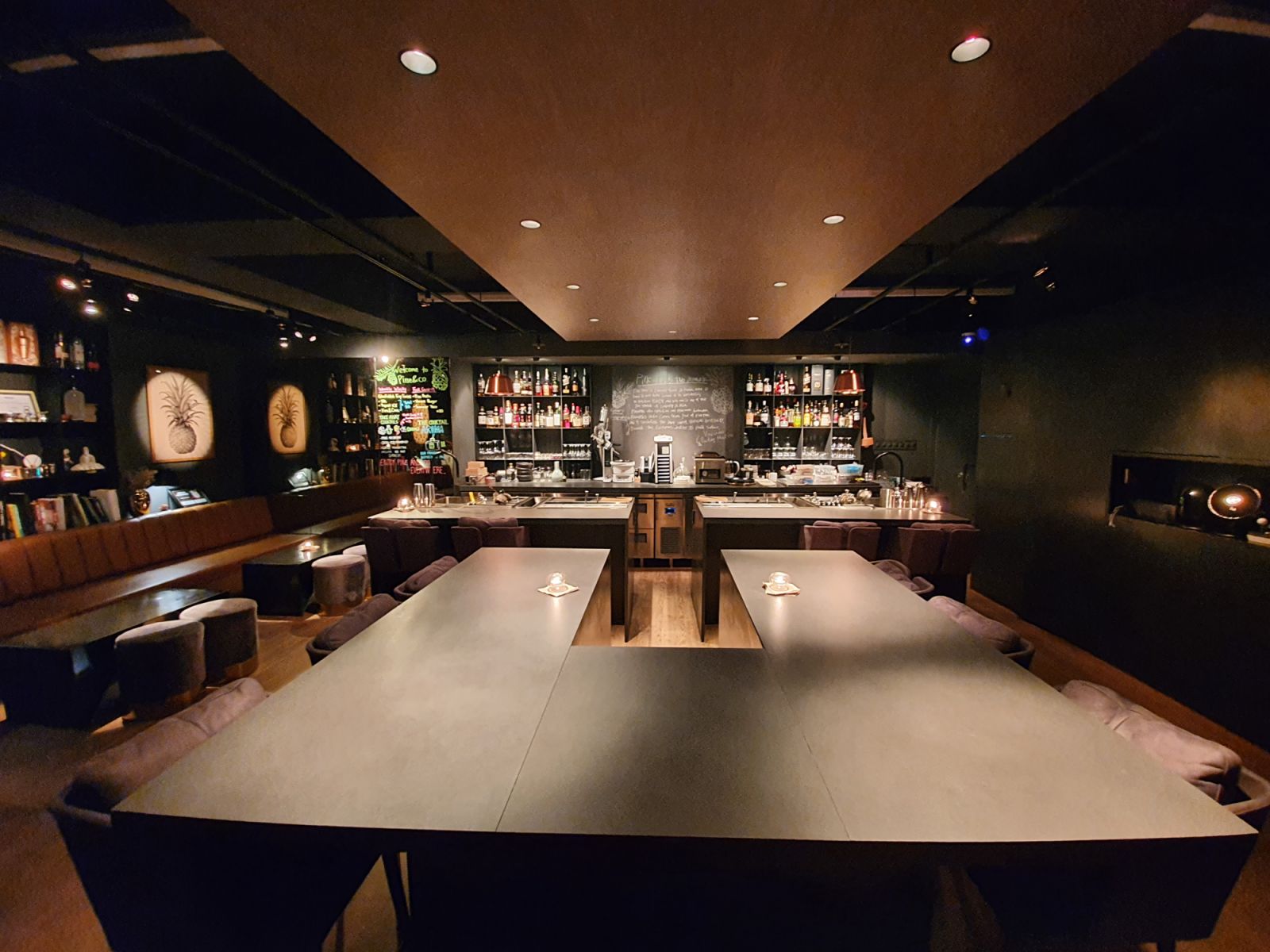
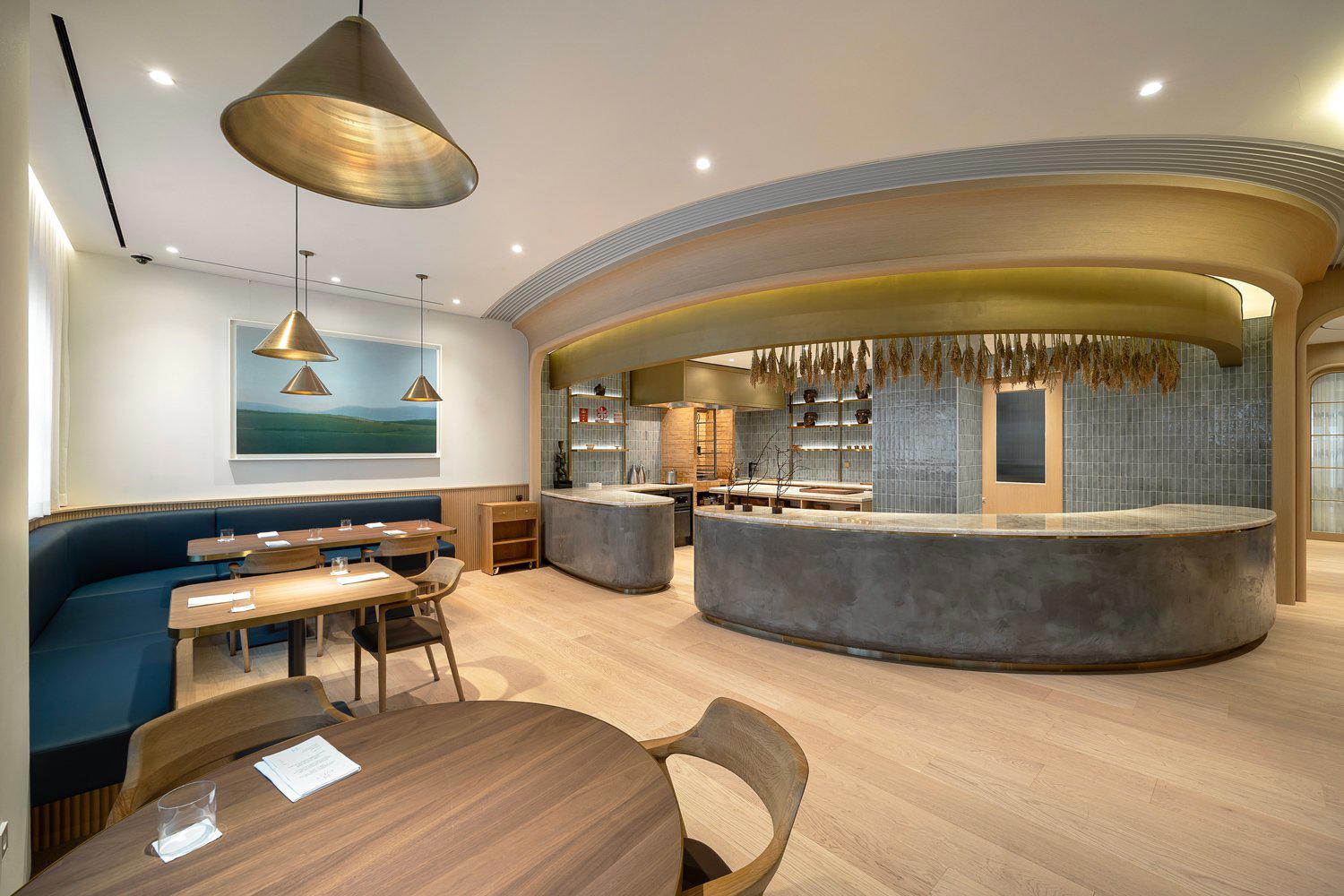
Cozy and inviting with industrial lights, lush greenery, clean and sunny atmosphere.