
Tabelog Bronze #489
Our verdict
Tsuru Hachi places Kumamoto tempura in the intimate counter tradition rather than the banquet-room model: nine seats, evening service, and a price band of JPY 8,000–9,999. Its 2026 Tabelog Bronze award and repeated Tabelog Tempura 100 selections put it in a small national conversation, while the Shinshigai address keeps the experience rooted in central Kumamoto rather than Tokyo-style ceremony.

Pearl is the En Primeur Club membership app — saves, bookings, and concierge access live there. Same editors, same standards.
- Address
- Japan, 〒860-0803 Kumamoto, Chuo Ward, Shinshigai, 1−2 Fujimoto buil, 2階
- Phone
- +81 96-352-7708
- Hours
- Mon–Sat 5–9 PMSun Closed
- Website
- instagram.com
- Directions
- Get directions
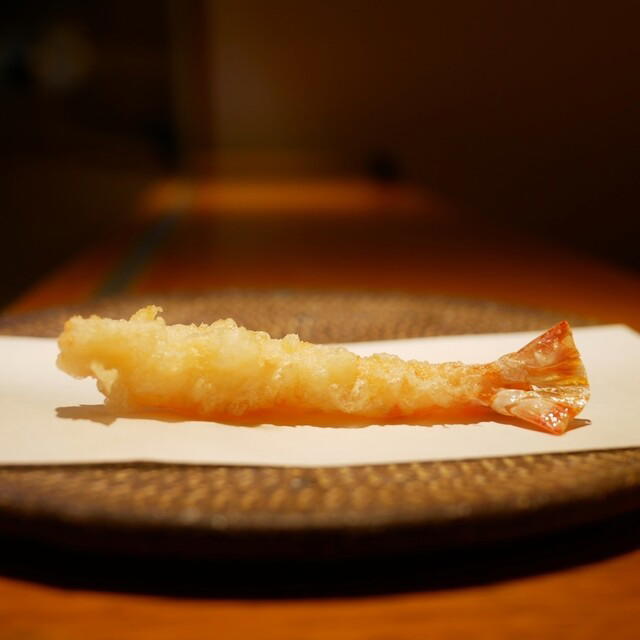
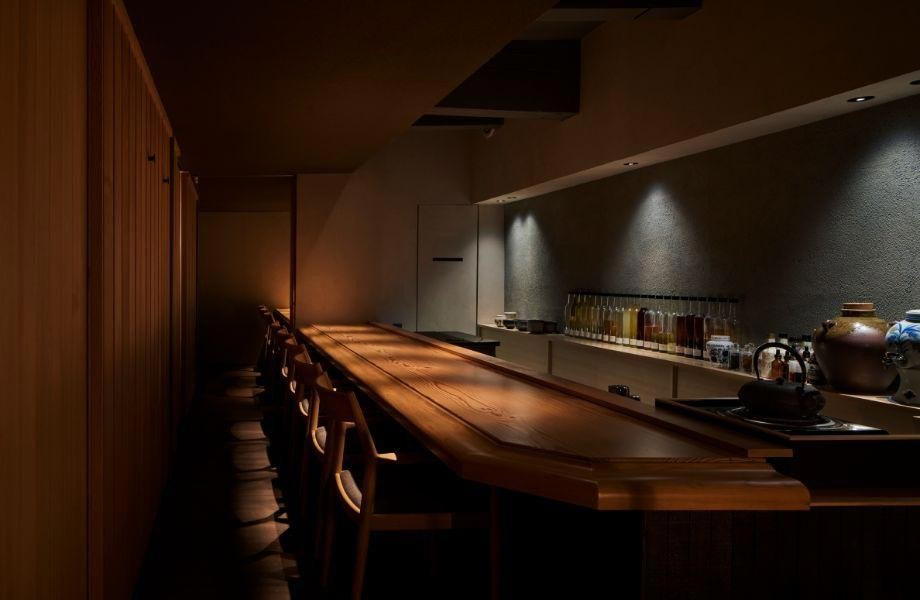
Shinshigai is central Kumamoto after dark: compact blocks, upper-floor dining rooms, tram access, and a scale that rewards planning over wandering. In that setting, a nine-seat tempura counter changes dinner’s tempo. The room is not built for spectacle or volume; it belongs to the Japanese counter tradition, where sequence, heat, and timing matter more than decoration. Tsuru Hachi fits that grammar: counter seating, no private rooms, and an evening-only rhythm that makes tempura a paced, multi-course experience, not a plate of fried food.
That distinction matters in Japan. Serious tempura shares more with kaiseki than casual assumptions suggest: seasonality, controlled progression, restraint, and attention to the interval between preparation and eating. Batter is only one part of the form. The larger point is order: vegetables, seafood, and closing dishes arranged so the meal rises and settles without heaviness. In Kumamoto, where travelers often think first of horse meat, shochu, or regional izakaya cooking, a dedicated tempura counter gives a different view of the city’s dining culture.
Tempura read through kaiseki discipline
Tempura at this level is a study in restraint. The form depends on the short path from fryer to guest, giving counter restaurants an advantage over larger dining rooms. With nine seats, the kitchen has little room for compromise: each piece can be served in sequence, and the diner experiences progression rather than a shared platter. The listed focus on fish places the kitchen in a seafood-led tempura tradition, while the drinks structure, sake, shochu, and wine, reflects Kumamoto’s broader drinking habits without forcing one pairing ideology.
The kaiseki comparison explains what the diner is paying for. The dinner price band, JPY 8,000–9,999, is less a luxury signal than a format signal. In a small counter room, cost is tied to labor, pacing, ingredients, and the number of guests served in an evening. The meal asks for attention. It is not for a rushed stop between bars, nor designed around menu sprawl. It rewards diners who value tempura’s incremental differences: timing, moisture, cut, temperature, and how each course resets the palate before the next.
Tabelog’s recognition gives the restaurant a firmer national marker. Tsuru Hachi received The Tabelog Award 2026 Bronze and was selected for Tabelog Tempura 100 in 2025, 2023, and 2022. In Japan’s restaurant culture, where Tabelog carries unusual influence among domestic diners, those signals place a Kumamoto tempura counter in a category often associated with larger dining capitals. The useful reading is not that awards make the meal; repeated selection indicates consistency in a narrow specialty where technique is easy to judge and hard to disguise.
Why the Shinshigai address changes the read
Kumamoto’s central dining districts work differently from Tokyo or Kyoto’s polished destination corridors. The city’s better meals often sit close to everyday nightlife: tram stops, commercial buildings, and small upstairs rooms rather than grand entrances. Shinshigai gives Tsuru Hachi that context. The address near Karashimacho is practical for visitors staying around the city center, but the restaurant’s scale means dinner should be a planned reservation, not a fallback.
That urban setting shapes the mood. A tempura counter in a compact Kumamoto room has a different charge from a hotel dining room or temple-adjacent Kyoto meal. It is more direct, more local in social rhythm, and less dependent on ceremony. The no-smoking policy and fragrance request point to the same rule: the room is small enough that each guest affects everyone else’s meal. This is not etiquette for etiquette’s sake; it is practical dining culture in a nine-seat space where scent, noise, and timing travel quickly.
For travelers building a Kumamoto food itinerary, the counter belongs beside other specialized formats rather than broad regional dining. The city can support several registers in one trip: contemporary cooking at .know, local chicken specialization at Amakusa Daiou Senmon Ten Tosaka, Italian technique at antica locanda MIYAMOTO, wine-bar dining at BARON, and Sichuan cooking at China Sichuan Togen. Used that way, tempura becomes one chapter in a broader city study, not a token Japanese meal.
Planning the meal without overcomplicating it
The practical read is simple: this is an evening restaurant with limited seating, reservations available, Sunday closure, no parking, credit-card acceptance, and no private rooms. The cancellation-policy note attached to reservations deserves attention, because a small counter has little slack when guest numbers shift. The fragrance guidance also matters. In a room devoted to hot oil, seafood, and subtle sequence, strong perfume is not a harmless personal detail.
The format works well for couples, solo diners comfortable at counters, and small groups who can follow a quiet meal without making it a party. Families should assess the group’s age and dining patience before committing; the price band and counter format suit older children or teenagers who already enjoy structured meals more than young children needing flexibility. For broader planning, use Our full Kumamoto restaurants guide alongside Our full Kumamoto hotels guide, Our full Kumamoto bars guide, Our full Kumamoto wineries guide, and Our full Kumamoto experiences guide.
Travelers comparing tempura across Japan can treat Kumamoto as a counterpoint to larger-city dining. Tokyo has specialist tempura counters such as Akita Tempura Mikawa, Tempura in Tokyo and Azabu Ichigo, Tempura in Tokyo, while other city guides show how focused formats travel across the country, from -Grilled beef Sukiyaki- KAMAKURA TANUKIAN 鎌倉 たぬき庵 in Kamakura to. 鮪と炭火焼き うお炭 秋葉原店 in Tokyo.cafe in Osaka, (Shoku) Vietnam in Kawasaki, [Curry Senmon Ten] Maruyama Kyoju. in Sapporo, and [ki:] in Kyoto. Tsuru Hachi’s appeal is more specific: a compact Kumamoto counter where tempura is treated as sequence, not garnish.
Frequently asked questions
Does Tsuru Hachi work for a family meal?
It can suit a small family meal, especially with its 9 seats and counter seating, but private rooms are unavailable. The setup is better for a compact dinner than for larger groups that need more space.
How would you describe the vibe at Tsuru Hachi?
Think compact and quiet rather than showy: the space is described as stylish and relaxing, with counter seating and a non-smoking room. In Shinshigai, that reads as a focused tempura dinner rather than a casual drop-in.
What cuisine category does Tsuru Hachi fall under?
Tsuru Hachi serves Tempura cuisine.
What does dinner at Tsuru Hachi typically cost?
Pricing at Tsuru Hachi is listed as JPY 8,000 - JPY 9,999.
Is Tsuru Hachi open every day?
Hours at Tsuru Hachi: Mon: 5–9 PM; Tue: 5–9 PM; Wed: 5–9 PM; Thu: 5–9 PM; Fri: 5–9 PM; Sat: 5–9 PM; Sun: Closed.
How do I find Tsuru Hachi?
Tsuru Hachi is located in Kumamoto.
Comparable Venues
Comparable venues nearby, for context on price, style, and recognition.
| Venue | Cuisine | Price | Awards | Notes |
|---|---|---|---|---|
| Tsuru HachiThis venue — the venue you are viewing | Traditional Tempura | $50–100 | Tabelog Bronze #489 | Not listed |
| Yakiniku Sudou Kumamoto honten | Full-attended Japanese Yakiniku with Kyushu Black Wagyu | Not listed | Not listed | Kamitori / Torichosuji |
| むら上 | High-end Sushi Omakase | $150–200 | Tabelog Bronze #295 | Chuo-ku |
| .know | Creative Japanese Fine Dining | $50–100 | Tabelog 100 #47 | Gionbashi |
| Yoshoku no Mise Hashimoto | Japanese-style Western Cuisine (Yoshoku) | $30–50 | Tabelog 100 #55 | Kamitori-cho, Chuo Ward |
| 花小町 | Modern Kumamoto Regional Cuisine | $100–150 | Tabelog 100 #31 | Kumamoto |
Recognition history
Dated appearances from independent guides and award organizations, with the underlying list record or original source where available.
Tabelog Bronze #489
Tabelog
Full recognition history (2 entries)
Tabelog 100 #55 · No. 55
Tabelog · Tabelog 100 - Tempura - 2025
Details
- Elegant
- Intimate
- Classic
- Special Occasion
- Solo
- Business Dinner
- Chefs Counter
- Open Kitchen
- Sake Program
- Local Sourcing
- Counter Dining
- Set Menu
- Sake
- Shochu
- Wine
Current opening hours
- Monday
- 5–9 PM
- Tuesday
- 5–9 PM
- Wednesday
- 5–9 PM
- Thursday
- 5–9 PM
- Friday
- 5–9 PM
- Saturday
- 5–9 PM
- Sunday
- Closed
Hours can change for holidays and private events. Last verified .
Stylish and relaxing counter-seating space with a focus on craftsmanship and seasonal presentation.