
Doyama sits in Nagasaki’s serious Japanese dining tier, where local recognition matters more than spectacle. Its Tabelog Bronze Award 2025 and 3.75 score place it in a selective bracket for the city, useful for travelers reading Nagasaki through craft, restraint, and regional food culture rather than through tourist shorthand.
Pearl is the En Primeur Club membership app — saves, bookings, and concierge access live there. Same editors, same standards.
- Address
- 7-55 Kajiyamachi, Nagasaki, 850-0831, Japan
- Phone
- +81 95-823-7811
- Website
- tabelog.com
- Directions
- Get directions
 Saves & bookings on Pearl
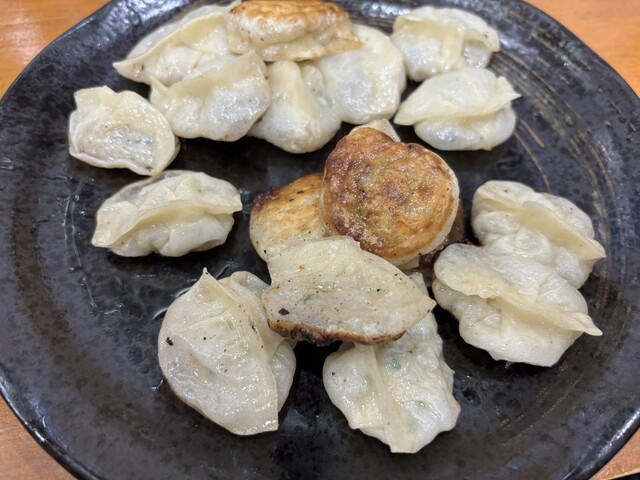
Approaching the older dining pockets of Nagasaki, the city changes register. The port-city bustle gives way to narrower streets, small signs, and rooms where Japanese cuisine is treated less as performance than as local continuity. Doyama belongs to that world: not the casual champon-and-gyoza circuit that many visitors meet first, and not the hotel-restaurant version of Nagasaki, but a more focused address in the city’s Japanese dining tier.
Nagasaki’s food identity is often summarized through exchange: Chinese influence, Dutch trade, port history, and the layered cooking that came from centuries of contact. That shorthand is useful, but it can flatten the city. Japanese cuisine here has its own serious register, one that does not need to announce itself through novelty. Doyama’s Tabelog Bronze Award 2025 and 3.75 score make the point in a practical way: within Nagasaki, critical attention is not reserved only for the city’s famous hybrid dishes or Chinatown staples.
Japanese cooking in a port city better known for cross-cultural dishes
The useful way to read Doyama is against Nagasaki’s broader table. A visitor can spend a day moving from Chinese-rooted dining to coffee, bread, and local drinking without leaving the city’s food logic. Chinese cuisine GUNRAIKEN and Chinese Saikan Kozanro Chuukagai shinkan sit closer to the public-facing Nagasaki story, while bread A espresso and BEARD show how contemporary casual formats have also become part of the city’s eating rhythm. Doyama occupies a quieter lane: Japanese cuisine judged on discipline, pacing, and the confidence to work without tourist explanation.
That matters because Nagasaki is not Tokyo, Kyoto, or Osaka, where the high-end Japanese dining hierarchy is dense and aggressively benchmarked. In a smaller city, a Bronze Award carries a different kind of signal. It identifies a restaurant that has earned attention in a market where serious diners often rely on local reputation, repeat visits, and specialist scoring rather than international trophy language. The award does not turn the room into a spectacle; it clarifies the level at which the kitchen is being discussed.
For travelers comparing Nagasaki options, the contrast is sharp. Steak House Okano and Osaka Ya Hamachou ten suggest higher-spend local dining in different registers, while Unryu Tei Honten, Kanro, and Hountei Honten Torifuku sit closer to everyday or lower-priced city eating. Doyama reads differently because its recognition is tied specifically to Japanese cuisine and a Bronze-level Tabelog signal, not to convenience, volume, or tourist familiarity.
The case for choosing restraint over Nagasaki shorthand
Nagasaki rewards diners who do not treat the city as a single-dish destination. The better itinerary lets Chinese-influenced meals, coffee stops, bars, and Japanese dining speak to one another. Doyama works in that structure as the composed meal, the one that gives the day a different tempo. It is the counterweight to a city often framed through abundance and cross-cultural color.
The absence of a published chef biography or named signature dish is not a weakness for the reader; it shifts the emphasis back to category and context. In Japan, especially outside the largest restaurant capitals, a serious Japanese restaurant does not always need a personality-led story to justify attention. The relevant evidence is public recognition, consistency of category, and the way the address fits into local dining habits. Doyama’s award and score supply that evidence without requiring imported language from luxury dining.
That makes it a useful choice for a traveler building a Nagasaki food map with range. Asa Honten adds another local reference point, while Our full Nagasaki restaurants guide gives the broader restaurant frame. The wider city planning layer also matters: Our full Nagasaki hotels guide, Our full Nagasaki bars guide, Our full Nagasaki wineries guide, and Our full Nagasaki experiences guide help separate a one-night dining stop from a properly paced stay.
Where Doyama fits in a Japan-wide dining itinerary
For visitors moving beyond Nagasaki, Doyama also helps explain the strength of regional Japanese dining. Japan’s restaurant culture is not only a ladder that climbs toward the largest cities. It is a network of local specialisms, price tiers, and formats that can look modest from the outside while carrying serious meaning within the city. That is why a Nagasaki Japanese restaurant with a Bronze Award can belong in the same planning conversation as destination meals elsewhere, even when the formats differ.
Compare the range of Japanese dining references across cities: -Grilled beef Sukiyaki- KAMAKURA TANUKIAN 鎌倉 たぬき庵 in Kamakura points toward a focused beef tradition. 鮪と炭火焼き うお炭 秋葉原店 in Tokyo toward a metropolis built on specialization.cafe in Osaka toward urban casual rhythm, and.know in Kumamoto toward another Kyushu context. (Shoku) Vietnam in Kawasaki and [Curry Senmon Ten] Maruyama Kyoju. in Sapporo widen the map further, showing how category clarity matters as much as city fame.
The same principle extends outside Japan. Jōdo Saké Bar in Los Angeles and Onigiri Time in Pasadena show how Japanese formats travel and get reinterpreted abroad. Doyama sits at the opposite end of that conversation: rooted in Nagasaki, legible through Japanese critical recognition, and valuable because it keeps the city’s dining story from being reduced to its more familiar tourist dishes.
A Pricing-First Comparison
Comparable venues by cuisine and price in the same metro.
| Venue | Cuisine | Price | Notes |
|---|---|---|---|
| DoyamaThis venue — the venue you are viewing | Not listed | $$$$ | Not listed |
| BEARD | Not listed | $$$ | Obama Onsen, Modern Vegetable-Focused Japanese |
| Osaka Ya Hamachou ten | Not listed | $$$ | Shianbashi / Hamanomachi, Premium Kyushu Wagyu Yakiniku |
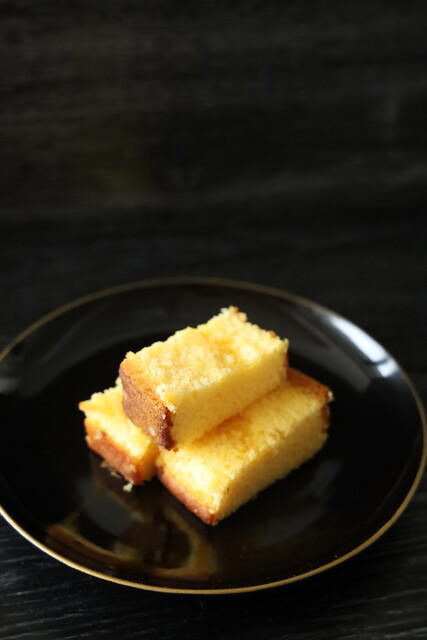
| Shokan Do | Not listed | $ | Meganebashi Bridge, Nagasaki Castella & Japanese Sweets |
| 竹彩 | 秋月町, 鉄板焼き | $$$ | Not listed |
| Unryu Tei Honten | Not listed | $$ | Shianbashi, Traditional Nagasaki bite‑sized gyoza shop |
Recognition history
Dated appearances from independent guides and award organizations, with the underlying list record or original source where available.
Tabelog Bronze
Tabelog
Continue exploring
More in Nagasaki
Restaurants in Nagasaki
Browse all →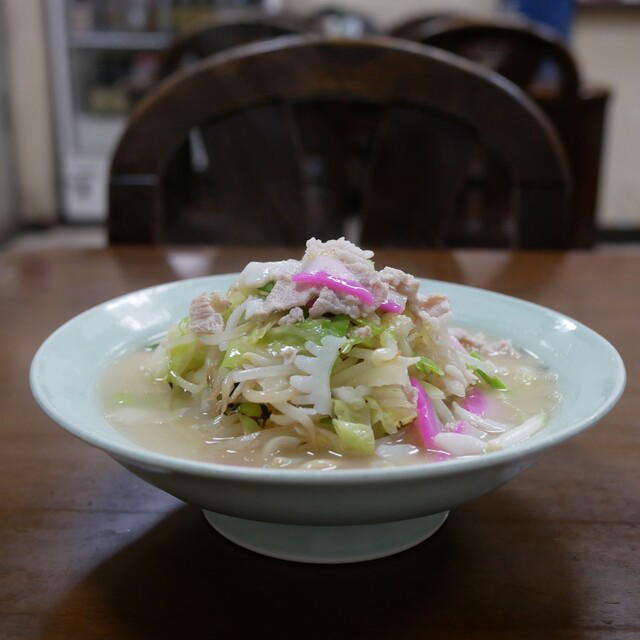
At a Glance
- Elegant
- Intimate
- Sophisticated
- Business Dinner
- Special Occasion
- Solo
- Chefs Counter
- Sake Program
- Local Sourcing
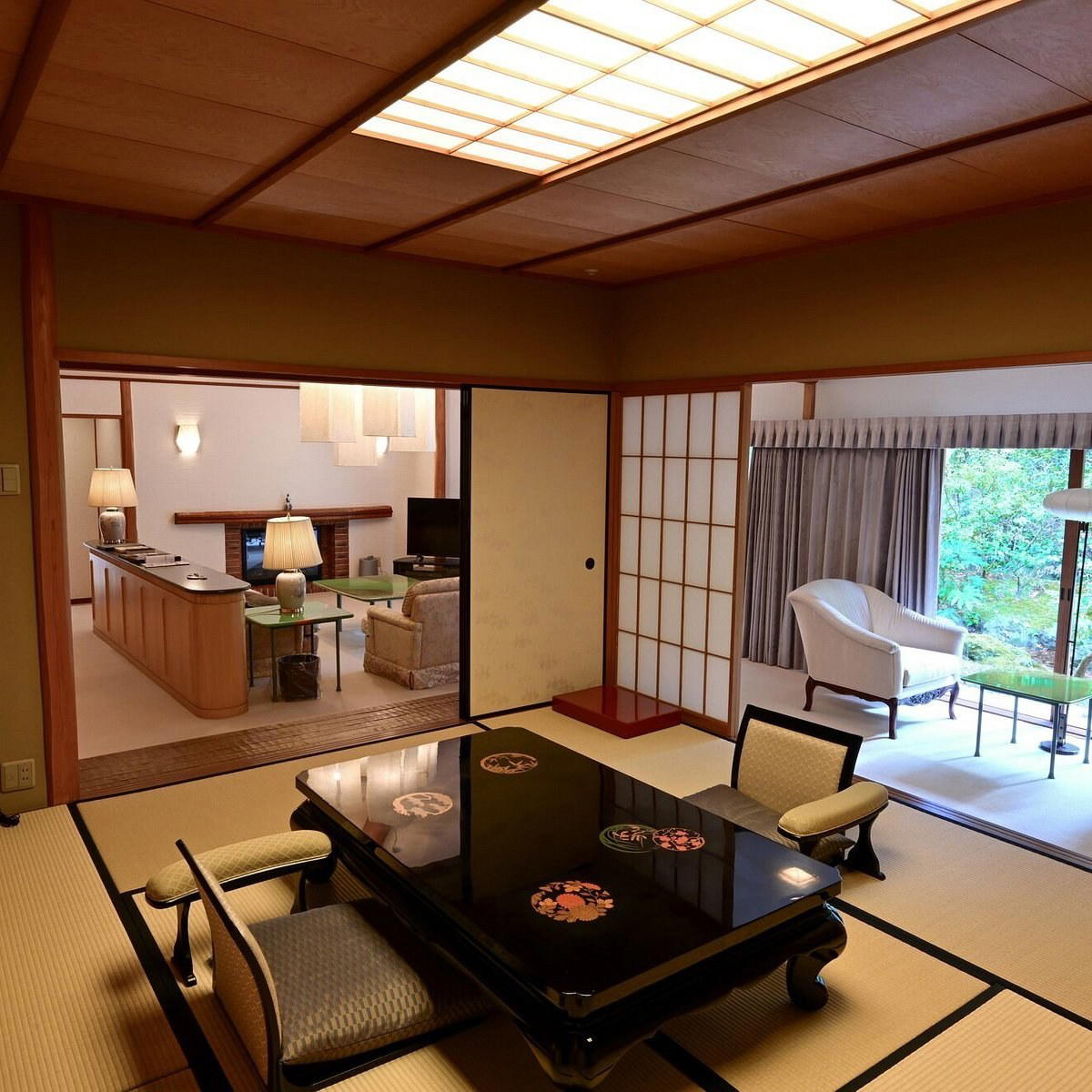
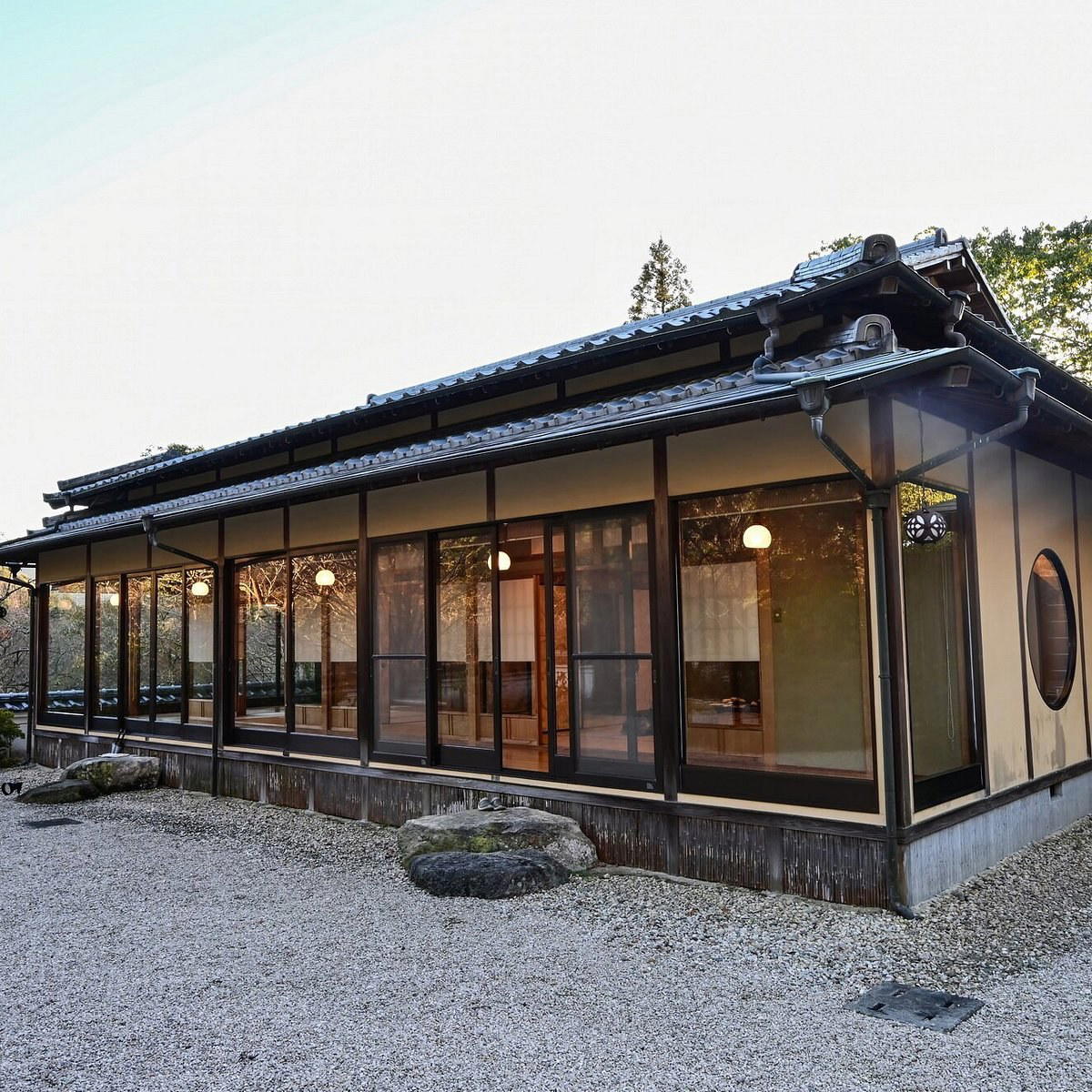
Intimate counter seating with a focused, high-end atmosphere typical of a small kaiseki venue.