
Osaka Ya Hamachou ten puts Nagasaki yakiniku in a higher-spend bracket, with Tabelog 100 Yakiniku WEST recognition in 2025 and a format that suits groups as much as serious beef-focused dinners. The appeal is less about ceremony than control: cuts arrive for the table to grill, with shabu shabu and tripe broadening the meat-led repertoire.
Pearl is the En Primeur Club membership app — saves, bookings, and concierge access live there. Same editors, same standards.
- Address
- Japan, 〒850-0853 Nagasaki, Hamamachi, 11−11 和田ビル 1F
- Phone
- +81 95-820-9198
- Website
- osakaya29.com
 Saves & bookings on Pearl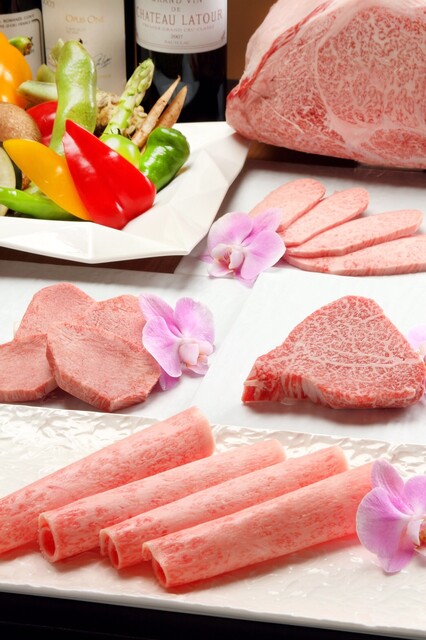
Hamamachi is built for appetite at street level: tram stops, covered shopping arcades, small dining rooms and late-evening foot traffic folding into Shianbashi. In that setting, yakiniku has a different social charge from sushi or kaiseki. The cooking happens at the table, the pace belongs partly to the diner, and the quality of the evening depends on sourcing, cut selection and how well the room manages smoke, heat and groups.
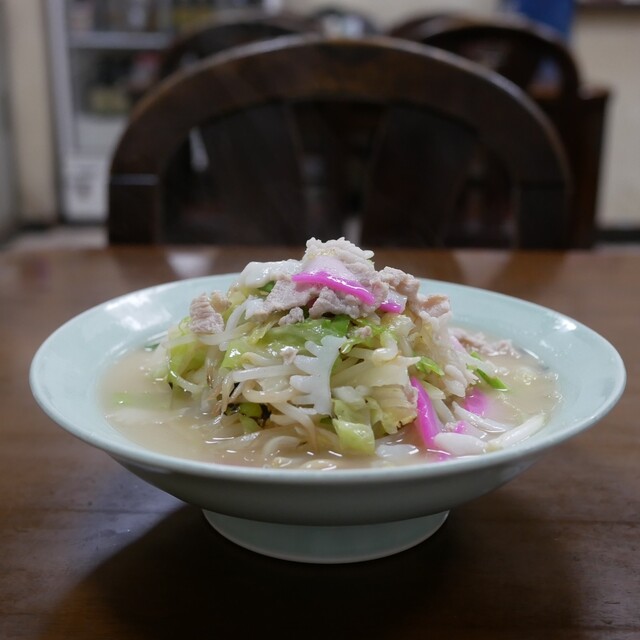
Nagasaki’s dining identity is often introduced through Chinese-Japanese exchange, champon, sara udon and port-city cooking, but beef has its own serious audience here. Osaka Ya Hamachou ten sits in that meat-first category, recognised in the Tabelog 100 Yakiniku WEST 2025 selection and listed with yakiniku, shabu shabu and tripe as its core categories. That matters because yakiniku is a procurement-led cuisine before it is a cooking style. The grill can only flatter what the kitchen has chosen to buy, trim and portion.
Yakiniku in Nagasaki, judged by sourcing rather than spectacle
At the upper end of Japanese barbecue, the decisive work happens before the diner touches the grill. Marbling, offal handling, sauce restraint and the sequence of leaner and richer cuts separate a casual meat shop from a destination-level yakiniku counter or dining room. The 2025 Tabelog 100 Yakiniku WEST listing places Osaka Ya Hamachou ten in a western Japan conversation rather than a purely local one, which is a useful signal in a category where national attention tends to cluster around Tokyo, Osaka and Kobe.
The format also says something about Nagasaki. This is not a city where every strong restaurant needs to imitate metropolitan tasting-menu grammar. A beef room with private-room capacity, tatami seating, table seating and a small counter can serve business dinners, family meals and friends at the same time, without abandoning the seriousness of the product. That range is part of yakiniku’s strength: it can be technical without becoming stiff.
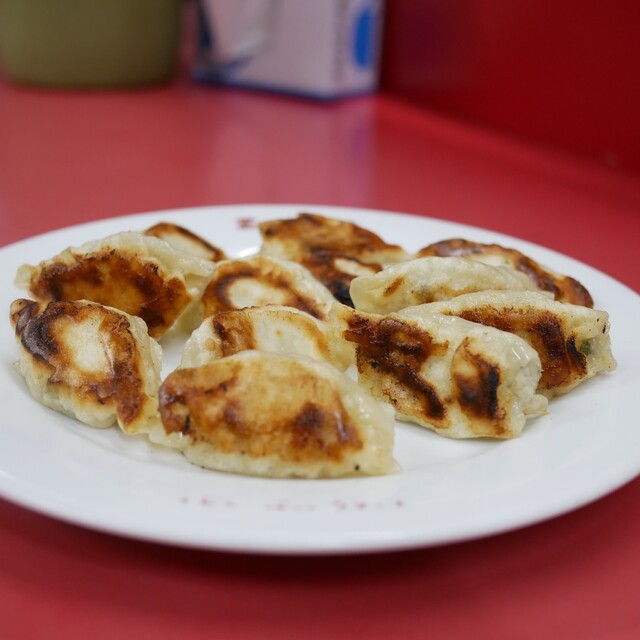
Compared with Nagasaki peers, the positioning is clear. Steak House Okano occupies a steak-house lane at a higher dinner spend, while Unryu Tei Honten and Unryu Tei Douza ten operate in a more casual gyoza-and-local-dining register. Kanro sits at the lighter end of the city’s spending spectrum. Osaka Ya Hamachou ten belongs to the beef-focused middle-high bracket, where the table grill, private rooms and drinks list make the meal more flexible than a fixed-course steak dinner and more deliberate than a quick local stop.
The grill table as a group format, not a chef's monologue
Yakiniku is sometimes misunderstood by travellers as a novelty of tabletop cooking. In Japan, the serious versions are closer to butcher-led dining: the value lies in the range of cuts, the confidence to include tripe and other secondary textures, and the restaurant’s ability to keep the meal moving without forcing a single pace. The inclusion of shabu shabu alongside grilled beef broadens the remit, giving the kitchen a second way to express meat sourcing through broth and slicing rather than direct heat.
The room’s configuration reinforces that democratic quality. A 62-seat layout with tatami seating, tables and counter places it closer to a full-scale neighbourhood institution than an intimate specialist counter. Private rooms for small and large parties make sense for Nagasaki business dinners, family gatherings and travellers who want a meat-led evening without the formality of a tasting menu. A maximum seated party size in the sixties also signals operational depth; this is not a tiny grill room surviving on scarcity.
The drinks direction follows the food rather than distracting from it. Sake, shochu and wine are all part of the listed programme, a practical spread for grilled beef: sake can work with salt and tare, shochu with fat and smoke, wine with richer cuts and longer dinners. For travellers building a broader Nagasaki itinerary, this sits well after daytime routes through the city’s port history and before a later Shianbashi nightcap.
How it fits into a Nagasaki eating plan
Strongest way to read the restaurant is as part of Nagasaki’s wider dining map, not as an isolated beef address. Chinese cooking remains central to the city’s table, and travellers comparing traditions should look at Chinese cuisine GUNRAIKEN and Chinese Saikan Kozanro Chuukagai shinkan for the Chinatown side of the story. For a broader local spread, Asa Honten, BEARD and bread A espresso show how varied the city’s restaurant register has become.
Osaka Ya Hamachou ten is the choice when the evening calls for beef, controlled heat and a table that can carry conversation. The award recognition gives it a credible signal beyond local word of mouth, but the deeper reason to go is category fit: Nagasaki has plenty of quick, inexpensive eating, while a serious yakiniku dinner occupies a slower, more deliberate slot. The reader looking for a single city overview should start with Our full Nagasaki restaurants guide, then match the meal to the rest of the trip through Our full Nagasaki hotels guide, Our full Nagasaki bars guide, Our full Nagasaki wineries guide and Our full Nagasaki experiences guide.
For readers comparing Japanese meat and casual dining across cities, the useful references are about format rather than direct rivalry: -Grilled beef Sukiyaki- KAMAKURA TANUKIAN 鎌倉 たぬき庵 in Kamakura for beef in a different tradition,. 鮪と炭火焼き うお炭 秋葉原店 in Tokyo for charcoal-led dining,.cafe in Osaka,.know in Kumamoto, (Shoku) Vietnam in Kawasaki, [Curry Senmon Ten] Maruyama Kyoju. in Sapporo, Jōdo Saké Bar in Los Angeles and Onigiri Time in Pasadena. The through-line is how Japanese dining formats travel, specialise and hold their shape across different cities.
Comparable Spots, Quickly
Comparable venues by cuisine and price in the same metro.
| Venue | Cuisine | Price | Awards | Notes |
|---|---|---|---|---|
| Osaka Ya Hamachou tenThis venue — the venue you are viewing | Premium Kyushu Wagyu Yakiniku | $$$ | , | |
| Primrose | Yoshoku / Japanese-Western Cuisine | $$ | , | Furukawa-machi / Meganebashi |
| BEARD | Modern Vegetable-Focused Japanese | $$$ | Obama Onsen | |
| Coffee Fujio | Retro Japanese Cafe Sandwiches | $$ | , | Kajiyamachi |
| Villa del nido | Regional Italian with Local Shimabara Ingredients | $$$ | Kunimi Town, Unzen | |
| Unryu Tei Honten | Traditional Nagasaki bite‑sized gyoza shop | $$ | , | Shianbashi |
Continue exploring
More in Nagasaki
Restaurants in Nagasaki
Browse all →
Hotels in Nagasaki
Browse all →
Wineries in Nagasaki
Browse all →
At a Glance
- Lively
- Elegant
- Cozy
- Date Night
- Business Dinner
- Group Dining
- Family
- Celebration
- Special Occasion
- After Work
- Late Night
- Standalone
- Beer Program
- Sake Program
- Local Sourcing
A bustling, polished yakiniku dining room in a white-walled streetfront building, with the feel of a long-established local favorite: warm service, the sizzle of grills, and an upscale yet relaxed atmosphere suited to both celebrations and everyday dinners.