
Tabelog 100 #7
Our verdict
Asa Honten belongs to Nagasaki’s serious izakaya tier: seafood-led, drink-aware, and recognised by Tabelog’s Izakaya WEST 100 selection in 2024 and 2025. Its appeal is not ceremony but sourcing logic, with local fish, sake and shochu doing the work in a city shaped by port trade and nightly tavern culture.

Pearl is the En Primeur Club membership app — saves, bookings, and concierge access live there. Same editors, same standards.
- Address
- 4-8 Ebisumachi, Nagasaki, 850-0056, Japan
- Phone
- +81 95-824-9099
- Hours
- Daily 5 PM–12 AM
- Website
- nagasaki-asa.com
- Directions
- Get directions
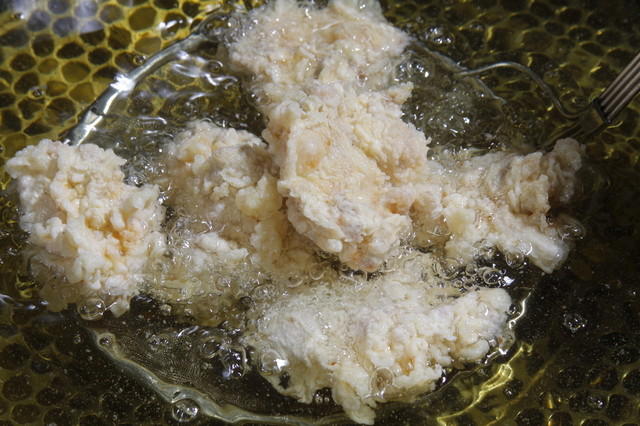
Approaching an izakaya in central Nagasaki after dark, the city’s food logic becomes clear before a menu appears. This is a port city first: compact streets, tram stops close to dinner rooms, and a habit of eating that moves easily between seafood, Chinese-influenced cooking and late-evening drinking. Asa Honten sits inside that pattern rather than above it, a seafood-focused izakaya where the point is not a long tasting ritual but the city’s supply chain translated into a casual night out.
Nagasaki rewards restaurants that understand proximity. Fish does not need theatrical handling here to make its case; the prefecture’s coastline and islands give local kitchens a broader marine vocabulary than inland cities can claim. In that context, an izakaya built around fish, seasonal local ingredients, sake and shochu is not a generic tavern format. It is one of the more direct ways to read the city at dinner.
Seafood izakaya as Nagasaki's working dinner format
The better izakaya tradition in Japan is often misunderstood by visitors as informality without structure. In practice, the format has its own discipline: food must move comfortably with alcohol, groups need a table rhythm, and the menu has to satisfy both a quick drink and a full dinner. In Nagasaki, seafood gives that format its centre of gravity. Asa Honten’s listed categories, izakaya, creative cooking and seafood, put it in the lane where local fish is expected to carry more weight than decorative technique.
The recognition matters because izakaya awards rarely point to luxury in the Western sense. Selection for Tabelog’s Izakaya WEST 100 in both 2024 and 2025 places the restaurant among a competitive regional group judged within the tavern category, not against kaiseki rooms or sushi counters. Its Tabelog score of 3.68 also signals a venue with sustained local and traveller attention, particularly in a city where dinner choices range from Chinatown institutions to counter-led drinking rooms.
That is why the ingredient angle is the useful lens. Nagasaki’s dining identity has never been a single cuisine story. Chinese cooking is central to the city’s public food memory, cafés and bakeries fill daytime gaps, and seafood taverns handle the evening. For a wider map of those contrasts, Our full Nagasaki restaurants guide is the right starting point; nearby reference points include Chinese cuisine GUNRAIKEN, Chinese Saikan Kozanro Chuukagai shinkan, bread A espresso, Coffee Fujio and BEARD. Together they show a city where casual formats can be as revealing as formal dining rooms.
A room built for groups, counters and drinking food
The physical format tells the reader how to use the place. The restaurant lists 49 seats, including 9 counter seats, tatami seating and table seating, with no private rooms. That mix suits Nagasaki’s izakaya culture better than a hushed counter-only setup. Counter seats work for a compact dinner focused on fish and drinks; tatami and table seating make more sense for friends ordering across categories.
Drinks are not an afterthought. The listed range includes sake, shochu, wine and cocktails, with particular attention to sake and shochu. For a seafood-led izakaya, that breadth is practical rather than decorative. Sake handles cleaner fish preparations, shochu gives a stronger regional drinking frame, and wine or cocktails allow mixed groups to avoid the forced seriousness that can make some Japanese dining rooms feel narrower than they are.
Price positioning reinforces the point. Against Nagasaki daytime and casual dining references such as bread A espresso under JPY 999, Shokan Do and Primrose around JPY 1,000 to JPY 1,999, or Chinese cuisine GUNRAIKEN at JPY 2,000 to JPY 2,999, this dinner bracket moves into a more committed evening category without becoming a formal splurge. The smarter read is not cheap versus expensive; it is whether the extra spend buys access to local seafood, drink range and a room that can carry a full night.
How to place it in a Nagasaki itinerary
Asa Honten works well as the seafood-and-drinks anchor of a Nagasaki evening, especially for travellers who want a local tavern format with external recognition rather than a tasting-menu itinerary. The surrounding area is practical by city standards, with Sakuramachi named as the nearest station and the restaurant positioned in Ebisumachi, close enough to fold into a tram-based night without turning dinner into a transfer problem.
The planning caveat is simple: this is not the place to seek private-room formality. It is a non-smoking izakaya with counter, tatami and table seating, reservations available, card payment accepted, PayPay accepted, and no dedicated parking. Nearby paid parking is the practical solution for drivers. Year-end operations are also defined more tightly than many small restaurants, with service continuing until December 30 and reopening on January 2, a useful detail for holiday travel in Japan.
For visitors building a fuller stay around the meal, the city reads better when restaurants are paired with lodging, drinking and daytime culture rather than treated as isolated bookings. Use Our full Nagasaki hotels guide, Our full Nagasaki bars guide, Our full Nagasaki wineries guide and Our full Nagasaki experiences guide to shape the rest of the trip. For broader Japanese dining context beyond Nagasaki, EP Club’s restaurant coverage also includes -Grilled beef Sukiyaki- KAMAKURA TANUKIAN 鎌倉 たぬき庵 in Kamakura. 鮪と炭火焼き うお炭 秋葉原店 in Tokyo.cafe in Osaka.know in Kumamoto, (Shoku) Vietnam in Kawasaki, [Curry Senmon Ten] Maruyama Kyoju. in Sapporo, Jōdo Saké Bar in Los Angeles and Onigiri Time in Pasadena.
The editorial case is clear: this is a dinner for travellers who want Nagasaki’s seafood culture in a drinking-room format, backed by Tabelog category recognition and enough seating variety for both counters and groups. It is casual, but not careless; ingredient-driven, but not precious.
Frequently asked questions
Is Asa Honten suitable for children?
For older children, yes. The 49-seat room includes tatami and table seating, but Asa Honten is an izakaya in Nagasaki with nightly hours until 12 AM, so the setting suits adults more naturally than a family early-dinner room.
Is Asa Honten formal or casual?
Casual. Asa Honten is listed as an izakaya with counter, tatami and table seating, and its JPY 3,000–JPY 3,999 price range keeps the tone relaxed rather than formal.
What should I budget for a meal at Asa Honten?
Pricing at Asa Honten is listed as JPY 3,000 - JPY 3,999.
What is Asa Honten known for?
Asa Honten is primarily known for its core concept and execution in Nagasaki.
Comparable Spots, Quickly
Comparable venues by cuisine and price in the same metro.
| Venue | Cuisine | Price | Awards | Notes |
|---|---|---|---|---|
| Asa HontenThis venue — the venue you are viewing | Izakaya / Creative Seafood | $30–50 | Tabelog 100 #7 | Not listed |
| Iwanaga Baijuken | Traditional Japanese wagashi & castella shop | $10–20 | Tabelog 100 #29 | Suwamachi |
| Osaka Ya Hamachou ten | Premium Kyushu Wagyu Yakiniku | $50–100 | Tabelog 100 #92 | Shianbashi / Hamanomachi |
| Primrose | Yoshoku / Japanese-Western Cuisine | $10–20 | Tabelog 100 #11 | Furukawa-machi / Meganebashi |
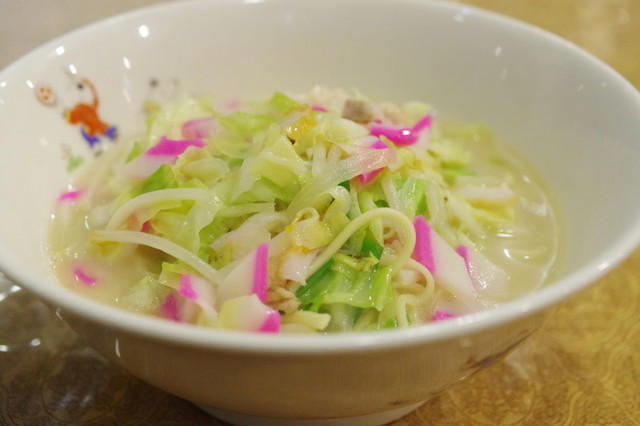
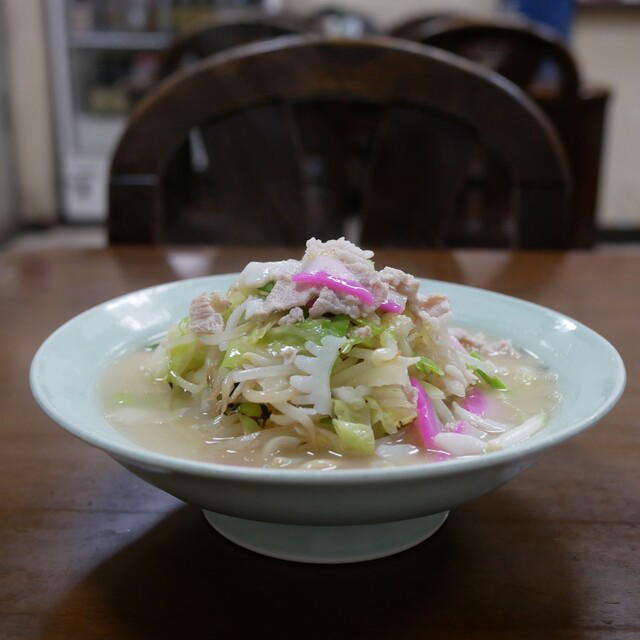
| Chinese cuisine GUNRAIKEN | Chinese (Nagasaki Champon) | $10–20 | Tabelog 100 #52 | Edomachi |
| Unryu Tei Honten | Traditional Nagasaki bite‑sized gyoza shop | $20–30 | Tabelog 100 #5 | Shianbashi |
Recognition history
Dated appearances from independent guides and award organizations, with the underlying list record or original source where available.
Tabelog 100 #7 · No. 7
Tabelog · Tabelog 100 - Izakaya - WEST - 2025
Continue exploring
More in Nagasaki
Restaurants in Nagasaki
Browse all →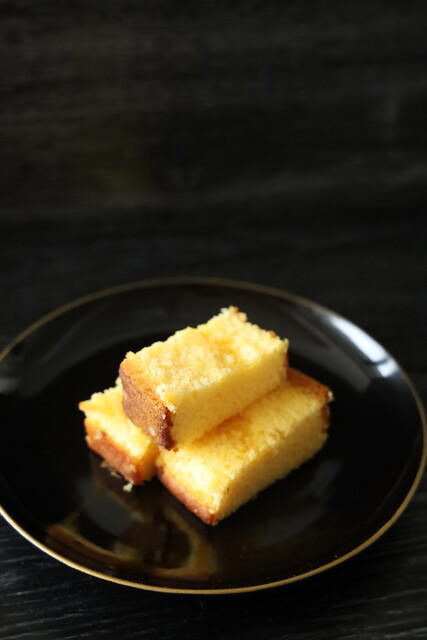
Details
- Lively
- Cozy
- Classic
- Group Dining
- After Work
- Casual Hangout
- Date Night
- Celebration
- Standalone
- Sake Program
- Beer Program
- Local Sourcing
- Sustainable Seafood
- A La Carte
- Sake
- Beer
- Pescatarian Friendly
Current opening hours
- Monday
- 5 PM–12 AM
- Tuesday
- 5 PM–12 AM
- Wednesday
- 5 PM–12 AM
- Thursday
- 5 PM–12 AM
- Friday
- 5 PM–12 AM
- Saturday
- 5 PM–12 AM
- Sunday
- 5 PM–12 AM
Hours can change for holidays and private events. Last verified .
Stylish and lively, with a black interior and a convivial tavern atmosphere suited to parties and casual gatherings.