Sapporo's Italian fine dining scene has a small but serious tier, and Ristorante Canofilo in Chuo Ward sits within it. The restaurant draws on Hokkaido's extraordinary larder, from dairy and seafood to cold-climate produce, framing them through an Italian structural lens. For visitors already mapping the city's western-cuisine addresses alongside kaiseki and sushi, it belongs on the list.
Pearl is the En Primeur Club membership app — saves, bookings, and concierge access live there. Same editors, same standards.
- Address
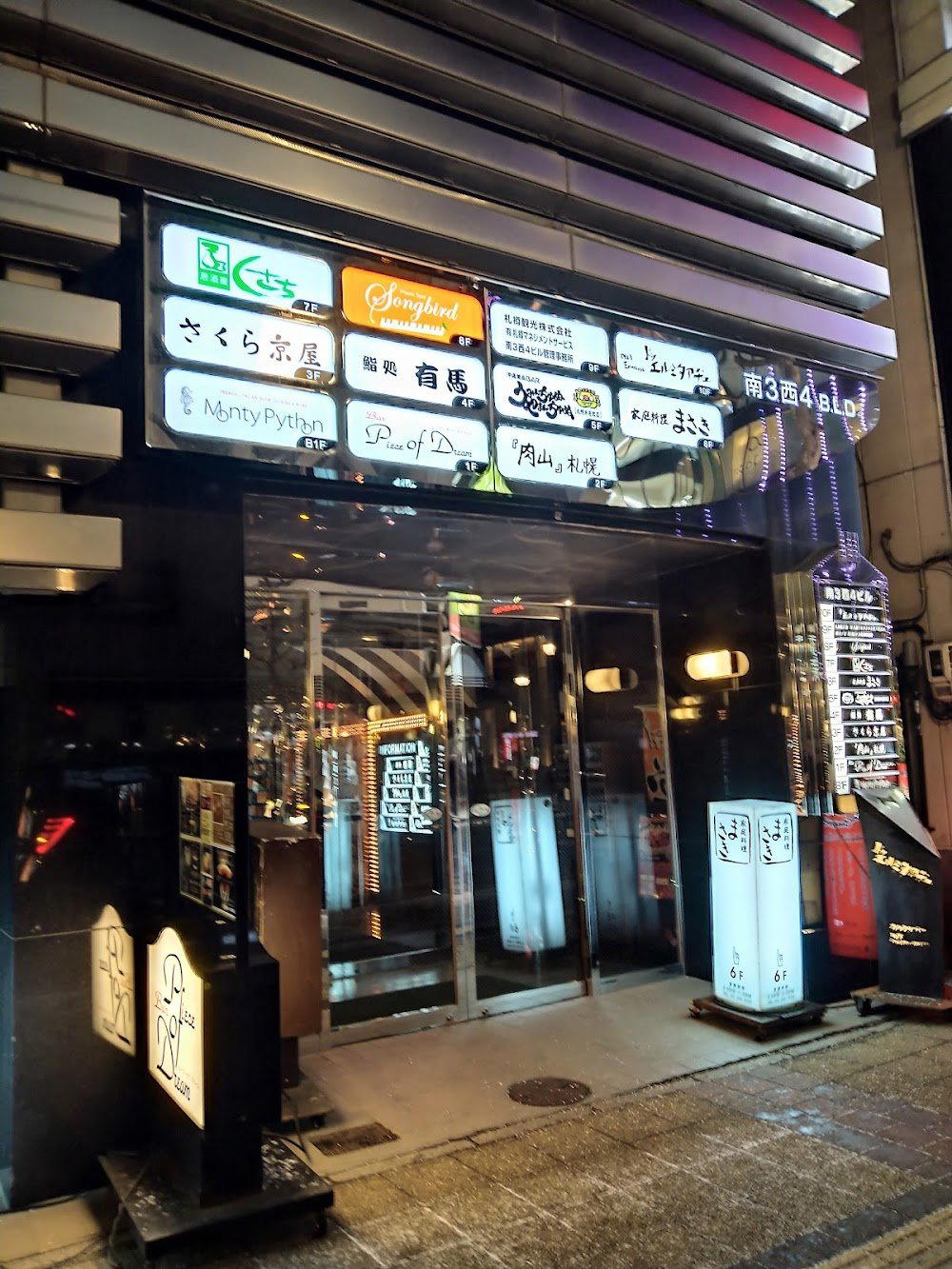
- 1 Chome-1-2 Minami 2 Jonishi, Chuo Ward, Sapporo, Hokkaido 060-0062, Japan
- Phone
- +81112420808
- Website
- canofilo.jp
- Directions
- Get directions
 Saves & bookings on Pearl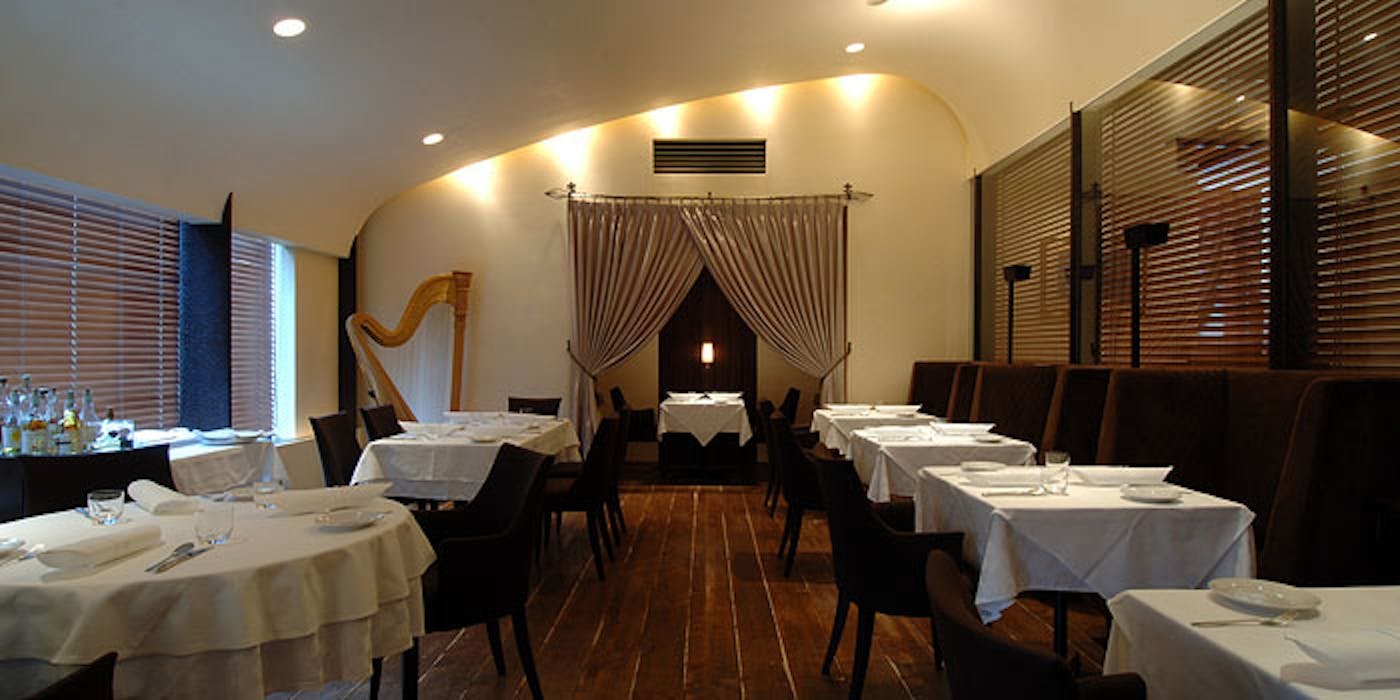
Italian Structure, Hokkaido Materials
Sapporo's fine dining map is more pluralistic than most outside visitors expect. The city holds respected kaiseki rooms, serious sushi counters, and a western-cuisine tier that has grown in coherence over the past decade. Within that western tier, Italian fine dining occupies a specific position: it tends to attract chefs who treat Hokkaido's agricultural and marine output as primary material, then apply European structure and technique to organise it. Ristorante Canofilo, on Minami 2 Jonishi in Chuo Ward, sits squarely inside that approach.
The address places it in central Sapporo, walkable from Susukino and the city's main retail and transit corridors. Chuo Ward concentrates a significant share of the city's higher-end dining, from the kaiseki rooms around Tanuki Koji to the French and Italian addresses that have accumulated over several decades of Hokkaido's reputation as a serious food region. For context, comparison venues in the same city include Arima (Sushi), Hanakoji Sawada (Kaiseki), and Higebozu, each working within different culinary frameworks but drawing on the same notable regional larder.
The Case for Hokkaido as an Italian Kitchen
Italian cooking at this level has an inherent logic when practised in Hokkaido. The island's dairy production is among the more respected in Japan: the butter, cream, and cheese coming out of Tokachi and Furano prefectures carry a richness that translates directly into northern Italian pasta and risotto traditions. Cold-water seafood, including sea urchin from the Okhotsk coast, scallops from Sarufutsu, and various deepwater fish, maps convincingly onto Italian coastal preparations. Lamb and venison from Hokkaido's interior extend the larder further.
This is not a niche observation. Several of Sapporo's most serious western kitchens have built their identities around exactly this thesis, and the city has developed a distinct regional style within French and Italian fine dining that is noticeably different from what Tokyo's Italian tier offers. Tokyo's leading Italian houses compete on import access and continental pedigree. Sapporo's leading argue that local specificity is the more interesting proposition. For a broader view of how the city's restaurants distribute across that argument, see our full Sapporo restaurants guide.
How the Meal is Likely to Progress
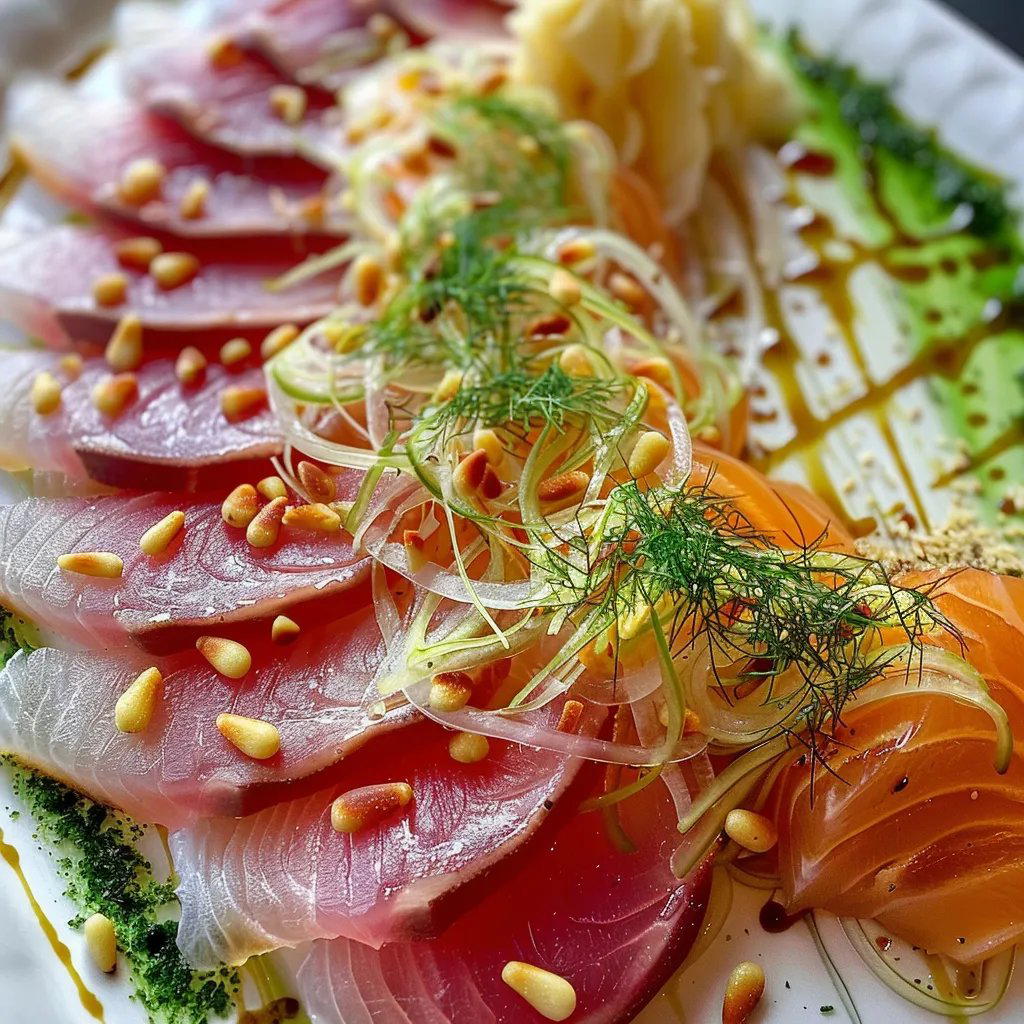
An antipasto sequence opens with lighter, more vegetable- or seafood-forward preparations, often showcasing a single ingredient in a form that signals the kitchen's technical orientation. Pasta follows as the meal's architectural centre, and in a Hokkaido Italian context this is frequently where particularly locally specific thinking appears: house-made forms with regional dairy enriching the sauce or filling, or cold-water seafood in preparations that would read as Venetian or Ligurian by structure but Hokkaidoan by material.
A secondi course typically advances to meat or a larger seafood portion, where the kitchen's relationship to Hokkaido's land-based producers becomes clearer. The dessert sequence closes the arc with a return to dairy-forward preparations, where the region's cream and milk quality can do direct work without requiring elaborate technique to justify their presence.
This progression, common to Italian fine dining rooms across Japan's secondary cities, is worth noting because it differs meaningfully from what a kaiseki arc delivers. The Italian structure front-loads contrast and builds toward richness, while kaiseki tends toward a more even calibration of weight across the sequence. Visitors accustomed to kaiseki pacing at places like Gion Sasaki in Kyoto or moving between cuisines at rooms like akordu in Nara will recognise how the Italian mode organises a meal differently.
Positioning Within Japan's Italian Fine Dining Tier
Japan supports one of the world's most technically precise Italian restaurant cultures outside Italy itself. The country's Italian tier extends from neighbourhood trattorie to Michelin-starred rooms with decade-long waiting lists, and the quality gradient between those poles is relatively steep. At the upper end of the regional tier, rooms in cities like Sapporo, Fukuoka, and Osaka operate with a seriousness that matches Tokyo counterparts on technique while often outperforming them on ingredient specificity. HAJIME in Osaka and Goh in Fukuoka offer a sense of how non-Tokyo rooms have carved distinct identities within Japanese fine dining.
Sapporo's Italian addresses occupy a specific niche within that broader picture. They are not attempting to replicate Tokyo's high-volume luxury model or compete on wine list depth with the capital's most resource-heavy operations. They are instead arguing for a proposition tied to place: that Hokkaido's seasonal rhythms and agricultural specificity make northern Japan a genuinely interesting Italian kitchen. Other Japanese regional Italian rooms making a comparable argument include Bistro Ange in Toyohashi and western-influenced addresses such as aki nagao and Hidetaka in Sapporo itself.
For international reference, the discipline of letting ingredient quality drive a fine dining menu rather than technique-for-its-own-sake is something Le Bernardin in New York City has long demonstrated in the seafood register, and it is a logic that applies equally to a Hokkaido Italian room working with sea urchin and cold-water fish.
Planning Your Visit
Ristorante Canofilo is located at 1 Chome-1-2 Minami 2 Jonishi, Chuo Ward, Sapporo, placing it within easy reach of the city centre's main subway lines. For visitors structuring a Sapporo dining itinerary across multiple nights, the Italian fine dining tier sits comfortably alongside the city's sushi and kaiseki options as a distinct register rather than a substitute. Booking ahead is the sensible approach for any restaurant at this level in a city where the upper-tier dining pool is smaller than Tokyo's and tables at serious rooms fill accordingly. Dress codes at Japanese fine dining rooms of this style typically lean toward smart casual at minimum, and arriving without a reservation on a weekend evening carries significant risk of unavailability.
The Short List
Comparable venues nearby, for context on price, style, and recognition.
| Venue | Cuisine | Price | Notes |
|---|---|---|---|
| リストランテ カノフィーロThis venue — the venue you are viewing | Not listed | $$$ | Not listed |
| TRATTORIA DA OKUMURA | Not listed | $$$ | Chūō, Intimate Italian trattoria & pasta bar |
| オステリア クロッキオ | Chūō, Hokkaido-Inspired Italian Osteria | $$$ | Not listed |
| Shinohei | Chūō, Reservation-only Wagyu Shabu-shabu | $$$ | Not listed |
| Susukino Niku Seafood Robata Shinshin | Chūō, Japanese Robatayaki Izakaya | $$$ | Not listed |
| Sanko Sha | Not listed | $$$ | Chūō, Traditional sukiyaki, shabu-shabu and steak |
Continue exploring
More in Sapporo
Restaurants in Sapporo
Browse all →
At a Glance
- Elegant
- Sophisticated
- Intimate
- Romantic
- Date Night
- Special Occasion
- Celebration
- Business Dinner
- Private Dining
- Open Kitchen
- Extensive Wine List
- Sommelier Led
- Local Sourcing
Current opening hours
- Monday
- 11:30 AM–3 PM, 4–10:30 PM
- Tuesday
- 11:30 AM–3 PM, 4–10:30 PM
- Wednesday
- 11:30 AM–3 PM, 4–10:30 PM
- Thursday
- 11:30 AM–3 PM, 4–10:30 PM
- Friday
- 11:30 AM–3 PM, 4–10:30 PM
- Saturday
- 11:30 AM–3 PM, 4–10:30 PM
- Sunday
- 11:30 AM–3 PM, 4–10:30 PM
Hours can change for holidays and private events. Last verified .
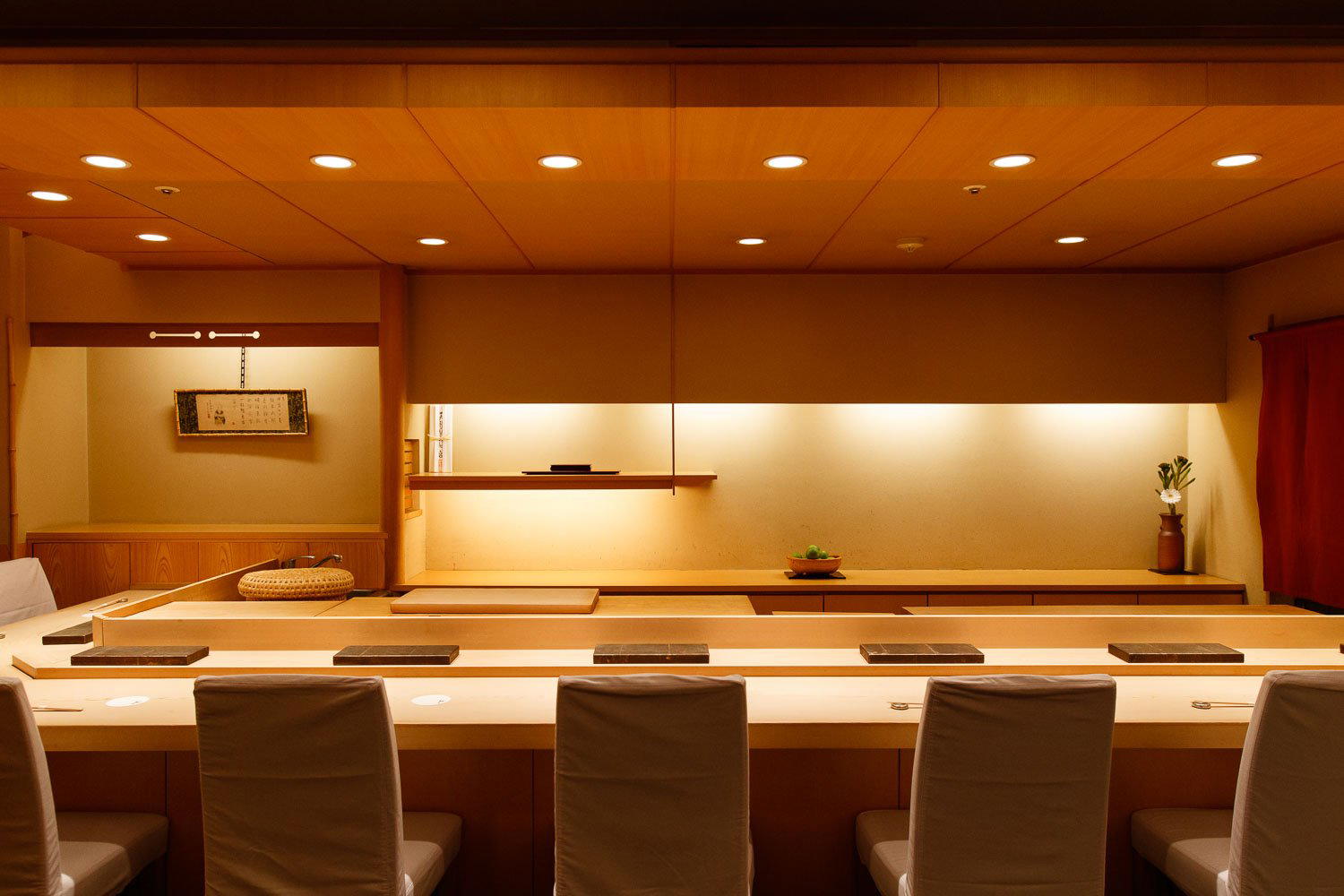
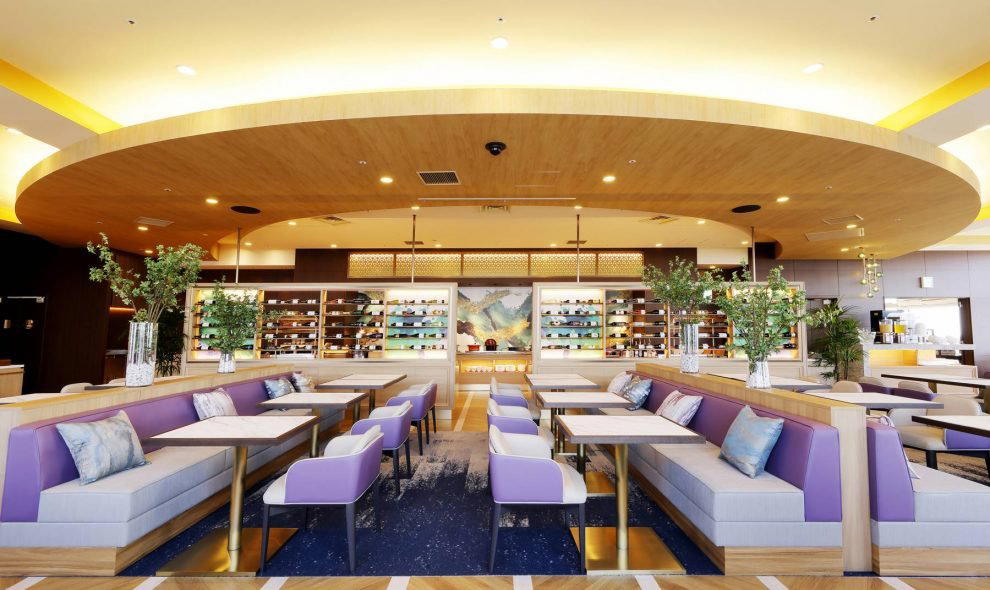
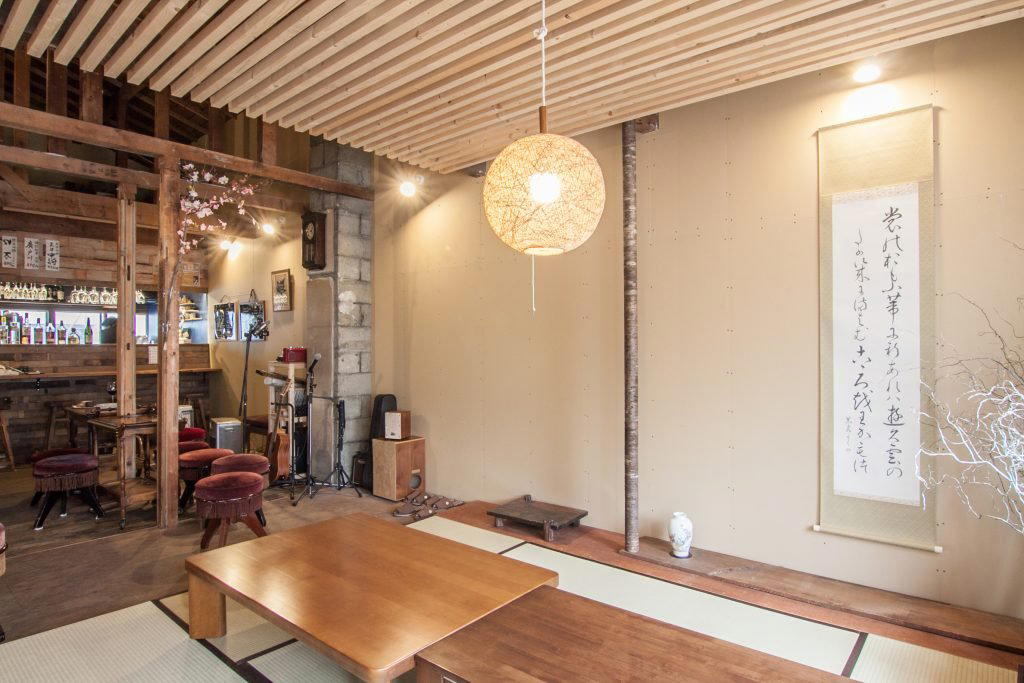
Calm, sophisticated interior with refined tones creating an 'adult's hideaway' atmosphere; elegant yet welcoming space with professional service.