Among Sapporo's Italian addresses, Osteria Crocchio occupies the quieter, neighbourhood-scale end of the spectrum, a Chuo Ward room that reads more Hokkaido larder than imported formula. The surrounding Minami 3-jo area places it within walking distance of the city's central dining corridor, making it a practical reference point for visitors tracking the Italian-leaning thread running through Sapporo's non-Japanese dining scene.
Pearl is the En Primeur Club membership app — saves, bookings, and concierge access live there. Same editors, same standards.
- Address
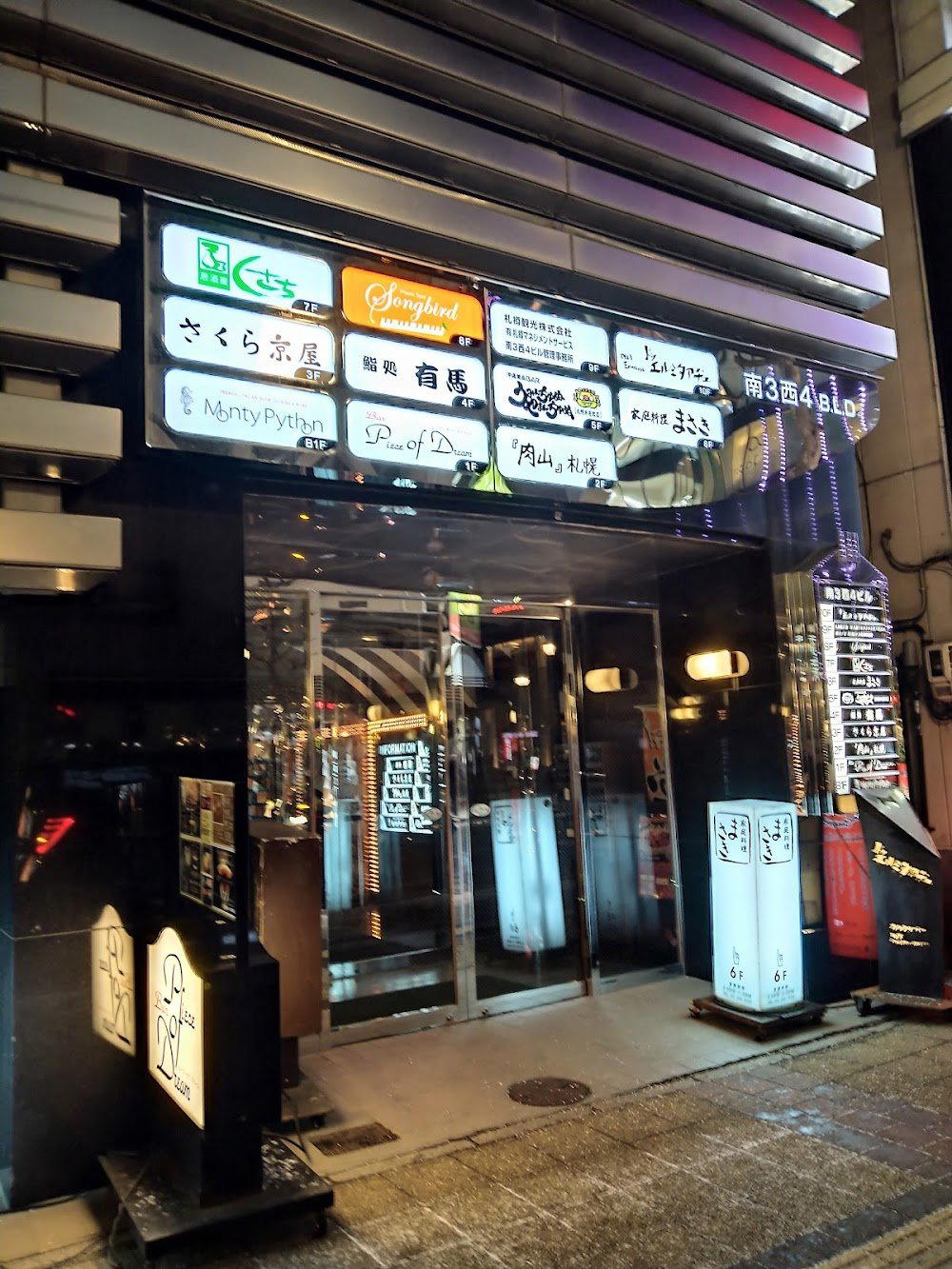
- Japan, 〒060-0063 Hokkaido, Sapporo, Chuo Ward, Minami 3 Jonishi, 8 Chome−7番地4 遠藤ビル 1F
- Phone
- +81112073522
- Website
- osteria-crocchio.com
- Directions
- Get directions
 Saves & bookings on Pearl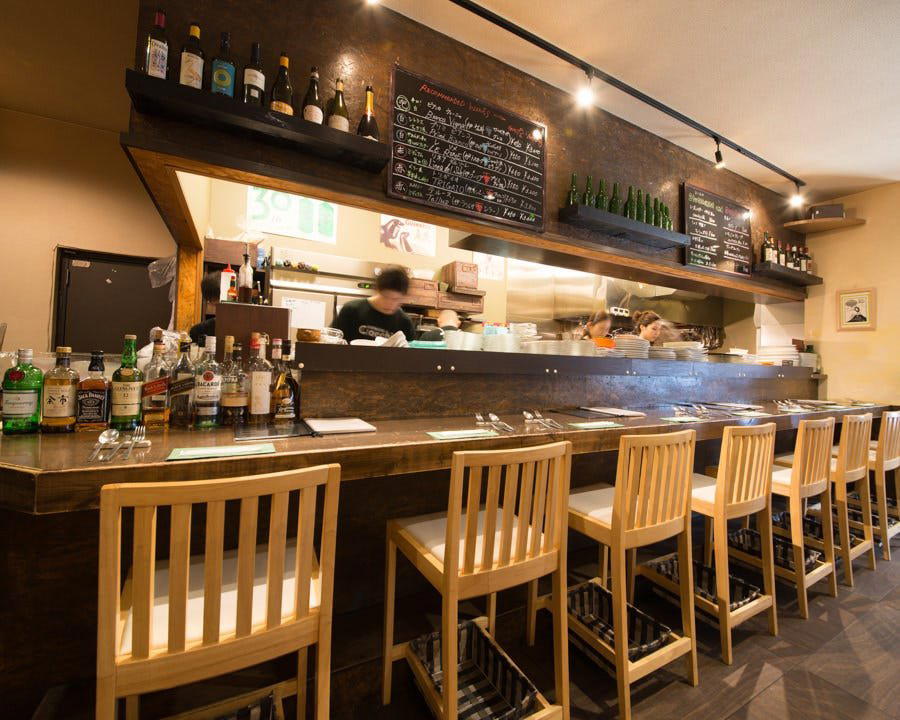
Italian Dining in Sapporo: Where the Hokkaido Larder Meets the Osteria Format
Sapporo's non-Japanese dining scene has developed along a particular logic: proximity to one of Japan's most productive agricultural and marine regions means that restaurants borrowing from European formats can source ingredients that European originals would envy. Hokkaido supplies the country's leading dairy, some of its most carefully raised livestock, and a seafood calendar that runs from uni and crab through to scallop and salmon across the seasons. The osteria format, Italy's mid-register, neighbourhood-rooted alternative to the formal ristorante, turns out to be a reasonable match for that kind of ingredient abundance. It is a format built around what is available locally and what the kitchen does honestly with it, rather than around elaborate tasting architecture.
Osteria Crocchio is a Hokkaido-Inspired Italian Osteria in Sapporo's Chuo Ward, recommended for reservations and priced around $50 per person. It sits inside this pattern, occupying a ground-floor space in the Endo Building on Minami 3-jo Nishi in Chuo Ward, the district that anchors Sapporo's central dining and entertainment corridor. The address places it within the denser cluster of the city's evening restaurant traffic, in an area where streets narrow and the pace adjusts downward from the main commercial grid. Chuo Ward is where Sapporo's most referenced dining addresses tend to concentrate, from kaiseki rooms like Hanakoji Sawada to sushi counters like Arima, and the presence of a neighbourhood Italian within that geography reflects how the city's dining map has broadened beyond its Japanese-format core.
The Osteria Tradition and What It Asks of the Kitchen
The osteria, as a format, carries specific obligations that distinguish it from more formal Italian dining. Where the ristorante organises itself around service ceremony and composed tasting progressions, the osteria's reputation depends on a smaller set of things: the integrity of its sourcing, the honesty of its cooking technique, and whether the room feels like somewhere a neighbourhood returns to rather than somewhere a traveller visits once. These are not modest requirements. They demand that the kitchen develop genuine relationships with suppliers and build a menu that changes with what is available rather than around what is consistent.
In Hokkaido, this is both an advantage and a raised bar. The ingredient quality available to a kitchen in Sapporo, whether through the Tsukiji-adjacent wholesale networks or directly through Hokkaido's own regional producers, is high enough that poor execution becomes conspicuous quickly. The prefectural dairy output alone, which accounts for over half of Japan's total milk production, gives kitchens working with butter, cream, and cheese a foundation that Italian counterparts in less productive regions would recognise as materially superior to what they have at home. A Hokkaido-sourced cheese course, or a pasta built around local cream, is not a novelty, it is the logical outcome of the geography.
Across Japan's Italian restaurant tier, the kitchens that have earned sustained recognition tend to be the ones that have resolved this question clearly: are they importing an Italian formula into Japan, or are they using Italian technique as a lens for expressing a Japanese regional larder? The latter approach has produced some of the country's most discussed Italian dining, including addresses like HAJIME in Osaka, which operates at the far end of that spectrum in terms of ambition and formal recognition. At the neighbourhood scale, the same question applies with lower stakes but no less relevance.
Sustainability as Operating Logic, Not Marketing Position
In Sapporo's restaurant community, as in Japan's broader food culture, the concept of mottainai, the ethic of waste reduction and respect for what is used, runs through kitchen practice without necessarily being labelled as a sustainability programme. Kitchens that source seasonally from regional producers and adjust menus to what arrives are, by that logic, already operating within a low-waste framework, because they are not holding inventory against a fixed menu. The osteria format supports this naturally: a room that updates its offerings based on the week's produce relationship is structurally better positioned to avoid the waste cycles that fixed menus generate.
Hokkaido's seasonal calendar provides the external structure. Spring brings mountain vegetables and early dairy; summer shifts to corn, tomato, and the peak of the scallop season; autumn draws in mushroom, potato, and the start of the crab period that defines Hokkaido's winter food identity. For a kitchen working in the osteria tradition, that seasonal structure is not an obstacle to consistency, it is the source of the menu's credibility. Restaurants that have committed to this model across Japan, from smaller neighbourhood rooms to formally recognised addresses like Goh in Fukuoka, tend to develop a loyal repeat clientele precisely because the menu's movement signals that the kitchen is paying attention.
Ethical sourcing in this context also means working within supplier relationships that are traceable. Hokkaido's agricultural sector, which includes a significant number of small and mid-scale family farms operating across dairy, pork, and vegetable categories, provides a supply chain that is shorter and more transparent than what kitchens in Japan's major urban centres typically access. A Sapporo kitchen that commits to direct regional sourcing is shortening its supply chain by geography as well as by intention.
Where Osteria Crocchio Sits in Sapporo's Italian Reference Set
Sapporo's Italian dining options span a range from casual pizza and pasta formats to more composed rooms working in the French-Italian register. Among the city's Western-format restaurants, the Italian category is smaller than the French cohort but has grown alongside the city's general dining maturation. Comparison venues in the Sapporo Western-dining category include French-leaning addresses and more casual formats, but the osteria tier, specifically, the neighbourhood-scale Italian with a sourcing-conscious approach, remains a less crowded part of the map.
For visitors building a broader itinerary through Japan's restaurant circuit, Sapporo's Italian addresses function as a useful data point about how European formats adapt when placed against genuinely excellent regional ingredient supply. Kitchens in cities like Nara, where akordu has developed a similar European-format-meets-regional-larder approach, and in Tokyo, where Harutaka represents the formal Japanese end of the quality spectrum, provide reference points for what this translation looks like at different scales.
Other Sapporo addresses worth holding alongside any visit to Crocchio include aki nagao, Hidetaka, and Higebozu, each representing different points in the city's dining range. For those extending travel beyond Hokkaido, Gion Sasaki in Kyoto and Atomix in New York City demonstrate how regional-ingredient commitment functions at the formally recognised end of the international dining spectrum, a useful calibration point for understanding what the neighbourhood-scale version of that commitment looks like closer to home.
Planning a Visit
Osteria Crocchio is located at 8 Chome-7-4 Minami 3-jo Nishi, Chuo Ward, Sapporo, Hokkaido, on the ground floor of the Endo Building. The Chuo Ward location is accessible from Sapporo's central subway network, with the Minami 3-jo area sitting within the walkable radius of the Namboku and Tozai line stops that serve the central city. As with most neighbourhood-scale Italian rooms in Japan, reservations in advance are advisable, particularly on weekend evenings when the Chuo Ward dining corridor operates at capacity.
The Essentials
Comparable venues nearby, for context on price, style, and recognition.
| Venue | Cuisine | Price | Notes |
|---|---|---|---|
| オステリア クロッキオThis venue — the venue you are viewing | Chūō, Hokkaido-Inspired Italian Osteria | $$$ | Not listed |
| テアトロ ディ マッサ | Not listed | $$$ | Chūō, Modern Italian Regional with Hokkaido Ingredients |
| Yamasa Wa | Not listed | $$$ | Chūō, Free-range Chicken Yakitori & Natural Wine |
| Sanko Sha | Not listed | $$$ | Chūō, Traditional sukiyaki, shabu-shabu and steak |
| マガーリ | Not listed | $$$ | Chūō, Innovative Italian with Hokkaido Ingredients |
| Menme | Chūō, Hokkaido Robatayaki Izakaya | $$$ | Not listed |
Continue exploring
More in Sapporo
Restaurants in Sapporo
Browse all →





At a Glance
- Cozy
- Intimate
- Rustic
- Date Night
- Special Occasion
- Sake Program
- Local Sourcing
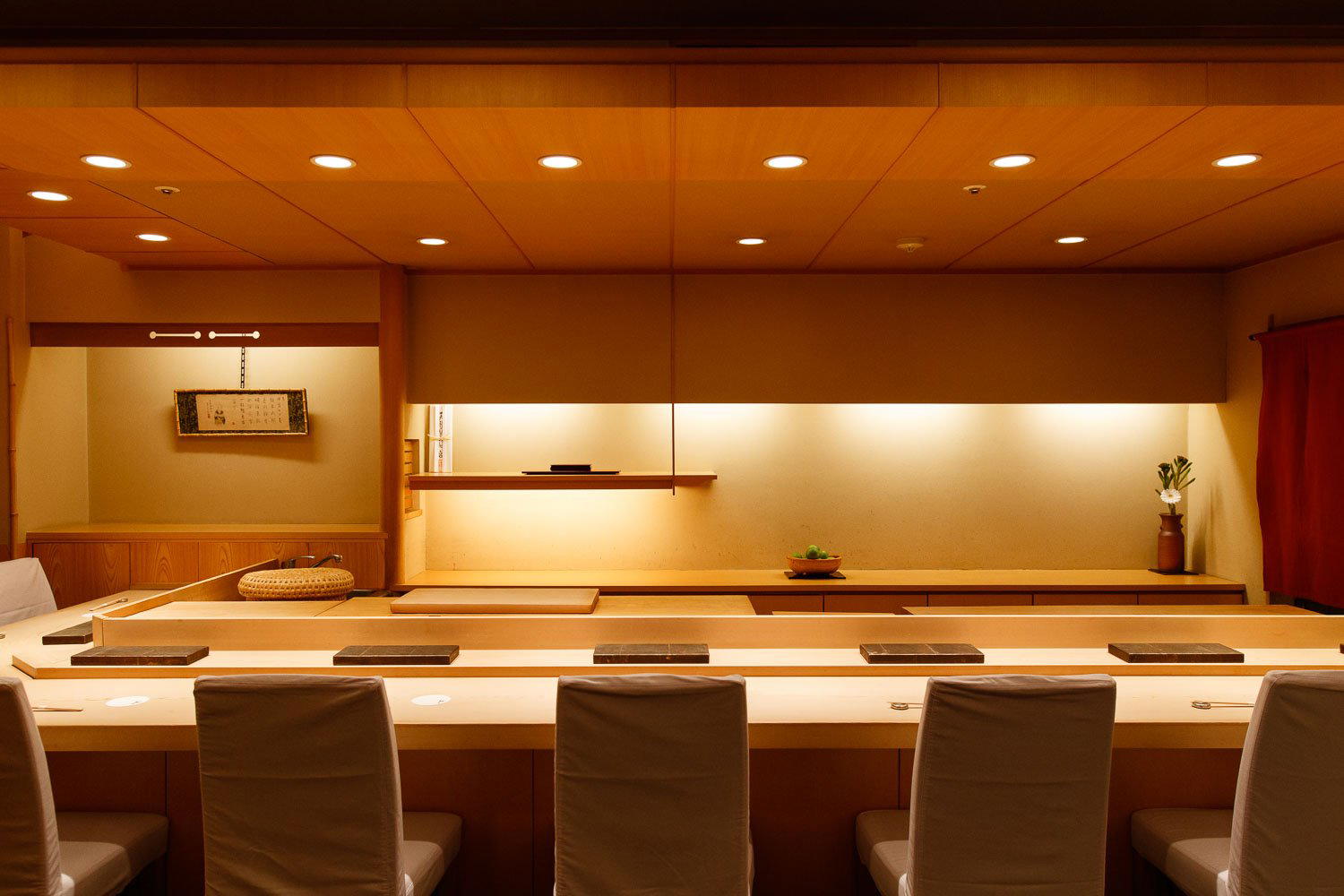
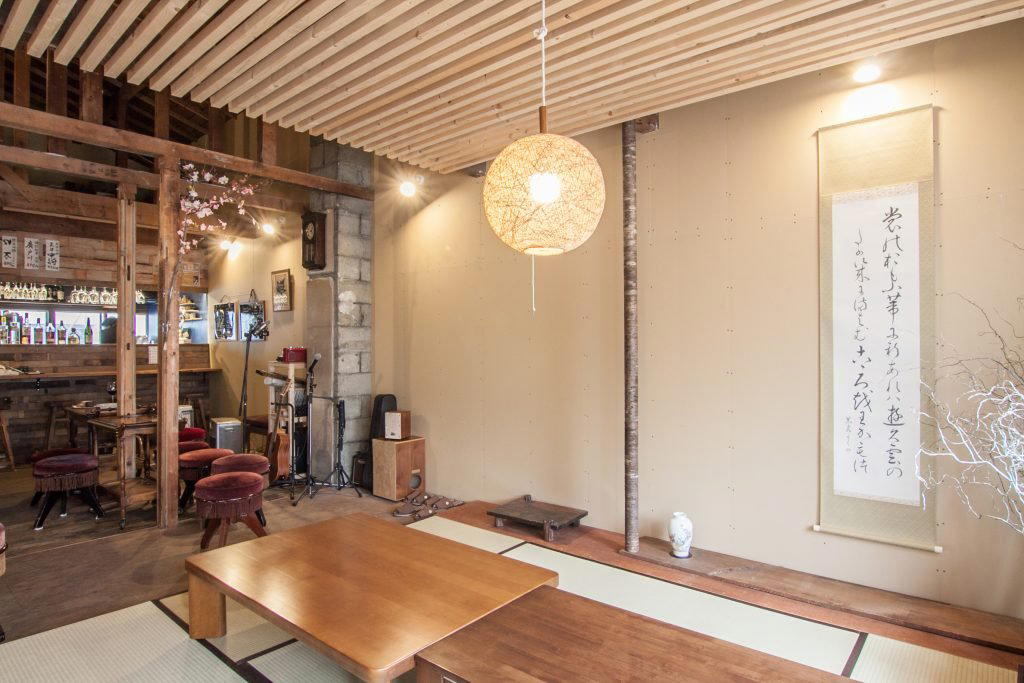
Cozy and welcoming osteria atmosphere with warm lighting, lively laughter, and a friendly, home-like feel.