Wine Spectator Best of Award of Excellence
Our verdict
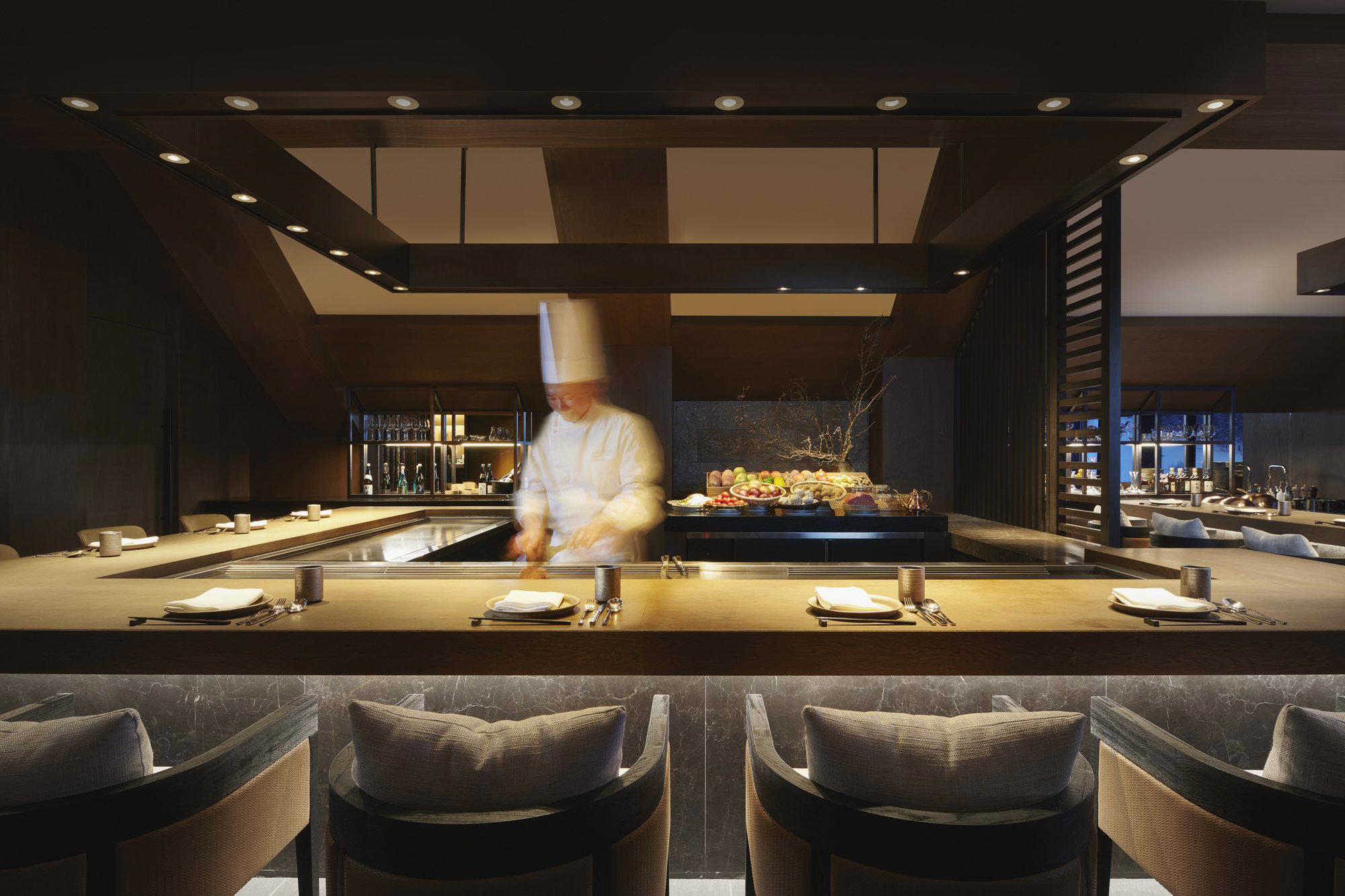
On the 22nd floor of a Chuo-ku hotel tower, Teppan pairs Japanese cuisine with one of Sapporo's most serious wine programs: 845 selections across 11,000 bottles, with particular depth in Burgundy, Bordeaux, Italy, and domestic labels. Sommelier Guido Biotti and Chef Marcello Mereu anchor a dinner-only format that draws a loyal returning crowd to a room where the city grid spreads below.

Pearl is the En Primeur Club membership app, where members save venues, book tables and use the concierge.
The menu
What to order
- Wagyu beef teppanyaki
- Seafood set
- Egg fried rice
- Gyoza
The View From the 22nd Floor
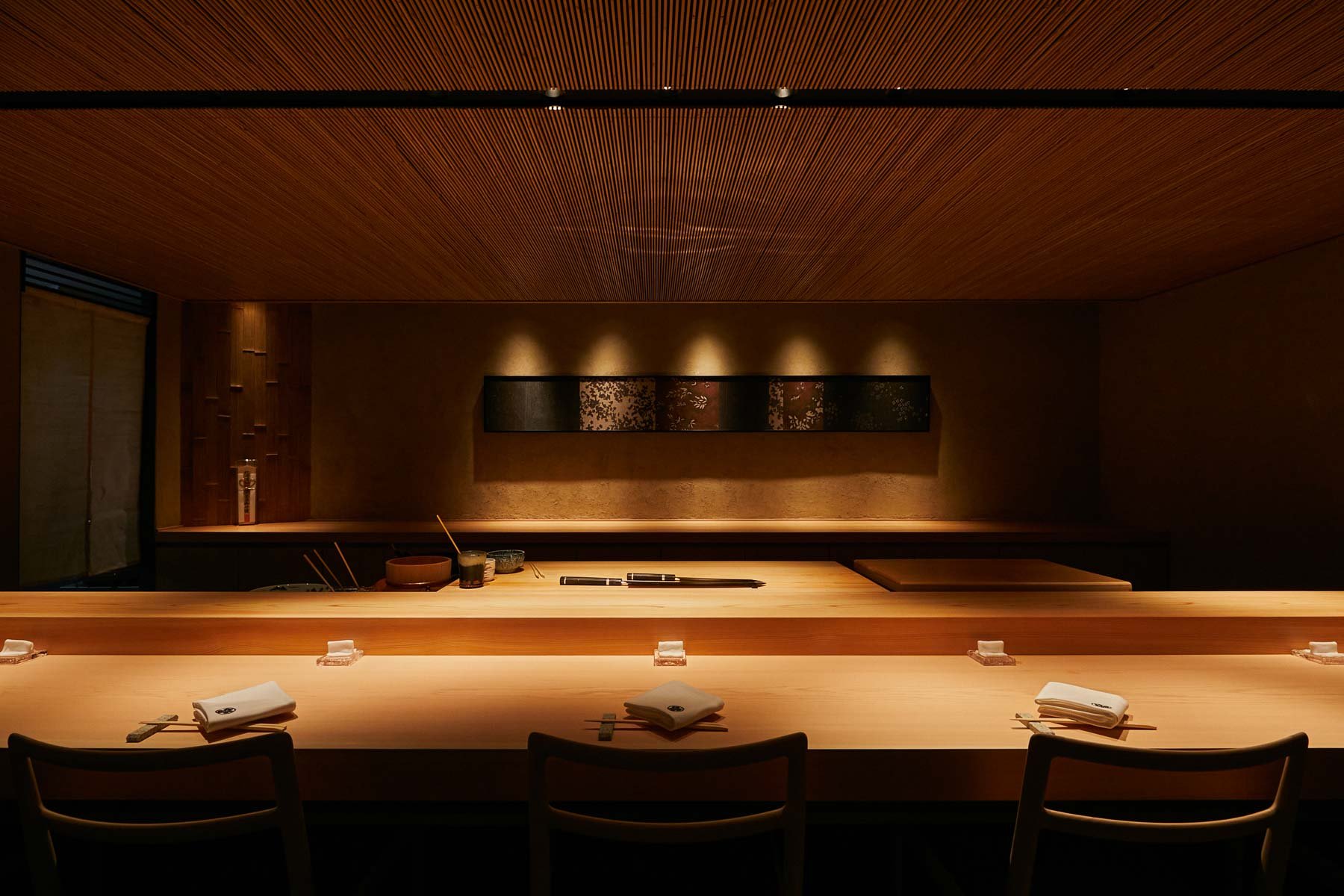
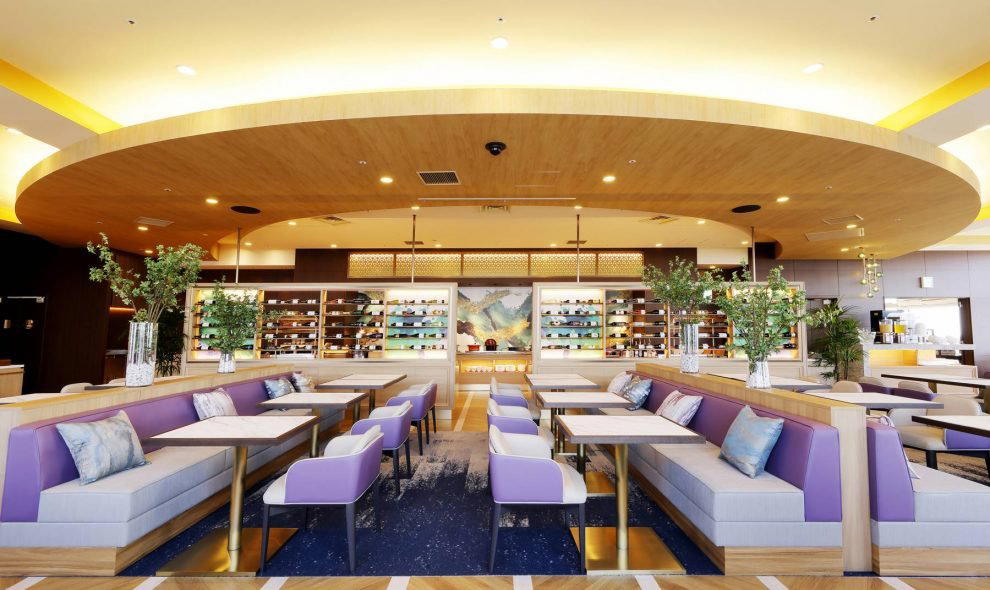
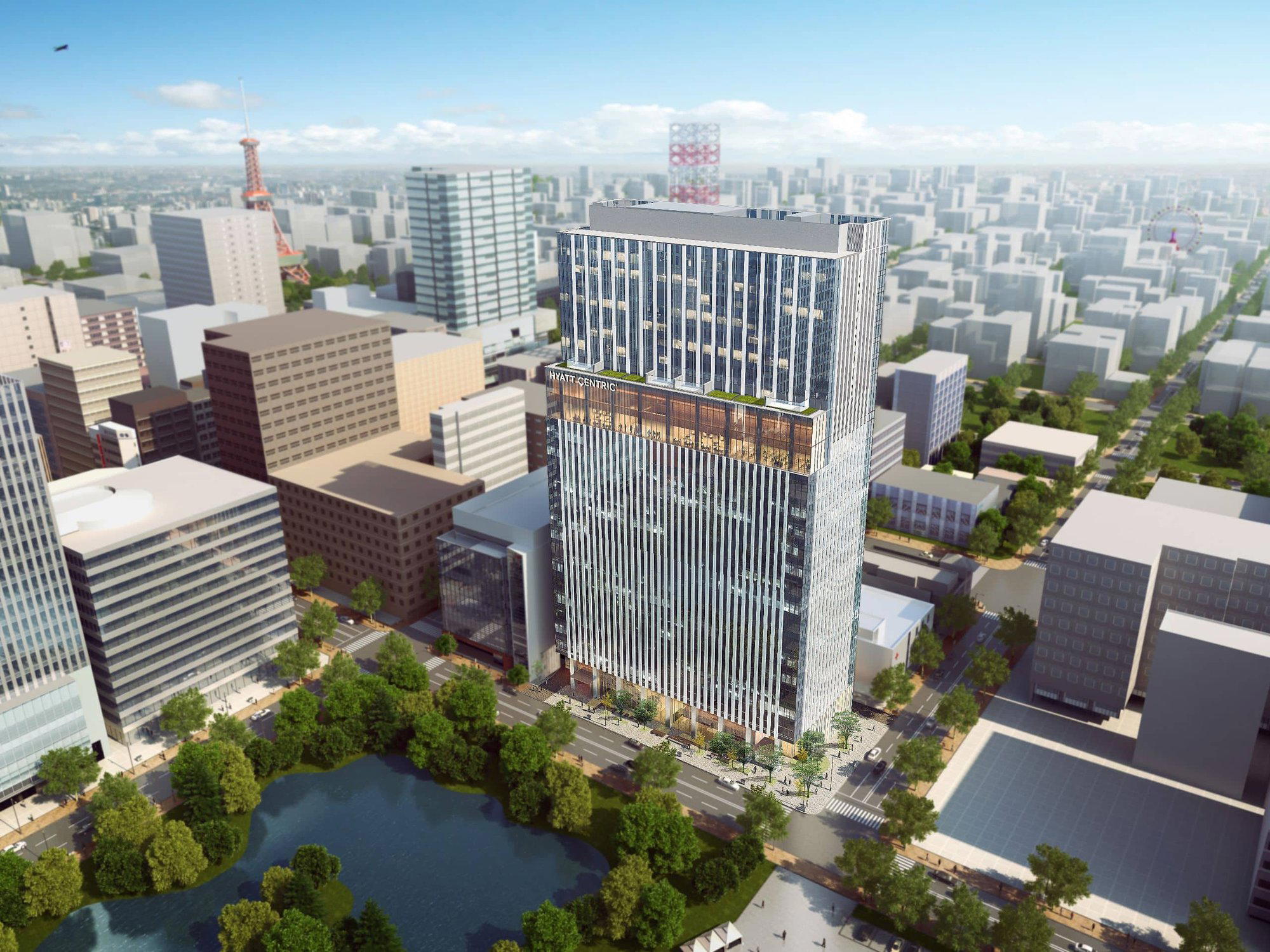
Sapporo's premium dining tier has quietly reorganized itself around a handful of rooms where the occasion is built into the architecture before a single dish arrives. At 22 floors above Kita 5-jo Nishi, in the heart of Chuo-ku, Teppan commands a position that most restaurants in this city cannot replicate. The grid below, the wide boulevards that make Sapporo feel more like a planned North American city than a Japanese one, stretches in every direction, and on a clear Hokkaido evening the view reaches far enough to remind you that this is an island city, bounded by something larger than itself.
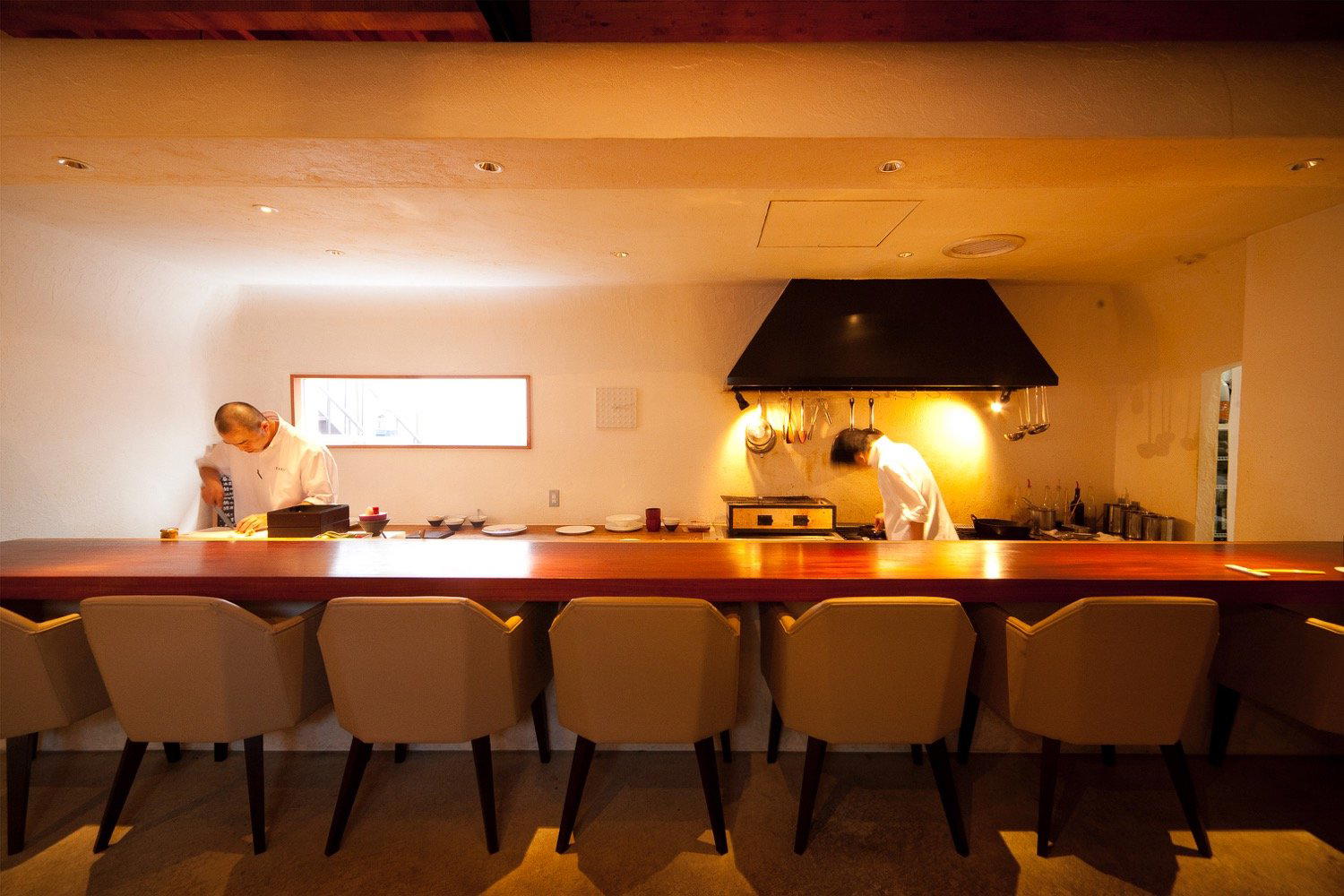
That physical context matters because it shapes how regulars use the room. This is not a counter where the experience hinges on proximity to the chef, nor a kaiseki progression where ritual dictates the pace. It is a dinner destination for people who return because the combination of setting, kitchen, and cellar holds together reliably over multiple visits. Loyalty at this level is earned through consistency, and the 22nd-floor room has built a clientele that treats it as a standing reservation rather than a special-occasion experiment.
A Wine Program That Sets the Terms
In most Japanese restaurants at this price tier, the wine list is an afterthought assembled to satisfy the international traveler. At Teppan, the list is an argument. With 845 selections and an inventory of 11,000 bottles, the program operates at a scale that few restaurants in Sapporo approach and that would be notable in any Japanese city outside Tokyo or Osaka.
The depth is concentrated where it counts for a room positioning itself against serious European comparisons: Burgundy and Bordeaux anchor the French side, Italy provides the second-tier support that rewards drinkers who have moved past the obvious appellations, and the Japan section acknowledges that domestic viticulture has matured enough to deserve a real position on a list like this. Wine pricing sits at the $$$ level, expect many bottles above ¥10,000-equivalent, with the markup structure reflecting a full-service cellar rather than a casual selection. For guests who arrive with a bottle purchased on the Hokkaido wine trail, a corkage fee of approximately $34 applies.
Guido Biotti holds the sommelier position, an Italian name in a Japanese context that signals something deliberate about how the room frames its wine identity. That kind of credential placement, a European-trained sommelier in a Japanese hotel restaurant, is a pattern more common in Tokyo and in high-end resort properties than in mid-city Sapporo dining. It positions Teppan alongside a cohort of restaurants that treat wine as a parallel discipline to the kitchen rather than a supporting service.
For comparison, the wine ambition here is structurally different from what you encounter at Sapporo's sushi and kaiseki counters. Arima (Sushi) and Hanakoji Sawada (Kaiseki) represent the city's Japanese-format fine dining, where the beverage program typically supports a sake or tea narrative. Teppan operates in a different register, one where the cellar is part of the reason regulars keep coming back.
What the Regulars Know
The editorial angle on Teppan is easier to read through the lens of returning guests than through a first-timer's checklist. Regulars at a room like this have already made their peace with the price point, cuisine at the $$$ tier in Sapporo means dinner well above ¥6,600 per person before wine, and are coming back for specific reasons.
The Japanese cuisine format, served at dinner only, gives the kitchen a single focused service window. That concentration shows in the kind of room that develops a regular clientele: the pacing is consistent, the cellar gets exercised properly, and the staff knows which guests defer to Biotti's recommendations and which arrive with a bottle already chosen. aki nagao, Hidetaka, and Higebozu each anchor different corners of Sapporo's premium dinner scene, but none of them combine a hotel-backed cellar of this scale with a 22nd-floor room above the city center.
Ownership structure, PCPD South Village Hotel Co. Ltd, places Teppan in the hotel restaurant category, which in Japan carries a complicated reputation. At the lower end of the market, hotel restaurants tend toward the generic. At the upper end, the hotel infrastructure enables a wine inventory and a staff depth that freestanding restaurants cannot always sustain. Teppan sits in the latter group, where the hotel backing is an operational advantage rather than a limiting factor.
Placing Teppan in the Wider Japanese Fine Dining Context
Japan's premium restaurant map rewards those who look beyond Tokyo. Harutaka in Tokyo and HAJIME in Osaka operate at the top of their respective city hierarchies, with the recognition and booking difficulty that implies. Kyoto's Gion Sasaki draws on that city's deep kaiseki tradition. akordu in Nara and Goh in Fukuoka represent the kind of serious provincial dining that rewards travelers who plan beyond the main circuits. 1000 in Yokohama shows how a hotel-adjacent dining format can build its own identity.
Internationally, the combination of a dedicated sommelier program and a kitchen chef with a distinct background recalls how rooms like Le Bernardin in New York City or Atomix in New York City have built their reputations on the pairing of food and beverage as co-equal disciplines. Sapporo is not New York, and Teppan is not making that claim. But the structural approach, wine program first, kitchen second, setting third, puts it in a peer conversation that extends beyond its postal code.
Planning a Visit
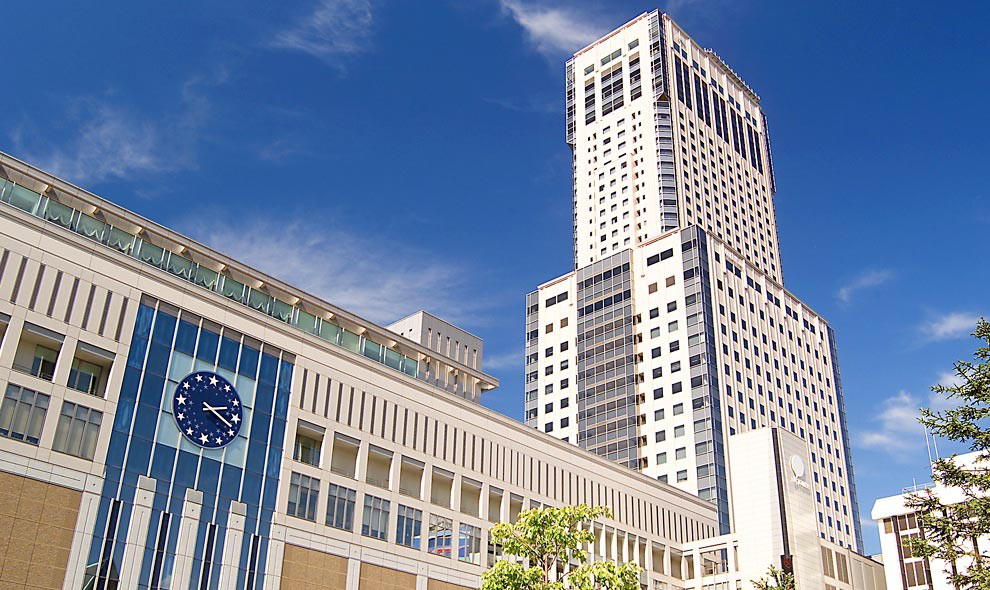
Teppan serves dinner only, operating from the 22nd floor of the hotel at 7-2-1 Kita 5-jo Nishi, Chuo-ku, Sapporo. The address places it in central Chuo-ku, accessible from Sapporo Station or the Odori area within a short taxi or subway ride. Given the wine program's scale and the room's regular clientele, advance reservations are the practical assumption; this is not a room that absorbs walk-ins comfortably, particularly on weekends or during Hokkaido's peak travel seasons in summer and the ski-and-snow months of winter. Guests planning a broader stay can find accommodation and context across the city through our full Sapporo hotels guide.
For a fuller picture of where Teppan sits within Sapporo's dining scene, see our full Sapporo restaurants guide. Those building an itinerary beyond dinner can also consult our full Sapporo bars guide, our full Sapporo wineries guide, and our full Sapporo experiences guide.
Frequently asked questions
What distinctions does Teppan have?
Teppan has received recognition including: WINE: Wine Strengths: Burgundy, Bordeaux, Italy, Japan Pricing: $$$ i Wine pricing: Based on the list\'s general markup and high and low price points:$ has many bottles < $50;$$ has a range of pricing;$$$ has many $100+ bottles Corkage Fee:….
How do I find Teppan?
Teppan is located at 22F, 7-2-1 Kita 5-jo Nishi, Chuo-ku, Sapporo-shi, Hokkaido 060-0005, Japan, Sapporo.
What should I eat at Teppan?
Teppan's kitchen operates under chef Marcello Mereu with a Japanese cuisine focus served at the dinner-only sitting on the 22nd floor. The cuisine pricing sits at $$$, placing it in the range where multi-course formats are standard rather than optional. Specific dishes are not published in advance, which at this price tier typically signals a menu that shifts with Hokkaido's seasonal produce rather than a fixed à la carte grid. Arriving without a specific dish agenda is the appropriate posture here.
How hard is it to get a table at Teppan?
No public booking data is available through the venue's own channels, and Teppan does not currently list a phone number or website in its public records. At the $$$ price tier in a hotel-anchored room with a focused dinner-only service, capacity is structurally limited. Contacting the parent property, PCPD South Village Hotel Co. Ltd, directly is the most reliable route, and advance planning of several weeks is a reasonable baseline assumption for Sapporo's premium tier.
At a Glance
Comparable venues nearby, for context on price, style, and recognition.
| Venue | Cuisine | Price | Awards | Notes |
|---|---|---|---|---|
| TeppanThis venue (the venue you are viewing) | Japanese Teppanyaki | $50–100 | Wine Spectator Best of Award of Excellence | Not listed |
| ç°ä¹ é® | Traditional Japanese Omakase | Not listed | Not listed | Chūō, Traditional Japanese Omakase |
| Sushi Sohei | Edomae Omakase with Hokkaido Seafood | $200–300 | Tabelog Bronze #417 | Chūō, Edomae Omakase with Hokkaido Seafood |
| North Continent Machi No Naka | Hokkaido-sourced Hamburg Steak & Western Grill | $20–30 | Tabelog 100 #63 | Chūō, Hokkaido-sourced Hamburg Steak & Western Grill |
| Fujiya NOODLE | Modern Sapporo miso ramen counter | $10–20 | Tabelog 100 #13 | Chūō, Modern Sapporo miso ramen counter |
| Yakiniku Horumon Fudo. | Yakiniku, horumon & jingisukan tavern | $30–50 | Tabelog 100 #41 | Chūō, Yakiniku, horumon & jingisukan tavern |
Recognition history
Dated appearances from independent guides and award organizations, with the underlying list record or original source where available.
Wine Spectator Best of Award of Excellence
Wine Spectator