Our verdict
Palate sits on Dronning Eufemias gate in Oslo's Bjørvika district, a neighbourhood that has become the city's most discussed address for serious dining. The restaurant occupies a position within Oslo's mid-to-upper tier, where the cooking is expected to move beyond Nordic cliché and engage with the full arc of a composed meal. Book ahead and arrive with time to settle in.

Pearl is the En Primeur Club membership app — saves, bookings, and concierge access live there. Same editors, same standards.
- Address
- Dronning Eufemias gate 23, 0194 Oslo, Norway
- Phone
- +4723300400
- Hours
- Mon 4–10 PMTue–Thu 11 AM–10 PMFri 11 AM–11 PMSat 12–11 PMSun Closed
- Website
- palate.no
- Directions
- Get directions
The menu
What to order
- Skrei with creamy sauce
- Tenderloin with Sauce Café de Paris
- Blinis with loirroom and cream
- Tartare with Västerbottensost & Jerusalem Artichoke Chips
- Tiramisu
- Chocolate mousse
Bjørvika and the Architecture of a Serious Meal
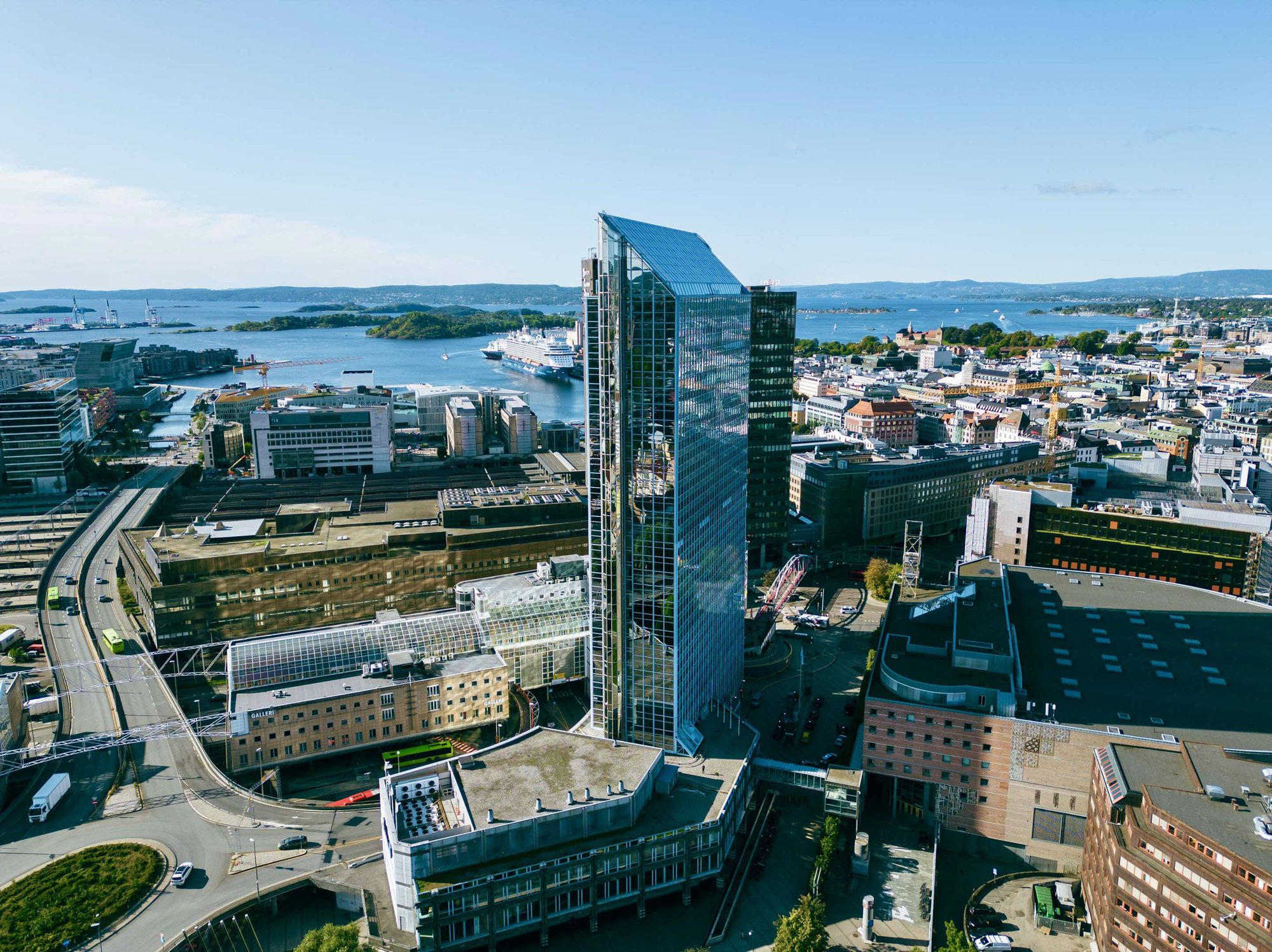
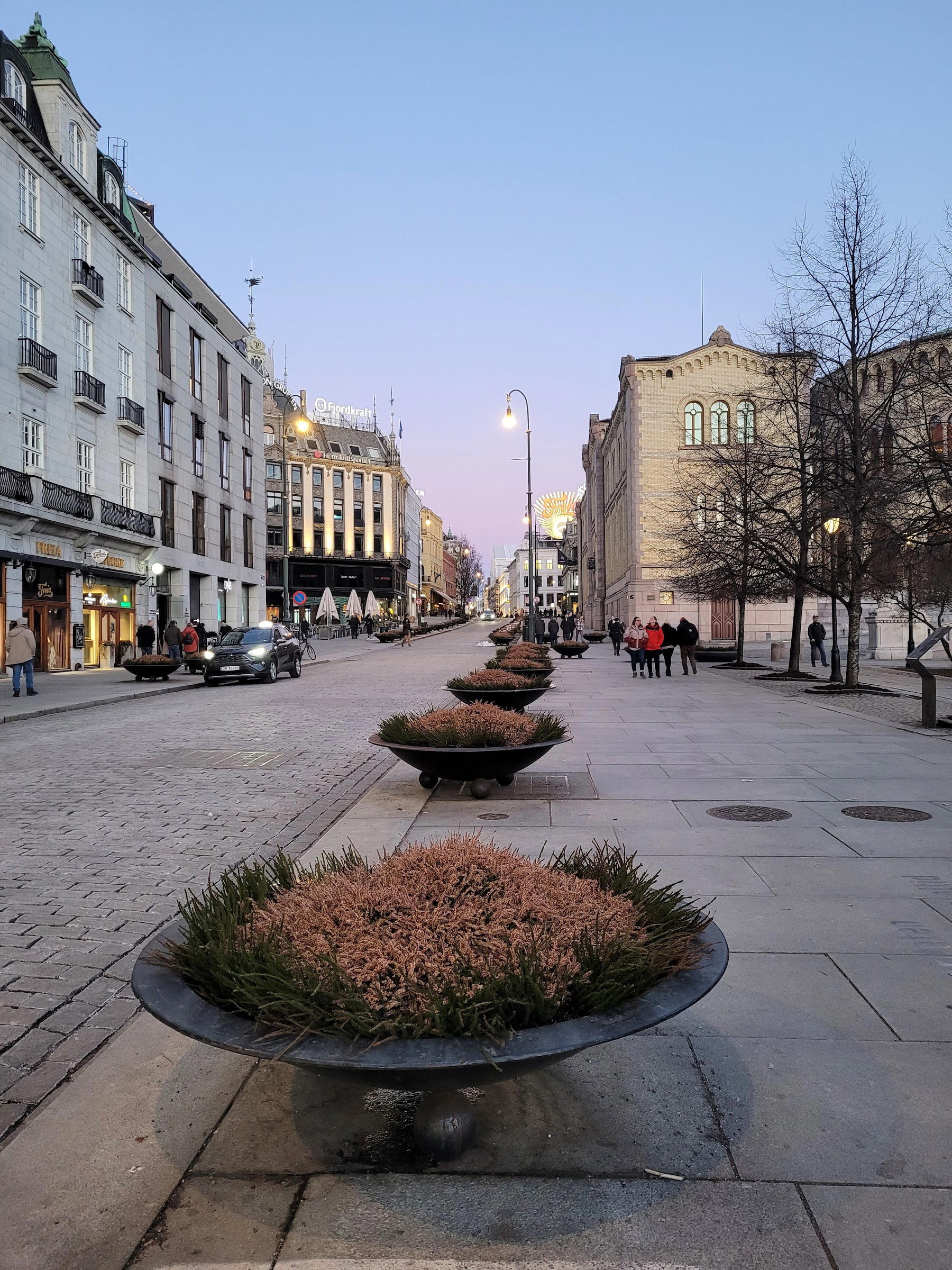
Oslo's Bjørvika waterfront has undergone a transformation that few European city districts can match for speed or ambition. What was a working port and rail yard two decades ago is now a dense concentration of cultural institutions, residential towers, and restaurants that serve a clientele with high expectations and limited patience for formula. Dronning Eufemias gate, where Palate is addressed at number 23, runs through the centre of this development and has attracted a range of dining formats from casual to genuinely demanding. That address alone signals something about the venue's intended position: this is not a neighbourhood restaurant in the traditional Oslo sense, but a place that competes with the city's most deliberate dining options.
Oslo's restaurant scene has matured considerably since Maaemo brought international attention to Norwegian fine dining and demonstrated that Nordic produce, treated with rigour and technique, could sit alongside the leading tables in Europe. What followed was not simply a wave of imitators but a genuine diversification, with restaurants at different price points and in different neighbourhoods each staking out a particular relationship with Scandinavian ingredients and cooking traditions. Kontrast occupies the Michelin-recognised tier of that scene, as does Maaemo at its summit. Palate enters this context as an address that takes its place in the mid-to-upper bracket, where the expectation is for cooking that moves beyond surface-level Nordic signalling and commits to a full progression of thought across the meal.
Reading the Meal as a Sequence
The most useful frame for understanding a restaurant like Palate is not the individual dish but the sequence. Oslo's serious dining culture has largely moved away from the à la carte model at this tier, aligning with a broader European shift toward set menus that allow a kitchen to control pacing, balance, and narrative across several courses. This format demands more from both kitchen and guest: the kitchen must build momentum and resolve it, and the guest must commit to the arc rather than cherry-pick from a list.
That commitment to sequencing places Palate in a peer group that includes Hot Shop, one of Oslo's more discussed addresses for modern Nordic cooking at a slightly more accessible price point. The comparison is useful because it illustrates how Oslo's mid-to-upper tier differentiates itself: not only by ingredient quality or technique, but by how deliberately a kitchen constructs the movement from opener to close. A meal that begins with something bright and acidic, moves through richer, more textured middle courses, and resolves in something considered rather than merely sweet is a meal that reflects a genuine compositional decision. That discipline is increasingly what separates the Oslo restaurants worth planning around from those worth visiting opportunistically.
For a broader picture of the city's dining options at every tier, the EP Club Oslo restaurants guide maps the scene from casual neighbourhood spots to the tables that require months of advance planning.
Where Palate Sits in the Oslo Hierarchy
Oslo's dining hierarchy is more layered than its international reputation suggests. At the summit, Maaemo operates at a level of ambition and price that places it in direct conversation with the European tasting-menu elite. Below that, a cluster of Michelin-recognised or Michelin-adjacent restaurants, including Kontrast, competes for the attention of guests who want rigour without quite the same ceremony. Then comes a broader tier of serious but less institutionally validated restaurants where Palate operates, and where the value proposition is often sharper: the cooking can be ambitious and the experience composed without the full apparatus of a starred kitchen.
Across Norway more broadly, the serious dining culture extends well beyond Oslo. RE-NAA in Stavanger has earned international recognition for its work with west coast produce. FAGN in Trondheim brings a similar seriousness to the country's third city. Under in Lindesnes operates as an entirely different kind of destination, its submerged structure and marine-focused menu making it one of the more discussed restaurant concepts in northern Europe. Further north, addresses like Anita's Sjomat in Lofoten, Fiskekrogen in Henningsvær, and Aurora Restobar in Kirkenes reflect how Norway's geography distributes serious food culture across the country rather than concentrating it solely in the capital. Bergen's Gaptrast, Hardanger House in Jondal, Børsen Spiseri in Svolvær, and Underhuset Restaurant in Reine extend that geography further still.
Within Oslo itself, the neighbourhood around Bjørvika also supports a more relaxed mode of eating. Bar Amour represents Oslo's appetite for creative, less formal cooking, while Mon Oncle brings a French sensibility to the city's mid-range dining. The two restaurants illustrate how Oslo's dining culture has diversified beyond the Nordic-tasting-menu format that defined its international moment.
Oslo in International Context
For travellers who move between cities and build their itineraries around serious restaurants, Oslo now sits in a different category than it did a decade ago. The city competes for the same kind of attention that Le Bernardin in New York or Atomix in New York generate: restaurants that justify a trip specifically to eat at them, rather than places you visit while you happen to be in the city. Oslo has a handful of tables in that first category and a larger number in the second, and Palate belongs to the second group with enough seriousness to reward deliberate planning.
Planning Your Visit
Dronning Eufemias gate 23 is easy to reach from Oslo Central Station, a short walk east along the waterfront. The Bjørvika neighbourhood is compact and walkable, with the Opera House and the Munch Museum providing context for an afternoon before dinner. Given the address and the tier at which Palate operates, reservations are advisable rather than optional, particularly for weekend evenings and for groups larger than two. Verify current availability and menu format directly with the restaurant before arrival.
Frequently asked questions
What's the address for Palate?
Palate is located at Dronning Eufemias gate 23, 0194 Oslo, Norway.
How does Palate compare to other restaurants near Oslo Central Station?
Palate sits at Dronning Eufemias gate 23 in Bjørvika, within a short walk of Oslo Central Station, which places it in one of the city's densest concentrations of contemporary Nordic restaurants. Most comparable options in the immediate area skew toward casual formats or hotel dining, making a kitchen operating at Palate's apparent tier relatively less common in this specific pocket of the city. Travellers arriving by rail have direct access without requiring a taxi or additional transit.
Should I book Palate ahead?
Walk-in availability at Oslo restaurants in this tier is limited, particularly on weekend evenings. Bjørvika draws a consistent volume of after-work and pre-theatre diners given its proximity to Oslo Central Station, which compresses availability on short notice. Booking ahead is the practical approach.
What makes Palate worth seeking out?
The case for Palate rests on its address within Bjørvika, the Oslo neighbourhood that has concentrated the city's most serious restaurant openings over the past decade. For travellers building itineraries around food, it represents a logical entry point into Oslo's mid-to-upper dining tier.
How Palate Oslo compares with similar nearby venues.
| Venue | Cuisine | Price | Awards |
|---|---|---|---|
| PalateThis venue — the venue you are viewing | Mediterranean Grill with Scandinavian Influences | $50–100 | Not listed |
| Vaaghals | Modern Norwegian Sharing Bistro | Not listed | Michelin Plate · Star Wine List |
| Code Restaurant | Modern European | Not listed | Star Wine List |
| Maaemo | New Nordic Fine Dining | $300–500 | 3 Michelin Stars · World's 50 Best #47 |
| STOCK Restaurant | Modern Norwegian Fine Dining | $50–100 | Not listed |
| Dinner Barcode | Modern Sichuan & Cantonese | $50–100 | Not listed |
Continue exploring
More in Oslo
Restaurants in Oslo
Browse all →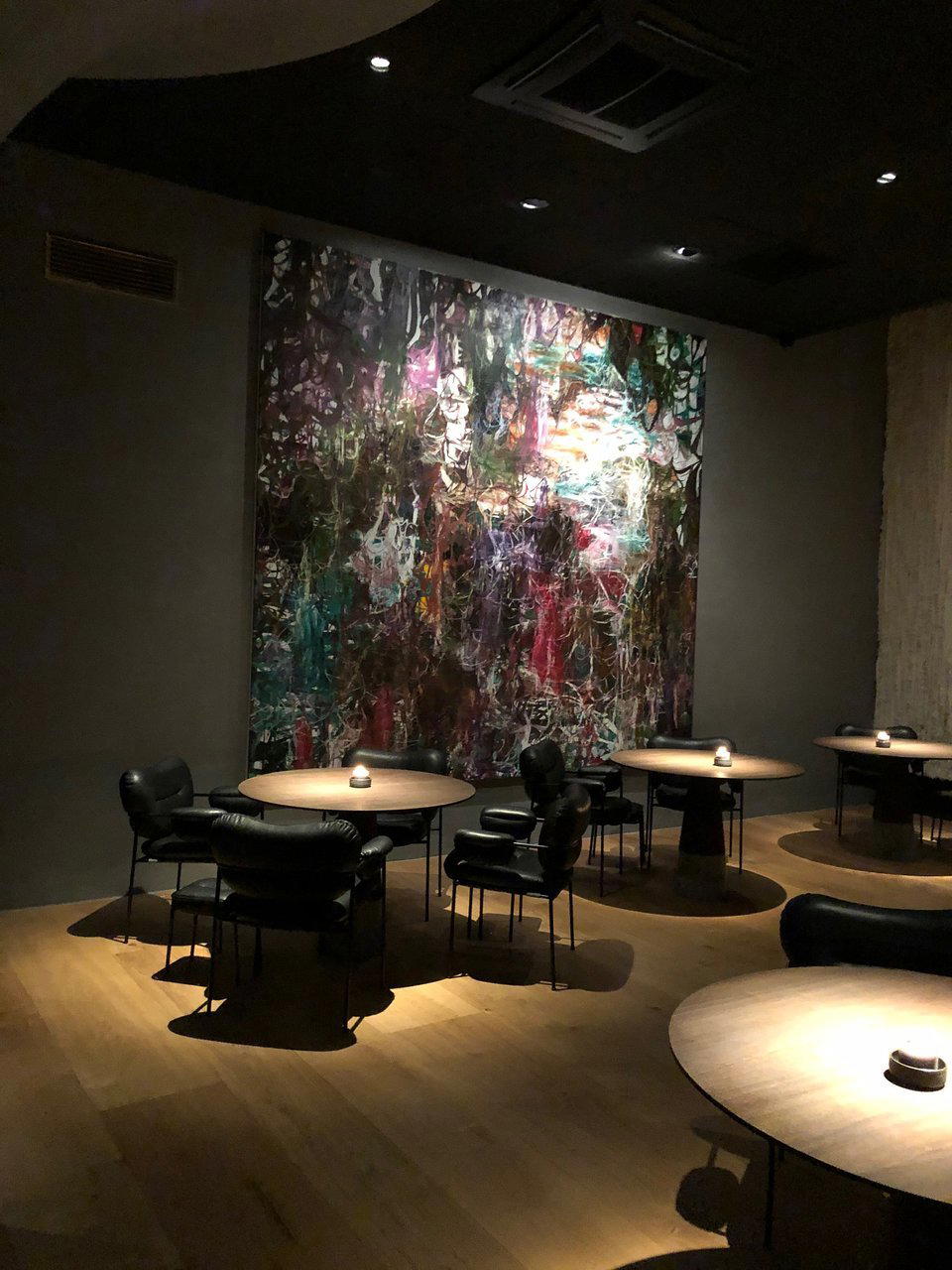
Details
- Elegant
- Sophisticated
- Modern
- Cozy
- Date Night
- Celebration
- Group Dining
- Special Occasion
- Open Kitchen
- Standalone
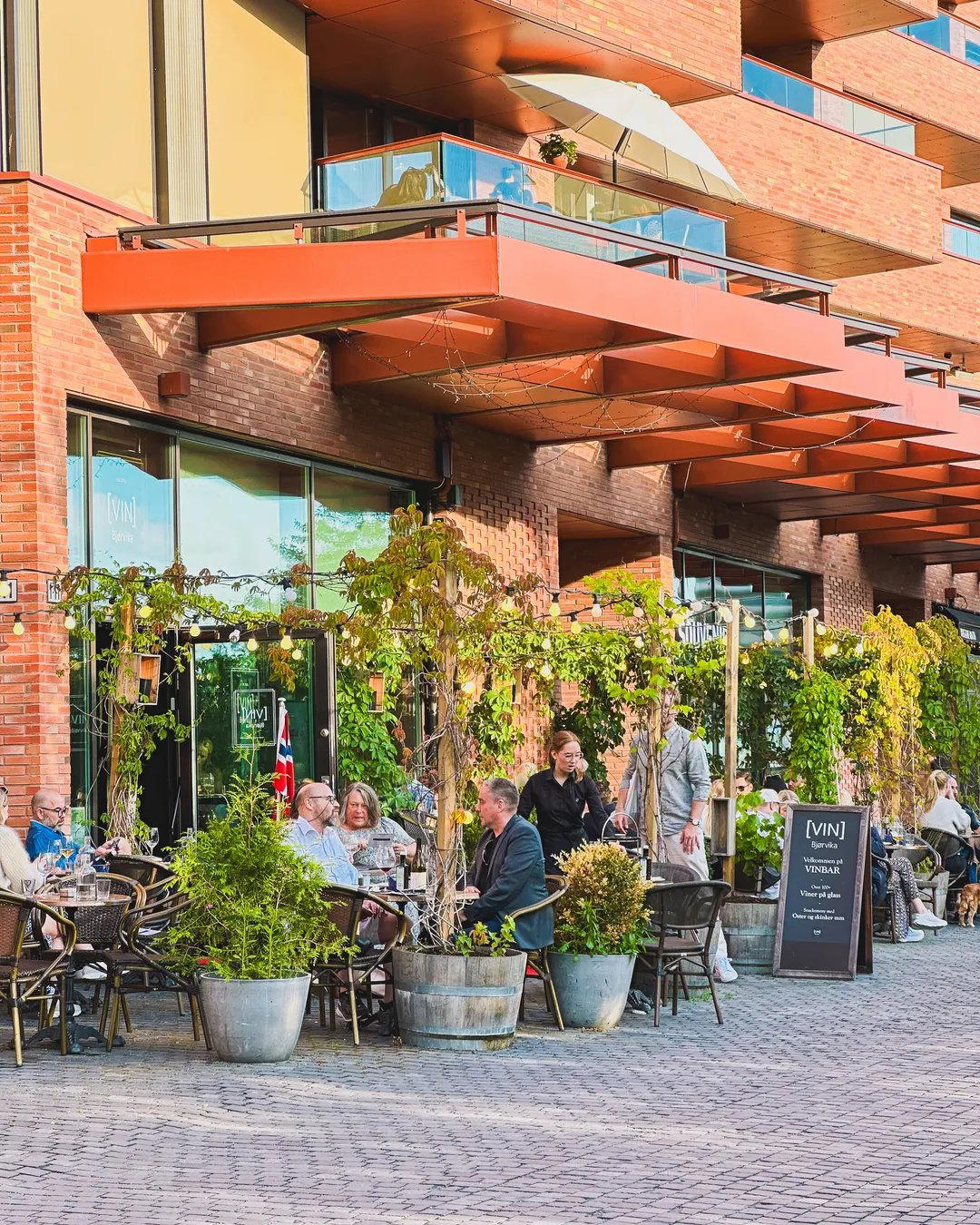
- Terrace
- Sommelier Led
- Local Sourcing
- A La Carte
- Small Plates
- Family Style
- Wine
- Vegetarian Friendly
Current opening hours
- Monday
- 4–10 PM
- Tuesday
- 11 AM–10 PM
- Wednesday
- 11 AM–10 PM
- Thursday
- 11 AM–10 PM
- Friday
- 11 AM–11 PM
- Saturday
- 12–11 PM
- Sunday
- Closed
Hours can change for holidays and private events. Last verified .
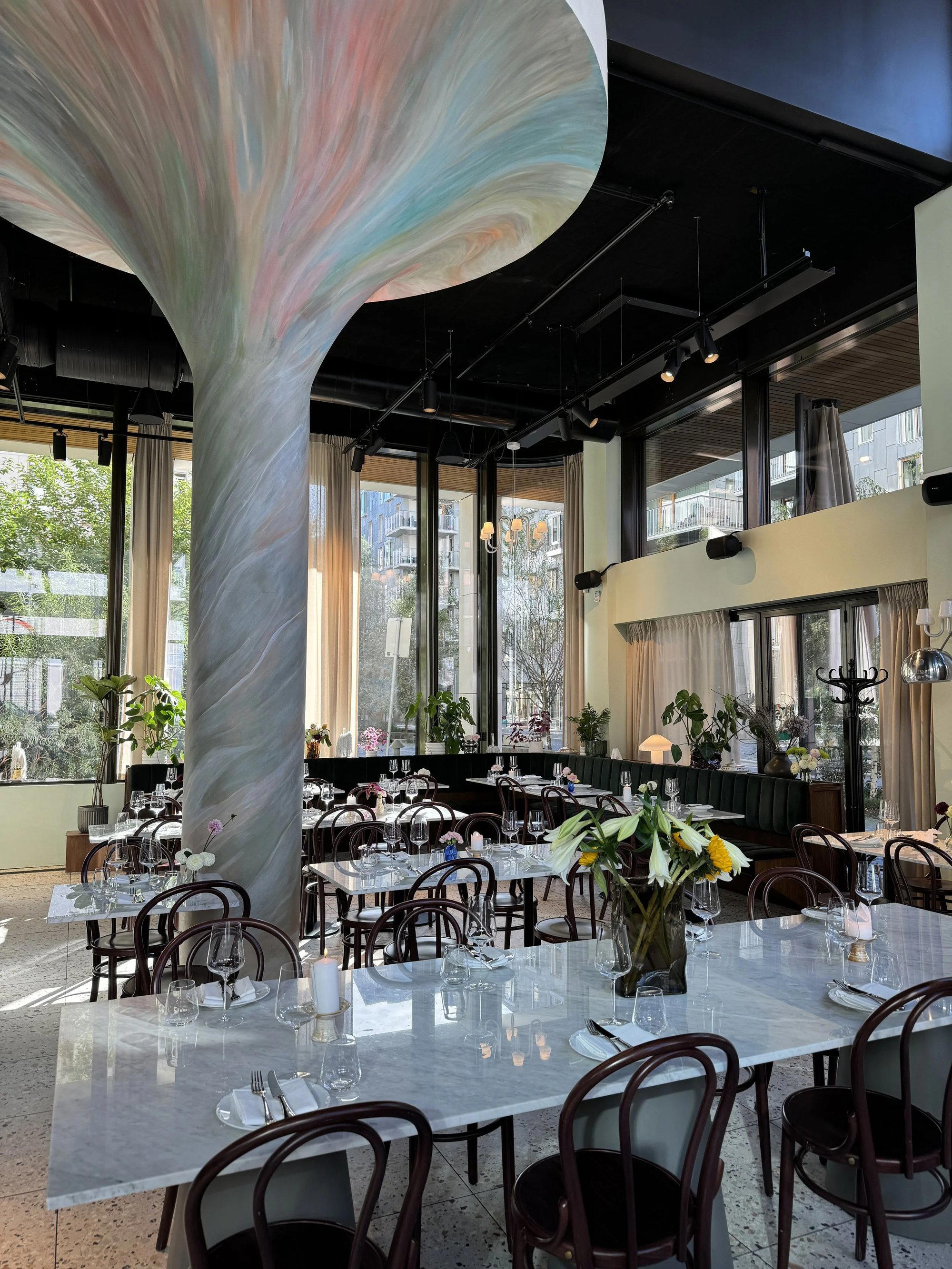
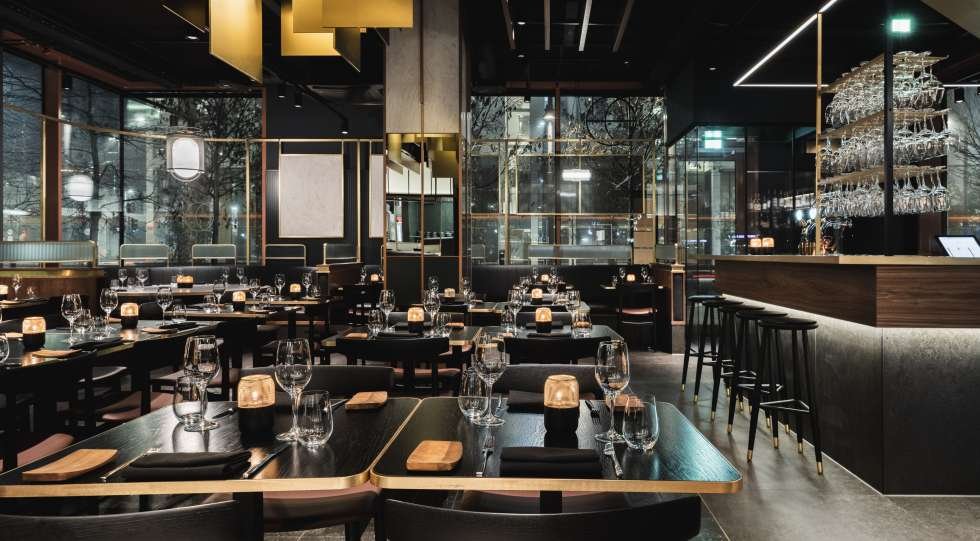
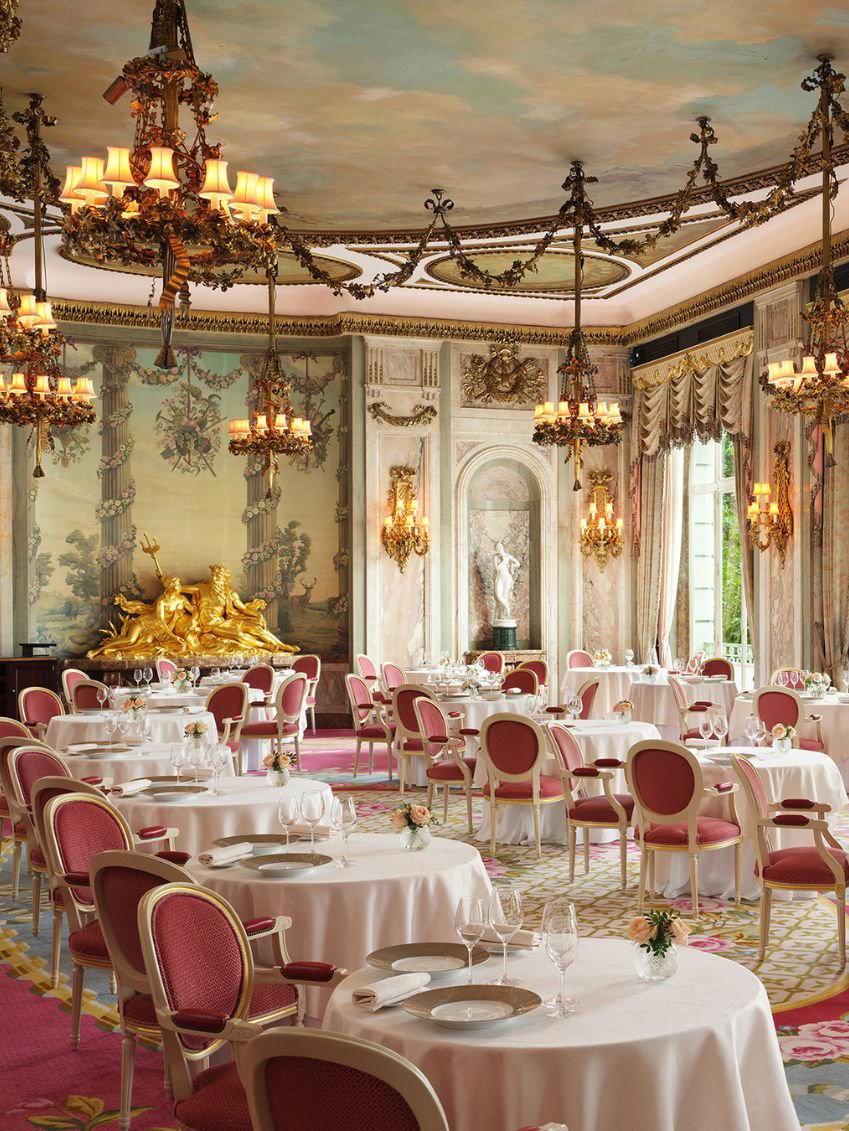
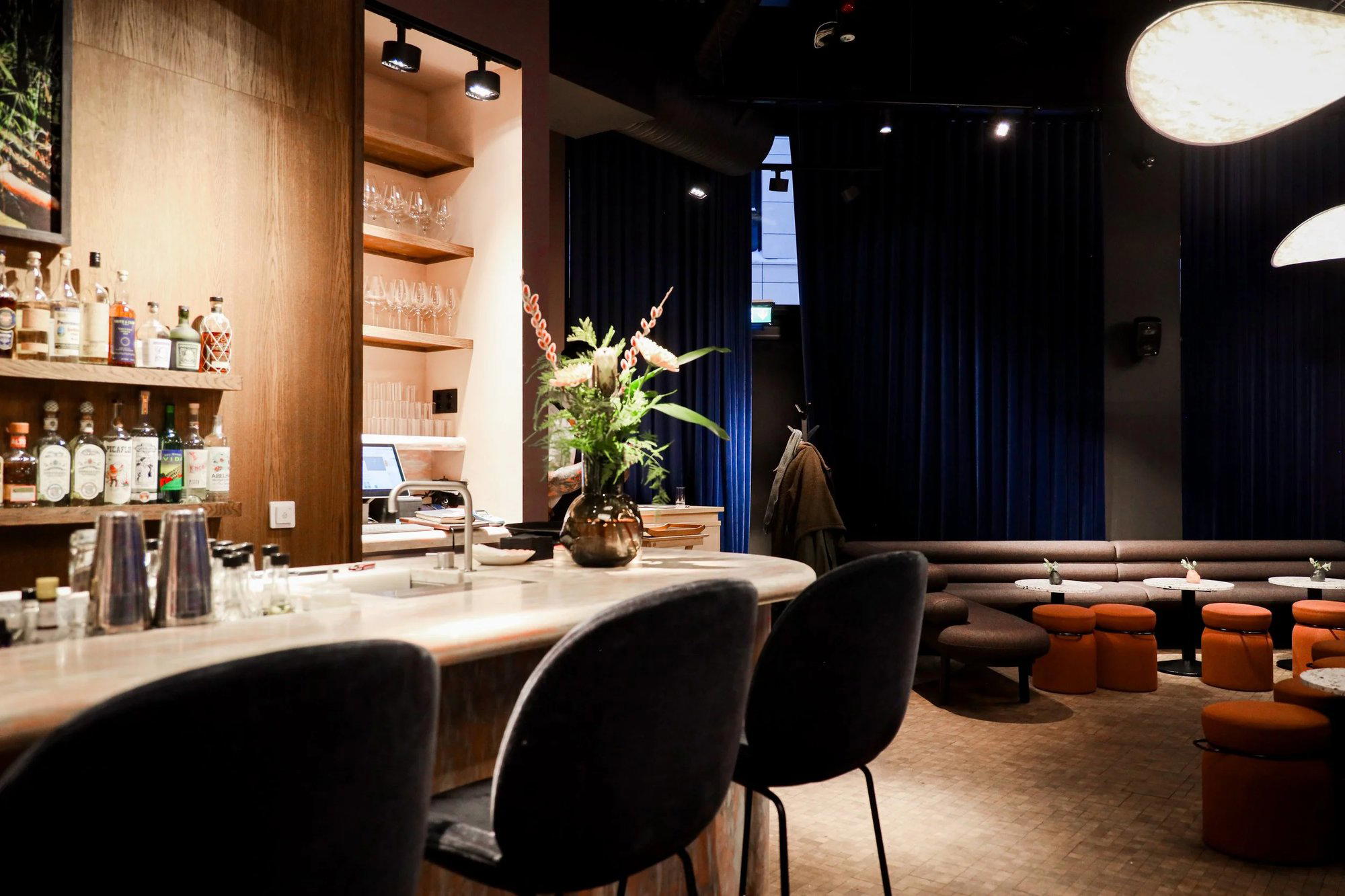
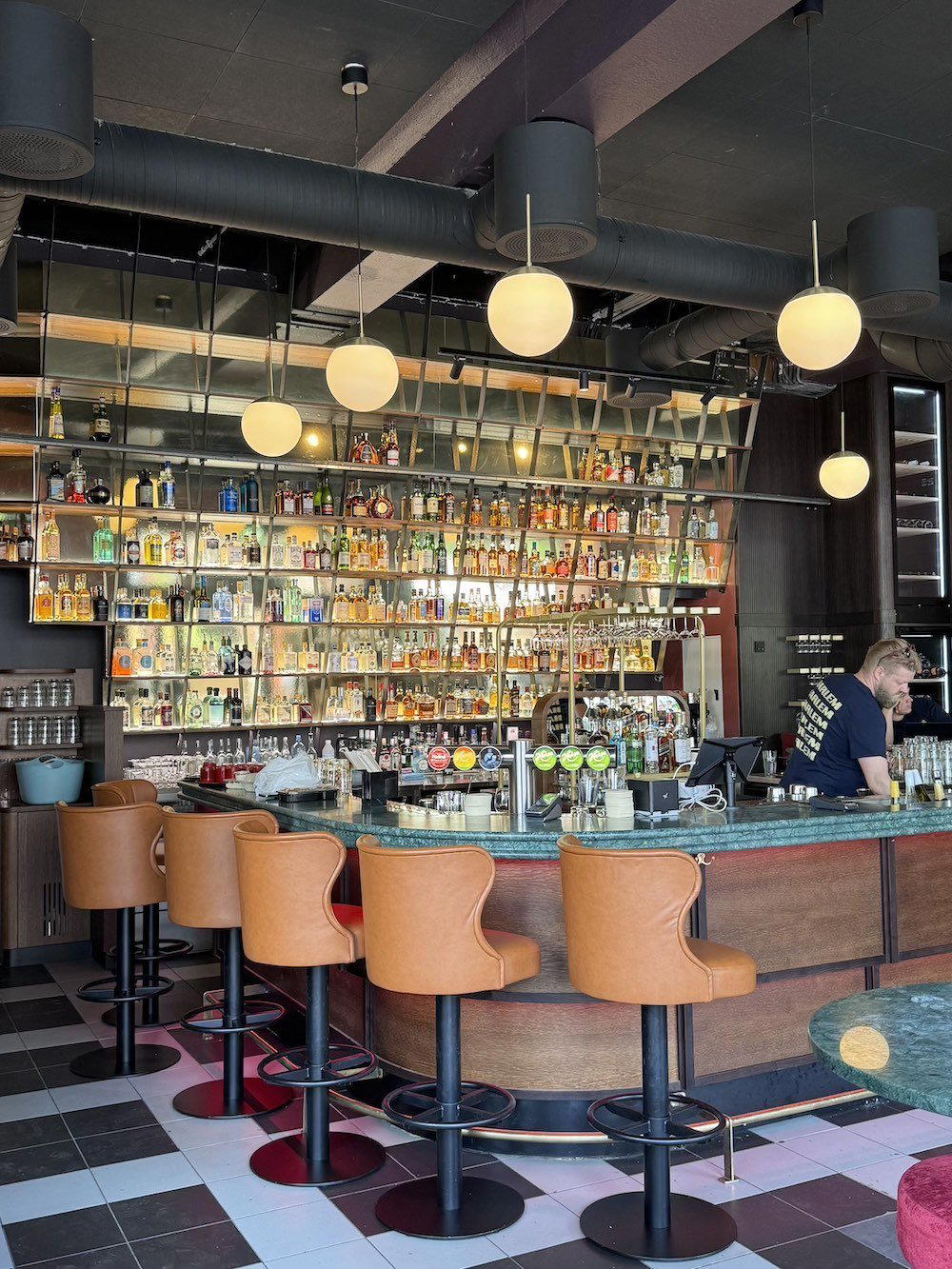
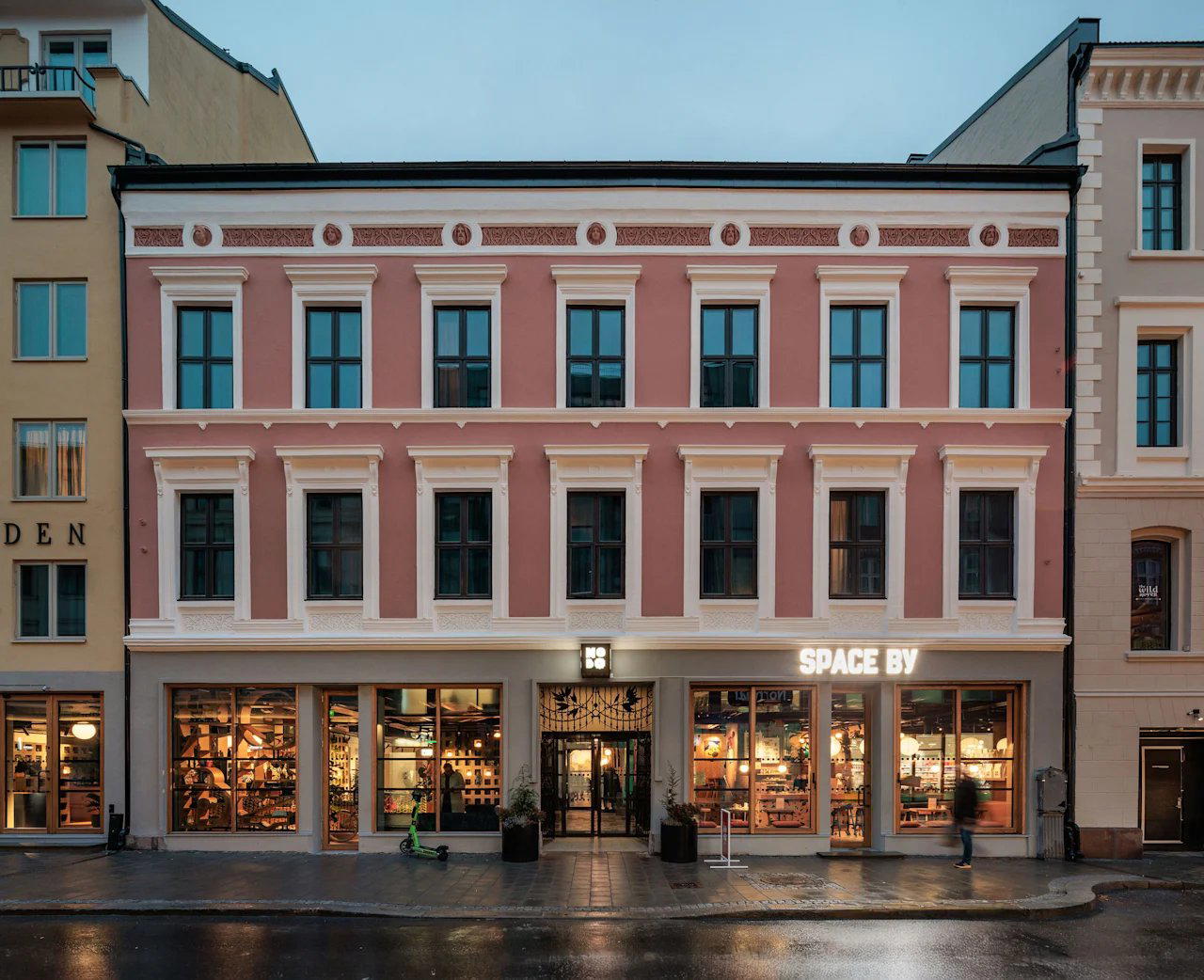
Bright, airy, and polished space with a posh feel; described as fine-decorated with good mood and vibe, suitable for both casual and celebratory occasions.