Our verdict
Dinner Barcode occupies a telling address in Oslo's Bjørvika waterfront district, where the city's newer dining ambitions have taken root alongside its cultural institutions. The restaurant draws a regular crowd that returns for what the neighbourhood has come to expect from this tier: considered cooking in a setting that doesn't perform for first-timers. Located at Dronning Eufemias gate 28, it sits within easy reach of the Opera House and Munch Museum.

Pearl is the En Primeur Club membership app — saves, bookings, and concierge access live there. Same editors, same standards.
- Address
- Dronning Eufemias gate 28, 0191 Oslo, Norway
- Phone
- +4722933450
- Hours
- Mon 4:30–10:30 PMTue–Thu 4–11 PMFri 3:30–11 PMSat 3:30–11:30 PMSun 3–10 PM
- Website
- dinner.no
- Directions
- Get directions
- Booking
- Book on ResDiary
Bjørvika's Dining Register
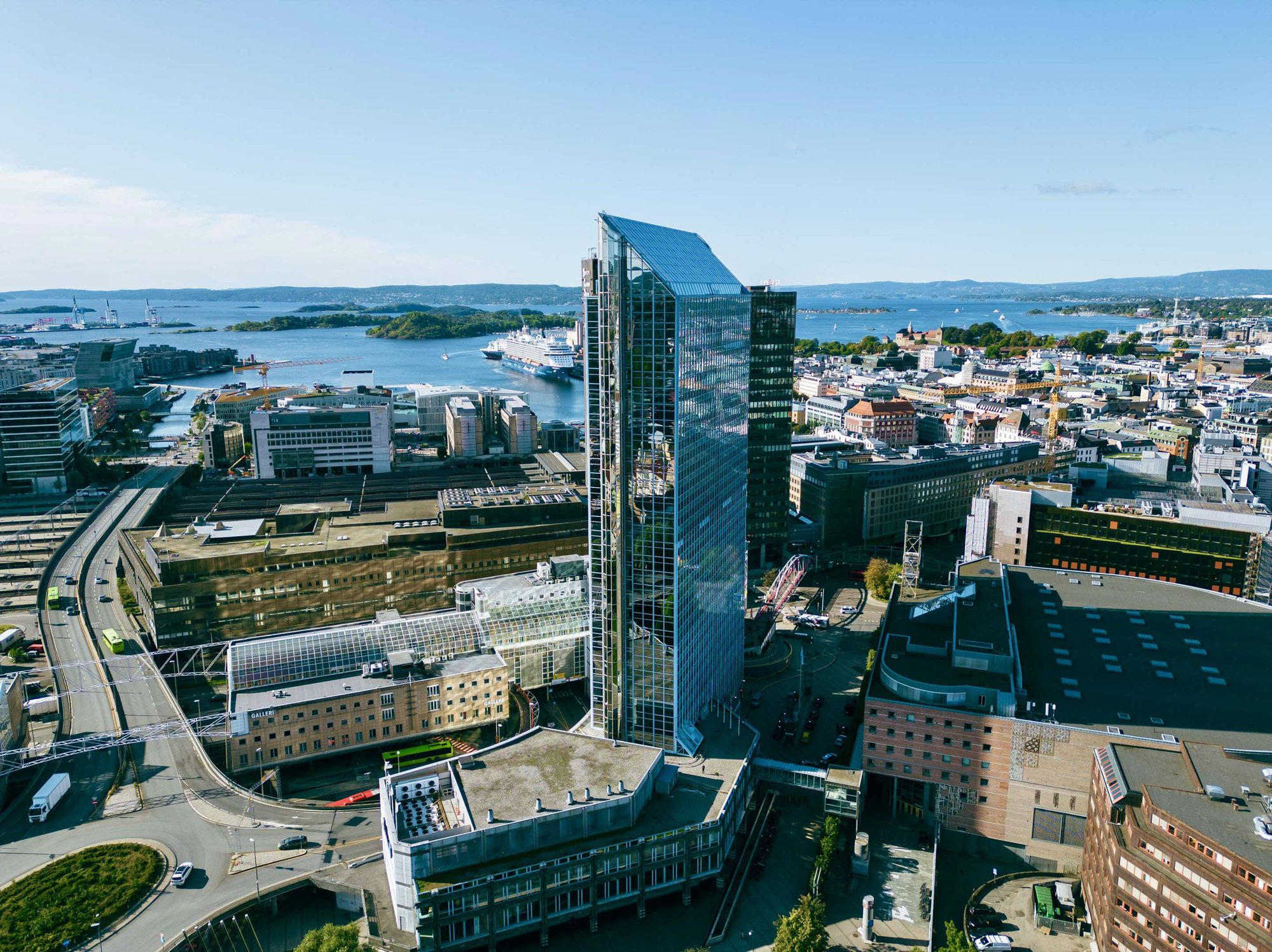
Oslo's waterfront redevelopment at Bjørvika has produced one of Northern Europe's more deliberate urban dining concentrations. The neighbourhood, anchored by the Opera House and the Munch Museum, was designed to attract both institutions and the restaurants that follow cultural infrastructure. Dronning Eufemias gate — the address where Dinner Barcode sits — runs through the heart of this quarter, and the restaurants along it reflect a city that has spent the last decade deciding what kind of dining identity it wants beyond the New Nordic template.
That broader Oslo conversation matters when placing Dinner Barcode in context. The city's fine-dining tier is anchored by Maaemo and Kontrast, both operating at the upper end of the market with tasting menus and Michelin recognition. Below that, a looser mid-tier has developed, restaurants where the cooking is technically serious but the format is less ceremonial, the room less spare. Dinner Barcode operates in that register, drawing the kind of regulars who have already done the tasting-menu circuit and want something they can return to without the advance planning.
What Keeps the Regulars Coming Back
The most useful thing a regular at Dinner Barcode can tell you is what they order without looking at the menu. That kind of institutional knowledge, built over multiple visits, across seasons, is the clearest signal of a restaurant that has earned repeat business on cooking rather than novelty. Bjørvika has its share of restaurants that attracted early attention from the cultural footfall and then coasted; Dinner Barcode's position suggests it has maintained enough consistency to hold a loyal clientele in a district where diners have options.
In Oslo's current market, the competition for that regular audience is real. Bar Amour and Hot Shop have built their own return-visitor bases through distinct formats, the former through creative small-plate programming, the latter through a tighter New Nordic lens. Mon Oncle has drawn a French-leaning crowd. Each has staked out a format identity. Dinner Barcode's name itself signals something about positioning: the Barcode district is Oslo shorthand for the cluster of high-rise development along the waterfront, and naming the restaurant after its geography roots it firmly in the neighbourhood rather than trying to transcend it.
The Bjørvika Address: What It Implies
Restaurants in the Barcode district have a particular set of challenges that shape who their regulars are. The area draws heavy weekday traffic from the office towers, it is one of Oslo's densest business districts, alongside the cultural visitors who arrive for the Opera House and the Munch Museum. A restaurant that manages to hold both audiences without compromising its kitchen for either has done something worth noting. The weekday lunch crowd and the Friday-night regulars often want different things, and the menus that navigate that split without becoming generic tend to be the ones that develop genuine loyalty.
For visitors arriving from elsewhere in Norway, Oslo's fine-dining geography is worth mapping before booking. The country's strongest destination restaurants are spread across the country: RE-NAA in Stavanger, Speilsalen in Trondheim, Lysverket in Bergen, and the structurally unusual Under in Lindesnes. Beyond those, a newer generation of regional restaurants, Glime Restaurant in Hardanger Fjord, MiraBelle by Ørjan Johannessen in Bekkjarvik, Restaurant 1893 in Stokmarknes, Vianvang in Vågå, Buer Restaurant in Odda, and Lily Country Club in Kløfta, has expanded what serious Norwegian cooking looks like outside Oslo. Dinner Barcode sits in the Oslo end of this wider network, in a district that functions as a gateway for visitors coming to the city through its cultural institutions.
Format and the Regulars' Economy
Across comparable waterfront redevelopment districts in Northern Europe, Stockholm's Norrmalm extension, Copenhagen's harbour-adjacent expansion, Helsinki's Jätkäsaari, the restaurants that survive the first five years of cultural-footfall dependency tend to be those that built a neighbourhood economy of regulars early. The tourists and one-off visitors sustain revenue during peak periods, but the return rate from local and business diners is what smooths the harder months. In Oslo, where winters compress outdoor dining to near zero and the cultural calendar becomes the main foot-traffic driver, that balance matters more than in warmer cities.
International comparisons are instructive here. At a different scale and price tier, Le Bernardin in New York City built its reputation partly on the trust of regulars who knew exactly what they were getting across decades. Lazy Bear in San Francisco took the opposite approach, building loyalty through a format that felt like a recurring event rather than a recurring restaurant visit. Dinner Barcode's positioning in Bjørvika suggests something between those poles: a fixed address with a recognisable identity, in a district that rewards consistency over theatre.
Planning a Visit
Dinner Barcode is located at Dronning Eufemias gate 28, 0191 Oslo, in the Bjørvika waterfront district. The area is well-served by Oslo's public transport network, with Bjørvika tram stop and Oslo Central Station within walking distance. For visitors building a wider Oslo dining itinerary, our full Oslo restaurants guide covers the city's key neighbourhoods and the restaurants that define each tier. Booking details, current hours, and menu format should be confirmed directly with the restaurant, as these specifics are subject to change and are not replicated here.
Frequently asked questions
What part of town is Dinner Barcode in?
Dinner Barcode is located at Dronning Eufemias gate 28, 0191 Oslo, Norway, Oslo.
How does Dinner Barcode compare to other restaurants in Oslo's Barcode district?
The Barcode district at Bjørvika has attracted a range of openings pitched at the corporate lunch and waterfront dinner market, making differentiation a genuine challenge for any operator on Dronning Eufemias gate. Dinner Barcode's position in this set is shaped by its repeat-customer base, which in a district with consistent weekday footfall from Oslo's office towers signals a more considered offer than the neighbourhood average. For direct comparison on format, price, and cuisine type, the restaurant can be reached at its Oslo address.
What should I order at Dinner Barcode?
Regulars at Dinner Barcode tend to have a short list they return to without consulting the menu — a reliable indicator of a kitchen with consistent strengths rather than a rotating showcase. Specific dish details are best confirmed directly with the restaurant at Dronning Eufemias gate 28, Oslo, where staff can advise on current offerings. Arriving with flexibility rather than a fixed agenda is the approach most rewarded here.
Is Dinner Barcode reservation-only?
The Bjørvika district draws heavy weekday office traffic and a more residential weekend crowd, which means walk-in availability shifts considerably depending on the day. Booking ahead is advisable, particularly for evening sittings Thursday through Saturday when the Barcode neighbourhood is at its busiest. Contact Dinner Barcode directly at Dronning Eufemias gate 28, Oslo, to confirm current reservation policy.
What's the standout thing about Dinner Barcode?
Its address in Oslo's Bjørvika redevelopment zone tells you a great deal about its audience: the Barcode district has become one of Northern Europe's more deliberate concentrations of dining, and the restaurants that hold repeat custom here do so by offering something functional regulars can rely on rather than spectacle. Dinner Barcode has built a returning local base in an area where novelty openings cycle through quickly, which is a more meaningful credential than a launch-week queue.
Is Dinner Barcode good for vegetarians?
The kitchen's current provisions are best confirmed by contacting the restaurant at Dronning Eufemias gate 28, 0191 Oslo, before visiting. This applies equally to allergen requirements.
Cuisine-First Comparison
Comparable options at a glance, pulled from our tracked venues.
| Venue | Cuisine | Price | Awards | Notes |
|---|---|---|---|---|
| Dinner BarcodeThis venue — the venue you are viewing | Modern Sichuan & Cantonese | $50–100 | Not listed | Not listed |
| Maaemo | New Nordic Fine Dining | $300–500 | 3 Michelin Stars · World's 50 Best #47 | New Nordic, Modern Cuisine |
| Kontrast | Modern Nordic Fine Dining | $200–300 | 2 Michelin Stars · La Liste Top Restaurants | New Nordic, Scandinavian |
| Hot Shop | Modern Nordic Tasting Menu | $100–150 | 1 Michelin Star · Star Wine List | New Nordic, Modern Cuisine |
| Statholdergaarden | Classic Norwegian-French Fine Dining | $200–300 | 1 Michelin Star · La Liste Top Restaurants | Modern European, Classic Cuisine |
| Arakataka | Modern Nordic | $50–100 | Michelin Plate · Star Wine List | Nordic, Norwegian |
Continue exploring
More in Oslo
Restaurants in Oslo
Browse all →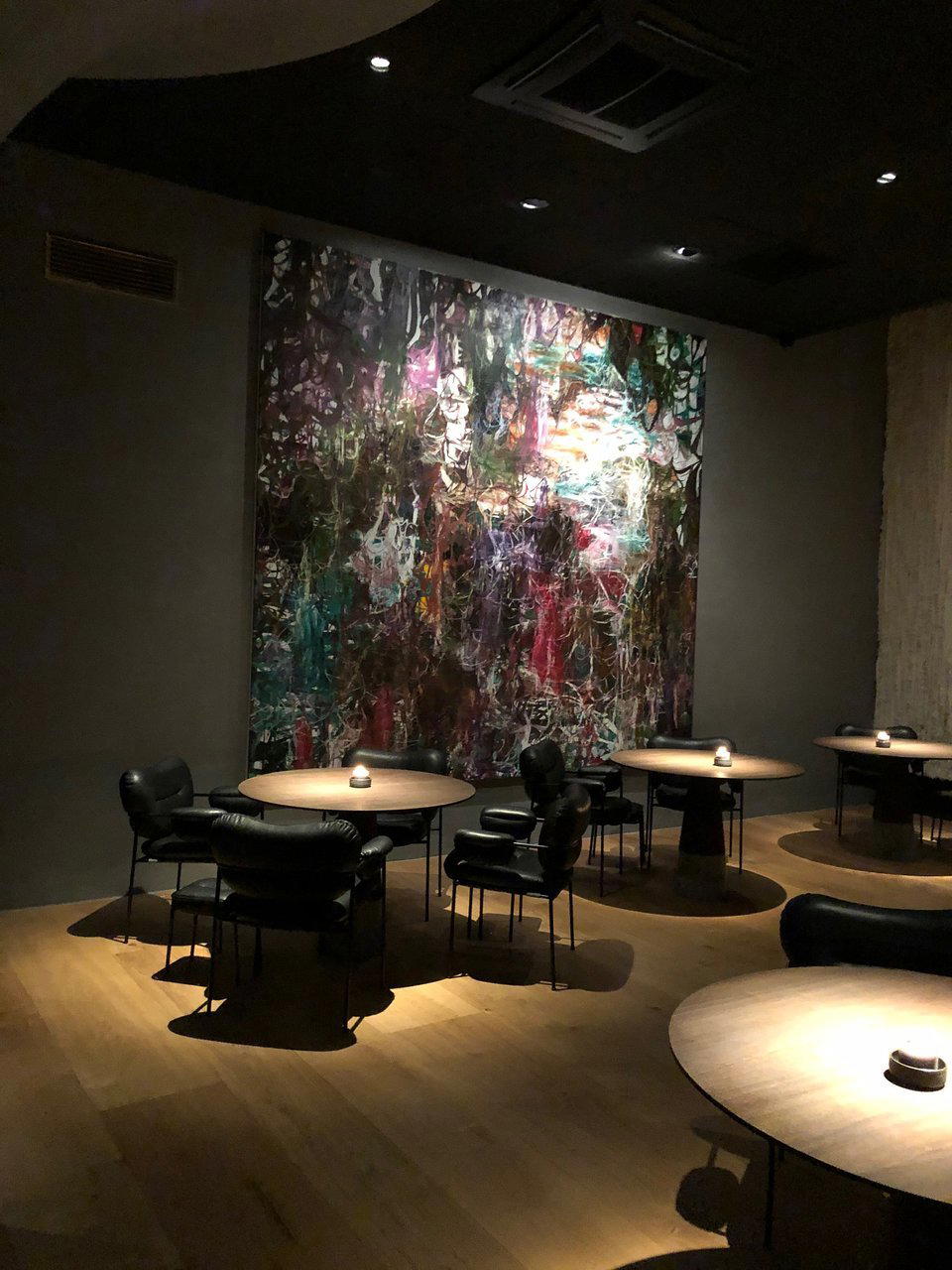
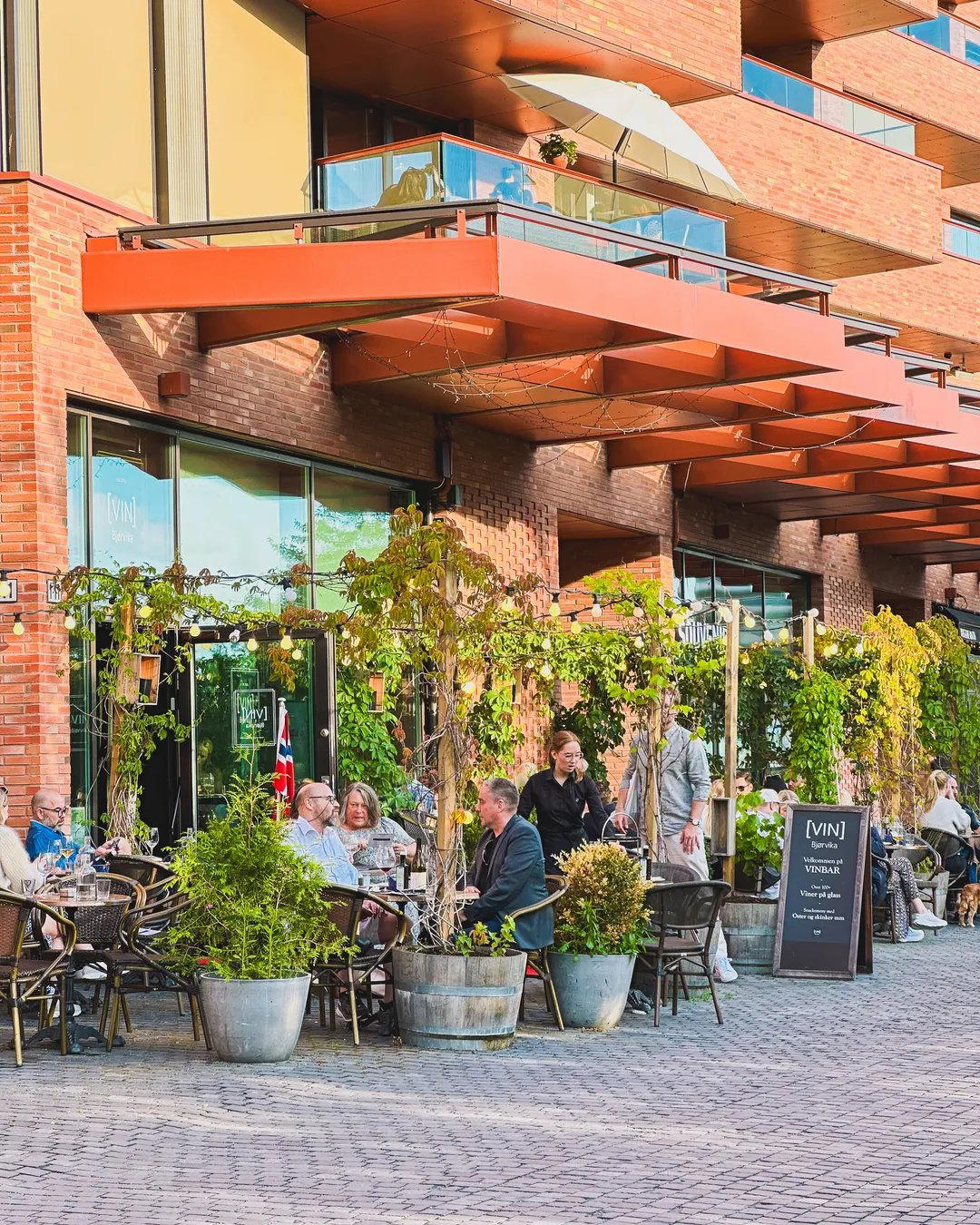
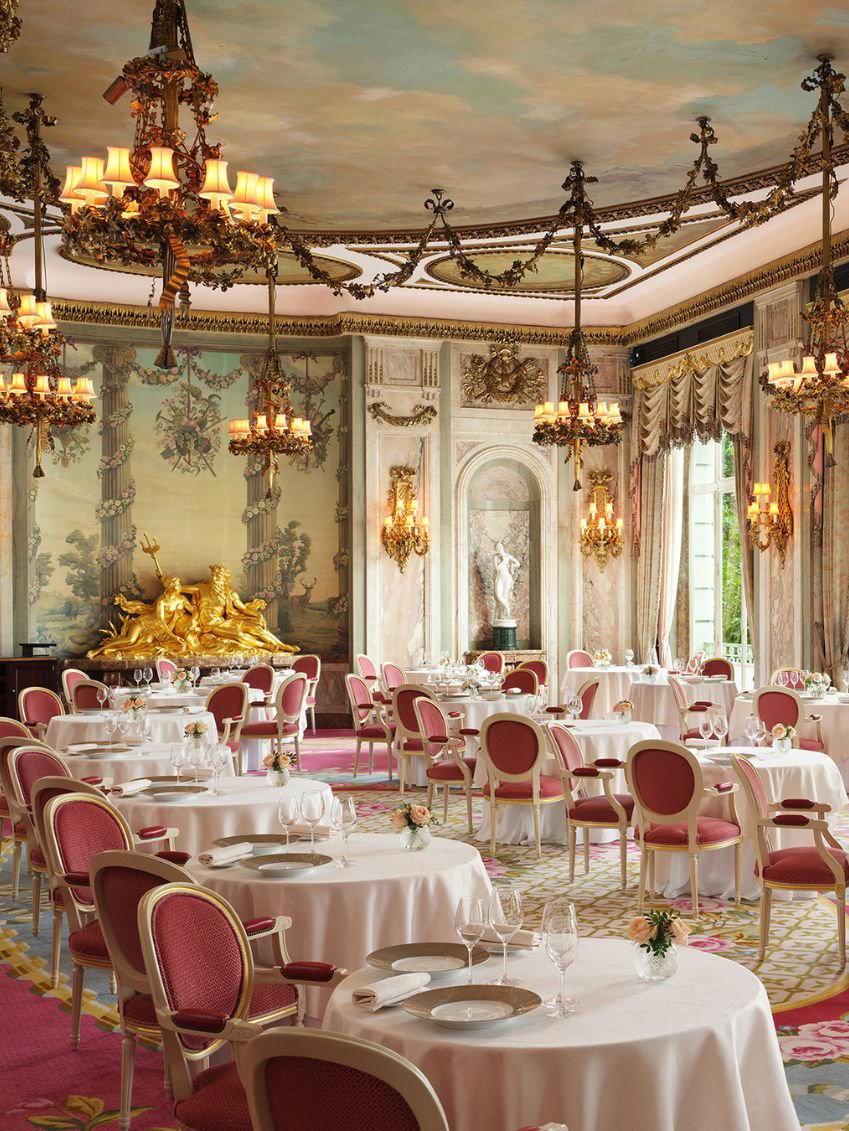
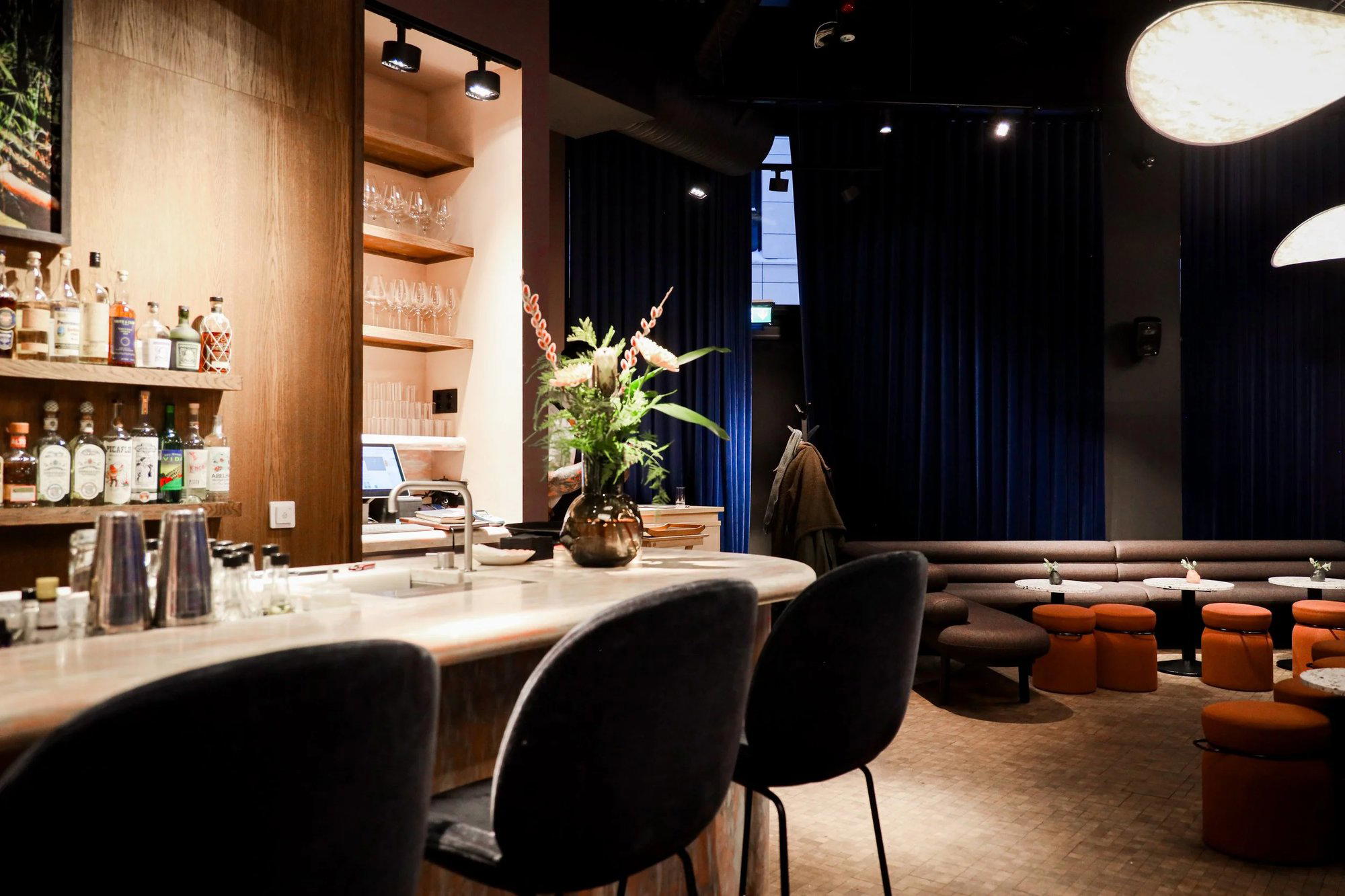
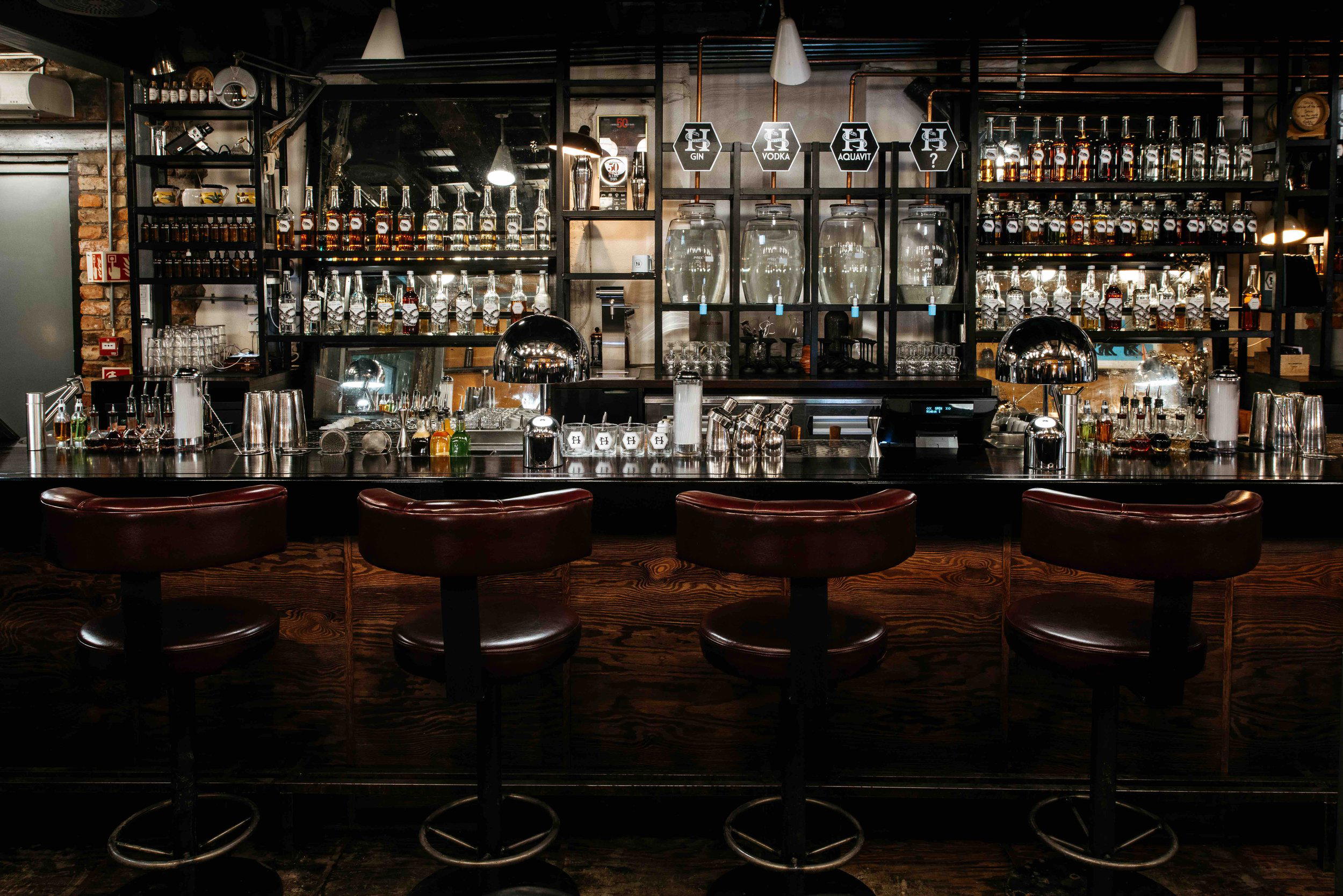
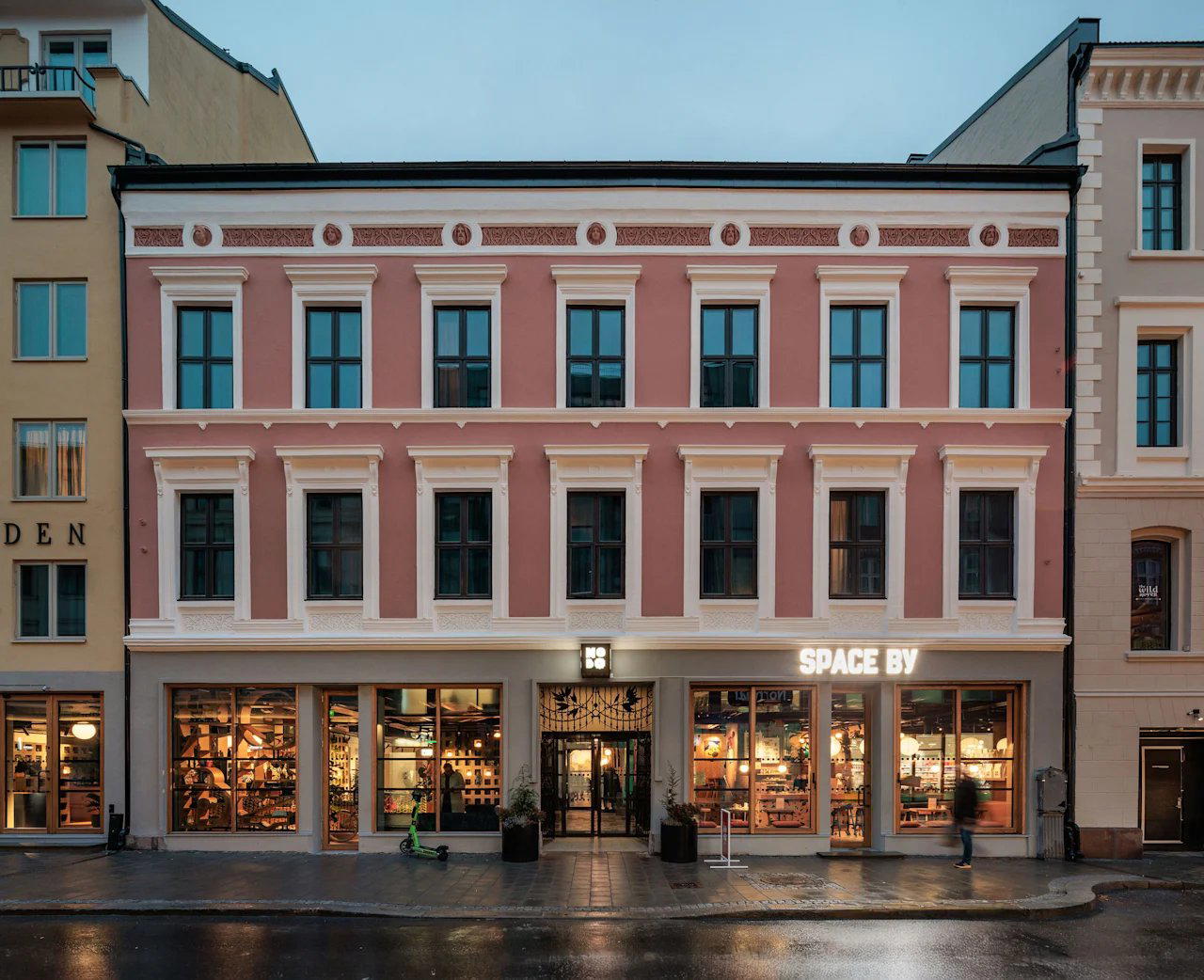
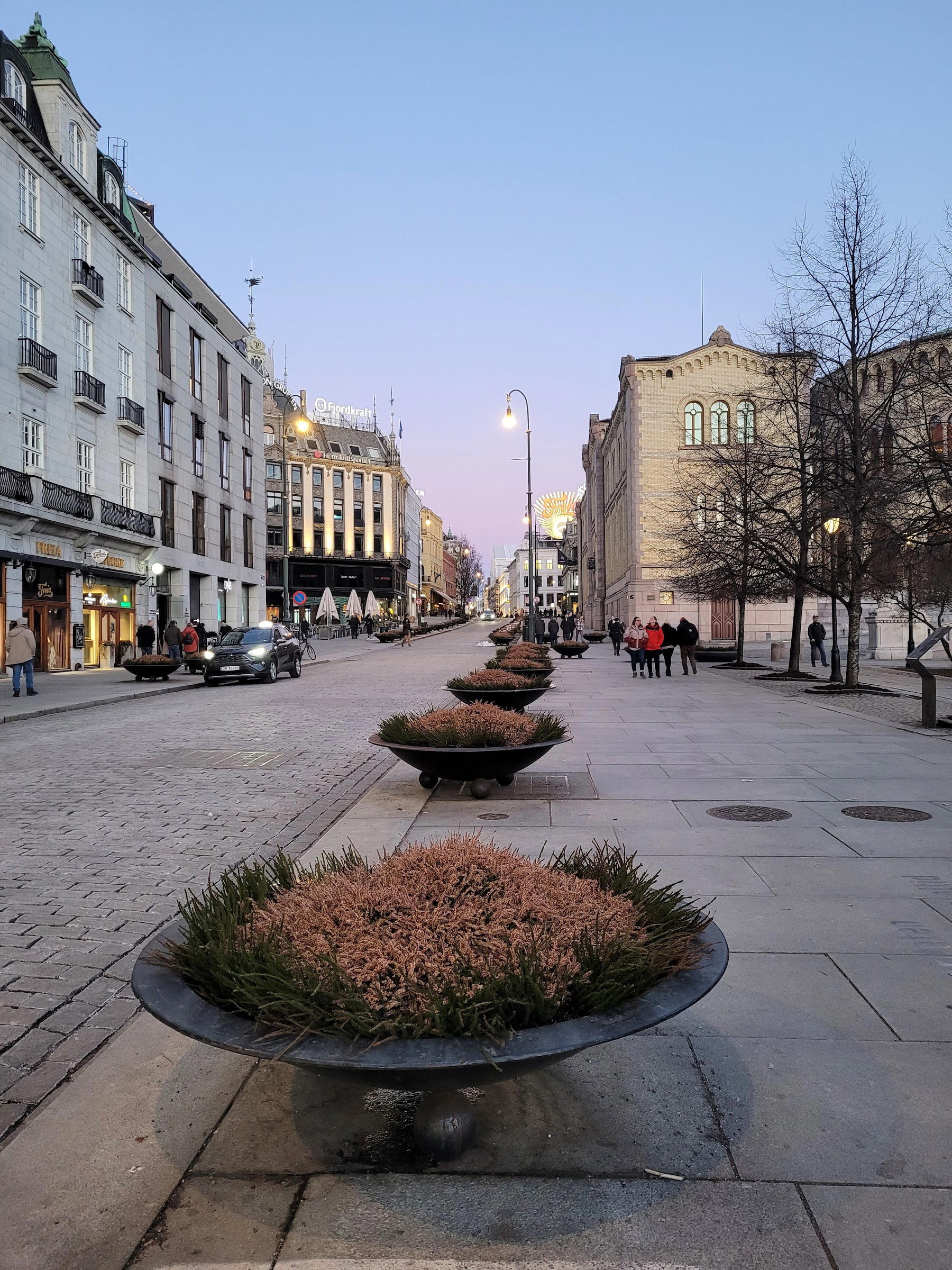
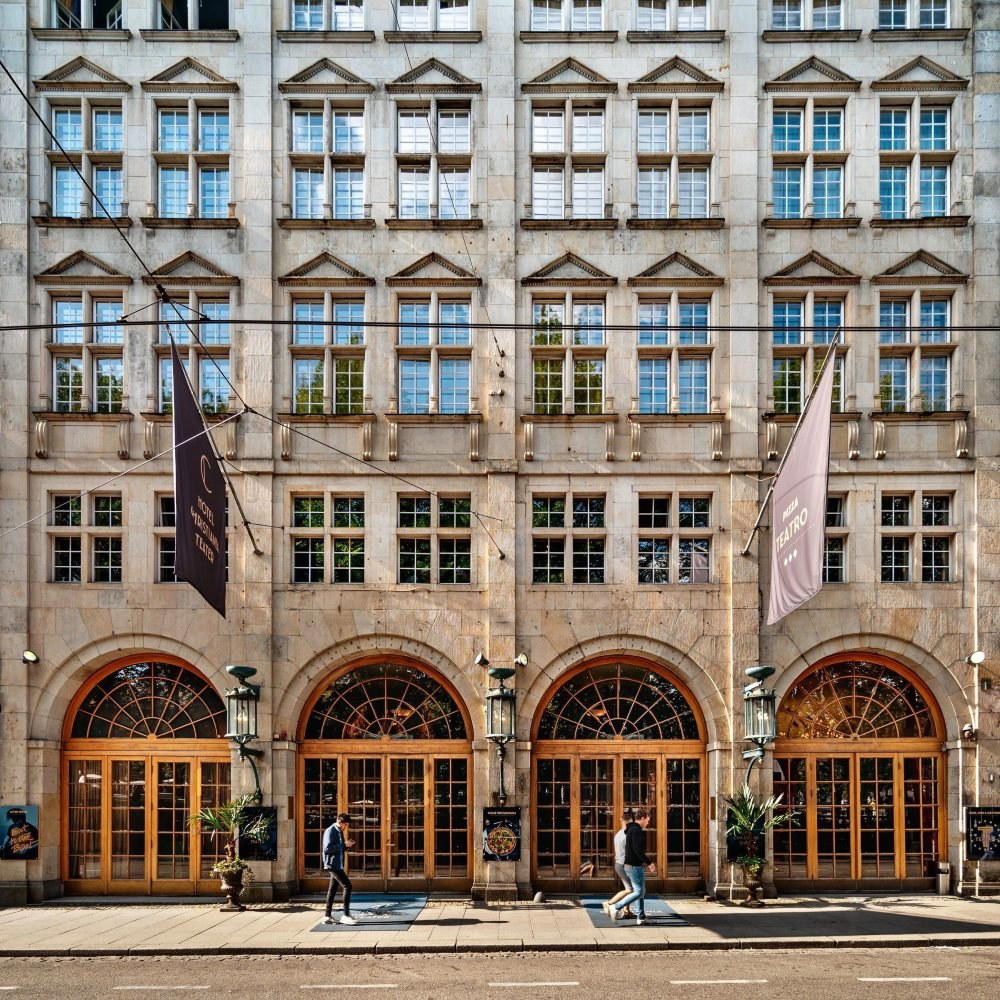
Dinner Barcode
The wine
- Wine program
- Curated wine list
- Extensive wine list
Details
- Elegant
- Cozy
- Modern
- Sophisticated
- Ornate
- Date Night
- Special Occasion
- Group Dining
- Late Night
- Open Kitchen
- Extensive Wine List
- A La Carte
- Small Plates
- Vegetarian Friendly
- Vegan Options
Current opening hours
- Monday
- 4:30–10:30 PM
- Tuesday
- 4–11 PM
- Wednesday
- 4–11 PM
- Thursday
- 4–11 PM
- Friday
- 3:30–11 PM
- Saturday
- 3:30–11:30 PM
- Sunday
- 3–10 PM
Hours can change for holidays and private events. Last verified .
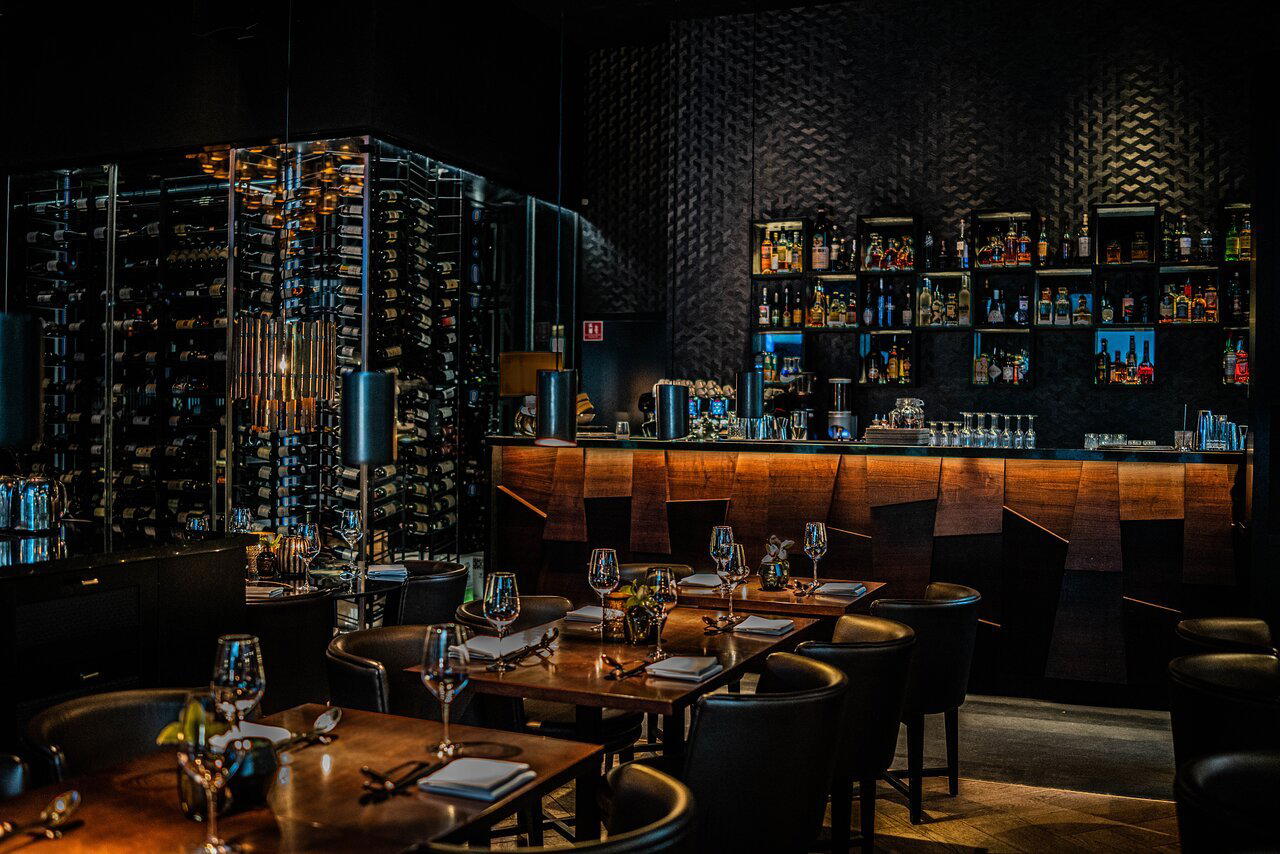
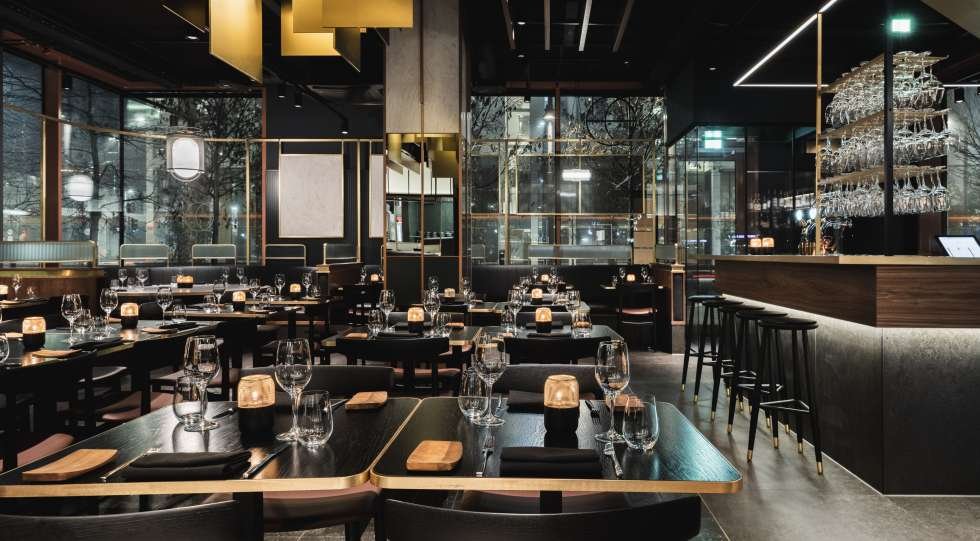
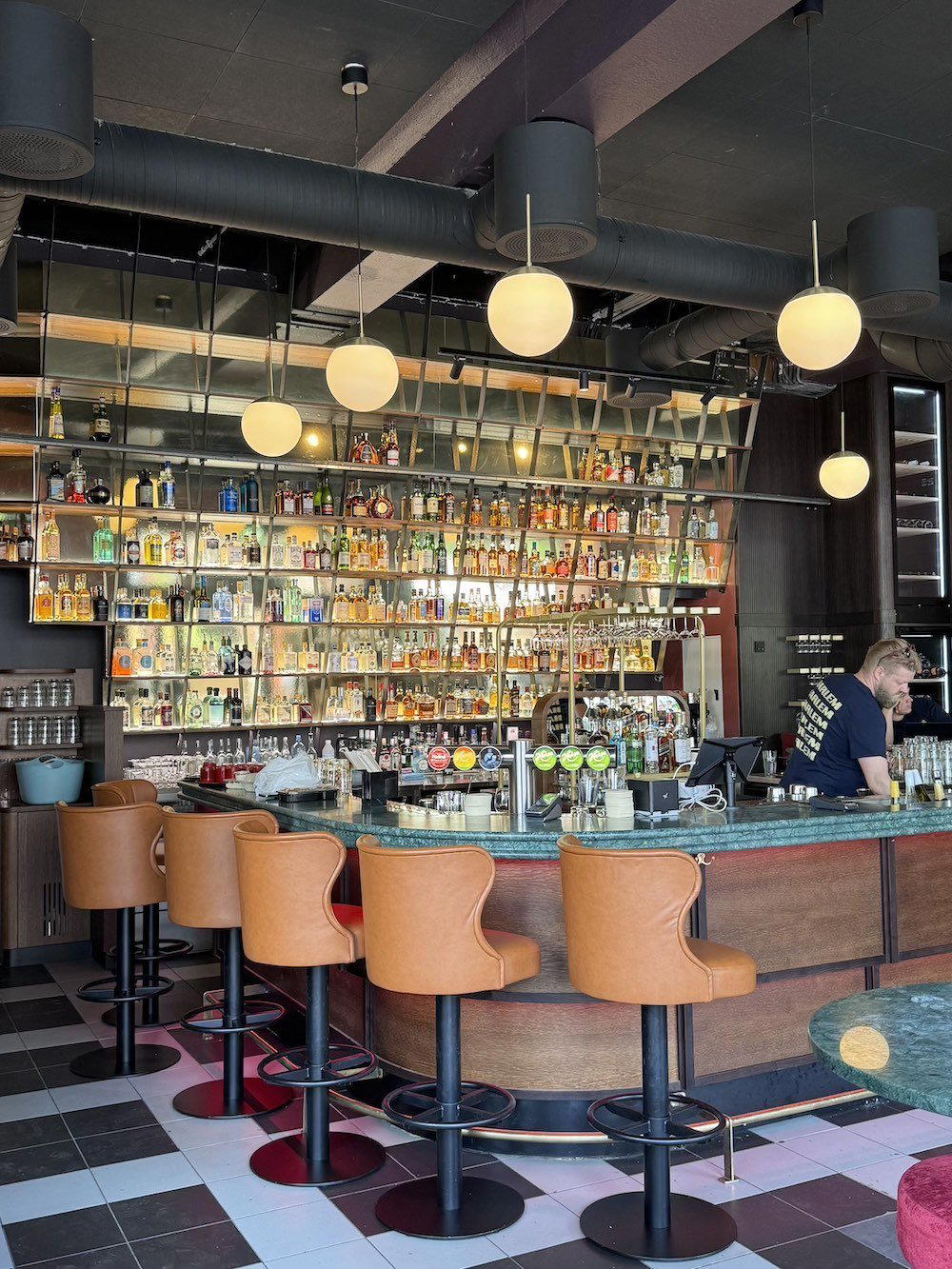
Elegant decor with ornate chandeliers creating a cozy yet sophisticated atmosphere suitable for intimate dinners and lively gatherings.